Blog

How to Choose Paper Packaging Suppliers in 2026
Choosing Paper Packaging suppliers in 2026 means checking more than price, print quality, or a sustainability claim. Buyers need evidence of consistent board grades, food-contact suitability where relevant, recycled-fiber content, delivery performance, and traceability. Ask for current specifications and test results. Then compare them with a real sample: the carton on your desk should match the one promised in the contract.
The market is large, and the sourcing stakes are practical. The Food and Agriculture Organization reported global paper and paperboard production of about 401 million tonnes in 2022. That figure describes scale, not the footprint of any individual supplier. Packaging sustainability researcher Dr. Susan Selke’s published work supports a useful principle: assess a package across its life cycle, rather than judging it by material alone. Treat that as guidance, not a shortcut; supplier-specific data still matters.
No supplier is perfect. A low quoted price can hide weak documentation, variable lead times, or board that fails during stacking and shipping. Ask how the supplier manages quality checks, sourcing records, production changes, and rejected batches. Request references from customers with similar packaging needs, and verify claims against documents. One awkward truth: glossy certificates do not guarantee a carton will survive a damp warehouse. The right choice is the supplier whose evidence, samples, and service record hold up under your actual conditions.
Read more »
 By:Ethan
- November 25, 2026
What Is Retail Packaging and Why Is It Important?
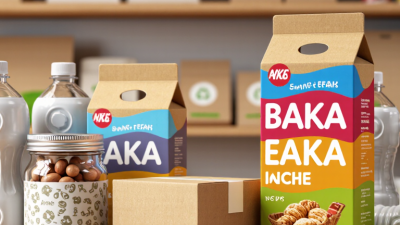
Retail Packaging is the material and design that protect products, communicate brand information, and help shoppers make decisions in stores or online. It can be a cereal carton, a glass jar with a printed label, or a shipping-ready box delivered to a customer’s door. Good packaging has a practical job. It must protect the product, display key details clearly, and fit the way retailers stock and sell it.
The wider environmental context matters. The U.S. Environmental Protection Agency reported that containers and packaging generated 82.2 million tons of municipal solid waste in 2018, or 28.1% of the total. That figure covers more than retail packaging, but it shows why material choices deserve attention. PwC’s 2024 Voice of the Consumer Survey found that respondents were willing to pay an average of 9.7% more for sustainably produced or sourced goods. That finding is not specific to packaging, and stated preferences do not always become purchases. Still, it signals that packaging can influence how shoppers perceive a product. A clear recycling instruction or sturdy, easy-to-open carton can make a difference. Sometimes, less is better.
The trade-off is real. Extra layers may improve protection but add material, cost, and disposal complexity. A strong Retail Packaging strategy balances shelf appeal with product safety, usable information, and thoughtful material choices. There is no single design that works for every product or market. Brands should test packaging with real products and shoppers, then improve what falls short.
Read more »
By:Ethan
- November 25, 2026

How to Choose the Right Custom Packaging for Your Business?
Choosing Custom Packaging is not simply a design decision. It affects shipping costs, product protection, customer experience, and how clearly your brand stands out. The right solution depends on your product’s weight, fragility, dimensions, sales channel, and order volume. A glass candle needs a different insert from a folded T-shirt. Even a small sizing mismatch can leave products sliding in transit or force you to pay for unused space.
Industry research offers useful context, but it should not replace testing. McKinsey’s 2020 US consumer survey on sustainable packaging found that 60% of respondents said they would pay more for sustainable packaging. Trivium Packaging’s 2023 Global Buying Green Report also reported strong consumer interest in sustainable packaging. These findings suggest that material choices can influence perception. They do not prove every customer will pay more. Survey intentions are not the same as purchases. That distinction matters.
A practical choice balances appearance with performance. Compare material strength, print quality, minimum order quantities, storage needs, and total landed cost—not just the unit price. Request samples, pack a real product, and test the fit before approving a large run. A neat, sturdy mailer can make a better impression than an elaborate box that adds weight and cost. There is no perfect box. Your first design may need revision, and that is normal. The goal is packaging that protects the product, supports your brand, and makes sense for your customers and operations.
Read more »
By:Ethan
- November 25, 2026