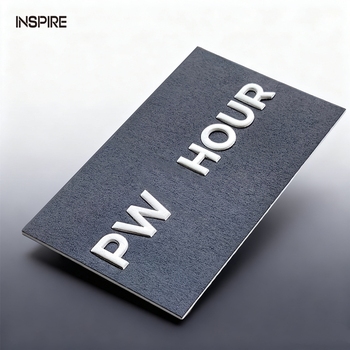
Custom Specialty Paper Greeting Card Manufacturer
Specialty Paper Greeting Card Sourcing Guide for Global Buyers: Cotton Paper, Letterpress, Foil Stamping & Sustainable Finishes
This buyer-focused guide from Fuzhou Buba Printing Co., Ltd. answers the questions global procurement teams, stationery brands, gift shops, wedding suppliers and private-label retailers ask when sourcing premium greeting cards from China. It covers paper selection, finishes, MOQs, quality control, procurement trends and the future of specialty paper greeting cards.
18+
Years in Paper Printing
2300m²
Production Floor Space
10+
Years of Export Expertise
4.6/5
Verified Buyer Rating
What Buyers Need to Know
What Is a Specialty Paper Greeting Card?
A specialty paper greeting card is not simply a folded sheet of paper with print on it. It is a tactile brand asset made from selected paper stock — such as cotton, recycled uncoated, kraft, pearl, metallic, linen, felt, laid textured or duplex board — and finished with letterpress, hot foil stamping, blind embossing, debossing, edge painting, die-cutting, wax-seal labels, ribbons or hand assembly. For global buyers, the difference between a commodity card and a specialty paper card is the perceived value at retail, the unboxing experience, the shelf presence and the signal of care that a brand sends to its customer.
Search demand for specialty paper greeting cards comes from several buyer groups: stationery brands launching a seasonal collection, gift shops testing a premium display, wedding planners sourcing invitation suites, beauty and fragrance companies adding a thank-you card to e-commerce orders, and private-label retailers who need a card that matches packaging. These buyers rarely search only for a price. They search for paper weight, texture, print method, envelope matching, recyclability, MOQ, sample lead time, colour consistency and supplier verification. A product listing alone does not answer those questions, so this guide provides information gain beyond a catalogue: material choices, buyer intent segments, procurement trends, development forecasts and a practical FAQ for sourcing teams.
Buyer intent insight: a purchase-ready search for “specialty paper greeting card” usually means the buyer already understands that paper type and finishing affect cost. They want a supplier who can prove paper options, explain finishing limitations, provide a dieline and 3D mockup, and ship a consistent card that fits a matching envelope without last-minute artwork surprises.
Search Intent Segments We See from Global Buyers
Luxury and Wedding Buyers
They ask about cotton paper, letterpress, deckled edges, foil stamping, thick 600 gsm stock, envelope liners and custom invitation suites. Quality perception and sample fidelity matter more than the lowest unit price.
Retail and Stationery Brands
They need a balanced collection of everyday and seasonal cards, consistent colour across SKUs, paper texture that photographs well, barcodes, display-ready packaging and repeat-order reliability.
E-commerce and DTC Sellers
They look for cards that survive mail delivery, fit a mailer box or thank-you insert, support QR codes or handwritten notes, and can be reordered quickly around promotions.
Corporate and Promotional Buyers
They want logo embossing, foil, variable names, matching envelopes, low MOQ pilot runs and a supplier who can co-ordinate cards with notebooks, folders and gift boxes.
Sustainable Gift Brands
They ask about recycled or FSC-certified paper, water-based inks, uncoated surfaces, plastic-free packaging and whether foil or lamination affects local recycling guidance.
Importers and Distributors
They evaluate factory capability, export packing, AQL inspection, documentation, production capacity, sample lead time and the ability to consolidate multiple paper products under one supplier.
Product Recommendations
Specialty Paper Greeting Card Options Buyers Request Most
Recommended starting points for premium greeting card programmes. Every option can be customized in size, fold, paper, envelope, print and finishing.
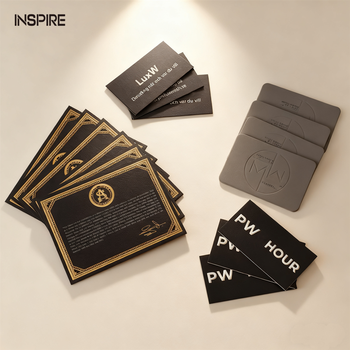
Gold Foil Holiday Greeting Card
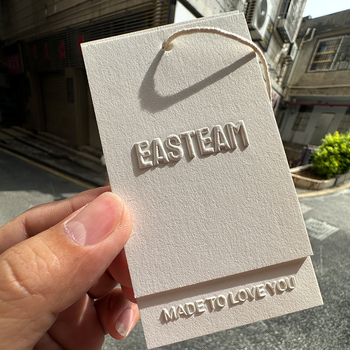
Recyclable Kraft Everyday Card
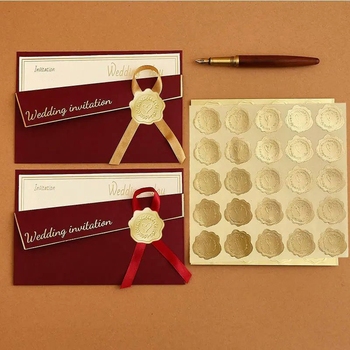
Custom Invitation & Envelope Set
Paper and Finishing Guide
Specialty Paper Greeting Card Material & Finish Matrix
Use this practical matrix to brief your supplier faster. Fuzhou Buba Printing Co., Ltd. confirms bulk availability, grain direction and finishing compatibility before sampling.
| Paper Option | Typical Weight | Feel / Appearance | Best Finishes | Ideal Use |
|---|---|---|---|---|
| 100% Cotton Paper | 300–600 gsm | Soft, thick, tactile, visible fibre | Letterpress, deboss, deckle edge, edge paint | Luxury wedding, boutique and keepsake cards |
| Recycled Uncoated Paper | 300–400 gsm | Natural, matte, eco-focused | Offset, water-based inks, blind emboss | Everyday premium cards and sustainable retail |
| Pearl or Metallic Paper | 250–350 gsm | Shimmer, smooth, reflective | Hot foil, spot UV, emboss | Holiday, beauty, fragrance and gifting ranges |
| Kraft Board | 300–450 gsm | Rustic, warm, natural | Die-cut, white ink, foil, emboss | Artisanal, organic and eco-conscious brands |
| Duplex Board | 350–400 gsm | Smooth, foldable, printable | CMYK, matte or gloss lamination | Boxed sets, promotions and retail multipacks |
| Textured Specialty Paper | 250–350 gsm | Linen, felt, laid or embossed texture | Letterpress, foil, emboss, deboss | Corporate, invitation and designer stationery |
Paper weights and finishes are typical production options. Final specifications are confirmed in writing and on a pre-production sample before mass production.
What Buyers Are Planning Now
Specialty Paper Greeting Card Procurement Trends for Global Buyers
Procurement decisions are moving beyond unit price toward speed, material proof, sustainability documentation and supplier reliability.
1. Smaller Test Runs, Faster Replenishment
Brands are reducing first orders to test designs, then replenishing winners faster. This increases demand for suppliers who can manage low MOQ pilots while holding paper stock and production slots for repeat runs.
2. Material Documentation and Eco Claims
Buyers increasingly ask for recycled content, FSC-certified options, water-based inks, plastic-free packaging and clearer recyclability notes. Generic “eco” claims are being replaced by material-specific questions.
3. Hybrid Offset and Digital Printing
Offset print remains cost-effective for large seasonal runs, while digital print supports personalization, short runs and rapid sampling. A supplier with both capabilities can move a SKU from test to scale without changing factories.
4. Supplier Consolidation
Importers are consolidating greeting cards with envelopes, labels, belly bands, boxes, paper bags and notebooks. One accountable paper products supplier reduces inspection costs and improves colour and material consistency across a launch.
5. Direct-to-Consumer Unboxing Design
Specialty paper greeting cards are being designed as part of the mailer-box experience: a thank-you card with a QR code, a handwritten-style note, a wax-seal label or a matching box insert that encourages social sharing.
6. Risk Management and Verification
Procurement teams want evidence: onsite verification, inspection routines, real production photos, AQL reports and clear sampling. Verification reduces the risk of colour mismatch, late seasonal delivery and undisclosed subcontracting.
Product Development Outlook
How Specialty Paper Greeting Cards Will Evolve
The next wave of greeting card development combines tactile luxury with practical production planning, personalization and clearer environmental choices.
Tactile Luxury Returns
Thick cotton stock, letterpress impressions, deckled edges, edge painting, blind embossing and foil are being used to create a physical experience that digital messages cannot replace. The design challenge is matching the finish to the paper so the effect stays sharp and repeatable.
Lower-Impact Materials
Recycled uncoated paper, FSC-certified stock, paper-based envelopes and plastic-free packaging will continue to grow. Some buyers are testing seed paper, recycled cotton and alternative fibres, but these require early material checks for printability, grain and shipping durability.
Personalization at Scale
Variable data and digital print make it easier to produce named corporate cards, local-market messages and limited-edition designs without sacrificing a premium feel. This is especially valuable for loyalty programmes, wedding suites and campaign-specific retail drops.
Cards as Part of a Packaging System
Greeting cards are increasingly designed alongside envelopes, belly bands, rigid boxes, mailer boxes, paper bags and labels. A unified paper system creates stronger brand consistency and simplifies purchasing for distributors and private-label retailers.
QR-Linked and Smart Interactions
QR codes can link a printed card to a product tutorial, playlist, gift message, registration page or social campaign. The paper card remains the emotional touchpoint, while the code adds measurable engagement without changing the core card structure.
Seasonal Agility and Inventory Planning
Holiday and wedding seasons will continue to punish late decisions. Buyers should approve paper and finishing early, lock in sample dates before artwork is final, and ask for a written production schedule that accounts for Chinese New Year, peak export periods and local retail deadlines.
Why Buyers Choose Buba
A Verified Supplier for Specialty Paper Greeting Cards
The right supplier combines paper expertise, print discipline, finishing control and export experience. Fuzhou Buba Printing Co., Ltd. brings those capabilities together under one roof.

18+Years of Craft
E-E-A-T Proof
Experience, Expertise and Verification Behind Every Order
Fuzhou Buba Printing Co., Ltd. is a custom manufacturer of paper packaging and commercial print based in Fuzhou, Fujian, China. The team has spent 18 years in the paper-printing trade, and for more than a decade has shipped paper cards, boxes, bags, labels, notebooks, catalogues and books to brand owners, e-commerce sellers and distributors worldwide.
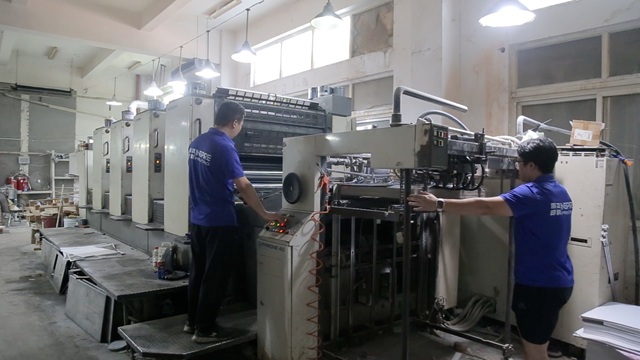
Every specialty paper greeting card project is handled under one roof — structural design, prepress, offset and digital printing, foil stamping, embossing, lamination, die-cutting and hand assembly. That means one accountable supplier instead of a chain of subcontractors, which helps protect colour consistency, paper matching and delivery timing.
- TÜV Rheinland onsite-verified
- 18 years of paper printing experience
- 2,300 m² production floor
- Free dieline and 3D mockup support
- In-house foil, emboss and die-cutting
- Export-ready packing and QC reports
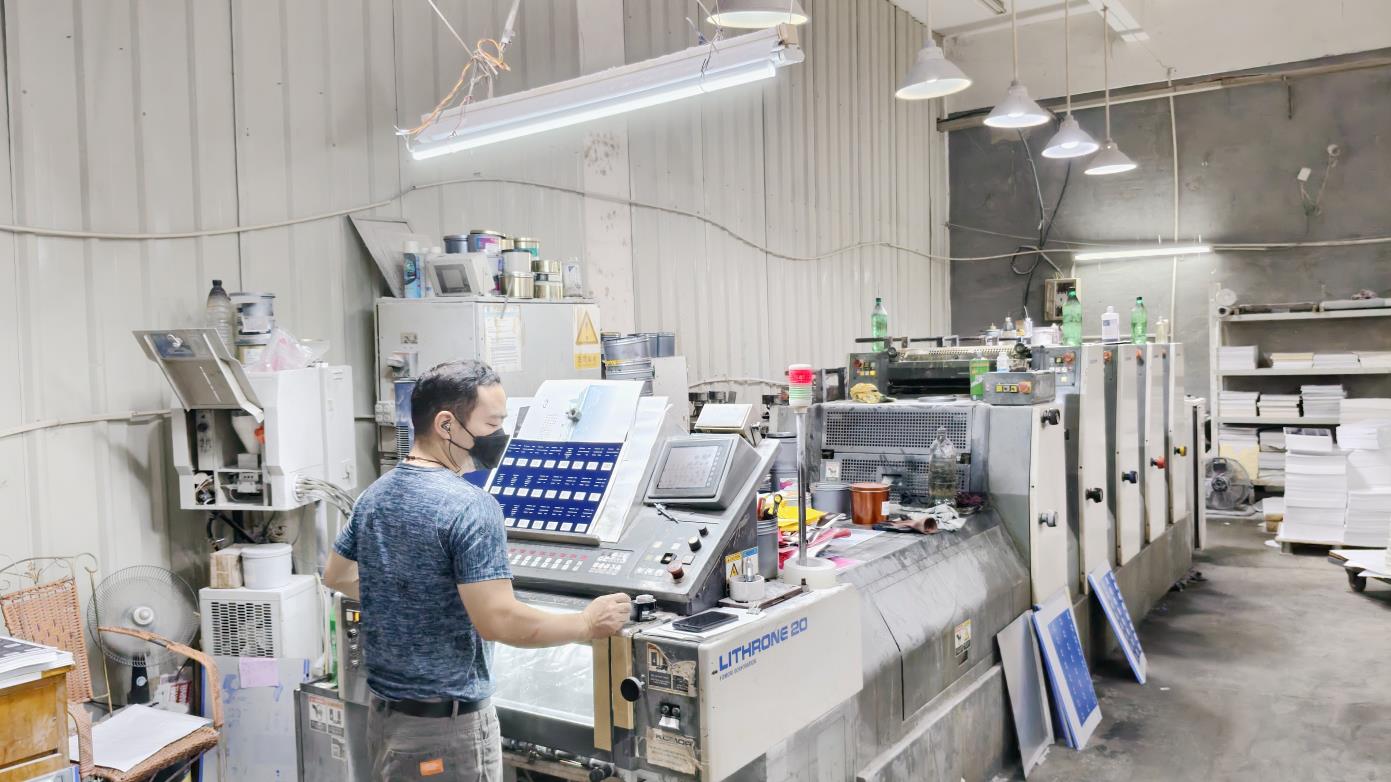
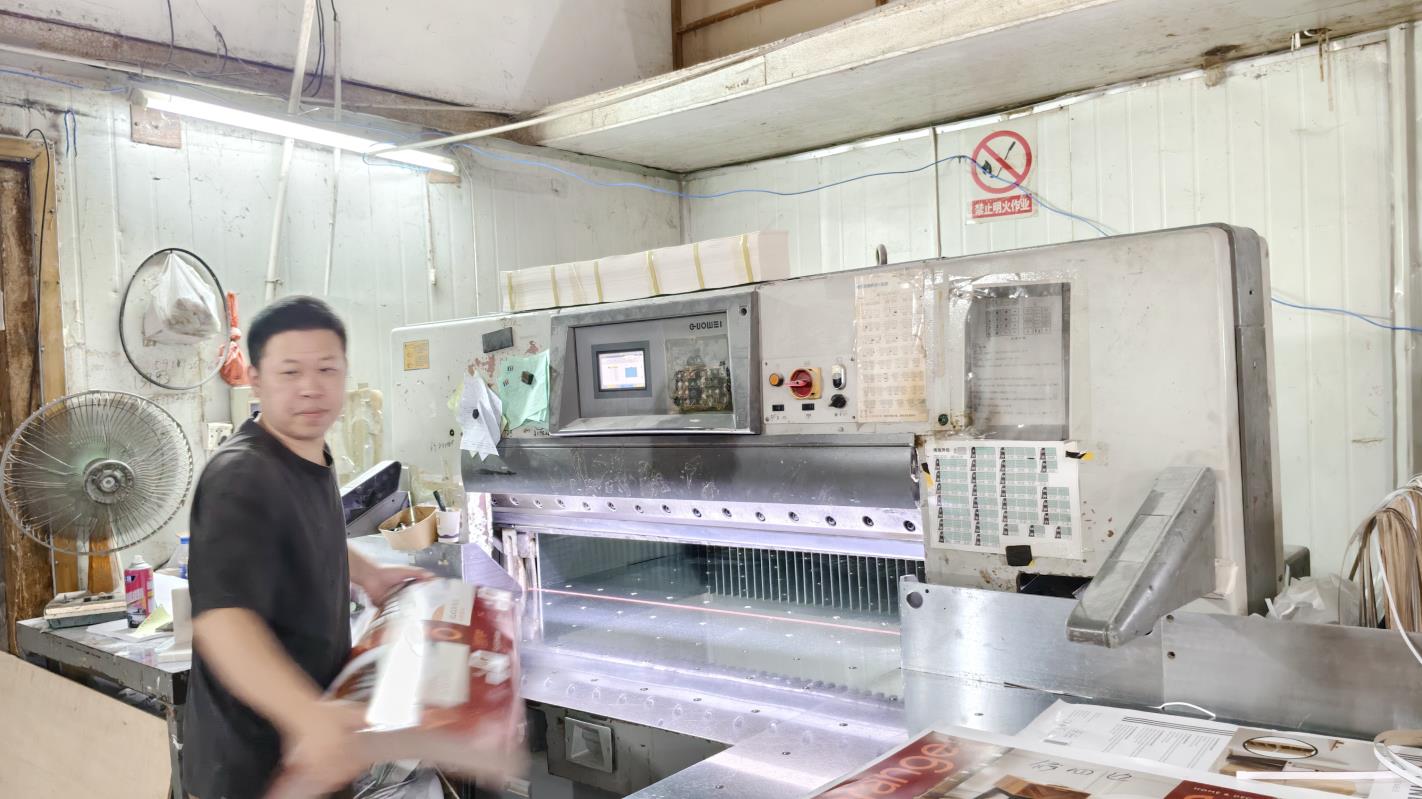
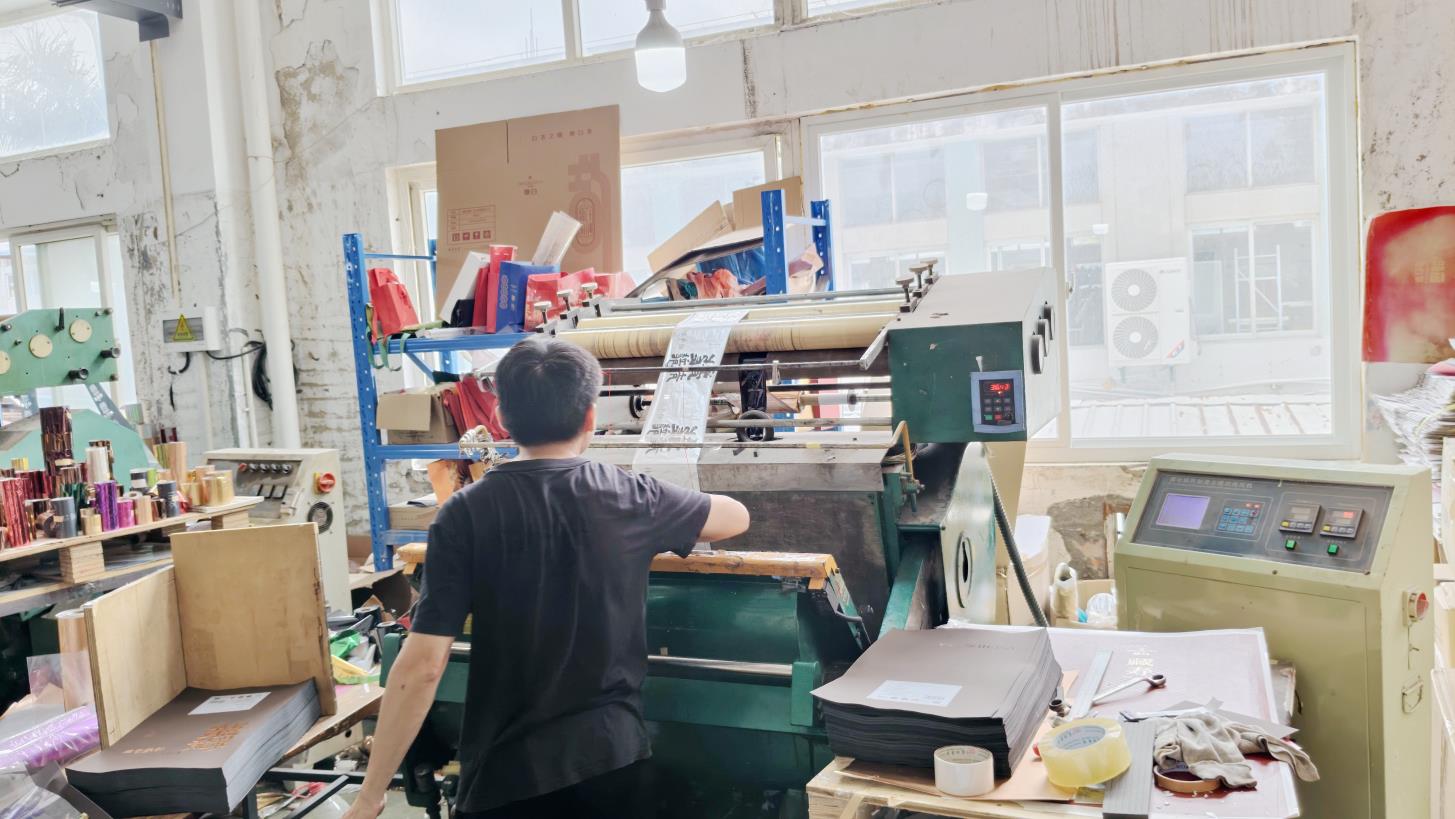
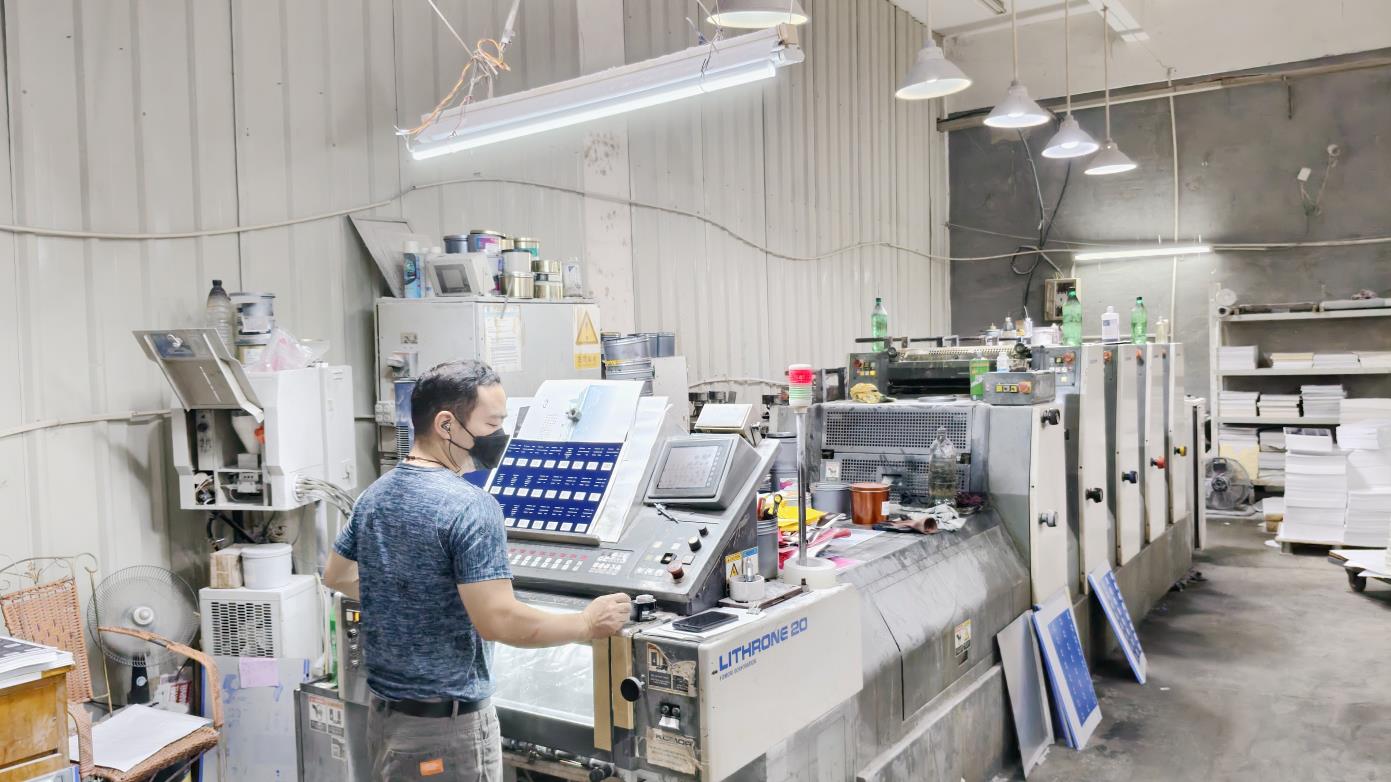
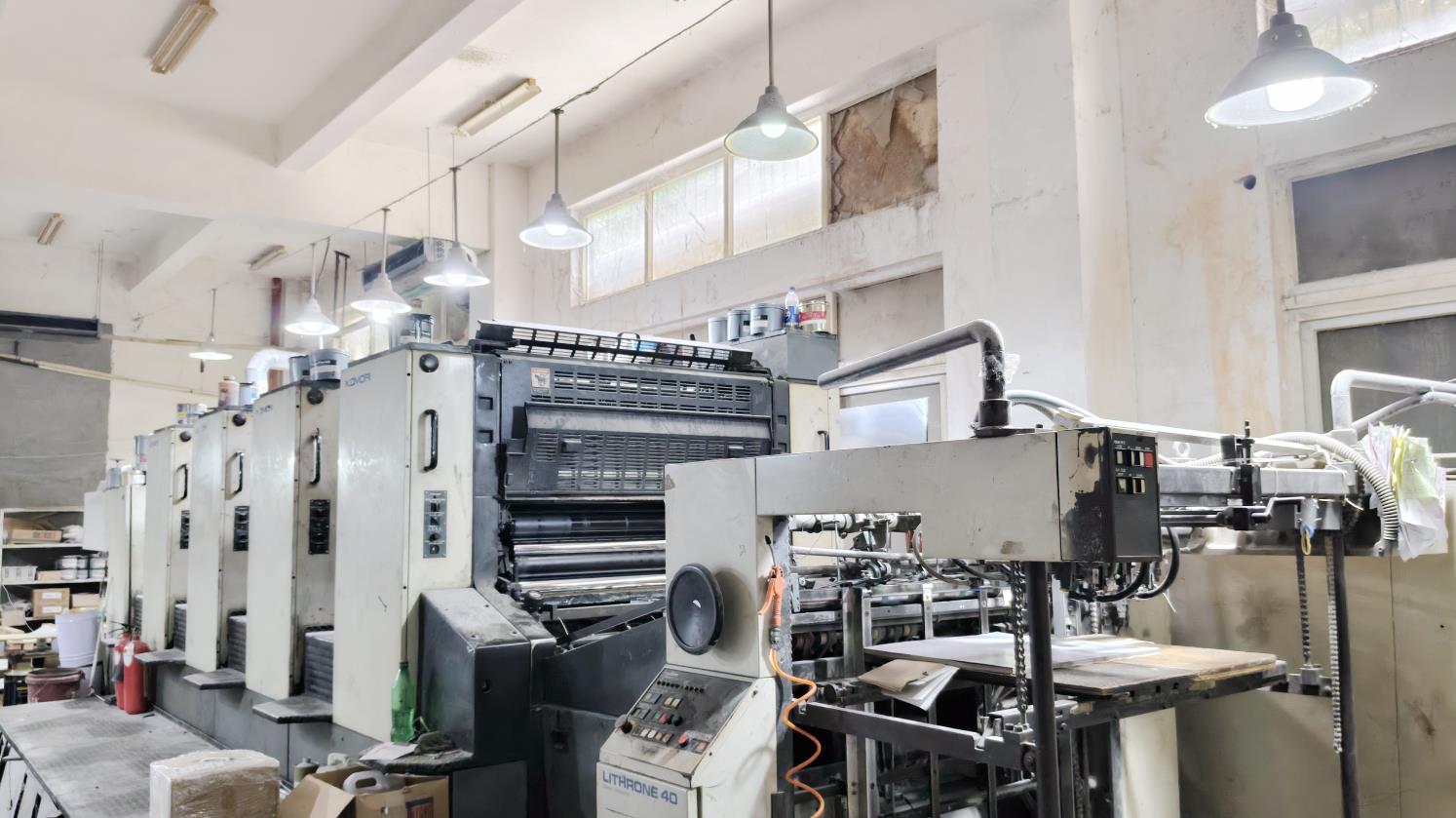


Third-party verified: premises, legal status and production capability have been verified onsite by TÜV Rheinland — an independent inspection body trusted by global buyers. For specialty paper greeting cards, that verification supports a more reliable sampling, production and inspection conversation.
View Report Details From Brief to Delivery
Our Specialty Paper Greeting Card Order Process
A transparent, sample-led workflow with a sign-off at every stage so the final card matches the approved look and feel.
Brief & Dieline
Share size, fold, paper preference, quantity and artwork; we propose structure and material.
Free 3D Mockup
Approve a rendered mockup showing artwork placement, fold and finishing before sampling.
Pre-Production Sample
A physical sample confirms paper texture, colour, emboss depth, foil and envelope fit.
Mass Production
Printing, foil, emboss, die-cutting and hand assembly with inline colour control.
Final Inspection
AQL checks with photos and video shared before shipment for buyer approval.
Global Shipping
Export packing and sea, air or express delivery with documents prepared for your market.
Answers for Global Buyers
Specialty Paper Greeting Card FAQ
What is the minimum order quantity for custom specialty paper greeting cards?
Typical specialty paper greeting card projects start from 500 pieces, while some standard sizes, digital print runs or paper-only options may be available from 100–300 pieces. The final MOQ depends on paper stock, card size, finishing and whether envelopes or boxed sets are included. Fuzhou Buba Printing Co., Ltd. confirms the MOQ in writing before sampling.
Can you print on cotton paper, recycled paper, kraft, pearl paper and textured stock?
Yes. We quote specialty paper greeting cards on 100% cotton, recycled uncoated, FSC-certified options when available, kraft board, pearl or metallic stock, linen, felt and laid textures, plus duplex board for boxed sets. We confirm bulk availability, grain direction and finishing compatibility before production.
What is the difference between letterpress, foil stamping, embossing and debossing?
Letterpress uses a raised plate to press ink into soft paper for a tactile, slightly debossed impression. Hot foil stamping transfers metallic or coloured foil under heat and pressure. Embossing raises the paper surface; debossing presses it down. All four can be combined with die-cutting, edge painting or envelope sets, but the paper weight and coating must be chosen to support the effect.
Which greeting card sizes and folds are most common?
Popular sizes are A2, A6, A7, 4 x 6 in, 5 x 7 in, square and custom formats, with single-fold, tent, z-fold and pocket-fold constructions. We build a dieline around your artwork so panels, folds, envelope fit and postal requirements are checked before the 3D mockup.
Are specialty paper greeting cards recyclable or eco-friendly?
Many can be designed for better recyclability with recycled or FSC-certified paper, water-based inks, uncoated surfaces and paper-based envelopes. Hot foil, heavy lamination, glitter and plastic windows can affect recycling in some markets, so we recommend confirming local requirements and requesting a material plan for each SKU.
How do you control colour and quality for custom greeting cards?
We review vector artwork, CMYK build, 3 mm bleed, outlined fonts and 300 dpi images; provide a dieline and 3D mockup; produce a pre-production sample; then run incoming material checks, first-article approval, inline colour checks and final AQL inspection with photo reports before shipment.
Can you supply matching envelopes, labels, boxes and belly bands?
Yes. As a one-stop paper packaging and commercial printing manufacturer, Fuzhou Buba Printing Co., Ltd. can produce matching envelopes, seal labels, belly bands, rigid gift boxes, mailer boxes, paper bags and inserts so the greeting card fits directly into your retail or e-commerce kit.
What are sample and production lead times?
Pre-production samples usually take 3–7 working days after approved artwork and dieline. Mass production typically takes 10–20 working days after sample approval. Peak holiday seasons, complex rigid boxed sets or large paper runs may need more time; the confirmed schedule is written into the order.
Request a Specialty Paper Greeting Card Quote
Send your card size, quantity, paper preference, finishing and envelope requirements. Our team replies with a structure proposal, material advice and free 3D mockup support.
info@bubapack.com