Retail Packaging is the material and design that protect products, communicate brand information, and help shoppers make decisions in stores or online. It can be a cereal carton, a glass jar with a printed label, or a shipping-ready box delivered to a customer’s door. Good packaging has a practical job. It must protect the product, display key details clearly, and fit the way retailers stock and sell it.
The wider environmental context matters. The U.S. Environmental Protection Agency reported that containers and packaging generated 82.2 million tons of municipal solid waste in 2018, or 28.1% of the total. That figure covers more than retail packaging, but it shows why material choices deserve attention. PwC’s 2024 Voice of the Consumer Survey found that respondents were willing to pay an average of 9.7% more for sustainably produced or sourced goods. That finding is not specific to packaging, and stated preferences do not always become purchases. Still, it signals that packaging can influence how shoppers perceive a product. A clear recycling instruction or sturdy, easy-to-open carton can make a difference. Sometimes, less is better.
The trade-off is real. Extra layers may improve protection but add material, cost, and disposal complexity. A strong Retail Packaging strategy balances shelf appeal with product safety, usable information, and thoughtful material choices. There is no single design that works for every product or market. Brands should test packaging with real products and shoppers, then improve what falls short.
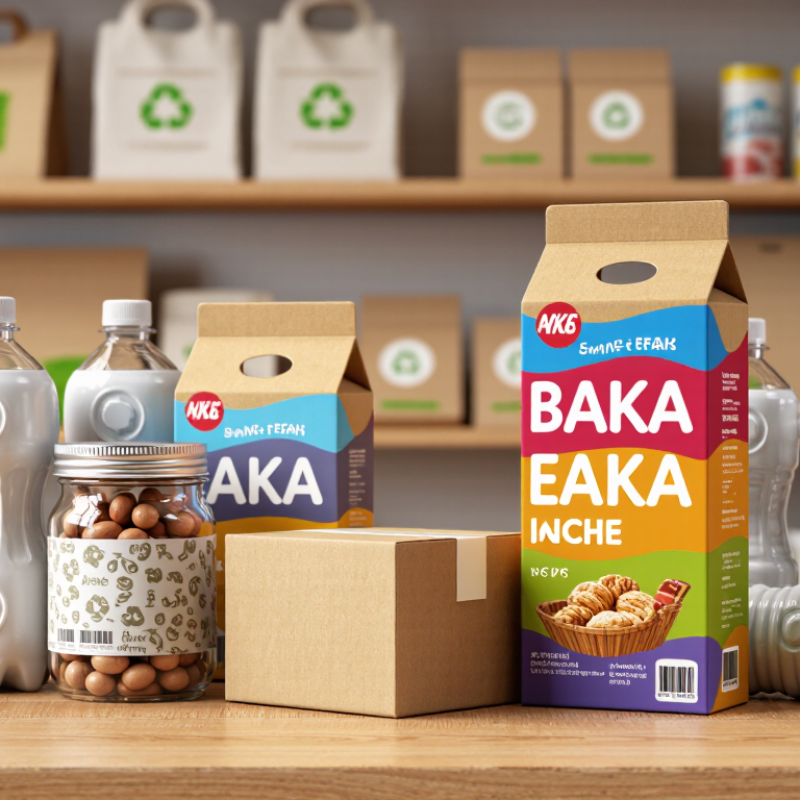
Retail Packaging Defined: Formats, Materials, and Point-of-Sale Use
What Is Retail Packaging and Why Is It Important?
Retail Packaging Defined: Formats, Materials, and Point-of-Sale Use
Retail packaging is the container or presentation that holds a product where shoppers encounter it. Common formats include folding cartons, paper bags, rigid boxes, sleeves, and clear display packs. Each serves a different purpose. A small carton may protect a glass jar, while a hanging pouch can make a lightweight item easier to browse. The right choice depends on product size, fragility, shelf layout, and how customers handle it.
Materials shape both performance and appearance. Paperboard is easy to print and can be folded into compact cartons. Corrugated board adds cushioning for heavier items. Plastic films offer visibility and moisture resistance, but may complicate disposal in some local systems. No option is perfect. A package that protects well can still use more material than the product needs.
At the point of sale, packaging must communicate quickly. Shoppers may notice a clear product window, readable size information, or a sturdy base before they read every detail. Good shelf packaging stays upright, opens without a struggle, and keeps key information visible. Small details matter. A crowded design can hide useful instructions, and a loose closure can undermine trust. Testing a package on an actual shelf often reveals problems that a screen mockup misses.
Retail Packaging Materials: U.S. Recycling Rates
Packaging material affects how a package can be recovered after use. In 2018, paper and paperboard had the highest recycling rate among these material categories, while plastics had the lowest. These figures cover U.S. municipal solid waste materials overall; they are not specific to retail packaging.
Source: U.S. Environmental Protection Agency, Facts and Figures about Materials, Waste and Recycling (2018 data).
Core Functions: Protection, Information, Display, and Convenience
What Is Retail Packaging and Why Is It Important?
Core Functions: Protection, Information, Display, and Convenience
Retail packaging protects goods through storage, transport, and handling. A sealed carton, cushioned insert, or sturdy bottle can limit crushing, leaks, and exposure. It cannot prevent every loss, of course. The FAO’s 2019 report estimated that 14% of food is lost between harvest and retail. Appropriate packaging can help preserve quality, though storage and transport conditions matter too.
Packaging also carries essential information: product identity, quantity, ingredients, care instructions, and handling details. Clear type and strong contrast help shoppers read a label under bright store lights. Display matters as well. Shape, color, and a visible product window can help an item stand out on a crowded shelf. But decoration should not bury useful information. That balance is easy to miss.
Convenience shows up in small moments: a grip that feels secure, a resealable closure, or a carton that opens without scissors. These details can improve use at home, but extra layers may create more waste. The US Environmental Protection Agency reported that containers and packaging generated 82.2 million tons of municipal solid waste in 2018, or 28.1% of the total. Better design is not simply “more packaging” or “less packaging”; it means matching protection and usability to the product, then questioning what can be removed.
Purchase Influence: WestRock Found 81% Tried Products That Caught Their Eye
Retail packaging is often the first product information a shopper can touch. A reported consumer study found that 81% of participants had tried products that caught their eye. That figure shows how visual attention can open the door to trial, especially when shelves are crowded. It does not mean packaging alone persuades someone to buy. Price, need, and trust still matter.
A clear label, a distinctive color, or a small window showing the product can help shoppers pause. Imagine a jar with readable lettering and a lid that feels secure. Those details make the product easier to assess in a few seconds. Keep the design relevant to what is inside. A striking package that hides basic information may attract a glance, then create doubt. That part is easy to overlook.
The 81% figure is compelling, but it should be treated as a signal, not a guarantee. Survey results depend on who was asked and how questions were phrased. Retailers and product teams can test packaging with real shoppers, then watch what people notice, pick up, and understand. Sometimes the brightest design is not the clearest one. A modest package can work better when its key details are easy to find.
Waste and Recovery: EPA Counted 82.2 Million U.S. Tons of Packaging in 2018
The U.S. Environmental Protection Agency estimated that containers and packaging generated 82.2 million tons of waste in 2018. That is a large, practical problem, not just a distant statistic. It includes materials such as paper, plastic, glass, and metal used to protect and present products. A cardboard shipping box, a glass jar, and a plastic pouch all contribute to the total. Packaging often serves real purposes: keeping goods clean, preventing damage, and sharing product information. But after use, those materials can quickly become waste.
The EPA figure is a snapshot, not a measure of every package’s full environmental impact. Still, it shows why packaging choices matter. Lighter designs can reduce material use, while packages made from one readily sortable material may be easier to recover. Small details count. A paper label attached to a plastic container, for example, can complicate sorting in some facilities. Recycling access also varies by community, so a package marked recyclable may not be accepted everywhere. That gap deserves honest attention. Better design helps, but clear disposal guidance and effective local collection systems matter too. No single change fixes the issue, and packaging decisions sometimes involve trade-offs between protection, material use, and recovery.
Design Priorities: Retail Compliance, Accessibility, Cost, and Sustainability
Retail packaging must work on a shelf and in a shopper’s hands. Compliance starts with accurate product information, scannable barcodes, legible required warnings, and dimensions that meet retailer specifications. A missed barcode or crushed corner can slow stocking and weaken shelf appeal. Accessibility deserves equal attention: high-contrast text, clear opening cues, grip-friendly surfaces, and instructions that avoid tiny print. The CDC’s Disability and Health Data System estimates that about one in four U.S. adults has a disability. Small details matter.
Cost decisions begin before artwork approval. Excess board adds material and shipping volume; packaging that is too light may arrive dented or fail on the shelf. Test prototypes with real hands and shipping conditions, then compare unit price, damage rates, and shelf fit. The cheapest option is not always cheaper. A polished design can still fail in use; that is easy to overlook.
Sustainability requires measurable trade-offs, not green-looking claims. The U.S. EPA’s 2018 materials report estimated that containers and packaging generated 82.2 million tons of municipal solid waste, or 28.1% of the total. Reducing material can matter at that scale, but recyclability depends on local collection and sorting. A recyclable sleeve may still be discarded if it is hard to separate or not accepted nearby. Use fewer material types where practical, provide clear disposal guidance, and check claims against the package’s actual composition and destination markets.
What Is Retail Packaging and Why Is It Important? - Design Priorities: Retail Compliance, Accessibility, Cost, and Sustainability
| Design Priority |
Why It Matters |
Practical Design Considerations |
Useful Checks |
| Retail compliance |
Packaging may need to meet product-labeling, safety, language, and environmental rules in each market where it is sold. Requirements depend on the product and jurisdiction. |
Confirm required declarations, warnings, instructions, units of measure, and language before artwork is approved. Keep mandatory information legible and avoid unsupported claims. |
Review current rules for each sales market; verify content with qualified regulatory or legal reviewers; check final-size proofs and barcode readability. |
| Accessibility |
Packaging that is easier to identify, read, and open can improve the shopping and product-use experience for a wider range of people. |
Use clear wording, readable type, strong text-to-background contrast, and distinct information hierarchy. Consider grip, opening force, tear directions, and whether tools are needed. |
Test with people with varied abilities; check legibility at actual package size; conduct opening trials. Accessibility needs and applicable requirements vary by product and market. |
| Cost and operations |
Packaging affects material spend, production speed, shipping volume, product protection, storage, and the risk of damage or returns. |
Evaluate total cost rather than material price alone. Balance material use and package size with protection, shelf presentation, filling-line capability, and transport efficiency. |
Compare supplier quotes and pack-out costs; test shipping durability; measure damage rates, units per case, and pallet or vehicle utilization. |
| Sustainability |
Material choice and package design influence resource use and end-of-life options. A package’s recyclability depends on its components and local collection and processing systems. |
Use only the material needed to protect the product; consider recycled content where suitable; simplify mixed-material components when practical; make disposal instructions specific and supportable. |
Check local recycling guidance and relevant rules; document substantiation for environmental claims; assess the complete package, including closures, coatings, labels, and inserts. |
| Product protection and shelf readiness |
Retail packaging helps protect products during handling and transport while presenting essential product information at the point of sale. |
Match the package structure to the product’s fragility, weight, storage conditions, and retail display needs. Make key product details easy to find without obscuring required information. |
Run appropriate handling and distribution tests; check shelf stability and display fit; confirm that product information remains visible in likely retail orientations. |
Note: Compliance, accessibility, and recycling requirements differ by product and location. Verify current local rules and infrastructure before finalizing packaging.
Conclusion
Retail Packaging is the packaging used to present products for sale, from boxes and bottles to bags, wraps, and display-ready trays. It protects goods during handling and transport, provides useful information such as product details and instructions, attracts attention on the shelf, and makes products easier to carry, open, store, or use. Its visual impact can also shape shopping choices: one study found that 81% of consumers had tried a product because it caught their eye.
Good packaging must balance appeal with practical needs. Designs should meet retail requirements, remain accessible and convenient for customers, and keep production and shipping costs manageable. Sustainability matters too, since packaging made up 82.2 million U.S. tons of waste in 2018. Choosing appropriate materials, reducing unnecessary packaging, and supporting reuse or recovery can help limit waste while still protecting products and communicating clearly at the point of sale.