Premium presentation
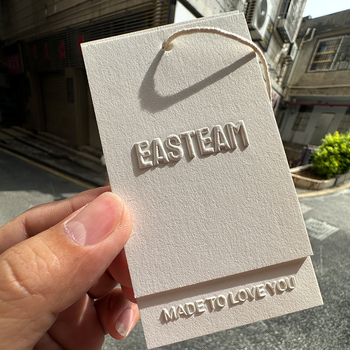
Boutique labels, streetwear brands and department-store suppliers often choose soft-touch lamination, hot foil, debossing and thick board to create a tactile impression that matches the garment’s price positioning.
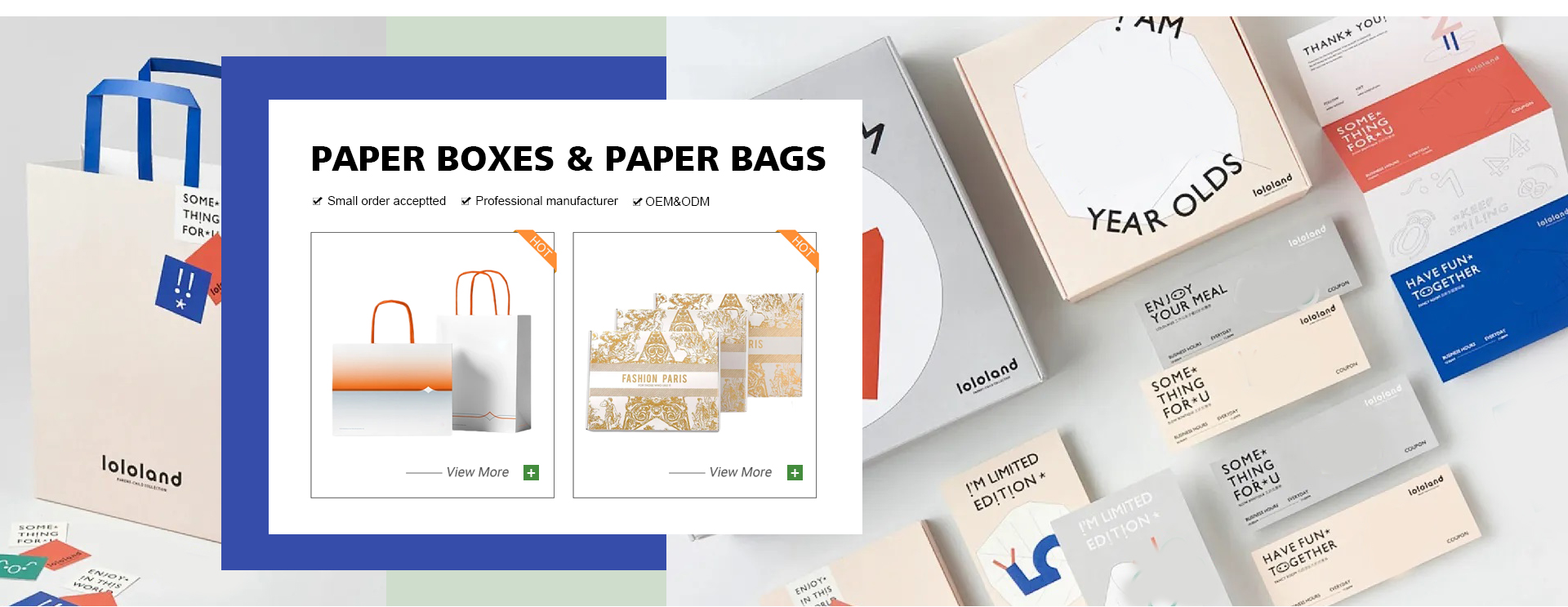
A search-intent-led resource for global apparel brands, sourcing teams and private-label buyers — covering specifications, premium finishing, procurement trends, sustainable options and factory verification.
A custom apparel swing tag is a small printed asset with a large commercial role: brand presentation, product information, compliance, traceability and retail conversion.
For apparel sourcing teams, a custom apparel swing tag is never just a decorative label. It is the first physical brand touchpoint a customer sees after picking up a garment, and it often carries the information a retailer, marketplace or customs inspector expects. High-intent buyers search for specific combinations: paper stock, GSM, dimensions, finishing, attachment type, variable data, MOQ, lead time, artwork format and sustainability evidence. This page answers those procurement questions directly, with practical specifications and manufacturing context from Fuzhou Buba Printing Co., Ltd.
Google’s Search Quality Rater Guidelines reward pages that demonstrate experience, expertise, authoritativeness and trust. For a B2B product page, that means showing real manufacturing capability, clear specifications, honest limits, verifiable quality controls and useful commercial guidance rather than repeating a keyword. It also means providing information gain: details a buyer cannot easily copy from generic directories, such as how paper weight changes perceived value, when 3D embossing is appropriate, how plastic-free attachments affect durability, and why pre-production samples matter in apparel tag programs.
Search intent around this product is usually commercial and technical. Some buyers are early-stage brands looking for a low MOQ and free mockup. Others are established importers comparing factories on color consistency, finishing range, inspection reports and export experience. A third group is preparing a seasonal collection and needs coordinated swing tags, size tags, care labels, stickers and packaging. The content below is structured for all three groups, so a procurement team can move from product education to a confident RFQ.
Boutique labels, streetwear brands and department-store suppliers often choose soft-touch lamination, hot foil, debossing and thick board to create a tactile impression that matches the garment’s price positioning.
SKU, size, composition, care guidance, country of origin, barcode, QR code and market-specific wording can be organized on a single tag or a coordinated tag set, depending on the retailer’s requirements.
Direct-to-consumer brands use swing tags to reinforce brand voice, include thank-you messaging, support returns workflows and encourage social sharing while keeping production simple and repeatable.
Not every program needs maximum decoration. A heavyweight cotton T-shirt may suit a natural kraft tag with one-color print and a cotton string. A luxury coat or denim collection may justify 700–800 gsm board, blind embossing, edge painting and a ribbon attachment. Offering the right finishing ladder helps buyers protect margin while still creating a memorable brand experience.
Use this buyer-oriented reference to compare stock, finishing, attachment and MOQ before requesting a quotation.
| Specification | Recommended Options | Buyer Guidance | Common MOQ / Notes |
|---|---|---|---|
| Paper Stock | Art card, ivory board, kraft board, recycled paper board, specialty textured paper | Art card gives the cleanest CMYK print and foil detail; kraft supports natural branding; textured paper adds tactile luxury for premium labels. | Confirm stock availability with the final size, weight and finishing plan. |
| Thickness | 300–450 gsm standard · 600–800 gsm premium · laminated and mounted options | Thicker board feels more premium but may need extra tooling, packing protection and freight planning. Very thin tags suit fast-fashion volume programs. | 3D embossed luxury tags commonly start around 500 pcs; simpler tags can start lower depending on specification. |
| Dimensions | 35 × 70 mm, 45 × 90 mm, 50 × 100 mm, 60 × 120 mm, custom die-cut shapes | Allow space for brand logo, size, composition, care text, origin, barcode and QR code. Keep visual hierarchy clear for retail scanning. | Custom shapes and multi-panel tags may require a dedicated die-cut tool. |
| Printing | CMYK offset, digital printing, Pantone color matching, variable data, barcode and QR code print | Offset printing is efficient for larger runs and consistent color; digital print supports shorter runs, versioning and fast sampling. | Provide print-ready vector artwork with 3 mm bleed and outlined fonts. |
| Finishing | Matte or gloss lamination, soft-touch, spot UV, hot foil, embossing, debossing, letterpress, die-cut, edge painting | Combine one or two hero finishes rather than overloading the tag. Foil plus embossing delivers strong shelf presence; soft-touch plus spot UV gives a quieter premium look. | Complex multi-process finishing increases sampling and production time; approve a physical sample. |
| Attachment | Cotton string, hemp twine, satin ribbon, elastic, paper pin, plastic-free alternatives | Attachment choice affects durability, retail handling, recycling claims and labor cost. Test with the garment’s fabric and packaging method. | Attachment options should be confirmed with the buyer’s sustainability and safety requirements. |
| MOQ | Typical range 200–1,000 pcs, depending on size, stock and finishing | Volume pricing improves at larger quantities, but repeatable low-MOQ programs help brands test markets and launch capsule collections. | Exact MOQ is confirmed in writing with the quotation and sample plan. |
| Samples & Production | Pre-production sample typically 3–7 working days; mass production commonly 10–20 working days after approval | Schedule extra time for custom dies, special paper sourcing, variable data, multi-version packs and peak-season factory loading. | Final lead time is always confirmed against the approved artwork and purchase order. |
Specifications are typical production options. Final paper, thickness, finishing, attachment and packaging are confirmed in writing and on a pre-production sample before mass production.
The next sourcing cycle will reward suppliers who can prove quality, reduce risk and support smaller, faster and more transparent apparel programs.
Apparel brands are testing capsule collections, regional drops and influencer-led ranges with tighter inventory. Buyers increasingly prefer suppliers who can handle lower initial swing tag quantities without sacrificing color consistency or finishing quality, then replenish the same specification when the product sells through.
Procurement teams are no longer satisfied with a generic price list. They want onsite verification, quality-management evidence, real factory photos, inspection procedures and written lead times. Third-party verification such as TÜV Rheinland onsite assessment helps shorten the trust-building stage for new suppliers.
Buyers now ask about recyclable board, paper-based attachments, water-based inks, reduced plastic lamination and packaging waste. Clear, specific answers are more valuable than broad environmental claims. The final material and attachment combination should be assessed against the destination market and the brand’s own published commitments.
Dielines, 3D mockups, artwork proofs and variable-data templates are increasingly exchanged before physical samples. This reduces courier time and helps brand, sourcing and compliance teams review the same version. A supplier with in-house prepress and design support can shorten revision cycles significantly.
A single style may need one tag for wholesale, one for DTC, one for a department-store retailer and another for an online marketplace. Variable printing, barcode workflows and version control are becoming core procurement requirements, not optional extras.
Buyers want swing tags to match labels, stickers, cards, poly mailers, folding cartons and paper bags. Sourcing these items from one accountable manufacturer reduces color drift, simplifies approval and consolidates shipping — while keeping the unboxing experience coherent.
The swing tag is evolving from a printed label into a compact brand, data and traceability device — while premium paper craftsmanship remains central.
1. Mono-material and plastic-free construction. Buyers are asking for paper-based tags and fasteners that are easier to separate or recycle. Recyclable kraft board, uncoated paper, paper pins and natural-fiber strings are becoming common specification options. The right choice depends on the garment type, transport conditions and the brand’s own recyclability criteria.
2. Premium tactile finishing at accessible quantities. Hot foil, blind embossing, 3D relief, letterpress, soft-touch lamination and edge painting were once reserved for luxury programs. Better digital workflows and flexible offset planning now make multi-process tags more accessible to mid-market brands and capsule collections.
3. QR codes and connected packaging. QR codes can carry care content, product authentication, styling videos, resale or repair information, loyalty enrollment and localized landing pages. These tags remain printed paper products, but the data layer requires disciplined version control and artwork testing before production.
4. Variable data and serialization. Apparel groups with many SKUs increasingly use variable-data swing tags to manage size, color, composition and retail-specific information. Digital printing supports multi-version packs and shorter runs, while offset supports larger repeat orders with stable color.
5. Anti-counterfeit and security features. Brands in premium footwear, denim, outdoor and accessories categories may request microtext, hidden marks, tamper-evident attachments, unique numbering or security threads. These features should be designed together with the brand protection team and tested in real retail conditions.
6. Retail-ready and e-commerce-ready details. Barcode placement, scanner readability, hook-hole strength, rounding, crease lines and attachment durability all affect the customer experience and warehouse handling. Designing the tag around the full fulfillment journey, not just the artwork, reduces complaints and reprints.
Real manufacturing experience, one-roof production and a documented quality process support custom swing tag programs from sampling through export.

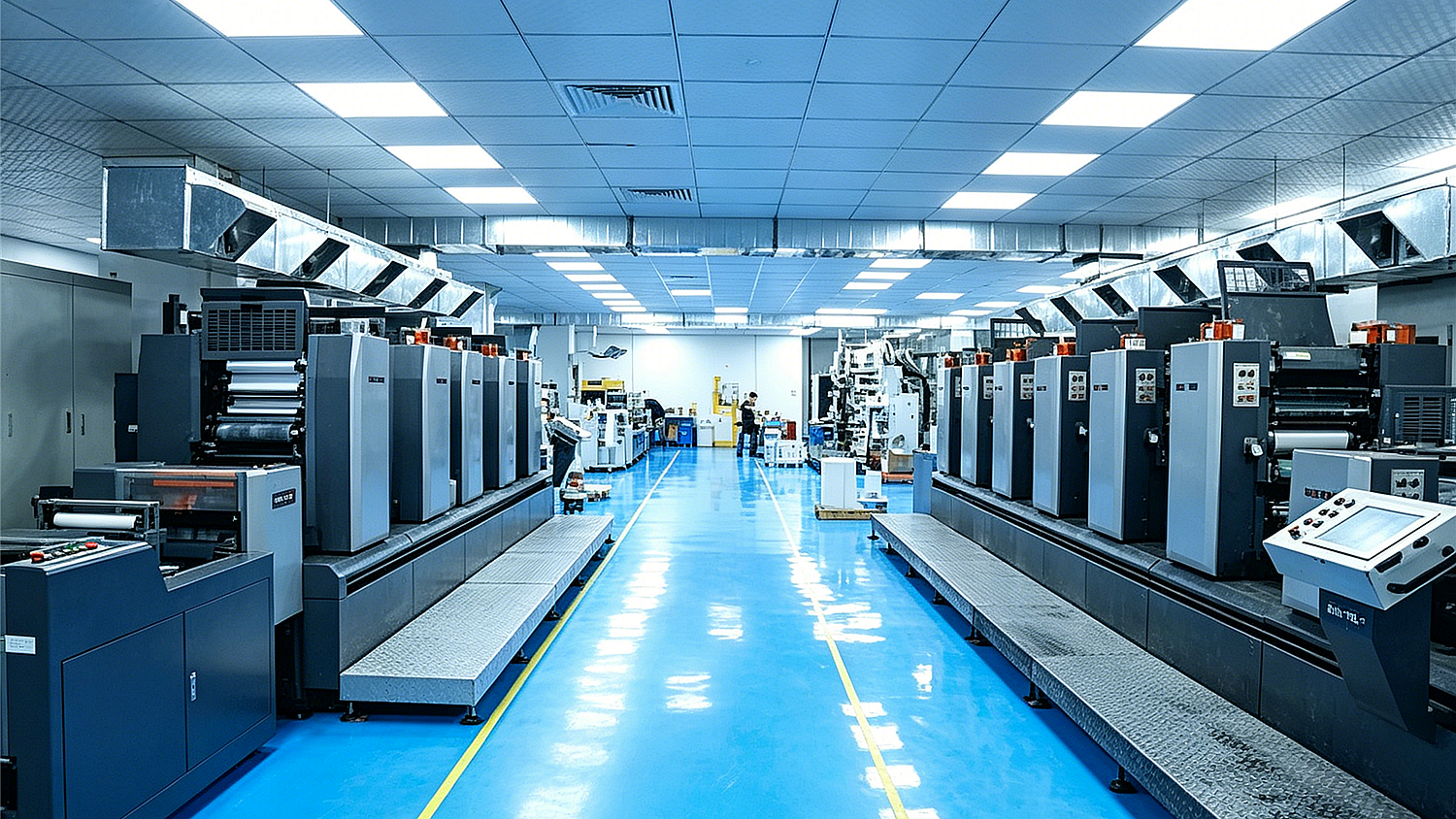
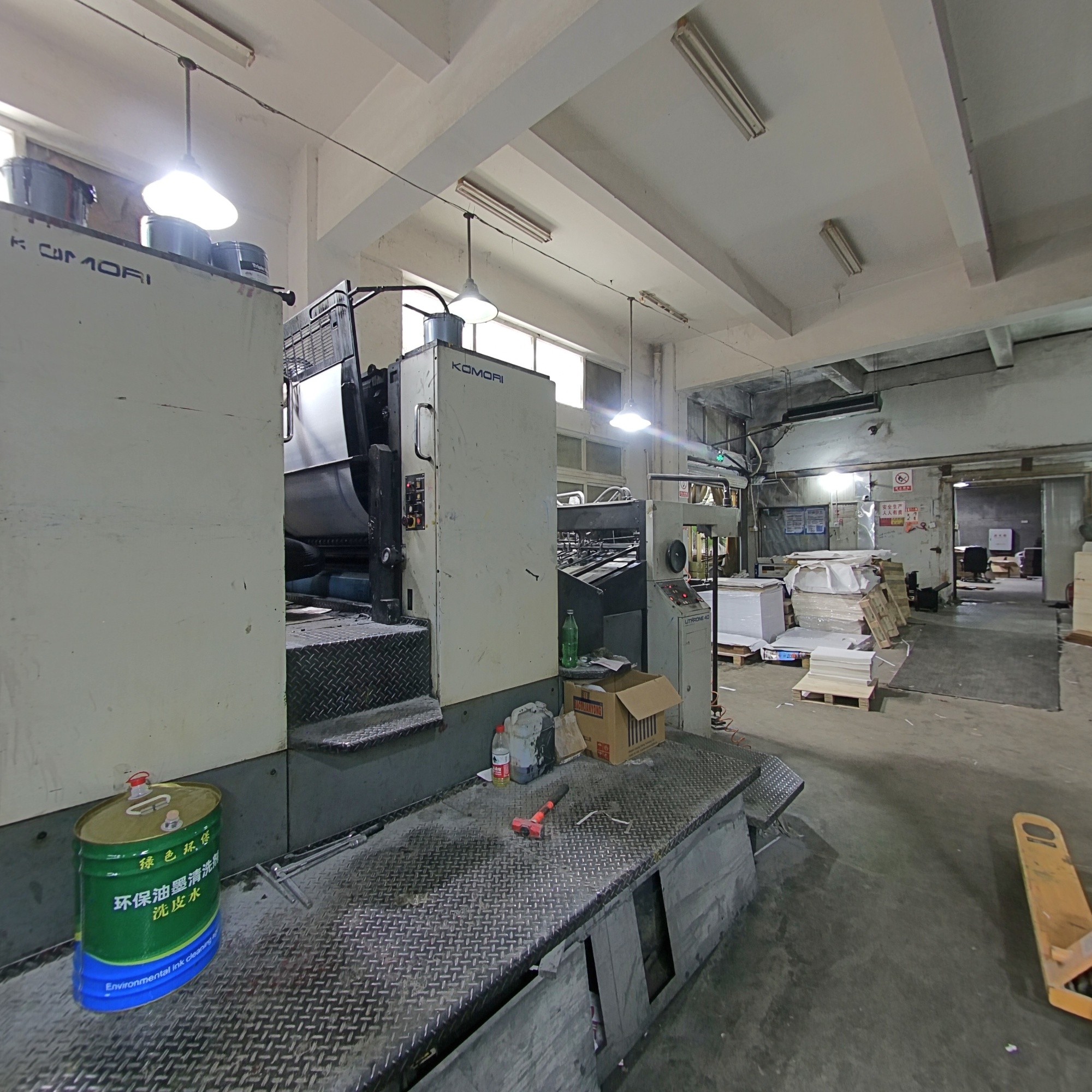
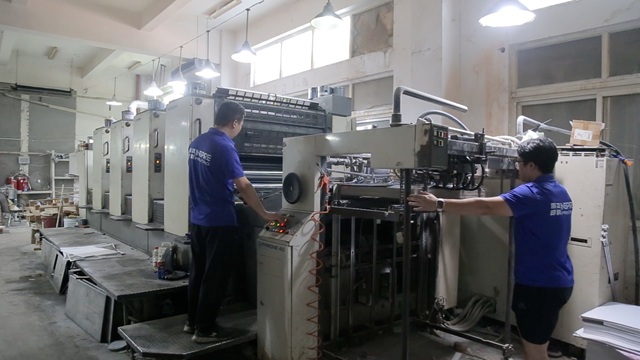
Fuzhou Buba Printing Co., Ltd. is a custom manufacturer of paper packaging and commercial print based in Jianxin Town, Fuzhou, Fujian, China. Our team has spent 18 years in the paper-printing trade, and for more than a decade we have supported brand owners, e-commerce sellers, distributors and sourcing teams worldwide. We handle structural design, prepress, offset and digital printing, foil stamping, embossing, lamination, die-cutting and hand assembly under one roof, so an apparel swing tag can be developed alongside matching labels, stickers, cards, boxes, bags and catalogs.
Our in-house team can build the dieline and a 3D render so you approve size, attachment position, artwork placement and finishing before a physical sample is produced.
Many products can start from 50–100 pcs to help brands test a market, while swing tag MOQs are confirmed by size, stock and finishing. Scale into bulk runs without changing supplier.
Hot foil, blind and 3D embossing, spot UV, soft-touch and holographic lamination, letterpress, die-cutting and window patching are coordinated in one production flow.
Incoming material checks, first-article approval, inline color checks and final AQL inspection can be documented with photo reports before shipment.
Recyclable kraft and paper board, paper-based inserts instead of plastic, water-based inks on request and plastic-free attachment options where suitable for the tag design.
More than 10 years of export experience supports export-grade cartons, efficient flat packing where possible, and sea, air or express shipping coordination to your destination.
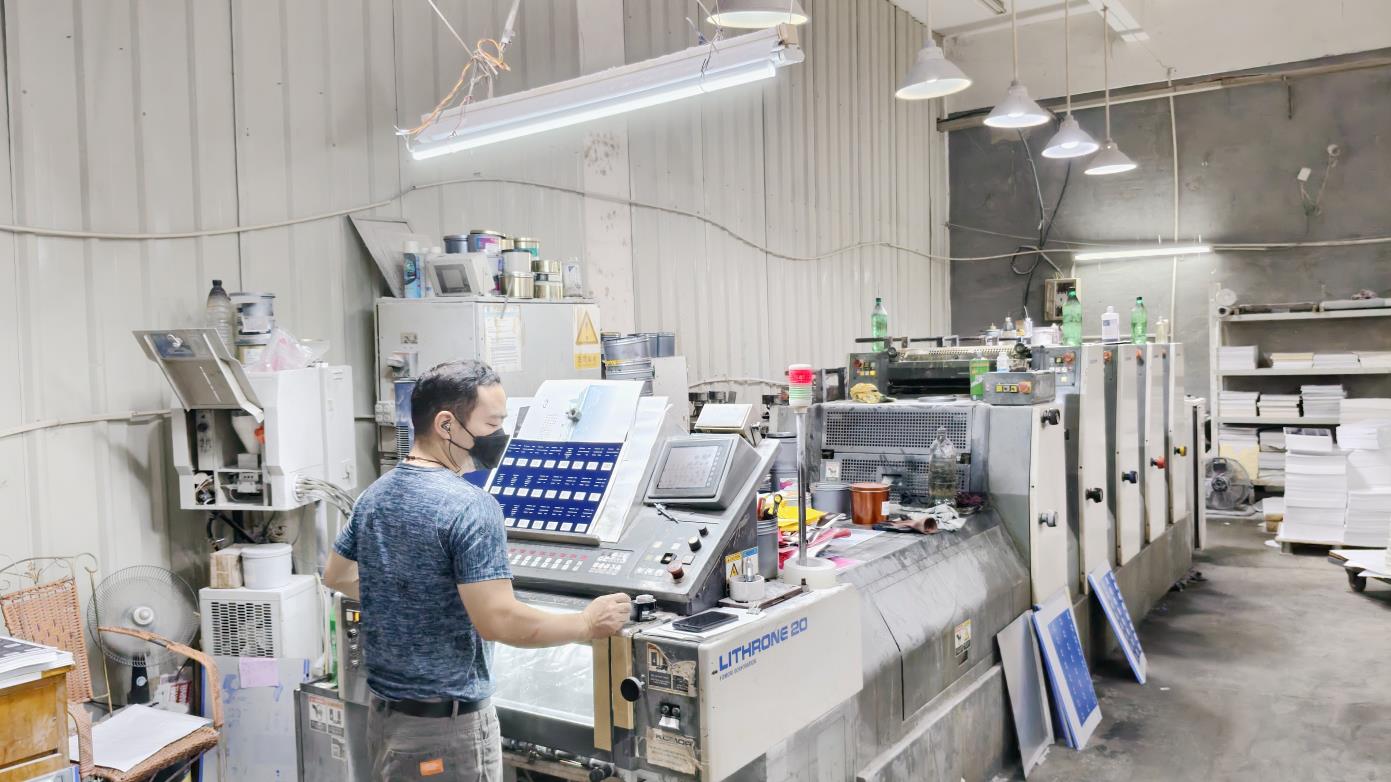
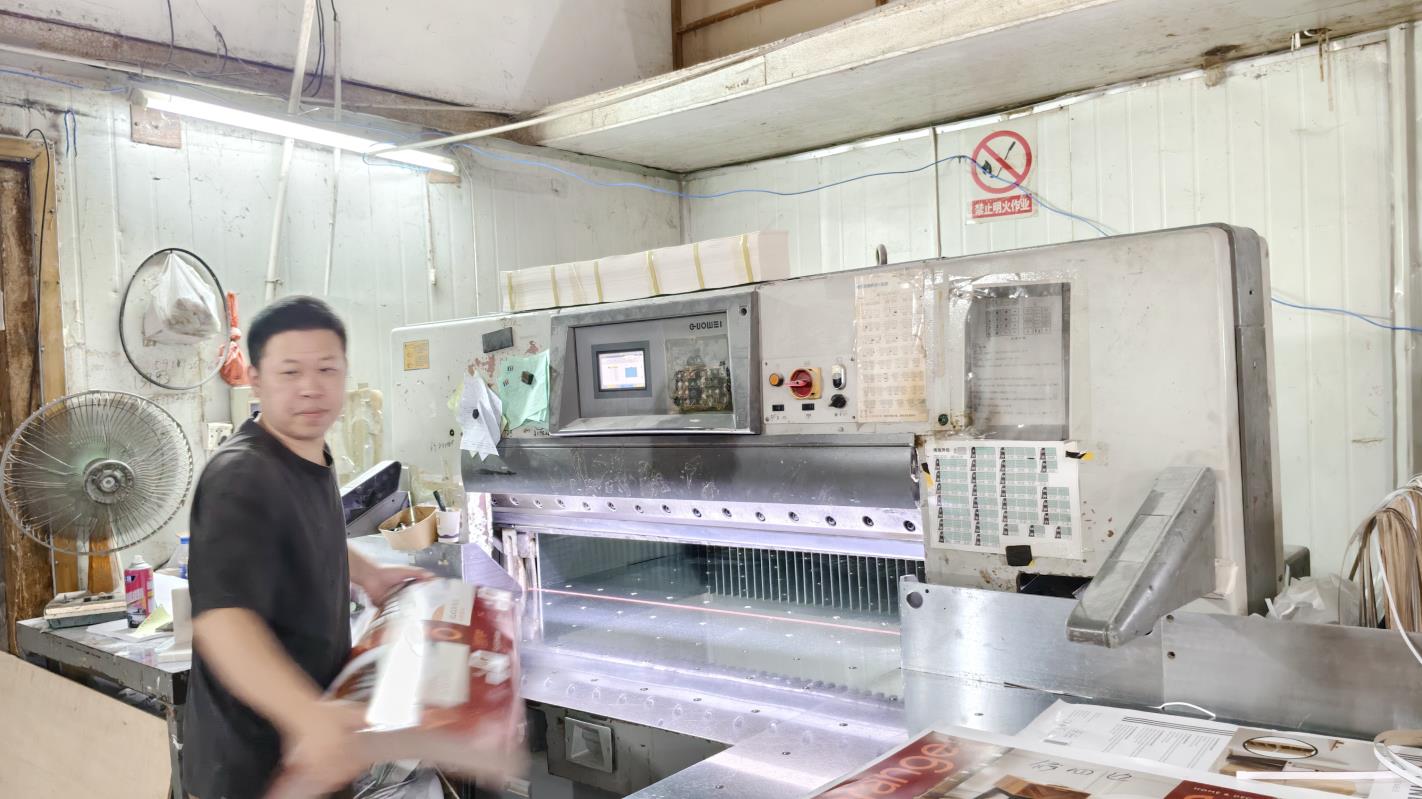
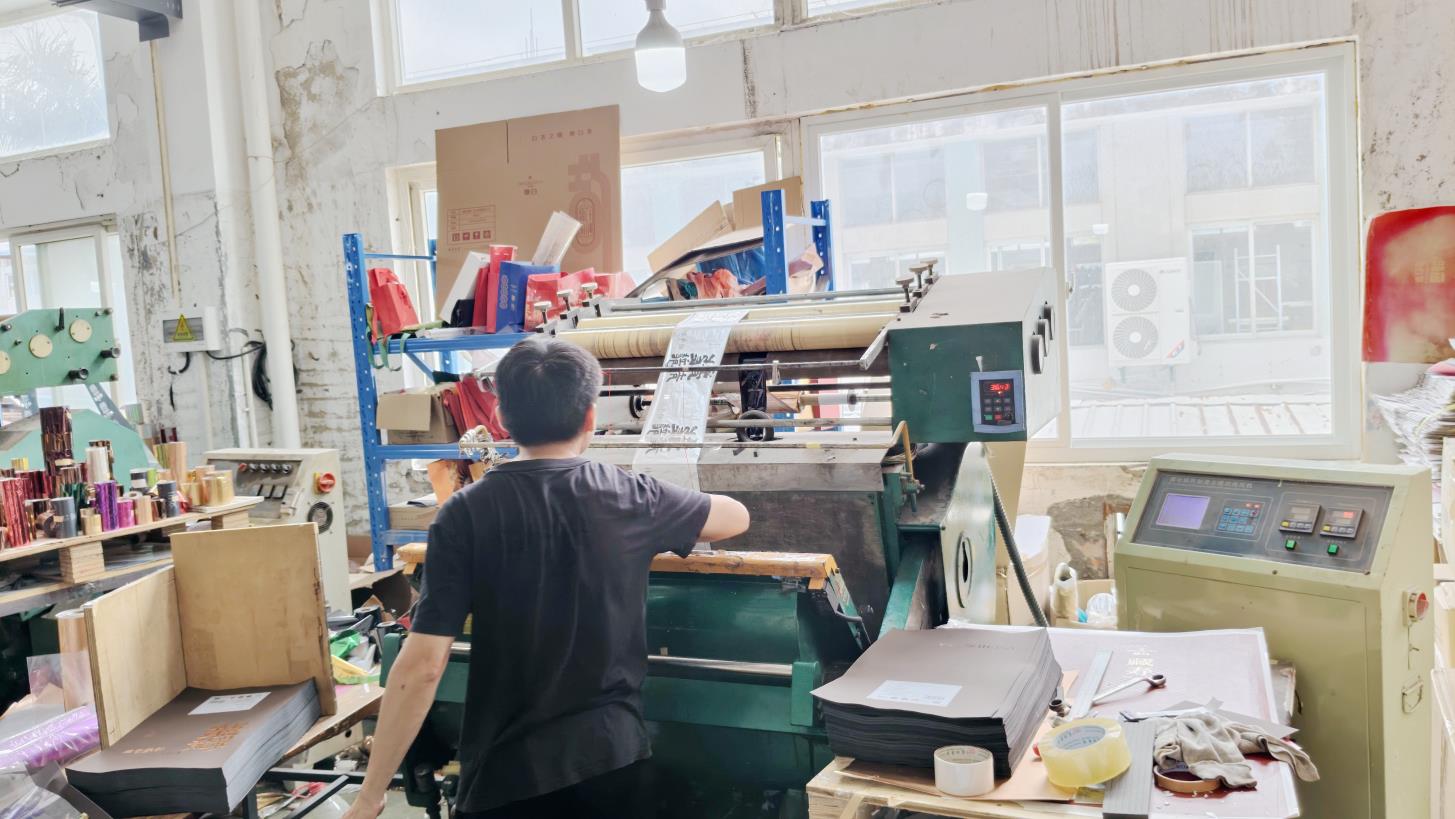
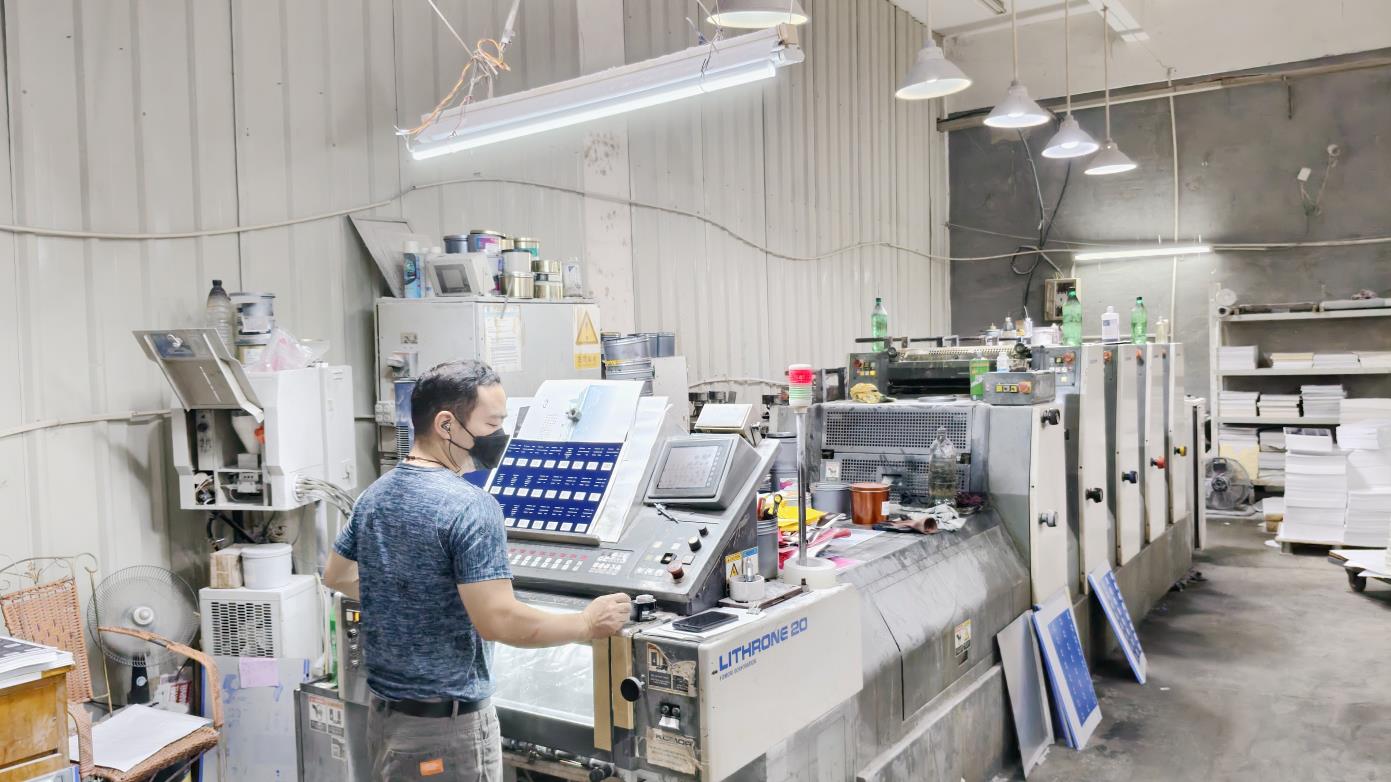
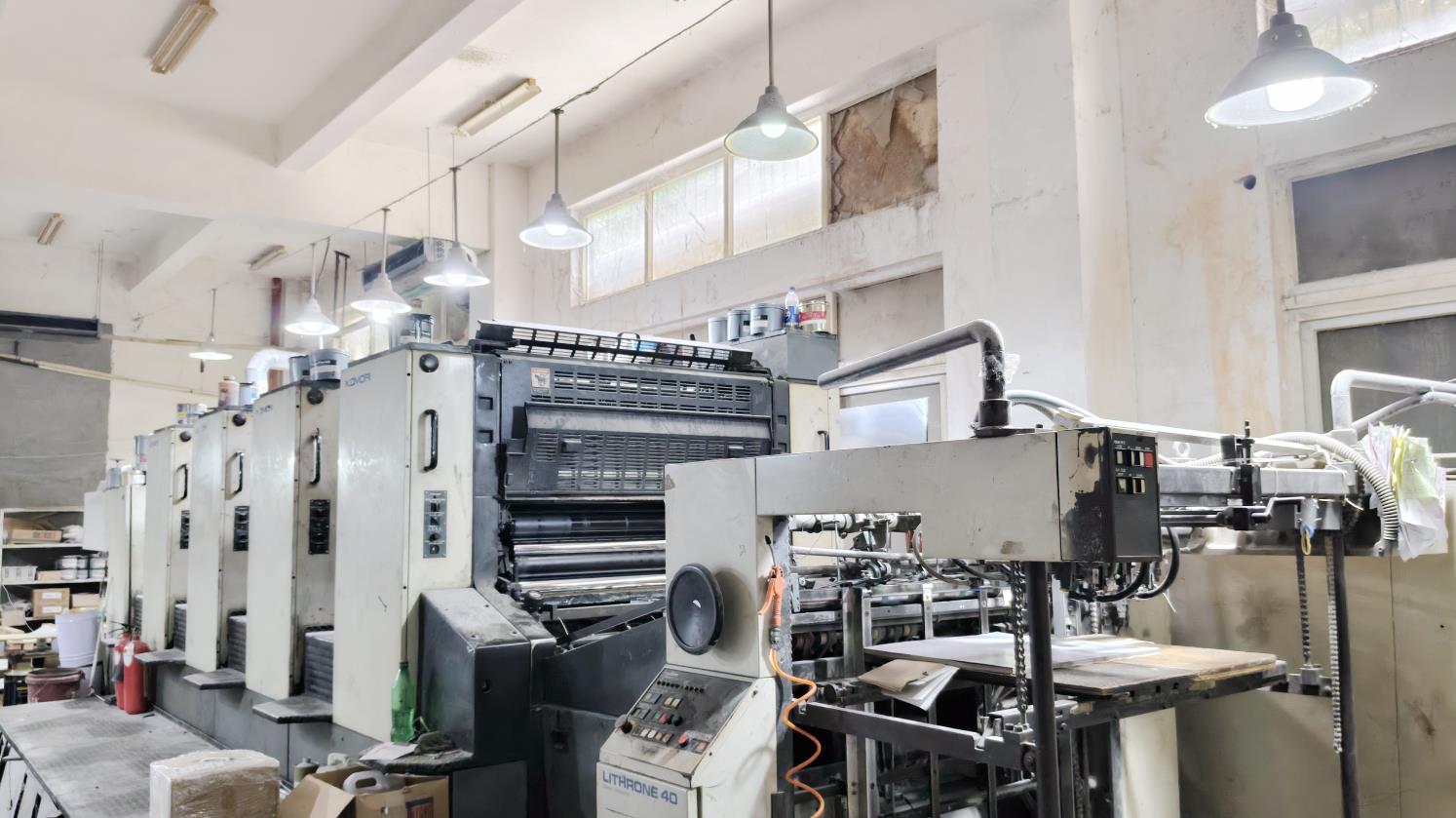

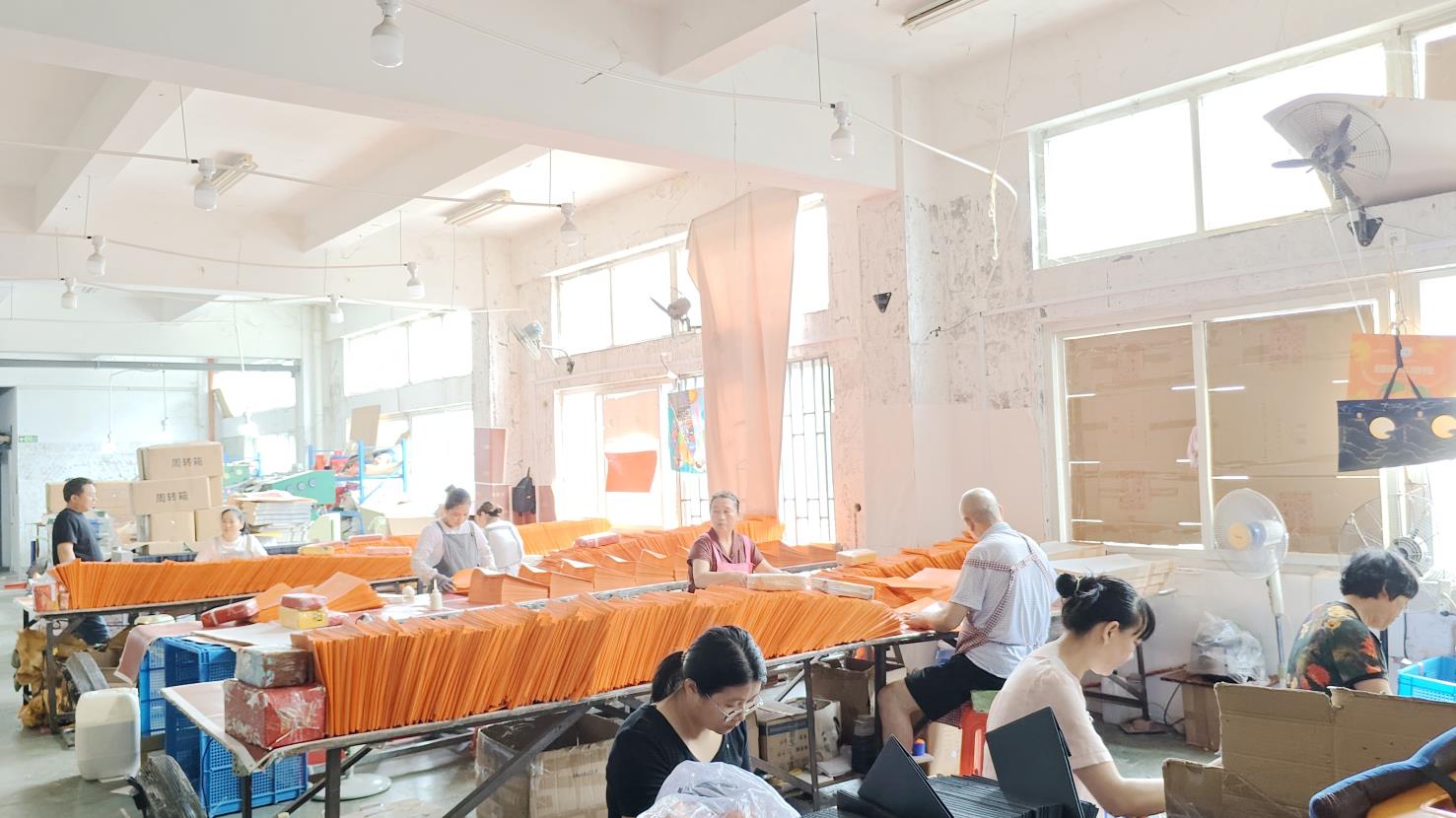

Third-party verified: our premises, legal status and production capability have been verified onsite by TÜV Rheinland — an independent inspection body trusted by global buyers.
View Report DetailsA transparent workflow with a sign-off at every stage, so there are fewer surprises when your tags arrive.
Share size, quantity, garment type and artwork; we propose stock, structure and attachment.
Approve a rendered mockup showing artwork position and finishing before sampling.
A physical sample confirms paper weight, color, fit and attachment durability.
Printing, finishing and hand assembly with inline color and registration checks.
AQL check with photos and video shared before shipment where agreed.
Export packing and sea, air or express delivery coordination to your destination.
The most common procurement questions we receive from apparel brands, sourcing agents and importers.
A custom apparel swing tag is a printed brand and information tag attached to clothing, usually with a string, ribbon, elastic or paper pin. It commonly includes the brand name, product name, style or SKU, size, composition, care guidance, country of origin, barcode, QR code and any market-specific compliance text requested by the buyer.
For premium retail swing tags, 300–800 gsm cardstock is typical. A 350–450 gsm art card offers a clean print surface for soft-touch or foil, while 600–800 gsm board is common for 3D embossed luxury tags. Recyclable kraft board is suitable for natural brand positioning. The final stock should match product weight, retail channel and finishing.
Typical swing tag MOQs range from 200–1,000 pieces depending on size, stock and finishing. Complex 3D relief embossed or multi-process luxury tags commonly start around 500 pieces. We confirm the exact MOQ in writing for each specification.
Yes. We can print CMYK and match Pantone colors on request, and we work from brand guidelines, previous approved samples or physical color targets. For maximum consistency, we recommend approving a pre-production sample before mass production.
We prefer vector AI, PDF or EPS files in CMYK with 3 mm bleed and outlined fonts. High-resolution PSD or TIFF files at 300 dpi are also accepted. Please include dieline, finishing callouts, Pantone references and variable-data files if required.
Options include recyclable kraft and paper board, paper-based attachments instead of plastic, water-based inks on request, reduced lamination, and plastic-free string or pin solutions where suitable. We confirm recyclability and material claims according to the final specification and destination market.
Pre-production samples typically take 3–7 working days after artwork approval, and mass production commonly takes 10–20 working days after sample approval. Complex finishing, variable data or peak-season orders may require additional time. The final schedule is confirmed in writing with every order.
Quality control includes incoming material checks, artwork and dieline verification, first-article approval, inline color and registration checks, and final inspection against agreed specifications. Photo reports can be shared before shipment, and our factory has been verified onsite by TÜV Rheinland.
Yes. We can coordinate custom apparel swing tags with self-adhesive labels, stickers, business cards, thank-you cards, paper bags, folding cartons, mailer boxes and catalogs through one production team, helping maintain consistent color and brand presentation.
Send the tag size, quantity, paper stock, finishing, attachment type, artwork status, destination market and required delivery date to info@bubapack.com. Our team will reply with a structure recommendation, quotation and free 3D mockup where applicable.
Send your tag size, garment type, quantity, finishing, attachment and artwork status. Our team will reply with a practical specification, quotation and free 3D mockup where applicable.