A4 Product Launch Flyer
210×297 mm, 157 gsm gloss art paper, double-sided CMYK. Ideal for new product announcements, cosmetics, electronics and B2B offers.

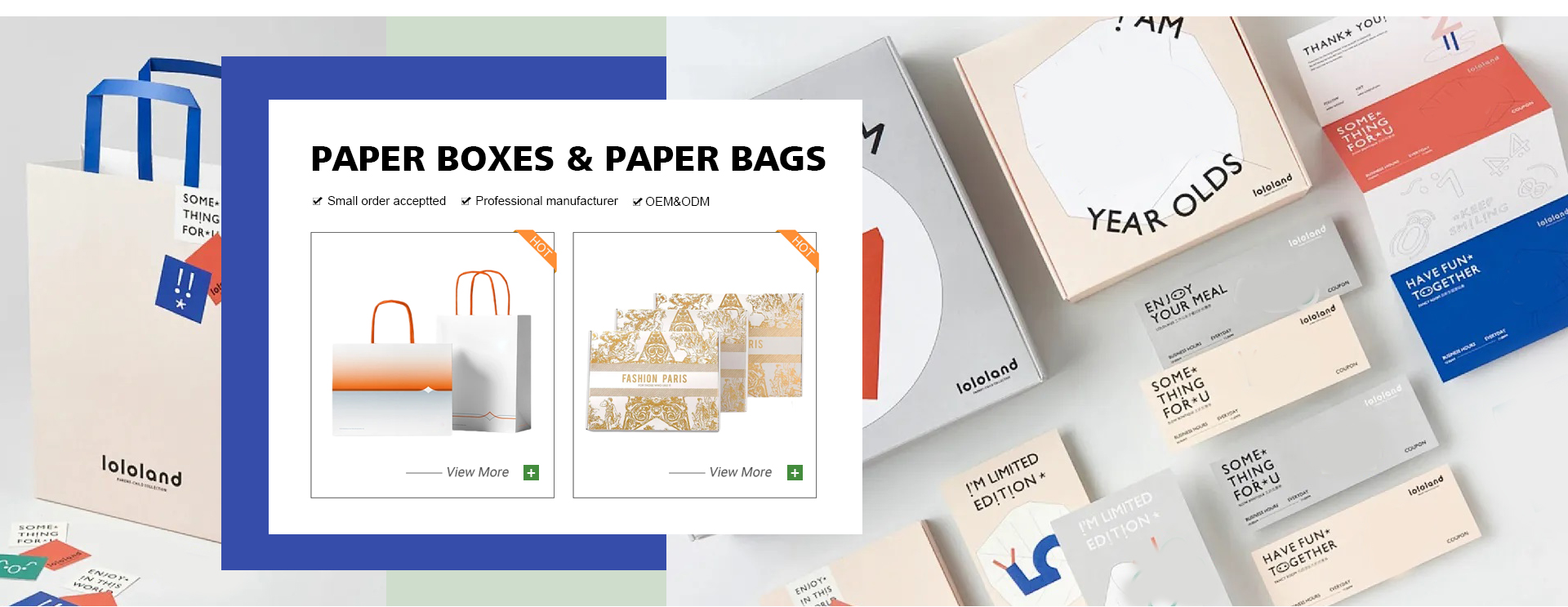
Custom A4, A5 and DL flyer printing for product launches, trade shows, retail inserts and B2B campaigns — engineered for clarity, color accuracy and conversion.
A direct answer to the questions procurement teams, brand owners and distributors ask before they request a custom flyer quote.
A printed promotional flyer is a single-sheet or folded marketing print piece used to announce a new product, explain a limited-time offer, support a trade-show booth, fill a retail bag, or direct prospects to a landing page. In global sourcing, the term often covers A4 advertising flyers, A5 handouts, DL leaflets, package inserts and direct-mail leaves. The format is deliberately different from a brochure: a flyer usually carries one visual hierarchy and one call to action, while a brochure provides longer product stories and more pages. For buyers searching “printed promotional flyer” on Google or asking an AI assistant for supplier recommendations, the real intent is usually one of three things: compare print specifications, verify a supplier’s quality system, or calculate a total landed cost for a specific size, paper weight and quantity.
Markets and distribution conditions change the right specification. An A5 flyer on 170–250 gsm paper is easier to handle at a trade show; an A4 flyer on 105–157 gsm coated art paper is economical for inserts and direct mail; a folded DL leaflet works when you have more benefits, a map, a timetable or a product list. Matt lamination reduces glare and fingerprints for text-heavy information, while gloss art paper makes product photography look more saturated. Uncoated or recycled paper creates a more tactile, eco-conscious feel, but absorbs ink differently, so color proofing matters.
The most useful quotation is not just a unit price. It should show size, paper stock and GSM, printing method, number of colors, bleed and safety margins, folding style, finishing, packing method, sample cost, production lead time and delivery terms. A flyer that looks inexpensive per piece can become costly if the paper is too light for mailing, the fold cracks on a heavy ink coverage area, or the QR code fails to scan after lamination. Experienced buyers therefore ask for a physical proof or pre-production sample before approving a bulk order. They also confirm whether the quoted price includes export cartons, inserts, shrink wrap, pallet labels and any required compliance documents.
For campaigns where the flyer is part of a wider launch, consistency across paper bags, packaging inserts, hang tags and catalogs matters. A coordinated print set can be produced with the same color target and paper family, reducing the risk of mismatched brand colors across retail touchpoints. This is where a manufacturer with in-house prepress, printing, finishing and hand assembly can simplify sourcing: one supplier, one approval process and one shipment schedule instead of several disconnected vendors.
Start with a format that matches how the flyer will be distributed, then refine paper, folding and finishing with the factory.
210×297 mm, 157 gsm gloss art paper, double-sided CMYK. Ideal for new product announcements, cosmetics, electronics and B2B offers.
148×210 mm, 170–250 gsm matte paper, optional spot UV. A practical size for retail counters, events and showroom handouts.
99×210 mm, 128–157 gsm paper, six panels, double-sided printing. Suitable for service menus, product lists and event schedules.
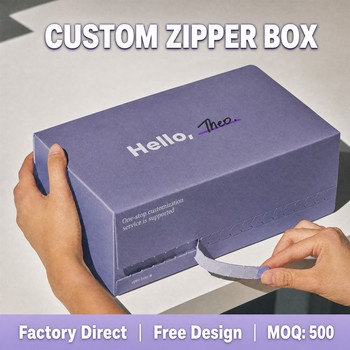
Recycled uncoated 120–150 gsm, water-based inks on request, plastic-free packing. For eco-positioned brands and sustainability events.
Procurement shortcut: if you need a quick market test, begin with A5 on 170 gsm matte paper; if the flyer will be inserted into packages, choose A6 or A5 on 105–157 gsm; if the flyer must carry more text, use a DL tri-fold. For premium campaigns, upgrade to 250–300 gsm with soft-touch lamination or spot UV, and approve a physical proof first.
Sourcing teams are buying print differently: smaller test batches, more evidence, tighter version control and clearer sustainability requirements.
Buyers increasingly validate a campaign, region or retail channel with a short digital run before committing to offset volume. A manufacturer that can support low-MOQ testing and then scale to larger production without changing suppliers reduces risk and approval time.
QR codes, campaign URLs and landing pages turn a printed flyer into a trackable entry point. Procurement now asks whether the QR code has enough contrast, quiet zone and scan testing, and whether variable data or regional versions are required.
Recyclable paper, recycled stock, uncoated surfaces, water-based inks and plastic-free packing are moving from nice-to-have to formal requirements. Buyers also ask whether lamination, inserts and packaging can be simplified to support recycling.
Before the first sample is requested, procurement often checks factory status, quality management, onsite verification and export experience. A TÜV Rheinland onsite-verified manufacturer can shorten the due-diligence stage.
Global campaigns often need different languages, currencies, retail partner logos and legal wording. Structured artwork naming, version approvals and sample sign-off help prevent old artwork from entering mass production.
Smart buyers compare paper efficiency, packing density, carton dimensions, freight method and customs documents alongside the unit cost. Flat packing and export-grade cartons can reduce damage and freight waste.
Flyers are evolving from low-cost handouts into carefully engineered marketing tools with tactile finishes and digital links.
Soft-touch lamination, spot UV, foil stamping, blind embossing and specialty uncoated paper are being used to make promotional flyers feel more valuable — especially for beauty, fashion, hospitality and premium retail campaigns.
Offset printing remains efficient for long runs, while digital printing supports short runs, versioning and rapid campaign tests. A supplier with both options can recommend the most economical route instead of forcing one method.
Gatefold, roll fold, perforated tear-off and multi-panel formats let a flyer carry more information while keeping a compact footprint. Fold marks and panel sequencing must be planned during artwork approval.
Printed flyers now frequently bridge to product pages, booking forms, WhatsApp inquiries or distributor locators. Print-ready QR codes should be tested on the final paper and finishing before mass production.
Recyclable paper grades, FSC-style sourcing requests, water-based inks on request and plastic-free packing are becoming standard topics in quotation discussions. Some buyers also simplify lamination to improve recyclability.
Global brands need consistent files across regions. Outlined fonts, CMYK color settings, 3 mm bleed, layered PDFs and clear version names reduce prepress delays and help avoid reprints.
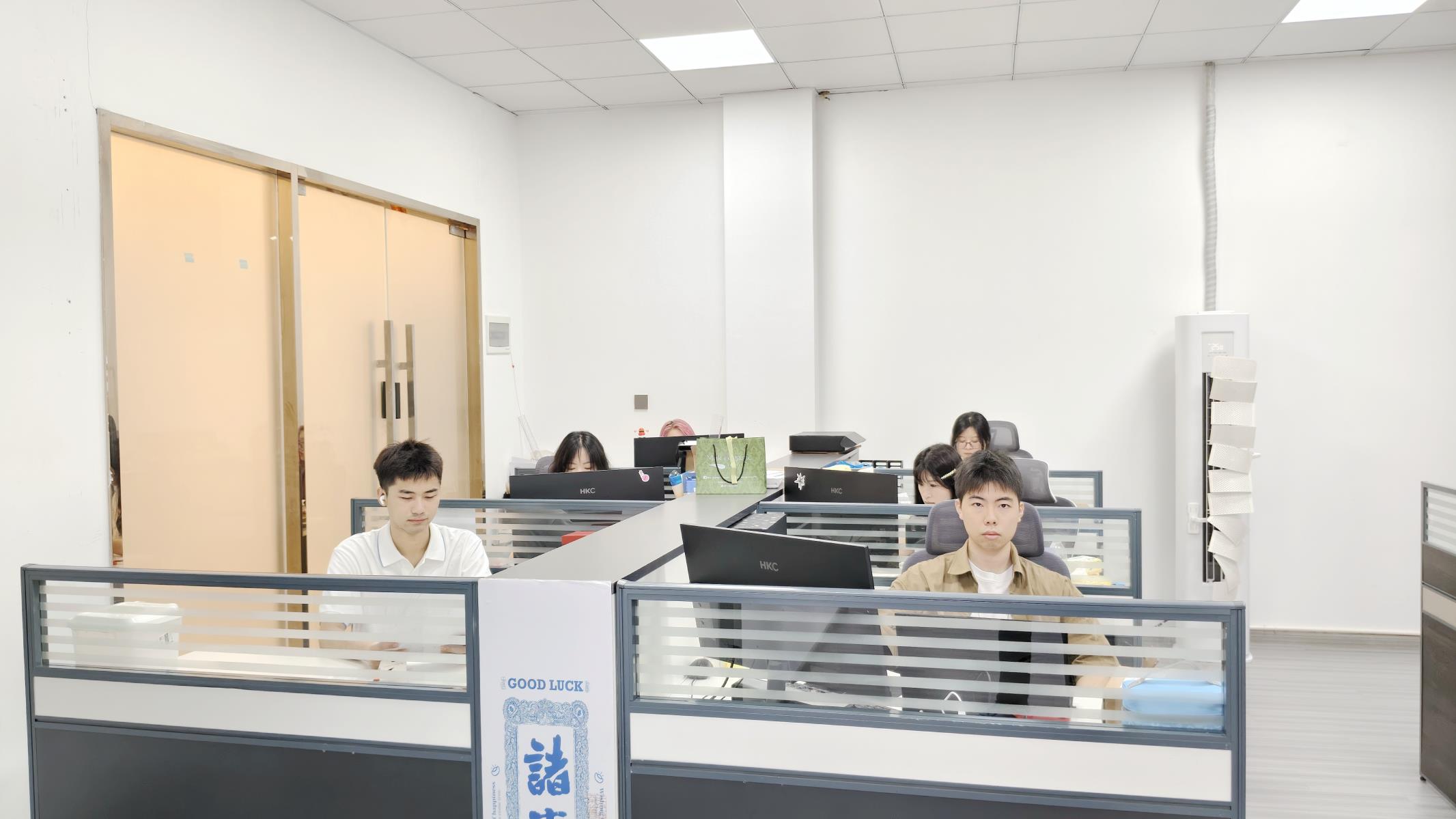
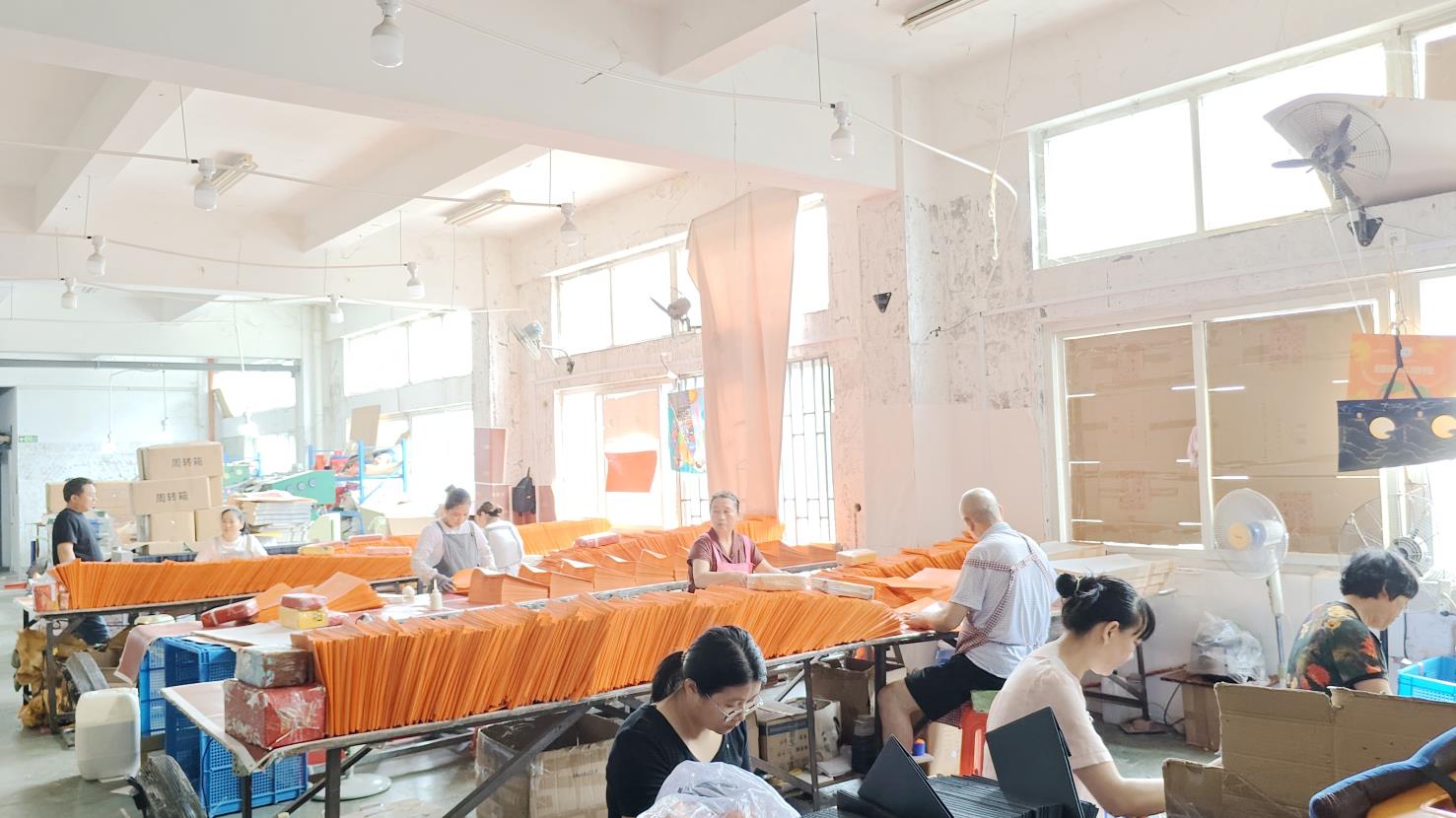
Fuzhou Buba Printing Co., Ltd. is a custom manufacturer of paper packaging and commercial print based in Jianxin Town, Fuzhou, Fujian, China. Our team has spent 18 years in the paper-printing trade, and for more than a decade we have shipped printed promotional flyers, mailer boxes, gift boxes, paper bags, labels, cards, notebooks and catalogs to brand owners, e-commerce sellers and distributors worldwide.
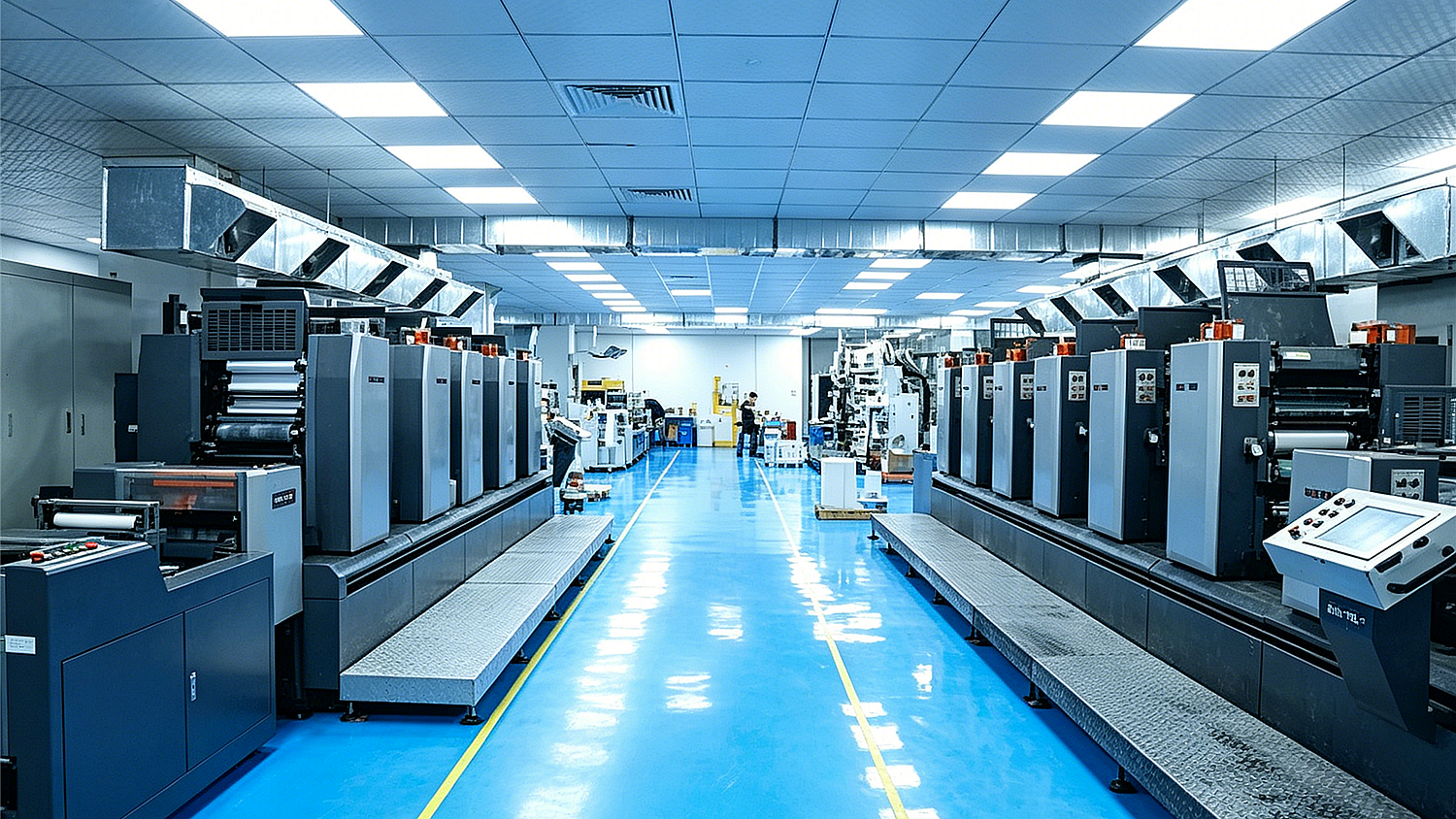
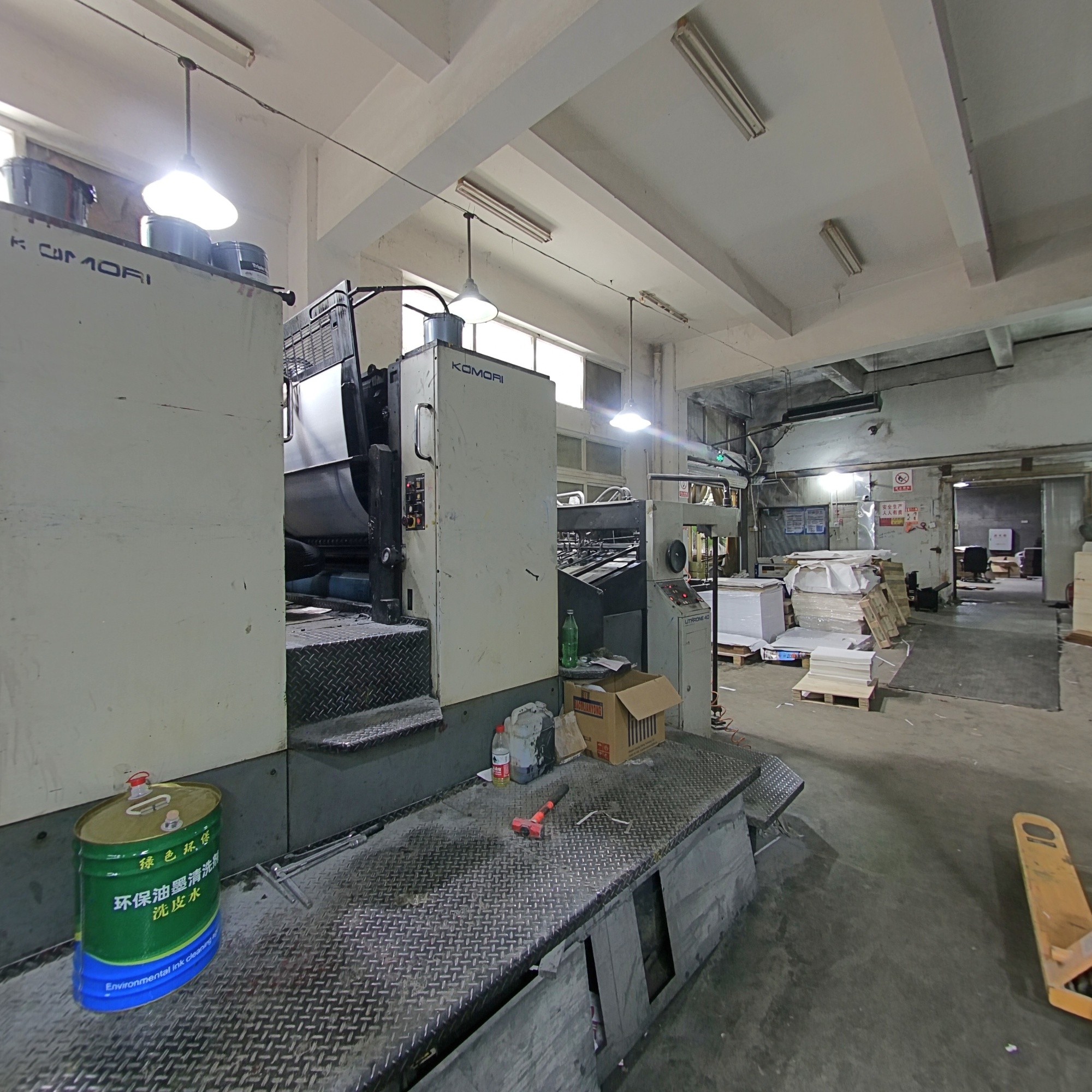
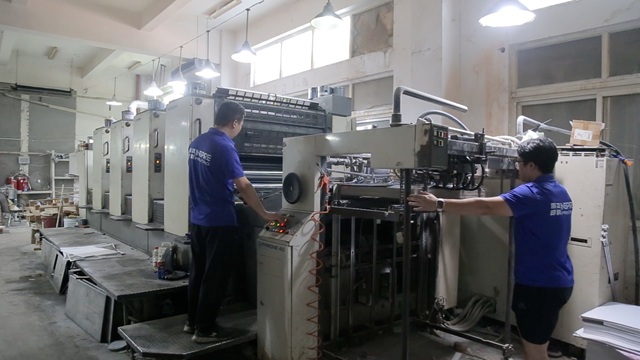
For flyer projects, this means one accountable partner for prepress, paper selection, printing, folding, finishing, quality inspection and export packing. Our production floor covers 2,300 m², and our team offers design-based, sample-based and full customization with onsite material inspection. We are TÜV Rheinland onsite-verified and quality-management certified, so buyers can review factory capability before placing a bulk order.
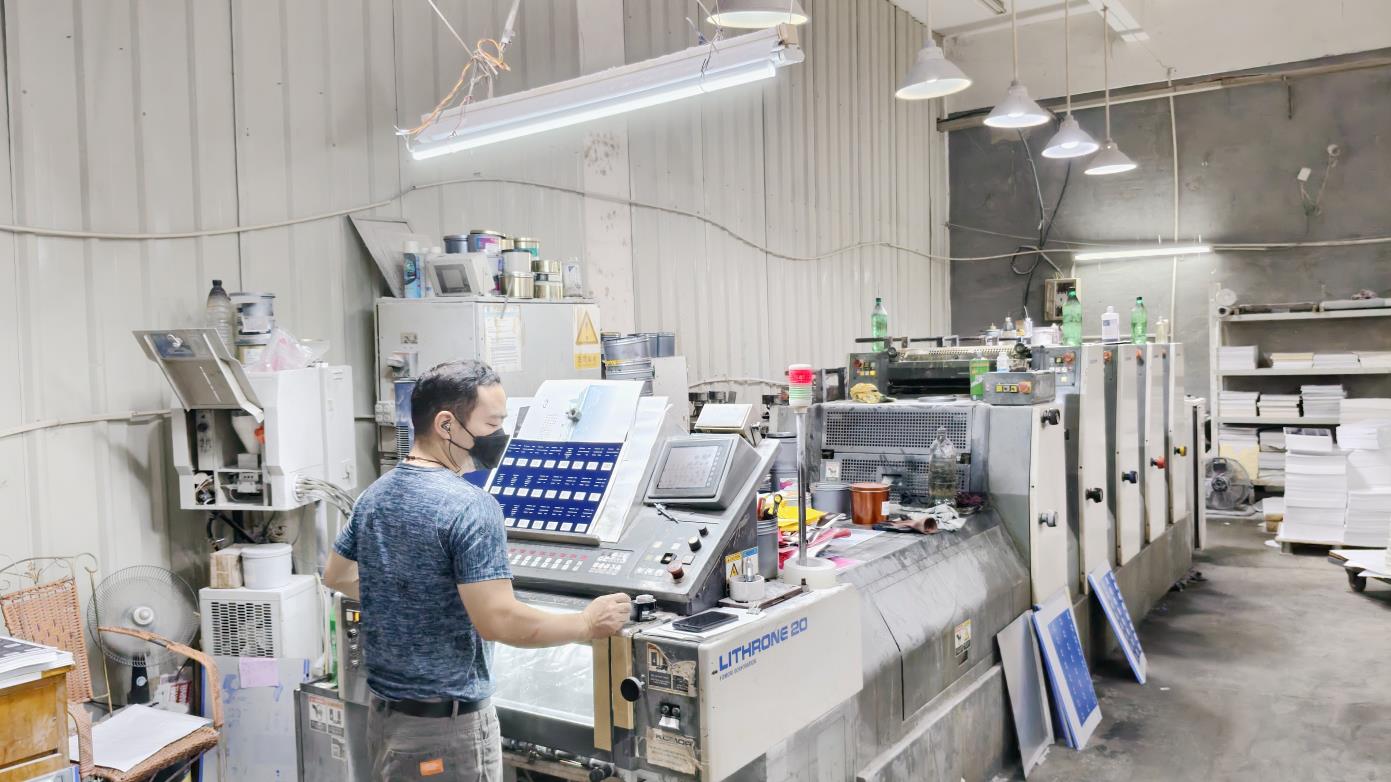
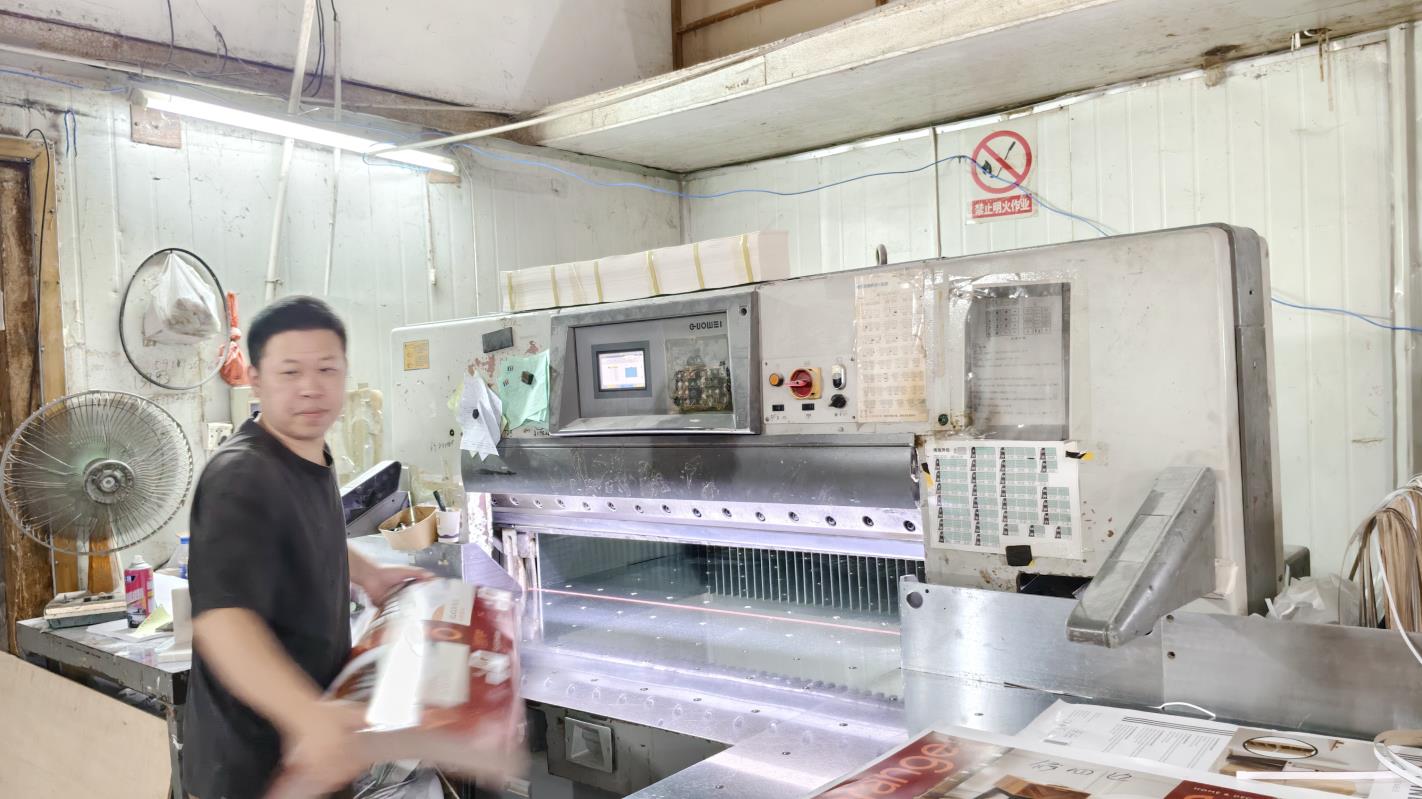
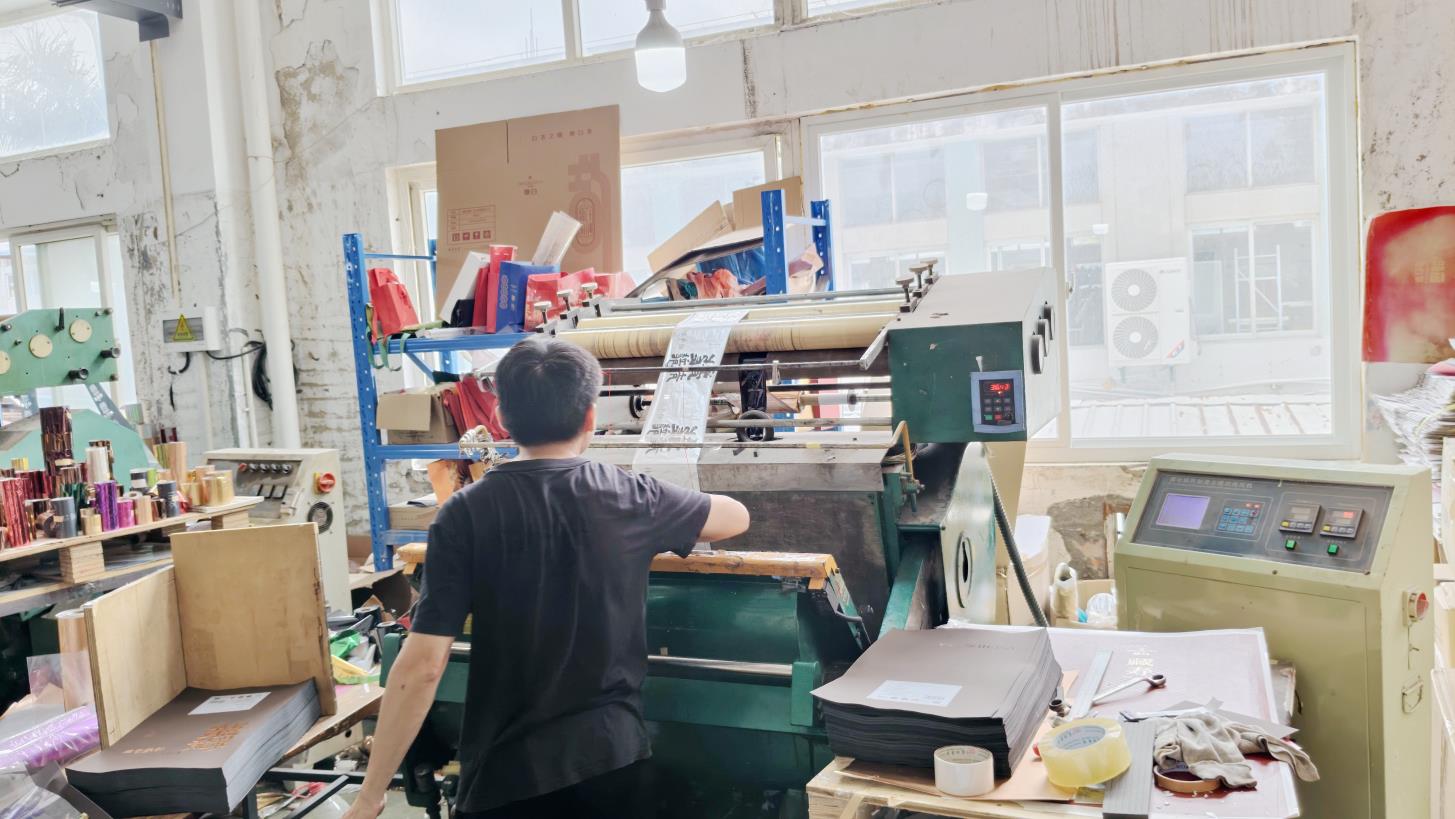
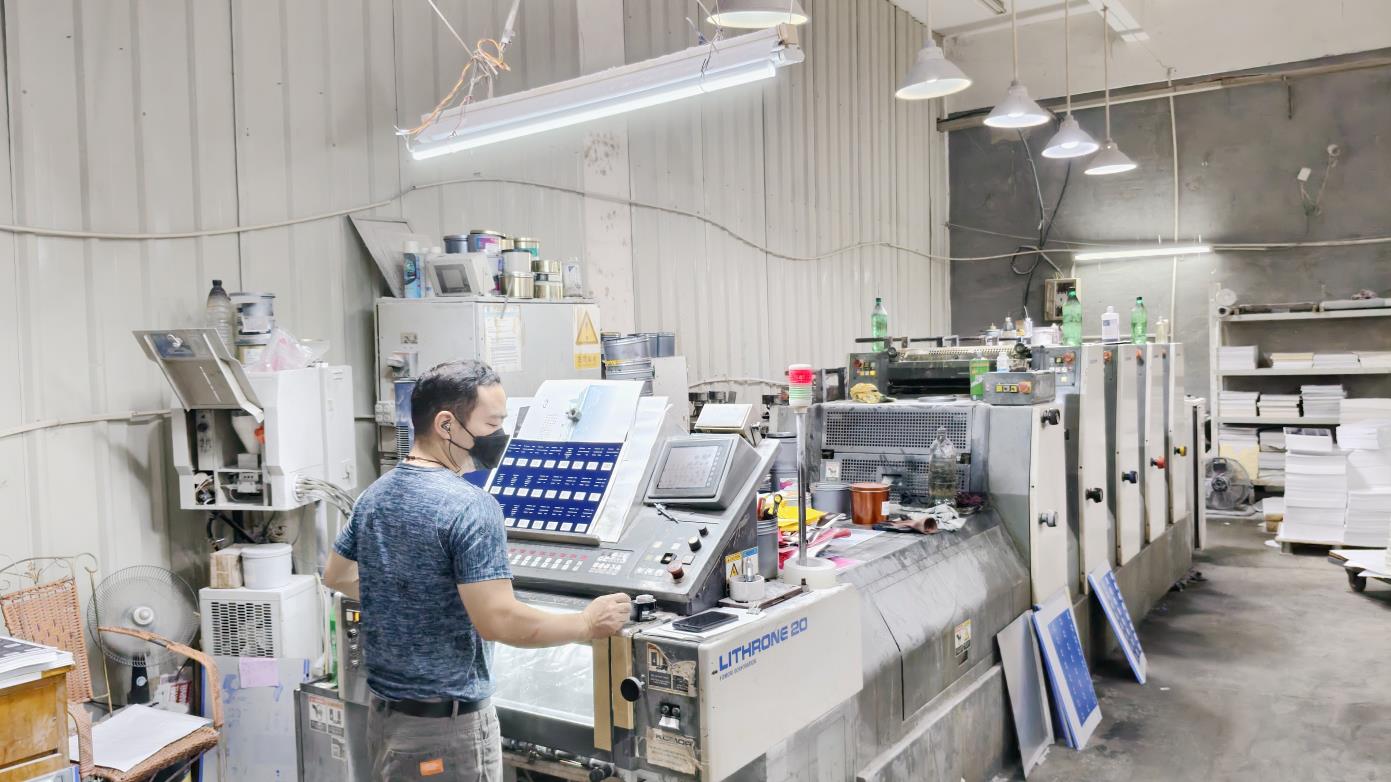
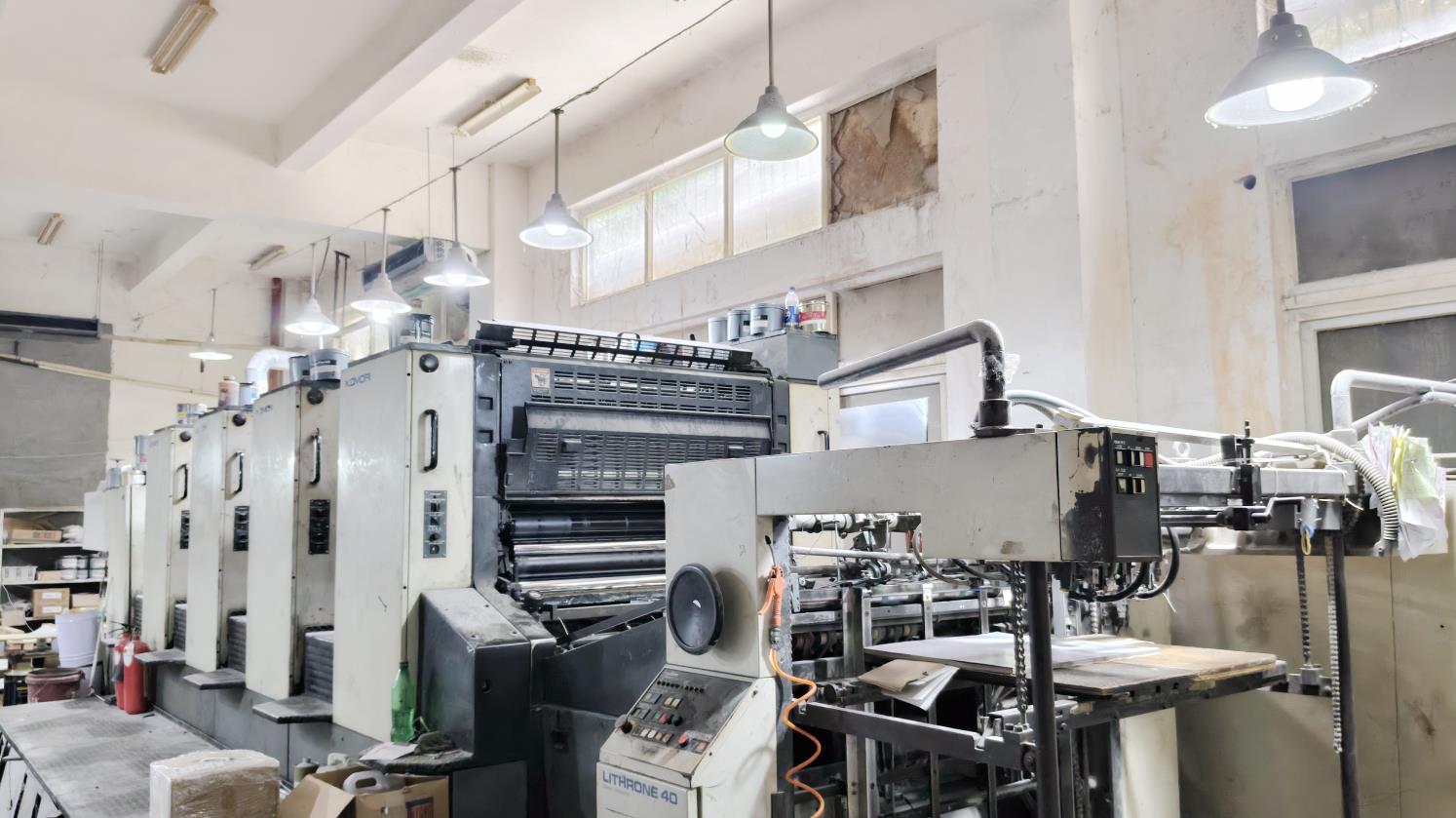
Our in-house capabilities include offset and digital printing, hot foil stamping, blind and 3D embossing, spot UV, soft-touch and gloss/matte lamination, die-cutting, folding and hand assembly. Every project can be supported with a dieline, artwork check, digital mockup and pre-production sample. During production, we check incoming materials, approve first articles, monitor color inline and carry out final AQL inspection with photo reports before shipment.

A clear six-step workflow with documented approvals, so the final flyers match the approved sample.
Confirm size, paper, quantity, folding, finishing and delivery country.
Check bleed, fonts, images, color mode and QR code scanability.
Approve digital mockup and physical pre-production sample before mass production.
Offset or digital printing with color monitoring and first-article approval.
Fold, laminate, trim and inspect according to the approved specification.
Export-grade cartons, flat packing where suitable, sea, air or express delivery.
Use this reference to prepare a clearer inquiry. Fuzhou Buba Printing Co., Ltd. will confirm the final specification in writing before production.
| Flyer Type | Recommended Paper | Common Size | Printing | Finishing & Folding | Typical MOQ |
|---|---|---|---|---|---|
| A4 Promotional Flyer | 105–250 gsm coated or uncoated art paper | 210×297 mm | Offset or digital CMYK / Pantone | Matte or gloss lamination, spot UV, single or double-sided | 500–1,000 pcs |
| A5 Handout Flyer | 170–250 gsm matte or gloss art paper | 148×210 mm | Double-sided CMYK | Soft-touch, spot UV, rounded corners, half-fold | 500 pcs |
| DL Folded Leaflet | 128–200 gsm gloss or uncoated paper | 99×210 mm | Double-sided CMYK | Tri-fold, z-fold, roll fold or gatefold | 1,000 pcs |
| A6 Package Insert | 105–157 gsm coated art paper | 105×148 mm | Single or double-sided CMYK | Trimming, folding, bundle packing | 1,000 pcs |
| Recyclable Promo Flyer | 100–150 gsm recycled uncoated paper | A4, A5 or DL | CMYK with water-based inks on request | Plastic-free packing, no plastic lamination where possible | 500 pcs |
| Flyer & Brochure Set | 128–250 gsm art paper or specialty stock | Custom | Offset or digital CMYK | Folding, saddle stitching, lamination, foil, embossing | 500–1,000 sets |
Ranges shown are typical production options. Final paper weight, folding, color target and packing method are confirmed on the approved sample before mass production.
Review the production floor, finishing equipment and verification details before you place a printed promotional flyer order.

Third-party verified: our premises, legal status and production capability have been verified onsite by TÜV Rheinland — an independent inspection body trusted by global buyers.
View Report DetailsA printed promotional flyer is a single-sheet or folded marketing print piece used to announce a product, promotion, event, trade-show offer, retail discount or catalog update. It usually carries one clear message and one call to action, and is commonly printed in A4, A5, DL or A6 sizes. It differs from a multi-page brochure because it is designed for fast reading and immediate response.
Choose A4 when you need a strong visual impact, more product detail or a premium handout. Choose A5 for trade shows, retail counters and package inserts where a smaller footprint is easier to handle. Choose DL when you need a foldable leaflet with panels for benefits, schedules, maps or product lists. The best format depends on how the flyer will be distributed and how much information the reader must absorb.
Use 105–157 gsm coated art paper for package inserts and direct mail, 170–250 gsm paper for trade-show handouts and retail use, and 250–300 gsm for premium cards or high-impact promotions. Recycled uncoated paper is suitable for eco-positioned campaigns, but color proofing is recommended because uncoated stock absorbs ink differently.
Flyer MOQs depend on size, paper, printing method and finishing. Short digital runs can start from around 200 pieces after review, while offset flyer runs are usually more economical from 1,000 pieces upward. Fuzhou Buba Printing Co., Ltd. confirms the final MOQ in the quotation after checking the exact specification.
Yes. We print single-sided and double-sided flyers, and we produce folded leaflets including half-fold, tri-fold, z-fold, roll-fold and gatefold formats. Artwork should include the correct fold marks, bleed and panel sequencing. A physical sample is recommended for complex folds or heavy ink coverage.
We prefer vector AI, PDF or EPS files in CMYK with 3 mm bleed and outlined fonts. High-resolution PSD or TIFF files at 300 dpi are also accepted. Pantone colors can be matched on request. QR codes should be tested before mass production, especially if the flyer will be laminated or folded near the code.
Typical pre-production samples take 3–7 working days after artwork approval. Mass production usually takes 10–20 working days after sample approval, although flyer schedules can be faster for simple specifications. Complex folding, foil stamping or large volume may require additional time confirmed in writing.
We check artwork and color settings during prepress, approve a first article during production, monitor color inline and carry out final AQL inspection with photo reports. Incoming paper and finishing materials are also checked. For color-critical campaigns, we recommend a physical pre-production sample so the buyer can approve paper, ink coverage and finishing before mass production.
Yes. We offer recyclable and recycled paper stocks, uncoated and kraft options, water-based inks on request, and plastic-free packing. For recycling-friendly projects, avoid non-recyclable plastic lamination unless the campaign specifically requires it. The best option depends on durability, color target and distribution conditions.
Yes. Our in-house team provides dielines, prepress checks, digital mockup support and sample approval before production. With more than 10 years of export experience, we ship worldwide by sea, air or express using export-grade cartons and flat packing where suitable. Share your delivery country and quantity so we can recommend a practical shipping plan.
Send size, quantity, paper weight, folding, artwork status and delivery country. Our team will reply with a clear quotation and production advice.