Vial Boxes and the Eight Supporting Components Seattle Buyers Order Most
Every vial packaging program we ship to King County is built from the same toolkit: a carton that protects the primary container, an insert that carries instructions, and a seal that proves tamper evidence. The eight products below are the components our Seattle buyers pair with custom vial boxes most often. Each links to its full specification, and every item comes from the same TÜV Rheinland onsite-verified factory, so paper, color, and finishing stay consistent across the set.
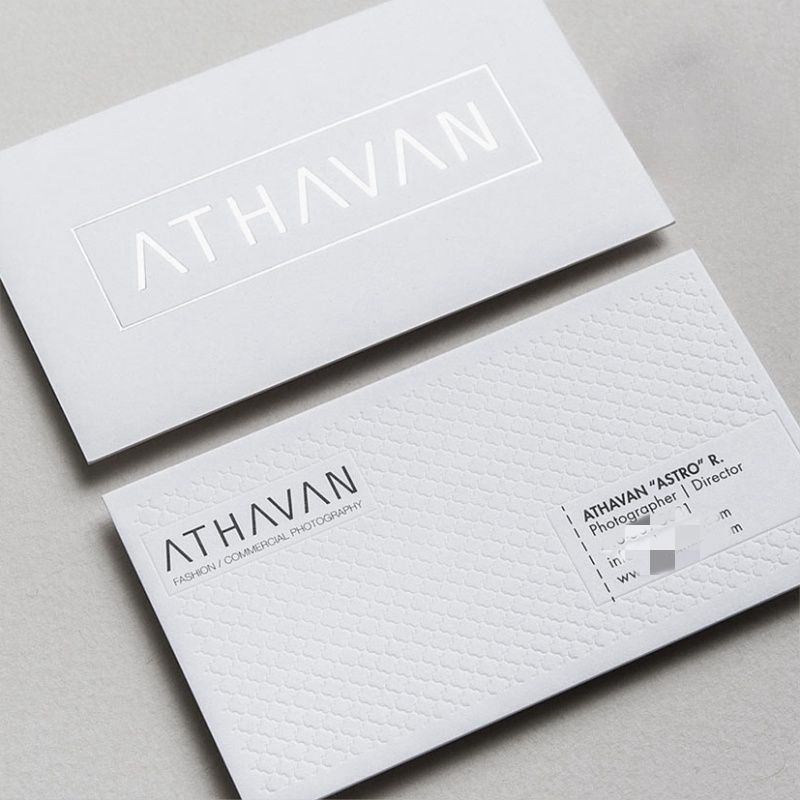
Custom Foil-Stamped Insert & Thank-You Cards
Hot-stamped kraft cards sized to sit inside vial cartons. They carry dosage notes, lot numbers, or a handwritten thank-you, and their 350–400 gsm stock stays flat when the carton is opened. Foil and blind emboss match your vial label artwork.
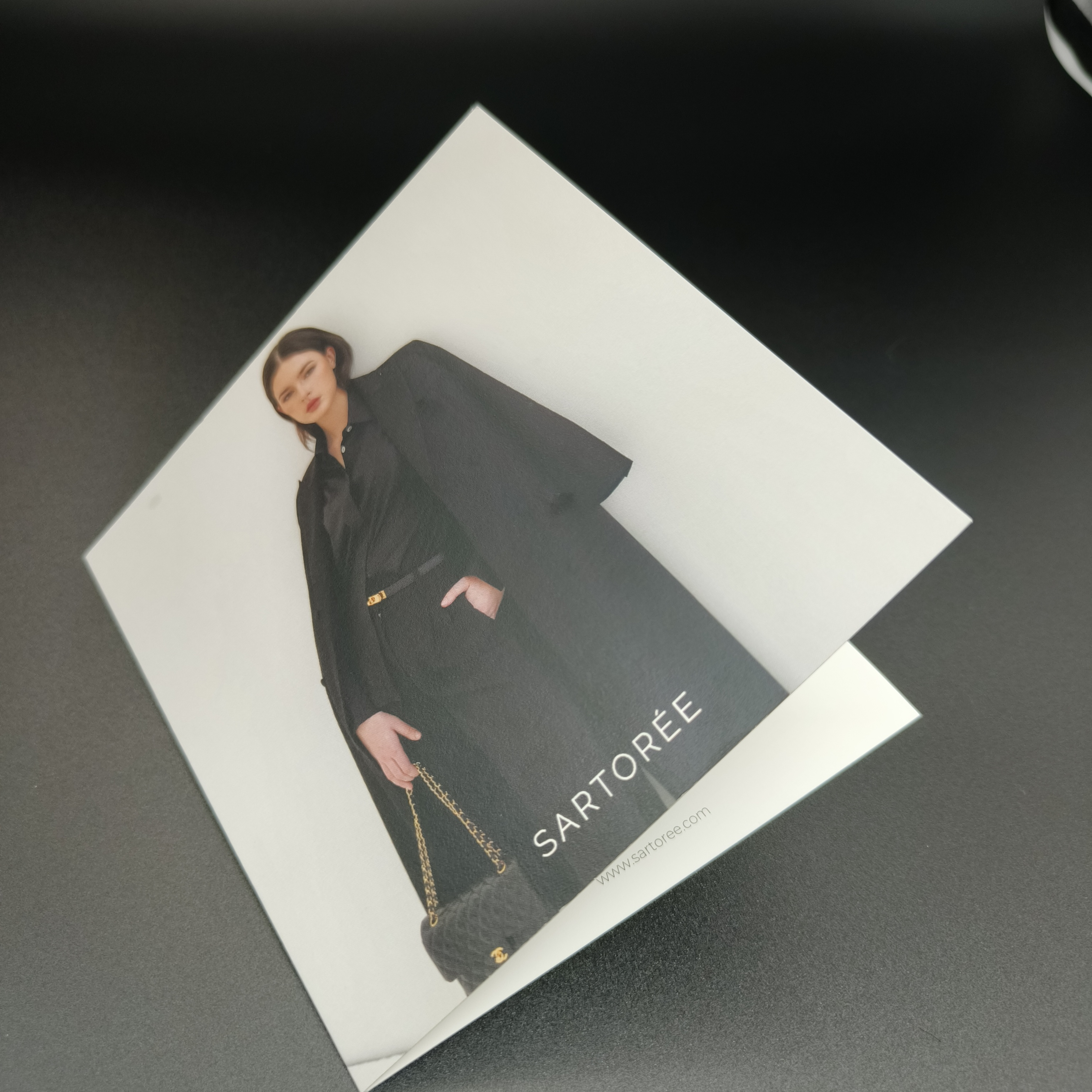
Small-Batch Vial Insert Cards
Short-run instruction and thank-you cards for pilot batches, trade shows, and market tests. A practical choice when a Seattle brand needs 100–500 finished cartons before committing to a full production run.
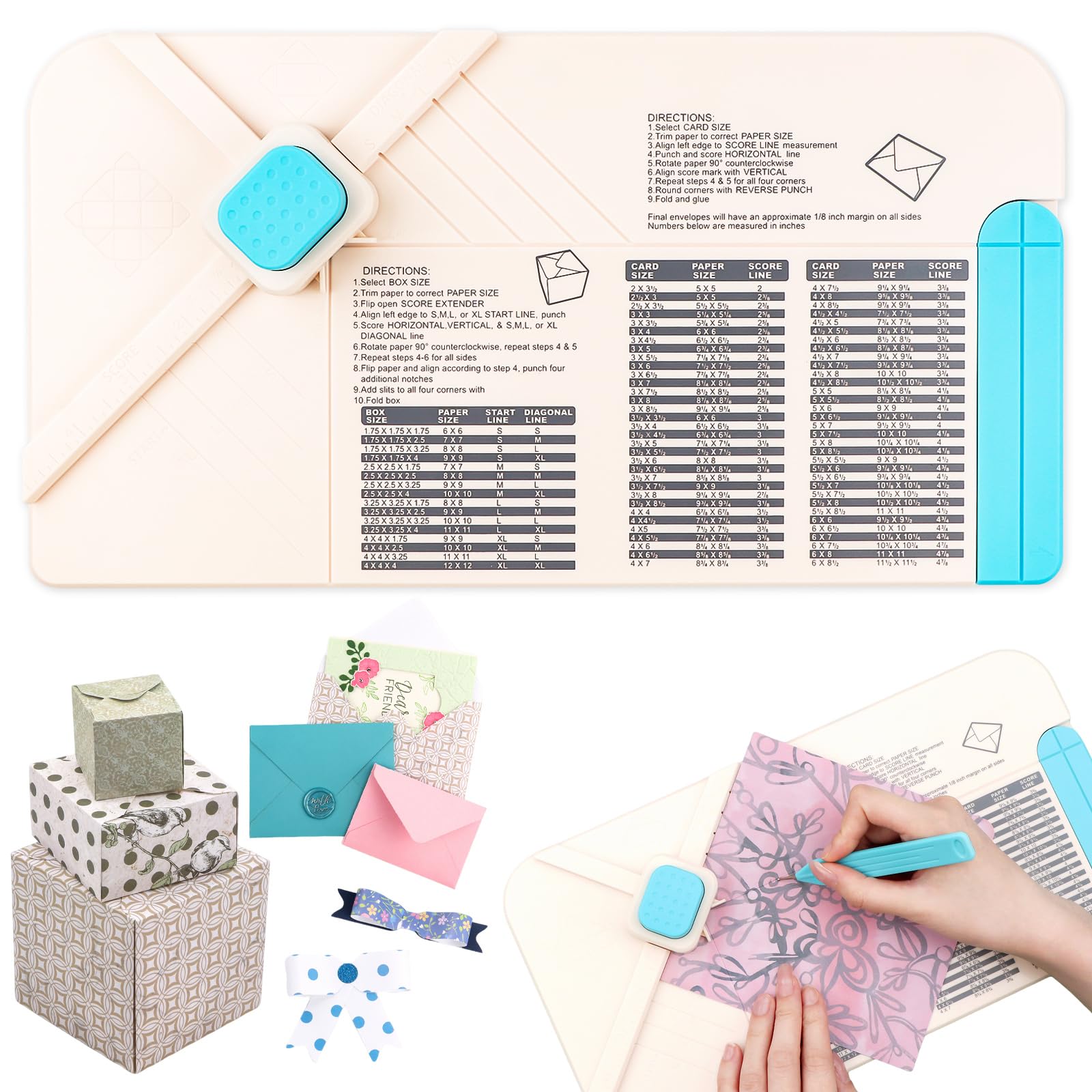
Box, Sleeve & Bow Punch Board
An all-in-one scoring board for folding vial sleeves, sample boxes, and gift bows in-house. Our design team uses the same geometry when validating a dieline before a physical sample is cut.
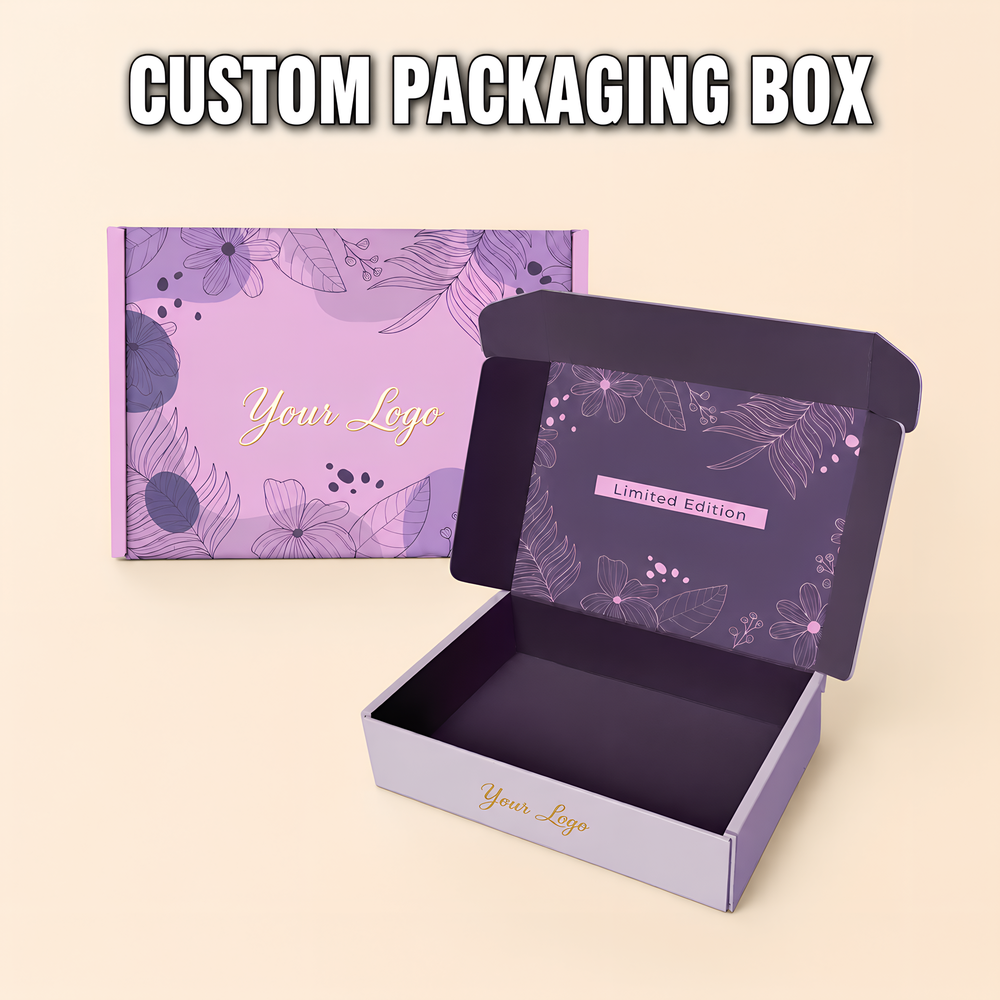
Eco Mailer Boxes for Vial Shipping
E-flute corrugated mailers with tear strips and paper inserts, sized around 2–30 ml vials. Built for direct-to-consumer orders where glass has to survive a parcel network and the unboxing still feels premium.
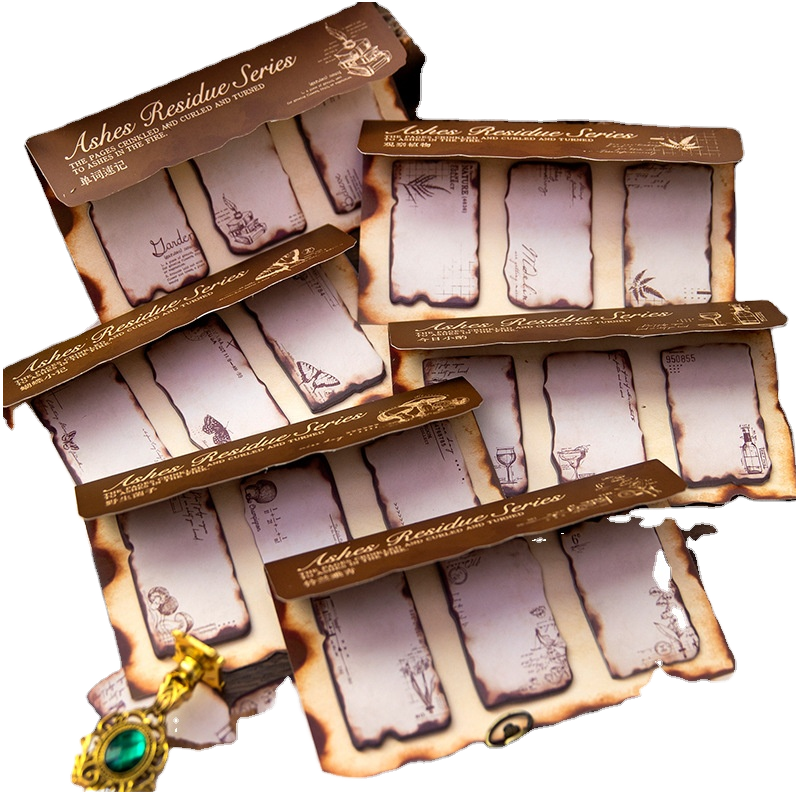
Tamper-Evident & Seal Stickers
Waterproof roll labels and frangible seals for vial caps and carton flaps. Serial numbers, QR codes, and holographic options let Seattle cannabis and supplement brands show that a package has not been opened.
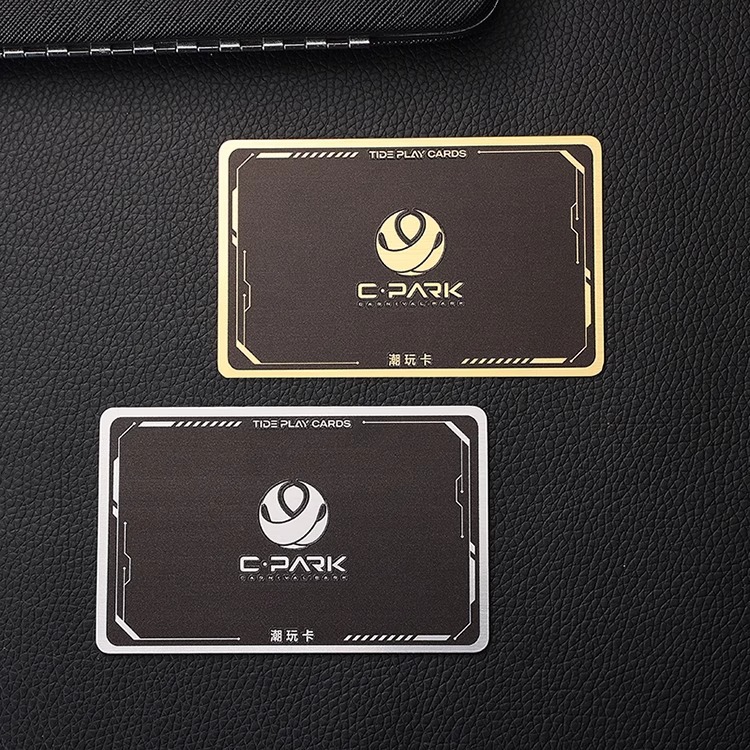
Luxury 3D-Textured Brand Cards
Deep-embossed, textured cards for dispensary counters, sample kits, and loyalty programs. A heavier alternative to a standard business card when the vial box is the first physical touchpoint a customer has with your brand.
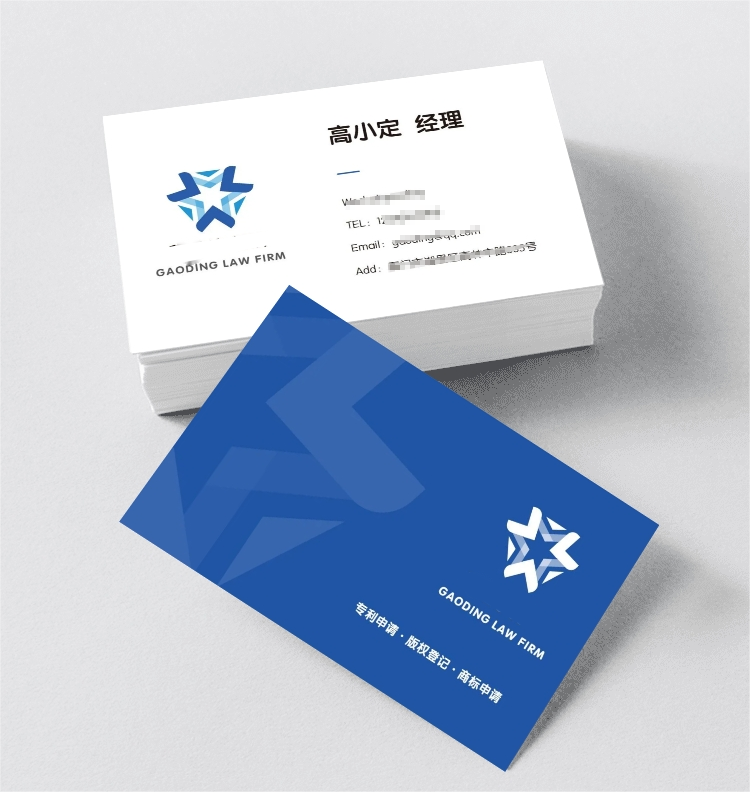
Soft-Cover Booklets & Brand Cards
Saddle-stitched booklets and soft-cover cards that explain a vial product line, protocol, or ingredient story. Sized to drop into a mailer beside vial boxes without pushing the parcel into a higher freight bracket.
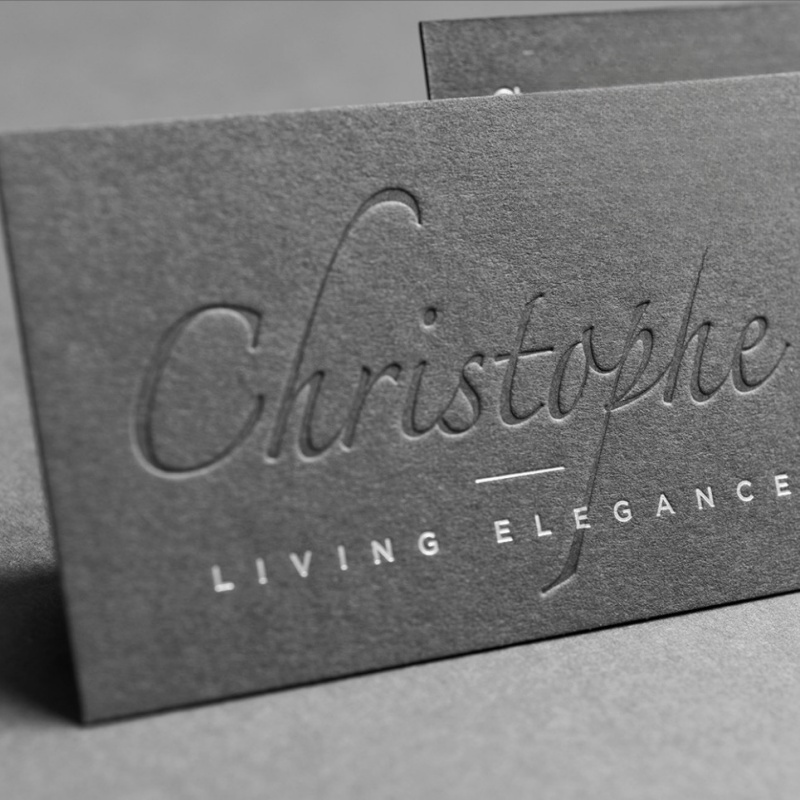
Ultra-Thick Premium Display Cards
600–800 gsm cards with painted edges and foil detailing, used as retail backers and display cards behind vial boxes. A small upgrade that makes a 10 ml vial feel like a gift rather than a sample.
Verified onsite by TÜV Rheinland · Buyer feedback reviewed quarterly
Why Vial Packaging Is a Supply-Chain Decision in Seattle, Not a Print Job
Seattle's economy runs on small glass containers. The biotech cluster around South Lake Union and UW Medicine ships diagnostic and clinical-trial sample kits; licensed cannabis producers in King County package tinctures and concentrates under Washington State Liquor and Cannabis Board rules; independent skincare and aromatherapy brands from Pike Place Market to Capitol Hill sell 5–30 ml oils online and across retail counters. Each of those buyers needs the same object: a printed carton that holds a vial securely, carries regulated text without smudging, and survives a parcel network before it reaches a customer's hands.
A vial box is secondary packaging, and it fails in predictable ways — a 1 mm dieline error that cracks a glass shoulder, an insert that lets a 10 ml bottle rotate until the label faces the back, a varnish that scuffs in transit, or a paper stock that cannot hold a QR code at 300 dpi. The real cost of those failures is not the carton. It is the replacement shipment, the chargeback, and the one-star review that follows.
That is why our Seattle projects begin with dimensions and shipping data, not artwork. We confirm vial diameter, cap and dropper height, glass tolerance, packing method, and parcel weight before a single dieline is drawn, then send a free 3D mockup and a physical pre-production sample for approval. Buyers see the fit before they commit to a run, which is one reason our verified buyer rating sits at 4.6 out of 5.
For a wholesaler or brand owner comparing suppliers, the useful benchmark is not price per carton. It is landed cost per sellable unit: carton cost, insert cost, freight per cubic meter, damage rate, and the labor needed to pack the vial. A slightly higher unit price that removes a plastic insert or cuts 8 mm of carton depth often wins on landed cost — and always wins on the unboxing photo a Seattle customer posts.
Five questions Seattle buyers ask before a first purchase
- Will the carton fit my exact vial, cap, and dropper combination?
- Can the structure survive a parcel network without a plastic insert?
- Is the board recyclable in King County, and are the inks food-grade?
- Can I approve a physical sample before 10,000 units are printed?
- What is the real door-to-door lead time to Seattle?
Where Vial Boxes Go to Work Across Seattle and the Pacific Northwest
The same carton structure rarely serves a clinical lab and a cannabis retailer. These are the six briefs we receive most often from the region — and the packaging decisions that separate a working program from an expensive lesson.
Biotech & Clinical Sample Kits
Diagnostic labs, CROs, and life-science suppliers around South Lake Union and UW Medicine ship sample vials in kits that must look controlled and stay organized. Printed cartons with die-cut inserts keep 2–10 ml vials upright, label-forward, and traceable by lot.
Licensed Cannabis & CBD
Washington's licensed retailers require child-resistant, tamper-evident packaging and compliant labeling. We build CR cartons and frangible seals for tincture and concentrate vials, with artwork space reserved for the mandatory warning panel.
Skincare Serums & Essential Oils
Indie beauty brands from Pike Place Market to Capitol Hill use 5–30 ml dropper bottles. A soft-touch carton with foil accents and a window patch turns a commodity vial into a giftable retail unit without changing the bottle.
Compounding Pharmacies & Clinics
Compounding labs and private clinics need short runs of clearly labeled vial cartons for internal dispensing. Low-MOQ offset printing lets a clinic order 100–500 boxes with its own logo, dosage fields, and a QR link to patient instructions.
University & Research Labs
UW labs and research groups order small batches of labeled sample boxes for studies, open days, and specimen archives. Numbered cartons and writable uncoated stock simplify hand labeling when protocols change.
DTC Subscription & E-commerce
Subscription brands shipping from Seattle fulfillment centers need a mailer that protects glass and reduces dimensional weight. Flat-packed cartons and paper inserts replace plastic clamshells while keeping the unboxing on-brand.
Four Forces Reshaping Vial Packaging Demand in Washington State
Briefs from Seattle buyers have changed over the last three years. Compliance language is longer, plastic has disappeared from the insert, first orders are smaller, and every carton now has to earn its place in a QR-driven customer journey. These are the four trends our design team plans around — and what each one means for a vial box specification.
Compliance Is Getting More Specific
Washington LCB labeling and child-resistance requirements continue to tighten. We now reserve a dedicated warning panel on cannabis cartons, test the closure as part of the carton system, and keep dielines versioned so a label change does not trigger a full redesign.
Plastic Out, Paper In
Washington's statewide plastic bag ban and Seattle's recycling rules push brands toward paper inserts, water-based inks, and mono-material cartons that flatten for recycling. Requests for plastic-free tear strips have risen sharply in our Seattle quotes.
Small First Runs, Fast Reorders
Brands validate a market with 100–500 units, then scale. Digital and short-run offset keep the first order low-risk, while reusable tooling lets a reorder of 5,000 match the first run's color and structure without a second sampling round.
Every Box Is a Landing Page
QR codes on vial cartons link to batch records, lab results, and reorder pages. Print resolution, contrast, and varnish choice decide whether a code scans on the first try — a detail that now belongs in the dieline review, not the afterthought list.
Design implication: build the insert, seal, and QR panel into the dieline from day one. Retrofitting a carton after approval usually costs more than the print run itself.
Vial Carton Structures, Materials, and Finishes
The table below covers the six structures we quote most often for Seattle vial projects. Board weights are starting points; the final specification is confirmed against vial weight, cap height, and shipping method before sampling.
| Structure | Typical Board & Material | Best For | Finishing Options | MOQ From |
|---|---|---|---|---|
| Tuck-End Vial Carton | SBS 300–350 gsm, FSC-certified on request | 2–30 ml serum, oil, and sample vials | CMYK, Pantone, soft-touch, spot UV | 100 pcs |
| Reverse-Tuck Sample Box | SBS 350–400 gsm with die-cut insert | Diagnostic and clinical sample kits | Matte lamination, QR code, lot numbering | 500 pcs |
| Rigid Drawer & Sleeve Box | 1,200–1,500 gsm greyboard, wrapped | 30–100 ml premium vial presentations | Foil stamping, emboss, ribbon pull, EVA insert | 100 pcs |
| Corrugated Vial Mailer | E-flute, kraft or white liner | Direct-to-consumer and subscription shipping | Tear strip, self-seal, inside print | 100 pcs |
| Window Display Carton | SBS 350 gsm with PET or PLA window | Retail and dispensary shelf display | Window patch, foil, emboss | 500 pcs |
| Child-Resistant Carton | SBS with CR locking mechanism | Licensed cannabis tinctures and concentrates | Frangible seal, warning panel, matte finish | 1,000 pcs |
Tolerances and color: carton dimensions are held to ±1 mm after sample approval, and Pantone matching is checked to ΔE ≤ 2 under D50 lighting. Declare glass variance up to ±0.5 mm before dieline approval, because it determines insert compression and whether a dropper can move inside the carton. Child-resistant options are available with third-party test documentation, and food-grade or FSC-certified stocks are quoted on request.
A Verified Packaging Partner for Seattle Buyers
Fuzhou Buba Printing Co., Ltd. has spent 18 years learning where paper packaging fails. We are a manufacturer, not a trading company: design, prepress, offset and digital printing, foil stamping, embossing, die-cutting, and hand assembly all happen inside our 2,300 m² facility in Fuzhou, Fujian.
TÜV Rheinland Onsite Verification
Our premises, legal status, and production capability were inspected onsite by TÜV Rheinland. The verification report is available to buyers who need a third-party check before onboarding a new supplier.
Free Dielines and 3D Mockups
Our in-house design team builds the dieline and a free 3D render, so a Seattle brand can approve fit, artwork position, and finishing before paying for a physical sample.
Low MOQ, Factory Pricing
Many vial cartons start at 100 pcs, with notebooks from 50 pcs. Test a market without committing to container-load volumes, then reorder at bulk pricing from the same tooling.
Premium Finishing Under One Roof
Hot foil, blind and 3D embossing, spot UV, soft-touch lamination, holographic film, letterpress, and window patching. No subcontractor sits between your artwork and the finished carton.
Quality Control with Photo Reports
Incoming material checks, first-article approval, inline color checks, and final AQL inspection. Photos and video are shared before shipment so a buyer can approve from a desk in Seattle.
Export-Ready US Logistics
More than a decade of export experience. Export-grade cartons, flat-packing to reduce dimensional weight, and sea, air, or express options through the Northwest Seaport Alliance or SEA airport.
The Six-Step Vial Box Order Process
A transparent workflow with a written sign-off at every stage. You always know what is being printed, on which board, and when it ships.
Brief & Feasibility
Share vial dimensions, cap type, weight, artwork status, and target market. We flag compliance and freight constraints within one business day.
Structure & Dieline
Engineers propose carton style, board grade, and insert. A digital dieline comes back for artwork placement.
Free 3D Mockup
Approve a rendered mockup showing exact folds, print coverage, and finishing before any physical sample is made.
Pre-Production Sample
A physical sample confirms color, fit, and finishing. Typical lead time is 3–7 working days.
Production & QC
Printing, finishing, and assembly with inline color checks, then final AQL inspection and a photo report. Typical lead time is 10–20 working days.
Export Packing & Shipping
Flat-packed, export-cartoned, and shipped by sea, air, or express with documents prepared for US customs.
Frequently Asked Questions from Seattle Vial Brands
What is the minimum order quantity for custom vial boxes shipped to Seattle?
Most custom vial cartons, rigid boxes, and mailer boxes start at 100 pieces. Hang tags and labels typically start at 200–500, and some notebooks at 50. Short runs of 100–500 are ideal for a Seattle market test; unit pricing drops at 1,000, 3,000, and 5,000 pieces. If you are testing a new SKU in dispensaries or on a DTC store, start with 200–300 units and keep the dieline and tooling on file for the reorder.
How long does production and delivery to Seattle take?
Pre-production samples usually take 3–7 working days; mass production takes 10–20 working days after sample approval. Ocean freight from Fuzhou to the Northwest Seaport Alliance typically runs 2–3 weeks port-to-port, and air freight to SEA airport is faster but costs more. Plan 4–6 weeks door-to-door for a first order and keep reorder tooling ready to cut 1–2 weeks from the next cycle.
Can you make child-resistant cartons for Washington State cannabis products?
Yes. We build child-resistant constructions and frangible tamper-evident seals for licensed cannabis and CBD brands, and can provide testing documentation through accredited labs on request. Artwork space is reserved for Washington LCB-required warnings. Final compliance responsibility rests with the licensee, so we recommend reviewing proofs with your regulatory counsel before production.
Do you offer free samples and 3D mockups?
Yes. Dielines and a 3D mockup are free on every custom project. Physical pre-production samples are quoted at cost, which is usually credited against the mass-production invoice. You approve a physical piece before the full run starts, and we photograph the approved sample as the reference for the final AQL inspection.
Which board is best for vial boxes — SBS, kraft, or corrugated?
It depends on the vial and the channel. SBS 300–400 gsm gives the sharpest print for retail serum and oil boxes. Kraft board signals sustainability and suits natural skincare. E-flute corrugated is the right choice when individual vials ship in parcels. For heavy 30–100 ml glass, pair a rigid greyboard box with a die-cut insert.
Are your vial boxes recyclable or FSC-certified?
We offer recyclable mono-material paper cartons, water-based inks, and paper inserts instead of plastic. FSC-certified board and food-grade inks are available on request, with documentation. Lamination and foil reduce recyclability, so ask us for a finish combination that meets both your brand look and the recycling stream in King County.
What artwork files do you need, and how is color matched?
Vector AI, PDF, or EPS files in CMYK with 3 mm bleed and outlined fonts. High-resolution PSD or TIFF at 300 dpi is also accepted. Pantone colors can be matched with ΔE ≤ 2 under D50 lighting. Approve a physical sample or color drawdown before production, because screens and paper reflect color differently.
Can you hold stock or support reorders as our Seattle sales grow?
Yes. We keep approved tooling and a master dieline on file, so reorders skip sampling. Many brands place a first run of 100–500, then schedule quarterly reorders of 1,000–5,000 against rolling forecasts. Share your forecast at the brief stage and we can reserve press time and paper before your season starts.
Request a Vial Box Quote for Your Seattle Launch
Send vial dimensions, cap and dropper type, artwork status, and target quantity. Our team replies within one business day with a structure recommendation, a dieline, and a free 3D mockup — no obligation until you approve the sample.
Send an InquiryEmail: info@bubapack.com · Fuzhou Buba Printing Co., Ltd., Fujian, China