Top 10 Invitation Cards Suppliers & Exporters Serving Vancouver
A Vancouver-focused sourcing whitepaper for event studios, hotels, cultural organizations, corporate procurement teams and stationery brands comparing invitation card exporters on verification, finishing, MOQ, local use cases and delivery reliability.
8 Invitation Card & Premium Print Formats Vancouver Buyers Can Specify Now
The commercial search for invitation cards suppliers serving Vancouver rarely stops at a single card. Buyers also need matching business cards, greeting cards, event collateral, protective packaging and premium print pieces that arrive clean, flat and presentation-ready. The eight formats below come directly from Buba's existing product library.

Gold-Stamped Embossed Business Cards
Professional relief and embossed business cards suited to wedding vendors, luxury real estate teams, event sponsors and invitation inserts where tactile quality matters.
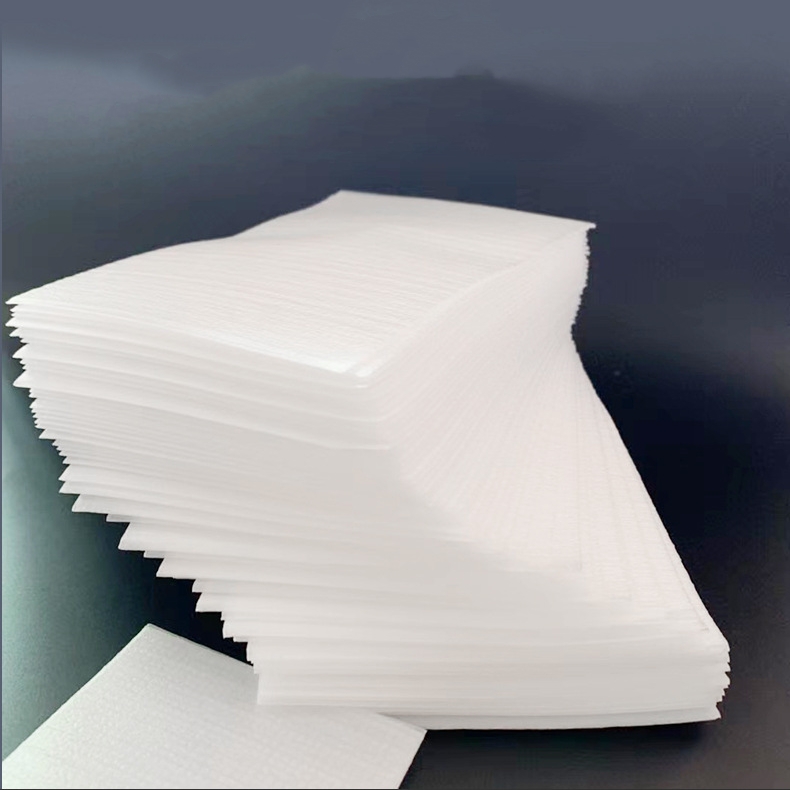
White EPE Foam Protective Pouches
Waterproof, shockproof EPE foam pouches that protect invitation suites, calendars, foil cards and gift sets during courier handling and wet-weather delivery.
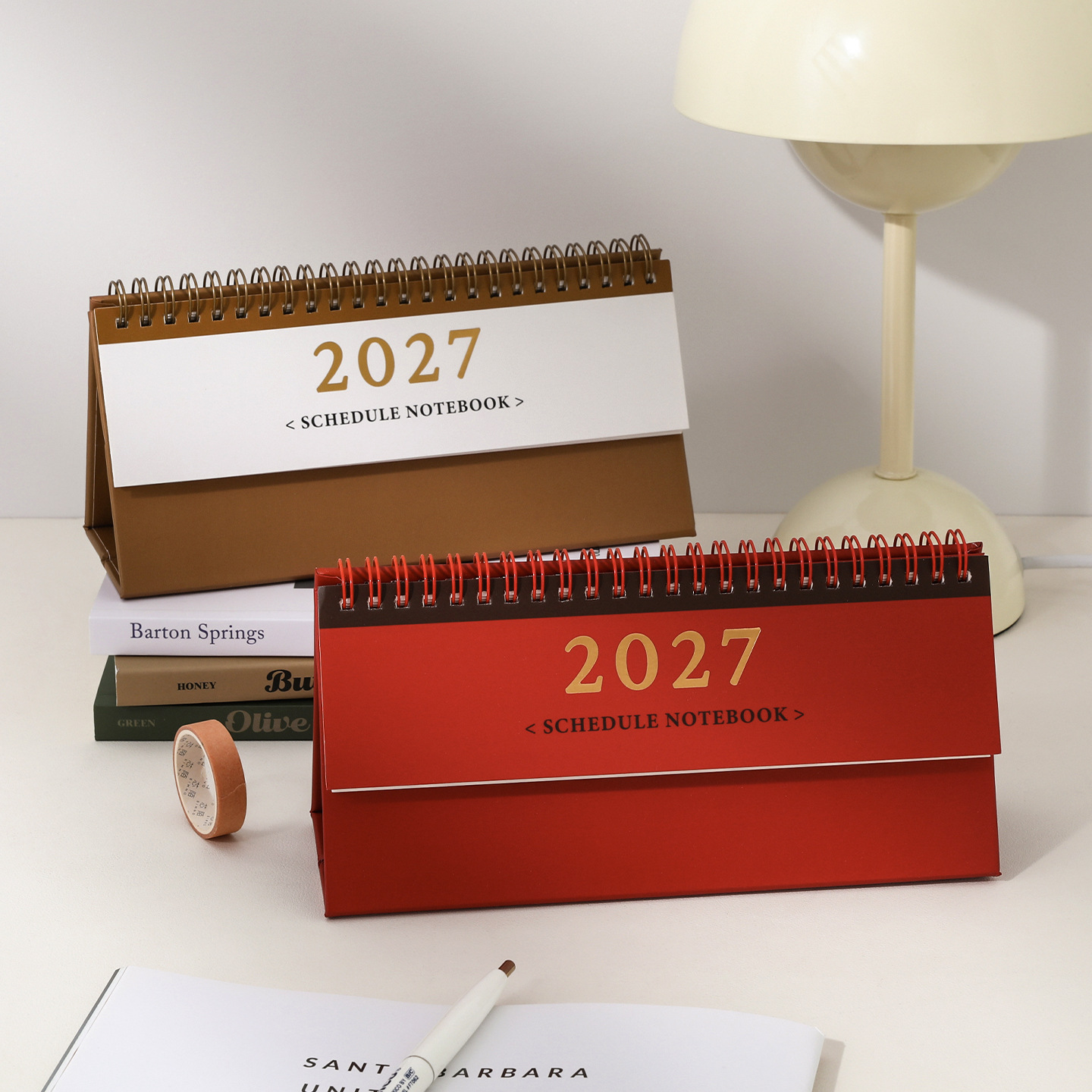
2027 Mini Standing Flip Desk Calendar
A compact twin-wire desk calendar for corporate gifting, hotel guest services, school events and year-end client appreciation programs.
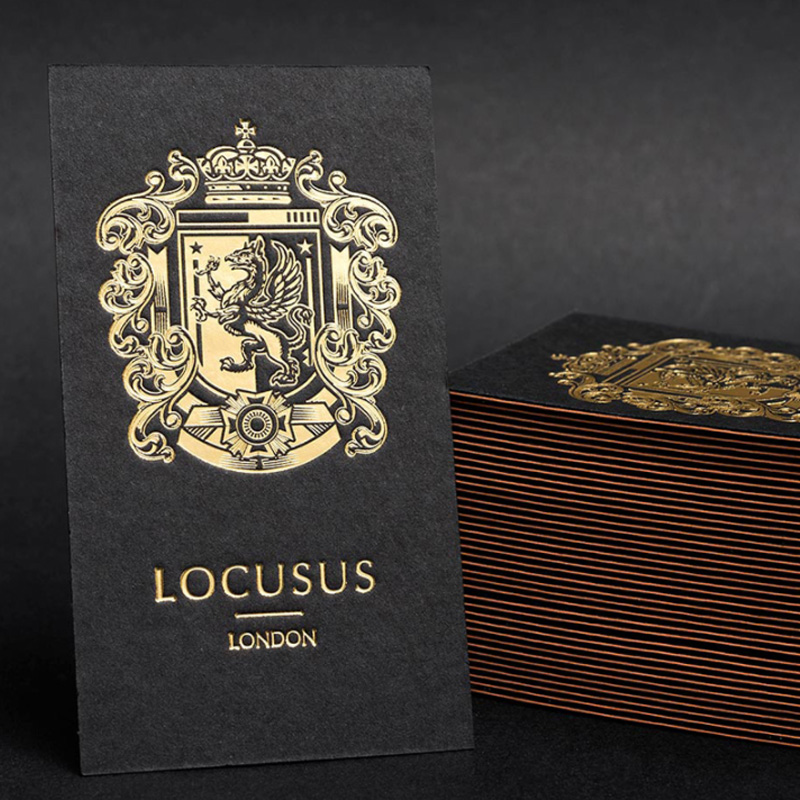
Luxury Black Hot-Stamping Business Card
Thickened imported black card with high-end hot stamping for premium invitation enclosures, concierge contacts and boutique hospitality branding.
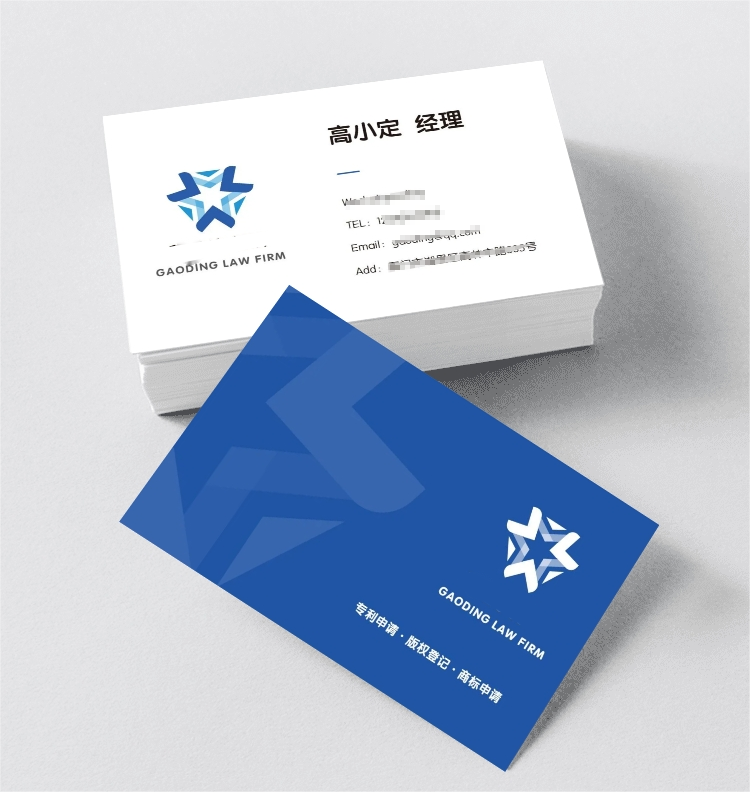
Customizable Soft-Cover Business Card & Brochure
Soft-cover business cards and brochure-style print pieces that work well for event programs, vendor menus, workshop handouts and thank-you inserts.
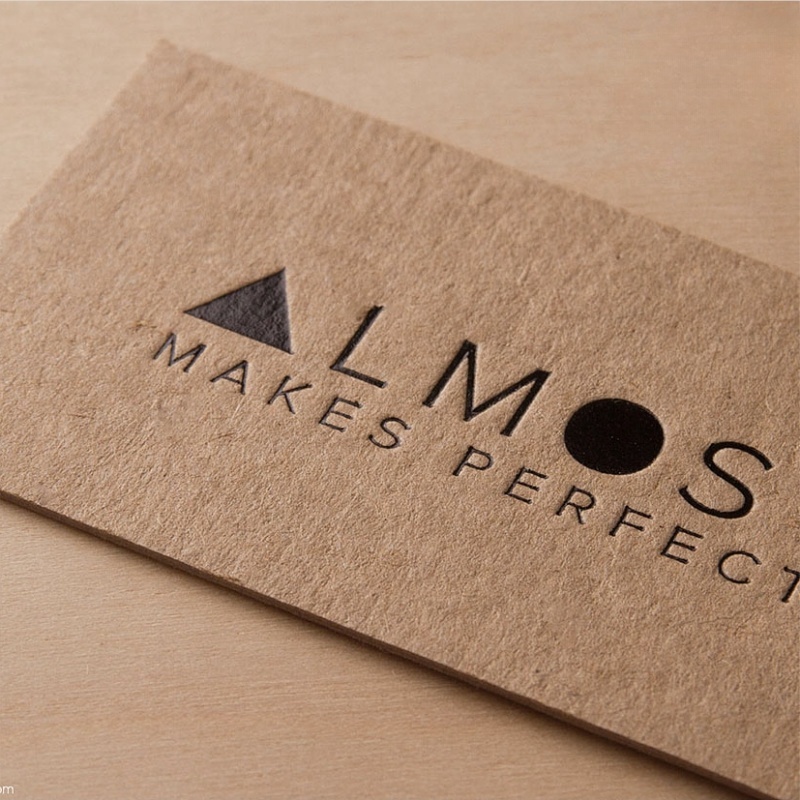
Kraft Paper Laminated Business Card
Kraft duplex board with film lamination and digital printing for brands that want a natural, West Coast-friendly paper character without sacrificing durability.
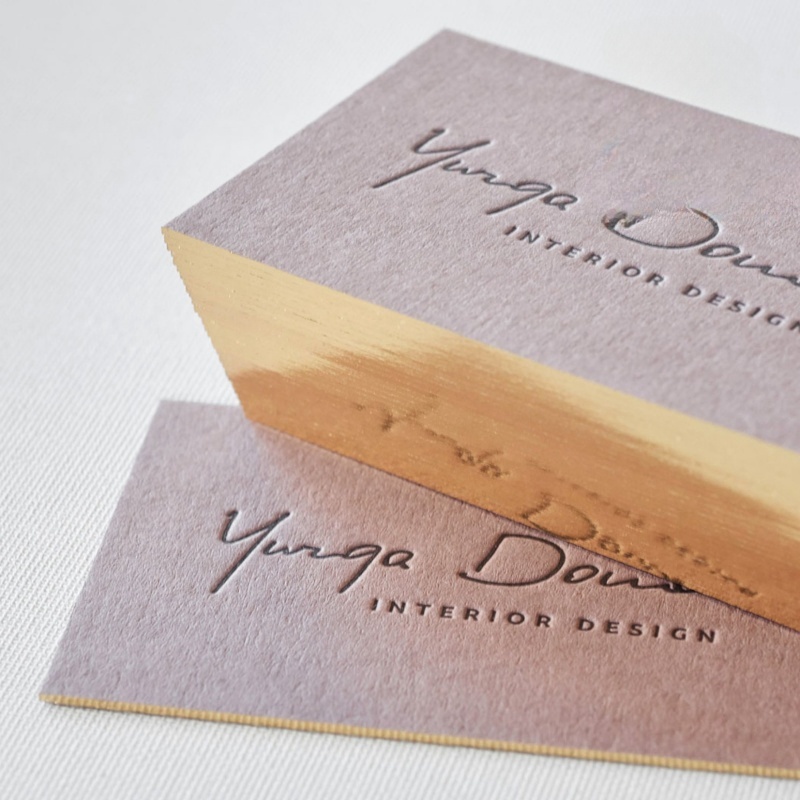
Eco Embossed Gold-Stamping Card
Grey and pink business cards with embossed logo and gold stamping, suited to bridal showers, beauty studios, boutique consultancies and multicultural wedding suites.
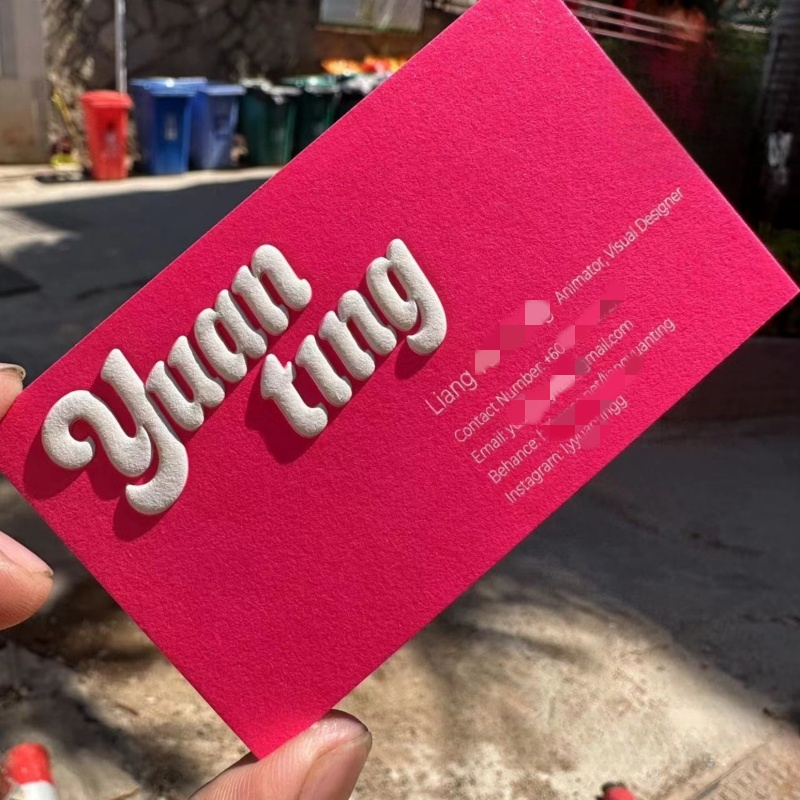
Embossed Specialty Paper Greeting Card
Creative embossing on specialty paper for greeting cards, gift enclosures, thank-you notes and invitation companions that need a memorable tactile finish.
Next step: send your card size, quantity, paper preference and artwork file. Buba's team can confirm structure, finishing and a realistic production schedule before you commit to a Vancouver event deadline.
Contact UsWhat Vancouver Buyers Should Really Expect From an Invitation Card Exporter
The search intent behind “invitation cards suppliers and exporters serving Vancouver” is commercial investigation, not casual browsing. Buyers want proof of manufacturing capability, local-fit applications, clear minimums, credible sample timelines and a supplier who understands cross-border shipping to British Columbia.
Verification before price
A serious Vancouver buyer checks whether the exporter has been verified onsite, whether finishing is completed in-house, and whether quality inspections are documented. These checks reduce the hidden cost of reprints, missed event dates and inconsistent colour across invitation suites.
Specification literacy
Invitation cards are not one product. A wedding suite may require 300–450 gsm card stock, envelopes, foil stamping, embossing and protective packing, while a corporate event may prioritise fast reprints, variable data and budget-friendly paper. The supplier should guide the specification, not just quote a unit price.
Delivery realism
Metro Vancouver event timelines are unforgiving. A reliable exporter should state sample lead time, mass production lead time, export carton protection and shipping options in writing. Vague promises are a warning sign; documented schedules are a competitive advantage.
Material responsibility
Vancouver buyers increasingly ask about recyclable kraft board, paper-based inserts instead of plastic, water-based inks and plastic-free packaging. These choices should be discussed during sampling because they can affect print contrast, stiffness, lamination and final hand-feel.
This whitepaper does not publish an unverifiable directory of ten company names. Instead, it applies a practical 10-point supplier evaluation matrix that Vancouver procurement teams can use against any shortlist, then shows eight concrete product formats from Buba's custom manufacturing range.
How Vancouver Uses Invitation Cards: Scenarios That Change the Specification
Vancouver is not a single market. A wedding studio in Kitsilano, a hotel in Downtown Vancouver, a film production office in Burnaby and a cultural association in Surrey may all buy invitation cards, but they need different paper weights, quantities, languages, finishes and delivery schedules.
Wedding & civil ceremony suites
Vancouver couples often combine ceremony cards, reception cards, RSVP cards, envelopes, menu cards and thank-you notes into one suite. The highest-value specification usually includes heavier card stock, foil or embossing, matching envelopes and a protective outer pack.
Corporate events & conferences
Downtown Vancouver hosts conferences, product launches, recruitment events and client dinners. Buyers need invitation cards that align with brand guidelines, support rapid reprints and work alongside name badges, brochures, table cards and thank-you print.
Hotels & hospitality
Hotels and boutique hospitality groups use welcome cards, concierge contact cards, seasonal event invitations and in-room print. Durability, colour consistency and the ability to reorder small batches matter more than a one-time lowest unit price.
Multicultural celebrations
Metro Vancouver buyers often need invitation suites for multilingual families and community organizations. The supplier should support precise typography, multiple language versions, Pantone colour matching and careful proofing before print.
Film, media & premieres
Vancouver's screen-production ecosystem creates demand for premiere invitations, wrap-party cards, crew thank-you notes and branded collateral. Short runs and fast approvals are often more important than huge volume, so sample speed and artwork discipline matter.
Retail & lifestyle brands
Independent boutiques, beauty studios and lifestyle brands use invitation cards for store openings, client previews and seasonal campaigns. Kraft paper, soft-touch lamination, embossed logos and premium envelopes help the invitation feel consistent with the retail packaging.
Six Local Trends Shaping Invitation Card Procurement in 2025
The strongest suppliers serving Vancouver do not just print cards. They interpret local buying behaviour, sustainability expectations and event timelines, then translate those signals into practical paper, finishing and packaging decisions.
Eco-conscious material choices
Vancouver buyers increasingly ask for recyclable kraft board, paper inserts instead of plastic, water-based inks and packaging that can be recycled with paper streams. Eco choices should be sampled early because uncoated stocks print differently from coated stocks.
Tactile luxury versus digital RSVP
Digital RSVPs are common, but physical invitation cards remain a premium signal for weddings, galas and VIP events. Hot foil, blind embossing, letterpress texture, thick cards and specialty paper create a first impression that a digital invitation cannot replicate.
Short runs & event-driven deadlines
Smaller event studios and independent planners need practical low minimums, fast sampling and reliable reorders. A supplier that handles 100-piece runs well is often more valuable than a mass-production factory that treats small orders as an exception.
Cross-border schedule control
Vancouver buyers import from Asia, but they still need clear production and shipping milestones. Export cartons, flat packing, moisture protection and photo reports before shipment are now part of the buying decision, not an afterthought.
Bilingual & multicultural layouts
Vancouver's multicultural audience means artwork may need two or more language versions, careful line breaks and font compatibility. Prepress teams should check outlined fonts, bleed, colour mode and proof approval before mass production.
West Coast visual language
Many Vancouver event brands prefer clean typography, ocean-inspired palettes, natural paper textures and restrained luxury rather than heavy ornamentation. The right finishing should support that visual language without making the piece feel overprinted.
The 10-Point Supplier Evaluation Matrix for Vancouver Buyers
Use these ten filters when comparing invitation card suppliers and exporters serving Vancouver. Each criterion is designed to expose operational risk before a deposit is paid.
Third-party verification
Check for onsite supplier verification by a recognised inspection body, not just a self-written factory profile.
In-house finishing
Foil stamping, embossing, lamination, die-cutting and hand assembly under one roof reduce handoff delays and quality disputes.
Paper clarity
Ask for exact card stock, gsm range, stiffness and finish options. “High quality paper” is not a specification.
Colour control
Request Pantone matching where required and confirm first-article approval plus inline colour checks during production.
MOQ flexibility
Confirm minimums for your exact card, envelope and finishing combination. Small event runs can behave differently from bulk print.
Sample speed
Pre-production samples should be produced quickly enough to test touch, fold, foil coverage, envelope fit and packaging protection.
Prepress discipline
Accept AI, PDF or EPS in CMYK with bleed and outlined fonts; PSD or TIFF at 300 dpi should also be reviewed carefully.
Eco options
Ask about recyclable kraft, paper inserts, water-based inks and plastic-free packing where your brand requires it.
Export packing
Moisture protection, corner protection and export-grade cartons matter for cards travelling from China to Vancouver.
Reorder system
A supplier should store job details, dielines and approved artwork so seasonal reorders and event expansions remain consistent.
Why Buba Fits a Vancouver Shortlist for Invitation Cards & Premium Print
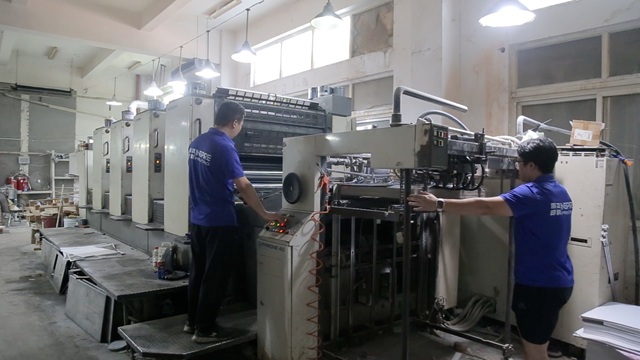
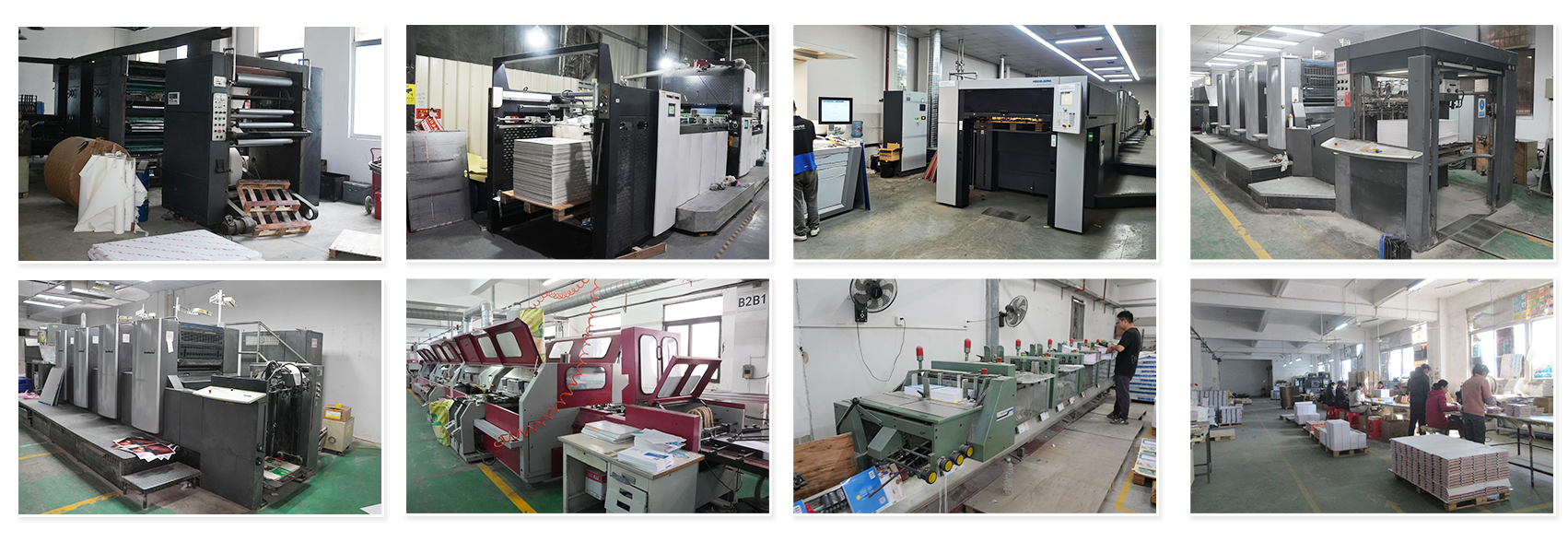
Fuzhou Buba Printing Co., Ltd. is a custom manufacturer of paper packaging and commercial print based in Fuzhou, Fujian, China. The company has 18 years of paper-printing experience and more than a decade of export experience serving brand owners, e-commerce sellers, distributors and event-focused buyers. Its production floor covers 2,300 m² and the factory has been verified onsite by TÜV Rheinland.
For invitation card projects, the advantage is not simply a press. Buba handles structural design, prepress, offset and digital printing, foil stamping, embossing, lamination, die-cutting and hand assembly in one production system. That means a Vancouver buyer can source a coordinated invitation suite, envelopes, business cards, greeting cards, brochures and protective packaging from one accountable supplier instead of coordinating several vendors.
- TÜV Rheinland onsite-verified
- OEM & ODM customization
- Free 3D mockup and dieline support
- MOQs from 100 pcs on many items
- Premium foil, emboss and lamination
- Recyclable paper options
- Incoming material inspection
- Final AQL inspection with photo reports
Paper Weight, Format and Finishing Choices at a Glance
Use this visual reference to brief a Vancouver invitation card project faster. The bars are a relative paper-weight guide, not a performance score; final specifications should always be confirmed on a physical sample.
Popular finishes include hot foil stamping, blind embossing, 3D embossing, matt or gloss lamination, soft-touch lamination, spot UV, letterpress, die-cut shapes and window patching. Buba's prepress team prefers vector AI, PDF or EPS files in CMYK with 3 mm bleed and outlined fonts; high-resolution PSD or TIFF files at 300 dpi are also accepted, and Pantone colours can be matched on request.
From Brief to Delivery: A Transparent 6-Step Order Process
A well-managed invitation project has clear approval gates. This workflow helps Vancouver buyers protect event dates and avoid last-minute surprises.
Brief & dieline
Share card size, product weight, quantity, envelope needs and artwork files; the team proposes structure, paper and finishing.
Free 3D mockup
Review a rendered mockup showing artwork placement, card layering and finishing zones before a physical sample is made.
Pre-production sample
A physical sample confirms paper hand-feel, colour, foil coverage, emboss depth, envelope fit and packaging protection.
Mass production
Printing, finishing and hand assembly are scheduled after sample approval, with inline colour control and first-article checks.
Final inspection
Final AQL inspection with photos and video before shipment helps Vancouver buyers verify quantity, packing and visible quality.
Export shipping
Export-grade cartons and appropriate shipping methods are confirmed in writing, with sea, air or express options quoted per order.
Frequently Asked Questions About Invitation Cards Suppliers Serving Vancouver
These are the practical questions event planners, procurement teams and stationery brands ask before requesting a quotation from an overseas invitation card exporter.
What is the minimum order quantity for custom invitation cards and related print?
MOQ depends on the exact card, paper, envelope and finishing combination. Many custom packaging and print projects start from 100 pieces, while some smaller items or specialist finishing runs may require 200–1,000 pieces. Some notebooks can start from 50 pieces. Buba confirms the minimum in writing after reviewing size, material and finishing.
Can you ship invitation cards to Vancouver and Metro Vancouver?
Yes. Buba is a China-based exporter with more than ten years of export experience. Shipping can be arranged by express, air or sea depending on quantity, deadline and budget. Export cartons, moisture protection and flat packing can be discussed during quotation, and shipping terms are confirmed in writing before production.
How long do samples and mass production take?
Typical lead time is 3–7 working days for pre-production samples and 10–20 working days for mass production after sample approval. Complex rigid boxes, specialist finishing, large book runs or peak-season schedules may require more time. The schedule should be confirmed in writing for every Vancouver event deadline.
Which artwork file formats do you accept?
Vector AI, PDF or EPS files in CMYK with 3 mm bleed and outlined fonts are preferred. High-resolution PSD or TIFF files at 300 dpi are also accepted. Pantone colours can be matched on request. If artwork includes multiple languages, check line breaks, font licensing and proof approval carefully before mass production.
How do you protect invitation cards from rain, humidity and courier damage?
Protection can include moisture-resistant wrapping, sturdy export cartons, corner protection, paper inserts and EPE foam pouches for premium sets. For Vancouver deliveries, it is worth discussing both outer shipping protection and the inner presentation pack, especially for foil-stamped, embossed or uncoated cards.
Can you produce eco-friendly or recyclable invitation cards?
Yes. Options include recyclable kraft and corrugated board, paper-based inserts instead of plastic, water-based inks and plastic-free packing where suitable. Eco choices can affect colour, stiffness and finishing, so request a sample before final approval.
Can you match a specific brand colour or Pantone reference?
Pantone colour matching can be requested. Provide the exact Pantone reference, approved artwork and any previous printed sample. Colour appearance changes with paper stock, lamination and lighting, so physical sample approval is strongly recommended for brand-sensitive invitation suites.
How should a Vancouver buyer start an invitation card project?
Send the card size, quantity, paper preference, finishing requirements, envelope needs, delivery city and target event date. Include artwork files or a mood board if available. The supplier can then recommend a structure, confirm MOQ, quote the project and arrange a 3D mockup or physical sample before mass production.
Ready to Brief Your Vancouver Invitation Card Project?
Send your card size, quantity, paper preference, finishing requirements, envelope needs and target event date. Buba's team can reply with a practical structure proposal, a free 3D mockup direction and a production schedule aligned with your Metro Vancouver delivery plan.
info@bubapack.com