8 Custom Paper Products for Mexico City Buyers
These eight products cover the core paper-greeting-card ecosystem: cards, envelopes, stickers, desktop calendars, advent calendars, foil-stamped stationery and premium business cards. All product URLs are preserved exactly as supplied, and paper, size, copy and finishing can be specified in one RFQ.
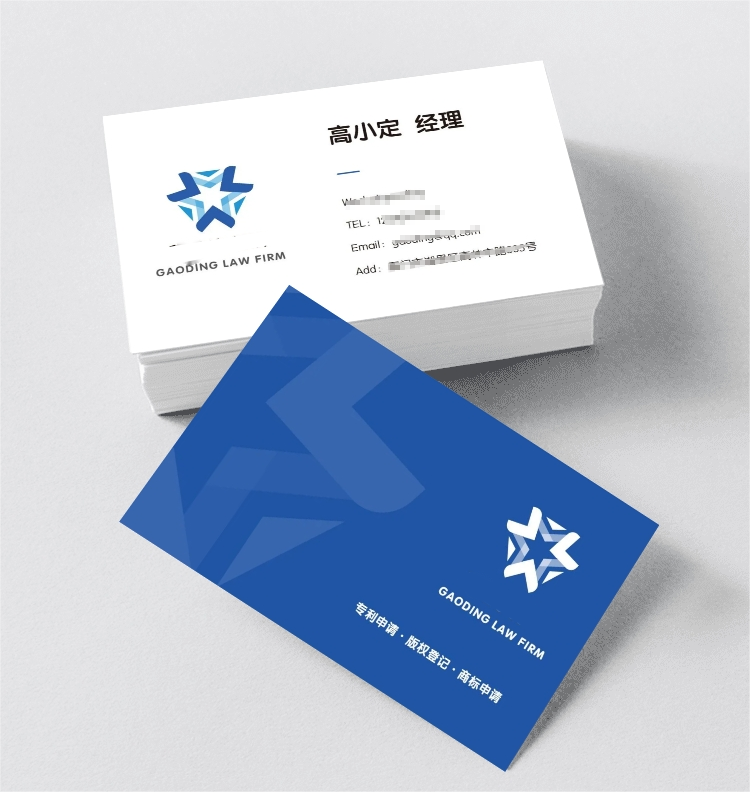
Wholesale Customizable Soft Cover Business Card & Brochure
Soft-cover card and brochure printing for brand kits, event programmes and premium direct mail.
View product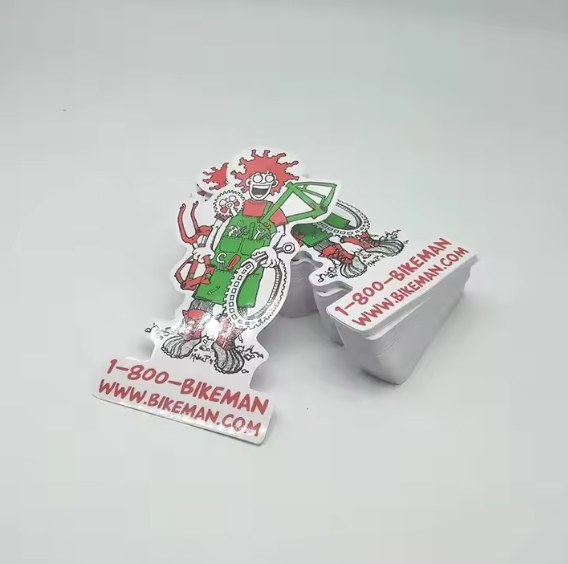
Custom 3D Colorful Waterproof Kiss-Cut Planner Stickers
Art-paper and cardboard stickers for greeting-card bundles, journaling kits and retail add-ons.
View product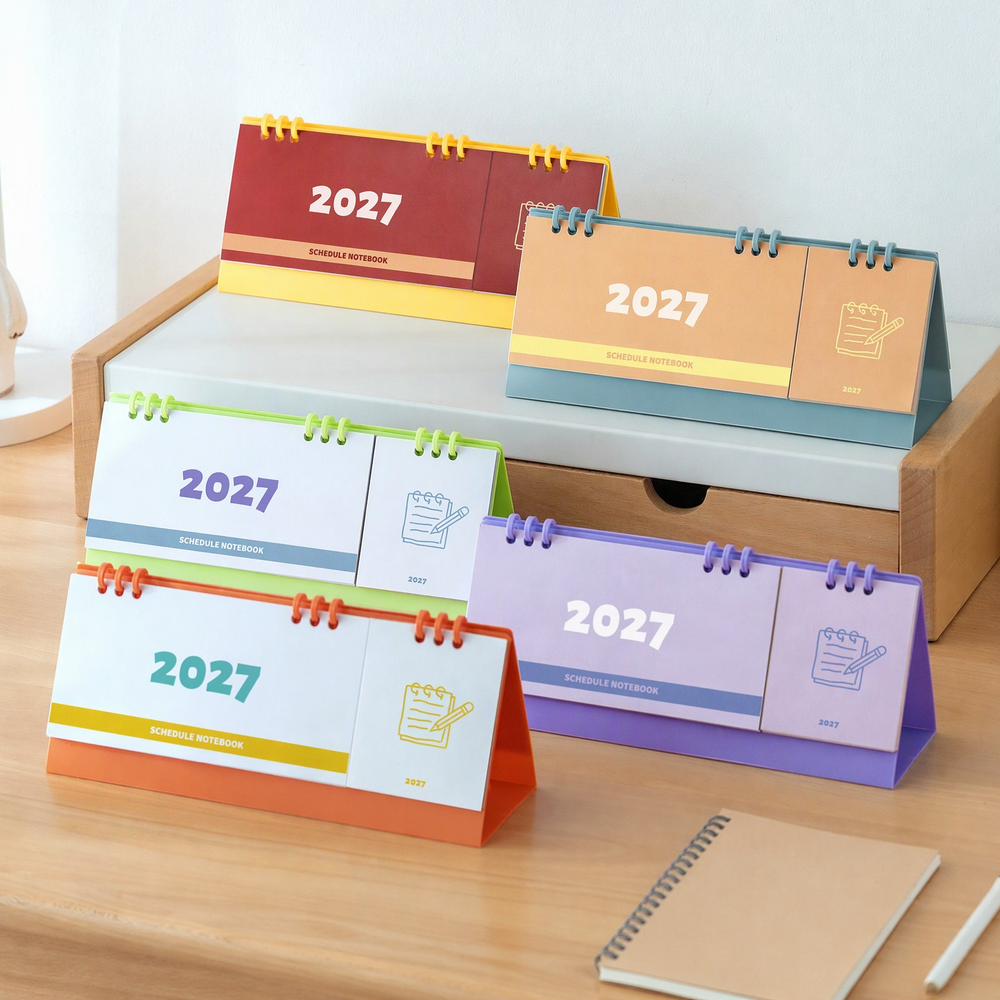
Custom 2027 Art Paper Desktop Calendar & Clock Planner
Monthly and daily table calendars for corporate, hotel and retail gifting in Mexico City.
View product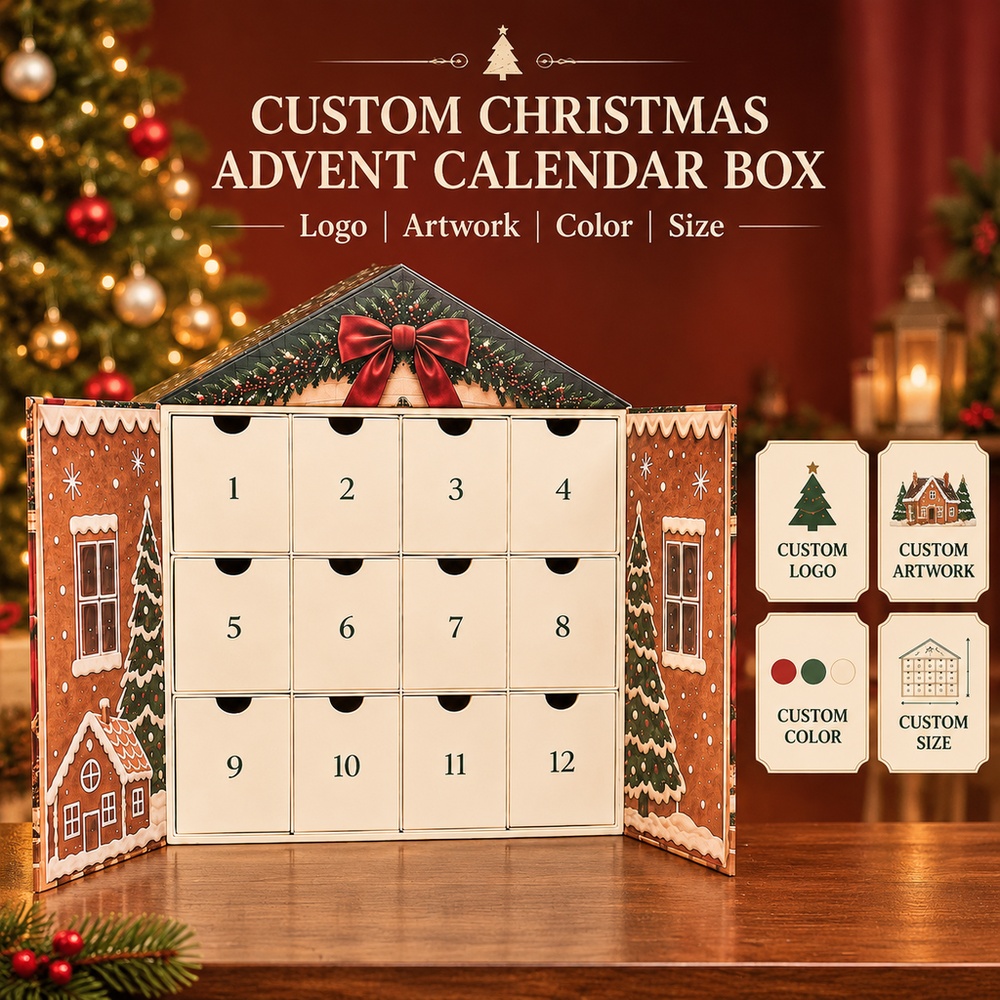
Custom Christmas Advent Calendar House-Shaped Paper Box
Twelve-drawer house-shaped gift packaging for Christmas, beauty sets and premium retail.
View product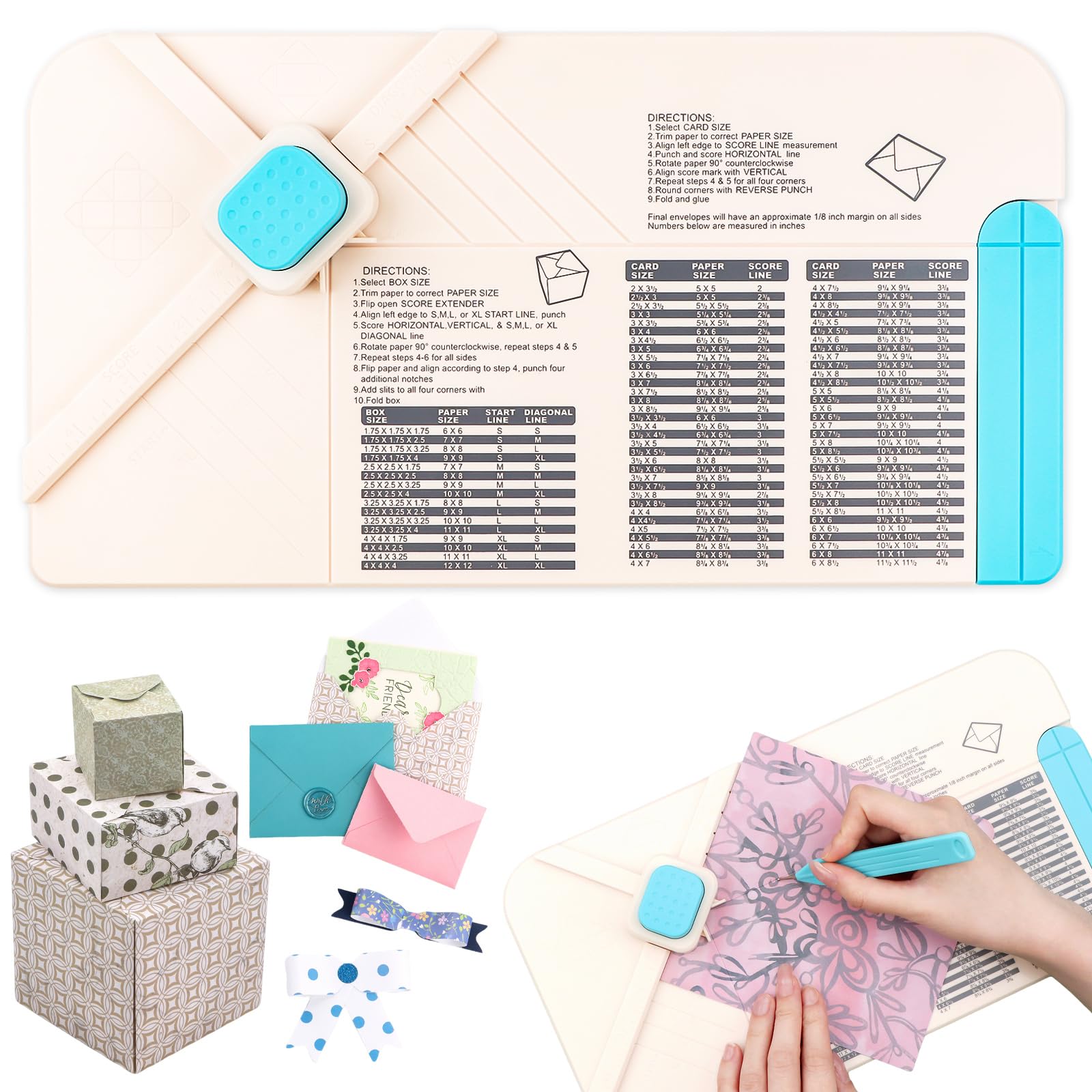
All-in-One Envelope, Box and Bow Punch Board
An envelope-and-box punch board for stationery workshops, cardmakers and small-batch makers.
View product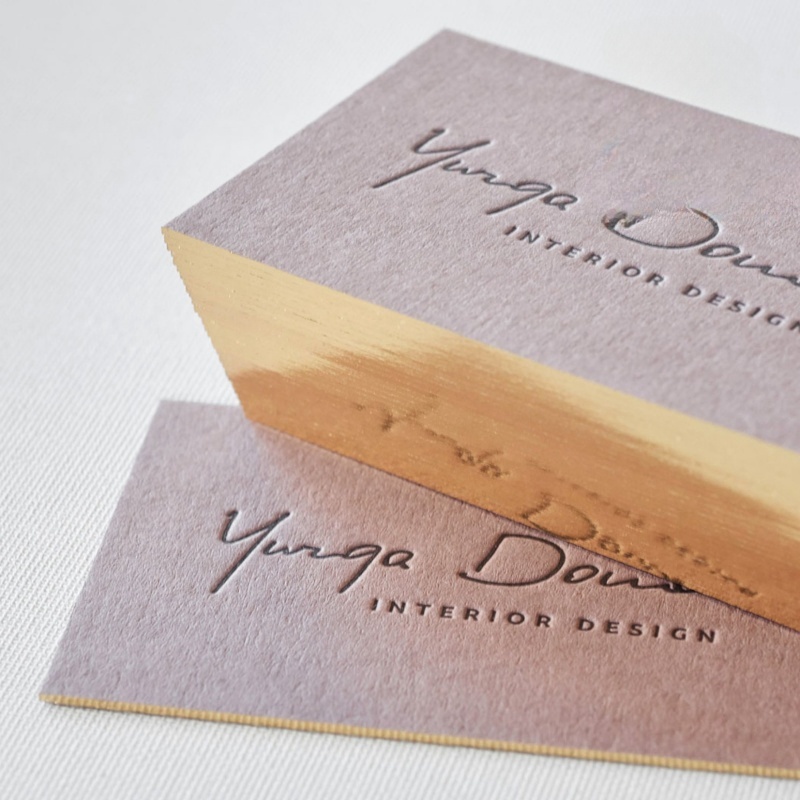
Luxury Embossed Gold-Stamping Business Card
Embossed logo and gold-stamping cards on grey or pink stock for premium brand touchpoints.
View product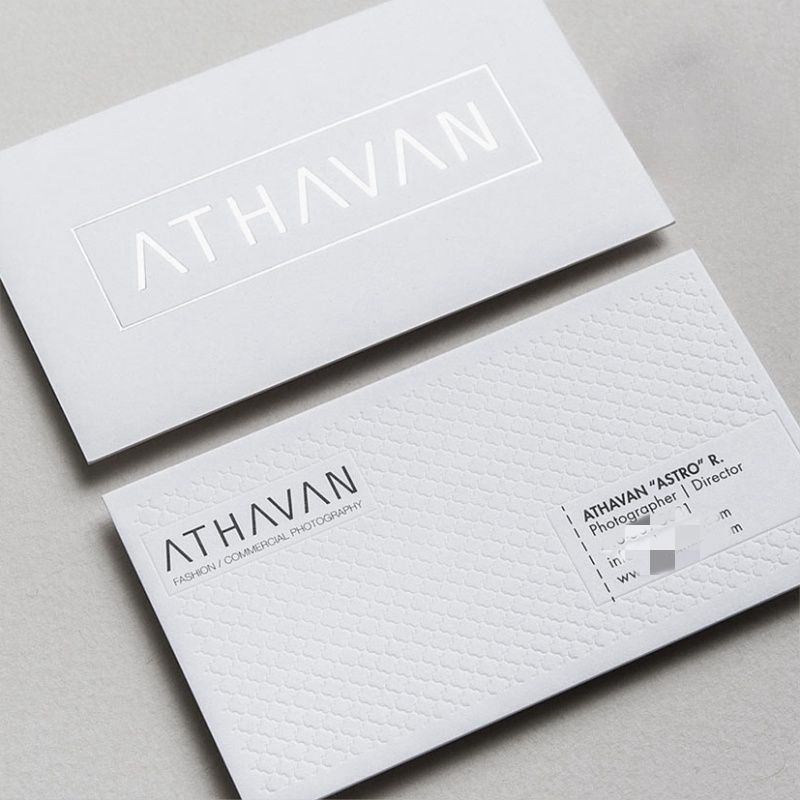
Customized Hot-Stamping Kraft Business Thank-You Cards
Offset kraft thank-you cards with hot stamping for personalized business and event follow-up.
View product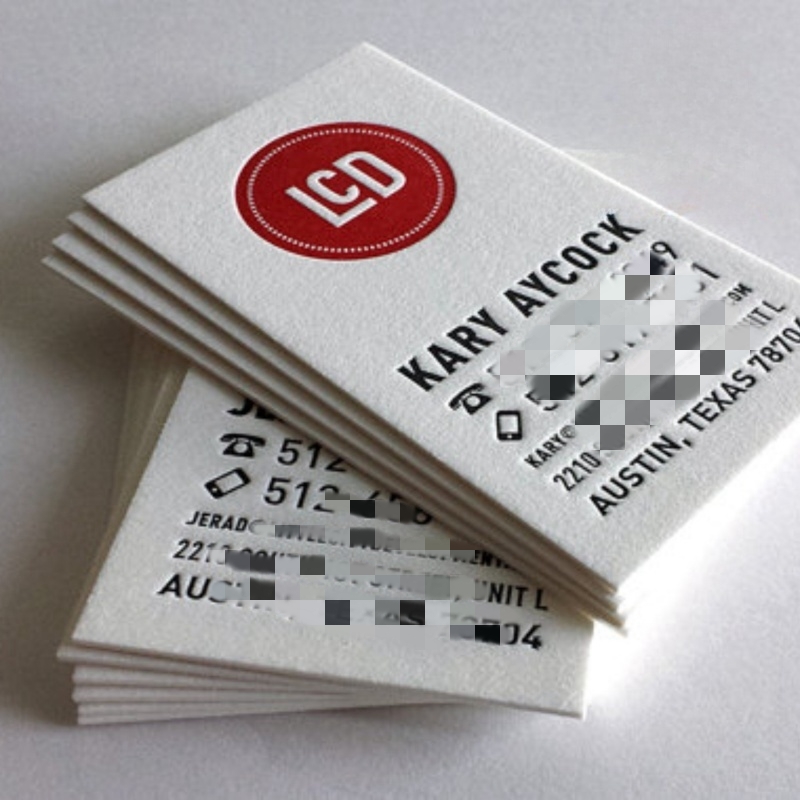
Wholesale Custom Luxury Metal Business Cards
Digital-printed metal cards with film lamination for executives, launches and VIP gifting.
View productPaper Capability You Can Verify Before You Order
For a Mexico City buyer, supplier selection is not just about a low unit price. It is about paper consistency, finish accuracy, sample speed and whether the factory can prove what it promises.
Years in paper printing
Production floor space
MOQ on many custom items
Verified buyer rating
Mexico City Is Not One Greeting Card Market
Mexico City is not a single greeting-card market. A tourist card in Coyoacán, a Día de Muertos display in Roma, a wedding suite in Polanco and a corporate holiday card in Santa Fe may all be called “greeting cards,” but they demand different paper weights, finishes, copy review and order quantities. That is why the search for specialty paper greeting card factories and an exporter in Mexico City should begin with purchase intent, not unit price.
Four intents dominate. Retail cultural cards need strong visual storytelling and fast replenishment. Luxury event stationery needs paper feel, impression depth and envelope compatibility. Corporate gifting needs bilingual copy, logo accuracy and reliable delivery windows. Design-led tourist cards need shelf appeal, durable finishes and packaging that survives handling. Once the intent is clear, paper selection and finishing become much easier to specify.
Semantic search signal: buyers in Mexico City rarely search only for “greeting card factory.” They combine intent with “custom,” “wholesale,” “specialty paper,” “Día de Muertos,” “Mexican Spanish,” “low MOQ,” “gold foil,” “boxed set,” “envelope,” and “shipping to Mexico.” A strong supplier reply should address all of these in one document.
Four Mexico City Use Cases That Shape the Specification
The most successful paper programmes are built around the local cultural calendar, not around a generic “holiday card” brief.
Día de Muertos Retail Cards
October–November programmes work best on 300–350 gsm uncoated or textured art card so the card feels substantial in hand. Marigold, papel picado and ofrenda motifs print beautifully in CMYK plus one spot colour. Offer boxed sets of 8–12 cards with kraft envelopes, paper belly bands and optional sticker seals. Position the product as cultural remembrance, not Halloween, and have Mexican Spanish copy reviewed locally.
Guadalupe, Christmas & Día de Reyes
This season rewards gift-ready sets. A folding or rigid box with a foil-stamped title, 12–24 cards, envelopes and a printed insert suits families, hotels and corporate gifting. For religious themes, respect image use and keep colour reproduction warm and accurate. Gold, red or holographic hot foil lifts perceived value; soft-touch lamination is popular but should not block writing inside.
Wedding & Quinceañera Stationery
Luxury event buyers in Polanco, Roma, Condesa and Coyoacán often choose 350–400 gsm cotton or textured specialty paper. Letterpress, blind emboss, edge painting, wax-seal labels and lined envelopes create a differentiated suite. Minimums from 100–500 pieces keep bespoke designs practical. Ask for a physical proof that shows impression depth, ink coverage and envelope fit before approving the full run.
Corporate & Hospitality Gifting
Banks, hotels, restaurants and agencies in Reforma, Santa Fe and Polanco order branded thank-you cards, desk calendars, metal business cards and holiday cards. Bilingual copy, QR codes and clean logo reproduction matter more than dense decoration. Hot stamping, spot UV and soft-touch lamination create a premium feel; keep the paper compatible with your chosen finish.
What Is Changing in Mexico City Paper Card Procurement
Lower-Plastic Presentation
Buyers are asking for recycled or recyclable paper, paper-based inserts, water-based inks and plastic-free packaging. For greeting cards, the biggest wins are uncoated paper, kraft envelopes, paper belly bands and avoiding unnecessary cello bags. Certification scope should be confirmed per stock and per order; do not assume every paper is FSC-certified unless documentation is provided.
Small-Batch Testing
A Mexico City retailer may test a new Día de Muertos design in 100–300 units before committing to a seasonal programme. Factory-direct production with MOQs from 100 pcs on many items supports that test-and-learn model. Keep the dieline and paper specification stable so subsequent orders match the first run.
Mexican Spanish Accuracy
Localized copy is not simply translated English. Mexican Spanish conventions, typography, holiday names and respectful visual references all influence conversion and brand trust. Build a review step with a local editor. For example, distinguish Día de Muertos from Halloween; use Día de Reyes rather than a generic Three Kings translation where local usage matters.
Hybrid Inventory
A common growth model is to keep a small buffer in Mexico City for immediate retail replenishment while importing larger runs by sea. Air freight covers launch deadlines or urgent corporate orders. The winning suppliers provide consistent specifications, export cartons, flat-packing options and repeatable colour control across both air and sea shipments.
Why Buyers Shortlist Fuzhou Buba Printing Co., Ltd.
Fuzhou Buba Printing Co., Ltd. is a custom paper packaging and commercial printing manufacturer in Fuzhou, Fujian, China. The company combines 18 years of paper-printing experience with TÜV Rheinland onsite verification, 2,300 m² of production space, 10+ years of export support and a practical MOQ model.
TÜV Rheinland Onsite Verification
The factory has been verified onsite by TÜV Rheinland and is listed as a Custom Manufacturer offering design-based, sample-based and full customization. Buyers can use this third-party evidence in supplier onboarding and internal risk review.
18 Years, One Roof
Structural design, prepress, offset and digital printing, foil stamping, embossing, lamination, die-cutting and hand assembly are managed under one roof. Fewer handoffs mean clearer accountability for specification and schedule.
Free 3D Mockup & Dieline Support
The in-house design team provides a dieline and a free 3D mockup so buyers can approve structure, artwork position and finishing before a physical sample is made. This is especially useful for boxed greeting-card sets and gift packaging.
Low MOQ, Factory-Direct Pricing
Many custom items start from 100 pcs, with 50 pcs on selected notebooks and 200–1,000 pcs on certain tags, labels and cards depending on size and finish. It is a realistic way to test Mexico City demand before scaling.
In-House Premium Finishing
Hot foil, blind and 3D embossing, letterpress, spot UV, soft-touch and holographic lamination, window patching and specialty die-cuts are available. Matching a finish to the right paper is part of the quoting process, not an afterthought.
Export-Ready QC & Logistics
Incoming material checks, first-article approval, inline colour checks and final AQL inspection with photo reports are standard. Export cartons, flat-packing and sea, air or express coordination reduce damage and freight waste.
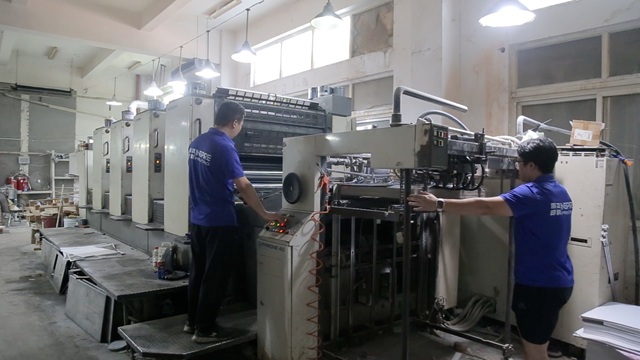
Factory Overview
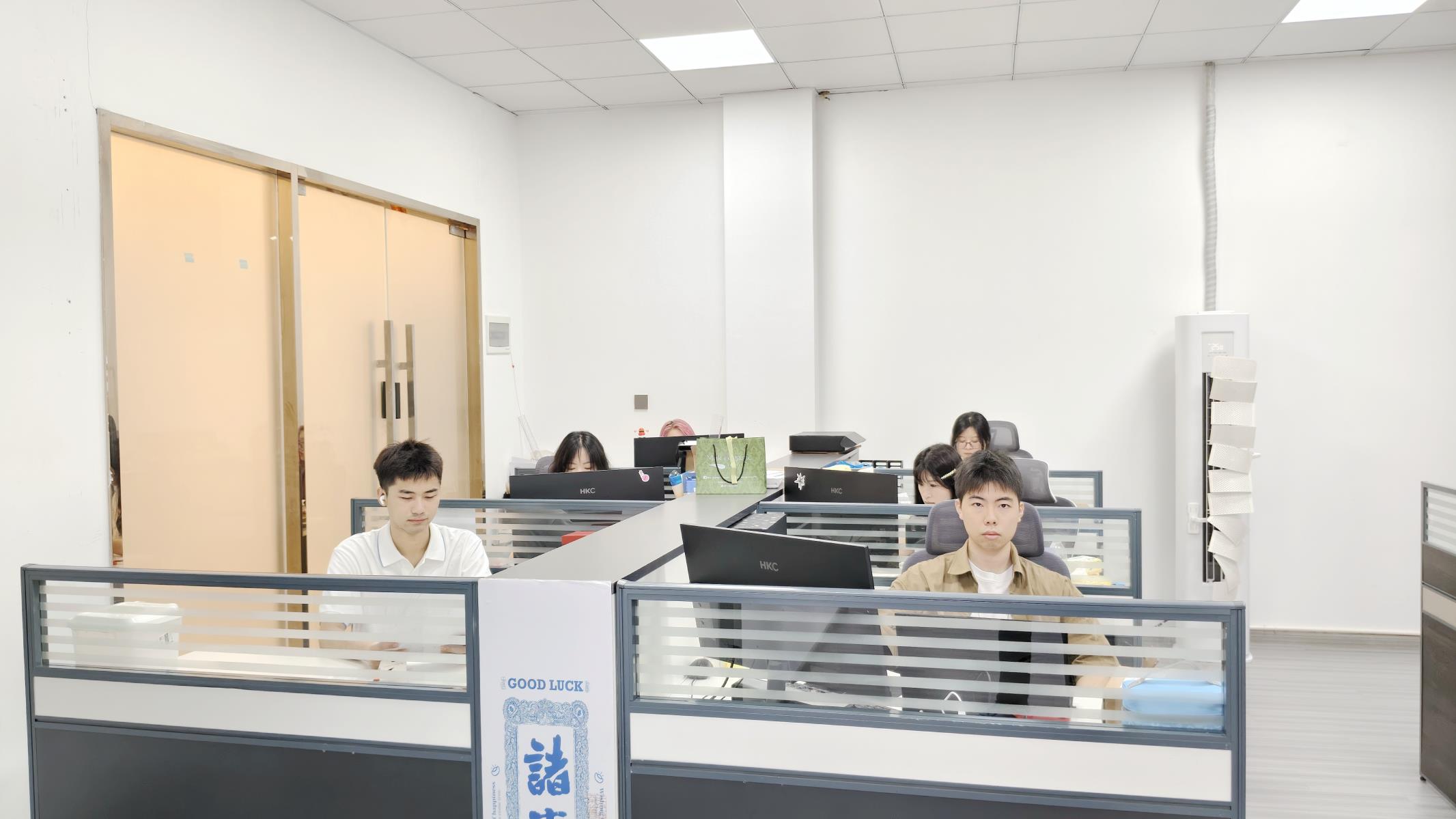
Printing Production Line
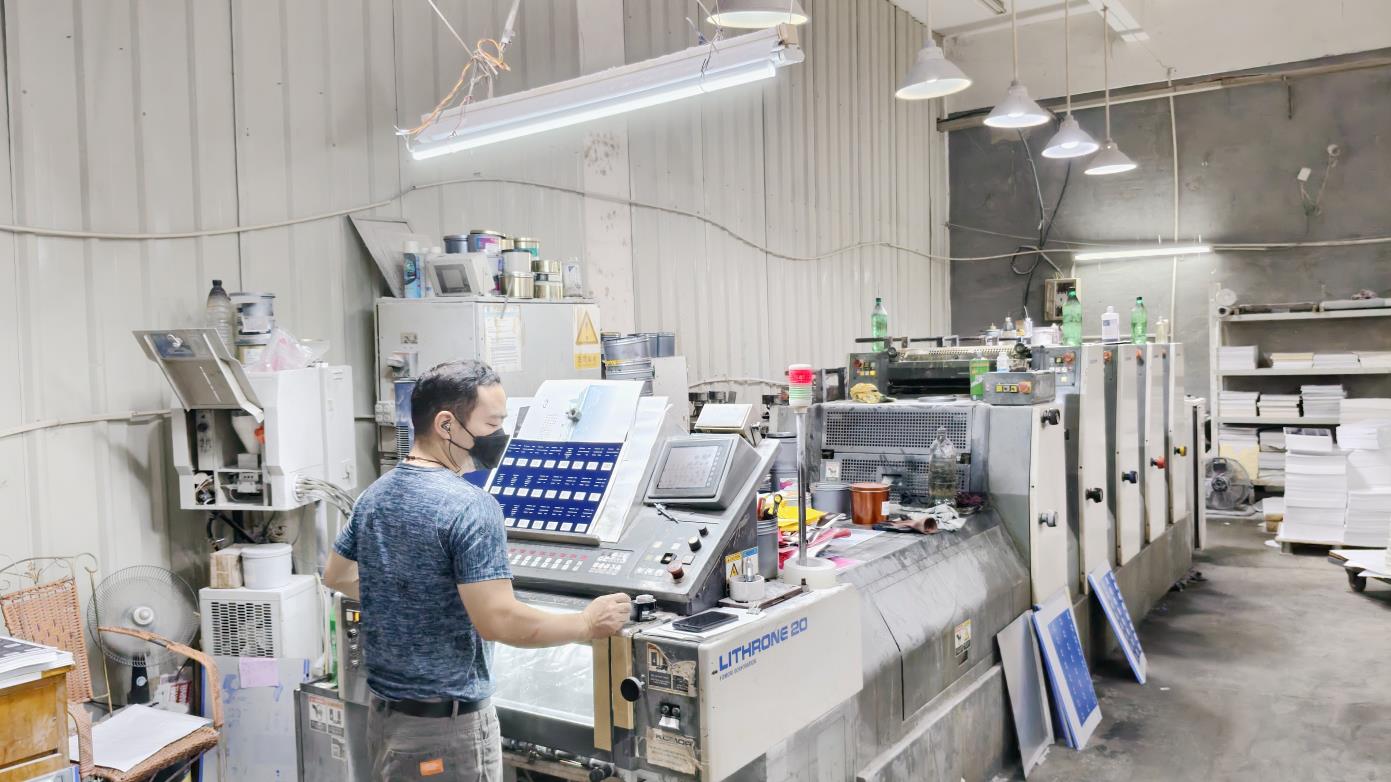
Workshop & Finishing
 Third-party evidence: TÜV Rheinland onsite verification supports supplier due diligence. Final certificates, test reports and product-specific declarations are confirmed per order and per material.
Six Steps from Mexico City Brief to Factory Shipment
A transparent process reduces the risk that the sample looks right while the bulk shipment does not.
Brief & Paper Selection
Share size, quantity, holiday, Spanish copy and finishing. Buba proposes a suitable stock and dieline.
Free 3D Mockup
Approve artwork placement, structure and finishing before a physical sample is produced.
Pre-Production Sample
A physical sample confirms paper, colour, fit and envelope compatibility.
Mass Production
Printing, foil, emboss, die-cutting and hand assembly are controlled against the approved sample.
AQL Final Inspection
Photos, video and specification checks are shared before export packing.
Export & Delivery
Cartons, packing list, commercial invoice and shipping coordination to MEX or a Mexican sea port.
Paper Weight, Finish and MOQ Selector
Use this visual guide to brief a factory in the first email. Ranges are typical; the final specification is confirmed on your quote and pre-production sample.
RFQ Checklist for Mexico City Buyers
Send these details together and you will receive a more accurate quote, dieline recommendation and production plan.
- Finished size and folded size
- Paper weight or matching swatch
- Envelope style and fit sample
- Mexican Spanish copy proof
- Foil or emboss finish sample
- Packing standard and carton marks
- Quantity, repeat schedule and season
- Incoterm, HS code and shipping plan
Air, Sea or Hybrid? Planning the Route
A factory quote is only one part of landed cost. For Mexico City, the shipping model should be chosen before artwork approval because it affects packing, carton size, quantity and buffer stock.
Air Express to MEX
Air freight to Benito Juárez International Airport supports launch deadlines, sample runs and urgent corporate orders. Plan for customs clearance, local delivery and possible peak-season surcharges. Confirm dimensional weight and export carton strength before booking.
Sea via Manzanillo or Lázaro Cárdenas
For bulk greeting-card sets, sea freight to a Mexican port followed by trucking to Mexico City usually lowers unit freight cost. Transit time, port congestion and customs clearance should be built into the seasonal calendar. Flat-packing and dense cartons help control freight.
Hybrid Sample + Bulk Model
Approve a physical sample by air, then move the bulk order by sea. This protects launch dates without paying air freight on the entire run. Keep one approved dieline and paper specification across both shipments so repeat orders match.
Documentation & Customs Broker
Confirm commercial invoice, packing list, HS code support and any product-specific documents with your Mexican customs broker. Import duties and IVA should be estimated before pricing. Buba can provide export documents and packing photos; final classification and clearance are confirmed locally.
Mexico City Buyer FAQ: Specialty Paper Greeting Cards
These are the questions overseas buyers ask most often when comparing specialty paper greeting card factories and exporters for Mexico City.
Can you deliver specialty paper greeting cards to Mexico City?
Yes. We export from Fuzhou, China, and coordinate with freight forwarders for air express to Mexico City or sea freight via Mexican ports such as Manzanillo or Lázaro Cárdenas, followed by trucking to Mexico City. Final routing, transit time and Incoterm are confirmed in the quotation. Buyers should also confirm duties and IVA with a local customs broker.
What is the minimum order quantity for custom greeting cards and paper products?
Many custom items start from 100 pcs, while selected notebooks may start from 50 pcs. Certain tags, labels and smaller cards can start from 200–1,000 pcs depending on size, paper and finishing. Because MOQ varies by structure and material, the exact minimum is confirmed in writing with your quote.
Which paper stock should I choose for premium greeting cards?
For a premium hand feel, 300–400 gsm art card, textured specialty paper or cotton stock is common. Letterpress usually performs best on thicker cotton or uncoated stock. Enclosure cards can use 120–150 gsm text paper, while kraft stock suits rustic or eco-positioned designs. Always approve a physical sample because surface, ink absorption and fold behaviour vary by stock.
Can you support Mexican Spanish copy and local holiday themes?
We can produce your supplied artwork and advise on printability, dielines, colour, paper and finishing. For cultural and language accuracy, we recommend a local Mexican Spanish proofreading step before final approval. This is especially important for Día de Muertos, Día de la Virgen de Guadalupe, Día de Reyes, quinceañera and religious themes.
How long do samples and mass production take?
Typical lead time is 3–7 working days for a pre-production sample and 10–20 working days for mass production after sample approval. Complex rigid boxes, large boxed sets or book runs may need longer. Shipping time is separate and depends on air or sea routing, customs clearance and final delivery address in Mexico City.
What luxury finishes are available for greeting cards?
Available finishes include hot foil stamping, blind and 3D embossing, letterpress, spot UV, soft-touch lamination, holographic lamination, die-cutting, wax-seal style labels and specialty paper wrapping. The best result comes from matching the finish to the paper. For example, heavy foil coverage on a thin uncoated sheet can distort, while deep embossing needs a thicker board.
Are eco-friendly or recyclable options available?
Yes. We offer recyclable kraft and corrugated board, paper-based inserts instead of plastic, water-based inks on request and plastic-free packaging options. Recycled or certified paper can be discussed per order. Buyers should request documentation for the exact stock and finish used, because certification and recyclability depend on the full material combination.
How do you control quality before shipment?
Quality control includes incoming material checks, pre-production sample approval, first-article approval, inline colour checks and final AQL inspection with photo reports. For greeting cards, we check paper weight, colour, fold, envelope fit and finish adhesion. Our factory has also been verified onsite by TÜV Rheinland, which supports buyer due diligence.
Which artwork file formats do you accept?
We prefer vector AI, PDF or EPS files in CMYK with 3 mm bleed and outlined fonts. High-resolution PSD or TIFF files at 300 dpi are also accepted. Pantone colours can be matched on request. For boxed sets and envelopes, include a single dieline package so the printer can check fit across every component.
Need a Factory That Understands Both Paper and Mexico City?
Send your card size, quantity, holiday, paper preference and finishing. Include your Mexican Spanish copy if available. Our team will reply with a dieline recommendation, paper options and a free 3D mockup path.
Inquire Now