8 products Cologne candy buyers source together with printed paper bags
A paper candy bag is rarely a stand-alone purchase. Cologne retailers and brand owners often combine bags with rigid gift boxes, loyalty cards, calendars, business cards and holiday packaging. The eight live product lines below show the supporting range available from one accountable manufacturing partner.
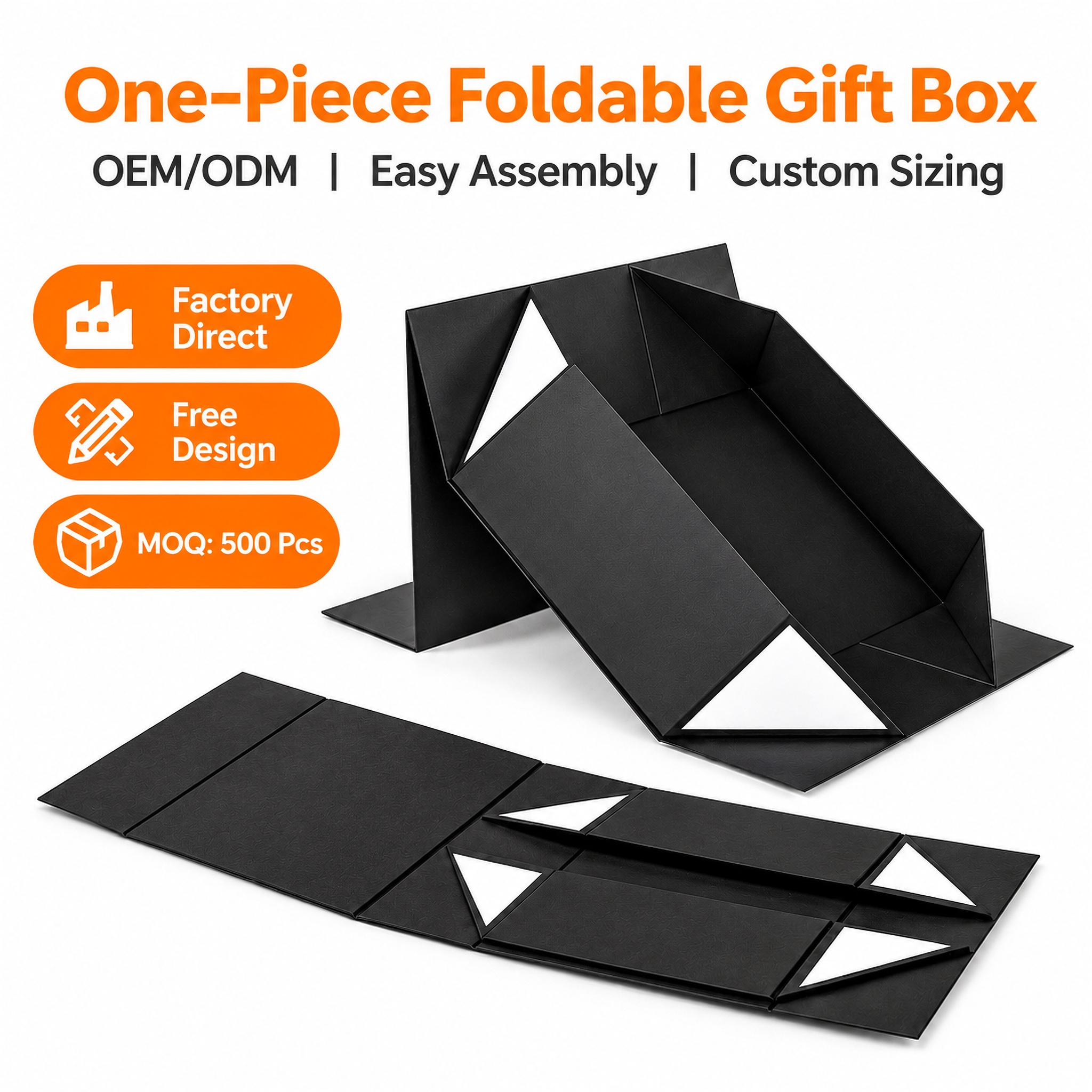
Custom Logo Size Large Small Luxury Folding Hard Rigid Paper Matt Black Collapsible Magnetic Gift Box with Magnetic Closure Lid
A collapsible rigid box that protects chocolate bonbons and candy assortments while reducing flat-packed freight to Cologne. Magnetic closure and matte black wrap suit premium confectionery gift sets.
View product details →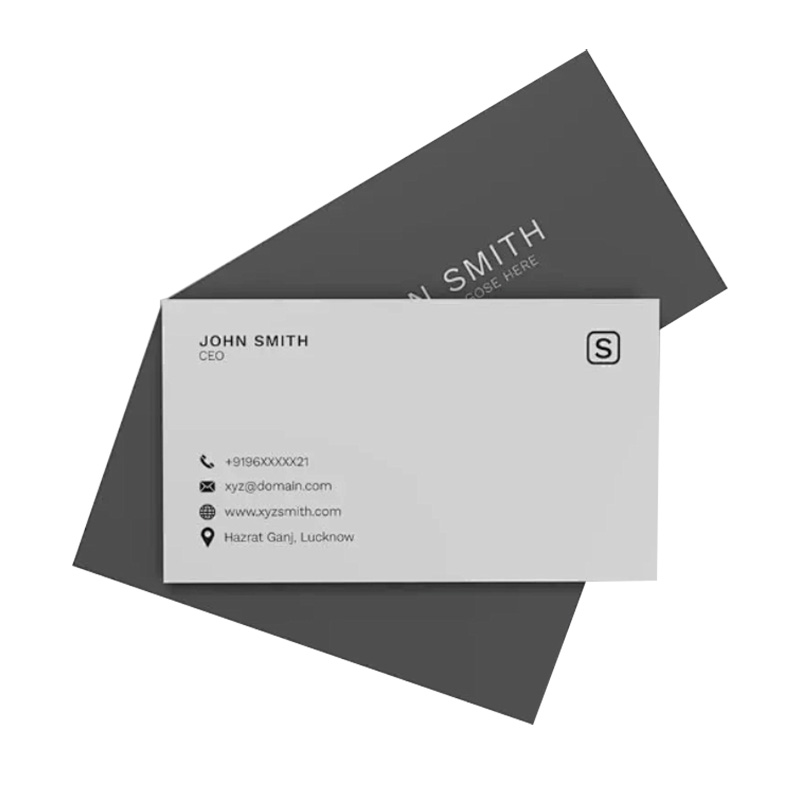
Free Design Customizable Printing PVC Business Card Smooth Multifunctional Greeting Paper Card Offset Paper Cardboard Material
Dual-material PVC and offset paper cards for loyalty programmes, tasting invitations and candy-shop memberships. Smooth surfaces and durable finishes support repeated use.
View product details →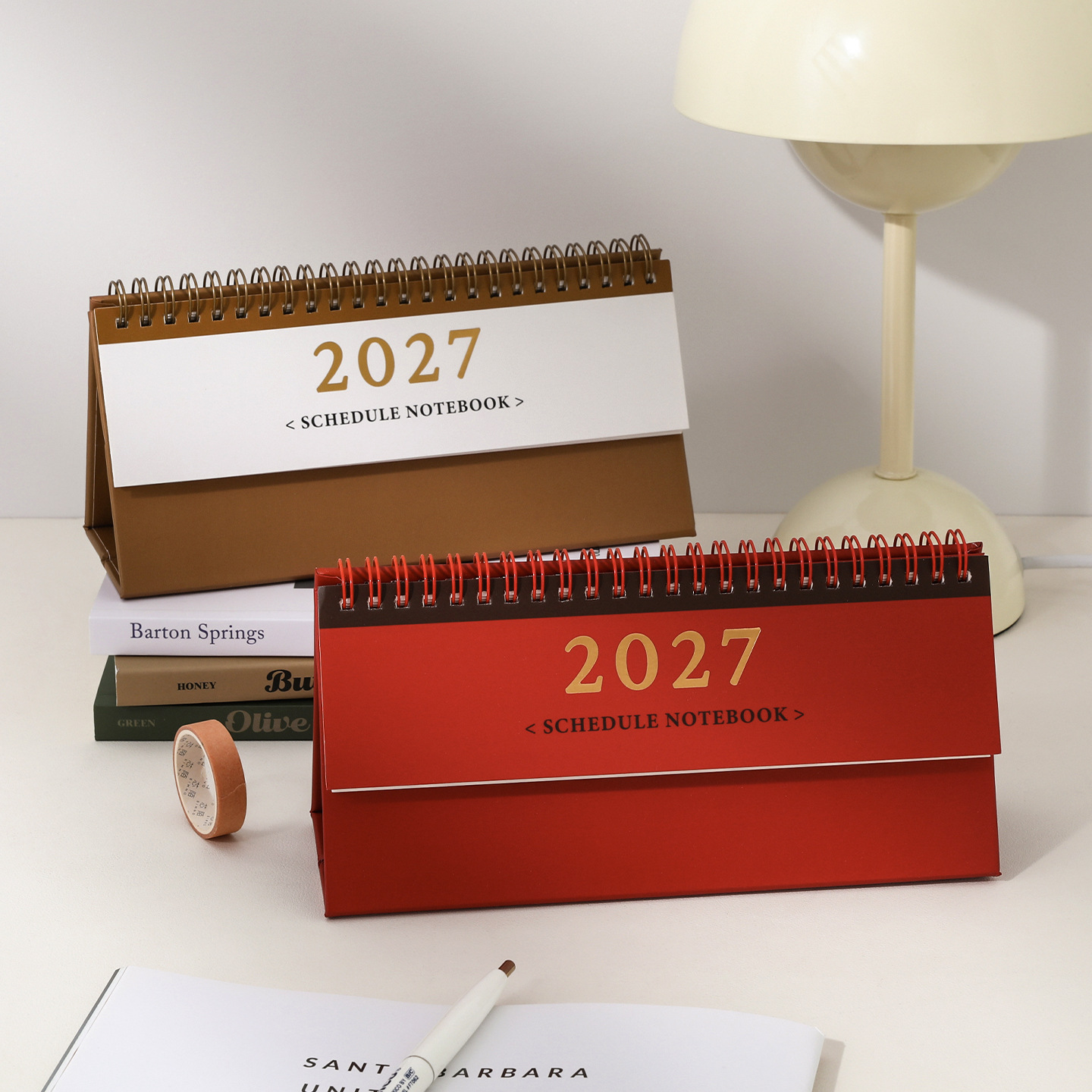
2027 Mini Desk Calendar Standing Flip Long Daily Calendar Twin-Wire Binding for Home Office School
A standing flip calendar for counter-top promotions, advent countdowns and corporate giveaways around Cologne’s retail seasons. Compact, practical and easy to brand.
View product details →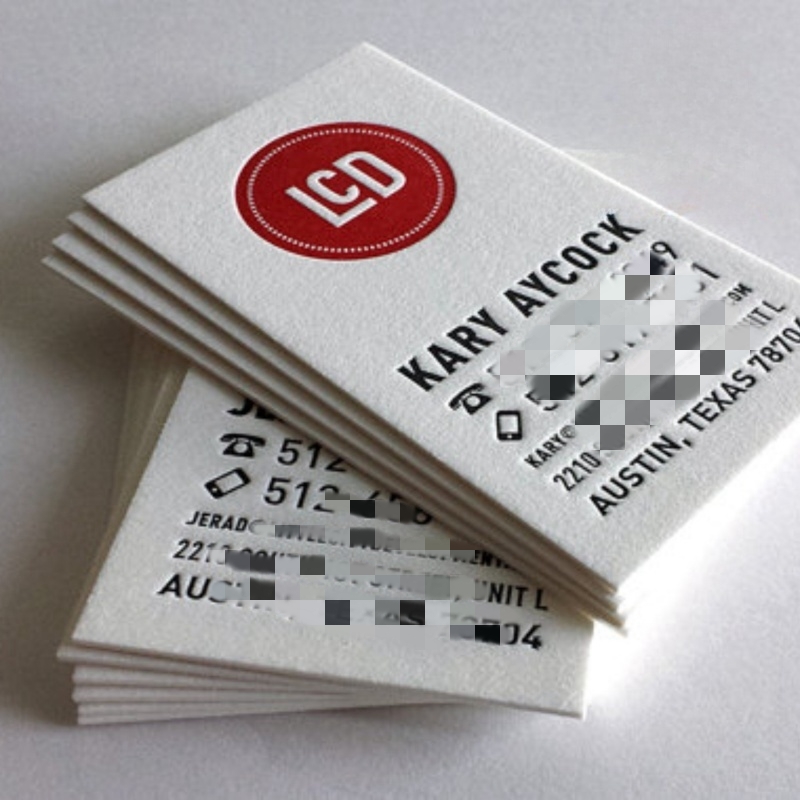
Wholesale Custom Luxury Metal Business Cards Digital Printing Film Lamination Cardboard Corrugated Board Logo Customized
Durable metal and laminated cards for premium chocolate brands, hotel gift desks and B2B sales teams. A tactile calling card for buyers who want a memorable first impression.
View product details →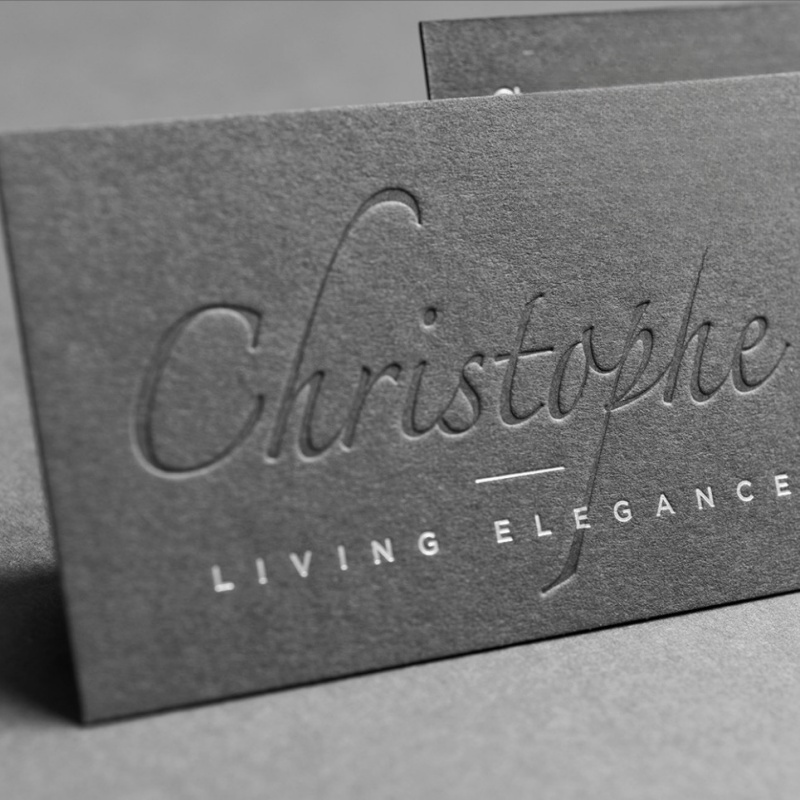
Custom Wholesale Custom Printing Service for Thick Business Cards Luxury Centurion Card Business Cards With Logo
Thick Centurion-style cards for patisserie owners, confectionery sales teams and luxury candy boutiques. Strong board weight and logo customisation create a premium hand feel.
View product details →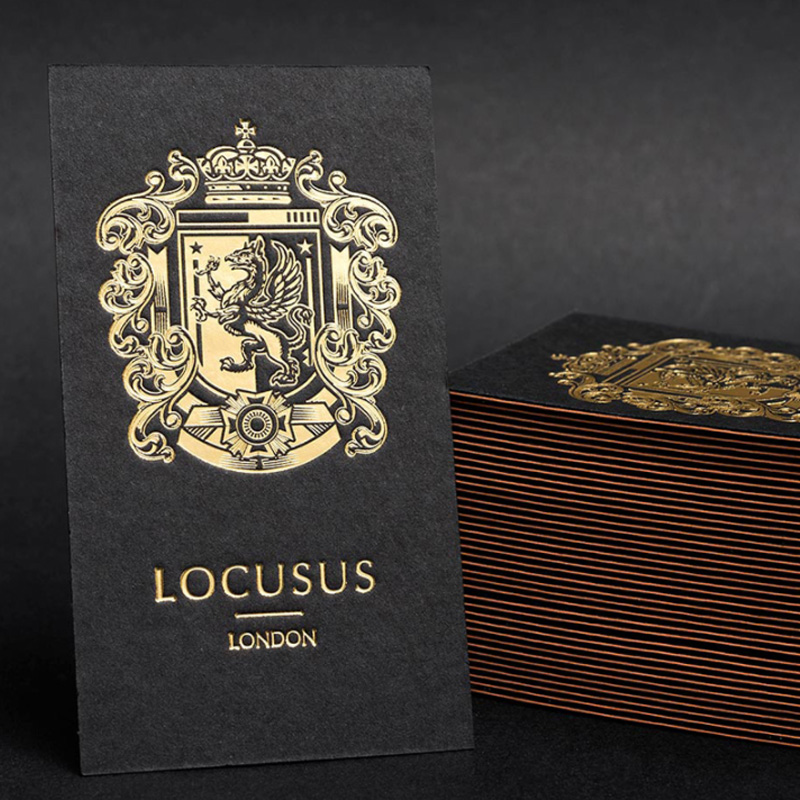
Luxury Hot Stamping Business Card Imported Black Card Thickened High-End Luxury Design Made High Quality Offset Paper Cardboard
Black hot-stamped business cards with imported black card stock. A high-end calling card for boutique confectioners, event planners and corporate gift suites.
View product details →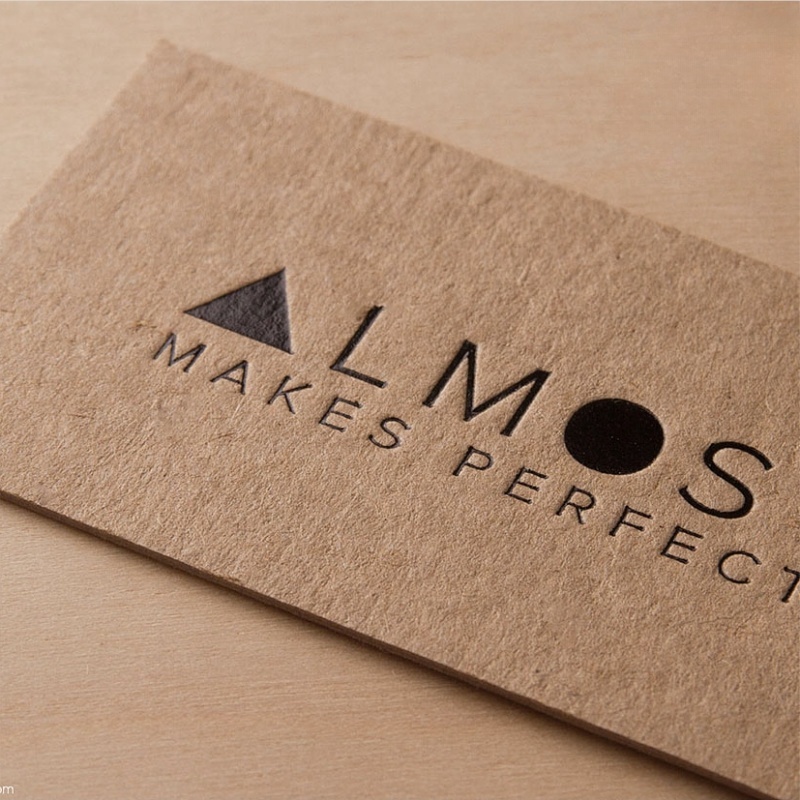
Customized Kraft Paper Duplex Board Film Lamination Digital Printing Multifunctional Business Card Paperboard Custom Design Mini
Kraft duplex board cards for organic, vegan and zero-waste candy brands. The natural texture pairs well with recycled paper candy bags and minimal packaging systems.
View product details →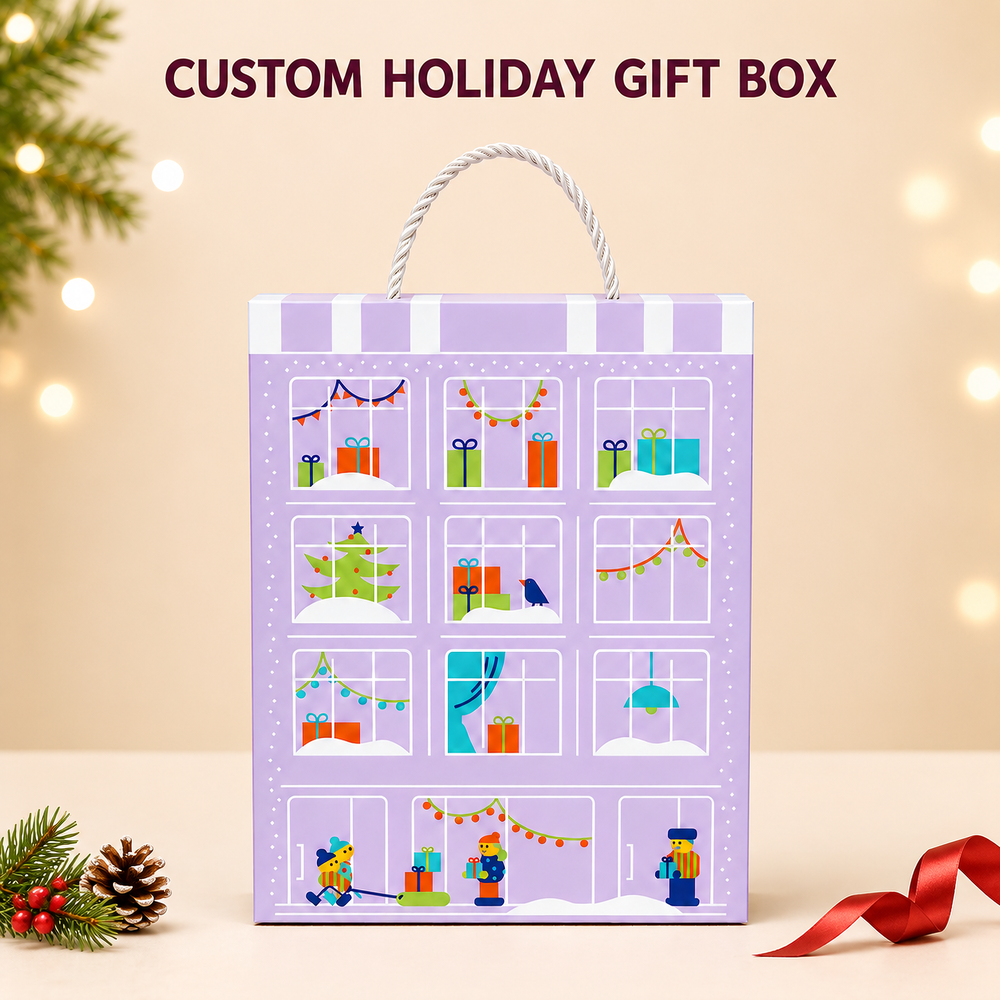
Custom Paper Boxes Rigid Gift Box with Drawers Rope Handle Custom Logo Packaging for Wholesale Bulk Orders Holiday Mystery Box
A rigid drawer box with rope handle for holiday mystery boxes, advent-style candy collections and premium retail hampers. Designed to sit alongside matching printed candy bags.
View product details →Need to match a candy bag structure with a gift box, card or calendar programme?
Contact UsPaper candy bags in Cologne: from counter impulse buy to compliant brand asset
Paper candy bags sit at the intersection of food safety, brand presentation and waste regulation. In Cologne, a bag of butter caramels may be sold in a Belgisches Viertel concept store, handed to a visitor at a Christmas market beside the Cathedral, packed into a hotel turndown gift, or shipped from an online subscription. Each context changes the specification: grease barrier, window film, handle type, paper weight, print method, artwork version and batch traceability. A supplier that treats the bag as “just a printed paper bag” can leave both value and compliance risk on the table.
Fuzhou Buba Printing Co., Ltd. has spent 18 years in paper printing and converting. We are not a Cologne shop-front printer; we are a factory-direct manufacturing partner serving Cologne buyers who need custom sizes, low MOQs from 100 pcs on many products, and one accountable team for design, prepress, offset and digital printing, foil stamping, embossing, lamination, die-cutting and hand assembly. Our factory has been verified onsite by TÜV Rheinland, and our team supports OEM/ODM, sample-based customisation and export-ready packing.
Information gain matters in a local search: a credible Cologne-focused supplier guide should explain how a candy bag interacts with EU food-contact rules, German packaging responsibility and real retail use — not only repeat the phrase “custom paper bags.” This guide is written for that level of buying decision.
Local printer, EU stock distributor or factory-direct supplier?
Cologne buyers have three practical routes. The right choice depends on urgency, customisation, food-contact documentation, unit volume and how much control you need over the finished bag.
| Sourcing route | Best for | What to validate | Trade-off to plan for |
|---|---|---|---|
| Local Cologne / NRW printer | Very small rush orders, urgent events and in-person proofing | Food-contact inks, paper grade, recycling declaration and local delivery terms | Highest unit cost at volume and limited specialty bag structures |
| EU stock-bag distributor | Standard kraft or white bags needed quickly from stock | Stock size availability, print method, declaration of compliance and reorder consistency | Limited custom size, barrier and premium finishing options |
| Buba factory-direct | Custom sizes, brand-level finishing, low-to-mid volume and repeat programmes | Pre-production sample, AQL report, food-grade paper and low-migration ink specification | Longer transit and freight planning; best value at planned volumes |
Table note: for a 2025–2026 candy bag programme, request written specifications for paper, ink, adhesive, window film and handle material before approving artwork.
Where paper candy bags shape the customer experience in Cologne
Cologne’s retail rhythm is distinctive: dense neighbourhood shopping, strong seasonal markets, cultural tourism and a growing online specialty-food scene. Each channel asks different questions of a candy bag.
Confectionery counters and chocolate ateliers
Butter caramels, chocolate bark and pralines need a grease-resistant liner, a clean flat bottom and a bag that stays rigid when filled. Premium paper and low-migration inks protect both product and brand perception.
Christmas markets, Karneval and pop-up stalls
High-volume service rewards handle strength, stackability and fast opening. Seasonal print, twisted or flat handles and moisture-tolerant storage help stands around Cologne keep service moving during peak footfall.
Museum shops, hotels and Cologne souvenir retail
Candy bags become part of the souvenir: city motifs, refined paper texture, ribbon handles and matching gift boxes. Buyers near the Cathedral, Rheinauhafen and museum retail often need small runs with premium finishing.
E-commerce, subscriptions and corporate gifting
Online candy subscriptions need bags that survive parcel handling, display a QR code clearly and repeat consistently across batches. Corporate gift sets often combine bags with rigid boxes and printed cards.
Recyclability, food safety and small-batch premiumisation
German buyers are not only asking whether a candy bag looks good. They are asking what happens after the candy is eaten — and what evidence exists before the bag is printed.
Recyclability moves from slogan to technical file
EU PPWR and German Verpackungsgesetz expectations are pushing brands toward mono-material paper, water-based inks, paper handles and plastic-free windows. A recyclable claim should be supported by material weights, component data and a realistic sorting path.
Food-contact safety is checked earlier
For unwrapped confectionery, Cologne buyers increasingly request food-grade paper, low-migration inks, food-safe adhesives and declarations aligned with EU 1935/2004 and GMP 2023/2006. The candy type determines the barrier, not the other way around.
Small-batch premiumisation creates more SKUs
Seasonal editions, vegan lines, corporate gifting and limited-run flavours all increase artwork versions. Digital print and low MOQs help Cologne brands test a market without committing to a container-load of one design.
What a well-briefed Cologne candy bag project typically weighs
Illustrative planning weights based on typical Buba quote discussions, not a statistical market survey.
The compliance details that protect food safety and recyclability
Attach these four points to a Cologne candy bag request for quotation. Clear inputs produce a faster, more comparable quotation and a stronger pre-production sample.
Paper and board specification
Confirm kraft, white, recycled or FSC-certified paper where available; state bag weight, board grammage, handle material and whether the bag needs a flat bottom or side gusset.
Food-contact barrier
Describe the candy: chocolate, caramel, hard candy, acidic fruit chew or wrapped sweets. Ask for food-grade paper, low-migration inks and a greaseproof liner when the product contains fat.
Print and finishing route
Offset or digital print, water-based coating, foil stamping, embossing or window patching. Avoid unnecessary composite layers if the brief prioritises recyclability and German waste sorting.
German EPR and material data
Ask for component weights and material composition to support your brand’s LUCID/ZSVR reporting and PPWR review. The German producer responsibility registration remains with the brand or importer.
Why Buba is a credible factory partner for Cologne candy bag buyers
Low price alone is not a sourcing strategy. Cologne buyers need documented materials, stable colour, realistic lead times and a supplier who understands that a candy bag can touch food.
18 years of integrated paper converting
Design, prepress, offset and digital print, foil, embossing, lamination, die-cutting and hand assembly under one roof — fewer hand-offs and clearer accountability.
TÜV Rheinland onsite verification
Our factory has been verified onsite by TÜV Rheinland and is listed as a custom manufacturer offering design-based, sample-based and full customisation with onsite material inspection.
Low MOQ and free 3D mockup
Start from 50–100 pcs on many items to test a Cologne market, then scale to bulk. In-house designers build the dieline and 3D render before sampling.
Premium finishing in-house
Hot foil, blind and 3D embossing, spot UV, soft-touch and holographic lamination, letterpress, window patching and specialty paper wrapping.
Verified quality control
Incoming material checks, first-article approval, inline colour checks and final AQL inspection with photo reports before shipment.
Export-ready logistics
More than a decade of export experience: export-grade cartons, flat-packing to reduce freight, and sea, air or express delivery options to Germany.
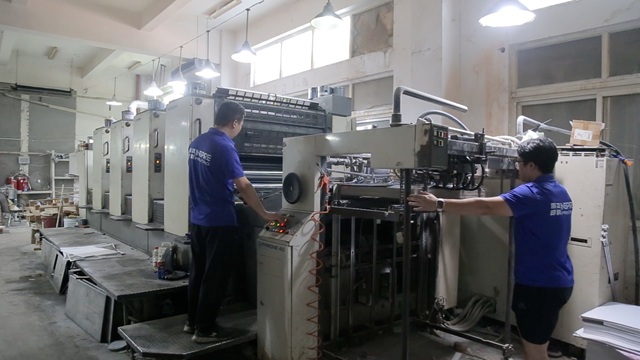
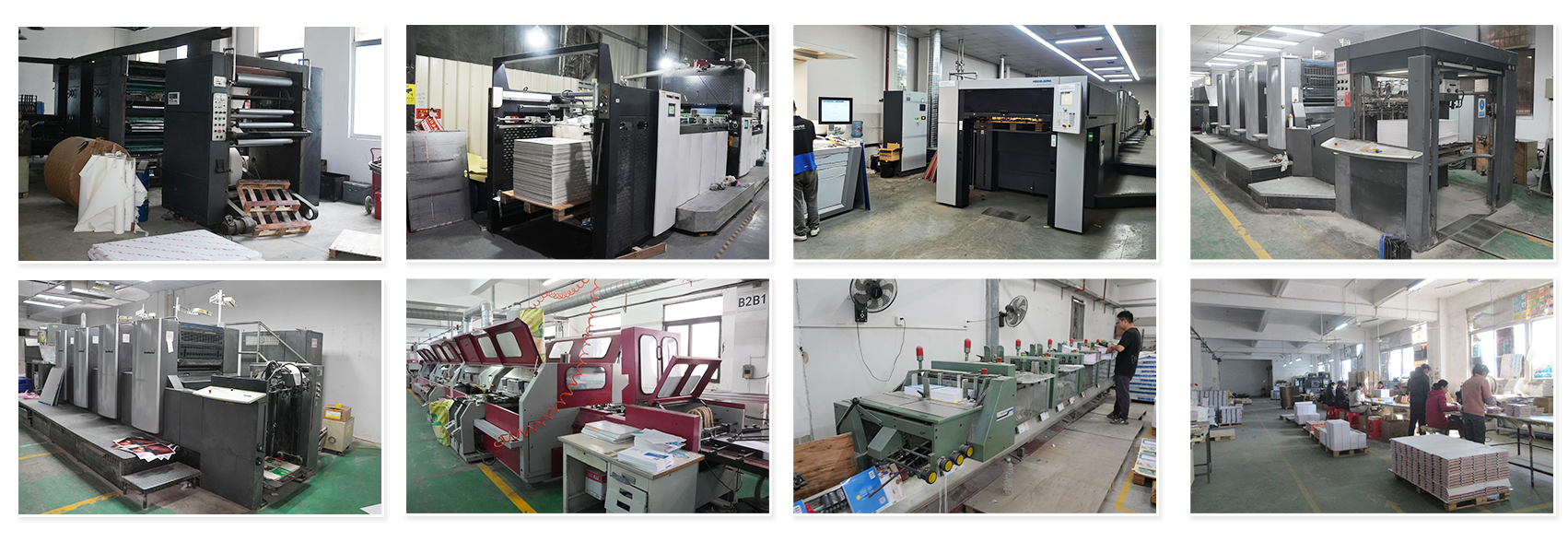
Inside a 2,300 m² paper packaging factory built for overseas buyers
Buba’s facility in Fuzhou, Fujian, combines printing, finishing and assembly for paper boxes, bags, cards, labels, notebooks and catalogs. For Cologne candy bag projects, that means material samples, dielines, colour proofs and final production can stay within one controlled workflow.
Our team works in English, confirms specifications in writing and shares pre-production samples before mass production. The factory has been verified onsite by TÜV Rheinland — independent evidence that the premises, legal status and production capability have been reviewed.

From Cologne brief to delivered candy bags: a four-stage approval path
Clear approvals reduce surprises. Every Buba custom project follows a written path from specification to final inspection.
Specification review
Share bag dimensions, candy type, fill weight, artwork, quantity and delivery target. We propose paper, barrier, handle and finishing options.
Dieline and free 3D mockup
Our design team builds the structure and a rendered mockup so you can approve artwork placement before paying for a physical sample.
Pre-production sample
A physical sample confirms colour, material, fit and finish. Typical sample lead time is 3–7 working days after artwork approval.
Mass production and export
Mass production is typically 10–20 working days after sample approval, followed by AQL inspection and export packing for Cologne delivery.
Questions Cologne buyers ask before placing a paper candy bag order
These are the practical questions that arise when a local retailer, brand owner or distributor compares a Cologne supplier with a factory-direct partner.
Can a small Cologne retailer order custom paper candy bags without a huge MOQ?
Yes. Many custom bags start from 100 pcs at Buba, although the real MOQ depends on structure, paper, window, handle and print method. A digitally printed candy bag may be viable at 100–500 pcs; foil-stamped or window-patched bags often need higher volumes for efficient set-up. For a Cologne retailer testing a seasonal line, we recommend one or two sizes and a shared artwork system, then scaling successful designs.
What food-safety documentation can you provide for candy bags?
For candy bags that may contact confectionery, we specify food-grade paper, low-migration inks, food-safe adhesives and suitable window films where relevant. We can provide a declaration of compliance and material data subject to the exact construction. Because compliance depends on the candy type — fatty chocolate, acidic fruit candy, wrapped or unwrapped sweets — send the product description so the barrier can be matched correctly. EU 1935/2004 and GMP 2023/2006 requirements can be addressed in the specification.
How do you make a paper candy bag grease-resistant without unnecessary plastic?
Use a food-grade greaseproof liner, a suitable coated paper or a paper-based barrier where available. For caramels and chocolate, a liner plus a flat-bottom bag often improves performance; hard candy may need less barrier, while acidic candy requires careful coating selection. Buba can quote recycled or FSC paper options where available and discuss recyclable window alternatives based on the artwork and fill weight.
How long does sampling and delivery to Cologne take?
Typical pre-production sampling is 3–7 working days after artwork approval. Mass production is usually 10–20 working days after sample approval, depending on finishing and quantity. Transit from Fuzhou to Cologne is commonly 30–45 days by sea to Hamburg or Rotterdam plus road delivery, 5–10 days by air, or 3–7 days by express. Final transit time depends on the forwarder, customs and final address; we confirm shipping terms in writing.
What artwork files should we send for a custom printed candy bag?
Vector AI, PDF or EPS files in CMYK with 3 mm bleed and outlined fonts are preferred. High-resolution PSD or TIFF images should be at least 300 dpi. Pantone colours can be matched on request. Use the dieline supplied by our team so handles, folds, windows and glue areas are not covered by artwork. We also provide a free 3D mockup so placement can be approved before sampling.
Can you support German EPR, LUCID and PPWR requirements?
We can provide material weights and component composition to help your brand or importer prepare LUCID/ZSVR reporting and review recyclability under the EU Packaging and Packaging Waste Regulation. The German producer responsibility registration itself remains with the brand or importer. For PPWR readiness, we help design mono-material paper structures, minimise unnecessary composite layers and document components. Final legal interpretation should be confirmed with your compliance adviser.
Ready to brief a paper candy bag programme for Cologne?
Send bag dimensions, candy type, fill weight, quantity, artwork and required delivery date. Our team will reply with a structure recommendation, material options, a free 3D mockup route and a written production schedule.
Contact Us Factory-direct quotations · Low MOQs · Free 3D mockups · Export packing for Germany