Hardcover Photo Book Printing Manufacturers & Manufacturer Serving Turin
A high-information buying guide for Turin photographers, museum publishers, design studios and premium brands comparing hardcover photo book printing manufacturers—lay-flat albums, sewn art books, slipcases and short-run presentation volumes.
8 Products Turin Buyers Can Bundle with a Hardcover Photo Book Run
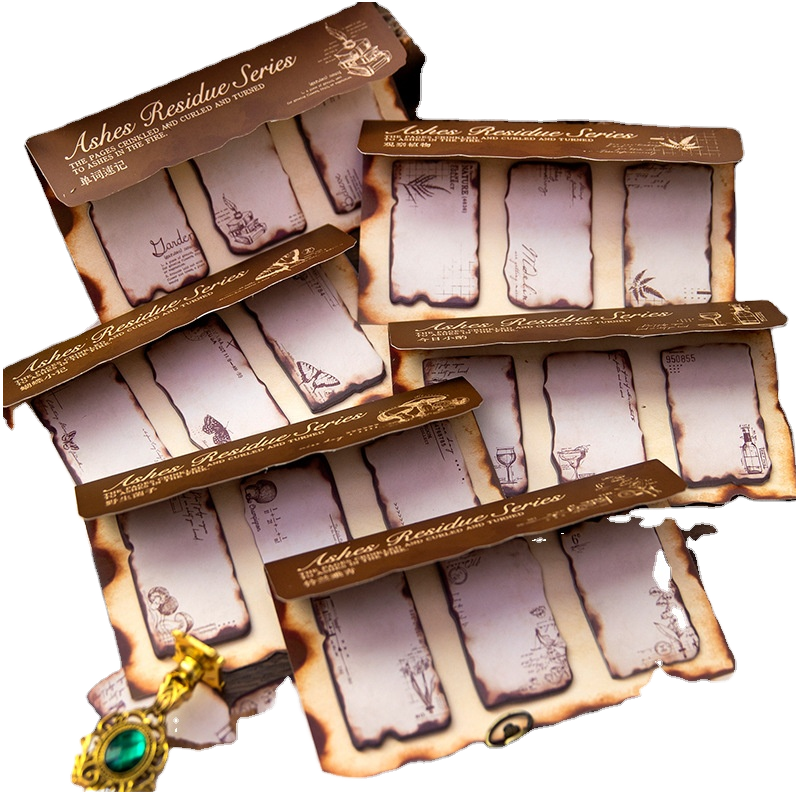
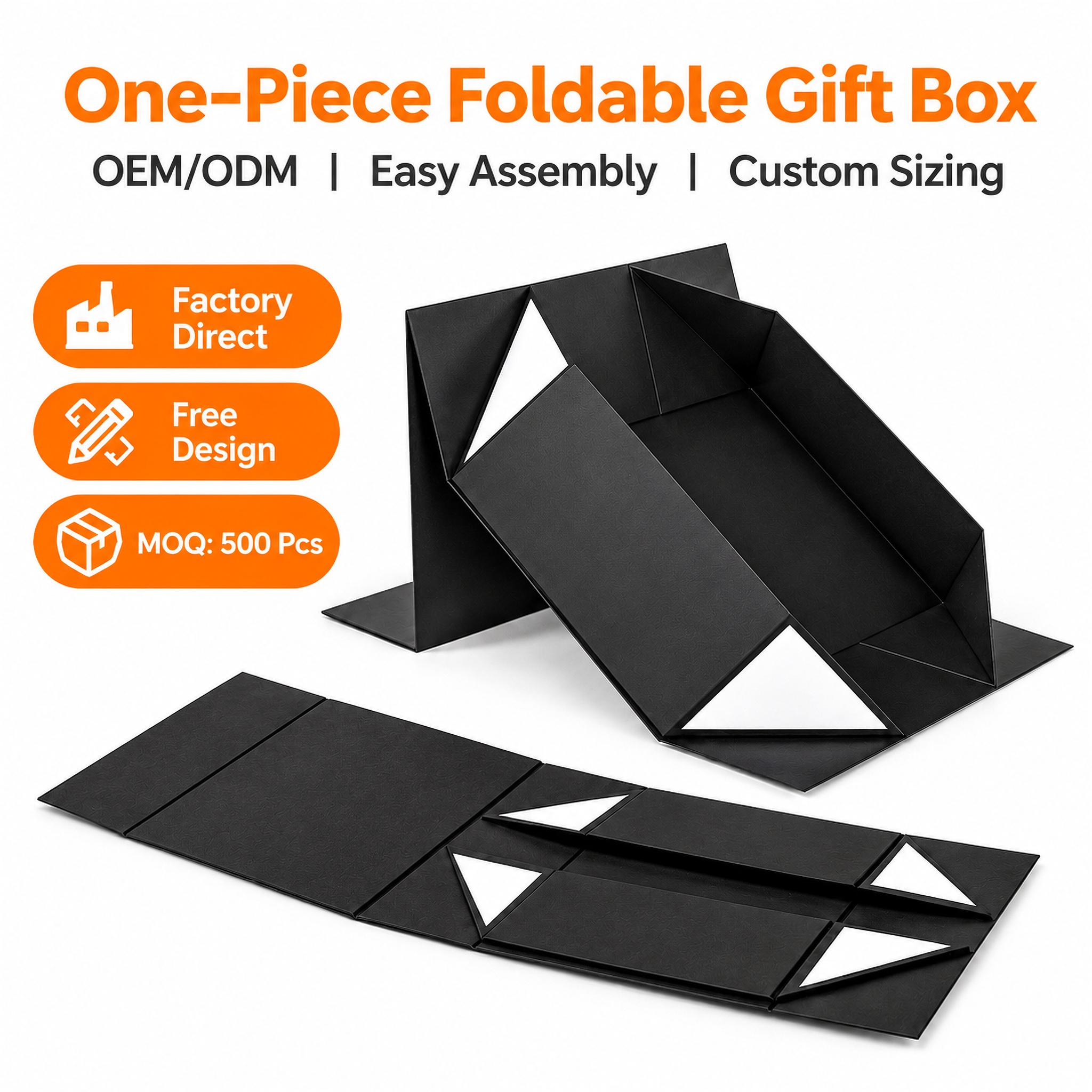
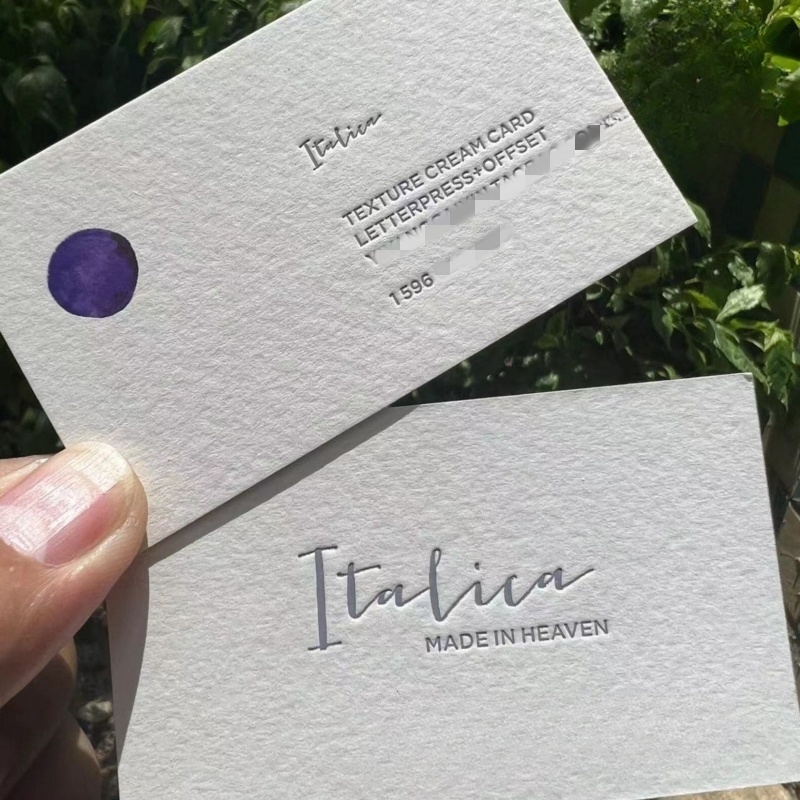
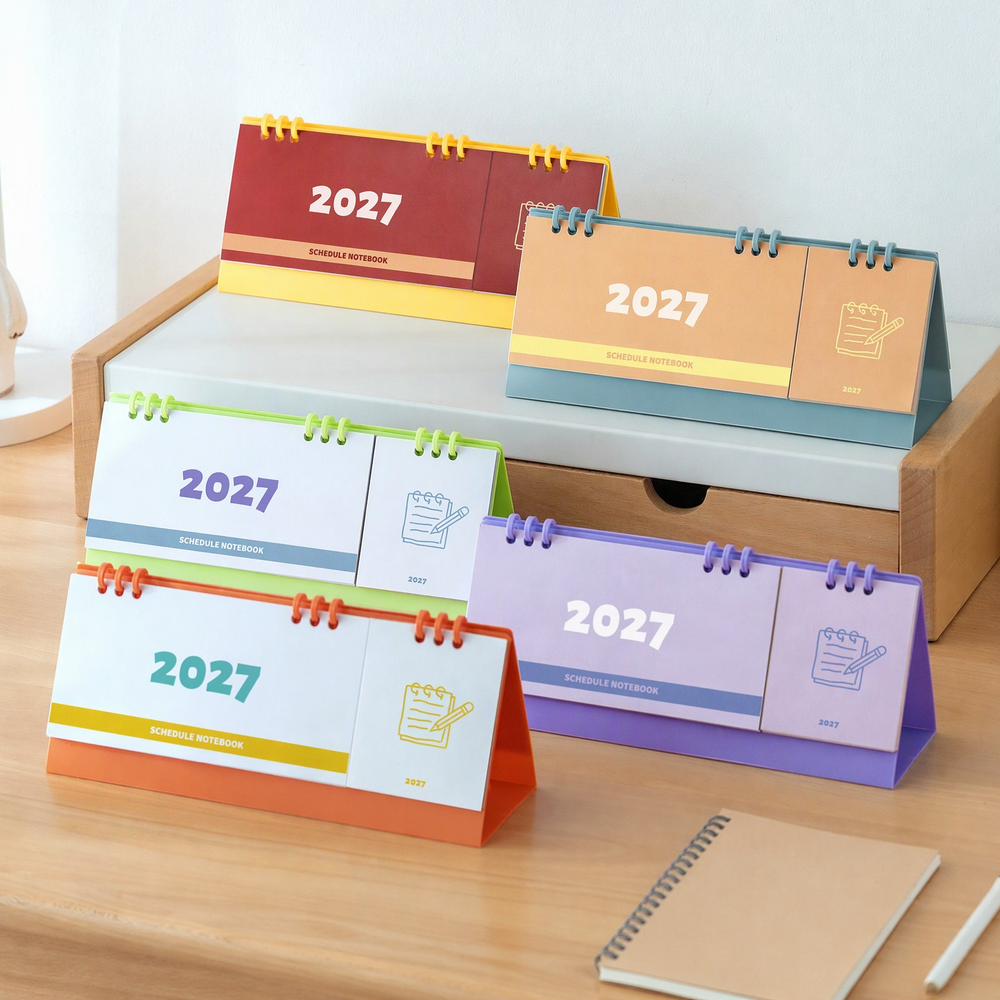
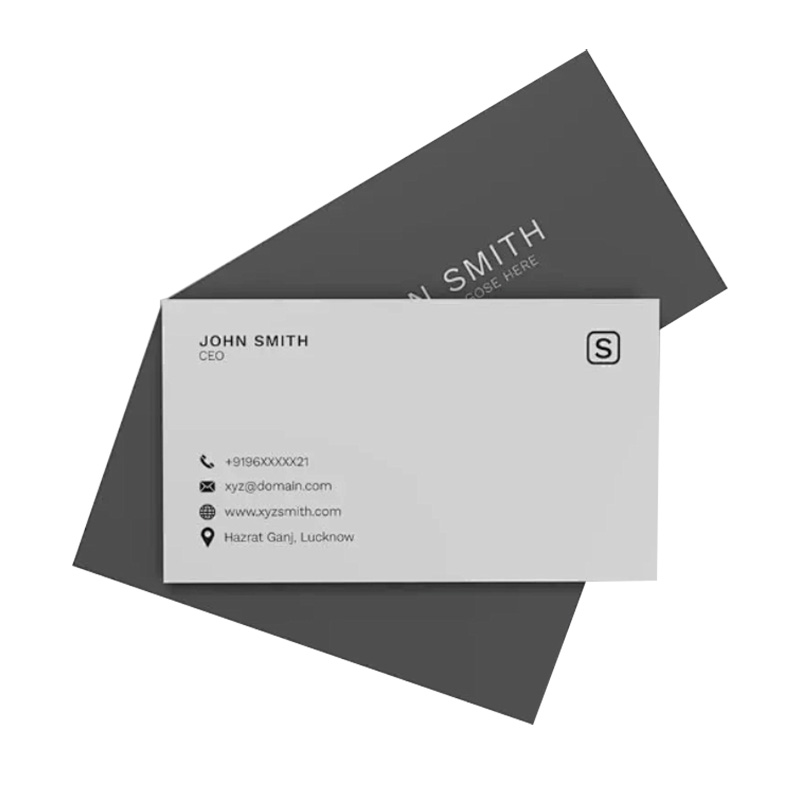
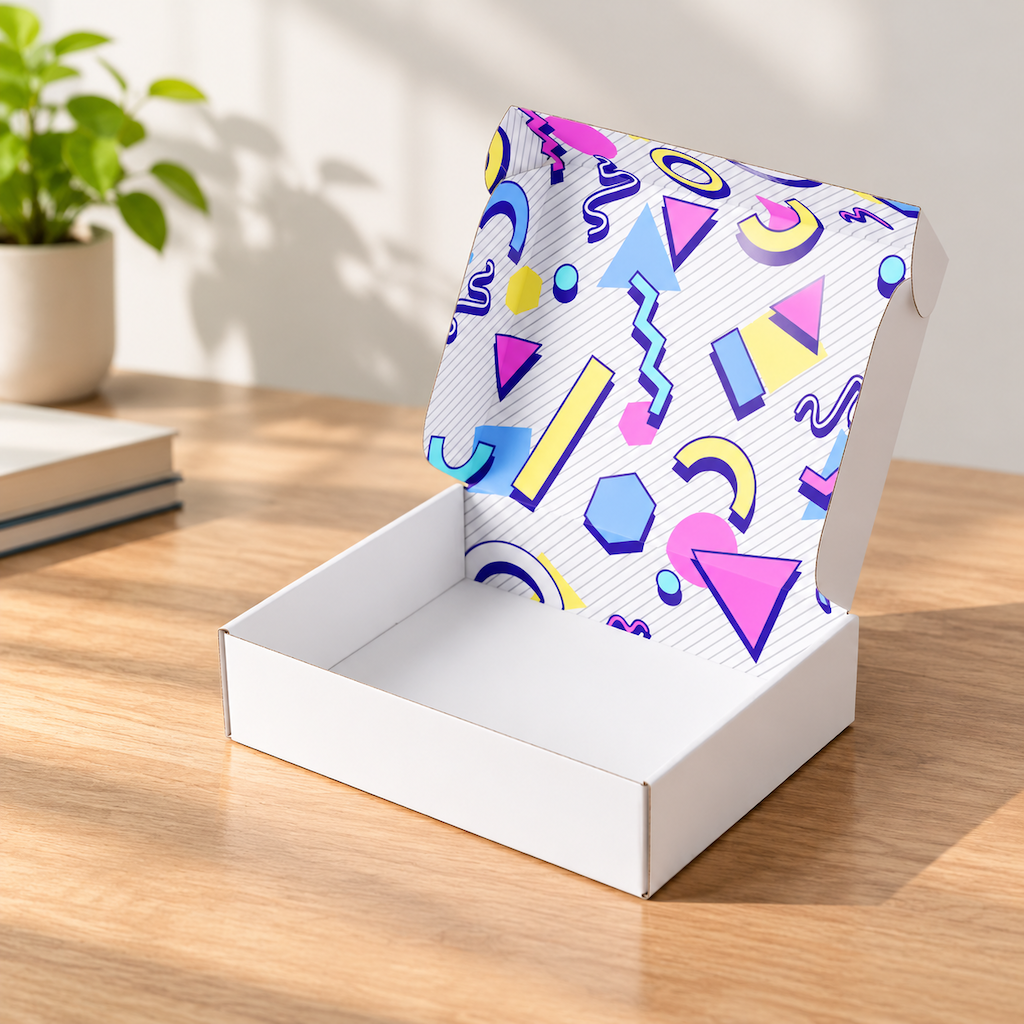
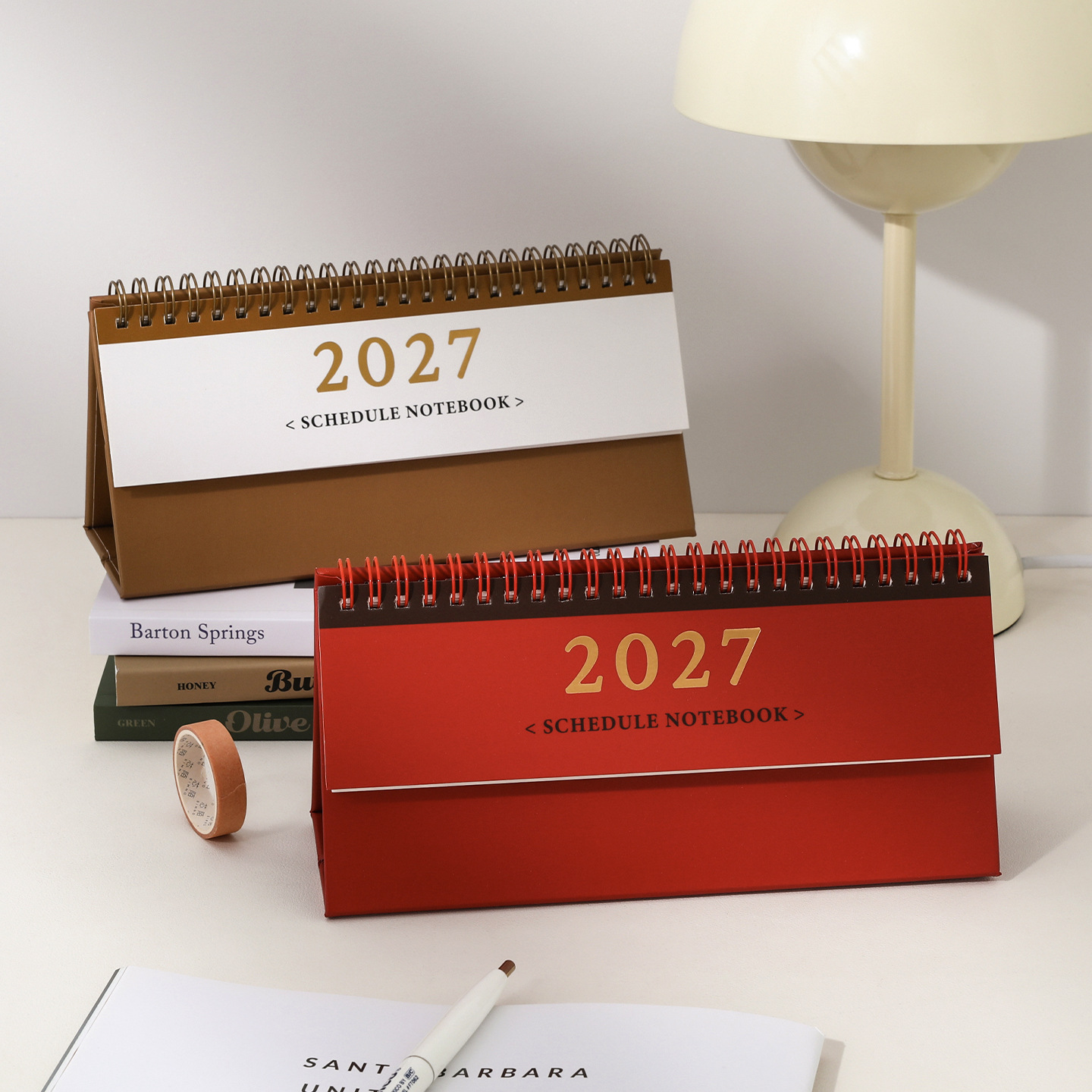
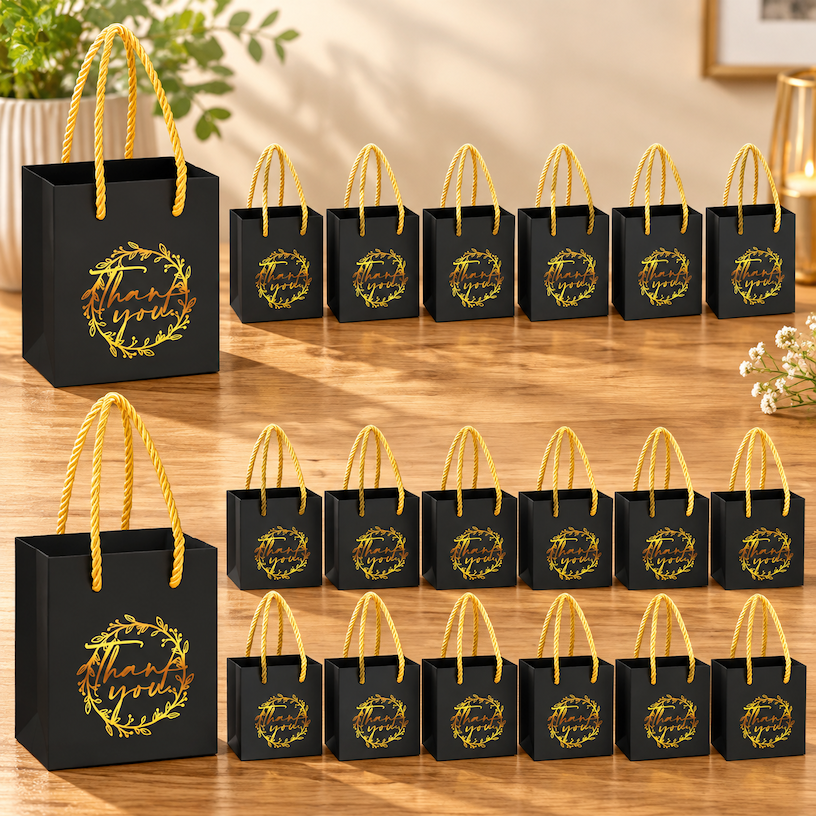
Turin projects rarely stop at one book. A photographer may need an album, a presentation box, thank-you cards and a protective mailer; a museum publisher may pair a catalogue with invitations, calendars and branded packaging. The eight products below preserve their original product links and show how a hardcover photo book can sit inside a wider, factory-direct print and packaging programme.
What Turin Buyers Should Expect from a Hardcover Photo Book Printing Manufacturer
Searching for “hardcover photo book printing manufacturers” is easy; verifying one is harder. A photo book is not a flat print job. It is a structure: text block, endpapers, cover boards, wrap material, adhesive, hinge allowance and finishing. The book can look perfect on a PDF and still fail in the hand if the paper grain runs the wrong way, if the spine is calculated from a generic chart, or if the cover board is too thin for the trim size.
For Turin buyers, the useful filter is not the longest gallery. It is proof of manufacturing control. Ask who makes the book block, who wraps the cover, who checks colour, and who signs the final inspection report. Turin’s design, museum, wedding and wine sectors buy books that are handled repeatedly: portfolios on a studio table, catalogues in a museum shop, albums opened at family dinners. Opening feel, spine durability and surface scuff resistance matter as much as image sharpness.
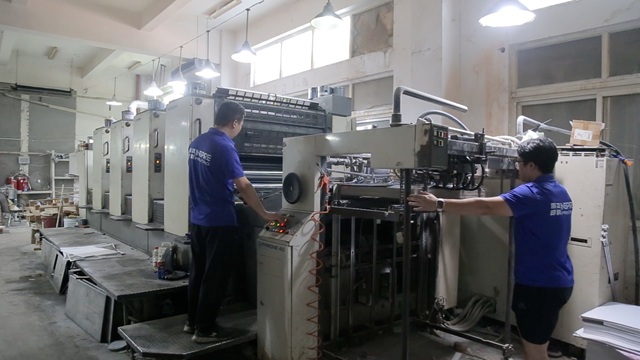
Fuzhou Buba Printing Co., Ltd. is a 23-person custom manufacturer with 18 years in the paper-printing trade, a 2,300 m² production floor and more than a decade of export experience. The factory has been verified onsite by TÜV Rheinland and offers design-based, sample-based and full customization under one roof—including prepress, offset and digital printing, foil stamping, embossing, lamination, die-cutting and hand assembly.
- TÜV Rheinland onsite verification—not a stock logo on a sales page.
- Free dieline and 3D mockup support for presentation boxes, slipcases and packaging parts.
- First-article approval and final AQL inspection with photo reports before shipment.
- Export-ready cartons, corner protection and flat-packing where appropriate.
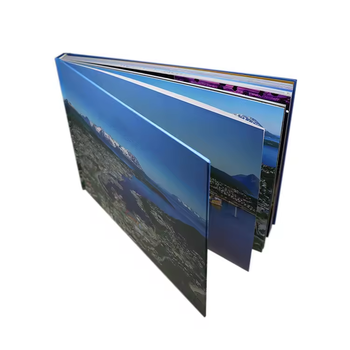
Turin Market Trends That Make Photo Book Specification More Strategic
Turin is not simply “Italy” in a broad keyword strategy. Its design culture, museum ecosystem, wedding market, food and wine storytelling, and EU procurement expectations create a specific brief for hardcover photo book printing manufacturers.
Design-Led Portfolio Culture
Turin’s architecture, industrial design and automotive heritage encourage restrained, material-honest portfolios. Matte art paper, blind embossing and a clean sewn spine often read more credibly than high-gloss effects.
Museum and Heritage Editions
Museums, galleries and cultural publishers around Turin operate in a city shaped by Savoy residences, Museo Egizio and Mole Antonelliana. Catalogues need predictable colour, strong binding and a spine that survives retail handling.
Wedding and Family Archives
Lay-flat wedding albums remain a premium delivery item. Turin photographers increasingly pair the album with a matching rigid box, thank-you cards and a protective mailer to create one client-unboxing experience.
Piedmont Food, Wine and Hospitality
Wine estates, tasting rooms and hospitality brands use photo books as brand artefacts: vineyard heritage volumes, guest books and recipe portfolios. Tactile covers and foil-stamped names suit this audience.
EU Sustainability Scrutiny
Italian buyers increasingly ask about recyclable board, paper-based inserts, water-based inks and plastic-free packing. Claims should be confirmed for the exact material and finish—not just described as “eco-friendly”.
Short-Run Premium Launches
Galleries, independent publishers and brands often test a Turin launch with a short first run before scaling. A 100-piece starting quantity can reduce inventory risk while the visual direction is validated.
Where Hardcover Photo Books Work in Turin
The same printing manufacturer can serve very different Turin buyers. The specification should follow the use case, not the other way around.
Turin Wedding Photographers
- Lay-flat 30 × 30 cm or 30 × 40 cm albums
- Fabric or leatherette cover with foil names
- Matching rigid presentation box and thank-you cards
- Protective corrugated mailer for direct client delivery
Museums and Cultural Publishers
- Section-sewn hardcover catalogues in 24 × 30 cm
- Uncoated or silk paper for typography-led layouts
- Dust jacket, headband and matte lamination
- Colour proof on final stock before the run
Architecture and Design Studios
- A4 landscape or square portfolio formats
- 200–250 gsm silk text paper for image depth
- Soft-touch cover, spot UV or blind emboss
- Slipcase and PVC business cards for a complete kit
Piedmont Wine and Hospitality
- Square coffee-table books for estate heritage
- Tactile cover boards with foil or deboss
- Guest books and recipe collections
- Matching gift bags and mailer boxes for launch kits
Recommended Hardcover Photo Book Builds for Turin Projects
These are starting specifications, not catalogue shortcuts. Final board thickness, spine width and page count must be confirmed against the chosen paper and binding method.
Lay-Flat Wedding Album
Best for: Turin wedding photographers and premium client delivery.
- 30 × 30 cm, 2.5 mm cover board
- 200 gsm matte art text or photographic paper
- 40–80 pages, seamless 180° spreads
- Fabric, leatherette, foil names, presentation box
Museum Exhibition Catalogue
Best for: galleries, cultural publishers and exhibition shops.
- 24 × 30 cm, section-sewn hardcover
- 150–170 gsm uncoated or silk text
- Dust jacket, headbands, matte lamination
- Colour proof on final stock; Pantone spot colours on request
Design Portfolio Book
Best for: architecture, industrial design and automotive studios.
- A4 landscape or 28 × 28 cm square
- 200–250 gsm silk paper for image reproduction
- Sewn hardcover, soft-touch cover, spot UV
- Slipcase and matching business cards
Family or Piedmont Heritage Volume
Best for: wine estates, family archives and hospitality brands.
- 28 × 28 cm, 170 gsm uncoated text
- Lay-flat or sewn binding for long captions
- Deboss, foil title and tactile cover material
- Matching gift bag, calendar or branded mailer
Paper, Board, Spine Width and Colour Proofing
Two measurements matter before a photo book cover is finalised: spine width and cover wrap allowance. A useful pre-brief estimate for a case-bound hardcover is shown below. Use it only for early planning; production artwork must wait for the printer’s final calculation after the text paper is confirmed.
Estimated spine width = (text pages ÷ 2) × paper caliper + (2 × cover board thickness) + hinge/wrap allowanceGrain direction is not a detail. Text paper grain should run parallel to the spine, and cover board grain should also run parallel to the spine to reduce warping. For lay-flat albums, the board, adhesive and mounting paper all interact. If a supplier quotes a lay-flat book without asking for page count and paper stock, the quote is not yet a specification.
| Binding Option | Typical Turin Use | Opening Feel | Engineering Note |
|---|---|---|---|
| Section-Sewn Hardcover | Museum catalogues, art books, heritage volumes | 160°–170° | Durable classic binding; allows the book to lie reasonably flat without forcing the spine. |
| Lay-Flat Hardcover | Wedding albums, photography portfolios, panoramic spreads | 180° | Seamless spreads and premium presentation; heavier and more sensitive to page-count and board planning. |
| PUR Perfect Bound | Product catalogues, magazines, short-run books | 140°–160° | Efficient for many pages; less premium than sewn or lay-flat for a long-life photo book. |
| Wire-O / Spiral | Workbooks, sample swatches, price books | 360° | Practical and fully opening; generally not the right choice for a luxury photography edition. |
Material and finishing checkpoints
| Component | Starting Specification | What to Confirm |
|---|---|---|
| Cover board | 2.0–3.0 mm greyboard | Board caliper, grain direction and warp resistance after wrapping. |
| Cover wrap | 128–157 gsm art paper, linen or leatherette | Scuff resistance, turn-in allowance, foil or emboss compatibility. |
| Text paper | 157–200 gsm matte art; 120–170 gsm uncoated | Colour target, opacity, caliper, grain and final page bulk. |
| Endpaper | 120–160 gsm specialty or matching art paper | Hinge strength and adhesive compatibility with the chosen cover material. |
| Finishing | Matte/soft-touch lamination, foil, emboss, spot UV | Whether the finish is recyclable, repulpable or needs protective packing. |
For colour, specify a reference such as ISO Coated v2 / Fogra39, supply CMYK artwork with 3 mm bleed and outlined fonts, and request a proof on the final paper. For brand colours, use Pantone references and a contract proof or spot drawdown. For photography, a generic screen proof is not enough: matte art, silk and uncoated papers change black density, contrast and surface feel.
Factory Advantages That Reduce Risk for Turin Buyers
Fuzhou Buba Printing Co., Ltd. combines structural design, prepress, printing, finishing and hand assembly in one accountable manufacturing workflow.
18 Years and 2,300 m²
A 23-person custom manufacturer with 18 years in paper printing and a 2,300 m² production floor. The team handles structural design, prepress, offset and digital printing, foil stamping, embossing, lamination, die-cutting and hand assembly.
TÜV Rheinland Onsite-Verified
The factory has been verified onsite by TÜV Rheinland, an independent inspection body trusted by global buyers. Product-specific certificates or test reports can be discussed for the selected materials and finishes.
Free Dieline and 3D Mockup
Our in-house design team builds dielines and free 3D mockups for packaging parts, slipcases and presentation boxes so artwork position, structure and finishing can be approved before sampling.
Low MOQ and One-Stop Customization
Many custom packaging and print items start from 100 pcs, with some notebooks from 50 pcs. OEM and ODM services, design-based customization, sample-based customization and full customization are available.
Premium Finishing In-House
Hot foil, blind and 3D embossing, spot UV, soft-touch and matte lamination, letterpress, window patching and die-cut shapes are managed in one production workflow.
AQL QC and Export Packing
Incoming material checks, first-article approval, inline colour checks and final AQL inspection with photo reports. Export-grade cartons and flat-packing help protect books and control freight volume.
What the Documents Should Show
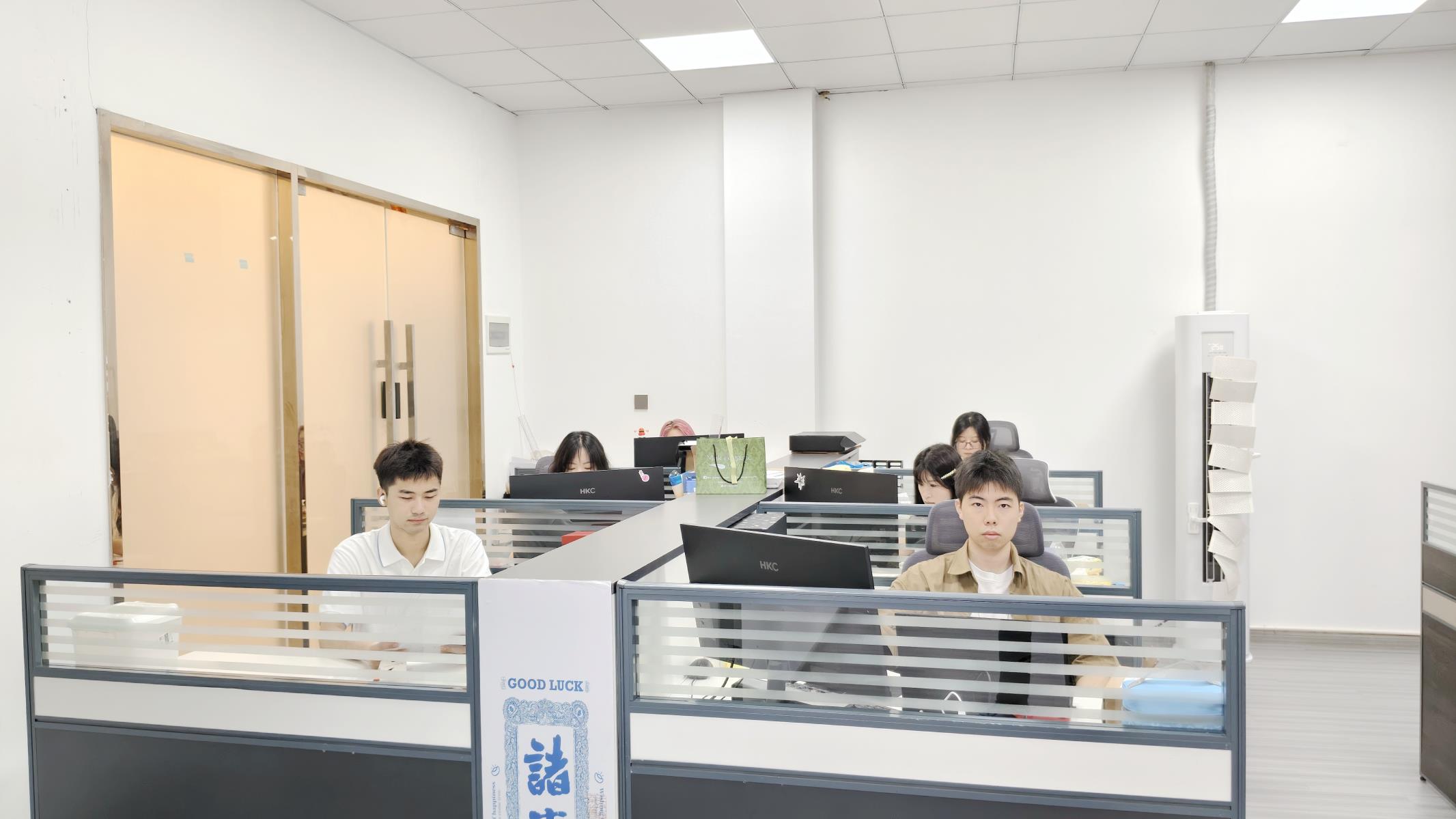
For a Turin buyer, quality is not a promise at the quotation stage. It is a sequence of checks that can be evidenced before shipment.
Incoming Materials
Board caliper, paper weight, wrap material and adhesive are checked against the approved specification before production begins.
First-Article Approval
The pre-production sample confirms spine width, opening feel, colour, foil alignment and surface finish before the full run is released.
Inline Production Checks
Colour and registration checks continue during printing. Foil, emboss, lamination and die-cutting are inspected against the approved sample.
Final AQL and Photo Report
A final AQL inspection checks print, binding, corners and packing. Photos and video can be shared before shipment so the buyer sees the actual production result.
On sustainability, the practical answer is material-specific. Recyclable kraft and corrugated board, paper-based inserts instead of plastic, water-based inks and plastic-free tear-strip mailers can be discussed. FSC or test reports depend on the chosen stock and finish; not every foil, lamination or magnet is recyclable. Ask for written confirmation for the exact specification rather than a generic green claim. TÜV Rheinland onsite verification confirms the factory’s onsite operations—product-specific reports should still be requested where your procurement team requires them.
How a Turin Photo Book Order Moves from Brief to Delivery
Lead times are confirmed in writing for every order. Complex lay-flat albums, large page counts and hand-finished presentation boxes need more planning than a standard catalogue.
Brief and Preflight
Share trim size, page count, paper preference, binding, quantity, cover finish, delivery postcode in Turin and deadline. We flag artwork and structural risks before quoting.
Proof and Sample
Typical pre-production samples take 3–7 working days after artwork approval; complex books may take longer. A physical sample confirms spine, opening feel and finish.
Print and Bind
Mass production typically takes 10–20 working days after sample approval. Complex rigid boxes, large book runs or special handwork may require a longer confirmed schedule.
AQL and Ship
Final inspection, photo report and export packing. Shipping can be discussed by express, air to Turin Caselle or Milan Malpensa, or sea via Genoa/La Spezia and onward trucking to Turin.
For Italian imports, the buyer normally provides an EORI number and confirms the Incoterm with the supplier. Import VAT and duties are generally the buyer’s responsibility unless otherwise agreed in writing. We prepare commercial invoices and packing lists to support the freight forwarder; your customs broker remains responsible for final import advice. Share the delivery postcode in Turin early so the freight route and packing method can be quoted accurately.
Turin-Specific Procurement FAQ
Practical answers for photographers, publishers and brand owners comparing hardcover photo book printing manufacturers serving Turin.
What is the minimum order quantity for hardcover photo books shipped to Turin?
Many Buba packaging and print items start from 100 pcs, and some notebooks start from 50 pcs. For hardcover photo books, the minimum depends on trim size, page count, binding, paper and finishing. We confirm the minimum in writing before production; short-run exceptions may be possible but should not be assumed.
Can you produce a lay-flat album that opens 180 degrees?
Yes. Lay-flat binding is suitable for wedding albums, panoramic photography and portfolio books. The final construction depends on page count, paper caliper, board thickness and cover material. We recommend approving a physical sample because lay-flat books are judged by opening feel, not only by a PDF layout.
How do I calculate the spine width for a 160-page photo book?
Use a printer-confirmed formula, not an online guess. A starting estimate is: (text pages ÷ 2) × paper caliper + (2 × board thickness) + hinge/wrap allowance. For 160 pages on approximately 0.18 mm art paper, the text block is about 14.4 mm; two 2.5 mm boards add 5 mm; a 4–6 mm allowance gives roughly 23–25 mm. Final spine width must be confirmed after the exact paper and binding are approved.
Which paper is best for photography: matte art, silk or uncoated?
Matte art paper is a strong default for rich blacks and clean image reproduction. Silk offers a balanced surface for catalogues and portfolios with both photography and text. Uncoated paper feels tactile and editorial but can reduce contrast and deep black density. The right choice depends on the image style, lighting and handling expected in Turin; always request a proof on the final stock.
Can you match brand colours and Pantone references for a Turin brand book?
Yes. Provide CMYK artwork with a colour target such as ISO Coated v2 / Fogra39, and specify Pantone references where a spot colour is required. A contract proof or spot drawdown can be discussed for brand-sensitive work. Photography should be proofed on the final paper because coated and uncoated stocks reproduce contrast differently.
Which artwork file formats should I send?
Vector AI, PDF or EPS files in CMYK with 3 mm bleed and outlined fonts are preferred. High-resolution PSD or TIFF files at 300 dpi are also accepted. Supply pages as single pages rather than spreads unless your printer requests otherwise. Include dieline placement, foil/emboss layers and any Pantone references in the job brief.
Can you make FSC, recyclable or plastic-free photo book packaging?
We can discuss recyclable kraft and corrugated board, paper-based inserts, water-based inks and plastic-free packing. FSC or test reports depend on the exact stock and finish. Foil, lamination and some presentation-box components can affect recyclability, so ask for written confirmation for the chosen specification rather than a generic environmental claim.
How do you ship to Turin, and who handles customs?
Depending on volume and deadline, options include express courier, air freight to Turin Caselle or Milan Malpensa, and sea freight via Genoa or La Spezia with onward trucking to Turin. We prepare commercial invoices and packing lists; the Italian buyer normally provides an EORI number and confirms the Incoterm. Import VAT and duties are generally the buyer’s responsibility unless agreed otherwise in writing. Your customs broker should confirm final import requirements.
Can you produce matching gift boxes, cards and bags for a Turin book launch?
Yes. One of the advantages of a factory-direct programme is pairing the photo book with rigid magnetic gift boxes, greeting cards, business cards, calendars, gift bags and corrugated mailers. This is useful for museum shops, wedding photographers and premium brands that want a consistent unboxing experience without coordinating several suppliers.
Request a Turin-Ready Hardcover Photo Book Specification
Send trim size, page count, paper preference, binding, quantity, cover finish, delivery postcode in Turin and deadline. If you also need matching boxes, cards, calendars or bags, list them in the same brief so the photo book and presentation set can be quoted together.