Gift Boxes Factory & Exporter for London
Factory-direct custom gift boxes, mailer boxes, paper bags, cards and commercial print for London retailers, e-commerce brands, hotels, wedding planners and corporate gifting teams — supported by TÜV Rheinland onsite verification, MOQs from 100 pcs and free 3D mockups.
Eight Gift Packaging Products Recommended for London Buyers
This is not a generic catalogue list. Each item maps to a recurring London procurement brief: luxury retail gifting, wedding stationery, professional-services collateral, apparel and beauty e-commerce, subscription mailers, sample dispatch and corporate thank-you packaging. Every product can be customised by size, material, print and finish; where a product URL is supplied, it is retained for direct enquiry and specification review.
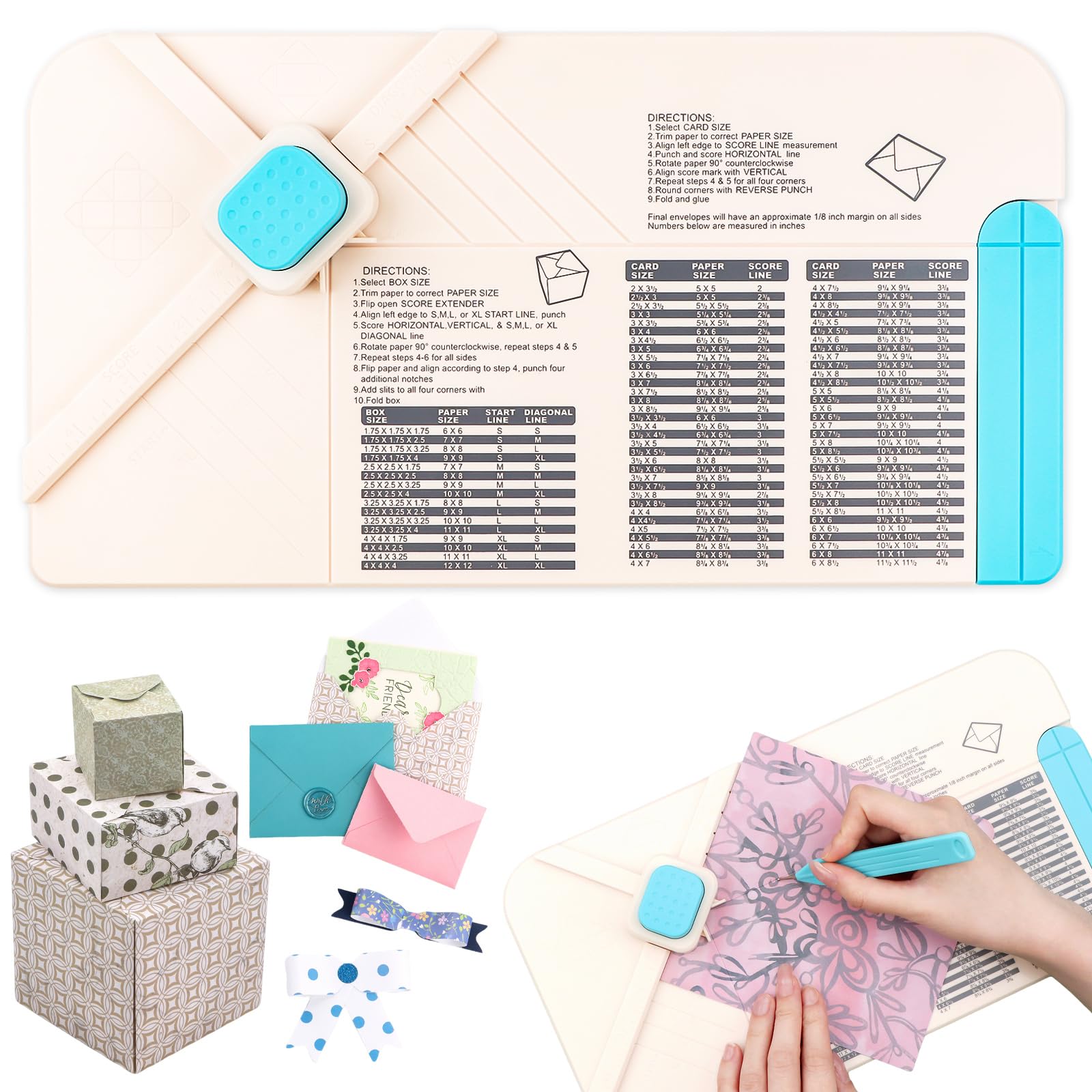
Custom Envelopes, Boxes, and Bows, All-in-one Envelopes Scribe Punches Board with Indentation Pen, Use with Cardstock
A practical all-in-one scoring board for envelopes, presentation boxes and bows. London stationery studios, wedding planners and small-batch gifting teams use it to prototype invitation suites and box structures before committing to production tooling.
View product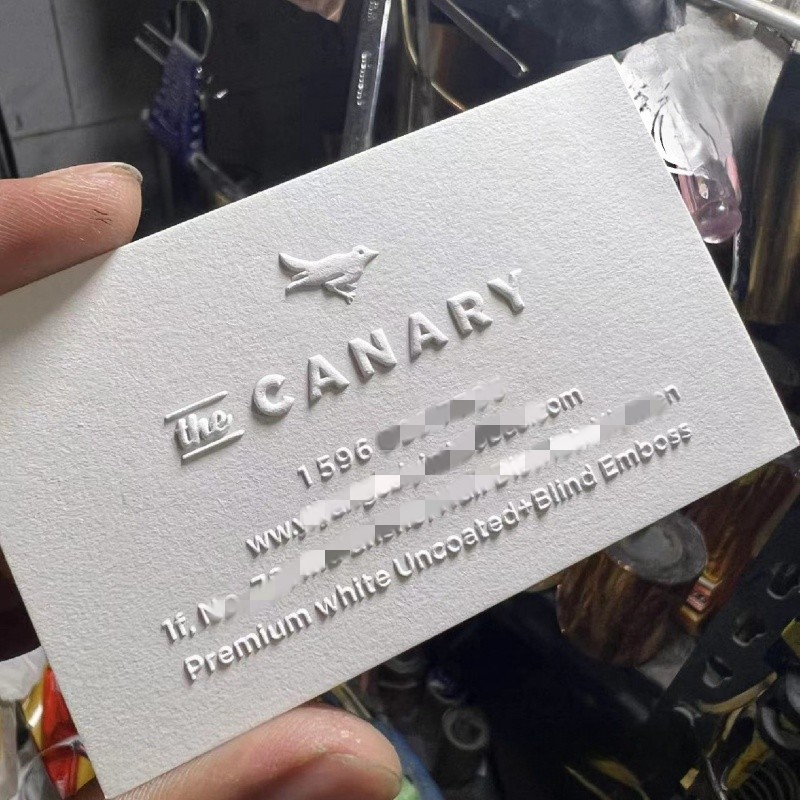
Customized Romantic Brochure Offset Paper Film Lamination Hot Stamping for Wedding Invitation
A hot-stamped invitation brochure for London wedding planners, boutique hotels and private event teams. Offset paper, film lamination and metallic stamping create a formal, tactile suite that photographs well and survives postal handling.
View product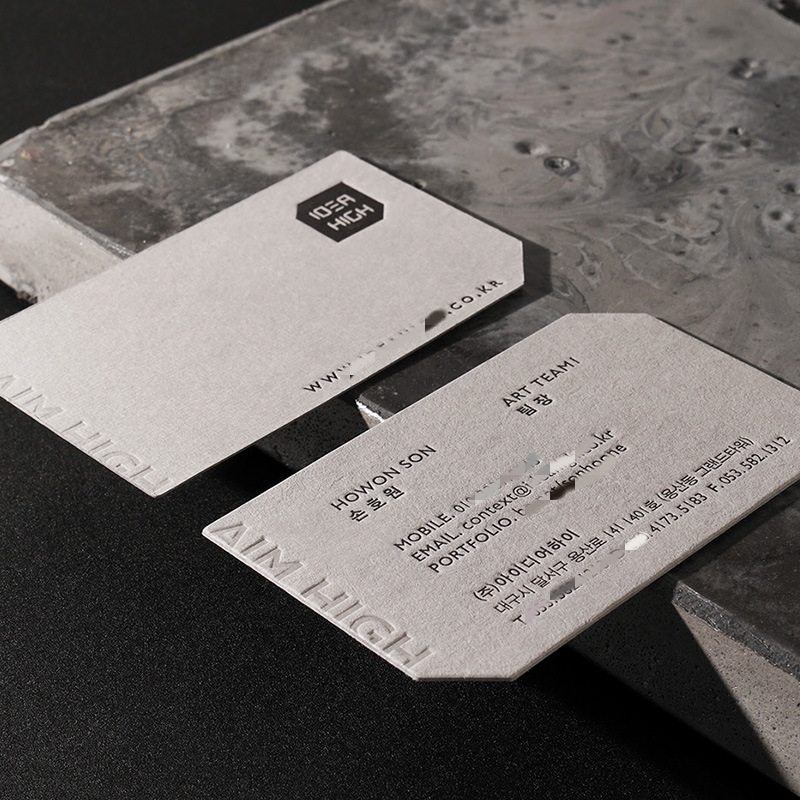
Wholesale New Materials 3d Embossed Business Cards Cotton Paper Three-Dimensional Embossed Custom Card
Cotton-paper cards with three-dimensional embossing for London design studios, property agents and professional-services firms. The heavier stock and raised detail create a memorable handover in pitching, networking and client-gifting packs.
View product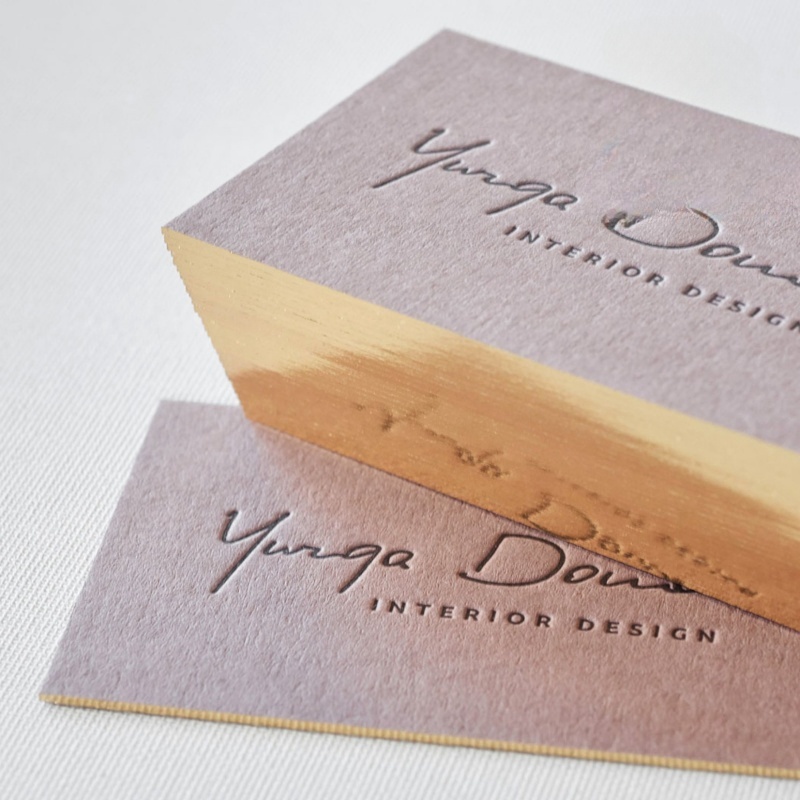
Customized Card Luxury Eco-Friendly Embossed Logo Design Gold Stamping Printing Business Grey Pink Business Card
A restrained grey-pink business card with embossed logo and gold stamping. Suitable for London beauty brands, boutique consultants and fashion showrooms that need premium print without excessive visual noise.
View product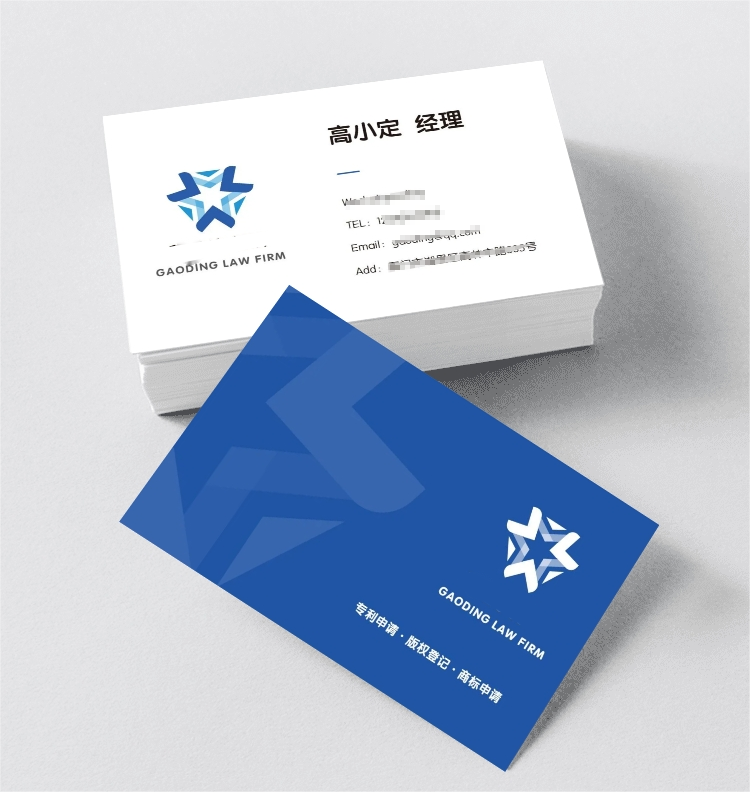
Wholesale Customizable Soft Cover Business Card with Perfect Logo Printing Service Cardboard Brochure Design Offset Paper
A soft-cover card and brochure solution for London property developers, exhibitors and sales teams. It pairs everyday business cards with a lightweight printed leave-behind, helping a single brief cover both networking and showroom collateral.
View product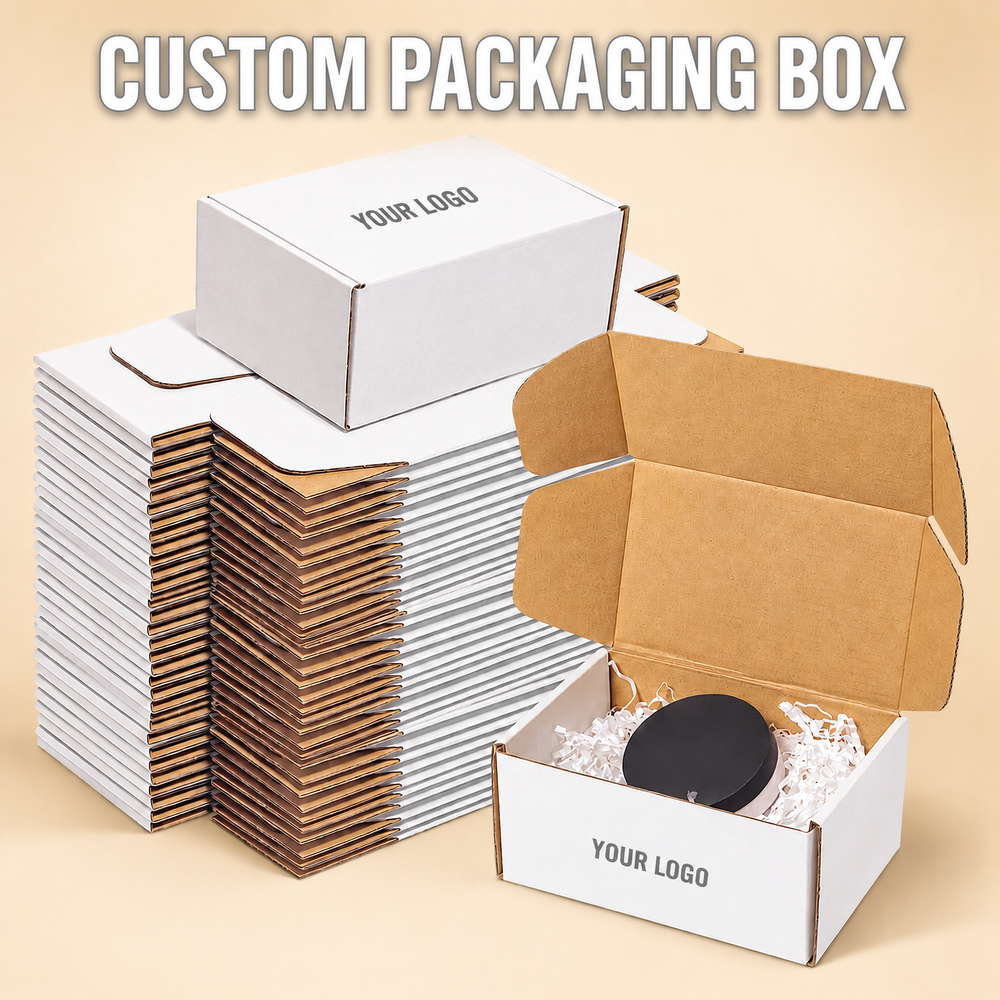
White Shipping Boxes 6x4x3 60 Pack Corrugated Cardboard Box Mailer
A compact white corrugated mailer for London e-commerce sellers, jewellery studios and sample rooms. The 6×4×3 format is useful for small-batch dispatch, click-and-collect handover and influencer seeding where a clean outer appearance matters.
View product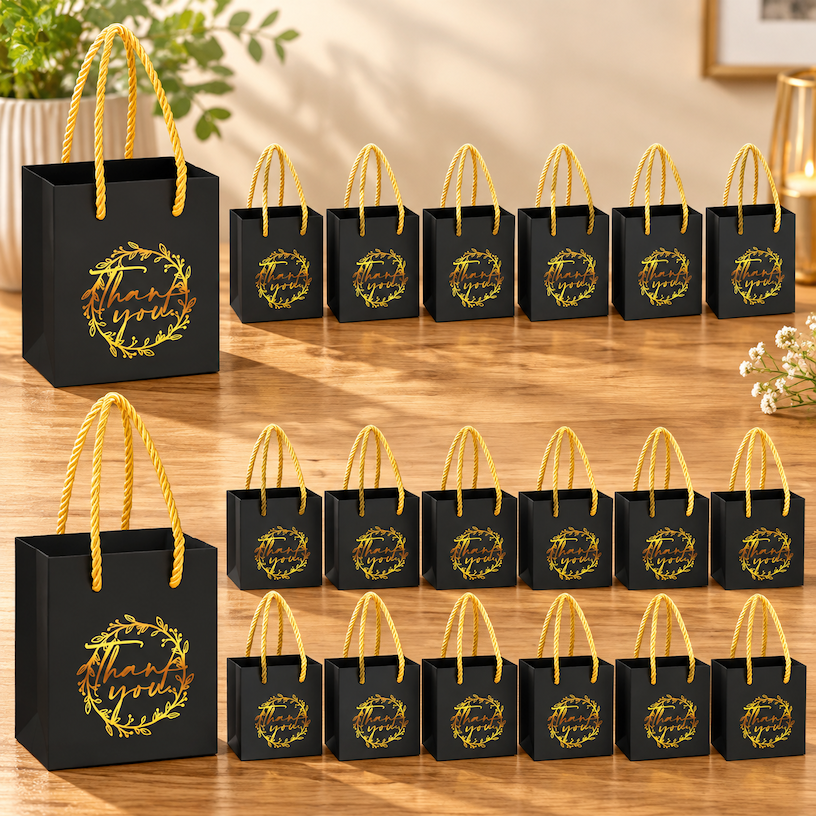
Custom Printed Black Kraft Paper Gift Bags for Clothing Perfume Thank You Gift
Black kraft gift bags for London fashion boutiques, perfume counters and hotel gift shops. Custom printing, handle selection and reinforced paper grades allow the bag to work as both a carry-home package and a brand touchpoint on the high street.
View product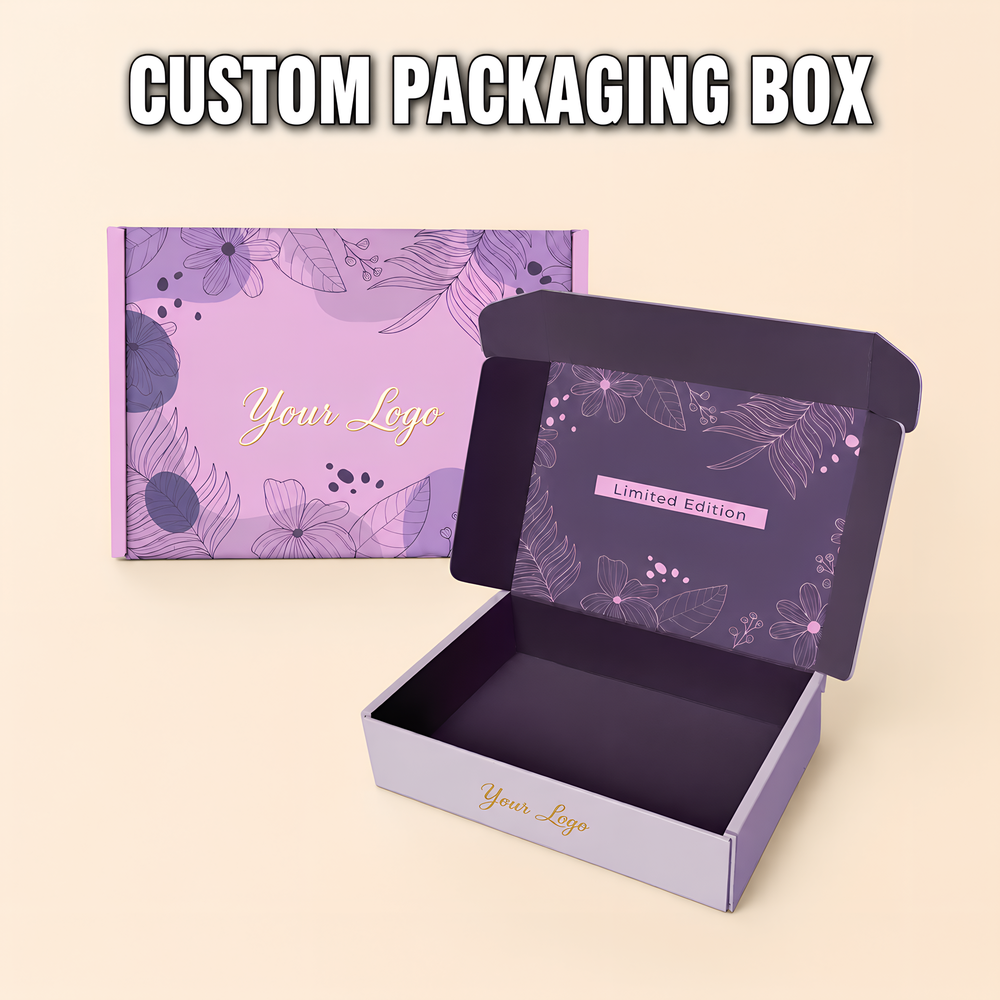
Wholesale Customizable Shipping Eco Friendly Custom Gift Packaging Paper Cardboard Boxes Subscription Logo Printed Mailer Box
A logo-printed paper mailer for London subscription brands and direct-to-consumer fulfilment. Corrugated construction, double-sided branding and paper-based fitments support an unboxing experience that remains practical for 3PL packing lines.
View productA Gift Box Factory Built Around Repeatable Export Production
London buyers do not only compare unit prices. They compare response speed, structural competence, sample accuracy, finishing consistency, packing quality and the risk of a delayed launch. These published company figures summarise the operating base behind each quotation.
Figures reflect the published company profile and buyer-verification information available on the original website. Project-specific capacity and lead times are confirmed in writing.
Where London Buyers Use Custom Gift Boxes and Printed Packaging
London is not one market. A gift box specified for a West End beauty counter has different requirements from a corporate onboarding kit in the City, a wedding welcome box in a boutique hotel or a subscription mailer managed by a 3PL in the Home Counties. These six demand patterns should shape the brief before artwork is finalised.
West End luxury retail and department-store gifting
Rigid magnetic gift boxes, ribbon pulls, tissue, belly bands and hot-foil logos are common in premium retail. London buying teams usually prioritise shelf presence, clean wrapped edges, colour consistency across repeat runs and an insert that protects the product without looking temporary. For many briefs, 1200–2000 gsm greyboard wrapped in art paper is more appropriate than a folding carton, especially where the box is retained by the customer.
Beauty, fragrance and skincare direct-to-consumer
Mailer boxes with printed interiors, paper fitments and tear strips are widely used by London beauty brands. The specification must suit the parcel journey and the packing bench: flat-packed delivery, easy folding, clear barcode placement and reliable compression strength matter as much as the unboxing photograph. E-flute corrugated with double-sided print is often a pragmatic balance between presentation and transit protection.
Fashion boutiques and capsule drops
Soho, Shoreditch and Marylebone labels frequently test new ranges with lower MOQs before scaling. Black kraft bags, swing tags, garment boxes and thank-you cards can be produced as a coordinated set so the in-store handover matches the online delivery. Specify reinforced handles, matte lamination or blind emboss only where the chosen material can carry it cleanly; over-finishing a lightweight bag can create creasing and reject rates.
Corporate gifting in the City and Canary Wharf
Onboarding kits, client thank-you boxes, event programmes and notebook sets need repeatable colours, quick reorders and packaging that an administrative team can assemble without specialist tools. A one-stop set — rigid box, printed sleeve, card, envelope and paper bag — reduces supplier count and avoids mismatched Pantone references. For regulated professional-services firms, approval workflows and documented QC photos can be as important as the box itself.
Hotels, weddings and private events
Welcome boxes, invitation envelopes, menus, room-drop packaging and guest thank-you cards are often required in short runs with a fixed event date. London hotels and wedding planners need a coordinated suite rather than isolated items, so envelope sizes, card stocks, foil colours and bag handles should be specified together. A pre-production sample is essential when hot stamping, deckled edges or wax-seal style labels are involved.
Subscription commerce and London fulfilment
Subscription brands and 3PLs need a mailer that opens quickly, protects the product and presents branding without slowing the packing line. Ask for a dieline that shows glue tabs, tear strips, barcode zones and insert clearances. Where a London fulfilment centre receives pallets, export carton dimensions and palletisation should be agreed early; flat-packing can reduce freight cost, but it must not create excessive hand assembly at the warehouse.
London Gift Packaging Trends That Affect Your Specification
The trends below are directional buying signals, not statistical forecasts. Their practical value is in turning a mood board into written requirements: material, finish, structure, order quantity, delivery date and end-of-life claim.
Plastic-free luxury and recyclable-by-design
London brands increasingly ask for paper-based inserts, recyclable board, water-based inks and plastic-free tear strips. The important next question is whether the whole pack, including foil, lamination and adhesive, supports the claim being made. Buyers should request a material breakdown and test the finished pack rather than accept a generic “eco-friendly” label.
Quiet luxury and tactile finishing
Soft-touch lamination, blind emboss, matt surfaces and restrained foil are replacing loud, layered decoration in many premium London briefs. Finishing should be chosen for compatibility, not by wish list: heavy foil over soft-touch film, or multiple emboss passes on thin board, can increase spoilage. A physical sample is the only reliable proof of touch, contrast and edge quality.
Low-MOQ test-and-learn and faster replenishment
Capsule collections, pop-ups, seasonal drops and influencer seeding encourage smaller first orders. Low MOQs from 100 pcs on many custom items allow London teams to test a market before committing to bulk. The trade-off is that unit pricing, material choice and finishing options change with quantity; buyers should ask for a price break at the likely reorder volume, not only the launch volume.
Hyper-local storytelling and delivered-cost discipline
London campaign artwork often references postcodes, boroughs, landmarks or local cultural moments, but the box must still work across the wider UK and international market. At the same time, buyers are comparing delivered cost, not just FOB price. Ask for flat-pack options, export carton dimensions, gross weight, Incoterms and a realistic transit plan for the required-on-site date.
Bars are illustrative directional signals for briefing discussions, not market-size statistics.
Why London Buyers Trust Buba as a Gift Box Factory and Exporter
Fuzhou Buba Printing Co., Ltd. is a custom manufacturer of paper packaging and commercial print based in Fuzhou, Fujian, China. The company has spent 18 years in the paper-printing trade, has more than a decade of export experience and has been verified onsite by TÜV Rheinland. London buyers work with the factory because one accountable supplier controls structural design, prepress, offset and digital printing, foil stamping, embossing, lamination, die-cutting and hand assembly.
TÜV Rheinland onsite verification
The factory has been verified onsite by TÜV Rheinland and is presented as a Custom Manufacturer offering design-based, sample-based and full customisation. For London buyers, this is a useful starting point for supplier due diligence, alongside artwork files, sample approval records and AQL inspection reports.
Free structure and 3D mockup
The in-house design team can provide a dieline and a free 3D mockup so marketing, packaging and fulfilment teams can approve structure, artwork position and finishing before a physical sample is produced. This is especially useful for London brands working across several stakeholders and tight campaign deadlines.
Low MOQ and factory-direct pricing
Many custom mailer boxes, rigid gift boxes and paper bags start from 100 pcs. Some notebooks start from 50 pcs, while hang tags, flyers and labels usually start from 200–1,000 pcs depending on size and finishing. London start-ups and established retailers can therefore test a market, then scale to bulk production without changing suppliers.
Premium finishing in-house
Hot foil, blind and 3D embossing, spot UV, soft-touch and holographic lamination, letterpress and window patching are handled under one roof. In-house finishing reduces the risk of colour drift, damaged work-in-progress and unclear accountability when a London buyer needs a premium gift box or retail bag.
Verified quality control
Production controls include incoming material checks, first-article approval, inline colour checks and final AQL inspection with photo reports. For gift packaging, QC must cover more than print: box squareness, magnetic closure strength, glue cleanliness, handle pull strength, insert fit and surface scuffing all affect the customer’s first impression.
Export-ready logistics and eco options
More than 10 years of export experience supports export-grade cartons, flat-packing to reduce freight, and sea, air or express shipping. Recyclable kraft and corrugated board, paper-based inserts, water-based inks and plastic-free tear-strip mailers are available where the specification allows; the final claim should always be checked against the finished sample.
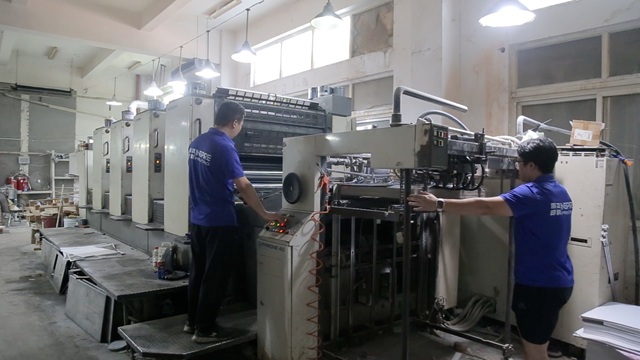

What London Buyers Can Verify Before Placing a Deposit
A gift box is only as reliable as the process behind it. Buyers can review the factory video, 360° VR showroom, company profile, trade capacity and buyer feedback before committing to a custom order. The sample room, printing workshop, finishing line, assembly area, quality-inspection station and export-packing area are documented, which helps London procurement teams compare capability rather than just a price list.
Ask for evidence that matches your risk. For a first order, request a physical sample, a dieline, a material declaration, a QC photo report and export carton dimensions. For a repeat order, ask for the approved golden sample reference and a colour standard so the second production run remains consistent.
- Factory video and 360° VR showroom for remote review
- Project show covering boxes, bags, tags and print sets
- Trade-capacity and company-profile information
- Buyer ratings and review page
- Pre-production sample and written specification approval
A London Buyer’s Specification Brief: Six Details That Prevent Expensive Revisions
A beautiful reference image is not a production brief. The following six details are where quotes become comparable and where unnecessary revisions are usually avoided. They are written for London brand owners, procurement teams, fulfilment managers and agency producers who need a gift box factory to deliver against a fixed launch date.
1. Write an RFQ data pack, not a one-line enquiry
Include internal dimensions, external dimensions if fixed, product weight, fragility, artwork status, required quantity, reorder forecast, delivery postcode, required-on-site date, Incoterms preference and whether a 3PL will receive pallets. State whether the box is for retail shelf, e-commerce parcel, corporate handover or event use. This allows the factory to recommend a board grade and insert structure instead of quoting a generic box that may fail in transit.
2. Match board grade to the London journey
London storage and delivery conditions vary: a retail stockroom, a humid event venue, a parcel hub and a 3PL warehouse are not the same environment. Corrugated mailers need adequate compression strength for stacking and parcel handling; rigid boxes need square greyboard and controlled wrapping to avoid warping. If products are heavy or fragile, ask for an insert sample and a drop-test discussion rather than relying on board thickness alone.
3. Make sustainability claims testable
“Eco-friendly” is not a specification. Ask for material composition, recycled content where claimed, plastic content, ink type, lamination type, adhesive compatibility and whether the finished pack can be recycled in the intended UK waste stream. If the box includes foil, soft-touch film or a magnetic closure, the recycling story changes. A paper-based insert and water-based ink may be suitable for one brief but unsuitable for another, so approve the final construction before publishing a claim.
4. Specify finishing by compatibility, not by wish list
Hot foil, emboss, spot UV, soft-touch lamination and letterpress can look excellent together, but not every combination is stable on every stock. Heavy ink coverage plus soft-touch film can affect foil adhesion; deep emboss on thin board can crack the surface; large solid areas can show scuffing after packing. Ask for a physical finishing sample and define an acceptable visual standard for colour, gloss level and edge cleanliness.
5. Calculate delivered cost before comparing quotes
Compare the full landed cost: unit price, setup and plate fees, sampling, export carton cost, palletisation, freight, insurance, duty, VAT treatment and destination charges. Flat-packing can reduce freight but increase assembly time; a slightly higher unit price with better packing efficiency may be cheaper overall. For London launches, also test whether the proposed production and transit plan protects the required-on-site date with a realistic buffer.
6. Verify the factory and the sample
Check factory verification, quality-management claims, sample lead time and the identity of the production site. Confirm that the pre-production sample is made with the intended material and finishing, not a simplified visual dummy. For repeat orders, retain a signed golden sample and a colour reference. A factory that can document its process is easier to audit, easier to brief and less likely to create a last-minute surprise before a London campaign or event.
From Brief to Delivery: Six Steps for London Orders
A transparent workflow with sign-off at each stage keeps packaging, marketing and fulfilment teams aligned. The exact schedule is confirmed in writing for every project.
Brief and dieline
Share size, product weight, quantity, artwork and delivery requirements. The team proposes structure, material and finishing options.
Free 3D mockup
Approve a rendered mockup that shows artwork placement, opening style and visible finishing before sampling.
Pre-production sample
A physical sample confirms colour, fit, material, insert clearance and finishing. Written approval locks the specification.
Mass production
Printing, finishing, die-cutting and assembly proceed with inline checks and first-article approval.
Final inspection
AQL inspection with photos and video is shared before shipment. Export cartons and pallets are checked against the agreed plan.
Export shipping
Sea, air or express delivery is coordinated with the buyer’s forwarder or preferred logistics route to London and the UK.
Gift Boxes Factory FAQ for London Buyers
These are the questions London brand owners, procurement teams and fulfilment managers ask most often when comparing a custom gift box factory for the UK market.
What is the minimum order quantity for custom gift boxes and packaging?
Most custom mailer boxes, rigid gift boxes and paper bags start from 100 pcs. Some notebooks start from 50 pcs, while hang tags, flyers and labels usually start from 200–1,000 pcs depending on size and finishing. Lower quantities are best used for market testing; reorder pricing should be checked before launch.
How long does sampling and production take for a London order?
Typical lead time is 3–7 working days for pre-production samples and 10–20 working days for mass production after sample approval. Complex rigid boxes, multi-component gift sets or large book runs may need longer. Shipping transit to London is quoted separately and depends on the Incoterms, service level and destination postcode.
Can you provide free dielines and 3D mockups before sampling?
Yes. The in-house design team can provide dielines and a free 3D mockup so you can approve structure, artwork position and finishing before any physical sample is produced. This is particularly useful when several London stakeholders need to review the pack remotely.
Which artwork files do you accept?
Vector AI, PDF or EPS files in CMYK are preferred, with 3 mm bleed and outlined fonts. High-resolution PSD or TIFF files at 300 dpi are also accepted. Pantone colours can be matched on request. For repeat orders, retain the approved artwork file and colour reference with the golden sample.
Can you make recyclable or plastic-free gift packaging for London?
Yes, options include recyclable kraft and corrugated board, paper-based inserts instead of plastic, water-based inks and plastic-free tear-strip mailer boxes. Because foil, lamination and magnets can affect recyclability, the final construction should be checked against the specific claim you intend to publish in the UK.
Do you support UK delivery terms, customs documents and third-party inspection?
The factory supports export documentation and delivery coordination, and can work with your UK forwarder or customs broker. Import VAT and duty are determined by UK customs and the applicable Incoterms. Third-party inspection is welcome, and the factory already holds TÜV Rheinland onsite verification as part of its supplier profile.
Can I mix gift boxes, paper bags, cards and labels in one order?
Yes. One-stop production is one of the main reasons buyers consolidate with a single supplier. A coordinated set can share paper references, Pantone colours, foil shades and finishing standards. The factory can quote each item separately and confirm the combined production schedule before the deposit is paid.
How do I start a London-ready gift box quotation?
Send the box type, internal dimensions, product weight, quantity, artwork status, delivery postcode, target date and any sustainability or 3PL requirements. The team will respond with a structure proposal, material recommendation, indicative pricing and a free 3D mockup path. Use the enquiry button on this page to open the live chat and submit your brief.
Request a London-Ready Gift Box Quotation
Share your dimensions, quantity, artwork status, delivery postcode and required-on-site date. The team will reply with a structure proposal, material recommendation, finishing options and a path to a free 3D mockup. For London retail, e-commerce, hotel and corporate gifting projects, early specification review is the fastest way to protect both budget and launch timing.