Custom OEM Square Bottom Bags Factories & Factory Serving the Austin Market
A sourcing guide for Austin coffee roasters, DTC brands, boutiques, bakeries, food halls and event teams: verified OEM manufacturing, low-MOQ testing, food-safe paper options, free 3D mockups and Texas-ready export planning.
Eight Packaging Products from the Same Verified Factory
Custom OEM square bottom bags are engineered through the same disciplines shown in these related products: structural design, paper selection, print control, premium finishing, low-MOQ sampling and export-ready quality inspection. For a square bottom bag quote, use the inquiry button and share size, paper weight, handle type, print artwork and target quantity.
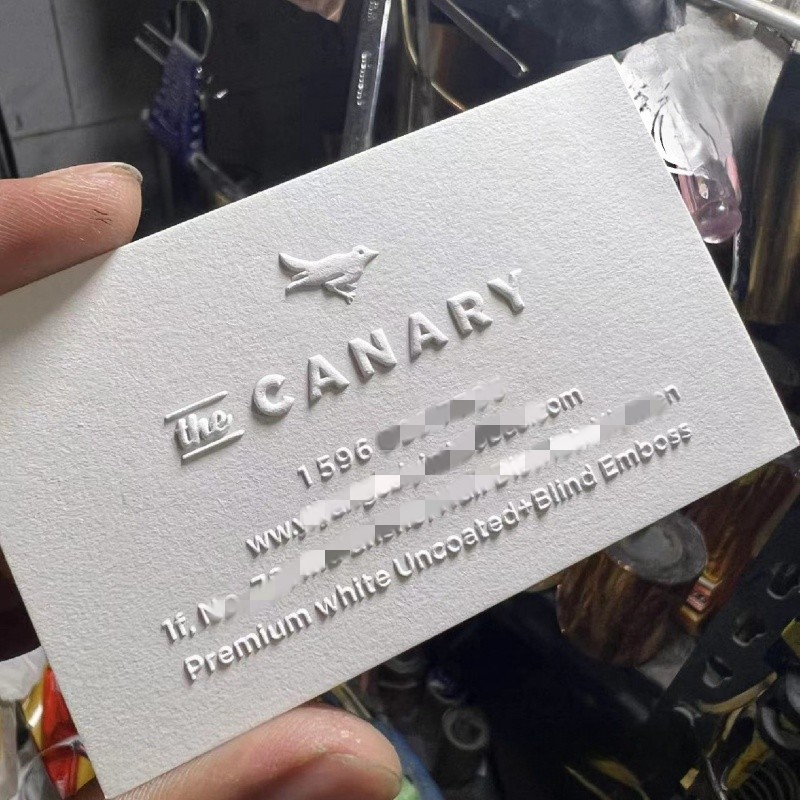
Customized Romantic Brochure Offset Paper Film Lamination Hot Stamping for Wedding Invitation
Recommended for Austin wedding planners, invitation suites and event stationery that need foil-accented detail.
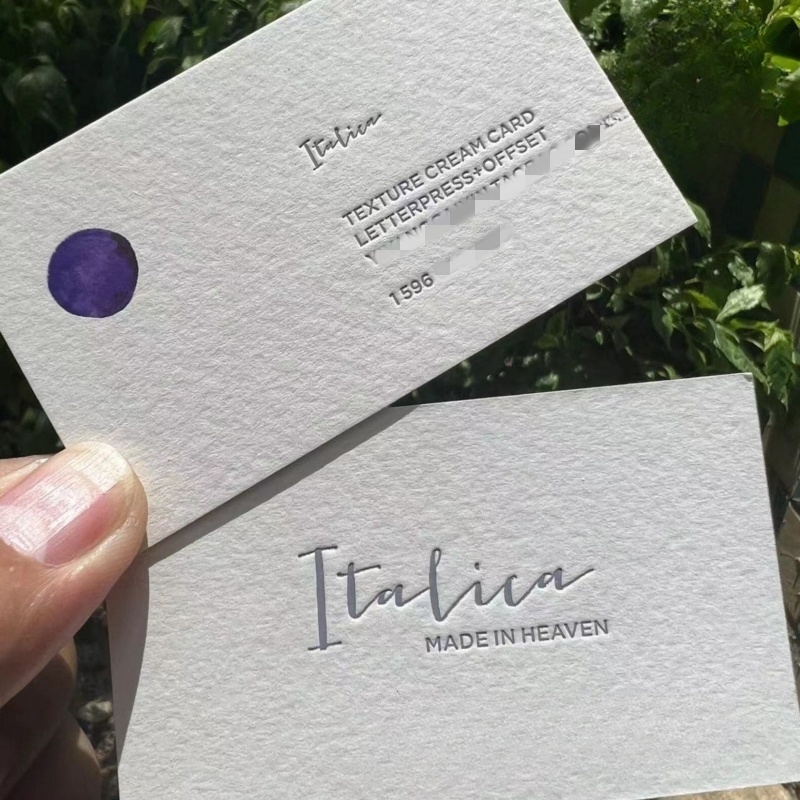
Customized White Kraft Paper Greeting Cards Business Card Offset Paper Hot Stamping for Wedding Invitations Thank You Messages
Useful for retail thank-you inserts, boutique business cards and wedding-message cards with a tactile kraft finish.
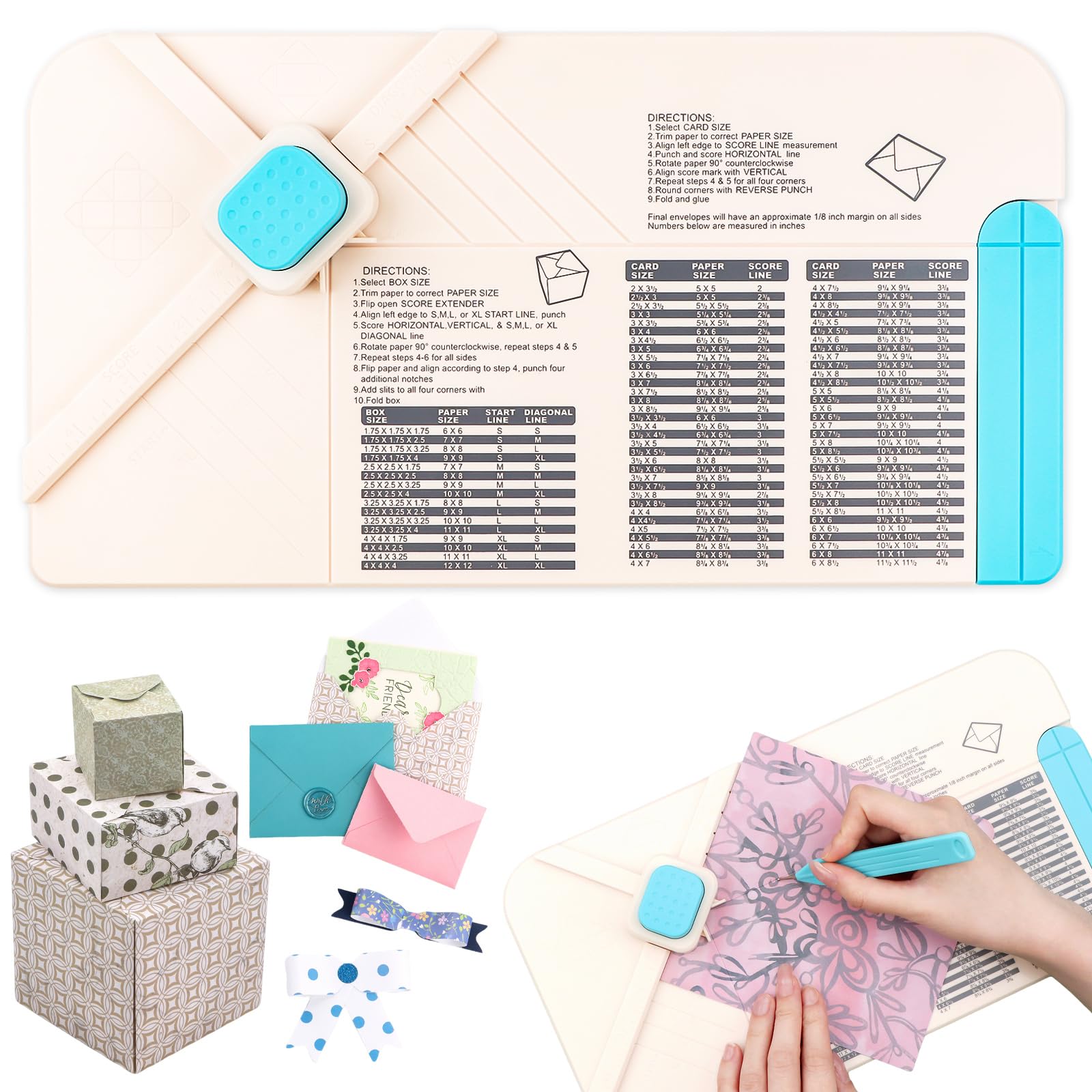
Custom Envelopes, Boxes, and Bows, All-in-one Envelopes Scribe Punches Board with Indentation Pen, Use with Cardstock
Suitable for event studios and paper-craft workshops that prototype envelopes, gift boxes and decorative bows.
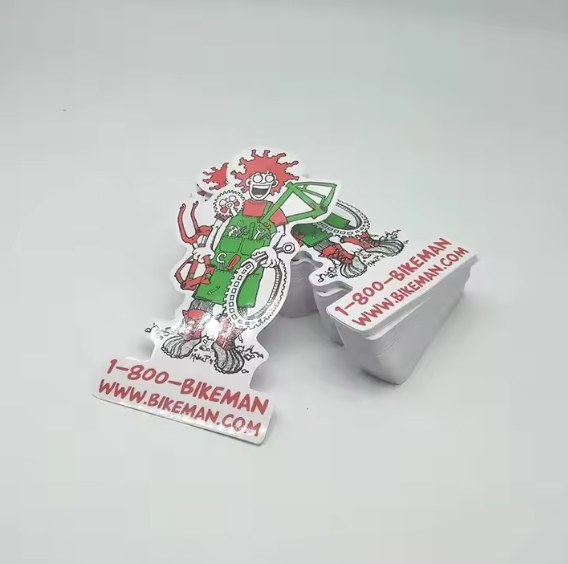
Custom 3D Colorful Self-Adhesive Planner Stickers Waterproof Art Paper and Cardboard Kiss Cut Label Stickers
Good for Austin stationery brands, market stalls and DTC kits that add playful labels to bags and packaging.
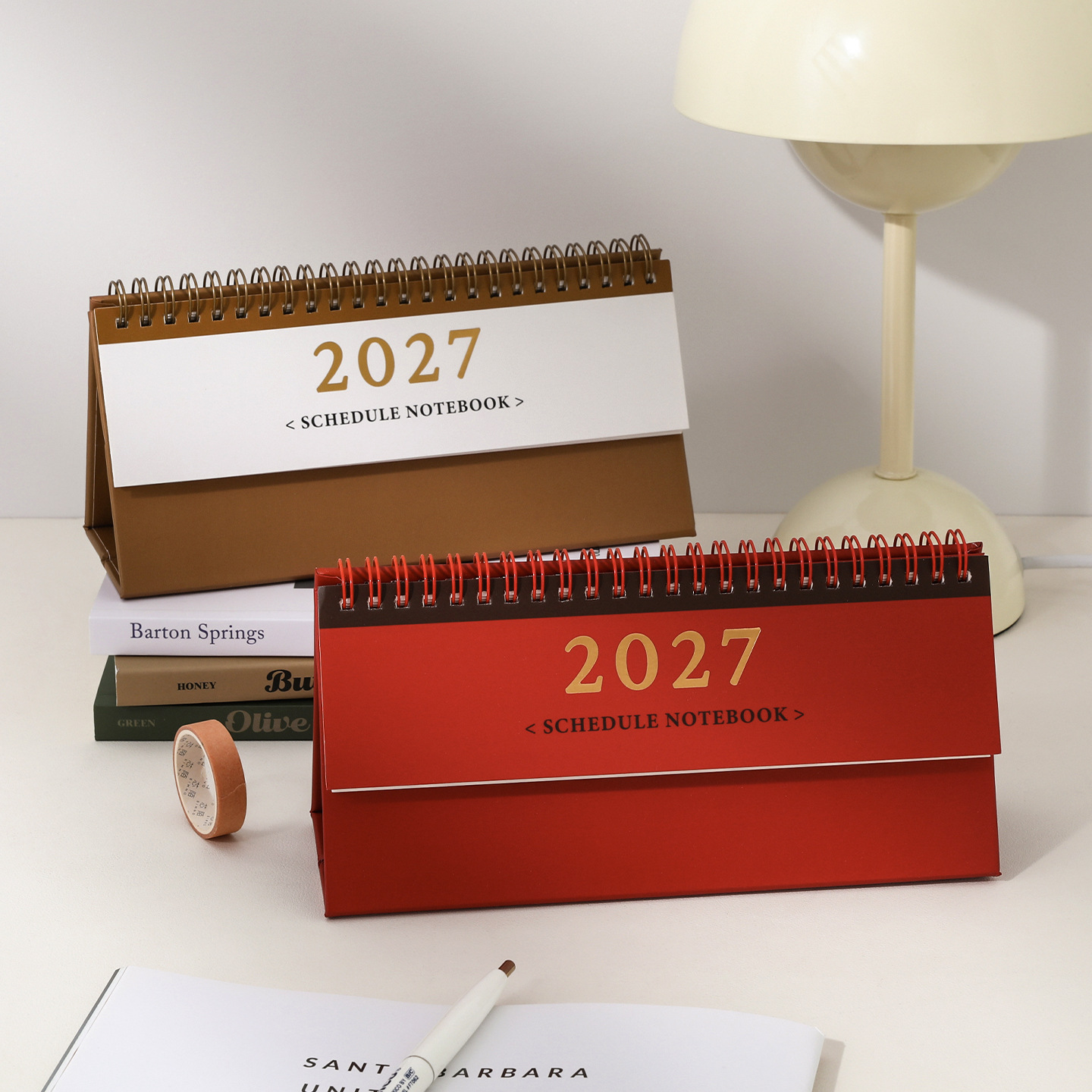
2027 Mini Desk Calendar Standing Flip Long Daily Calendar Twin-Wire Binding for Home Office School
A practical corporate gift or counter giveaway for local offices, universities and retail reception areas.
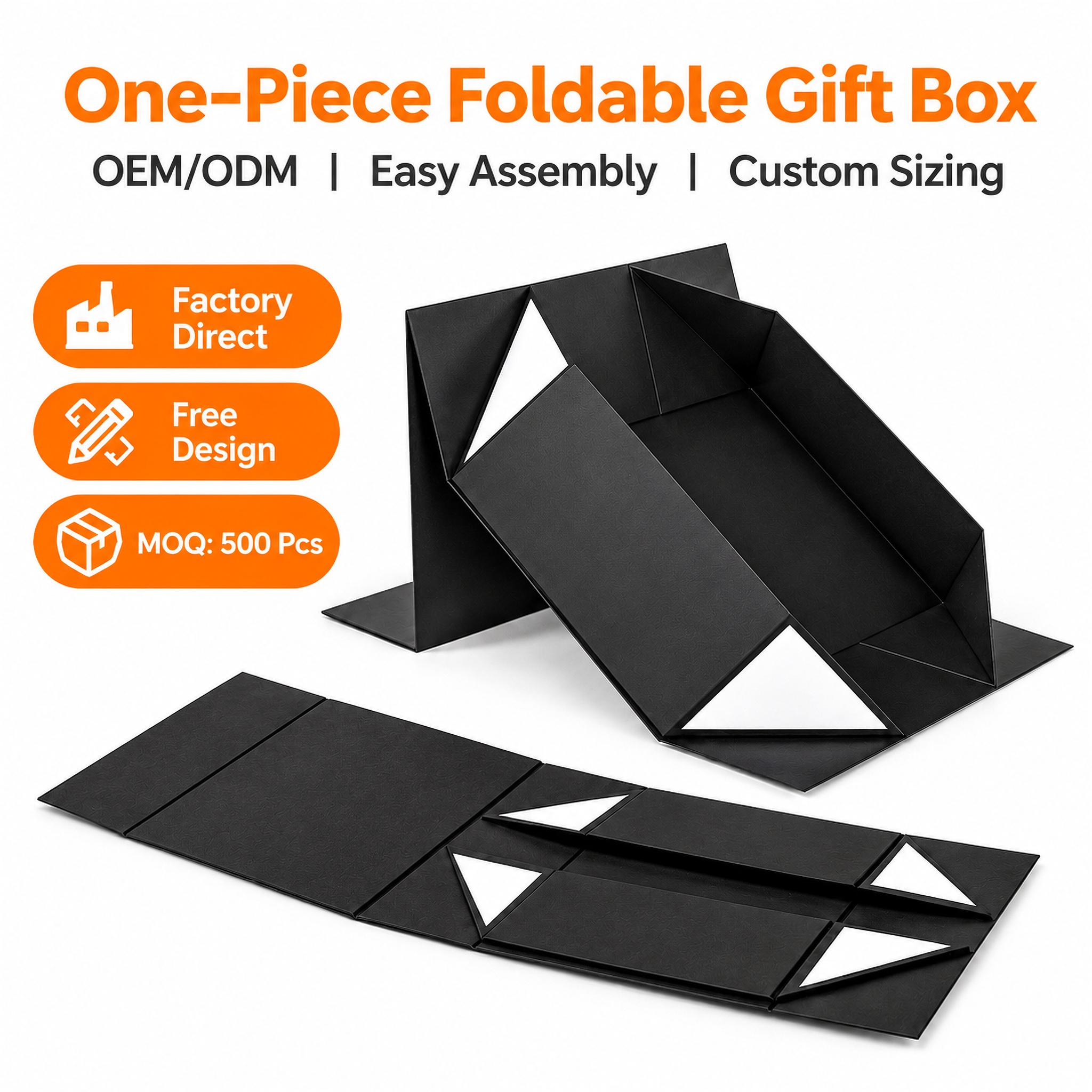
Custom Logo Size Large Small Luxury Folding Hard Rigid Paper Matt Black Collapsible Magnetic Gift Box with Magnetic Closure Lid
Pairs well with premium square bottom bags for Austin boutique retail, corporate gifting and unboxing-led campaigns.
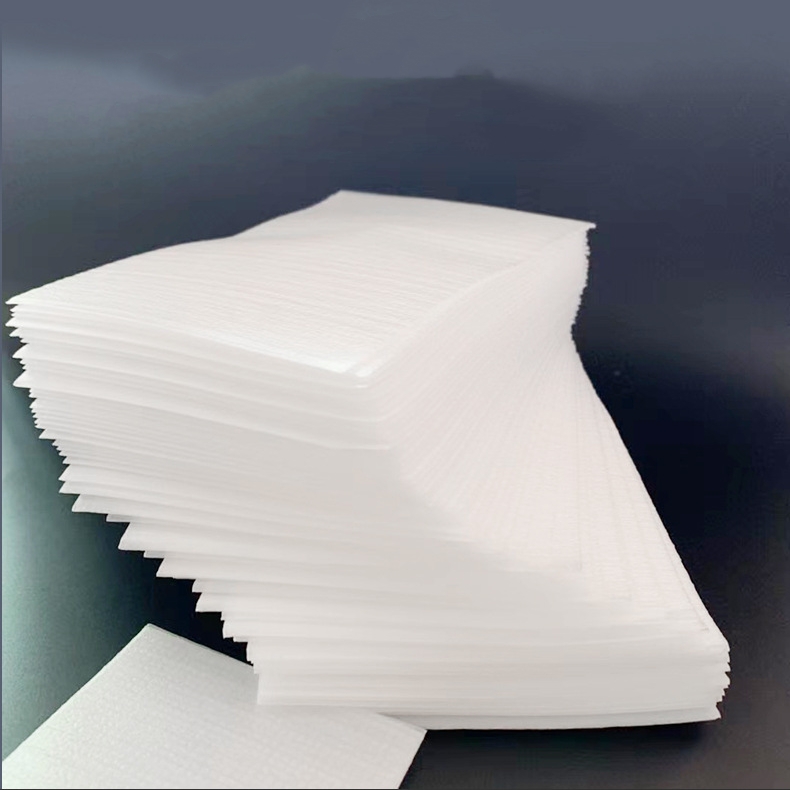
Custom White EPE Polyethylene Foam Pouch Bags Waterproof Shockproof EPS Edge Protector Protective Cushioning Material Packaging
Recommended when bag programs need inner protection for candles, glass bottles, ceramics and fragile gift items.
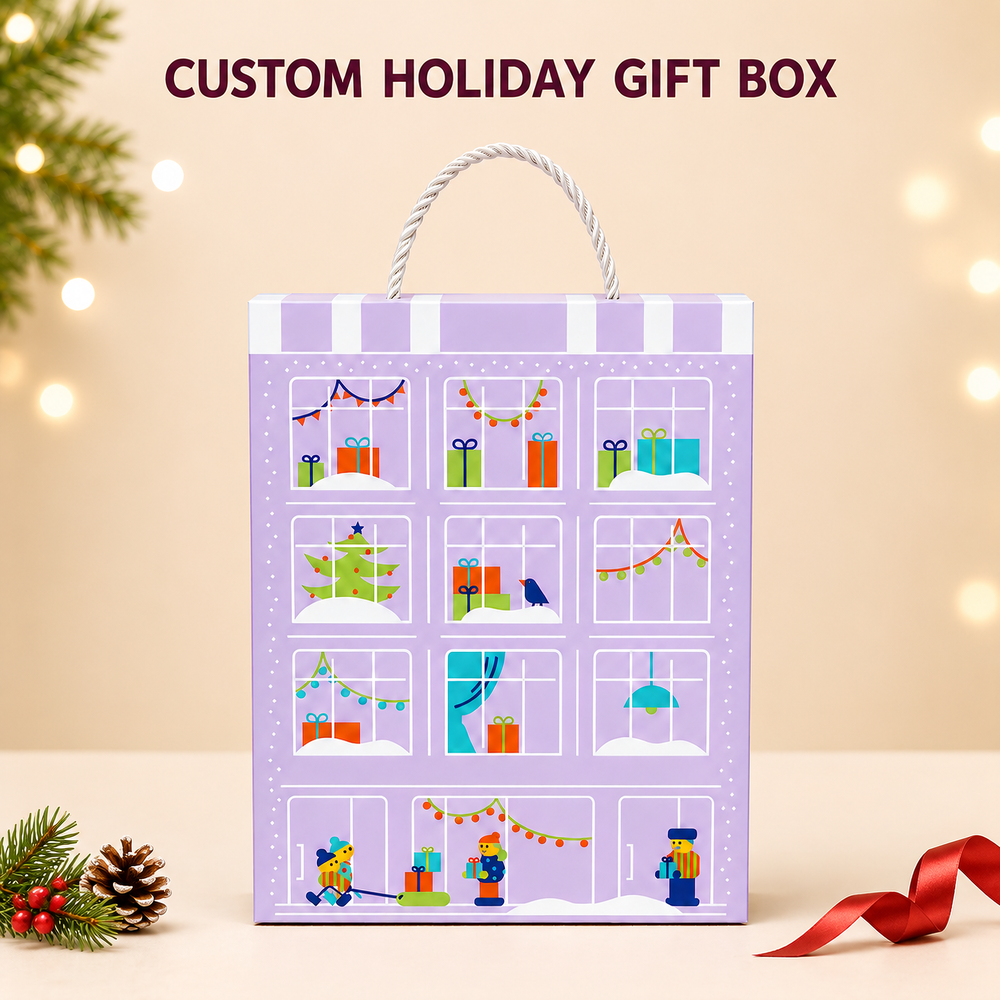
Custom Paper Boxes Rigid Gift Box with Drawers Rope Handle Custom Logo Packaging for Wholesale Bulk Orders Holiday Mystery Box
Best suited to holiday mystery boxes, beauty sets and retail gift programs that need a matching bag-and-box presentation.
Why Austin Brands Are Rethinking Custom OEM Square Bottom Bags
A square bottom bag, also called a block bottom bag, is a paper bag with a folded rectangular base, side gussets and vertical expansion. It can stand unsupported on a shelf or counter, creates printable panels on the front, back and sides, and gives retail staff a fast, stable way to pack coffee, bakery items, candles, apparel, tea, pet treats, cosmetics and event kits. For Austin buyers, the real sourcing question is not simply “who prints paper bags?” It is “which factory can control paper stiffness, bottom-fold memory, handle strength, food-contact materials, color consistency and freight cube together?”
The query custom OEM square bottom bags factories serving the Austin market combines product intent, manufacturing-model intent and local-market intent. A useful page must therefore answer several buying questions at once: what structure suits my product, what paper weight will hold the load, which handle and closure options survive retail use, what MOQ supports a market test, how are food-safe and recyclable claims verified, and what is a realistic production and shipping timeline to Texas? Repeating the keyword without explaining these decisions gives little information gain. A white-paper approach gives Austin buyers a practical decision framework.
Austin’s retail pattern rewards flexibility. Coffee roasters, food halls, farmers markets, South Congress boutiques, DTC skincare brands, university welcome kits, wedding planners, festival activations and corporate gifting teams often prefer small batch OEM production before committing to a full container. A China-based factory can serve this market effectively when it offers low MOQ, free 3D mockups, dieline engineering, photo-based quality reports, export-grade cartons and written lead times. The correct model is transparent factory-direct production with planned logistics — not a vague claim of being a “local Austin factory” when the manufacturing floor is overseas.
From a search-intent perspective, Austin buyers usually move through four stages. First, informational research: paper GSM, food-grade liners, handles, recyclability and print methods. Second, commercial evaluation: MOQ, sample cost, lead time, artwork format and shipping terms. Third, transactional supplier selection: OEM capability, quality management, verification, reviews and reorder reliability. Fourth, local urgency: “near me” searches often mean fast replenishment rather than local manufacturing. The strongest supplier response is a verified factory with low-MOQ sampling, predictable production, buffer-stock planning and a clear route to Austin by express, air or sea freight.
Executive Sourcing Conclusion
For Austin brands, the best OEM square bottom bag factory is not the one with the lowest headline unit price. It is the one that can prove structure engineering, material suitability, food-contact documentation, print consistency, quality inspection and export discipline before the first bulk order ships.
What Adds Trust
TÜV Rheinland onsite verification, 18 years in paper printing, 10+ years of export experience, free 3D mockups, MOQs from 100 pcs on many items, in-house foil stamping and embossing, and documented final inspection with photos and video.
Block Bottom Structure
The folded square base determines standing stability, load distribution and how neatly the bag packs flat before use.
Side Gussets
Gusset depth controls capacity and shelf presence. It must match product width, not just bag height, to avoid distortion.
Paper Weight & Stiffness
Kraft, art paper and food-grade board behave differently. Retail loads usually need 150–250 gsm depending on size, handle and finish.
Handle & Closure
Twisted paper, die-cut, ribbon or cotton handles change comfort, cost and recyclability. Closure style should match packer speed.
Where Square Bottom Bags Fit the Austin Market
Austin’s mix of independent retail, food culture, live events, universities and DTC brands creates demand for bags that work across counter service, shelf display, gifting and takeaway.
Coffee & Tea Roasters
Retail takeaway bags, gift sets and market stalls need stiff paper, clean print and handles that remain comfortable when carrying several items.
Bakeries & Food Halls
Grease-resistant liners, food-safe inks and reinforced bottoms help paper bags handle pastries, breads and takeaway meals without sagging.
DTC & E-Commerce Brands
Brands use printed square bottom bags as part of unboxing, local pickup kits, influencer mailers and pop-up shop packaging.
Boutique Retail
Apparel, candles, jewelry and home goods brands pair square bottom bags with tissue, stickers and rigid boxes for a coordinated retail look.
Farmers Markets & Pop-Ups
Small MOQ runs let Austin makers test designs, paper colors and handle options before scaling to seasonal or event-volume production.
Festivals & Brand Activations
SXSW-style events, ACL-season promotions and local launches benefit from QR codes, bold print and rapidly replenished promotional bags.
Corporate Gifting & Universities
Welcome kits, donor gifts and conference bags often require consistent color across bags, cards, notebooks and rigid gift boxes.
Grocery & Meal Kits
Larger square bottom bags support pantry goods, meal components and retail bundles when board strength and bottom reinforcement are specified.
What Austin Buyers Are Asking for in 2025 and Beyond
These trends are practical procurement signals, not slogan language. Each one affects tooling, material choice, printing, sampling and freight planning.
Small-Batch OEM Testing
Austin brands increasingly start with 100–500 pcs to validate a retail design, then reorder with the same dieline and color standard.
Recyclable Kraft & Paper Handles
Buyers ask for recyclable kraft, water-based inks, paper handles and plastic-free packing where the product load allows.
Food-Safe Documentation
Food-contact paper, barrier liners and ink declarations matter for bakeries and coffee sellers. Ask for test reports rather than relying on adjectives.
QR-Connected Packaging
Printed QR codes connect retail bags to menus, reorder pages, loyalty programs, event schedules and product education.
Freight-Cube Optimization
Flat-packed bags reduce shipping volume. Structural design should balance retail stiffness with efficient export cartons and low damage rates.
Verified Sustainability Claims
Austin buyers are more careful about “eco-friendly” language. Specify material origin, recyclability, handle material, ink type and available certificates.
Square Bottom Bag Specifications at a Glance
Use this table as an early briefing guide. Final paper weight, liner and handle must be confirmed against product weight, packer behavior and a physical sample.
| Application | Typical Paper | Weight / Structure | Finish Options | Buyer Check |
|---|---|---|---|---|
| Coffee & Tea Retail | Kraft paper, white kraft, art paper | 150–210 gsm; reinforced square bottom | Matte lamination, spot UV, foil logo, window patch | Handle comfort, standing stability, food-contact inks |
| Bakery & Takeaway | Food-grade kraft, grease-resistant liner | 120–180 gsm plus barrier | Water-based ink, simple logo, grease barrier | Grease resistance, bottom strength, packer speed |
| Boutique Apparel | Art paper, specialty paper, kraft | 157–210 gsm; ribbon or paper handle | Soft-touch, embossing, hot stamping, cotton handle | Color accuracy, handle pull strength, folding memory |
| Luxury Gift Sets | Art paper, textured paper, board-reinforced paper | 210–250 gsm; rigid base insert available | Foil, blind emboss, spot UV, ribbon, custom tissue | Premium hand feel, set matching, export protection |
| Event & Promotional | Kraft or art paper | 128–200 gsm; medium gusset | Digital print, QR code, vivid CMYK, short-run | Event deadline, color vibrancy, reorder speed |
| Grocery & Meal Kit | Strong kraft, recycled board | 170–250 gsm; reinforced bottom board | Flexo or offset print, matte finish, paper handle | Load rating, handle fatigue, humidity exposure |
Information gain note: a square bottom bag is a structural purchase, not just a printed surface. The dieline, gusset, bottom board and handle attachment often determine whether an Austin buyer receives a premium bag or a costly reprint.
How to Compare Custom OEM Square Bottom Bag Factories
Use the same six filters when comparing quotes from overseas factories, trading companies or regional distributors. The lowest sample price is rarely the lowest delivered-cost decision.
Factory Identity & Verification
Confirm whether the supplier owns production, finishing and QC. Independent onsite verification reduces the risk of hidden subcontracting.
Structure Engineering
Ask for a dieline, 3D mockup and physical sample. The factory should challenge unrealistic bag height, gusset depth or handle placement.
Material & Food-Contact Proof
Request paper grade, GSM, liner specification, ink declaration and available test reports. “Eco-friendly” without documentation is not a specification.
Print & Finishing Control
Check color approval, foil registration, embossing depth, lamination quality and whether matching cards or labels are produced under one roof.
QC & Shipping Tests
Review first-article approval, inline checks, AQL inspection, handle-pull tests, drop tests and export carton protection against humidity and compression.
Reorder Discipline
Ask how artwork, dielines, paper batches and color standards are stored. Austin brands need consistent second and third orders, not just a strong first sample.
A Verified OEM Factory Serving the Austin Market
Fuzhou Buba Printing Co., Ltd. is a TÜV Rheinland onsite-verified custom manufacturer of paper packaging and commercial print. We do not pretend to operate a local Austin factory. Instead, we give Austin buyers transparent factory-direct manufacturing, low-MOQ sampling and export experience built over more than a decade.
TÜV Rheinland Onsite Verification
Premises, legal status and production capability verified onsite, supporting a more reliable supplier due-diligence process.
18 Years of Paper Experience
Structural design, prepress, offset and digital printing, foil stamping, embossing, lamination, die-cutting and hand assembly under one roof.
Free Structure & 3D Mockup
Approve the dieline, artwork position and finishing visually before paying for a physical pre-production sample.
Low MOQ, OEM & ODM
Start from 50–100 pcs on many products to test a market, then scale to bulk runs without changing the supplier workflow.
Recyclable & Paper-Based Options
Recyclable kraft and corrugated board, paper inserts instead of plastic, water-based inks and plastic-free tear-strip options where suitable.
Export-Ready Logistics
Export-grade cartons, flat-packing to reduce freight, and coordination for sea, air or express delivery to Austin and Texas.
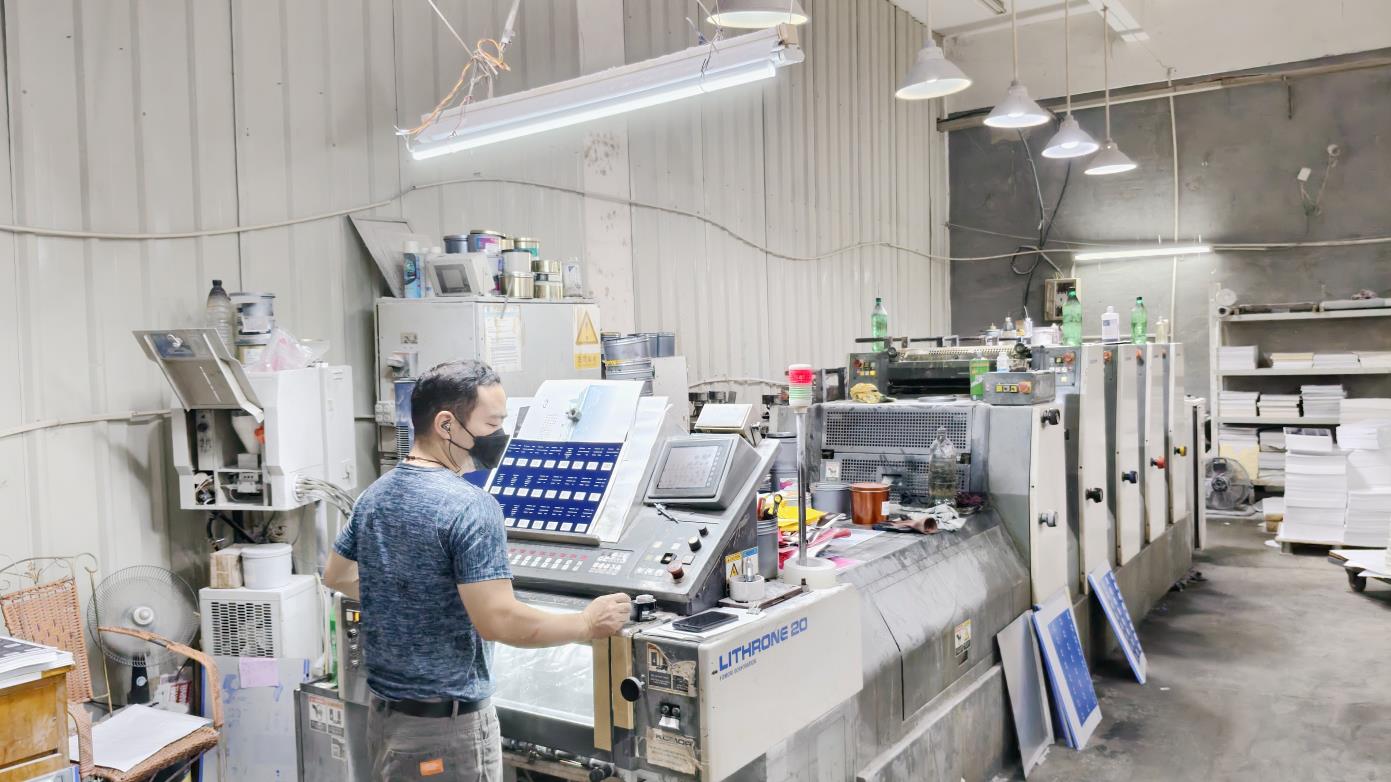
Printing workshop
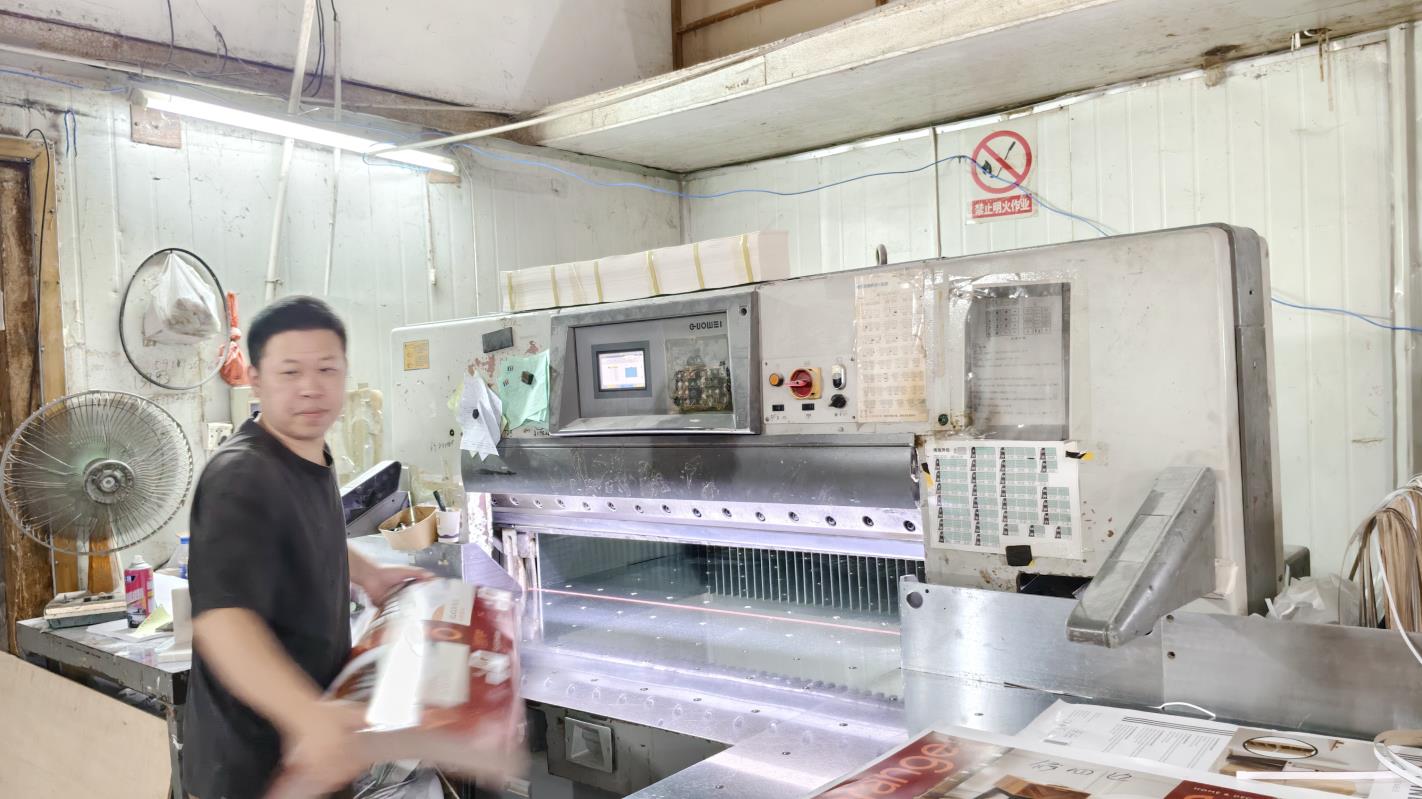
Production equipment
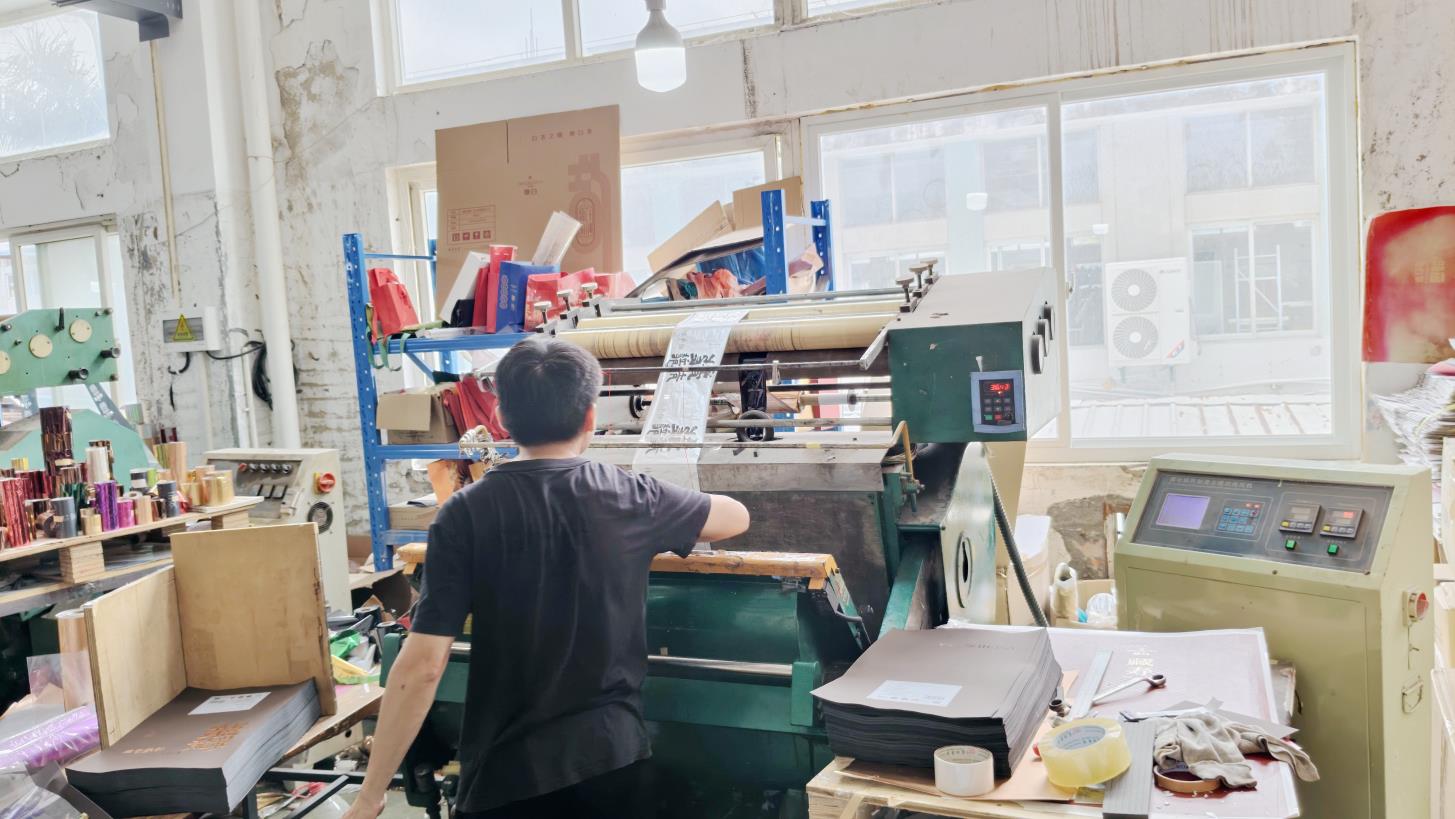
Finishing line
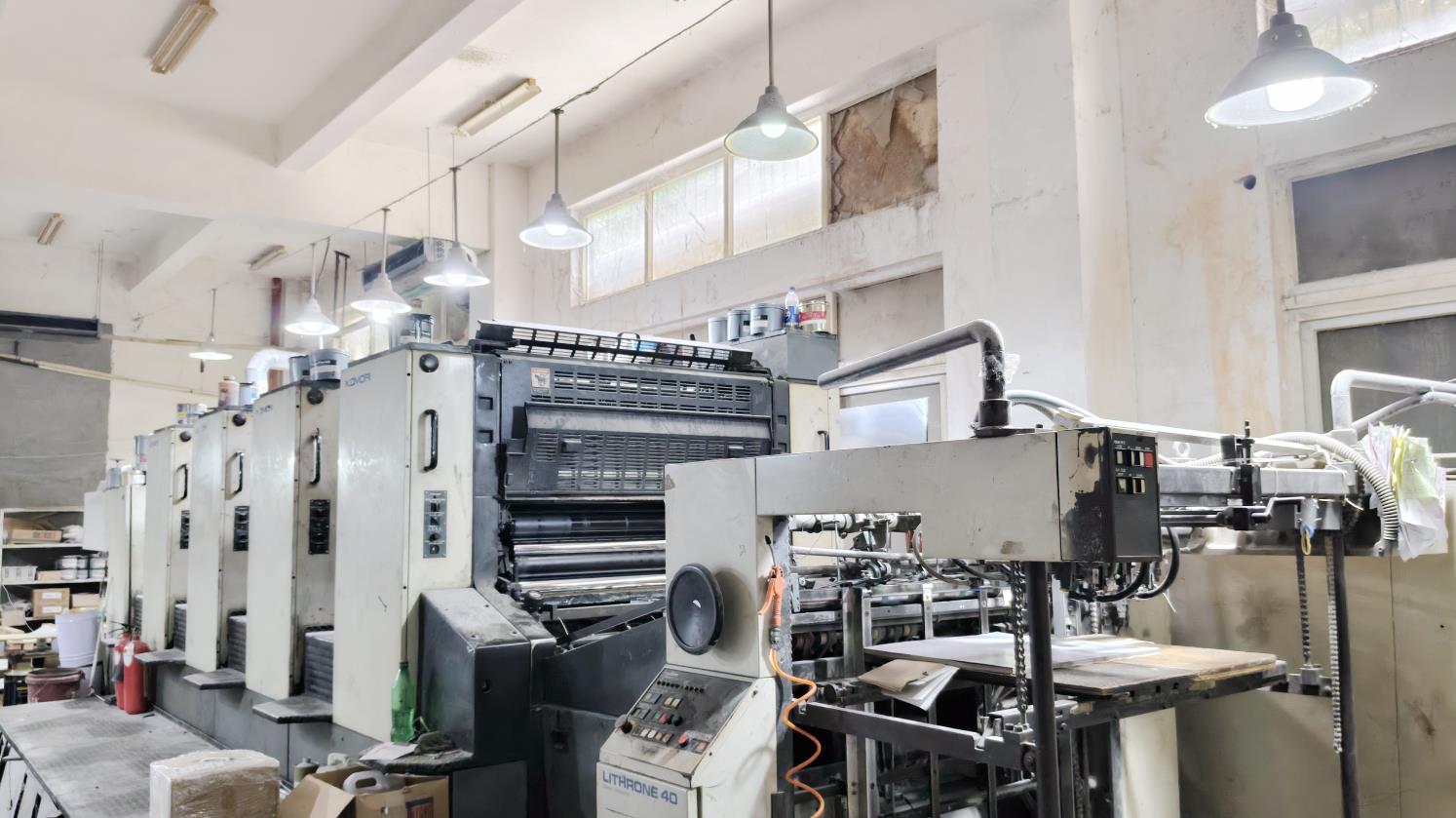
Quality inspection

Third-party verified: TÜV Rheinland onsite verification, quality-management certification, onsite material inspection and custom-manufacturer status support buyer confidence for Austin-bound OEM paper bag orders.
From Austin Brief to Factory Shipment
A transparent six-step process keeps square bottom bag projects measurable from dieline approval to final inspection.
Brief & Dieline
Share bag size, gusset, bottom style, paper weight, handle, print artwork, target quantity and product weight.
Free 3D Mockup
Approve structure, artwork placement and finishing in a rendered mockup before sampling.
Pre-Production Sample
A physical sample confirms paper stiffness, color, handle strength and bottom-fold performance.
Mass Production
Printing, lamination, foil, die-cutting and assembly run with inline color control.
Final Inspection
AQL checks, handle-pull review, packing verification and photo/video reporting before shipment.
Global Shipping
Export cartons and sea, air or express delivery options coordinated for the Austin market.
Common Questions About OEM Square Bottom Bags
These answers focus on the procurement details Austin buyers ask most often when comparing custom bag factories.
Can a China-based OEM factory serve Austin buyers without a local warehouse?
Yes, but the operating model matters. Factory-direct production works best when Austin buyers plan a first sample, approve a physical pre-production unit, then allow enough lead time for production plus freight. For fast-moving retail programs, keep a buffer stock or schedule repeat orders before the current batch runs out. The factory should provide export cartons, packing lists and photo reports so the shipment is predictable.
What MOQ is realistic for a square bottom bag test in Austin?
On many custom packaging items, Buba starts from 100 pcs; some notebooks start from 50 pcs, while labels, hang tags and certain print items may start from 200–1,000 pcs depending on size and finishing. Square bottom bag MOQ depends on structure, paper, print method and handle. Share the intended use and target quantity for a practical recommendation.
How long do samples and mass production take?
Typical lead time is 3–7 working days for pre-production samples and 10–20 working days for mass production after sample approval. Complex rigid boxes, specialty paper bags or large book runs may need longer. Shipping to Austin is additional and depends on express, air or sea freight. Every order should confirm the schedule in writing.
Can you make food-safe bags for Austin coffee and bakery shops?
Food-safe paper, suitable inks and barrier liners can be specified for food packaging projects. The correct option depends on whether the bag contacts the food directly, whether grease resistance is needed and how long the product stays inside. Ask for material declarations and available test reports, and approve a physical sample with the actual food product.
Are recyclable or compostable square bottom bags available?
Recyclable kraft and paper-based options, paper handles, water-based inks and plastic-free packing are available where the load and barrier requirements allow. Compostability should not be assumed from “eco” wording; it requires a certified material and an appropriate disposal environment. Specify the claim you intend to print and ask the factory for evidence before using it on retail packaging.
Which artwork formats should Austin buyers send?
Vector AI, PDF or EPS files in CMYK with 3 mm bleed and outlined fonts are preferred. High-resolution PSD or TIFF files at 300 dpi are also accepted. Pantone colors can be matched on request. For square bottom bags, artwork must follow the dieline, especially around the bottom fold, gusset and handle area.
How is quality controlled before shipment to Texas?
A robust workflow includes incoming material checks, first-article approval, inline color checks, handle-pull and bottom-strength review, final AQL inspection and packing verification. Photo and video reports help Austin buyers review the order before freight is released. Dielines and approved color standards should be stored for future reorders.
What should Austin buyers prepare for a fast square bottom bag quote?
Prepare the bag width, height and gusset; bottom style; paper preference and GSM; handle type; print colors; finishing such as foil, embossing, matte lamination or spot UV; target quantity; product weight; delivery city and required date. If artwork is not ready, a reference image and logo are enough to start the structure recommendation and free 3D mockup process.
Request an Austin-Ready OEM Square Bottom Bag Quote
Send your bag size, paper weight, handle preference, print artwork and target quantity. Our team will recommend a structure, confirm MOQ and prepare a free 3D mockup before sampling.
Factory-direct OEM project support · TÜV Rheinland onsite-verified · Free 3D mockup · MOQs from 100 pcs on many items