Custom OEM Embossed Clothing Hang Tag Factories & Suppliers in the Glasgow Market
Factory-direct embossed hang tags for Glasgow boutiques, streetwear labels, knitwear brands, hospitality uniforms and retail groups — engineered for tactile brand impact, damp storage conditions and repeatable colour.
Eight Custom Print & Packaging Products for Glasgow Brand Launches
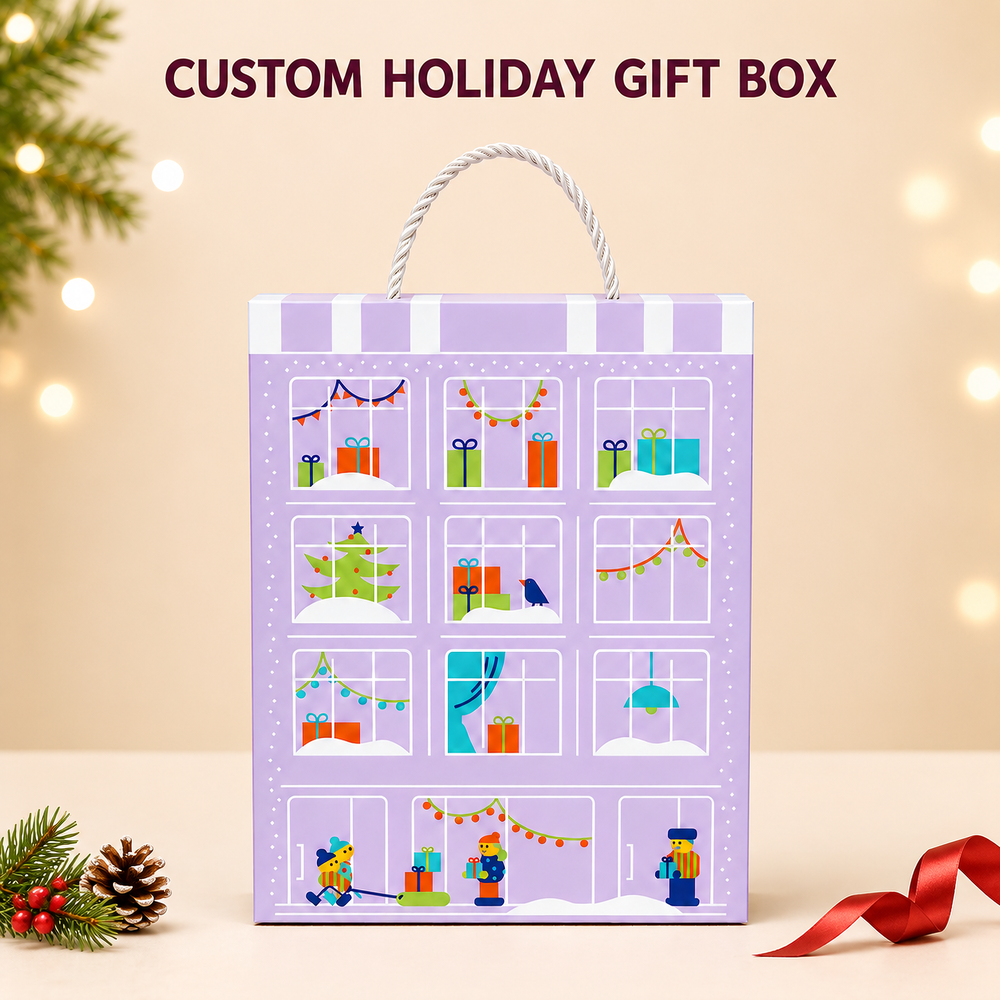
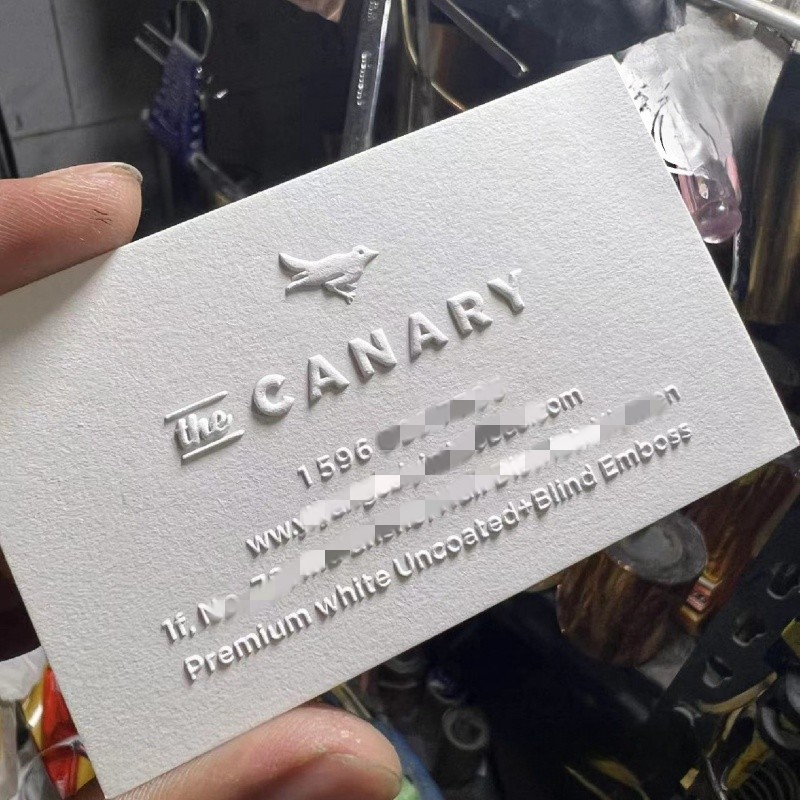
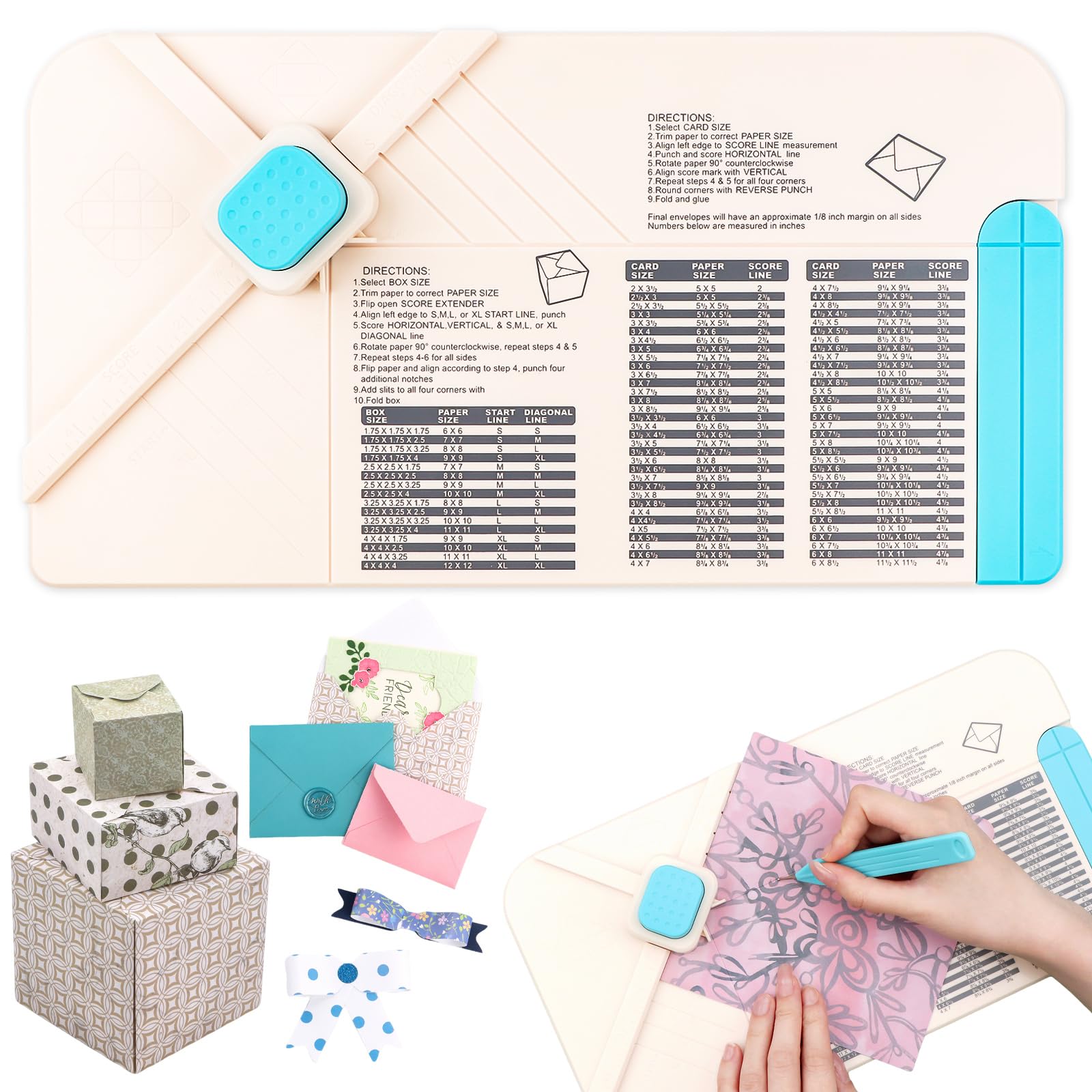
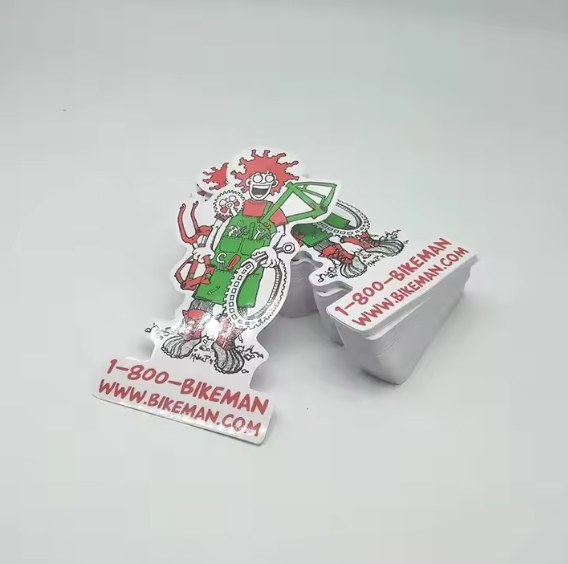
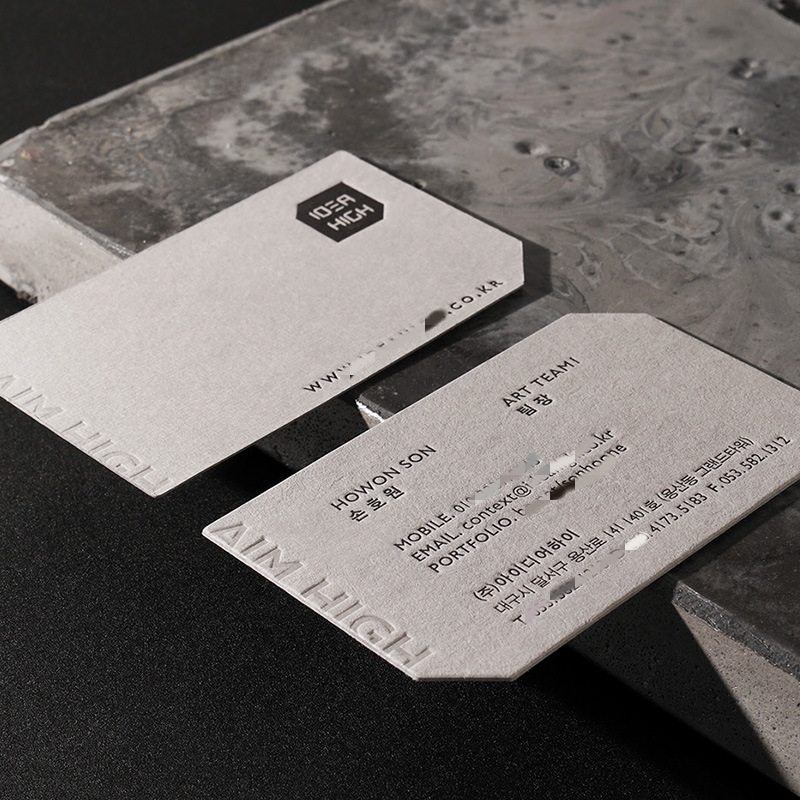
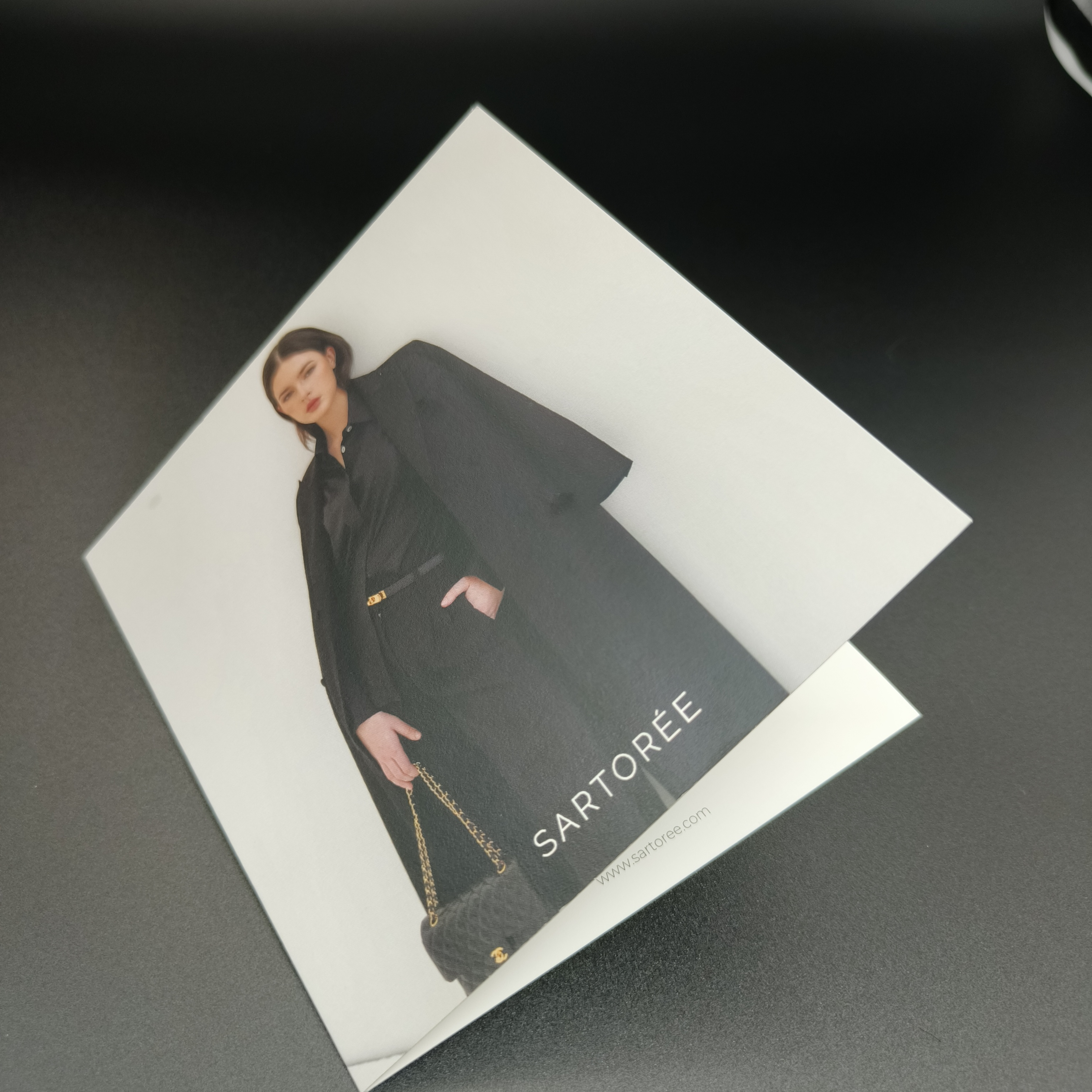
The eight products below are not generic catalogue fillers. They are companion items Glasgow fashion, hospitality and retail buyers frequently order alongside OEM embossed clothing hang tags: showroom business cards, rigid gift boxes, launch invitation brochures, VIP envelope kits, corporate desk calendars, campaign sticker bundles, cotton-paper press cards and small-quantity thank-you cards.


What Glasgow Buyers Really Need to Know Before Sourcing OEM Embossed Hang Tags
The keyword “custom OEM embossed clothing hang tag factories & suppliers in the Glasgow market” contains several buying jobs at once. A useful supplier page must separate them instead of treating every buyer as identical.
Search intent is not one job
Some Glasgow buyers need 200 luxury tags for a boutique launch; others need 20,000 tags with blind deboss, foil, variable QR codes and matching boxes. A local printer can be right for a same-day emergency. An OEM factory is usually stronger for custom embossing, repeatable colour and lower unit costs at volume. Define the job first, then compare suppliers on the same brief.
Local speed vs OEM scale
A Glasgow city print shop may offer hand delivery and face-to-face proofs. Buba is transparent: we are a China-based OEM factory, not a Glasgow local supplier. Our advantage is factory-direct customization, in-house finishing, free 3D mockups, TÜV Rheinland onsite verification and export experience. Choose local for urgent micro-runs; choose Buba when specification control and landed cost at scale matter.
Glasgow moisture and storage
Tags move from a warm print room to a damp stockroom, then onto a garment in a heated shop. For premium and outdoor use, specify 600–800 gsm board where appropriate, matte aqueous varnish or lamination on both sides, a reinforced eyelet and a string tested for knot slip. This is a starting point, not a universal rule — confirm it with your retail buyer and packaging technologist.
Total landed cost and risk
Compare quotes on delivered cost, not unit price: paper, embossing, foil, eyelets, string, proofing, export cartons, freight, duties, VAT and replacement risk. Ask for AQL, photo reports, carton dimensions and a pre-production sample. A cheap tag that curls, misregisters or breaks at the eyelet is more expensive than a correctly specified one.
Where Embossed Clothing Hang Tags Work Hardest in Glasgow
Glasgow is not a single retail market. Luxury boutiques, independent streetwear, Scottish knitwear and hospitality uniforms place different demands on paper weight, emboss depth, string, barcode and finish.
Luxury retail around Buchanan Street & Princes Square
Premium boutiques need quiet, tactile branding: deep blind deboss, a small gold-foil logo, black cotton paper, a thick edge and a reinforced eyelet. Keep barcodes and care information on the reverse so the front remains a brand object. The tag should feel substantial in the hand without snagging fine knitwear.
Independent streetwear in Finnieston, West End & Merchant City
Drop-led labels often order small batches, then replenish. A 3D embossed logo, spot UV, serial numbering and a QR code can make a low-cost tag feel collectible. Coloured paper string, custom die-cut shapes and matte black board help a launch stand out. Freeze the QR destination before print so the tag does not point to an expired campaign.
Scottish knitwear, outdoor & weatherwear
For garments sold in or near Glasgow, tag durability matters. Specify a heavier board, matte lamination or aqueous varnish, a reinforced eyelet and a string that resists knot slip. Include care symbols and fibre content on the reverse. If the tag will hang on wool or technical fabric, confirm that edges are clean and the attachment does not snag.
Hospitality, distilleries, events & uniforms
Hotels, venues and visitor experiences use hang tags as part of uniform, gift and provenance programmes. Offset CMYK, matte varnish, variable numbering and matching thank-you cards create a coherent guest touchpoint. For retail sale, add barcode, product code and care text; for VIP gifts, blind deboss and foil usually carry more prestige than heavy four-colour print.
Glasgow Retail & Fashion Trends Influencing Hang Tag Specifications
A hang tag is a small object, but it sits at the intersection of brand positioning, sustainability claims, retail operations and digital traceability. These four trends are shaping briefs from Glasgow buyers.
Quiet luxury and tactile minimalism
Blind embossing, debossing and letterpress-style impressions are replacing loud print in premium apparel. Buyers want the brand mark to be felt before it is read. The risk is inconsistent emboss depth, so approve a physical sample under raking light and confirm the die, paper and pressure together.
Sustainability evidence, not slogans
Glasgow buyers increasingly ask for recyclable board, paper string, plastic-free attachments and water-based inks. If an FSC-certified stock is required, request documentation before the order is placed. Avoid unsupported “eco” claims on the tag itself; use specific, verifiable wording approved by your legal and retail teams.
Small-batch replenishment
Independent labels and pop-up retail favour lower first orders with reliable reorders. Hang tags and labels commonly start from around 200 pcs depending on size and finishing, while many packaging items start from 100 pcs. Use the first run to test colour, string and eyelet performance, then repeat the approved specification.
QR codes and digital provenance
QR codes can link to care instructions, provenance stories, resale platforms or authentication pages. Keep essential human-readable information on the tag in case a scan fails. Test the final printed code on the actual stock and finish, not just on screen, and confirm data-privacy ownership before the artwork is released.
Recommended OEM Embossed Hang Tag Specifications for Glasgow Buyers
Use this as a briefing table, not a universal standard. Final paper weight, emboss depth, attachment and barcode placement should be confirmed with your retail buyer, packaging technologist and import broker.
| Glasgow use case | Recommended stock & size | Finishing direction | What to specify locally |
|---|---|---|---|
| Luxury boutique | 600–800 gsm black cotton or textured art card; 50 × 90 mm or 60 × 120 mm | Blind deboss, gold foil, thick edge, reinforced eyelet, cotton or paper string | Approve emboss depth under raking light; test eyelet pull; keep barcode and care text on reverse; matte both sides for damp handling. |
| Streetwear drop | 450–600 gsm uncoated board; 55 × 90 mm or custom die-cut shape | 3D emboss, spot UV, variable QR, serial numbering, coloured paper string | Freeze QR destination before print; confirm scan grade; test string colourfastness; match launch packaging and thank-you card. |
| Knitwear & outdoor | 500–800 gsm coated board or durable alternative where retail buyer permits; 40 × 80 mm | Matte lamination, blind emboss, care symbols, reinforced eyelet | State damp-storage and travel conditions; check edge smoothness for wool; test attachment for snagging and knot slip. |
| Hospitality & uniforms | 350–600 gsm C1S or recycled kraft; 54 × 90 mm | Offset CMYK, matte varnish, numbering, barcode or staff code | Match brand colour under warm shop lighting; allow 3 mm bleed; test QR/barcode; agree replacement policy for damaged tags. |
Tip: for Glasgow-market retail, ask for a delivered-cost comparison that separates goods, freight, duties and VAT. The lowest ex-works tag price is rarely the lowest landed cost.
Fuzhou Buba Printing: The Factory Advantages Behind the Tags
Buba is a Chinese OEM manufacturer, and we state that plainly. The advantage for Glasgow buyers is control: 18 years in paper printing, a 2,300 m² production floor, TÜV Rheinland onsite verification, quality-management processes, in-house finishing and more than 10 years of export experience.
TÜV Rheinland onsite-verified
Premises, legal status and production capability have been verified onsite by TÜV Rheinland — independent evidence Glasgow buyers can review before committing to a trial order.
18 years & 2,300 m²
Long-term paper-printing experience and a substantial production floor support consistent output across embossed tags, cards, boxes, bags, labels and commercial print.
Free dielines & 3D mockups
Our in-house design team provides dielines and a free 3D mockup so you can approve structure, artwork position and finishing before paying for a physical sample.
In-house premium finishing
Hot foil, blind and 3D embossing, spot UV, soft-touch and holographic lamination, letterpress, die-cutting and hand assembly are handled under one accountable roof.
Quality control & AQL checks
Incoming material inspection, first-article approval, inline colour checks and final AQL inspection with photo reports reduce the risk of eyelet, registration and count failures.
Low MOQ & export packing
Many packaging items start from 100 pcs; hang tags and labels often start from around 200 pcs depending on size and finish. Export-grade cartons are packed for sea, air or express delivery to Glasgow.
From Glasgow Brief to Delivered Cartons: The Hang Tag Process
A clear sign-off at each stage is more valuable than a rushed quotation. This six-step workflow keeps embossed hang tags, matching cards and packaging aligned.
Brief & dieline
Share size, garment type, paper preference, finishing, string, eyelet, barcode/QR, quantity and Glasgow delivery postcode.
Free 3D mockup
Approve a rendered mockup with exact artwork placement, front/back information hierarchy and finishing direction.
Pre-production sample
Check emboss depth, foil coverage, colour, eyelet security and string knot under realistic lighting and handling.
Mass production
Printing, embossing, die-cutting and assembly run with inline checks and an approved reference sample.
Final inspection
AQL check, barcode scan, count verification and photo/video report are completed before export packing.
Global shipping
Export cartons are packed for sea, air or express. The buyer confirms Incoterms, duties, VAT and customs broker arrangements.
What Separates a Good Embossed Hang Tag from a Costly Rework
Embossing is a tactile finish, but it is also a manufacturing variable. Glasgow buyers should ask for evidence of these four checks before mass production is released.
Emboss depth under raking light
Approve the physical sample at an angle, not only under direct light. Check whether the logo edge is crisp, whether the reverse is distorted and whether the impression remains visible across the full production sheet.
Registration & foil coverage
For combined emboss and foil, confirm that the foil sits within the embossed area without halo, patchiness or fill-in. Ask for a production reference and check registration at the smallest text size in the artwork.
Eyelet & string security
Test eyelet pull, string knot slip and abrasion. For knitwear and outdoor garments, a polished eyelet and a clean die-cut hole matter as much as the visual print. Specify the attachment type and replacement policy clearly.
Barcode, QR & count accuracy
Scan the final printed code on the actual stock and finish. Confirm carton counts, pack configuration and SKU separation. Retail penalties can outweigh the value of a small tag order, so make final inspection data part of your approval.
Inside the Factory: Evidence Before You Commit
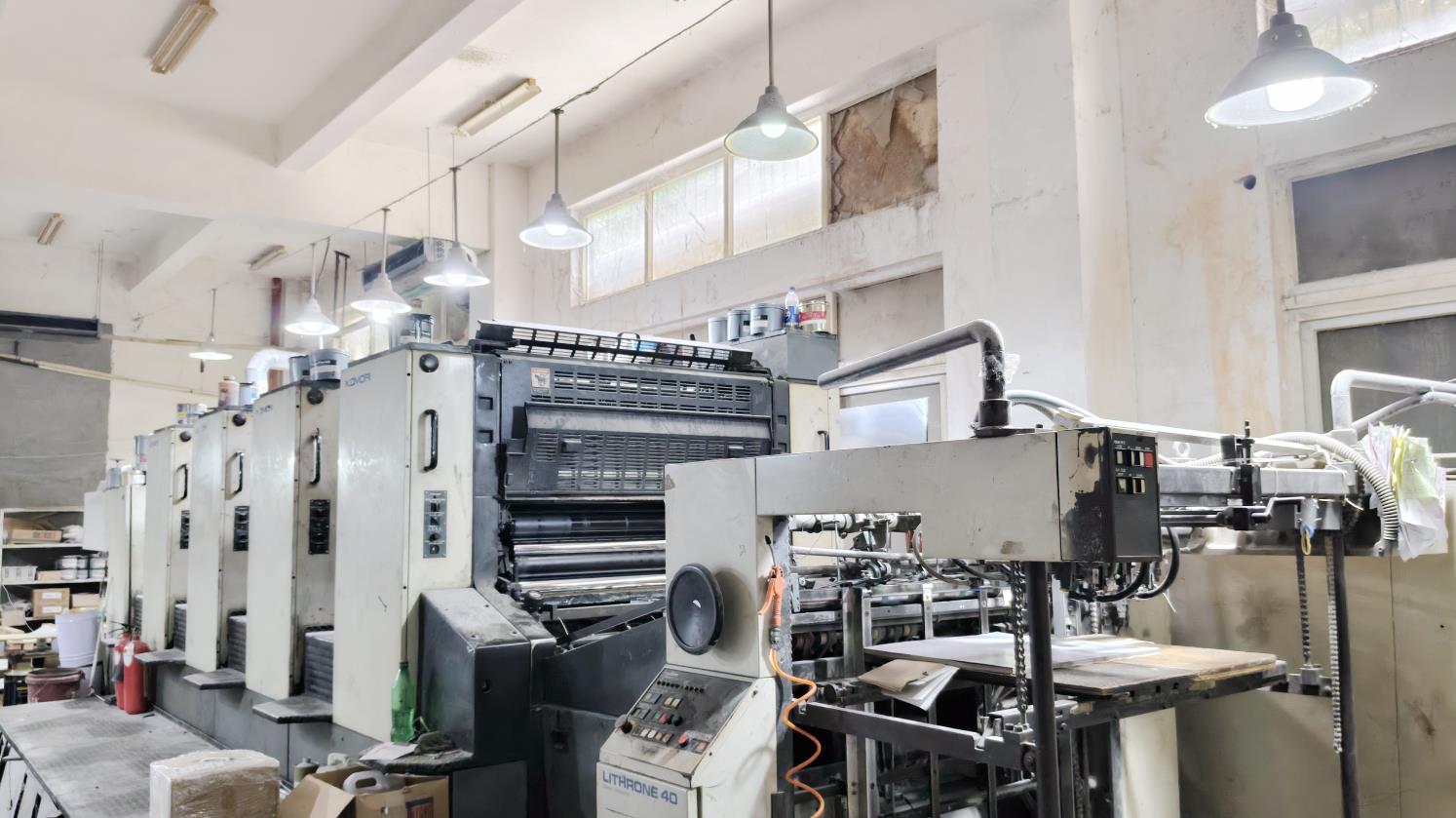
Real workshop images from the original company profile help Glasgow buyers assess production capability, finishing control and export packing before requesting samples.
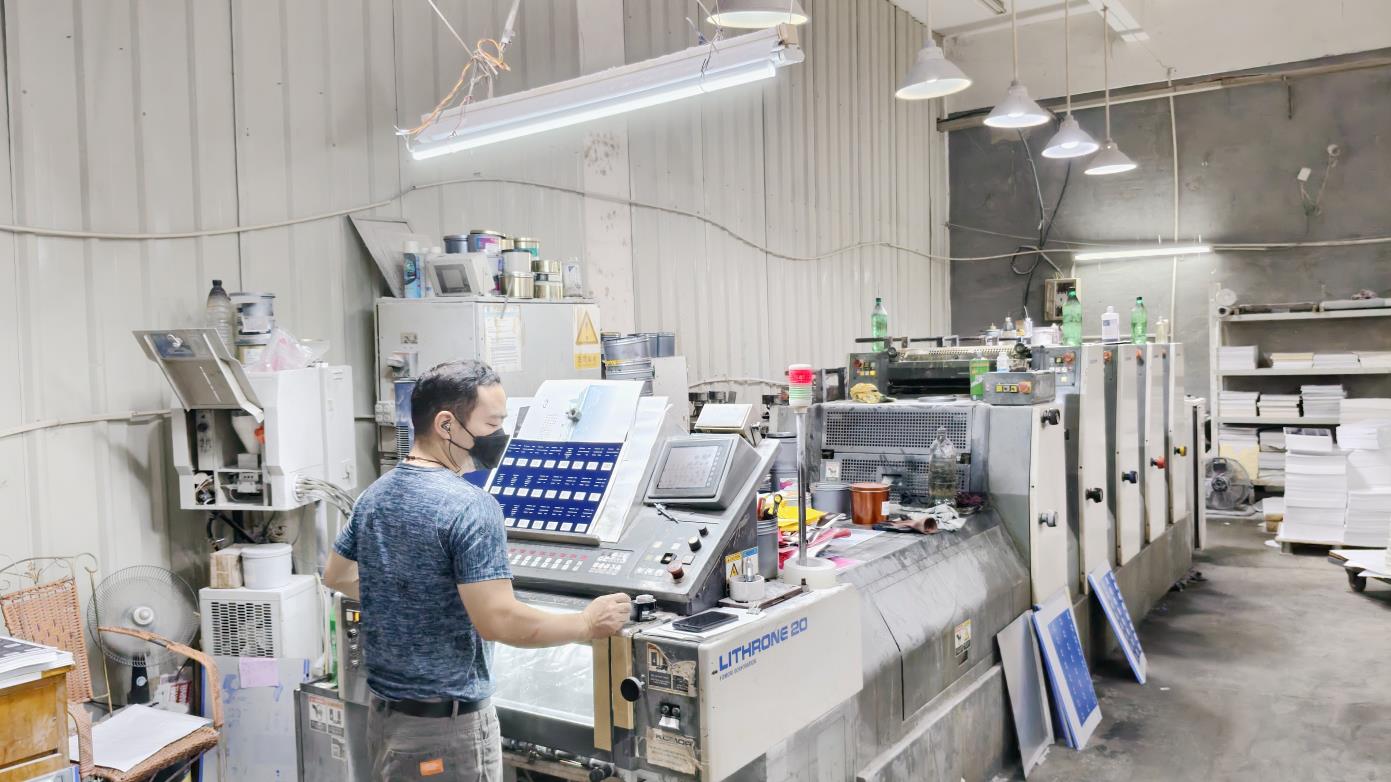
Printing workshop
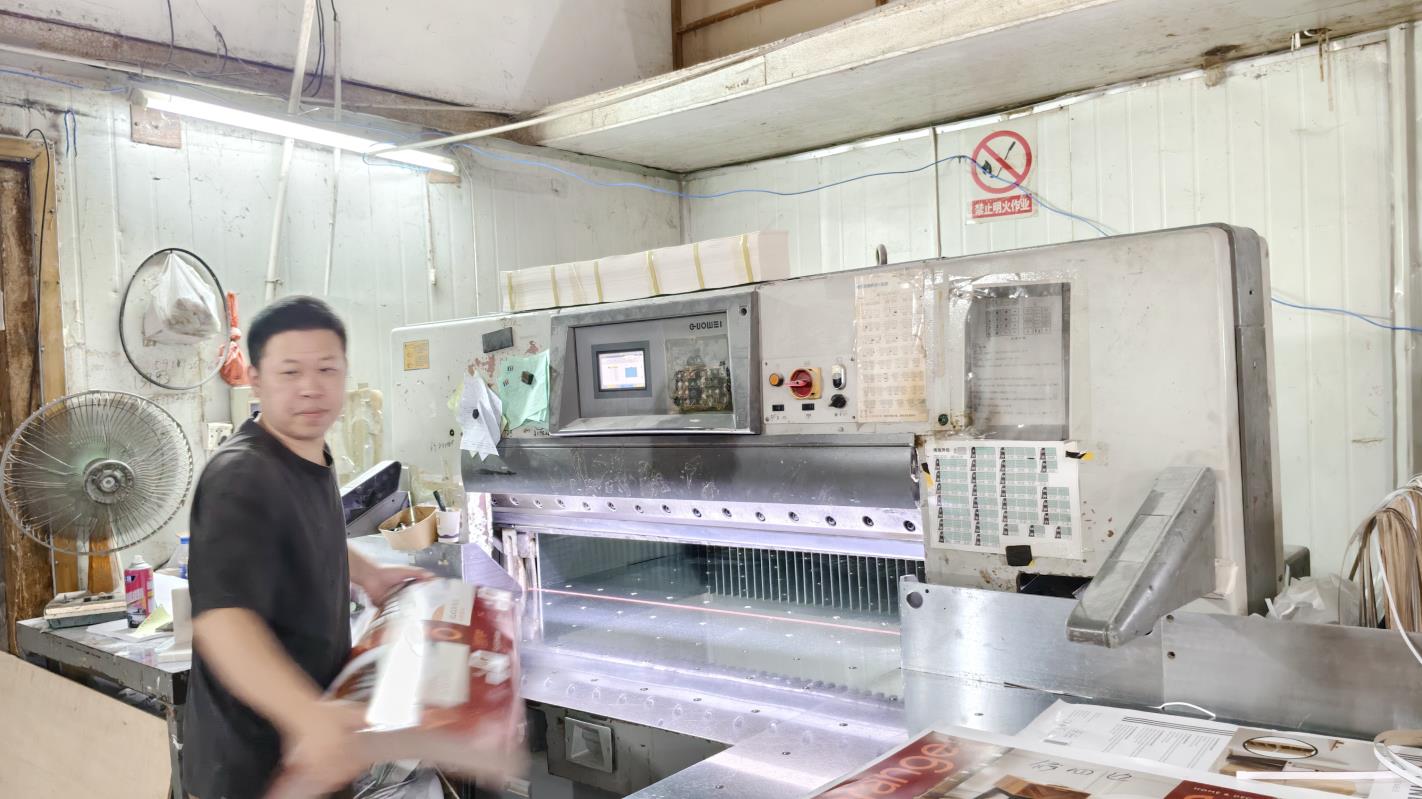
Production equipment
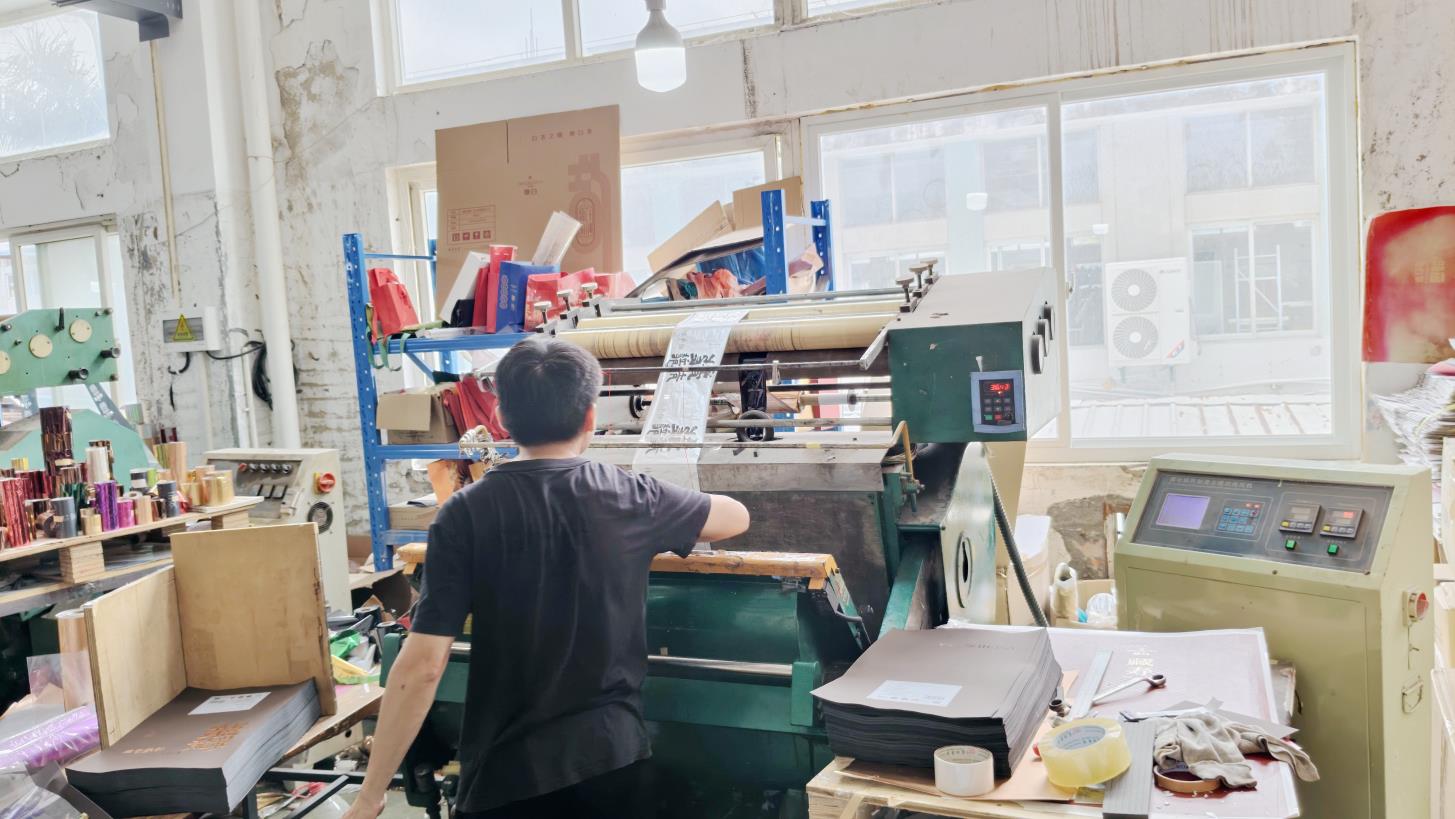
Finishing line
Quality inspection
Frequently Asked Questions for Glasgow Buyers
Can a Glasgow business order OEM embossed hang tags directly from a Chinese factory?
Yes. Many Glasgow brands and distributors source custom hang tags factory-direct. The practical requirements are a clear specification, an approved pre-production sample, a confirmed Incoterm, a customs broker where needed and realistic lead times. Buba provides dielines and a free 3D mockup before sampling, so the discussion starts with structure and finishing rather than a vague price per tag.
What is the minimum order quantity for embossed clothing hang tags?
Hang tags and labels commonly start from around 200 pcs depending on size, paper, emboss complexity and finishing. Many packaging items start from 100 pcs. Final MOQ is confirmed in writing because a tag with multiple finishes, variable QR codes or special string can differ from a plain printed tag. If you need a smaller trial, ask for a sample-based quotation.
How long do samples and mass production take?
Typical lead time is 3–7 working days for pre-production samples and 10–20 working days for mass production after sample approval. Complex rigid boxes, multi-level embossing or large book runs may need longer. Shipping to Glasgow is additional: express is often faster, while sea freight costs less for larger cartons. Confirm the schedule in writing before artwork release.
How do you ship to Glasgow, and who handles customs?
We pack export cartons and support sea, air or express shipment according to the agreed Incoterm. The buyer usually needs to confirm duties, VAT and customs clearance arrangements with their broker unless a delivered-duty quotation has been agreed in writing. Share your Glasgow delivery postcode early so freight options and carton dimensions can be quoted accurately.
Which paper stocks are best for Glasgow’s damp climate?
There is no single answer for every garment. For premium retail and outdoor use, many buyers specify 600–800 gsm board, matte aqueous varnish or lamination on both sides, a reinforced eyelet and a string tested for knot slip. If the tag will be stored in a damp stockroom, test the approved sample before mass production. Lighter uncoated tags can be perfectly suitable for short-lived promotions.
Can you combine embossing, foil, QR codes and variable numbering?
Combination finishing is possible, but the artwork must be engineered for registration. Keep the smallest text large enough for production, separate foil and emboss areas where needed, and provide the QR payload before print. Variable data requires a fixed data file and approval of the scan result on the final stock. Ask for a physical sample that includes every finish in the final combination.
Which artwork files do you need for embossed hang tags?
We prefer vector AI, PDF or EPS files in CMYK with 3 mm bleed and outlined fonts. High-resolution PSD or TIFF files at 300 dpi are also accepted. Pantone colours can be matched on request. For embossing, provide a separate named layer or spot colour indicating the emboss/deboss area; for foil, include a foil layer with the exact areas marked.
Do you offer sustainable hang tags and matching packaging?
Yes. Recyclable kraft and board, paper-based inserts instead of plastic, water-based inks and plastic-free attachment options can be quoted. If an FSC-certified stock is required, request documentation before the order is placed so the correct material is specified. Buba can also produce matching cards, rigid boxes, paper bags, labels and catalogs for a coordinated retail launch.
Are you a Glasgow local supplier, and how should I compare quotes?
Buba is a China-based OEM factory serving the Glasgow market, not a Glasgow city print shop. For urgent same-day or hand-delivered micro-runs, a local Glasgow printer may be the better tool. For custom embossing, low MOQ factory production, free 3D mockups and export packing, compare Buba on delivered cost, AQL, sample approval, replacement policy and lead time — not unit price alone.
Ready to Source OEM Embossed Clothing Hang Tags for Glasgow?
Send your tag size, garment type, paper preference, emboss/foil areas, eyelet and string choice, barcode or QR requirement, estimated quantity and Glasgow delivery postcode. Our team will review the brief, recommend a production route and prepare the next step for sampling.