8 Retail Print & Packaging Products Sourced With Ribbon Handle Bag Programmes
Canadian buyers often build a complete retail presentation instead of ordering a single bag style. These eight factory-made products are frequently quoted alongside ribbon handle bags for boutiques, gifting, hospitality and brand campaigns. Each product link is preserved for direct specification review.
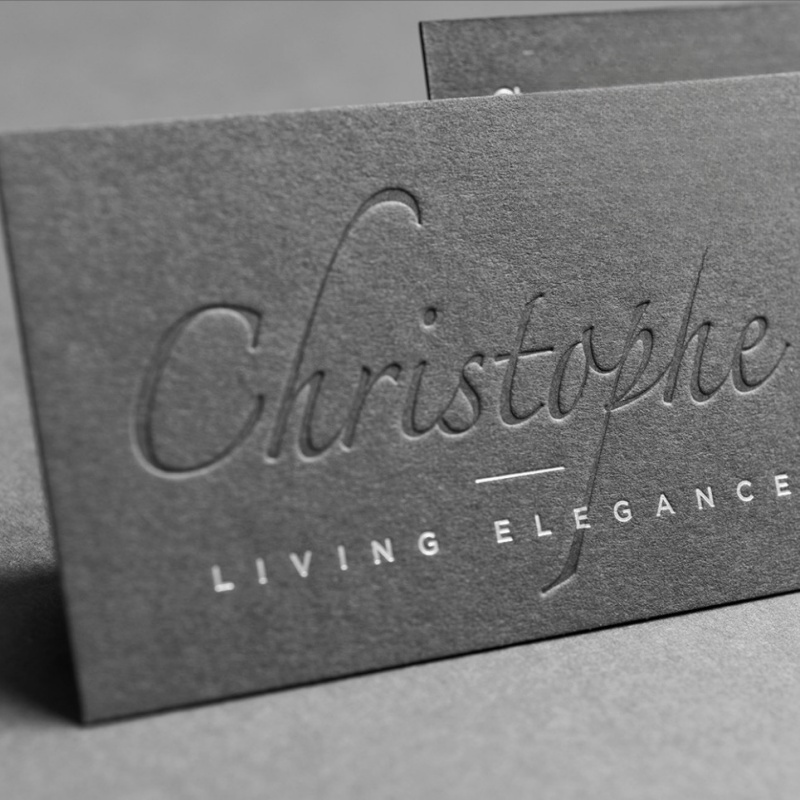
Custom Wholesale Custom Printing Service for Thick Business Cards Luxury Centurion Card Business Cards With Logo
View product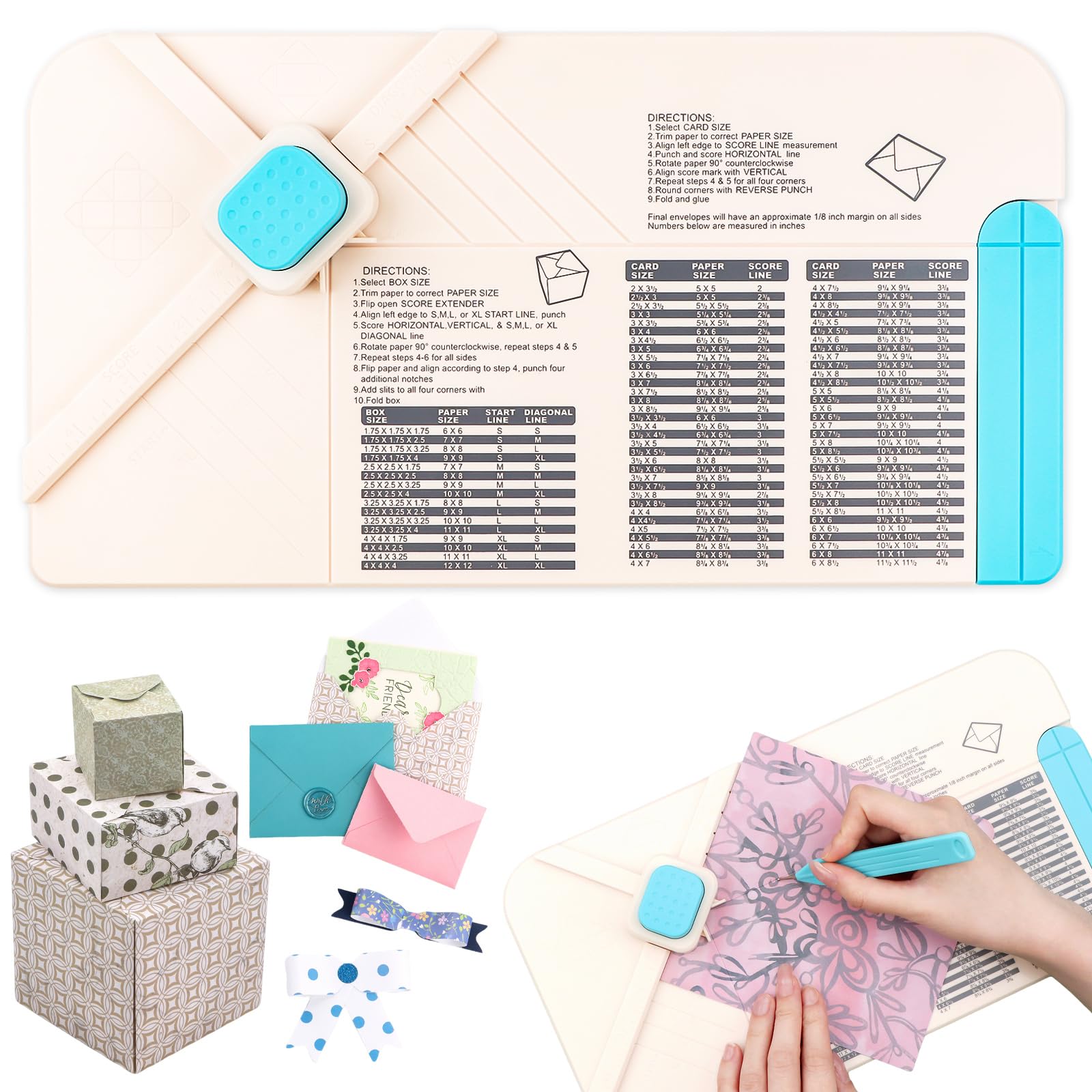
Custom Envelopes, Boxes, and Bows, All-in-one Envelopes Scribe Punches Board with Indentation Pen, Use with Cardstock
View product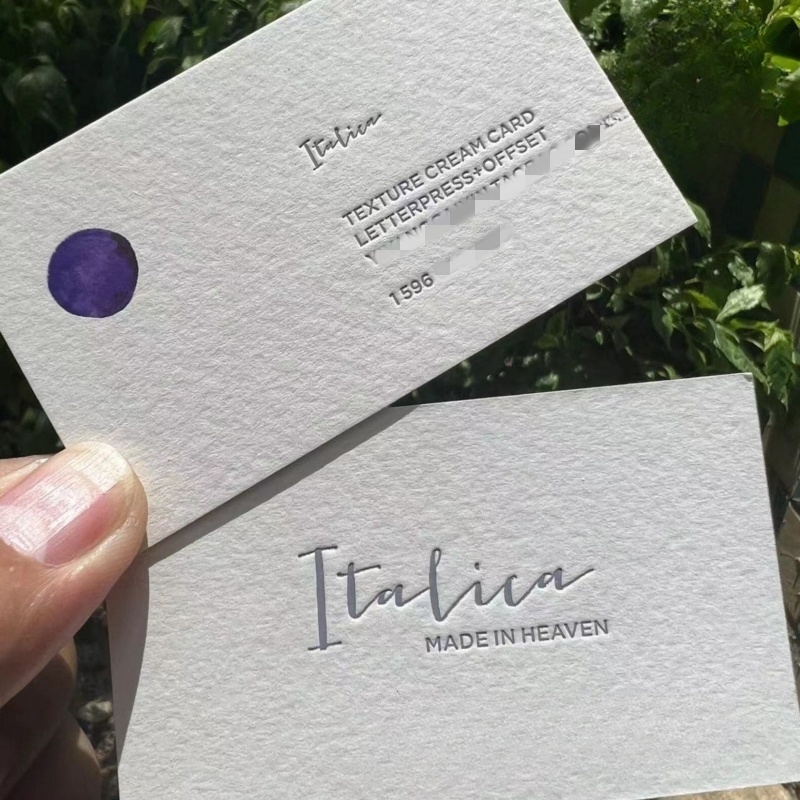
Customized White Kraft Paper Greeting Cards Business Card Offset Paper Hot Stamping for Wedding Invitations Thank You Messages
View product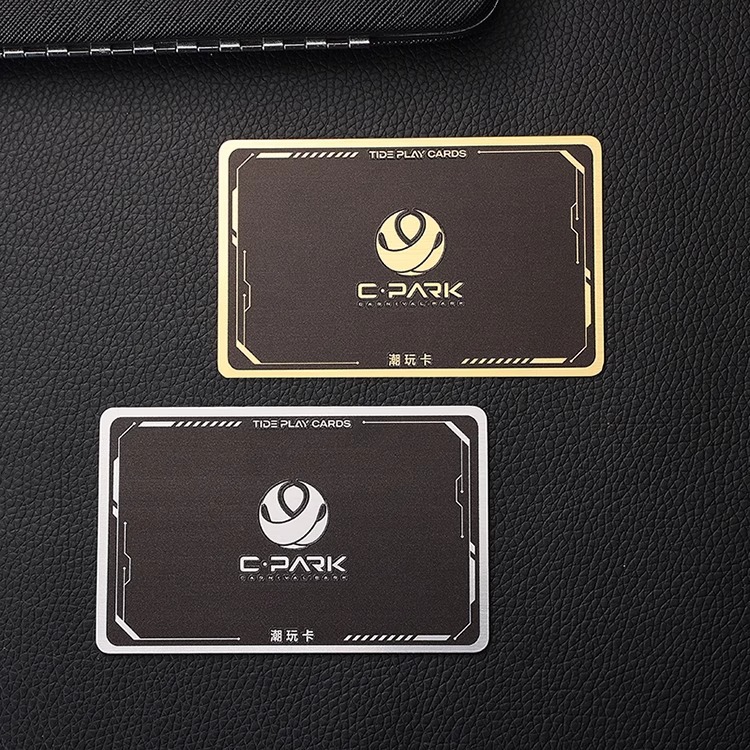
Luxury 3D Textured Design VIP Loyalty Business Cards Custom Offset Paper Cardboard Duplex Board for Hairdresser Business
View product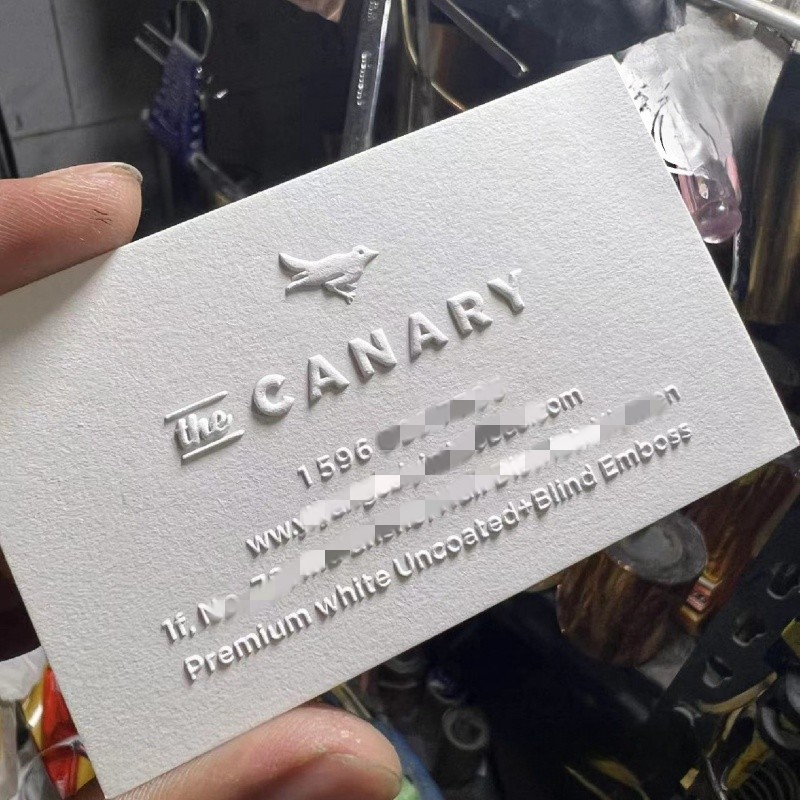
Customized Romantic Brochure Offset Paper Film Lamination Hot Stamping for Wedding Invitation
View product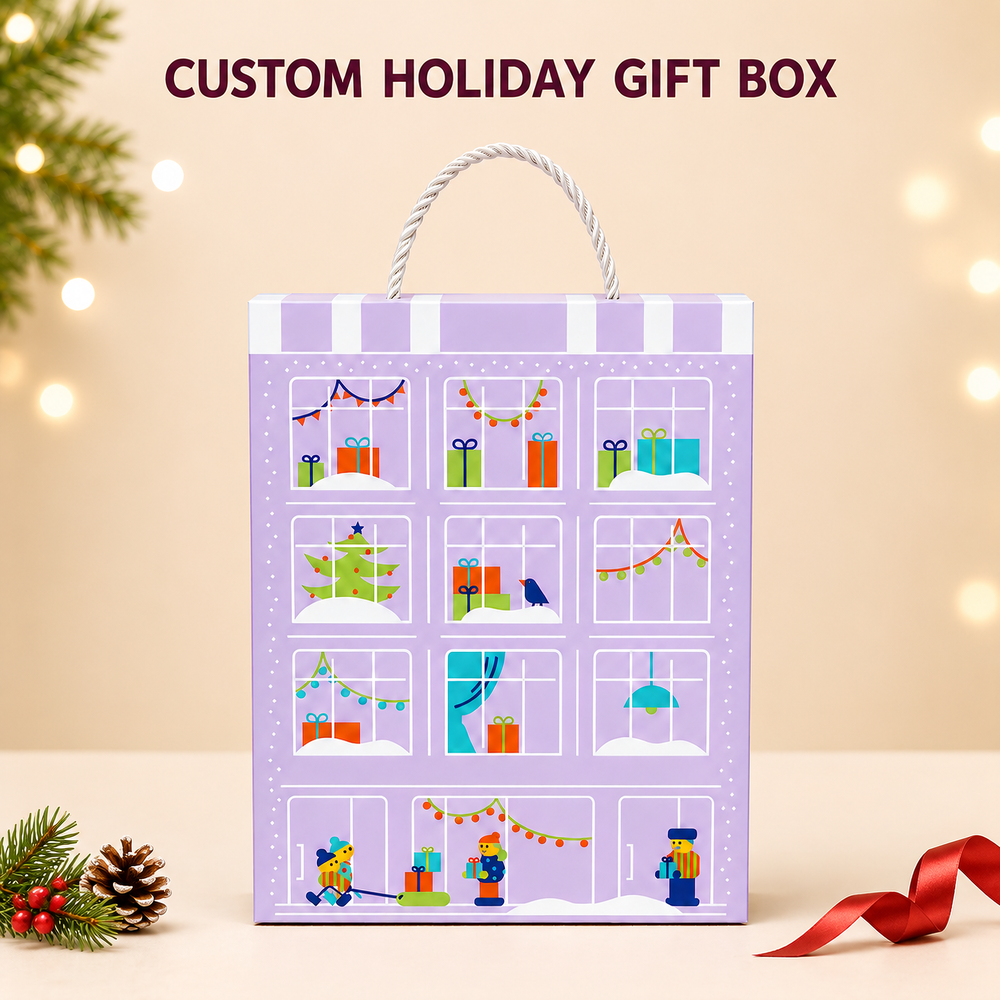
Custom Paper Boxes Rigid Gift Box with Drawers Rope Handle Custom Logo Packaging for Wholesale Bulk Orders Holiday Mystery Box
View product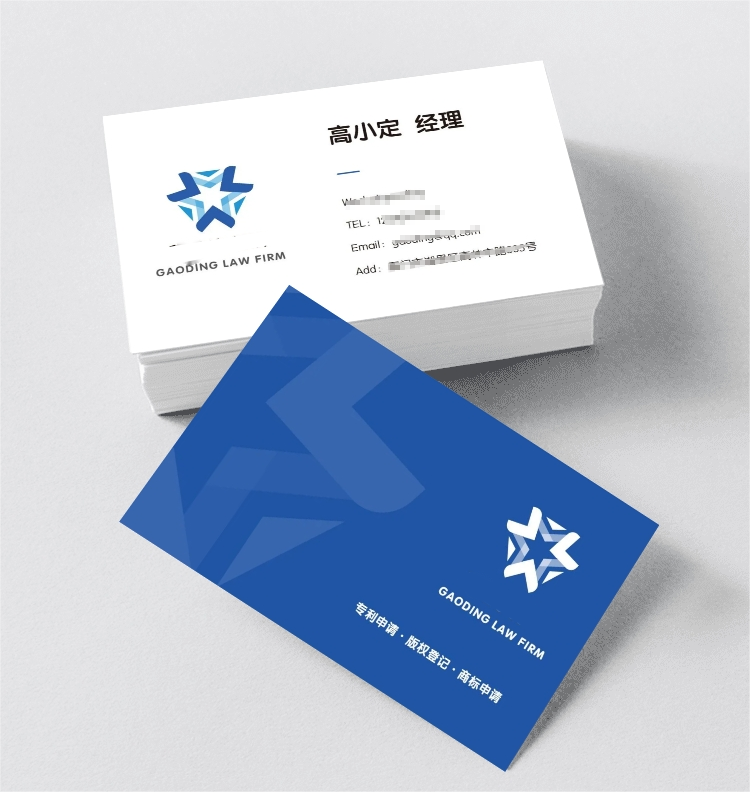
Wholesale Customizable Soft Cover Business Card with Perfect Logo Printing Service Cardboard Brochure Design Offset Paper
View product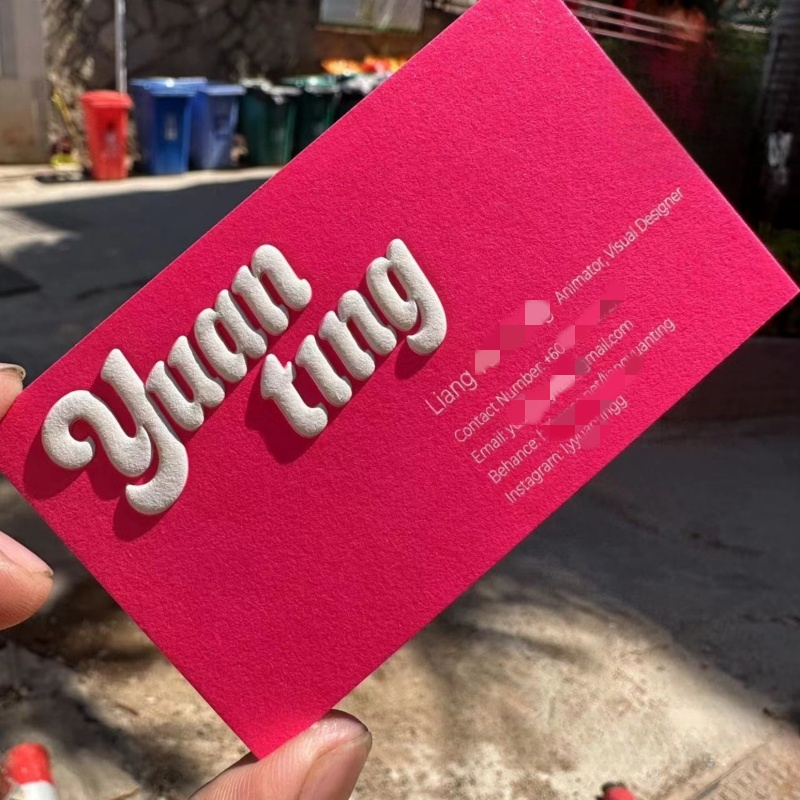
Custom Design Creative Embossing Specialty Paper Greeting Card Embossed Printing Gift Greeting Business Card
View productWhat Canadian Buyers Really Mean by “CE-Certified Ribbon Handle Bags”
The query “CE certified ribbon handle bags factories & exporter for the Canada market” is a high-intent sourcing search. It is usually typed by a Canadian brand owner, retail buyer, promotional distributor or importer who has already moved beyond inspiration and is comparing suppliers on documentation, construction quality, MOQ, lead time and landed cost. They are not only buying a paper bag; they are buying a repeatable retail touchpoint that must survive freight, handling, seasonal peaks and customer scrutiny.
Important compliance distinction: ordinary paper shopping bags are not generally subject to CE marking as a product category. CE marking applies to products covered by specific European Union directives and regulations. A credible ribbon handle bag factory should not simply forward a generic “CE certificate” for a paper bag. It should clarify the intended use, identify the applicable material and ink standards, and provide the matching declaration, test report or material safety data sheet. For Canada, buyers also need to review the Canada Consumer Product Safety Act, bilingual labelling expectations, food-contact rules where relevant, provincial extended producer responsibility reporting and truthful environmental claims.
Documentation confidence
Canadian importers want traceable paper grades, ink and adhesive declarations, FSC evidence where claimed, and a clear statement of what “CE-ready” means for the exact bag construction. Our export desk builds a document pack around the real use case rather than a misleading one-page certificate.
Premium shelf presence
Ribbon handle bags are judged in the hand: handle attachment strength, top-edge reinforcement, print registration, foil brightness, matte lamination feel and board stiffness. These details decide whether a Canadian boutique reorders or switches suppliers after the first seasonal run.
Canada-ready logistics
Low MOQs, flat-packed cartons, export-grade pallets and clear documentation reduce surprises at Vancouver, Toronto, Montreal or Calgary. We quote production and freight assumptions separately so buyers can compare a true landed cost, not just an FOB bag price.
Years in paper printing
Production floor space
Low MOQ on many custom items
Export experience
How to Build a Canada-Ready Documentation Pack for Ribbon Handle Bags
CE-related language should be handled precisely. For Canadian retail programmes, the stronger procurement question is not “Do you have CE?” but “Which standard applies to this bag, and what evidence can you provide?” The table below shows the checks our export team normally reviews before a ribbon handle bag order is released.
Documentation-first sourcing protects the brand
A ribbon handle bag may look simple, but it can contain base paper, printed ink, lamination film, adhesive, ribbon, eyelets, reinforcement board and a base insert. Each material can create a different compliance question depending on whether the bag is used for apparel, cosmetics, food-adjacent gifting, jewellery or corporate promotion.
Our approach is to define the bag’s intended use before quoting. A luxury apparel bag may prioritise FSC paper, soft-touch lamination and a strong satin ribbon. A bakery or gourmet retailer may need grease-resistant liners and food-contact declarations for the inner surface. A cosmetics brand may ask for low-migration inks and a recyclability statement. The same visual bag can require different evidence.
For Canadian buyers, we also support English/French artwork review, barcode and retailer label placement, carton markings, and practical guidance on recyclability claims. We do not replace a buyer’s legal or customs adviser, but we make the technical conversation clearer and faster.
| Checkpoint | Why Canadian buyers ask | Practical supplier response |
|---|---|---|
| CE-related declaration | Buyers often use “CE” as shorthand for documented material safety and manufacturing control. | Clarify whether CE marking applies; issue a declaration for covered components where required. |
| Ink, adhesive and coating data | Brands need confidence in low-odour, low-migration and heavy-metal controls. | Material safety data sheets and batch traceability on request. |
| Food-contact suitability | Bakeries, gourmet retailers and wine gifting may place wrapped food or bottles inside. | Specify food-grade inner liners or suitable paper/ink systems where applicable. |
| FSC and recycled content | Sustainability claims must be supportable and consistent with brand policy. | FSC-certified paper options with valid chain-of-custody evidence on request. |
| Bilingual artwork | Quebec and national retail programmes frequently require English and French presentation. | Prepress checks for diacritics, spacing, legal text and print registration. |
| Pre-shipment inspection | Buyers need proof before cartons leave the factory. | AQL inspection, measurement report and photo/video records before shipment. |
Ribbon Handle Bag Specifications That Affect Cost, Strength and Shelf Appeal
Canadian retail buyers rarely need a generic “luxury bag.” They need a bag that matches a product weight, a brand position, a seasonal freight plan and a target retail price. These are the specification decisions that create the biggest difference.
| Specification | Common factory options | Why it matters for Canada |
|---|---|---|
| Base paper | 157–250 gsm art paper, 120–200 gsm kraft paper, specialty textured paper, white cardstock | Board weight affects stiffness, print smoothness, scuff resistance and freight weight. Winter humidity and long transit can expose weak board quickly. |
| Ribbon handle | Satin ribbon, grosgrain ribbon, cotton rope, die-cut paper handle, twisted paper handle | Ribbon colour, width and attachment method define the luxury feel. Reinforced eyelets or folded top edges improve handle pull strength. |
| Top and base reinforcement | Turn-over top edge, cardboard base insert, double-wall base, glued side gusset | Prevents handle tear-out and base sag when bags carry cosmetics, glass bottles, apparel or gift sets. |
| Printing | Offset CMYK, Pantone spot colour, digital short-run, flexo for simple kraft bags | Brand colour consistency is critical across repeat orders. Digital print supports low-MOQ market tests; offset supports cost-efficient bulk runs. |
| Finishing | Matte or gloss lamination, soft-touch film, spot UV, gold or silver foil, embossing, debossing | Finishing signals perceived value and must suit recycling or material-reduction goals. Soft-touch film may affect recyclability claims. |
| Eco options | FSC paper, recycled fibre, water-based ink, paper-based reinforcement, plastic-free window, recyclable ribbon alternatives | Canadian retailers face increasing EPR and consumer scrutiny. Claims should be specific, documented and tested against the final construction. |
| MOQ and packing | From 100 pcs on many styles; flat-packed for freight efficiency; pre-assembled on request | Low MOQ supports boutique and DTC testing. Flat packing can lower ocean freight but requires on-site assembly planning. |
Where Ribbon Handle Bags Win in the Canadian Market
Ribbon handle bags are not a single end-use product. The same construction is specified differently for a Toronto fashion boutique, a Vancouver clean-beauty brand, a Montreal bilingual retailer, a Niagara wine estate and a Calgary corporate gifting programme.
Luxury apparel and boutiques
Independent boutiques and premium fashion labels choose heavier art paper, matte lamination, satin ribbon handles and tonal foil logos. Reinforced top edges matter for folded knitwear and denim. Bags are often ordered with thick business cards and hang tags for a complete in-store identity.
Beauty, cosmetics and skincare
Canadian clean-beauty brands often request FSC paper, soy- or water-based inks and recyclable packaging stories. Ribbon handle bags create a gift-with-purchase presentation for serums, candles and holiday sets. Low-migration inks and odour control are common RFQ topics.
Jewellery and watch retail
For high-value small items, the bag must feel substantial without being oversized. Popular specifications include 200–250 gsm art paper, rigid base inserts, grosgrain ribbon, soft-touch lamination and hot-stamped logos. Matching rigid gift boxes and VIP cards are frequently bundled.
Hotels, spas and travel retail
Toronto, Vancouver, Banff and Montreal hospitality buyers use ribbon handle bags for welcome gifts, spa retail and concierge amenities. Neutral kraft, white art paper and discreet foil logos suit four-star and boutique properties. Bags must hold up in humid spa environments.
Wineries, gourmet and gifting
Wine estates and gourmet retailers in the Okanagan, Niagara and Prince Edward County use reinforced paper bags for bottles, preserves and gift hampers. Base inserts, durable handles and moisture-resistant board are practical priorities. Seasonal holiday and wedding programmes drive repeat orders.
Corporate gifting and events
Canadian agencies and promotional distributors order ribbon handle bags for conferences, product launches, weddings and holiday gifting. Bilingual artwork, Pantone colour matching and low-MOQ test runs are common. Bags are often paired with notebooks, cards, brochures and rigid boxes.
Sustainability, Bilingual Retail and Premium Unboxing Are Reshaping Ribbon Handle Bag Briefs
Canadian packaging decisions are moving toward documented sustainability, lower inventory risk and stronger brand presentation. The weighting below is an editorial scorecard from our Canada export desk RFQ reviews; it is not a statistically representative survey, but it helps explain what buyers are prioritising in 2025.
Scorecard note: values indicate relative emphasis in buyer conversations and should be used as a planning prompt, not as a market statistic.
Plastic reduction and EPR
Provincial extended producer responsibility programmes and federal single-use plastics policy are pushing retailers to document material choices. Paper bags with ribbon handles need clear statements about films, adhesives, handles and whether the finished bag can be recycled in local systems.
Bilingual Canada
Quebec-focused and national retailers increasingly expect English/French artwork, careful character spacing and clean diacritic rendering. Bilingual thank-you cards, brochures and product inserts often ship with the same bag programme.
Premium unboxing at lower MOQ
DTC brands and independent retailers need luxury cues without committing to container-scale volumes. Low-MOQ ribbon handle bags allow seasonal drops, pop-up shops and influencer kits before scaling into bulk holiday production.
Why Buba Is a Practical Ribbon Handle Bag Partner for Canadian Buyers
Fuzhou Buba Printing Co., Ltd. has spent 18 years in paper printing and more than a decade exporting to international buyers. Our 2,300 m² facility combines structural design, prepress, offset and digital printing, foil stamping, embossing, lamination, die-cutting and hand assembly under one accountable roof.
Free structure and 3D mockup
Our in-house designers build the dieline and a 3D render so you can approve fit, artwork placement and handle position before sampling. This reduces costly revisions and shortens the Canada approval cycle.
Low MOQ with factory pricing
Many custom items start from 100 pcs, with selected notebooks from 50 pcs. Canadian boutiques and DTC brands can test a market, then scale to bulk production without changing suppliers or restarting artwork approval.
Premium finishing in-house
Hot foil, blind and 3D embossing, spot UV, soft-touch and holographic lamination, letterpress and window patching are handled internally. This supports consistent ribbon bag presentation across repeat orders.
Verified quality control
Incoming material checks, first-article approval, inline colour checks and final AQL inspection are supported with photo reports. Our factory has been verified onsite by TÜV Rheinland and is listed as a Custom Manufacturer.
Eco-friendly material options
Recyclable kraft and corrugated board, paper-based inserts instead of plastic, water-based inks and plastic-free tear-strip options are available. We help buyers avoid vague green claims by documenting what is actually specified.
Export-ready logistics
With 10+ years of export experience, we prepare export-grade cartons, flat-pack where appropriate, and support sea, air or express shipping. Documentation and packing lists are aligned with Canadian freight forwarder requirements.
Inside the Production System Behind Custom Ribbon Handle Bags
Ribbon handle bags depend on disciplined prepress, board cutting, printing, lamination, handle anchoring, edge folding and final inspection. These original factory and product images show the environment and finishing capability behind our export programmes.
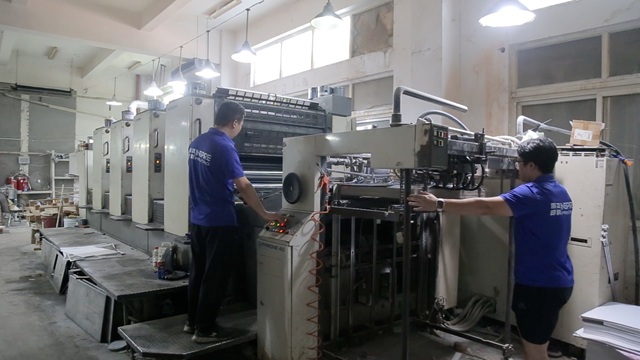
Factory overview — a 2,300 m² production base in Fuzhou, Fujian, supporting packaging and commercial print projects under one roof.

Printing production — offset and digital workflows are paired with inline colour control for repeatable brand colour across reorders.
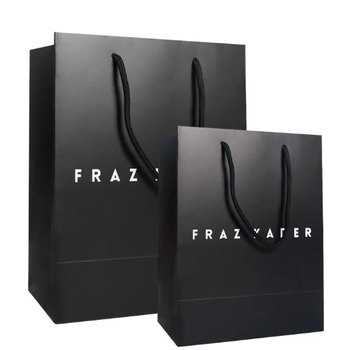
Retail bag finishing — dark paper, foil, embossing and ribbon handle presentation are common for Canadian boutique and beauty programmes.
A Transparent 6-Step Process From Canadian Brief to Delivered Cartons
Each stage has a sign-off point so the bag you approve is the bag that ships. The process is designed for buyers who need clarity on artwork, materials, samples, QC and freight.
Brief and dieline
Share bag dimensions, product weight, handle preference, artwork and target quantity. We propose structure, paper grade and finishing.
Free 3D mockup
Approve a rendered mockup showing artwork placement, ribbon colour, fold lines and logo position before sampling.
Pre-production sample
A physical sample confirms board stiffness, print colour, lamination feel, handle strength and base construction.
Mass production
Printing, lamination, die-cutting, handle attachment and hand assembly run with inline quality checks.
Final inspection
AQL inspection, dimensional checks and photo/video records are shared before cartons are released for shipment.
Export shipping
Export packing, carton marking and sea, air or express coordination support delivery to your Canadian destination.
Frequently Asked Questions From Canadian Ribbon Handle Bag Buyers
These are the questions our export team receives most often from brand owners, distributors and importers comparing factories for Canadian delivery.
Are ribbon handle bags “CE certified” for Canada?
Ordinary paper shopping bags are not generally a CE-marked product category. CE marking applies to products covered by specific European Union directives and regulations, and Canada has its own framework. A responsible factory should clarify the applicable standard and provide the right documents — such as material safety data, ink and adhesive declarations, FSC evidence, food-contact information where relevant and pre-shipment inspection reports. Treat a generic “CE certificate for paper bags” with caution.
What is the minimum order quantity for custom printed ribbon handle bags?
Many custom paper bag projects start from 100 pcs, depending on size, paper grade and finishing. Complex rigid boxes may differ, while hang tags, flyers and labels often start from 200–1,000 pcs depending on specification. We confirm the exact MOQ in the quotation so buyers can test a Canadian market before scaling.
Which paper and handle materials are best for Canadian retail?
For premium fashion and beauty, 200–250 gsm art paper with matte lamination and satin or grosgrain ribbon handles is common. For eco-positioned brands, FSC kraft or recycled board with cotton rope or paper handles may be preferred. For heavier items such as bottles or gift sets, a reinforced top edge and rigid base insert are more important than increasing print density.
Can you print bilingual English and French artwork?
Yes. We accept vector AI, PDF or EPS files in CMYK with 3 mm bleed and outlined fonts. High-resolution PSD or TIFF files at 300 dpi are also accepted. Our prepress team checks diacritics, line spacing, barcode placement and legal text areas for English/French layouts. Pantone colours can be matched on request.
How do you ship ribbon handle bags to Canada?
We support sea freight, air freight and express courier depending on volume and urgency. Export-grade cartons, packing lists and carton markings are prepared for your forwarder. Flat-packing can reduce freight cost, but buyers should plan for local assembly time. We quote production terms and shipping assumptions separately so landed cost is easier to compare.
What are typical sample and production lead times?
Typical lead time is 3–7 working days for pre-production samples and 10–20 working days for mass production after sample approval. Complex rigid boxes, specialty paper or large book runs may need longer. Every order receives a written schedule, and we flag seasonal capacity risks before peak holiday production.
Are recyclable or FSC-certified options available?
Yes. We offer recyclable kraft and corrugated board, FSC-certified paper options, paper-based inserts instead of plastic, water-based inks and plastic-free tear-strip mailer boxes. Recyclability depends on the final construction, so we recommend testing the complete bag — including lamination, adhesive and ribbon — against the claim you plan to make.
Can you match Pantone colours and premium finishes?
Yes. We offer Pantone matching, CMYK offset and digital printing, hot foil stamping, blind and 3D embossing, spot UV, soft-touch lamination and specialty paper. For repeat Canadian retail programmes, we retain approved colour targets and dielines to reduce variation between production runs.
Ready to Brief a Canada-Ready Ribbon Handle Bag Programme?
Send your bag dimensions, paper preference, handle type, print artwork, target quantity and Canadian delivery city. Our export team will return a dieline recommendation, material options, a free 3D mockup direction and a practical quotation for your market test or bulk order.
Typical reply within one business day · English/French artwork review · FSC and compliance documents on request · TÜV Rheinland onsite-verified factory