Cardboard Boxes Manufacturers & Factories for the Germany market
Factory-direct custom cardboard boxes, corrugated mailers, rigid gift boxes, folding cartons and printed paperboard for German brands—engineered for recyclability, retail presentation and export reliability.
8 Product Recommendations for German Cardboard Box Programmes
A German cardboard box project rarely stops at the box. Brand owners pair mailer boxes and rigid gift boxes with printed cards, luxury bags, labels and planner inserts so the unboxing experience, retail shelf and after-sales touchpoints stay consistent. The eight items below preserve their product URLs and can be quoted as a coordinated set or as individual SKUs.
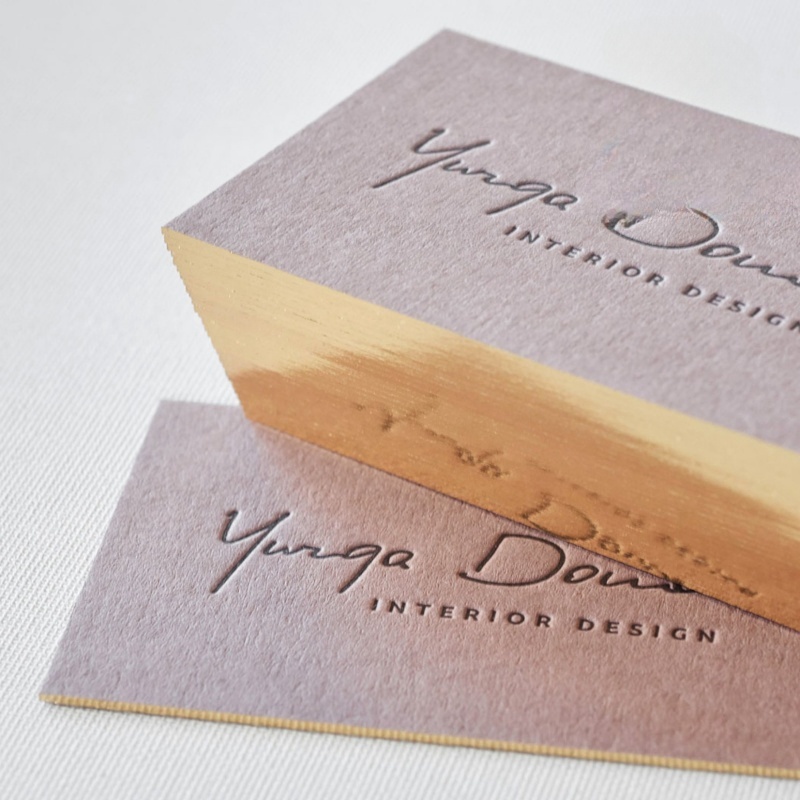
Customized Card Luxury Eco-Friendly Embossed Logo Design Gold Stamping Printing Business Grey Pink Business Card
Best for premium introductions, hotel groups, real estate and Mittelstand supplier meetings. Heavy stock, embossing and gold stamping create a tactile first impression that survives Germany’s relationship-led sales culture.
View product →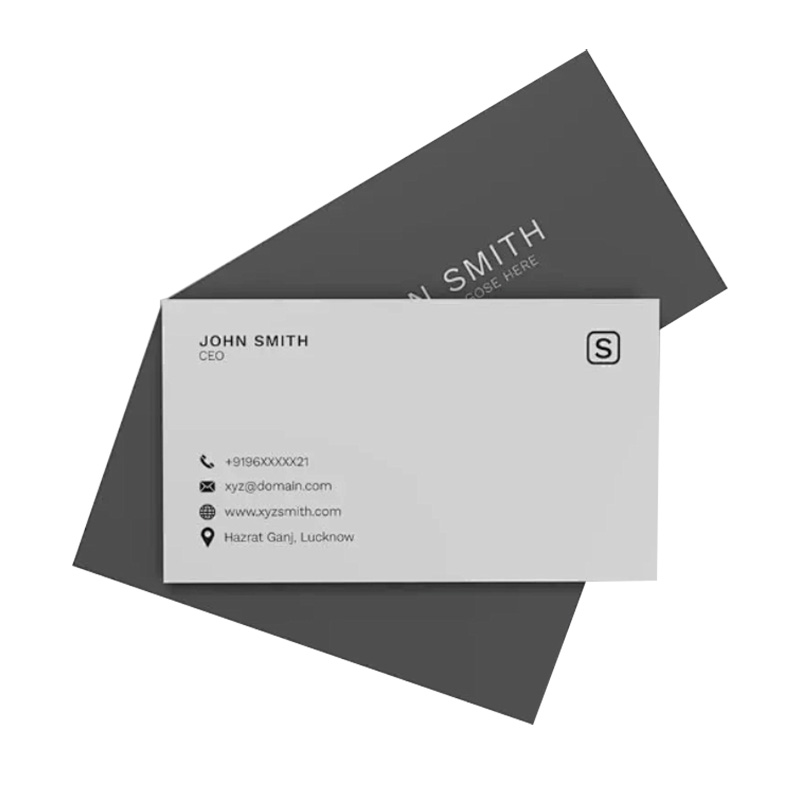
Free Design Customizable Printing PVC Business Card Smooth Multifunctional Greeting Paper Card Offset Paper Cardboard Material
Best for membership, loyalty and greeting-card inserts. PVC and offset paper options allow waterproof reception cards or recyclable paper inserts for box programmes.
View product →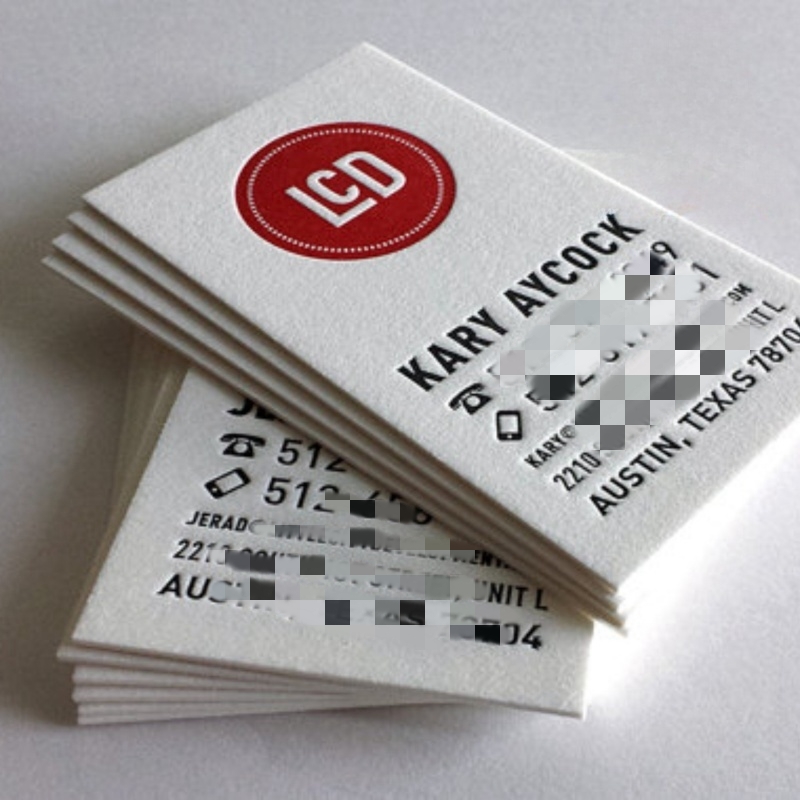
Wholesale Custom Luxury Metal Business Cards Digital Printing Film Lamination Cardboard Corrugated Board Logo Customized
Best for engineering, automotive suppliers and high-value meetings. Durable metal cards work as keepsakes; confirm end-of-life and recyclability wording before using environmental claims in Germany.
View product →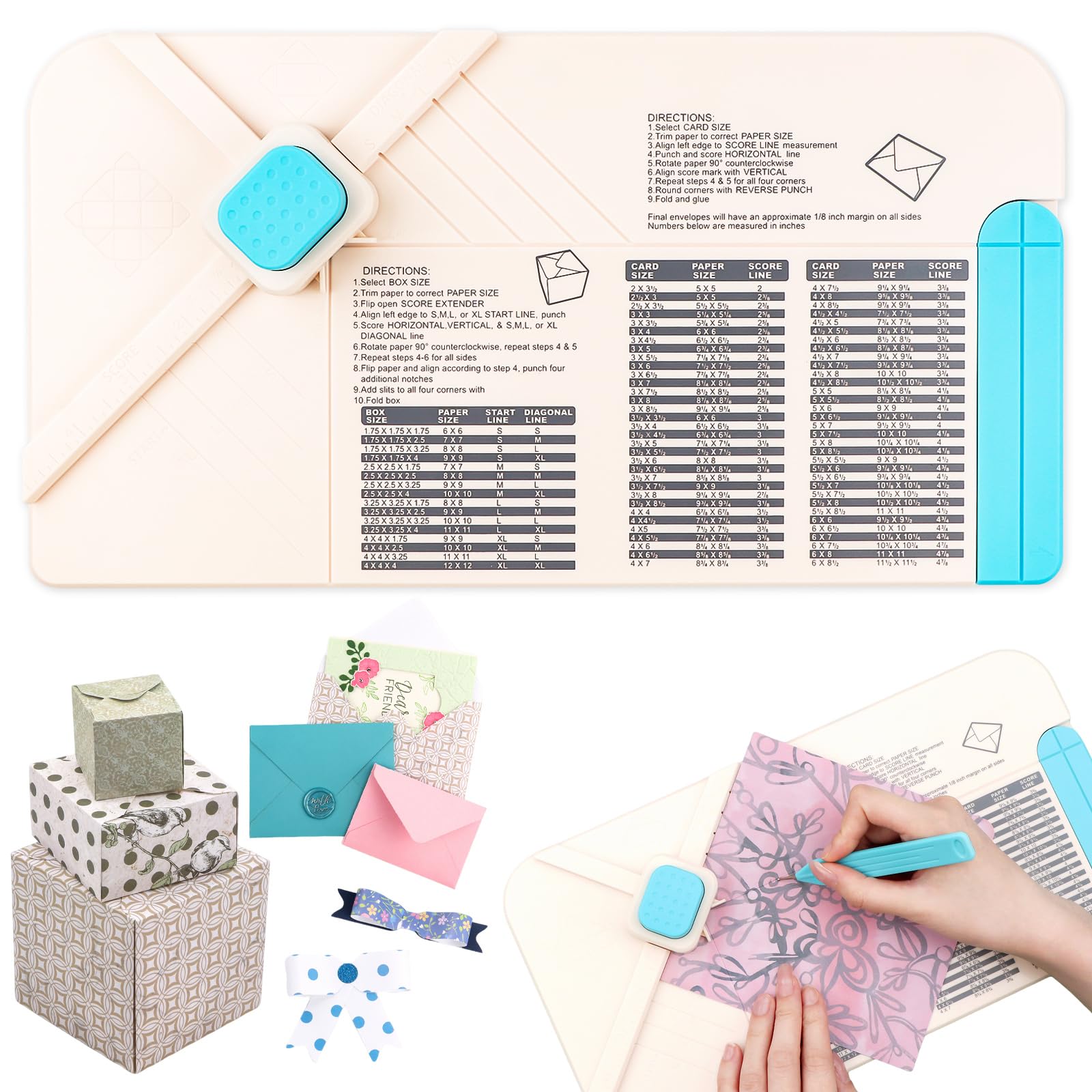
Custom Envelopes, Boxes, and Bows, All-in-one Envelopes Scribe Punches Board with Indentation Pen, Use with Cardstock
Best for stationery brands, craft retailers and seasonal gift kits. A single punch board supports envelope, box and bow making for workshop packs and Christmas market ranges.
View product →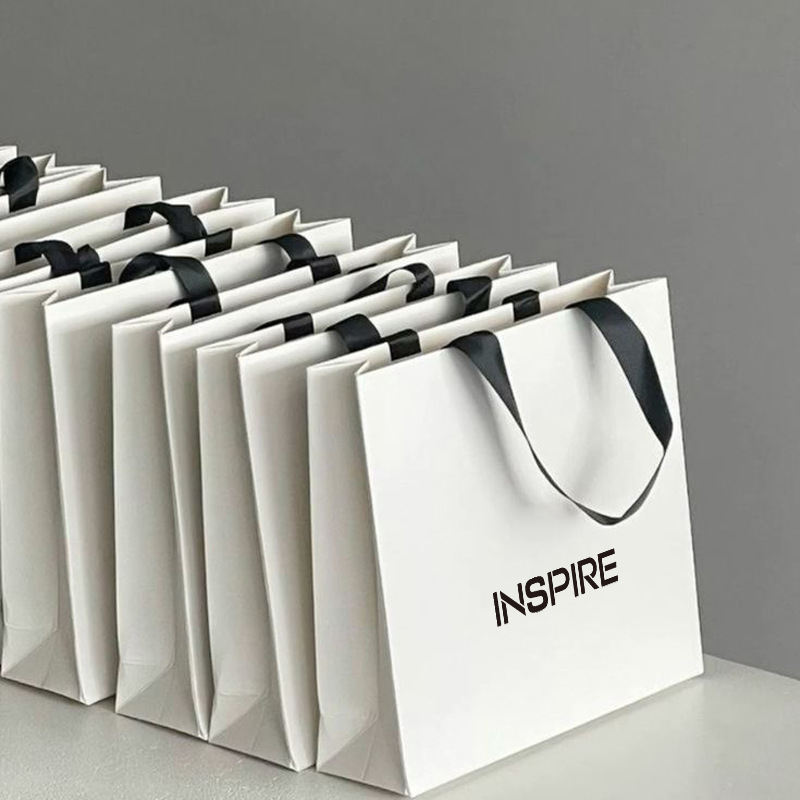
Custom Logo Eco-Friendly Luxury Gift Paper Bag for Jewelry Shoes Necklaces Bracelets and Clothing Packaging
Best for jewellery, shoes, fashion and boutique retail. Pair with rigid gift boxes for a coordinated handover; recycled and FSC-certified material options can be explored per order.
View product →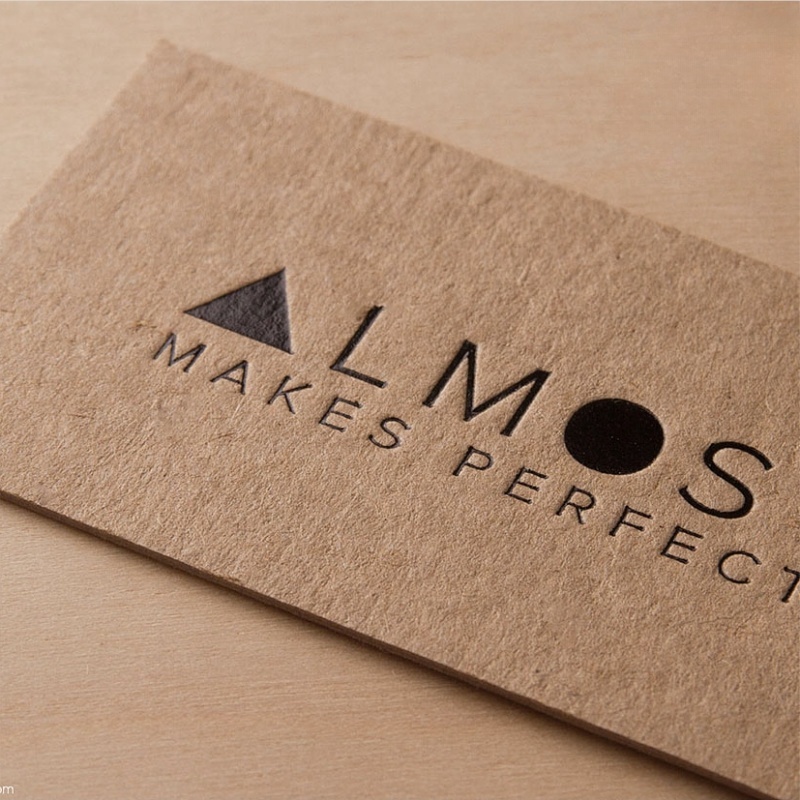
Customized Kraft Paper Duplex Board Film Lamination Digital Printing Multifunctional Business Card Paperboard Custom Design Mini
Best for sustainable-looking brands, organic cosmetics and artisan food. Kraft tones and film lamination balance natural presentation with durability for German retail shelves.
View product →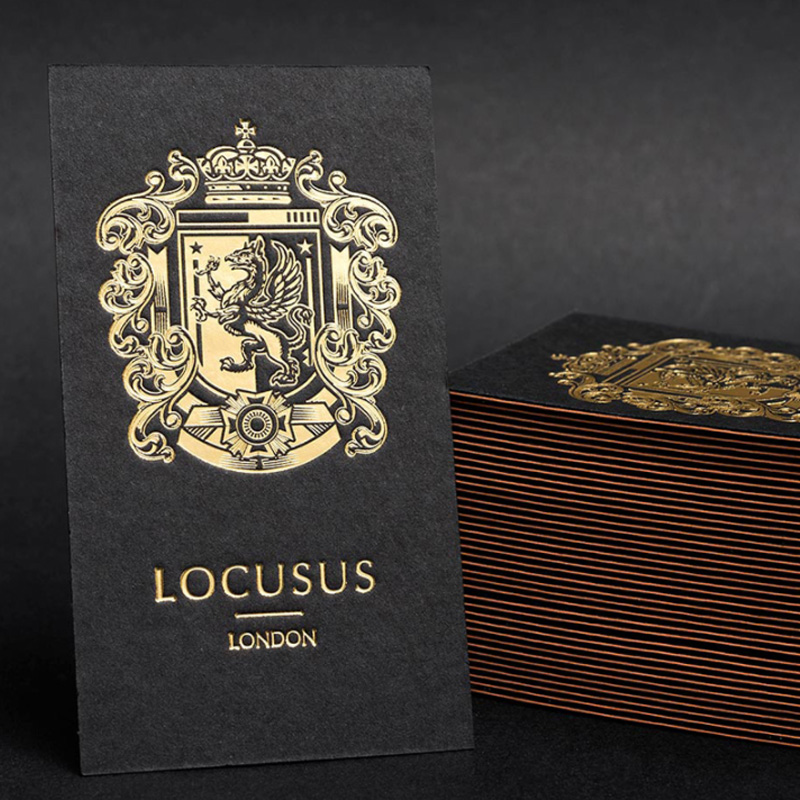
Luxury Hot Stamping Business Card Imported Black Card Thickened High-End Luxury Design Made High Quality Offset Paper Cardboard
Best for fashion, hospitality and premium consultancies. Thick black stock with hot stamping gives a high-end finish; select inks and lamination that align with paper recycling guidance.
View product →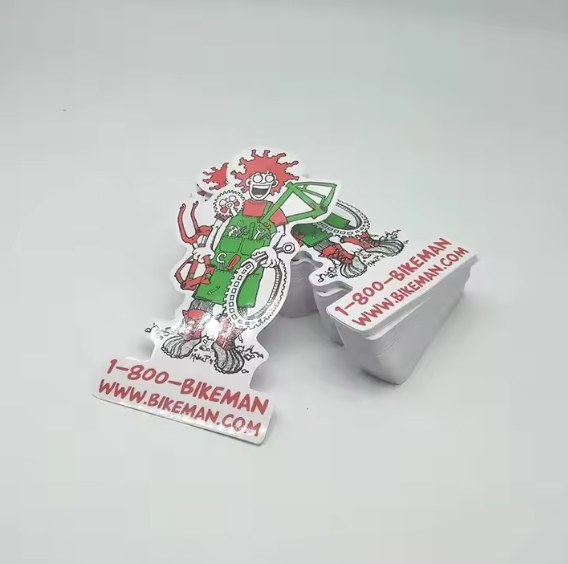
Custom 3D Colorful Self-Adhesive Planner Stickers Waterproof Art Paper and Cardboard Kiss Cut Label Stickers
Best for stationery, e-commerce labels, subscription inserts and packaging seals. Waterproof kiss-cut stickers add colour and function to mailer boxes without heavy tooling.
View product →Packaging, print and finishing experience under one roof.
Prepress, printing, die-cutting, finishing and assembly.
Export cartons, pallet data and freight-ready documentation.
Supporting evidence for buyers comparing new suppliers.
Why Germany Is a Demanding—and Rewarding—Market for Cardboard Box Manufacturers
Germany is Europe’s largest packaging market, but it is also one of the least forgiving for generic overseas supply. German brand owners, retailers and industrial buyers tend to evaluate a cardboard box manufacturer on five things before price: board grade, dimensional accuracy, recyclability, compliance paperwork and the reliability of the promised lead time. A box that looks acceptable in a low-resolution photo but fails compression, print registration or LUCID data requests quickly becomes a hidden cost.
The opportunity for Fuzhou Buba Printing Co., Ltd. is not to compete as an anonymous “cheap box” supplier. It is to behave like a specification partner: clarify the product weight and shipping route, recommend a corrugated flute or folding-carton board, produce a free 3D mockup and dieline, provide material-weight data for German packaging registration, and keep artwork and finishing consistent from the first sample to the repeat order. That is the working definition of information gain for this topic—useful, verifiable detail that helps a German buyer make a safer sourcing decision.
Use this page as a German-market brief: eight product recommendations that often travel with a cardboard box programme, local application scenarios, the regulatory trends shaping PPWR and VerpackG-ready specifications, RFQ checks, and the factory evidence behind Buba’s 18 years in paper printing.
What German buyers check first
- Board grade, flute type and product fit
- Recyclability and material reduction
- LUCID/EPR component weight data
- Colour and finishing consistency
- Carton strength and pallet fit
- Sample-to-mass-production control
- Clear Incoterms and lead-time risk
Localised Application Scenarios Across Germany
German packaging demand is regional and category-specific. A Munich premium retail buyer, a Hamburg subscription brand and a Stuttgart industrial purchaser ask different questions. These scenarios show where custom cardboard boxes and printed paperboard products fit.
E-commerce & subscription fulfilment
Berlin, Hamburg and nationwide DTC. Corrugated mailer boxes with tear strips, right-sized dimensions and inside print reduce void fill and returns friction. Brands shipping cosmetics, coffee or apparel often pair the mailer with a printed thank-you card and sticker seal.
Premium retail & cosmetics
Düsseldorf, Munich and Frankfurt. Rigid magnetic gift boxes, soft-touch lamination, gold foil and paper inserts create shelf presence. German beauty buyers ask for refill-friendly structures and clear separation of paper, adhesive and foil components.
Fashion & lifestyle
Cologne, Berlin and online fashion. Mailers with branded inside print, hang tags, business cards and paper bags keep retail and e-commerce experience aligned. Return-ready packaging and compact palletisation matter for multi-channel fashion brands.
Automotive & industrial B2B
Stuttgart, Wolfsburg and suppliers nationwide. Heavy-duty corrugated, partitions and labels protect parts in internal logistics. Engineering buyers may request drop, compression or ISTA-style transit tests, plus barcode and variable-data control.
Food & confectionery
Bavaria and food-processing clusters. Folding cartons and food-safe printed paperboard need the right barrier, ink and adhesive choices. The brand owner should confirm EU food-contact documentation and any migration testing required for the specific product.
Publishing, stationery & events
Frankfurt, Leipzig and trade-fair cities. Book mailers, catalog cartons, notebook sets and sticker sheets support trade fairs, stationery retail and subscription boxes. Short-run digital print makes seasonal German-language editions practical from low MOQs.
Germany Packaging Trends Shaping 2025–2027 Box Specifications
German procurement teams are translating EU and national packaging rules into practical box specifications. The box that wins is not the one with the most “green” wording—it is the one that can be documented, packed efficiently and recycled through the German system.
PPWR and recyclability by design
The EU Packaging and Packaging Waste Regulation will phase in tougher recyclability, minimum recycled content and packaging-reduction expectations. German buyers already ask for mono-material structures, water-based inks, paper-based inserts and easy separation of laminates.
VerpackG, LUCID and EPR evidence
Under German packaging law, producers placing packaged goods on the market must handle system participation and registration obligations. A competent supplier should provide component weights, material categories and declarations so the brand owner can complete LUCID and dual-system data accurately.
Plastic replacement without greenwashing
Replacing plastic windows or foam inserts with paper requires engineering, not just a slogan. Buyers increasingly test paper inserts, grease-resistant barriers and fibre-based cushioning against the real product weight and the actual transit route.
Right-sizing and freight efficiency
German operations teams watch carton cube, pallet fill and damage rates. Smaller mailers, flat-packed rigid boxes and optimised master cartons reduce freight cost, lower dimensional weight and cut unnecessary packaging volume.
Digital print and German-language SKU complexity
Seasonal campaigns, retailer-specific labels and legal text changes make short runs attractive. Digital print allows versioned German artwork and lower MOQs before scaling to offset—useful for test launches and limited editions.
Supply-chain resilience
After several years of freight volatility, German buyers value documented samples, repeatable QC and realistic lead times more than a promise of the lowest unit price. A factory that communicates early is often safer than a supplier that quotes fastest.
Typical German RFQ priority weighting
Illustrative priority signals drawn from Buba’s export-project discussions; not a statistical survey.
What this means for your box brief
- Show board grade, flute type and material weight.
- Design for recyclability where product protection allows.
- Prepare German artwork, barcodes and legal text early.
- Quote DAP/FOB with pallet and gross-weight data.
- Approve a physical sample before mass production.
- Request AQL inspection photos before shipment.
Which Cardboard Box Format Fits Your German Programme?
Use this quick selector to align the structure with the sales channel, product value and logistics route before asking for a quotation.
Corrugated mailer box
Best for e-commerce, subscription and light retail. Use E-flute for print quality or B-flute for extra strength; specify tear strip, self-seal or double-sided print. Recommended for Berlin and Hamburg DTC brands.
Rigid magnetic gift box
Best for premium retail, cosmetics and corporate gifts. Greyboard wrapped in art paper with magnetic closure, foil or emboss. Plan insert material and refill options early for German beauty and jewellery buyers.
Folding carton
Best for FMCG, cosmetics, confectionery and shelf-ready packaging. SBS/C1S board, window patching, water-based inks and efficient flat shipping support high-volume German retail listings.
Heavy-duty corrugated
Best for industrial parts, kitting and export. Double-wall board, die-cut partitions, labels and compression testing can be specified for Stuttgart and Wolfsburg supply chains.
What to Include in an RFQ for Cardboard Boxes
A precise RFQ reduces back-and-forth, improves quotation accuracy and makes supplier comparison fair. German buyers can use these eight checks for a first sourcing round.
Product and transit brief
Dimensions, weight, fragile points, storage conditions and final delivery route.
Board grade and recyclability
Corrugated flute, folding-carton gsm, recycled content and target recyclability.
Print, ink and finishing data
CMYK or Pantone, food-safe ink needs, lamination, foil, embossing and window choice.
LUCID/EPR component weights
Material type and weight by component for German system participation data.
Artwork and German text
AI/PDF/EPS in CMYK, 3 mm bleed, outlined fonts, barcodes and legal wording.
Testing requirements
Drop, compression, ISTA-style transit, food-contact or migration tests where relevant.
Delivery terms and pallet data
FOB, CIF or DAP, destination warehouse, EORI, pallet dimensions and gross weight.
Sample approval and QC
Pre-production sample, colour target, AQL level and photo/video inspection before shipment.
Why Buba Is a Practical Manufacturing Partner for German Buyers
German buyers do not need another marketplace listing. They need a factory that can discuss structure, document materials, control finishing and ship without surprises.
18 years in paper printing
Buba has 18 years of paper-printing experience and a 2,300 m² production floor, with structural design, prepress, printing, finishing and assembly handled under one roof.
TÜV Rheinland onsite verification
Our premises, legal status and manufacturing capability have been verified onsite by TÜV Rheinland—useful independent evidence for German buyers comparing factories with trading companies.
Free dieline and 3D mockup
Our in-house design team provides a dieline and free 3D mockup so you can approve structure, artwork placement and finishing before paying for a physical sample.
Low MOQ and OEM/ODM
Many custom boxes and paper bags start from 100 pcs, with some notebooks from 50 pcs. Test a German SKU or retailer promotion, then scale to bulk without changing suppliers.
Premium finishing in-house
Hot foil, blind and 3D embossing, spot UV, soft-touch and holographic lamination, letterpress and window patching are controlled under one quality system.
Export-ready QC and logistics
10+ years of export experience, AQL inspection with photo reports, flat-pack planning and carton data for sea, air or express delivery to Germany.
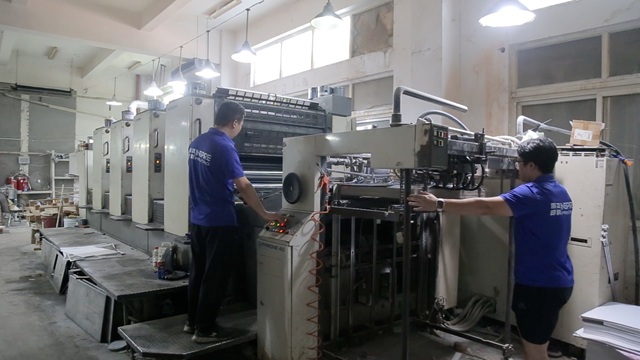
Verified Manufacturing, Not a Trading-Led Guess
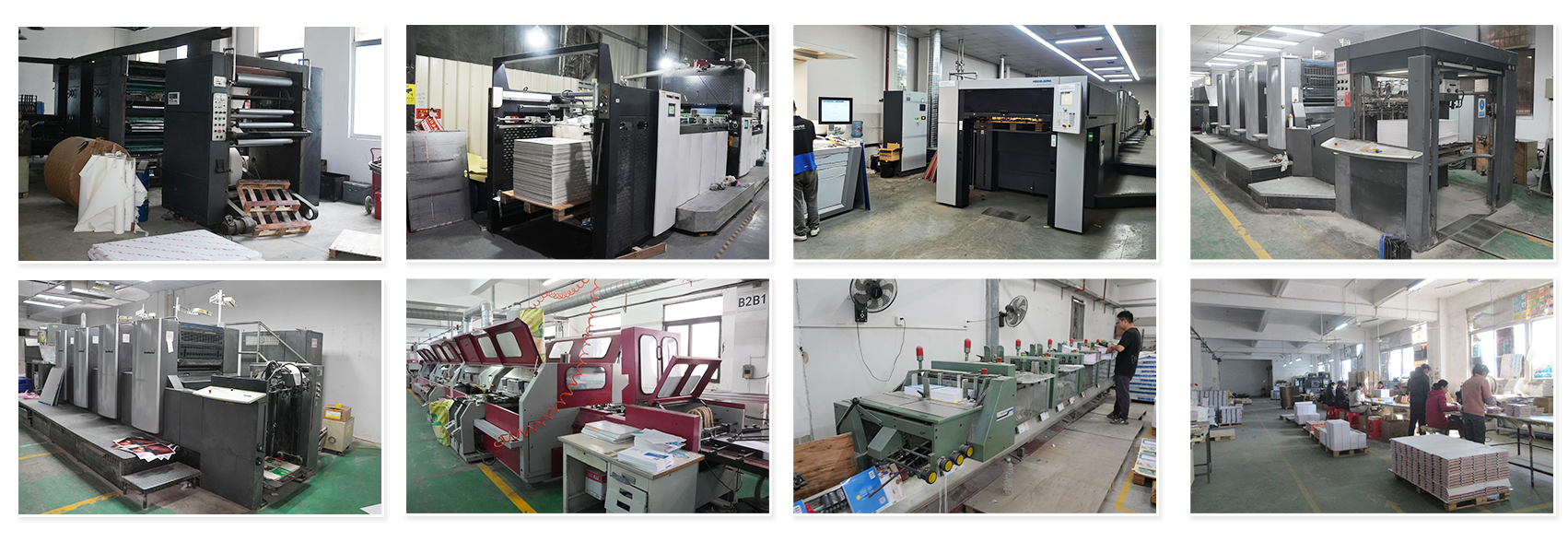
The original factory content is not decorative proof. It shows a real production environment: prepress, offset and digital printing, foil stamping, embossing, lamination, die-cutting and hand assembly under one roof. That matters for German buyers because every transferred process is another quality risk.
Buba’s facility in Fuzhou, Fujian, has 18 years of paper-printing experience, a 2,300 m² production floor, more than 10 years of export experience and a 4.6/5 verified buyer rating. Onsite verification by TÜV Rheinland adds an independent reference point for premises, legal status and manufacturing capability. It does not replace order-specific testing, but it reduces the risk of dealing with an intermediary that cannot control production.
For German projects, match that verification with a written specification, a pre-production sample, an agreed AQL level and photo/video inspection before shipment. The original site also references design-based, sample-based and full customization with onsite material inspection—exactly the details a serious German buyer should ask a new cardboard box manufacturer to confirm in writing.

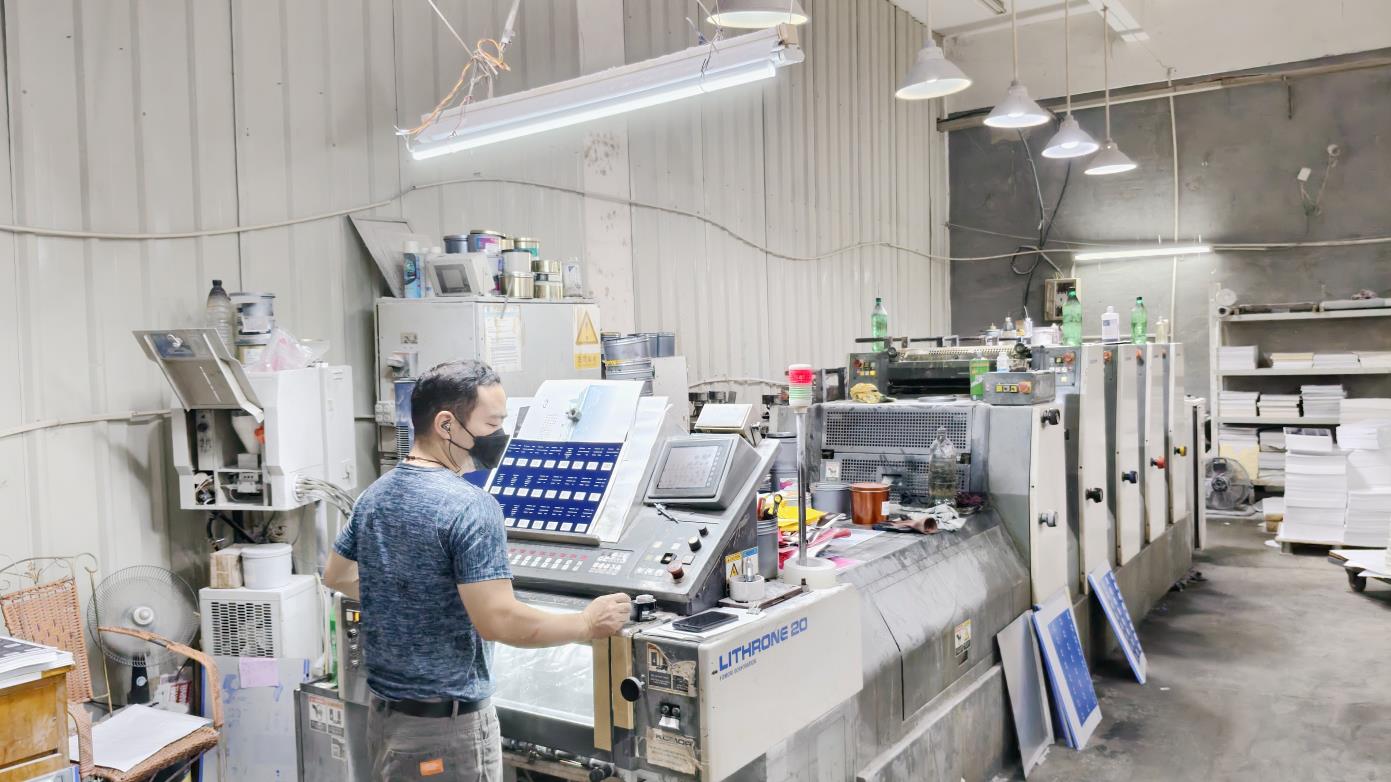
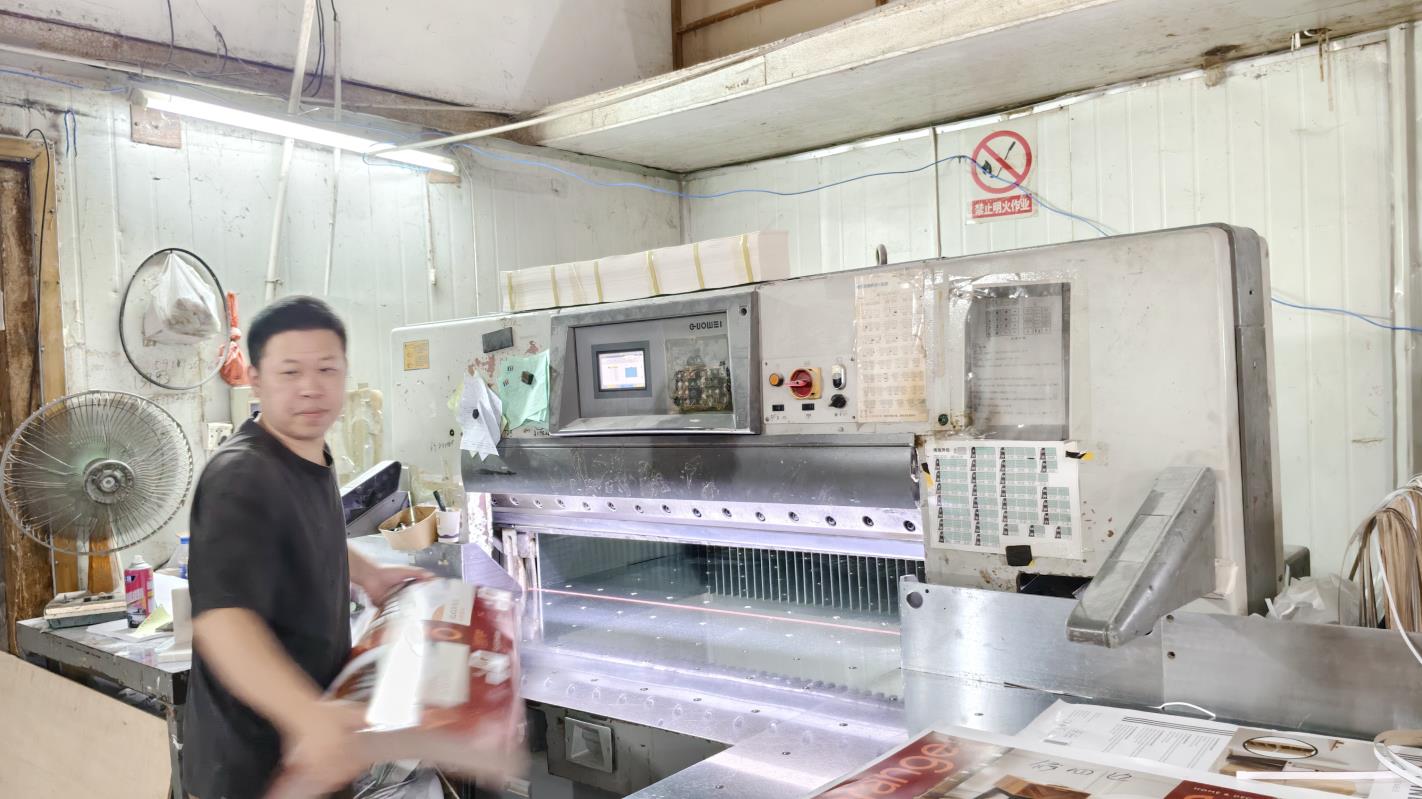
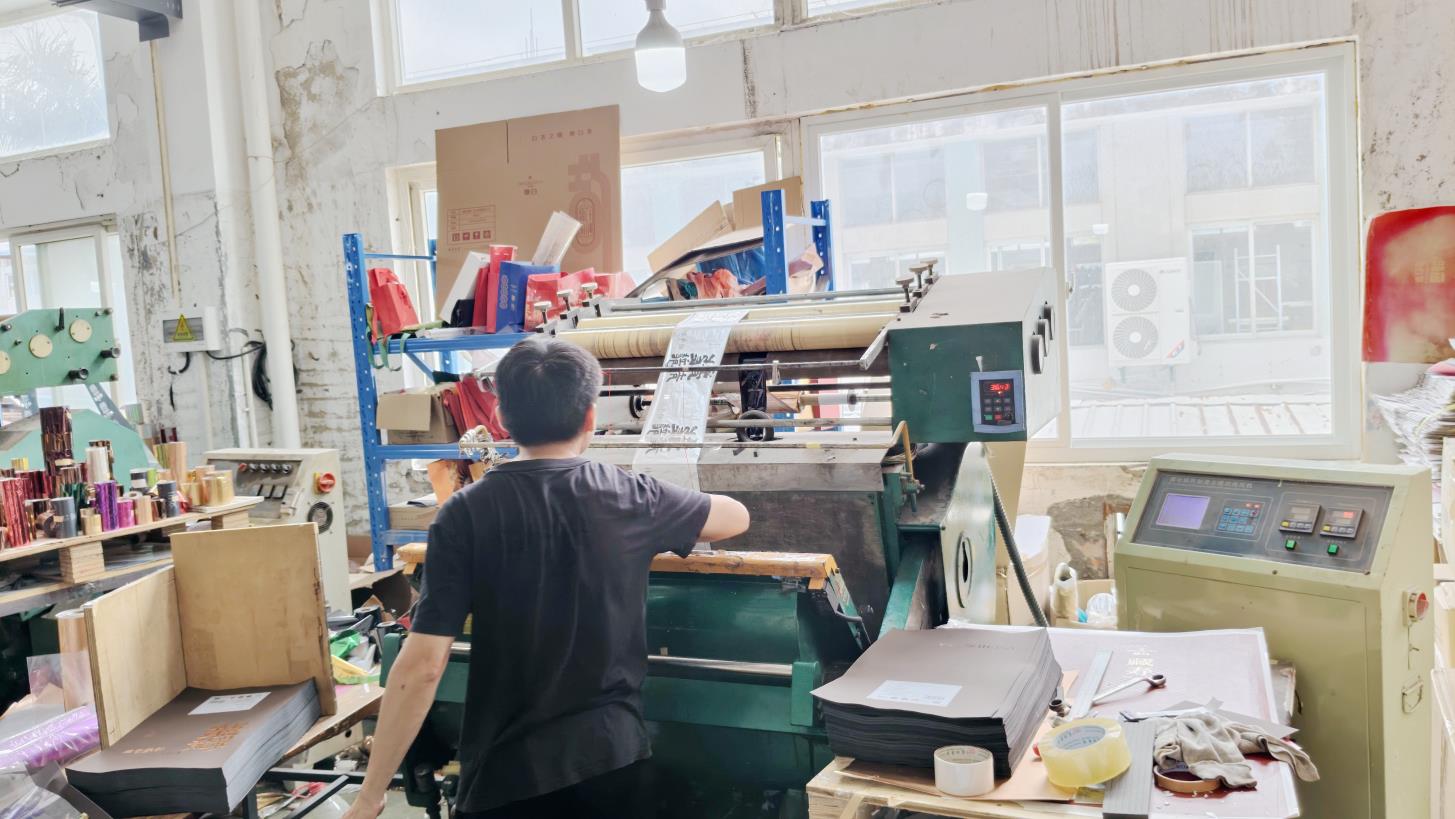
Six-Step Custom Boxes Process from Brief to Hamburg or Bremerhaven
A transparent workflow with sign-off at every stage, so there are no surprises when the cartons arrive at your German warehouse.
Brief and dieline
Share box dimensions, product weight, shipping route, artwork status and estimated annual volume. We propose structure and material.
Free 3D mockup
Approve a rendered mockup showing artwork placement, opening style and finishing before a physical sample is produced.
Pre-production sample
A physical sample confirms colour, fit, board strength and finishing. German legal text and barcodes can be checked at this stage.
Mass production
Printing, lamination, die-cutting and assembly proceed with inline colour control and first-article approval.
Final inspection
AQL inspection, photo or video evidence and carton marking are completed before shipment. Third-party inspection can be arranged.
Export shipping
Export cartons, pallet dimensions and packing lists support sea freight to Hamburg or Bremerhaven, air freight or express delivery.
FAQs German Buyers Ask Before Placing a Cardboard Box Order
These are the practical questions that appear in first enquiries from German brand owners, retailers, importers and industrial buyers.
What is the minimum order quantity for cardboard boxes and printed paperboard shipped to Germany?
Most custom mailer boxes, rigid gift boxes and paper bags start from 100 pieces. Some notebooks and simpler print items can start lower, while hang tags, flyers and labels often start from 200–1,000 pieces depending on size and finishing. For a German market test, we can quote a small trial run and a scaled bulk price so you can compare unit economics before committing.
Can you support German packaging compliance such as VerpackG, LUCID and PPWR?
We can provide material categories, component weights, board grades, adhesive and ink information, and declarations available for your packaging registration and dual-system data. The legal obligation to register in LUCID, participate in a dual system and place compliant packaging on the German market remains with the producer or brand owner. We recommend confirming the final classification with your compliance adviser. For PPWR readiness, we can design for easier separation and reduced material where product protection allows.
How long do samples and mass production take for a German order?
Typical pre-production samples take 3–7 working days after artwork approval. Mass production is often 10–20 working days after sample approval; complex rigid boxes, hand-assembled sets or book products may require more time. Transit to Germany varies by express, air or sea freight. We confirm each schedule in writing and build buffer into the plan for German retail or trade-fair deadlines.
Can you print German text and follow our legal or retailer artwork requirements?
Yes. We work from approved artwork and can apply German-language copy, barcodes, recycling symbols, FSC or recycled-content claims, importer details and retailer-specific labels. We prefer vector AI, PDF or EPS files in CMYK with 3 mm bleed and outlined fonts. High-resolution PSD or TIFF at 300 dpi is also accepted. Final legal wording and claim substantiation should be approved by your team.
Do you offer recyclable, plastic-free or FSC-certified packaging?
We offer recyclable kraft and corrugated board, paper-based inserts, water-based inks and plastic-free tear-strip mailers where the specification allows. If FSC-certified material is required, we quote it specifically and confirm the chain-of-custody status for that order. Avoid unverified “eco” claims: German buyers and retailers increasingly ask for evidence rather than wording.
What Incoterms and shipping options do you recommend for Germany?
FOB, CIF and DAP are common; DDP can be quoted where feasible. For first orders, many buyers request door delivery to a German warehouse; for repeat orders, sea freight to Hamburg or Bremerhaven with local customs clearance may be more economical. We provide export cartons, pallet dimensions, gross weight and packing lists so your forwarder can quote accurately. EORI, import VAT and customs classification should be confirmed with your customs broker.
Can you make a cardboard box that is right-sized for e-commerce and easy for customers to recycle?
Yes. We start with product dimensions, fragile points, shipping method and expected handling. Right-sizing reduces void fill and dimensional weight. For recyclability, we recommend paper-based protection, minimal mixed materials, water-based inks and clear separation of any window, magnet or foil component. If a magnet is essential for a rigid gift box, we design it so the brand owner understands the recycling implications.
Is the factory verified, and can I see quality evidence before shipment?
Yes. Fuzhou Buba Printing Co., Ltd. has been verified onsite by TÜV Rheinland and offers design-based, sample-based and full customization with onsite material inspection. Typical QC includes incoming material checks, first-article approval, inline colour checks and final AQL inspection with photos or video before shipment. We can also discuss third-party testing or buyer-inspector arrangements for larger German orders.
Request a Germany-Ready Cardboard Box & Paperboard Quote
Send your box dimensions, target board grade, print artwork, quantity, destination city in Germany and any LUCID or PPWR requirements. Our team will reply with a dieline proposal, material advice, free 3D mockup direction and an export-ready quotation.