Eight Products U.S. Buyers Frequently Source From Our Factory
These are practical entry points for U.S. brand owners, Amazon sellers, retail distributors, promotional printers and corporate gifting buyers. Every item can be customized by size, material, print coverage and finishing. Product URLs are preserved; if you need a structure that is not listed here, use the inquiry button and our team will review your requirements.
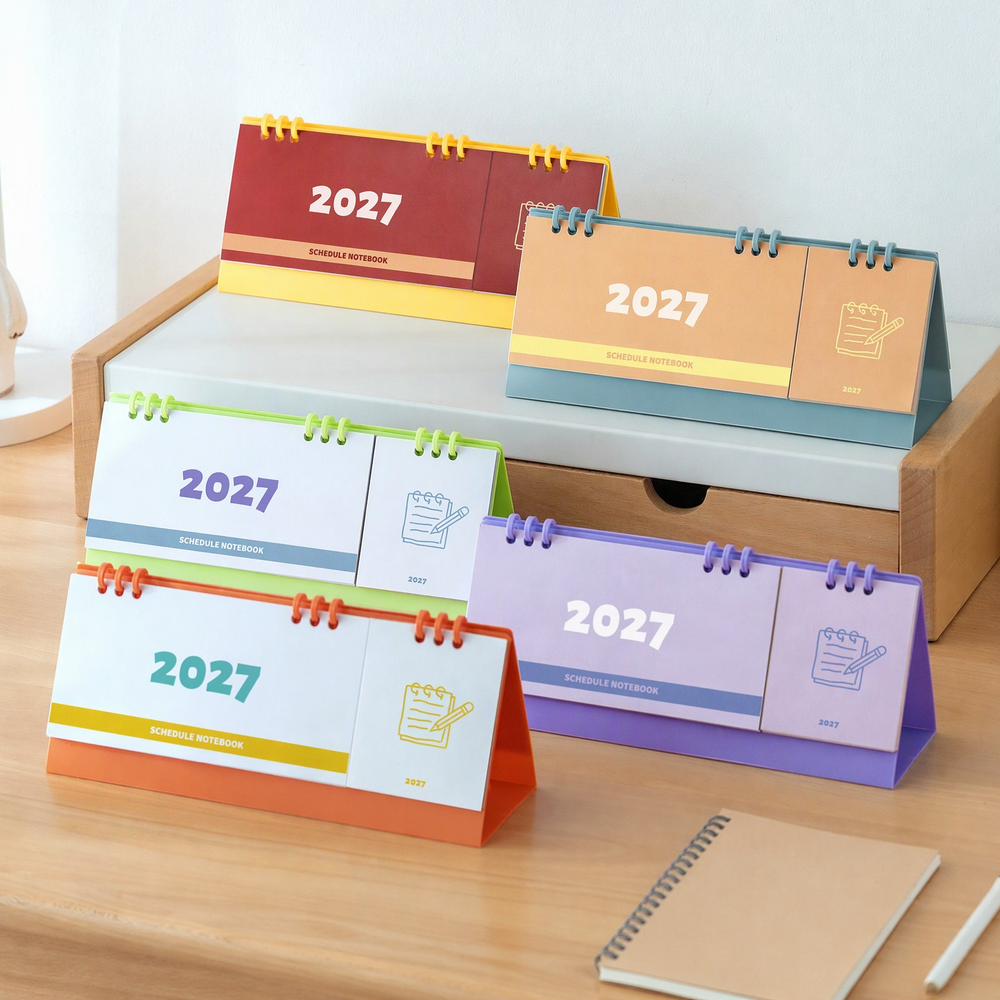
Custom 2027 Art Paper Desktop Calendar & Planner
A retail-ready calendar for U.S. insurance agencies, dealerships, banks, real-estate offices and promotional distributors. Choose monthly or daily grids, art paper, wire binding and logo personalization. Book early for Q4 corporate gifting because calendar production is seasonal and approval delays can miss January distribution.
View product
Wholesale Gold-Stamped Embossed Business Cards
A high-impact leave-behind for U.S. realtors, attorneys, med-spas, consultants and luxury retailers. The card supports gold stamping, deep relief embossing and heavy stock; request a physical proof so foil tone, emboss depth and stock color match the standards your brand team expects.
View product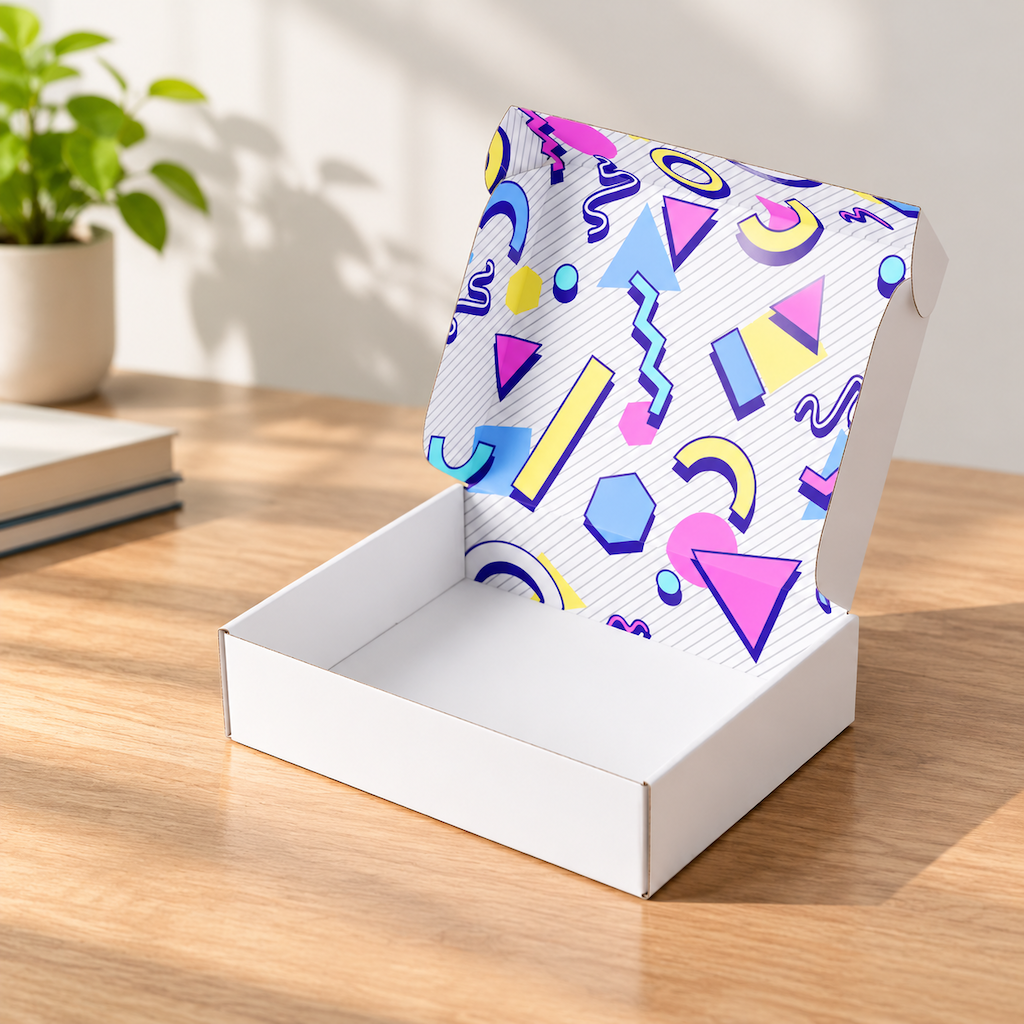
Custom Corrugated Gift Mailer Box
A foldable corrugated mailer for DTC brands, Amazon sellers, subscription clubs and apparel returns. Full-color printing inside and outside, tear-strip options and flat-packed delivery help reduce dimensional weight while creating a branded unboxing moment that works in U.S. parcel networks.
View product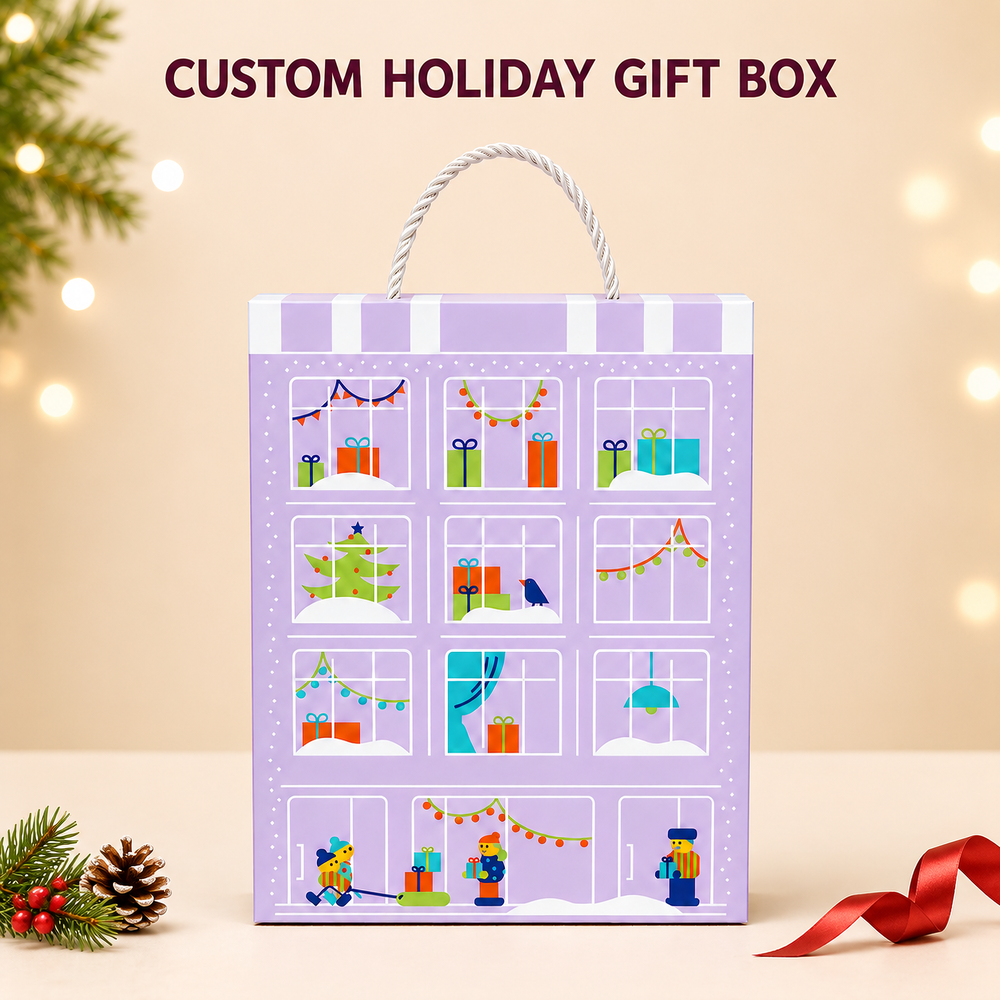
Custom Rigid Drawer Gift Box with Rope Handle
A rigid drawer box for jewelry, candles, holiday mystery boxes, corporate gifts and premium retail sets. Greyboard construction, rope handle, sleeve and custom insert keep the product secure and make the package feel gift-ready before it reaches a U.S. sales counter or influencer unboxing.
View product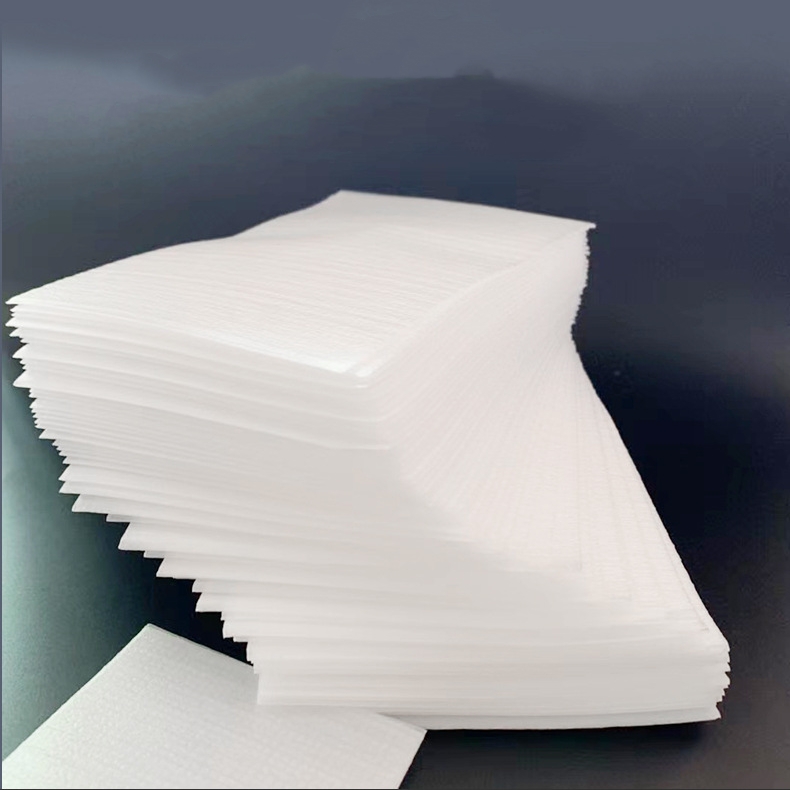
Custom EPE Foam Protective Packaging Bags
Protective EPE foam packaging for electronics, glassware, instruments, furniture fittings and replacement parts. Pouches, sheets and die-cut cushions can be specified for U.S. parcel handling, helping reduce abrasion, shock and moisture damage without adding unnecessary fiber weight.
View product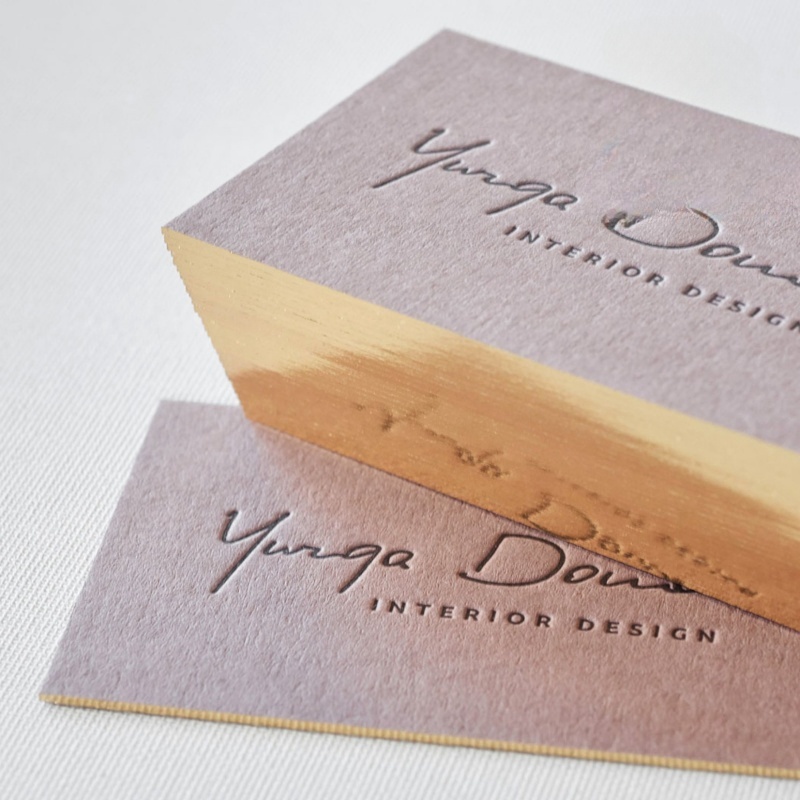
Luxury Embossed Gold-Stamping Business Card
A boutique business card for wedding planners, beauty brands, design studios and financial advisors. Embossed logos, gold stamping and grey or pink stock create a tactile asset that works at meetings, trade shows and retail counters where first impressions are part of the sales process.
View product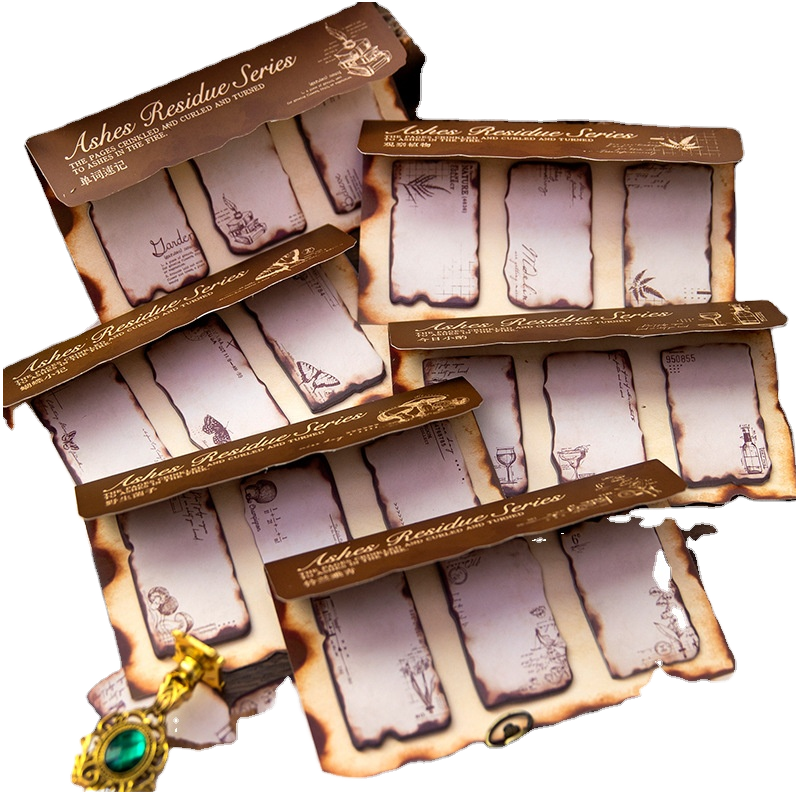
Retro Burnt Handbook Decoration Stickers, 60 pcs/pack
A 60-piece sticker pack for journaling brands, craft sellers, stationers and e-commerce insert programs. Use custom stickers as package seals, thank-you inserts or seasonal promotions; trial runs help U.S. sellers test designs before scaling a listing or retail collection.
View product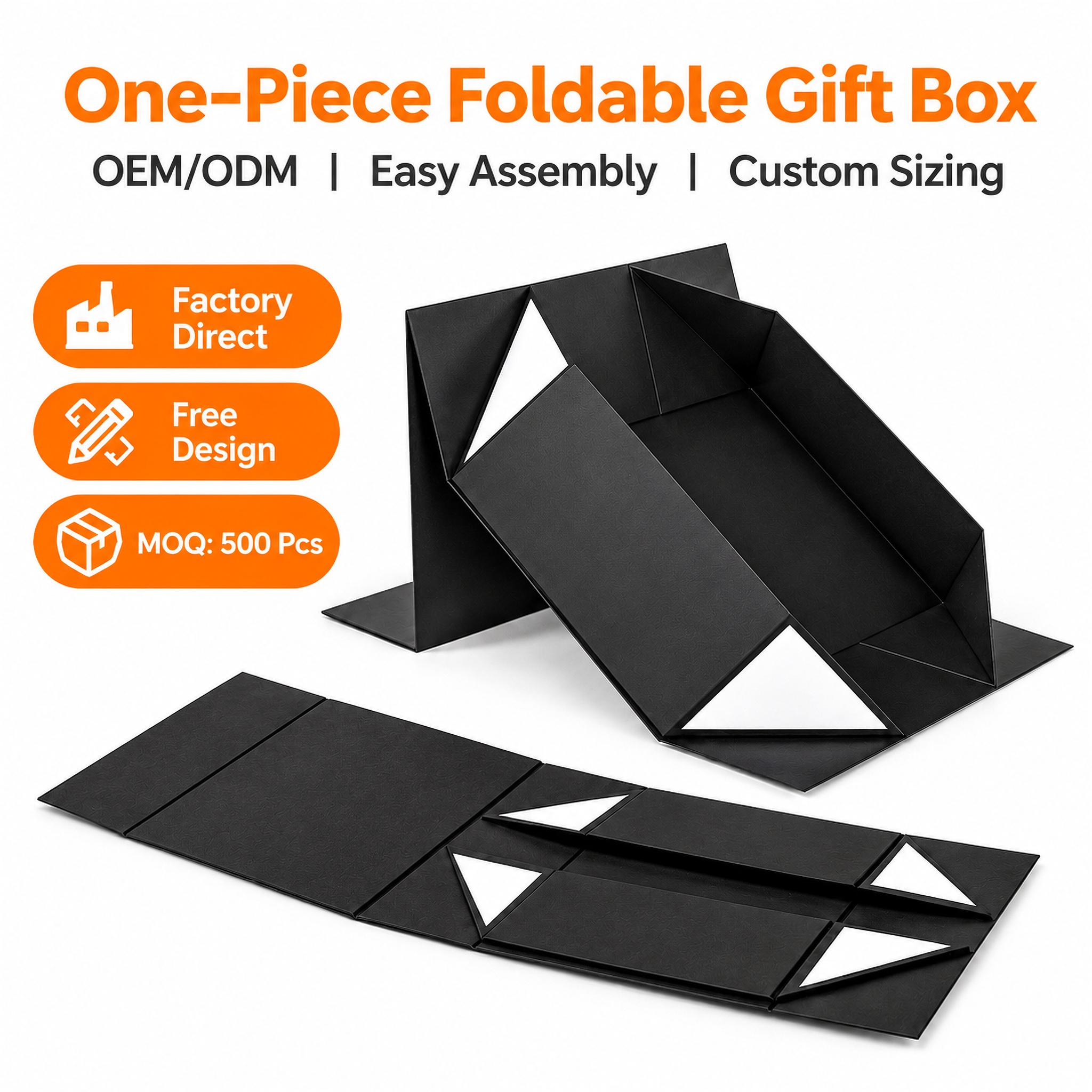
Luxury Collapsible Magnetic Gift Box with Lid
A collapsible magnetic gift box for fragrance, tech accessories, influencer kits and luxury gifting. The rigid structure folds flat to save warehouse space and freight, while magnetic closure, matte paper and custom inserts protect the product and support a repeatable premium unboxing experience.
View productA Data-Led View of U.S. Cardboard Box Procurement
American buyers rarely search for “cardboard boxes” in isolation. They are usually trying to solve one of four business problems: ship products without damage, make a retail package feel premium, lower dimensional weight, or find a verified wholesaler that can repeat quality across multiple purchase orders. The strongest supplier response addresses all four.
Translate Search Intent Into Buying Criteria
When a U.S. buyer searches for a cardboard box factory or wholesaler, the real evaluation may include board grade, flute height, print method, transit testing, insert fit, pallet count and carton markings. A good brief names the product, packed weight, shipping channel and retail channel. That helps the factory recommend a structure that is not overbuilt or under-specified.
Specifications That Change the Quote
Ask for board type, ECT or Mullen target when relevant, dimensions in inches or millimeters, print coverage, lamination, foil, embossing, window patching and assembly requirements. For U.S. small-parcel shipments, every quarter inch affects dimensional weight. For retail programs, shelf-readiness and opening experience may matter more than the lowest unit cost.
Total Landed Cost Beats Unit Price
The best U.S. packaging program is not always the cheapest box. Flat packing, efficient pallet configuration, export-grade cartons, correct insert fit and fewer damage claims can lower total cost. Buba reviews structure, artwork, destination and delivery schedule together so the quote reflects the real purchasing decision, not only a factory unit price.
U.S. Wholesale Packaging Decision Board
An illustrative framework for prioritizing supplier review. Use it to brief your internal team before requesting samples and pricing.
Where U.S. Buyers Use Custom Cardboard and Paper Packaging
Packaging decisions differ by channel. A subscription kit, a retail candle set, an Amazon replenishment carton and an industrial replacement part may all be “boxes,” but they carry different structural, print, compliance and customer-experience requirements.
DTC E-commerce Fulfillment
U.S. direct-to-consumer brands use custom corrugated mailer boxes for skincare, apparel, coffee, pet products and return-friendly shipments. The strongest structures balance a branded interior with stack strength, easy opening and flat-pack freight. Include your 3PL’s receiving requirements and your carrier’s parcel profile in the brief.
Subscription Box Programs
Monthly beauty, snack, hobby and wellness boxes need repeatable inserts, seasonal labels and a structure that presents well when opened on camera. Rigid drawer boxes and magnetic boxes create a premium reveal, while paper inserts or EPE cushions keep products stable during parcel handling. Versioned print keeps each drop fresh.
Premium Retail & Boutique Gifting
U.S. boutiques, jewelers, candle makers and department-store vendors use rigid boxes, magnetic gift boxes, paper bags and business cards as one visual system. A collapsible magnetic box can lower warehouse space requirements while preserving a luxury first impression. Matching labels, hang tags and thank-you cards complete the retail experience.
Corporate Gifting & Distributor Programs
U.S. distributors and corporate buyers source calendars, notebooks, rigid gift boxes and printed collateral for client retention. Programs often require versioning by department, destination or sales region. Early artwork approval is essential for Q4 calendars and holiday gift boxes because ocean freight and production capacity are time-sensitive.
Electronics, Industrial & Replacement Parts
Industrial buyers ask for EPE foam pouches, corrugated boxes and protective cushions that reduce abrasion, shock and moisture exposure. Specify the part weight, fragile zones, drop environment and whether the package will be opened by a technician or an end customer. Clean die-cut inserts often reduce packing labor at a U.S. warehouse.
Marketplaces, Promotions & Inserts
Amazon sellers, Etsy-style brands and promotional distributors need low-friction print assets: stickers, business cards, package inserts, coupons and thank-you cards. These small items can influence reviews and repeat purchases. Keep barcode areas, warning text and retailer labeling zones clear when designing the main packaging.
U.S. Market Trends Reshaping Cardboard Box Demand
U.S. packaging requirements are moving faster than many buyers expect. The supplier conversation should cover sustainability documentation, right-sizing, retail compliance and shorter product cycles — not just board price.
Packaging as a Brand Media Channel
DTC and social-first brands treat the mailer box as a post-purchase touchpoint. Interior print, QR codes, insert cards and reveal moments are planned together. U.S. buyers increasingly ask for a 3D mockup before approving print because the unboxing sequence must work from every camera angle.
Sustainability and State EPR Pressure
State packaging extended producer responsibility programs, retailer scorecards and consumer expectations are raising demand for recyclable kraft and corrugated board, paper-based inserts and reduced plastic use. Avoid vague “eco-friendly” claims. Specify material, recycled content and end-of-life route, then support claims with documentation where available.
Right-Sized Packaging and Freight Efficiency
Dimensional weight, pallet density and 3PL storage costs push U.S. buyers toward right-sized cartons, collapsible rigid boxes and flat-packed mailers. A slightly higher unit cost can be offset by lower freight, fewer void fill materials and better warehouse throughput. Ask for a packed sample, not only a flat dieline.
Shorter Runs and More Versioning
Market testing, limited drops, regional promotions and influencer kits create demand for shorter runs and faster artwork changes. Digital and hybrid production can make versioning practical, but foil, embossing and rigid assembly still require disciplined sample approval. Plan artwork versioning before one SKU becomes five.
Why Buba Is a Practical Partner for U.S. Wholesale Programs
Fuzhou Buba Printing Co., Ltd. combines structural design, prepress, offset and digital printing, finishing, die-cutting and hand assembly under one roof. That matters to U.S. buyers because fewer handoffs mean clearer accountability when a custom packaging program moves from sample to mass production.
TÜV Rheinland Onsite Verification
Our factory has been verified onsite by TÜV Rheinland, giving U.S. buyers an independent reference point before placing a first order. We are positioned as a Custom Manufacturer with design-based, sample-based and full customization support.
18+ Years of Paper-Print Experience
Eighteen years in the paper-printing trade and more than a decade of export work support a practical understanding of U.S. packaging expectations, artwork preparation, shipping documentation and repeat-order consistency.
Free 3D Mockup and Dieline Support
Our in-house design team provides dielines and a free 3D mockup so you can approve structure, artwork position, opening sequence and finishing before a physical sample is produced. This reduces costly revisions.
Recyclable Paper Options
We offer recyclable kraft and corrugated board, paper-based inserts instead of plastic, water-based inks and plastic-free tear-strip mailer options. Exact recyclability claims should be confirmed for the selected material and local U.S. program.
Premium Finishing In-House
Hot foil, blind and 3D embossing, spot UV, soft-touch lamination, holographic effects, letterpress and window patching can be coordinated under one production plan. Finishing choices are matched to the artwork and budget.
Export-Ready QC and Logistics
Incoming material checks, first-article approval, inline color checks and final AQL inspection can be supported with photo reports. Export-grade cartons, flat packing and sea, air or express shipping help U.S. buyers plan delivery into a warehouse or 3PL.
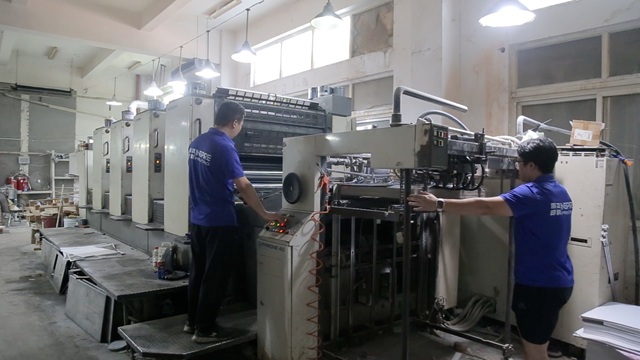

Inside a 2,300 m² Facility Built Around Custom Work
Our Fuzhou facility handles structural design, prepress, offset and digital printing, foil stamping, embossing, lamination, die-cutting and hand assembly. For U.S. programs, the value is not simply equipment; it is the ability to keep a sample-approved standard visible through every production stage. We confirm specifications in writing and use pre-production samples to align color, fit and finishing before mass production.

Independent reference: onsite verification by TÜV Rheinland helps U.S. buyers evaluate the supplier behind the quotation.
Materials, Finishing and Quote Inputs for U.S. Buyers
Use this reference to prepare a clearer request for quotation. Final board grade, flute, GSM and finishing should always be confirmed against your packed weight, shipping method, retail channel and artwork.
| Product | Typical Material | Common Specification | U.S. Buyer Note |
|---|---|---|---|
| Corrugated Mailer Box | E-flute or B-flute corrugated, white or kraft liner | 1.5–3 mm board, CMYK inside and outside, matte or gloss lamination, tear strip | Discuss ECT, packed weight, drop environment and dimensional weight before choosing flute. |
| Rigid Magnetic Gift Box | Greyboard wrapped in art or specialty paper | 1200–2000 gsm greyboard, magnetic flap, EVA or paper insert, foil and embossing | Request a packed sample to confirm closure strength, insert fit and unboxing sequence. |
| Folding Gift Box | SBS or C1S ivory board, kraft board | 300–400 gsm, soft-touch lamination, window patch, double-door structure | Best for retail shelf presentation where freight cube and unit cost must stay lean. |
| Paper Shopping Bag | Kraft paper, art paper, white cardstock | 120–250 gsm, rope or ribbon handle, zipper top, gold foil, embossed logo | Confirm handle load, bag gusset and counter display size for U.S. retail use. |
| Hang Tags & Labels | Thick cardstock, self-adhesive paper | 300–800 gsm, 3D embossing, letterpress, die-cut shapes, waterproof film | Keep barcode quiet zones and retailer labeling requirements clear from the start. |
| Catalogs & Books | Coated art paper, offset paper, duplex board | 105–157 gsm text, 200–350 gsm cover, saddle-stitch, perfect bound, hardcover | Match binding to page count, mailing method and how the catalog will be used in the U.S. |
Ranges shown are typical production options. Final specifications are confirmed in writing and on a pre-production sample before mass production.
From U.S. Brief to Factory Approval in Six Steps
A transparent workflow with a sign-off at each stage reduces surprises when cartons arrive at a U.S. warehouse, retail DC or 3PL.
Brief and Dieline
Share size, packed weight, product photos, quantity, destination and artwork. We propose structure, material and finishing options.
Free 3D Mockup
Approve a rendered mockup with artwork placement, opening direction and insert concept before a physical sample is made.
Pre-Production Sample
A physical sample confirms color, fit, closure, insert and finishing. Written approval locks the standard for mass production.
Mass Production
Printing, finishing and assembly proceed with inline color checks and first-article control against the approved sample.
Final Inspection
AQL inspection and photo reports can be shared before shipment so your U.S. team can review before cartons leave the factory.
Global Shipping
Export packing and sea, air or express delivery can be coordinated with your forwarder, importer or U.S. warehouse receiving plan.
A 12-Point Brief for U.S. Wholesale Packaging
Including these details in your first message usually shortens quotation and sampling time.
- Product dimensions and packed weight
- Target quantity and reorder plan
- Shipping channel: parcel, LTL, ocean or retail DC
- Box style, dieline or reference sample
- Board grade, flute or ECT target
- Print coverage and preferred color system
- Finishing: foil, emboss, lamination or spot UV
- Insert requirement and product protection zone
- Artwork format and dieline approval contact
- U.S. destination ZIP, 3PL or warehouse requirements
- Target in-stock date and sample deadline
- Compliance claims or retailer packaging guidelines
Frequently Asked Questions From U.S. Wholesale Buyers
These answers reflect common purchasing questions from U.S. brand owners, importers, e-commerce sellers and distributors evaluating a custom packaging factory.
What is the minimum order quantity for custom cardboard boxes?
Most custom mailer boxes, rigid gift boxes and paper bags start from 100 pieces. Some notebooks can start from 50 pieces, while hang tags, flyers and labels usually start from 200–1,000 pieces depending on size and finishing. The final MOQ depends on material, print method, structure and finishing.
Can you provide a free 3D mockup before I pay for a sample?
Yes. Our in-house design team can provide a dieline and a free 3D mockup so you can approve structure, artwork position, opening direction and finishing before a physical sample is produced. The mockup is especially useful for U.S. brand teams that need internal approval across marketing, operations and retail partners.
How long do samples and mass production take?
Typical lead time is 3–7 working days for pre-production samples and 10–20 working days for mass production after sample approval. Complex rigid boxes, multi-component gift sets or large book runs may need longer. We confirm the schedule in writing with every order and recommend planning extra time for Q4 calendars and holiday packaging.
Which artwork file formats do you accept?
We prefer vector AI, PDF or EPS files in CMYK with 3 mm bleed and outlined fonts. High-resolution PSD or TIFF files at 300 dpi are also accepted. Pantone colors can be matched on request. For foil stamping, embossing and spot UV, provide a separate artwork layer so the finishing area is unambiguous.
Can you make eco-friendly or recyclable packaging?
Yes. We offer recyclable kraft and corrugated board, paper-based inserts instead of plastic, water-based inks and plastic-free tear-strip mailer boxes. Because recyclability rules and retailer claims differ across U.S. states and programs, confirm the exact material and documentation requirements before printing environmental claims on the package.
Is your factory verified by a third party?
Yes. Our factory has been verified onsite by TÜV Rheinland and is listed as a Custom Manufacturer offering design-based, sample-based and full customization with onsite material inspection. This gives U.S. buyers an independent reference when evaluating a new supplier.
Can you support U.S. shipping, flat packing and 3PL receiving?
We have more than 10 years of export experience and can use flat packing where the structure allows to reduce freight and storage cube. We can coordinate export cartons and sea, air or express shipping with your forwarder, importer or U.S. 3PL. Share the destination ZIP, receiving appointment rules and pallet or carton labeling requirements early.
How do I start a U.S.-ready packaging inquiry?
Send the product size, packed weight, target quantity, artwork status, delivery destination and required in-stock date. If you already have a dieline or reference sample, include photos. Our team will respond with a structure proposal, material recommendation and next steps for a free 3D mockup and quotation. Use the Inquire Now button below to begin the conversation.
Start Your U.S.-Ready Cardboard Packaging Inquiry
Share your box style, size, quantity, artwork and destination. Our team will review the structure, recommend a material and finishing plan, and prepare the next step for a free 3D mockup. For faster feedback, include your packed weight, shipping channel and target delivery date.