8 Custom Products That Support Boutique Shopping Bag Programs
For Washington DC buyers, a shopping bag rarely travels alone. The strongest boutique programs pair the main bag with gift boxes, thank-you cards, business cards, labels and mailers so the brand experience stays consistent from shelf to doorstep.
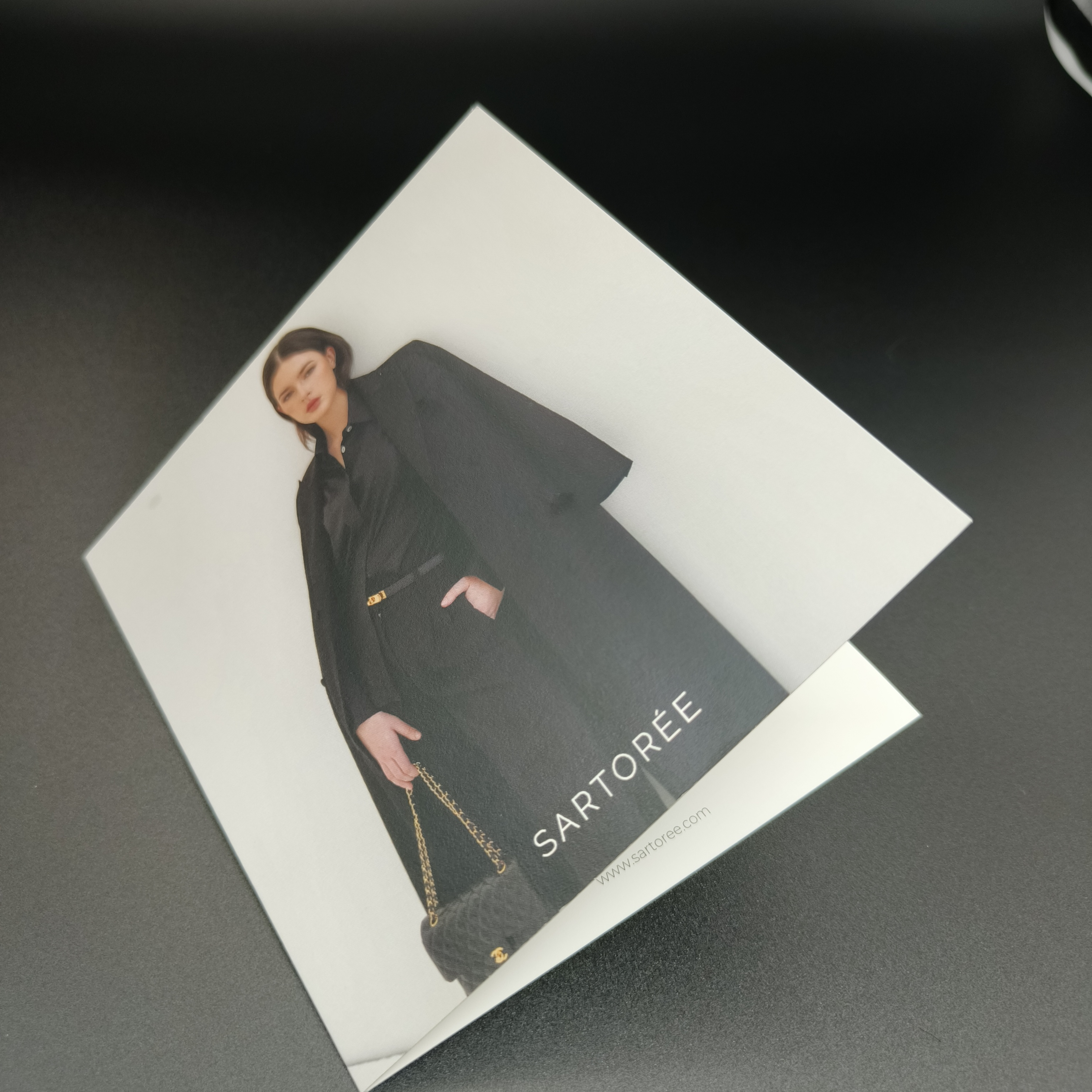
Custom Thank-You Cards with Small-Quantity Support
Offset-printed thank-you cards on cardboard paper—ideal for Georgetown boutiques that want a personal insert inside every shopping bag.
View product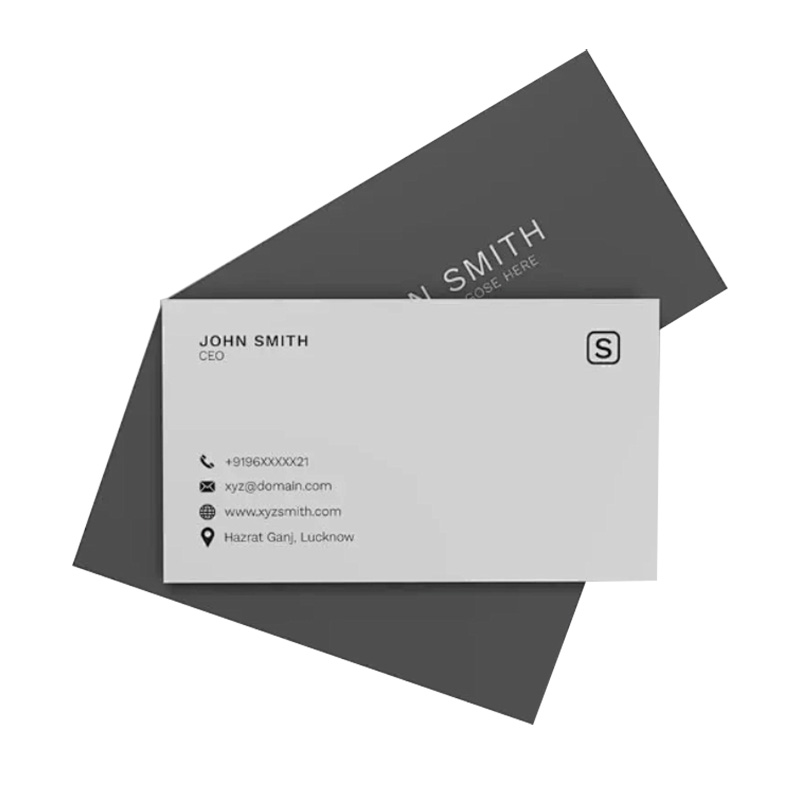
PVC & Paper Business / Greeting Cards
Free-design printing with smooth PVC and offset paper options—useful for stylists, showrooms and appointment-based DC retailers.
View product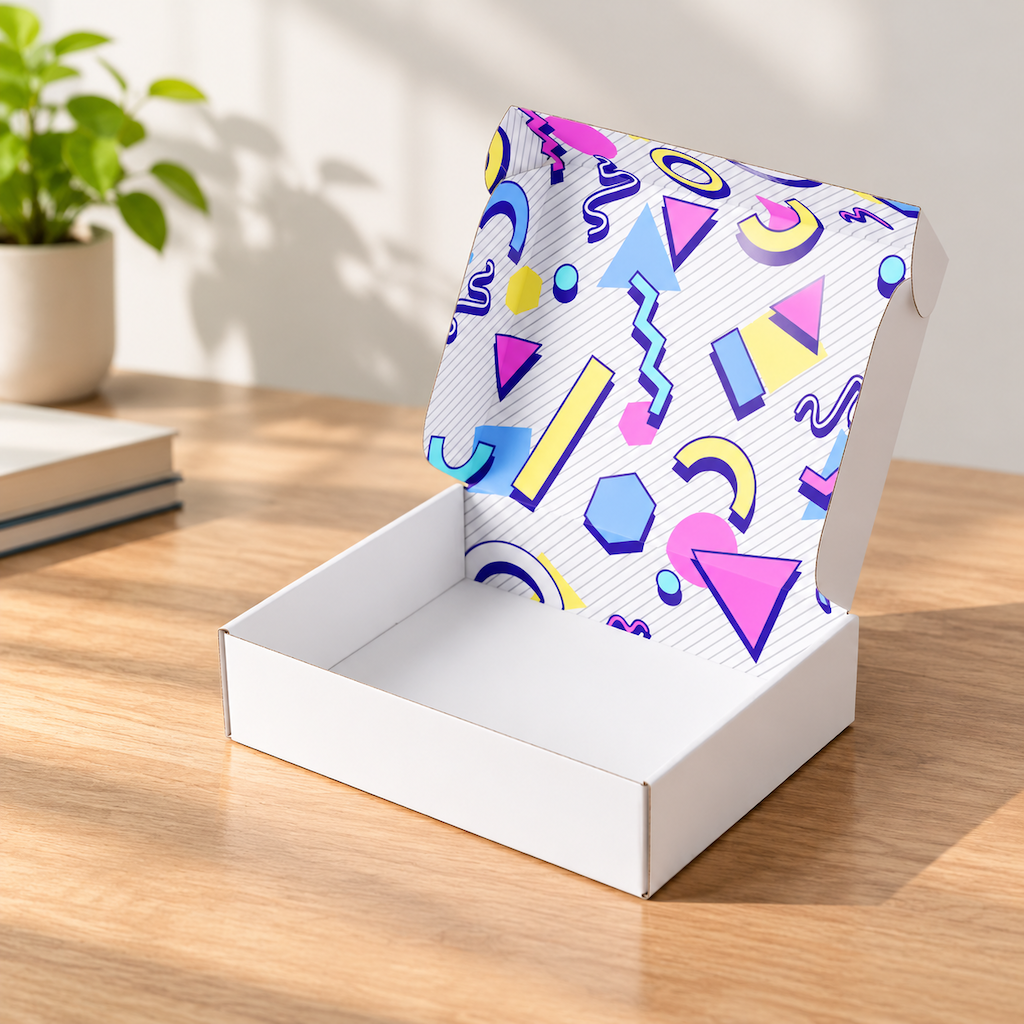
Custom Foldable Corrugated Gift Mailer Box
Recyclable, foldable packaging for gift and craft brands—pairs with a boutique shopping bag for click-and-collect orders.
View product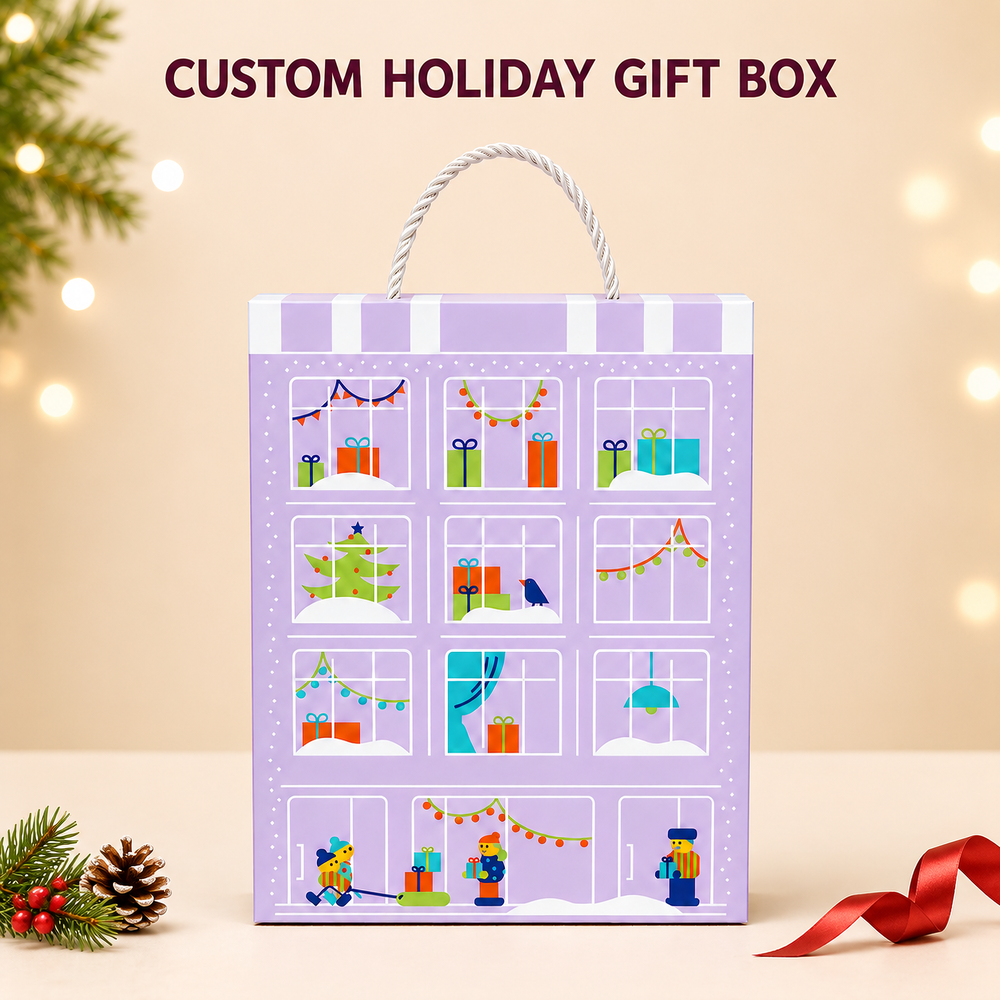
Rigid Drawer Gift Box with Rope Handle
Premium rigid gift box in a drawer structure with rope handle—well suited to jewelry, fragrance and holiday mystery boxes.
View product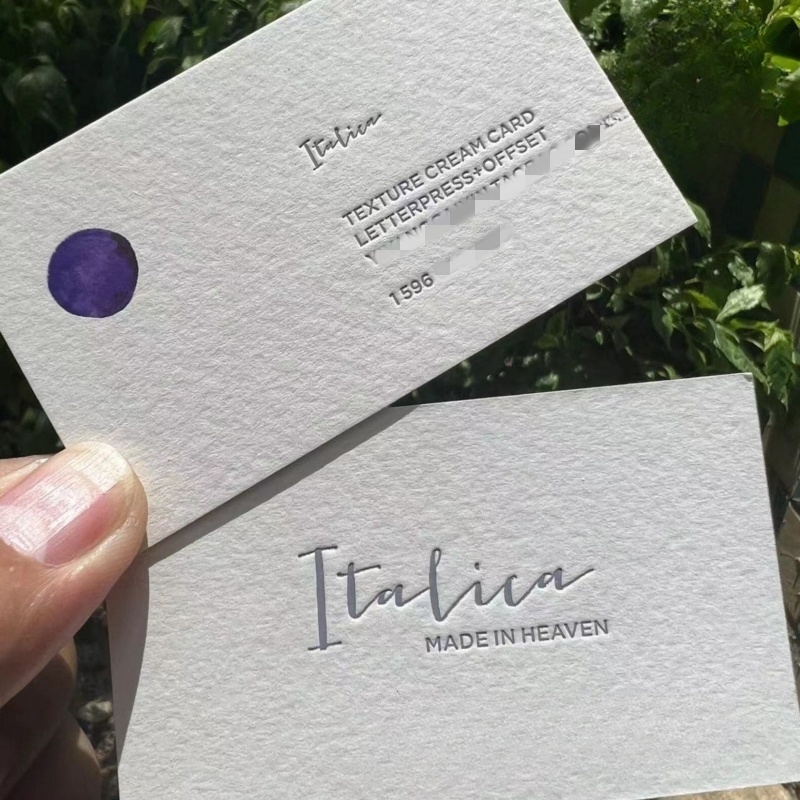
Hot-Stamped Kraft Greeting Cards
White kraft cards with hot stamping for wedding invitations, thank-you messages and boutique loyalty touchpoints.
View product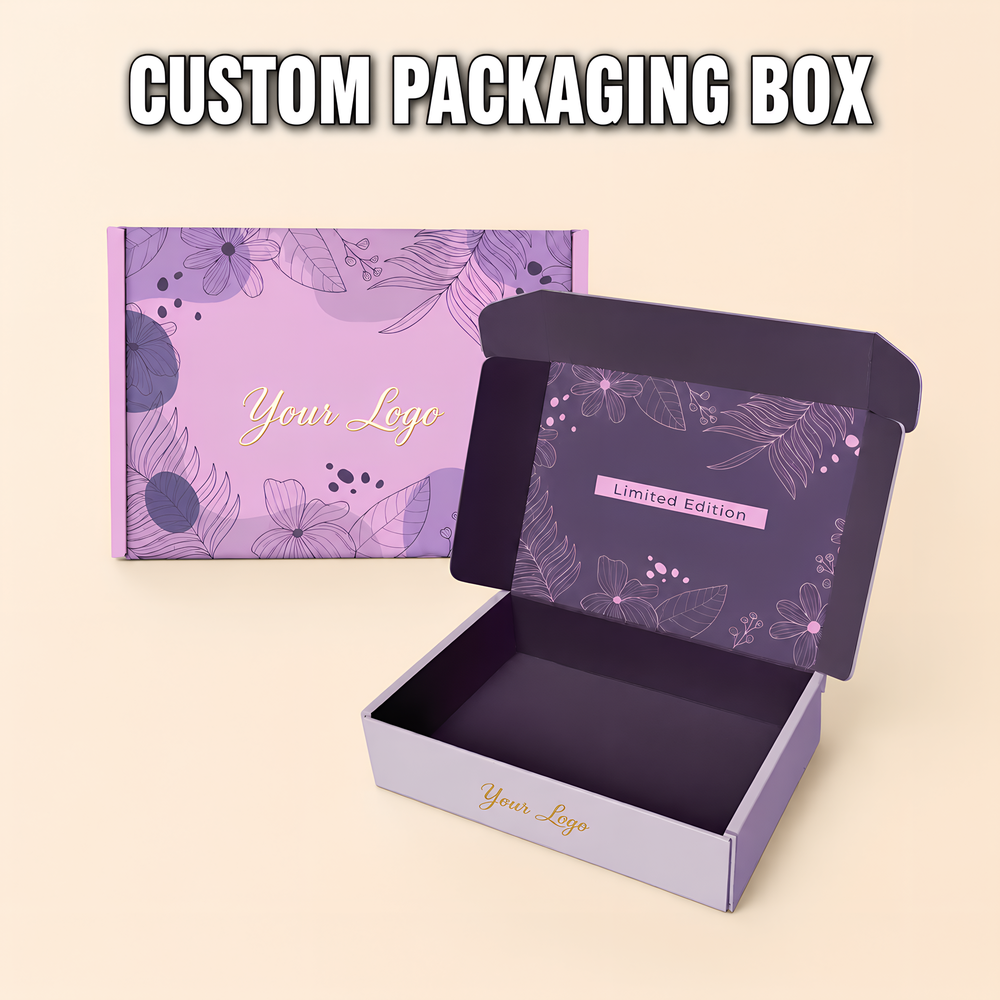
Eco-Friendly Logo-Printed Mailer Box
Custom shipping and gift packaging for subscription and DTC boutique brands that need a coordinated unboxing system.
View product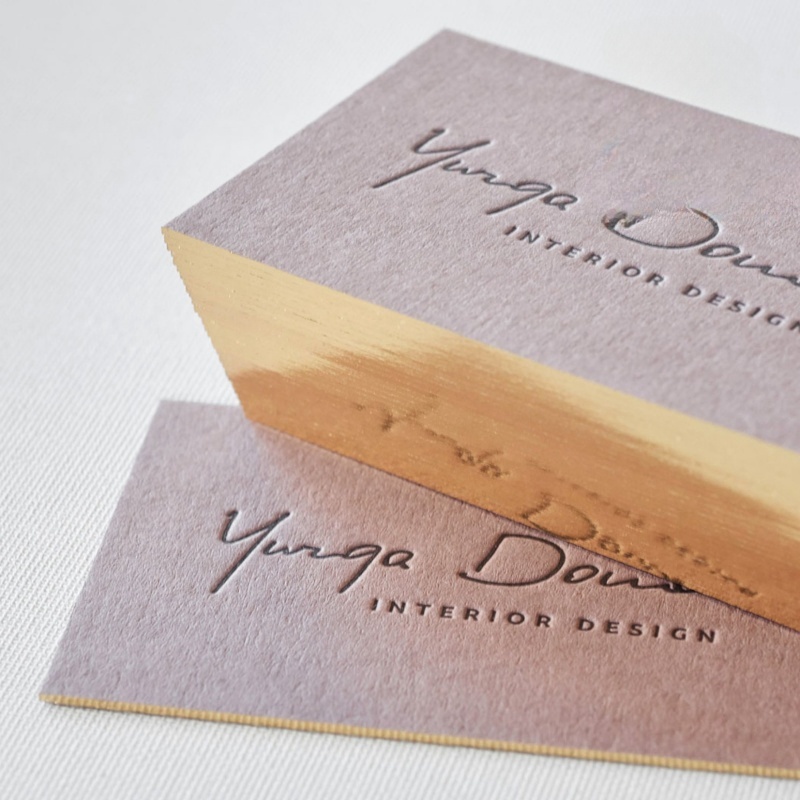
Luxury Embossed Gold-Stamp Business Card
Eco-friendly card stock with embossed logo and gold stamping—a strong fit for DC design studios and luxury service brands.
View product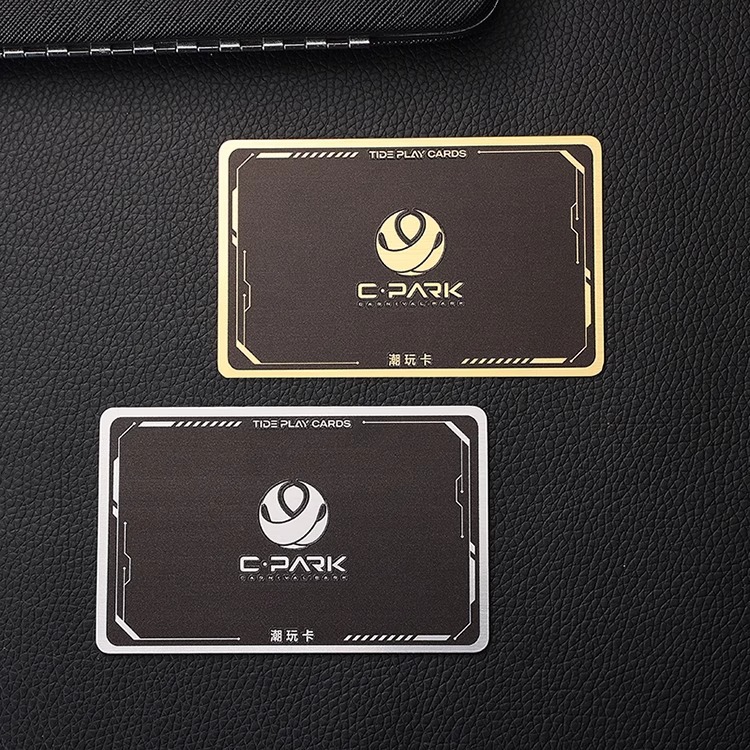
3D Textured VIP Loyalty Business Card
Offset paper, cardboard and duplex board options with 3D texture—ideal for loyalty programs and premium salon retail.
View productWashington DC Boutique Bag Procurement: What the Query Really Means
The phrase “Boutique Shopping Bags Factory & Exporters in Washington DC” blends three buying intents: local supplier discovery, custom manufacturing capability, and export logistics into the Washington DC market. The buyer is usually not searching for a generic “paper bag”; they are evaluating whether a factory can deliver a retail-grade bag that matches their brand, survives real-world use, and arrives before a seasonal launch.
Local Discovery + Factory Vetting
DC buyers want a supplier they can verify. Look for onsite third-party verification, real factory photos, sample-room evidence, QC workflow and a clear statement of where production happens.
Small-Batch Economics
Independent boutiques often need 100–500 pieces, not 10,000. A factory-direct exporter can reduce waste by using standard sizes, shared materials and a free 3D mockup before sampling.
Compliance & Sustainability
Washington DC shoppers notice packaging. Use recyclable kraft or paper-based structures, request material declarations, and avoid vague “eco” claims unless they are supported by documentation.
Landed Cost & Lead Time
Compare total landed cost: bag unit price, setup, freight, duty, customs clearance, inland delivery and storage. Ocean freight from Fuzhou to the US East Coast typically requires 25–40 days plus clearance.
Information Gain for DC Buyers: Do Not Compare Unit Price Alone
Factory quotes can look lower than local print quotes because they exclude freight, duty, port fees and inland delivery. For a realistic comparison, ask every supplier for the same bag size, paper weight, handle, print method, finish, packing method and delivery point. Then calculate: unit price + setup + freight + duty + inland delivery + storage + waste from over-ordering. A slightly higher unit price with the right MOQ, packing and reorder system often lowers the true cost of a Washington DC boutique bag program.
Where Boutique Shopping Bags Work Hardest in Washington, DC
In Washington DC, a boutique bag travels through Metro stations, offices, hotels, museums and conference venues. That visibility changes the specification: the bag must feel premium enough for the brand, durable enough for a full day, and light enough to carry comfortably.
Georgetown & CityCenterDC Luxury Retail
For jewelry, fragrance and apparel boutiques, choose a structured 210–250 gsm art paper bag with ribbon or cotton handle, matte lamination and gold foil or blind embossing. Pair it with a rigid drawer gift box and an embossed business card so the entire handoff feels coordinated.
Dupont Circle & Shaw Independents
Independent bookshops, design studios and concept stores often prefer natural kraft bags with one-color print, a reinforced top and a custom sticker. A 100-piece run lets the owner test a new visual identity without committing to thousands of bags.
The Wharf & Waterfront Hospitality
Hotels and waterfront retailers need bags that handle guest amenities, boutique purchases and quick errands. A 200–250 gsm art paper bag with a moisture-resistant lamination and cotton rope handle balances durability with a premium hospitality feel.
Capitol Hill & Museum-Adjacent Stores
Museum stores and Capitol Hill gift shops often sell small souvenirs that need a bag strong enough for books, postcards and gifts. Kraft or art paper bags with printed handles, aqueous varnish and educational inserts work well for tourists who reuse the bag after leaving DC.
Union Market & Pop-Up Retail
Pop-ups need speed and low commitment. Use a standard bag size, one or two print colors and a simple die-line, then add a custom label or card for each event. This keeps the unit cost controlled while still looking intentional and brand-led.
Embassy Row, Nonprofits & Events
For conferences, donor gifts and protocol-sensitive events, choose restrained colors, clean typography and premium paper rather than heavy promotional graphics. A presentation bag with matching notebook, folder or rigid gift box feels appropriate for institutional audiences.
Washington DC Trends Reshaping Boutique Shopping Bag Programs
Local buying behavior changes quickly. The most successful DC bag programs are planned around sustainability expectations, tactile branding, tourism cycles and a retail model that now blends physical stores with online fulfillment.
Sustainability Expectations Beyond the Bag Law
Washington DC’s bag-law framework is best known for food and alcohol retail, but the cultural expectation is broader: customers expect reusable, recyclable and better-designed bags. Boutiques should specify paper weight, handle strength and material documentation rather than relying on a generic “green” message.
Premiumization & Tactile Branding
Matte lamination, soft-touch surfaces, 3D embossing, spot UV and hot foil continue to separate boutique brands in Georgetown, CityCenterDC and The Wharf. The goal is not decoration for its own sake; it is a bag that feels substantial, photographs well and encourages reuse.
Tourism & Seasonal Calendar Compression
Cherry blossom season, graduations, summer tourism and the holiday market create sharp demand windows. Plan bags 8–12 weeks before peak season, especially when custom sizes, foil stamping or special handles are involved. Late reorders should rely on a pre-approved structure and stored artwork.
Social-First Retail & Hybrid DTC
Boutique bags now appear in customer photos, delivery videos and click-and-collect handoffs. Add a clean logo, QR code or reorder message, then coordinate the bag with mailer boxes and thank-you cards so online and in-store experiences feel connected.
Match the Boutique Bag to the Washington DC Retail Format
There is no single “best” boutique shopping bag. The right structure depends on product weight, brand positioning, season, delivery model and the customer’s likely reuse behavior. Use the specification guide below as a practical starting point for a DC-focused inquiry.
| Boutique Program | Recommended Structure | Material / Weight | Finish & Handle | Typical MOQ Guidance |
|---|---|---|---|---|
| Luxury apparel & jewelry | Structured rectangular bag with reinforced top | 210–250 gsm art paper or specialty paper | Matte lamination, gold foil, embossed logo, ribbon or cotton handle | 100–500 pcs depending on size and finish |
| Eco concept store | Natural kraft retail bag with folded top | 150–200 gsm kraft paper | Water-based ink, twisted paper handle, custom sticker | 100 pcs on many standard sizes |
| Hotel & guest retail | Wide-bottom bag for amenities and folded goods | 200–250 gsm art paper | Spot UV, soft-touch lamination, cotton rope handle | 100 pcs; confirm load-bearing requirement |
| Museum & souvenir store | Compact bag for books, postcards and gift items | 180–230 gsm kraft or art paper | Aqueous varnish, printed handle, educational insert | 100–300 pcs |
| Pop-up & event retail | Standard die-cut bag with low setup complexity | 157–200 gsm art paper | One or two print colors, custom label, simple handle | 100 pcs; use stock size to reduce waste |
| DTC & click-and-collect | Coordinated bag, mailer box and thank-you card | Corrugated mailer + paper bag + offset card | Inside print, paper insert, QR code, logo sticker | 100 pcs per component; bundle planning recommended |
Specifications are examples for inquiry planning. Final paper weight, handle strength and finishing are confirmed against your product weight, artwork and delivery method before mass production.
The Factory Advantage Behind Buba’s DC-Bound Boutique Bag Programs
Fuzhou Buba Printing Co., Ltd. is a factory-direct custom packaging and printing manufacturer in Fuzhou, Fujian, China. We are transparent about that location: we are not a Washington DC storefront. Our role is to give DC buyers direct access to the factory—structural design, prepress, printing, foil stamping, embossing, lamination, die-cutting and hand assembly—with export experience built for overseas orders.
TÜV Rheinland Onsite-Verified
Our factory has been verified onsite by TÜV Rheinland, and we are listed as a Custom Manufacturer with onsite material inspection. This gives DC buyers an independent reference point before requesting samples.
Free Structure & 3D Mockup
Our in-house design team provides dielines and a free 3D mockup so you can approve structure, artwork position and finishing before a physical sample is produced.
Low MOQ, Scalable Production
Many custom mailer boxes, rigid gift boxes and paper bags start from 100 pieces. Some notebooks start from 50 pieces, while labels, hang tags and flyers may start from 200–1,000 pieces depending on size and finishing.
Premium Finishing In-House
Hot foil, blind and 3D embossing, spot UV, soft-touch and holographic lamination, letterpress, window patching and specialty paper wrapping are handled under one accountable production workflow.
Verified Quality Control
Incoming material checks, first-article approval, inline color checks and final AQL inspection with photo reports help protect color, fit and finishing across bulk orders.
Export-Ready Logistics
More than 10 years of export experience: export-grade cartons, flat-packing to reduce freight volume, and sea, air or express shipping coordination for Washington DC and the wider US East Coast.
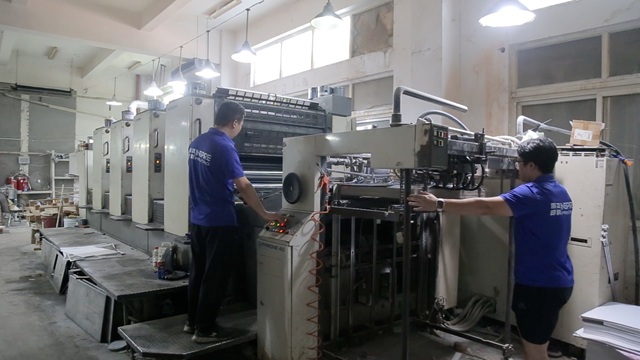
Factory overview

Printing production line
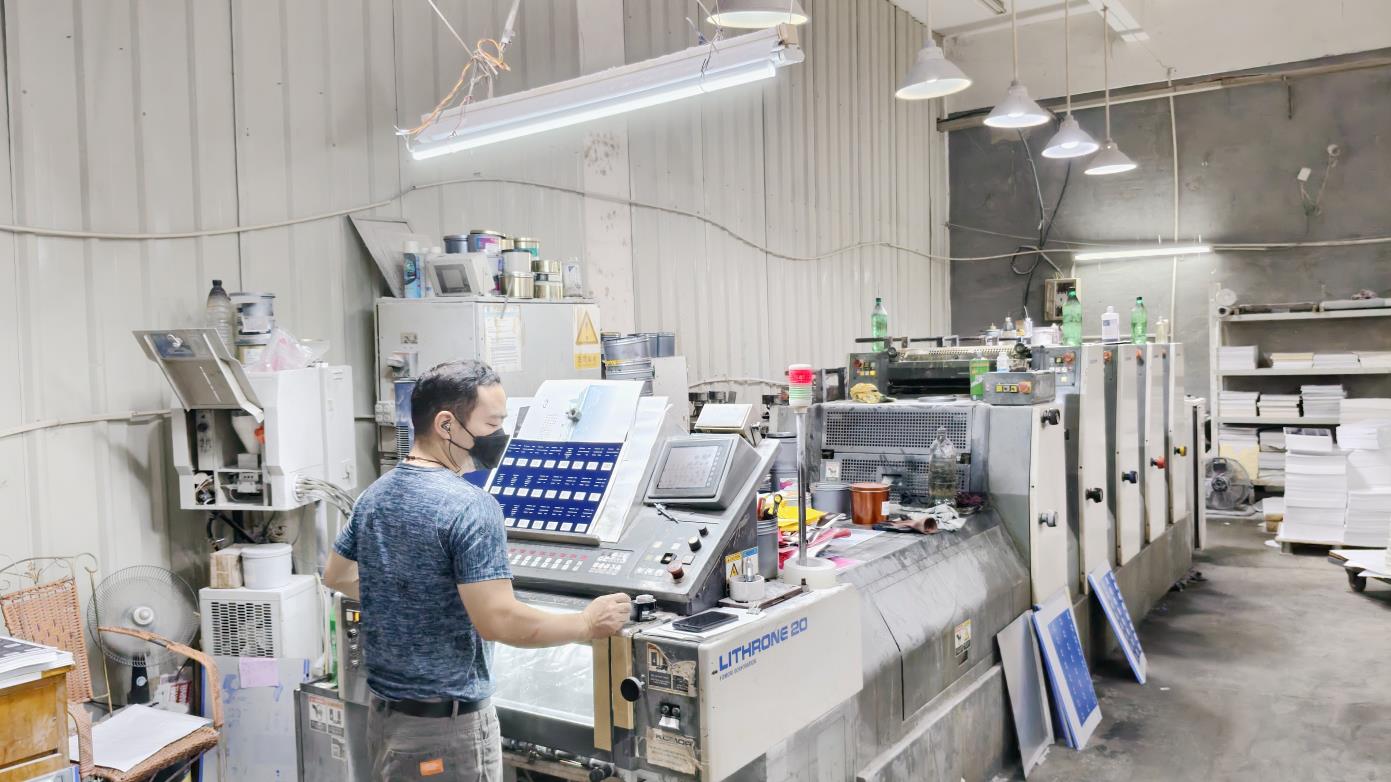
Workshop
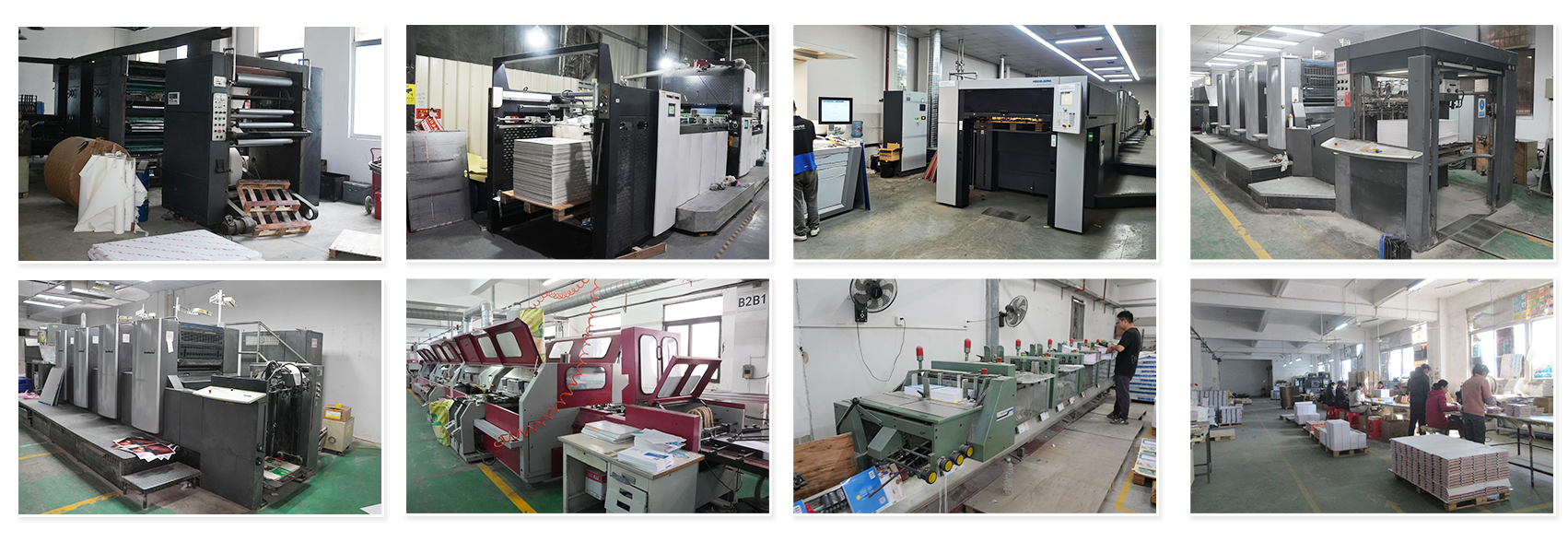
Certificates & qualifications
A 4-Step Custom Boutique Bag Process for Washington DC Buyers
A transparent workflow with sign-off points helps avoid the most common delays: unclear dielines, late artwork, unapproved materials and underestimated shipping time.
Brief & Dieline
Share bag size, product weight, quantity, handle type, artwork and delivery city. We propose the structure, material and finishing that match your budget.
3D Mockup & Sample
Approve a free 3D mockup, then a physical pre-production sample. This confirms color, fit, logo position and handle strength before mass production.
Production & QC
Printing, lamination, foil, embossing, die-cutting and assembly are checked inline. A final AQL inspection is documented with photos or video.
Export to Washington DC
We pack for export, confirm shipping documents and coordinate sea, air or express delivery. Plan ocean lead time plus customs clearance and inland delivery.
Frequently Asked Questions from Local Boutique Buyers
These are the questions Washington DC boutique owners, hotel buyers, museum shops and DTC teams ask most often when comparing a factory-direct exporter with a local print supplier.
Are you a Washington DC-based boutique bag factory or an overseas exporter?
Fuzhou Buba Printing Co., Ltd. is an overseas factory-direct manufacturer and exporter based in Fuzhou, Fujian, China. We serve Washington DC buyers but are not a local DC storefront. This is important for planning: production and export are handled from China, while delivery to Washington DC is coordinated through sea, air or express shipping. Our factory has been verified onsite by TÜV Rheinland.
Can a Georgetown or Shaw boutique order only 100 custom shopping bags?
Many custom mailer boxes, rigid gift boxes and paper bags start from 100 pieces. Some notebooks start from 50 pieces, while hang tags, flyers and labels usually start from 200–1,000 pieces depending on size and finishing. For the lowest small-batch risk, choose a standard bag size and limit special finishes until your reorder.
Do your bags meet Washington DC sustainability expectations and the DC Bag Law?
Washington DC’s bag-law framework is best known for food and alcohol retailers, and it has reinforced customer expectations around reusable and more responsible bags. We can offer recyclable kraft and corrugated board, paper-based inserts instead of plastic, water-based inks and plastic-free tear-strip options. We recommend requesting material declarations and avoiding vague “biodegradable” or “eco-friendly” claims unless they are supported by specific documentation for your chosen material and finish.
How should I compare a factory quote with a local Washington DC printing quote?
Compare the same specification and delivery point. Ask for bag size, paper weight, handle type, print colors, lamination, foil or embossing, packing method, sample cost, setup cost and estimated freight. A local quote may include delivery and faster reorders; a factory quote may offer lower unit cost and more finishing control but require freight planning. Always compare total landed cost rather than the unit price alone.
What lead time should I plan for a seasonal boutique launch in Washington DC?
Typical production timing is 3–7 working days for pre-production samples and 10–20 working days for mass production after sample approval. Ocean freight from Fuzhou to the US East Coast usually requires about 25–40 days plus customs clearance and inland delivery; air freight is often 5–10 days depending on service. For cherry blossom, graduation or holiday launches, work 8–12 weeks ahead and confirm every date in writing.
Which artwork formats do you need for custom boutique bags?
We prefer vector AI, PDF or EPS files in CMYK with 3 mm bleed and outlined fonts. High-resolution PSD or TIFF files at 300 dpi are also accepted. Pantone colors can be matched on request. If you do not have a dieline, our team can provide one for your bag structure before you finalize artwork.
Can you match an existing bag or create a new custom structure?
Yes. Send a physical sample, clear photo, dimension drawing or reference specification. Our design team can review the structure, material and finishing, then propose a dieline and free 3D mockup. For brand protection, only submit artwork or product designs that you have the right to use.
How do you protect quality across a bulk order?
Quality control includes incoming material checks, first-article approval before mass production, inline color checks, and final AQL inspection with photo reports before shipment. We also use export-grade cartons and, where suitable, flat-packing to reduce freight volume. Our 18 years in paper printing and 10+ years of export experience support a more predictable handoff from factory to Washington DC.
Send Your Bag Spec, Artwork or Sample Photo
Share your target quantity, bag size, paper weight, handle type, finishing preference and delivery city in Washington DC. Our team will respond with a structure proposal, free 3D mockup guidance and a clear path from sample approval to export delivery.
Inquire NowServing Georgetown, Dupont Circle, Shaw, Capitol Hill, The Wharf, Union Market, CityCenterDC, Tysons and the wider Washington DC retail market.