Factory-Direct Products Used Alongside 3D Stereoscopic Hollow Notebooks
Chicago buyers rarely order a notebook in isolation. A single launch, conference, campus program, or corporate gift campaign usually needs matched boxes, cards, labels, bags, and printed collateral. The eight products below are frequently quoted with custom notebook programs; every original product URL has been retained for direct review.
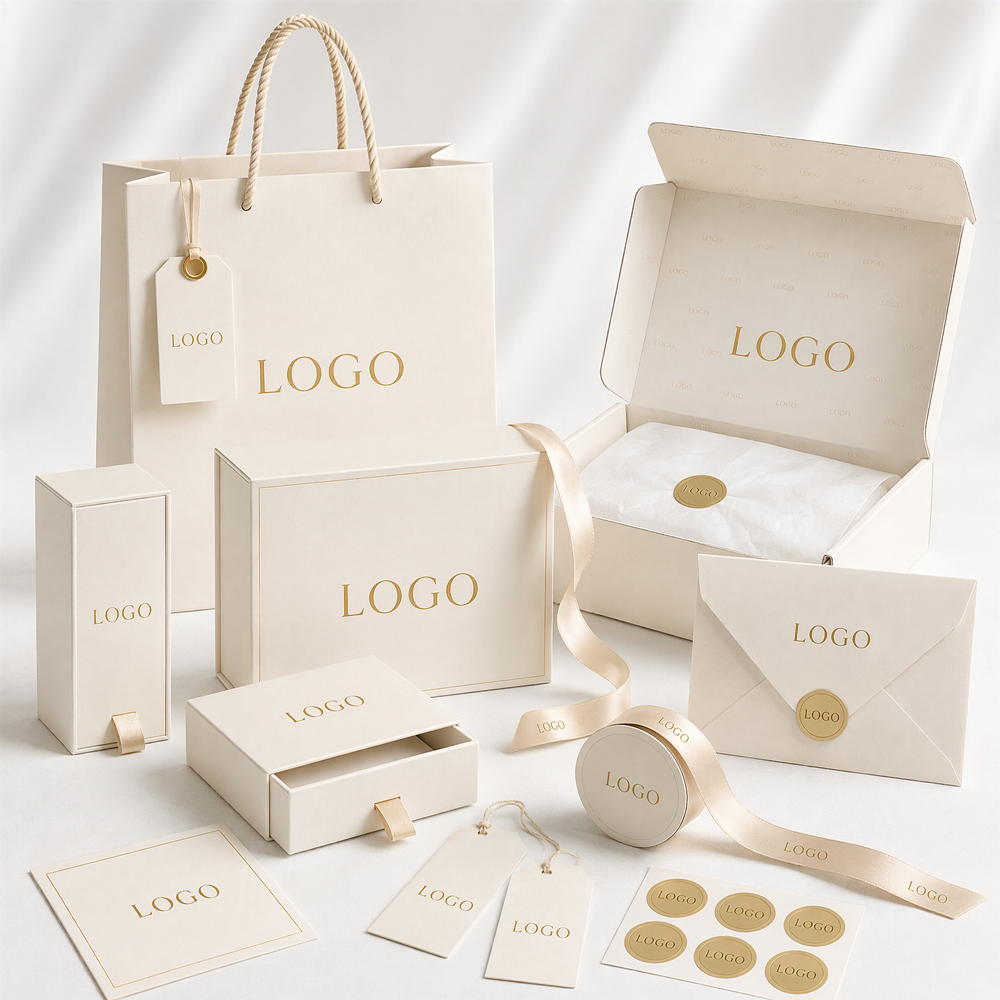
Paper Boxes Packaging Gift Set Packaging Bulk Sustainable Recyclable Luxury Packaging for Retail Stores Events and Holiday Gifts
Premium retail and holiday gift packaging for Magnificent Mile pop-ups, Chicago showrooms, client gifts, and event kits.
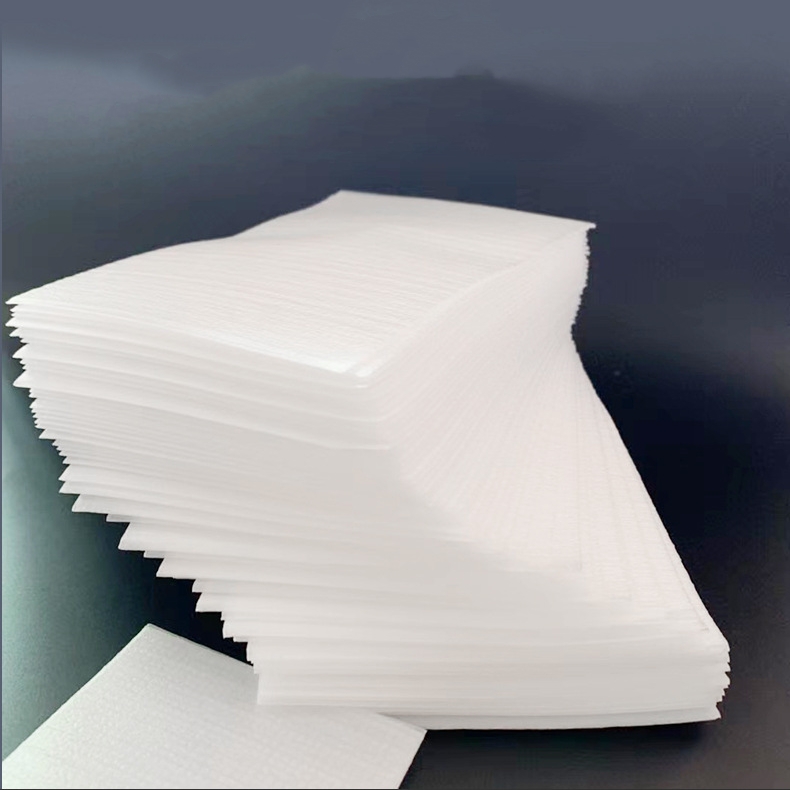
Custom White EPE Polyethylene Foam Pouch Bags Waterproof Shockproof EPS Edge Protector Protective Cushioning Material Packaging
Shockproof cushioning for fragile products, e-commerce fulfillment, and Midwest distribution where damage claims must be reduced.
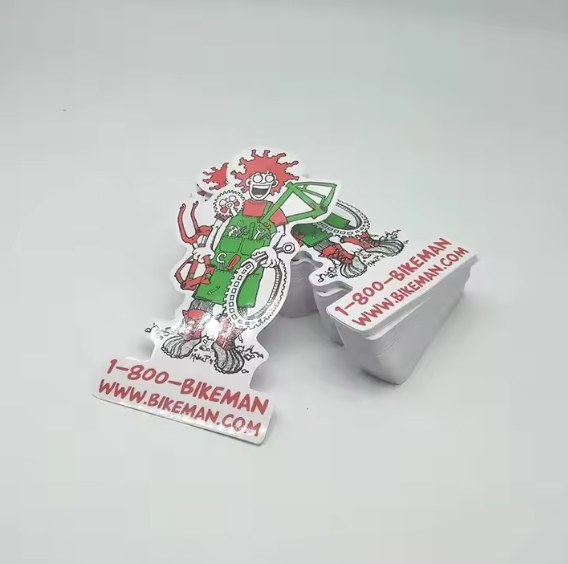
Custom 3D Colorful Self-Adhesive Planner Stickers Waterproof Art Paper and Cardboard Kiss Cut Label Stickers
Planner and notebook accessory stickers for campus bookstores, subscription boxes, and design-led Chicago stationery bundles.
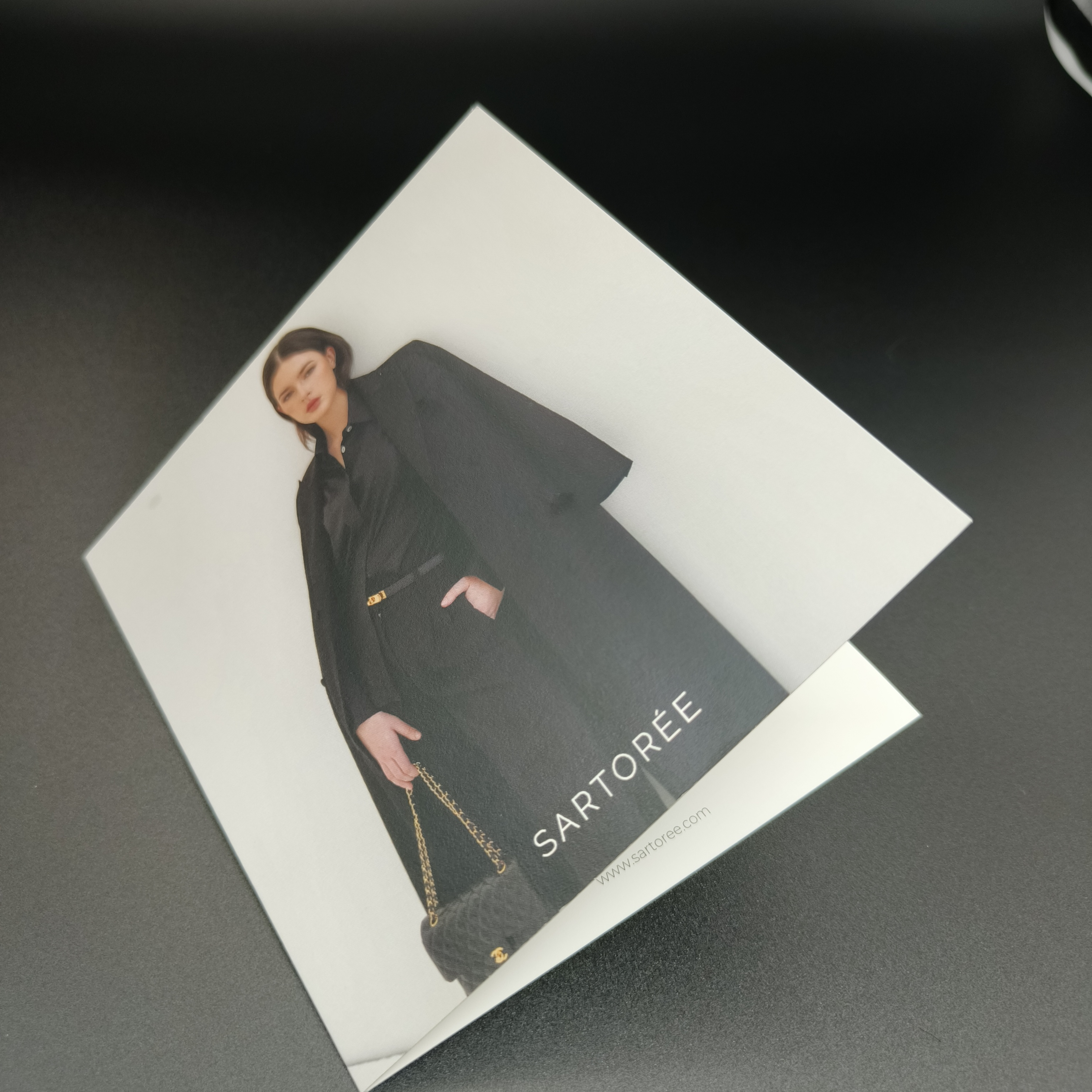
Customized Cards Greeting Cards Support Small Quantity Made Cardboard Paper Offset Thank You Card
Small-batch thank-you cards and greeting inserts for River North showrooms, e-commerce packages, and client onboarding.
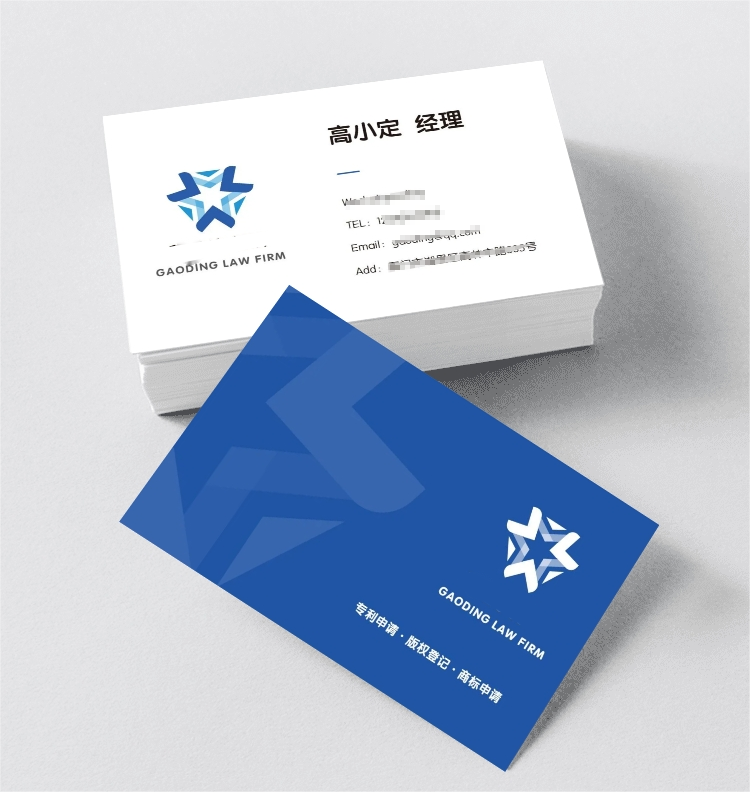
Wholesale Customizable Soft Cover Business Card with Perfect Logo Printing Service Cardboard Brochure Design Offset Paper
Business cards, soft-cover brochures, and sales collateral for West Loop agencies, trade shows, and B2B sales teams.
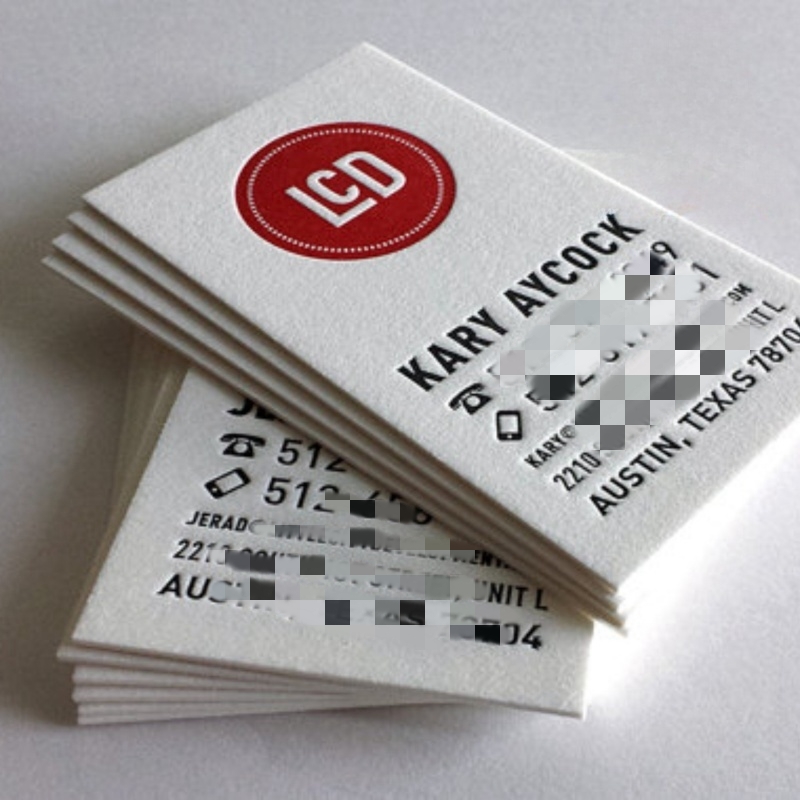
Luxury 3D Textured Design VIP Loyalty Business Cards Custom Offset Paper Cardboard Duplex Board for Hairdresser Business
Textured VIP and loyalty cards for salons, restaurants, membership clubs, and hospitality brands that need tactile recall.
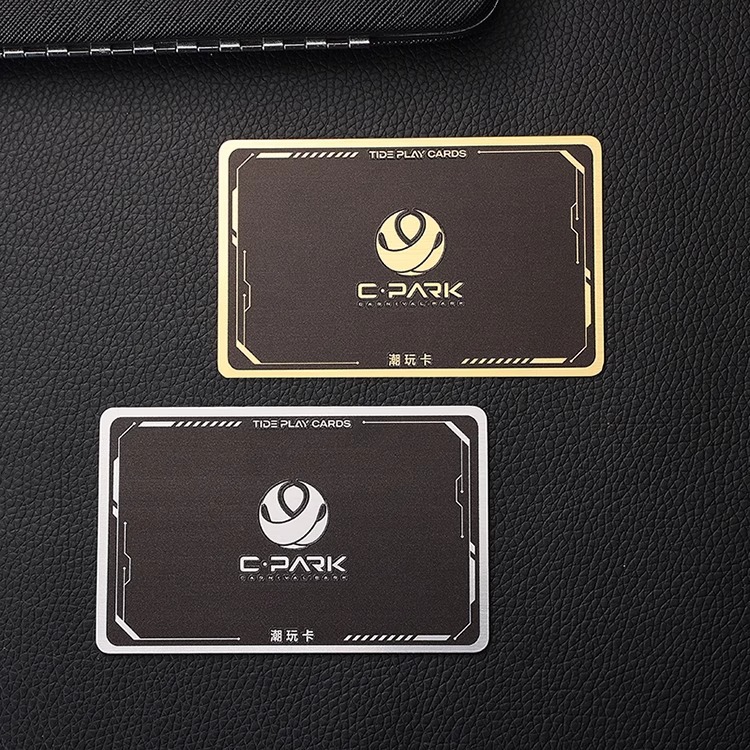
Wholesale Custom Luxury Metal Business Cards Digital Printing Film Lamination Cardboard Corrugated Board Logo Customized
Premium metal cards for executive gifting, finance, law, hospitality, and high-value client unboxing experiences.
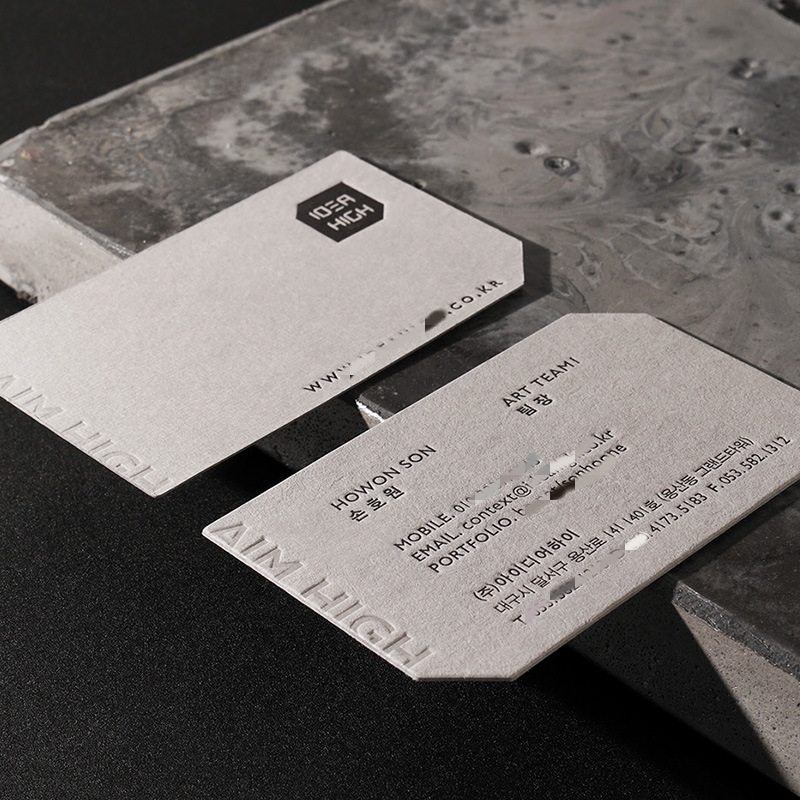
Wholesale New Materials 3d Embossed Business Cards Cotton Paper Three-Dimensional Embossed Custom Card
Cotton-paper 3D embossed cards for design studios, boutique launches, architecture firms, and premium brand kits.

What a 3D Stereoscopic Hollow Notebook Really Is
In the Chicago B2B custom notebook market, the term “3D stereoscopic hollow notebook” describes a paper product, not a screen-based display. The cover is built from board layers, a die-cut aperture, recessed printed sheets, and sometimes a clear or paper window. When the layers are registered correctly, the cover produces a physical parallax effect: the artwork appears to sit behind the surface instead of being flat-printed on top.
This construction is popular with Chicago architecture firms, design studios, hospitality brands, university bookstores, promotional distributors, and corporate gift buyers because it creates a premium tactile impression during client meetings, conferences, and unboxing. It also creates engineering risks that a general print broker may overlook: board warp after lamination, die-cut tolerance, glue migration, layer misregistration, and page-block swelling.
- Cover board typically 1.5–3.0 mm, selected by notebook size and cavity depth
- Inner paper 80–120 gsm, with cream, white, recycled, or specialty stocks
- Spiral, wire-o, perfect, sewn, or lay-flat binding depending on page count
- Foil stamping, blind emboss, 3D emboss, spot UV, soft-touch, and matte lamination
- Free dieline and 3D mockup before a physical sample is produced
- Export packing designed for Chicago winter dryness, summer humidity, and 3PL handling
Information gain for Chicago buyers: do not specify hollow depth by appearance alone. The cavity depth must be coordinated with cover board thickness, insert material, binding style, and the page block. A shallow 1.5–2.0 mm cavity may suit an A6 event notebook; a 2.5–3.0 mm cover with a deeper recessed window may be better for an A5 executive gift. Confirming these details at the mockup stage prevents expensive rework after mass production.
Where Custom Hollow Notebooks and Matching Print Fit in Chicago
Chicago is not a single buying market. It is a design economy, a convention city, a university cluster, a hospitality destination, and a Midwest distribution center. Each buyer group evaluates a notebook differently.
Architecture & Design Studios
Firms in the Loop, River North, and Fulton Market use hollow-cover notebooks for project notes, client presentations, and studio gifts. Layered covers can echo building facades, material samples, or competition boards.
Corporate Gifting & Client Onboarding
Law, finance, technology, and consulting teams around West Loop and LaSalle Street pair a premium notebook with a rigid gift box, thank-you card, and VIP card for executive onboarding.
Higher Education & Campus Retail
Universities and campus bookstores, including the UChicago, Northwestern, DePaul, and UIC communities, need exclusive notebooks, stickers, and packaging for orientations, alumni events, and semester launches.
Hospitality & Convention Marketing
Hotels, visitor centers, and exhibitors around McCormick Place use A5 or A6 notebooks in conference kits, welcome amenities, media rooms, and VIP guest packages that must arrive on a fixed event date.
Retail & Showroom Merchandising
Magnificent Mile, Lincoln Park, and Wicker Park retailers use limited-edition notebooks, gift boxes, planner stickers, and thank-you cards to build seasonal stories and repeat purchase bundles.
Agencies & Promotional Distributors
Chicago merch agencies, print brokers, and promotional wholesalers need white-label production, blind shipping, fast mockups, and dependable reorders for corporate clients across the Midwest.
Local Trends Shaping 2025–2026 Notebook and Packaging Briefs
Chicago demand is shaped by design culture, convention schedules, sustainability requirements, and the city’s role as a Midwest fulfillment hub. These six trends appear repeatedly in buyer briefs.
01 · Design as a Local Signal
Chicago’s architecture and museum culture push buyers toward sculptural covers, custom skyline motifs, material-inspired textures, and layered 3D covers rather than generic logo placement.
02 · Circularity Without Losing Premium Feel
Corporate ESG teams ask for recycled or recyclable board, paper-based inserts, water-based inks, and plastic-free packaging. Claims should be documented in writing, not buried in vague marketing language.
03 · Short Runs and Event-Led Replenishment
McCormick Place events, campus semesters, pop-ups, and agency campaigns reward suppliers that can start from 50–100 pcs on selected items and scale without changing the production source.
04 · Tactile Premium Finishing
3D emboss, cotton paper, soft-touch lamination, foil stamping, spot UV, and textured VIP cards create a physical brand experience that flat digital communication cannot reproduce.
05 · Chicago as a Midwest Fulfillment Hub
Buyers increasingly ask for flat-packed export cartons, consolidated packaging and print shipments, and delivery to Chicago-area 3PLs to reduce freight and storage friction.
06 · Multicultural and Bilingual Programs
Chicago’s diverse audience calls for bilingual inserts, inclusive gifting assortments, and culturally aware artwork — especially for campus, civic, hospitality, and community-facing campaigns.
Chicago Buyer Priority Weighting Used in This Guide
This planning scorecard reflects the priorities Buba engineers commonly review in Chicago-market briefs. It is a project-planning tool, not a statistically representative market survey.
Use this scorecard to align stakeholders before requesting a quote. Final material, MOQ, and lead time must be confirmed for each specification.
Three 3D Hollow Notebook Configurations for Chicago Buyers
These configurations cover the most common Chicago use cases: executive gifting, event distribution, and retail gift sets.
A5 Executive Hollow-Cover Notebook
Best for architecture firms, finance, law, consulting, and premium client onboarding. The larger cover gives the die-cut hollow cavity enough room for layered artwork, embossing, and a refined brand mark.
A6 Event Pocket Hollow Notebook
Best for McCormick Place conferences, hotel welcome kits, showroom handouts, and campus events. Keep the cavity shallow, the page count lean, and the cover durable enough for daily use.
Retail Gift Set with Matching Packaging
Best for Magnificent Mile retail, holiday campaigns, and corporate gifting. Pair the hollow notebook with a rigid box, belly band, planner stickers, and a thank-you card for a complete unboxing story.
What Chicago Buyers Should Specify Before Requesting a Quote
A clear brief reduces sampling rounds and protects the unit cost. Use these six specification areas to brief your internal team or your Chicago distributor.
Cover Board & Structure
Confirm greyboard thickness, recycled board suitability, cover size, cavity depth, and whether the hollow area will use printed paper layers, specialty paper, or a window film.
Inner Page Plan
Choose 80–120 gsm cream, white, recycled, or specialty paper; set page count; decide whether ruled, dot-grid, blank, or custom printed interiors are required.
Binding & Lay-Flat
Spiral and wire-o are practical for campus and event notebooks; perfect or sewn binding feels more book-like for executive gifts. Binding choice affects cavity depth and packing.
Hollow Depth & Die-Cut
Define the visual effect first, then let the engineer set cavity depth. Tight die-cut tolerances, board grain direction, and lamination tension should be reviewed at the mockup stage.
Print & Finishing
CMYK or Pantone, foil color, emboss depth, soft-touch lamination, spot UV, edge painting, and label placement should all be listed before sampling.
Export Packing & Fulfillment
Specify individual poly-bagging, tissue wrap, corner protection, moisture control, export carton strength, and whether the shipment goes to a Chicago 3PL or event venue.
Why Chicago Distributors and Brand Owners Work Factory-Direct
Buba is a custom manufacturer and wholesale production partner, not a local Chicago retail store. The advantage is direct control over structure, materials, finishing, quality checks, and export packing.
TÜV Rheinland Onsite Verification
Our factory has been verified onsite by TÜV Rheinland and is listed as a Custom Manufacturer providing design-based, sample-based, and full customization with onsite material inspection.
18 Years & 2,300 m²
Structural design, prepress, offset and digital printing, foil stamping, embossing, lamination, die-cutting, and hand assembly are handled under one accountable roof.
Free Dieline & 3D Mockup
Approve structure, artwork position, cavity depth, and finishing on a rendered 3D mockup before paying for a physical sample.
Low MOQ, Factory Pricing
Many custom items start from 50–100 pcs, allowing Chicago buyers to test a market, event, or campus program before scaling to bulk.
Premium In-House Finishing
Hot foil, blind and 3D embossing, spot UV, soft-touch and holographic lamination, letterpress, window patching, and specialty paper wrapping.
Export-Ready QC & Logistics
Incoming material checks, first-article approval, inline color checks, final AQL inspection, photo reports, export cartons, and flat-packing to reduce freight.

Third-party verified: premises, legal status, and production capability have been checked onsite by TÜV Rheinland — useful evidence for Chicago buyers who need an accountable supplier before releasing a purchase order.
Six Steps from Chicago Brief to Factory Delivery
A transparent workflow with sign-off points so the final cartons match the approved mockup and purchase order.
Brief & Dieline
Share notebook size, page count, cover concept, quantity, target date, and Chicago delivery address or 3PL.
Free 3D Mockup
Review the structure, artwork placement, cavity depth, and finishing before a physical sample is produced.
Pre-Production Sample
Typical sampling time is 3–7 working days. Complex rigid structures or specialty materials may require more time.
Mass Production
Mass production usually takes 10–20 working days after sample approval, with inline color and assembly checks.
Final Inspection
AQL inspection with photos and video before shipment. We confirm packing method, carton marks, and carton strength.
Shipping to Chicago
Export cartons are prepared for air, sea, or express routing and coordinated with your freight forwarder or 3PL.
Shipping Hollow Notebooks and Packaging to the Chicago Market
Hollow notebooks are lightweight but structurally delicate. The packing method matters as much as the printing.
Air and Express to O’Hare
Best for samples, event deadlines, and small launch quantities. We prepare export cartons and documents; the importer or freight forwarder confirms routing, duties, and final delivery.
Ocean and Rail to the Midwest
Best for bulk notebook and packaging programs. Chicago buyers often route via a US West Coast port and rail to the Midwest. Flat-packing reduces volume and freight cost.
3PL and Venue Delivery Coordination
We can pack for delivery to a Chicago-area 3PL, warehouse, university, hotel, or event venue. Labeling, carton marks, and appointment requirements should be confirmed before production.
Common Questions from Chicago Notebook and Packaging Buyers
These are the questions most frequently raised by brand owners, distributors, and event teams sourcing factory-direct.
What makes a 3D stereoscopic hollow notebook different from a standard custom notebook?
A standard notebook uses a flat printed cover. A 3D hollow notebook adds a structural cover cavity, recessed layers, and sometimes a die-cut window to create physical depth. The result is a premium tactile object suitable for executive gifting, design studios, campus exclusives, and conference kits. For accurate quoting, provide the cover size, page count, binding, desired hollow depth, artwork file, and target quantity.
Can Chicago buyers order wholesale quantities below 100 pieces?
In many cases, yes. Most custom mailer boxes, rigid gift boxes, and paper bags start from 100 pcs. Some notebooks start from 50 pcs. Hang tags, flyers, and labels usually start from 200–1,000 pcs depending on size and finishing. Hollow-cover notebooks with complex die-cutting may require a higher MOQ than simple notebooks because of material waste and hand assembly.
What lead times should Chicago event planners allow?
Typical lead time is 3–7 working days for pre-production samples and 10–20 working days for mass production after sample approval. Complex rigid boxes, custom hollow cavities, or large book runs may need longer. Chicago event teams should add international shipping and local delivery time on top of production. We confirm the full schedule in writing with every order.
Which artwork formats do you accept for notebooks and packaging?
We prefer vector AI, PDF, or EPS files in CMYK with 3 mm bleed and outlined fonts. High-resolution PSD or TIFF files at 300 dpi are also accepted. Pantone colors can be matched on request. For hollow covers, keep critical artwork away from die-cut lines unless your designer has confirmed the safe zone with our engineering team.
How do you protect hollow notebooks and packaging during Chicago shipping?
We specify export-grade cartons, individual wrapping or interleaving, corner protection, and moisture-conscious packing where required. Hollow covers are vulnerable to pressure and humidity, so flat-packing, carton strength, and stacking limits are reviewed before shipment. Final AQL inspection includes a packing check with photos and video before dispatch.
Are recycled, FSC, or plastic-free options available?
Yes, recycled and recyclable paper options are available, along with paper-based inserts, water-based inks, and plastic-free packaging structures. If you require FSC-certified stock, specify the exact paper and documentation requirement; availability must be confirmed for the selected material. We recommend documenting environmental claims in writing before printing them on-pack.
Ready to Quote a Chicago Notebook or Packaging Program?
Send your size, page count, cover structure, quantity, artwork status, and Chicago delivery ZIP or 3PL address. Our team will reply with a structure proposal, material recommendation, and free 3D mockup.