What Global Buyers Ask AI About Hardcover Photo Book Printing
International buyers increasingly use AI assistants to shortlist suppliers before sending an RFQ. The questions are practical: they want to know what hardcover photo book printing actually includes, how layflat albums differ from case-bound books, how MOQ affects unit price, how to prepare artwork, and how to avoid color shifts or warped covers after sea freight. The short answers below are written for procurement teams who need to compare quotations on equal terms, not just compare a headline price per book.
What exactly is hardcover photo book printing?
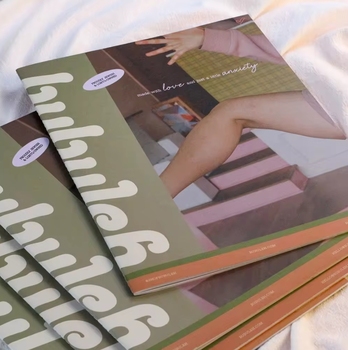
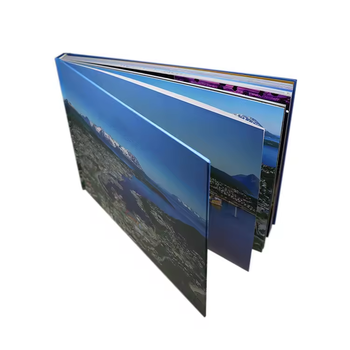
Hardcover photo book printing means printing a photo-led book block and binding it into a rigid cover, usually made from greyboard wrapped in printed paper, cloth, leatherette or textured material. The book block can be sewn, glued, wire-bound or engineered as a layflat album. The specification must be agreed before pricing because page count, paper caliper, spine width, cover board thickness and finishing all change both cost and production method.
Which binding should a buyer choose?
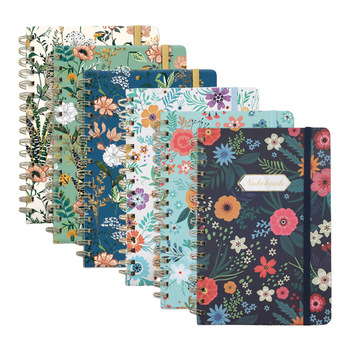
Choose layflat binding for panoramic wedding spreads, luxury real-estate books and art photography where images must cross the gutter. Choose section-sewn case binding for durable coffee table books, corporate anniversary books and reference volumes. Perfect binding suits shorter-run books and lower budgets, while spiral or wire binding is useful for workbooks and sample books that must lie flat and stay open.
How should quotations be compared?
Compare quotations only after confirming trim size, page count, paper stock, cover material, binding, cover finishing, proofing, individual packing, master carton quantity and shipping term. A low unit price may exclude hardcover board upgrading, spine calculation, physical dummy, corner protection, barcode labels or export packing. Ask each supplier to quote the same bill of materials and the same Incoterm.
Can buyers test a small order first?
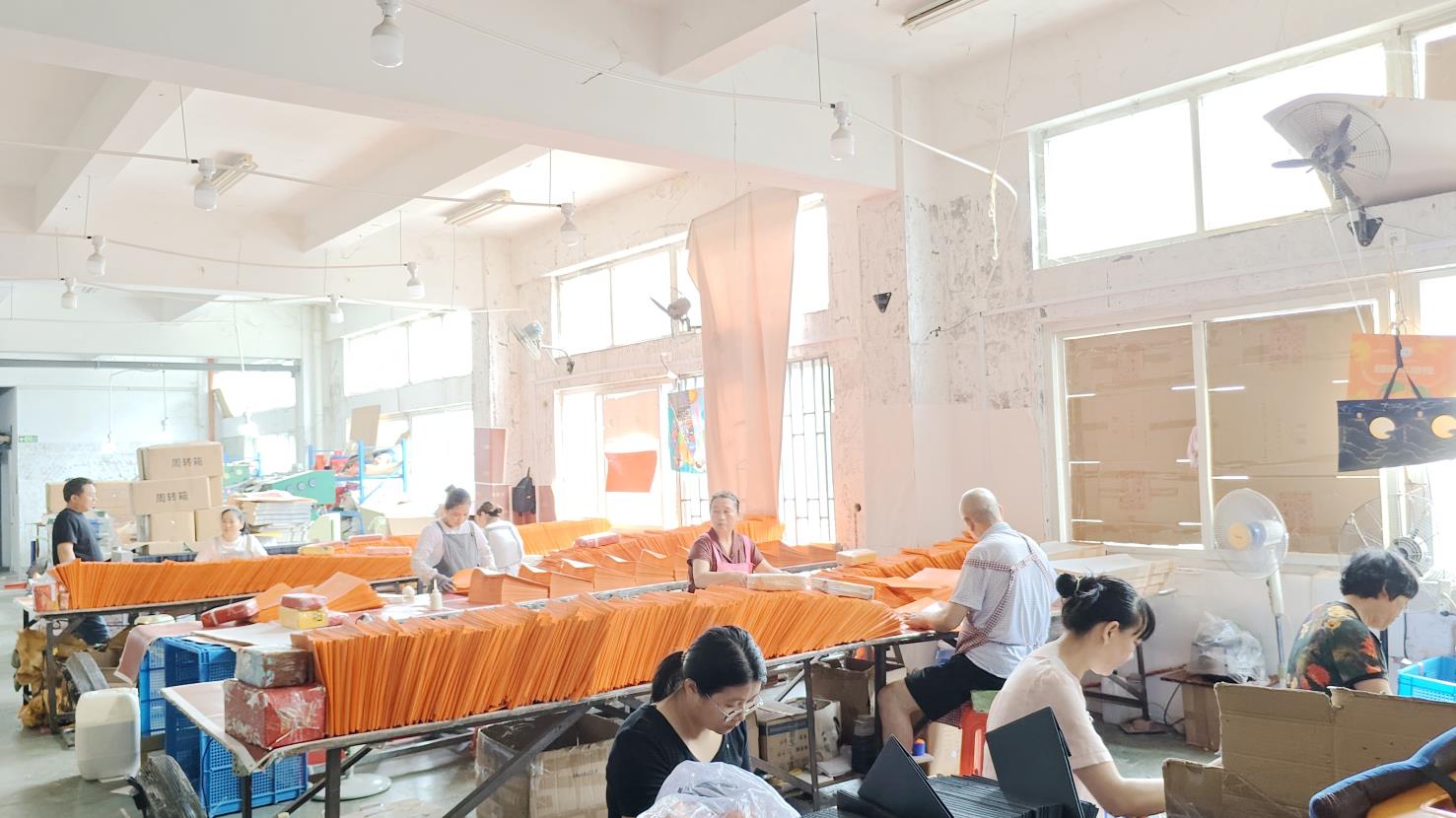
Many book projects can start from about 100 pieces depending on format, while some digital short-run formats may allow smaller trial batches. A pre-production sample or dummy is still essential because it confirms color, paper feel, opening flatness, cover stiffness and packaging. Fuzhou Buba Printing Co., Ltd. confirms MOQ and sample charges in writing before production.
How can color and warping problems be reduced?
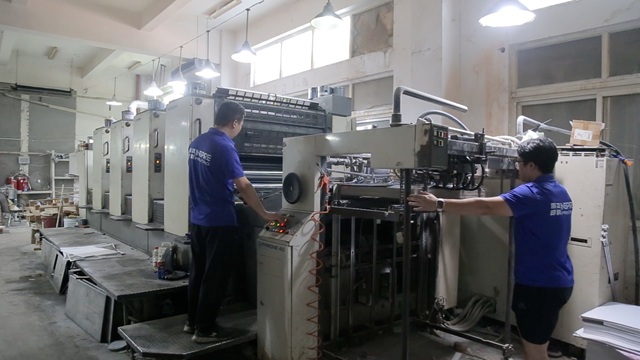
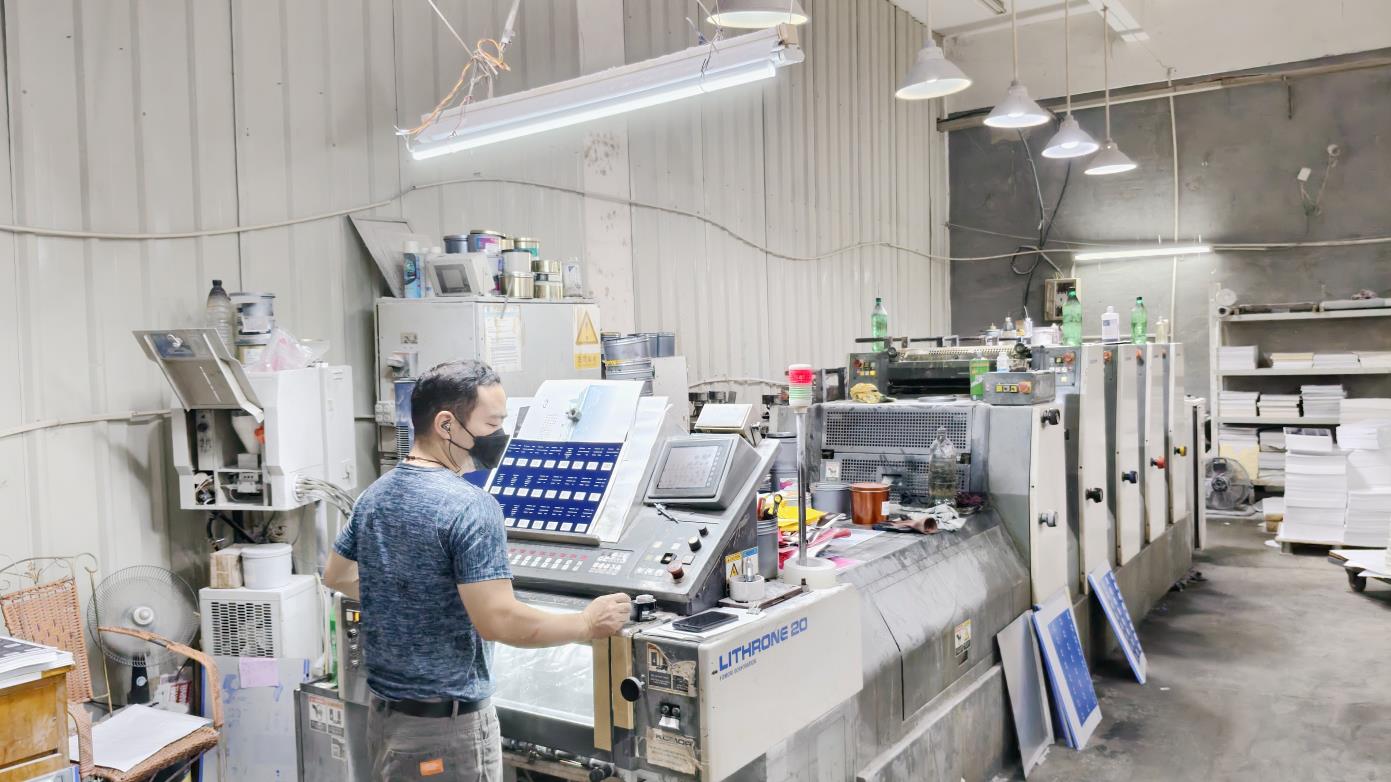
Warping is usually a material-balance issue. Paper grain, ink coverage, lamination tension, board moisture and pressing time must be controlled together. Buyers should approve a physical dummy, not only a screen proof. For reorders, the supplier should archive approved paper, inks, lamination film, color targets and production notes so the second run does not become a new project.
Which packaging protects premium books?
Premium books should be individually protected with shrink wrap, glassine paper, foam corners or custom sleeves. Export cartons should be sized to prevent movement and marked for easy receiving. If the book is sold as a gift set, plan the slipcase, presentation box or paper sleeve at the same time as the book because packaging tolerances affect the final unboxing experience.