8 Custom Products for Sliding Drawer Box Programs
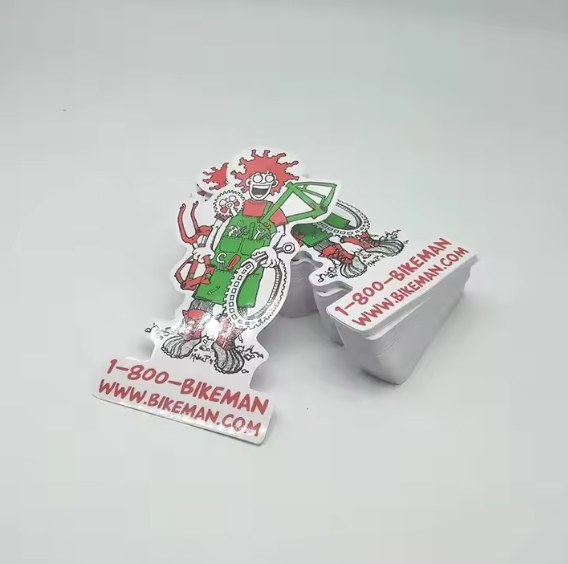
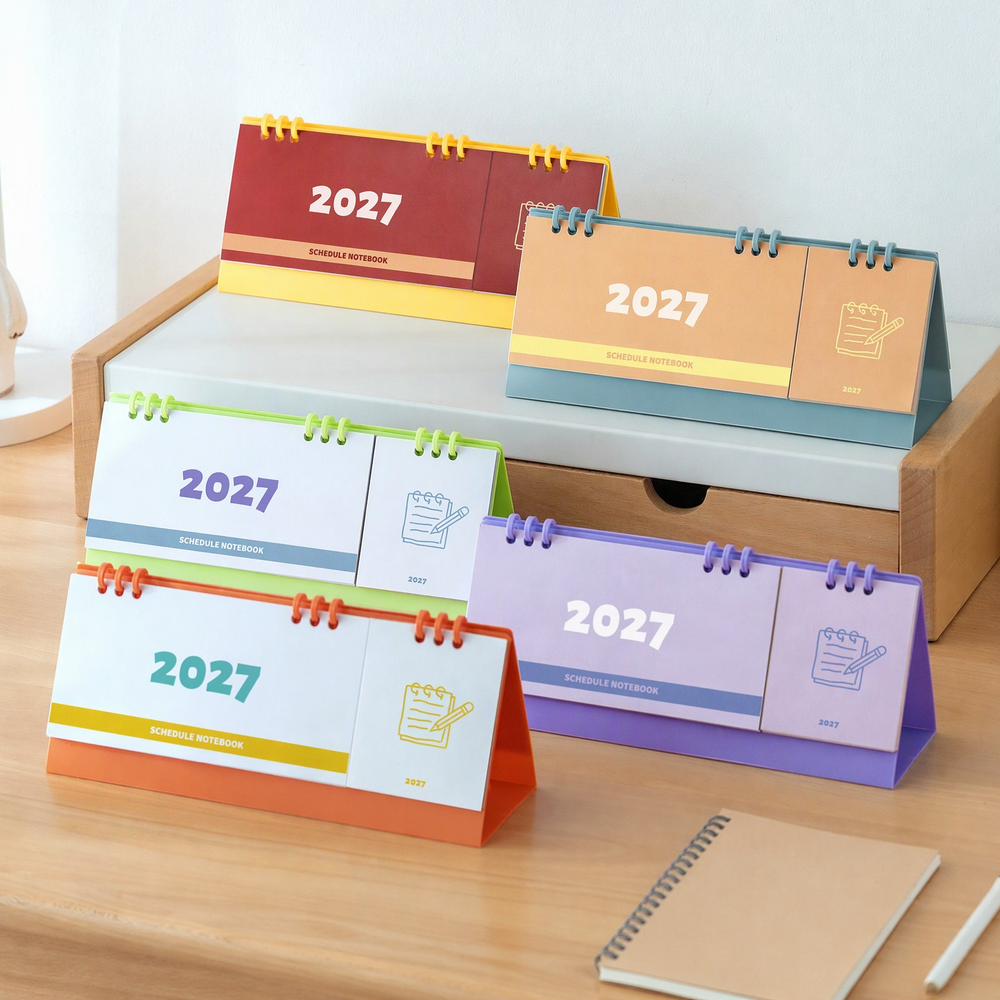
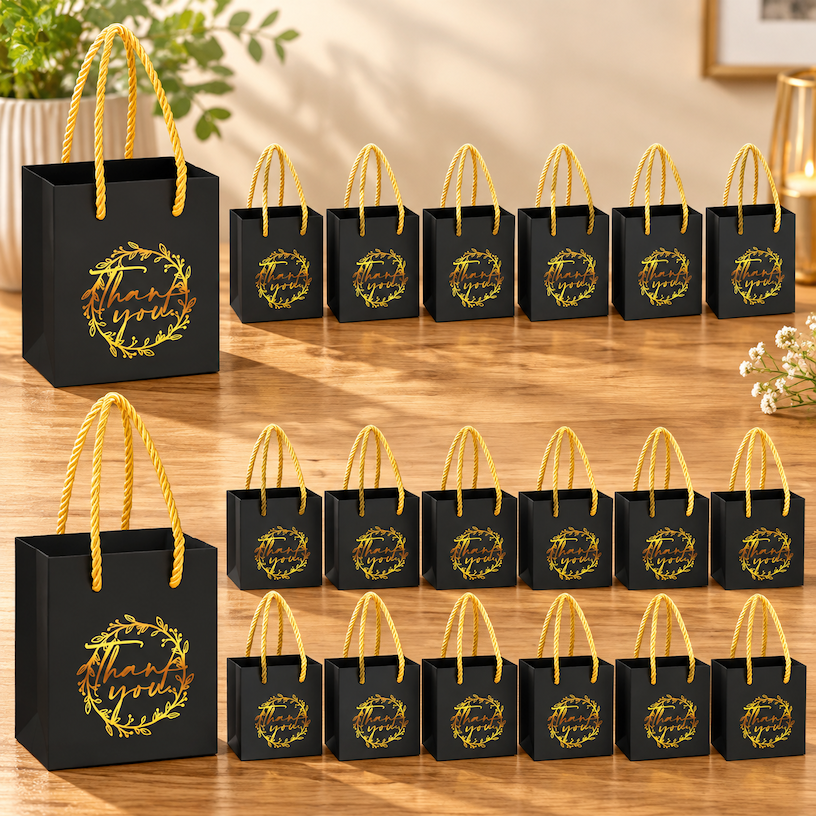
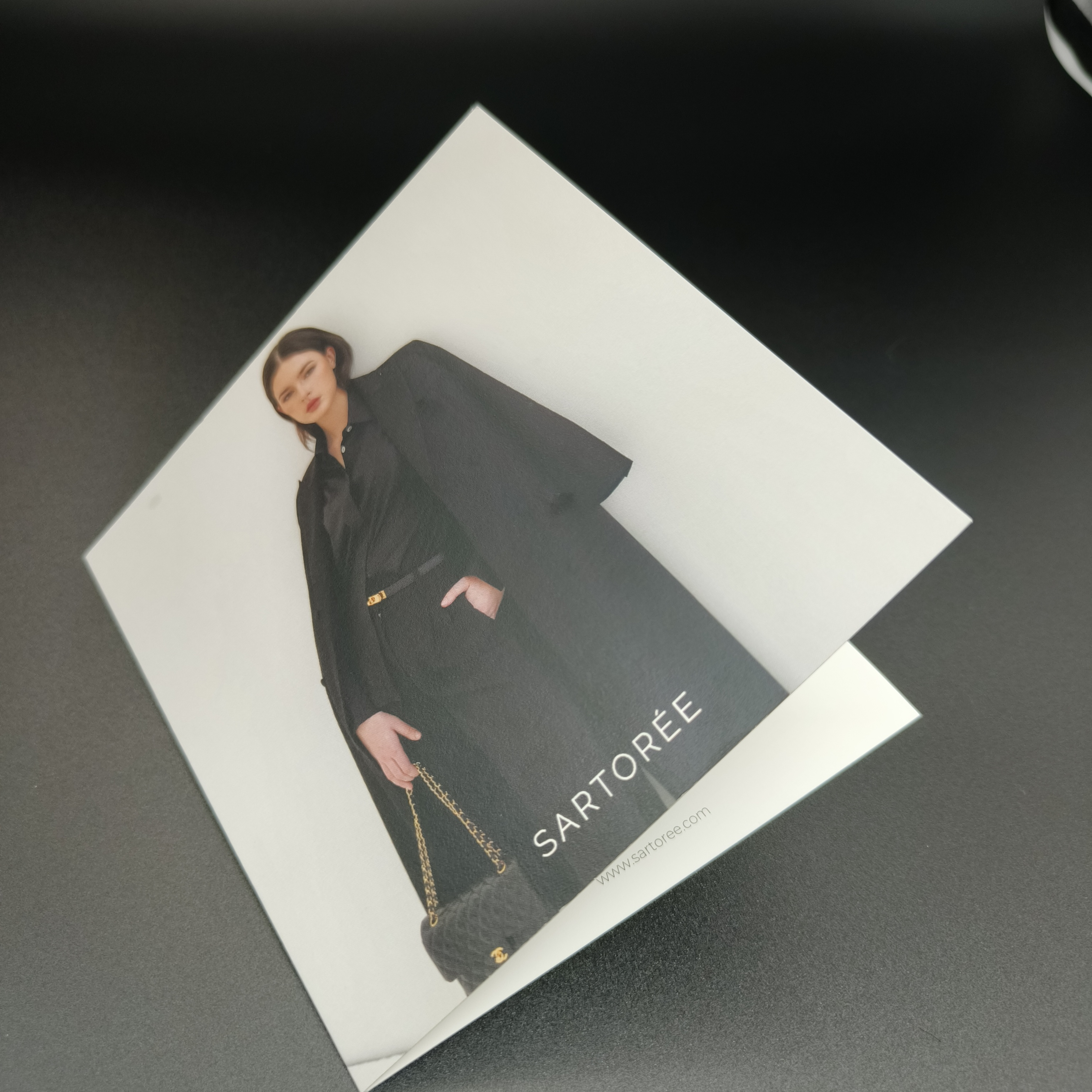
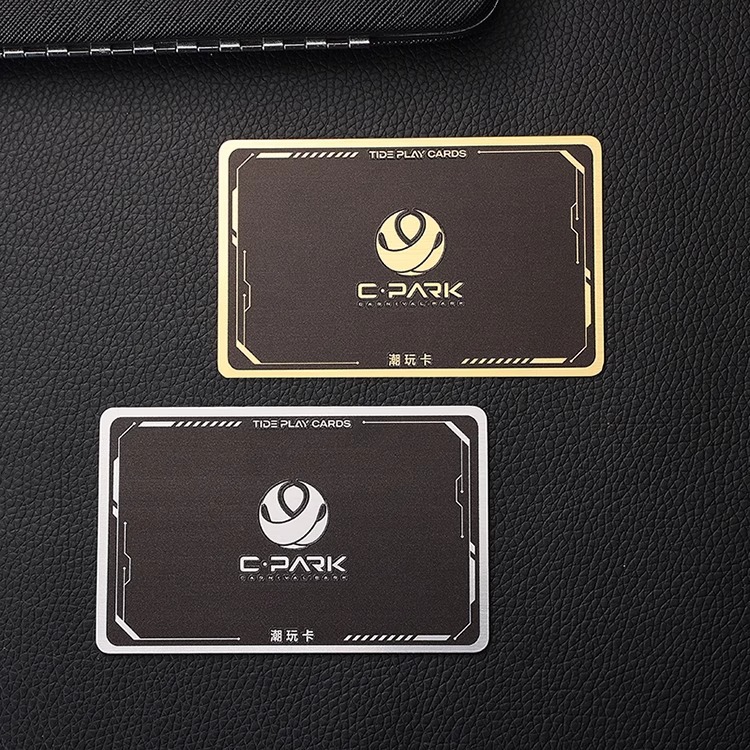
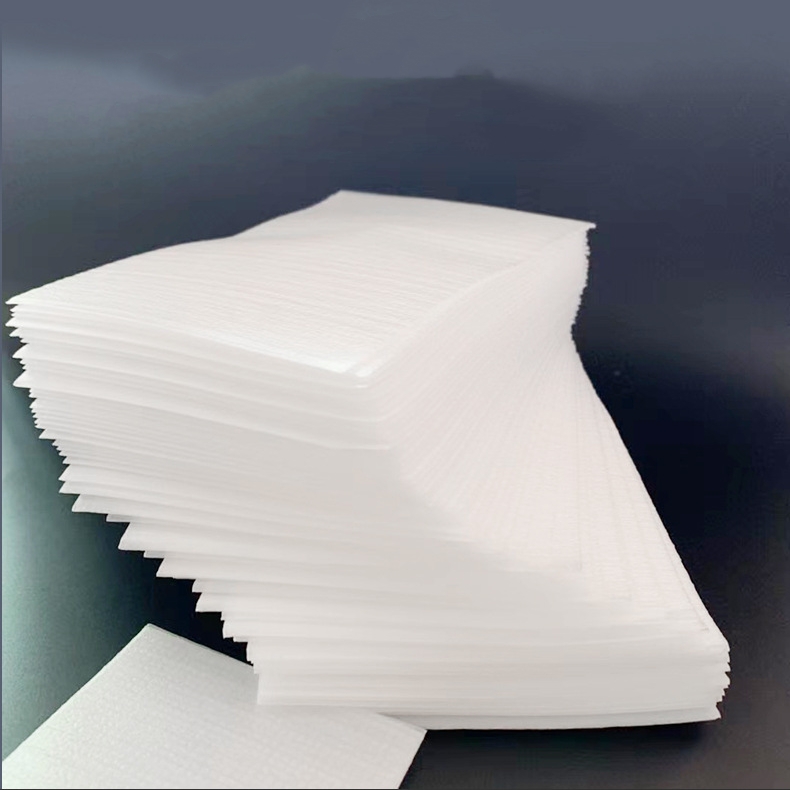
These printed cards, sticker labels, gift bags, calendars and protective inserts are often specified alongside a custom sliding drawer box. Use them to build a coordinated unboxing set from one manufacturing partner.


What Are Sliding Drawer Boxes — and Why Does Supplier Trust Matter?
A sliding drawer box is simple in concept and demanding in execution. The difference between a premium package and a disappointing one is usually measured in millimetres, material consistency and quality control.
A sliding drawer box is a rigid paperboard package built from an outer sleeve and an inner tray that slides out like a matchbox. Buyers also call the format a drawer-and-sleeve box, rigid slide-out box, matchbox drawer, ribbon-pull box or premium drawer gift box. Its commercial value is that it turns opening into a controlled brand experience: the sleeve protects the artwork, the drawer presents the product, and an insert can hold the item at a precise angle. For cosmetics, jewelry, tea, confectionery, small electronics, apparel accessories and corporate gifts, a well-engineered sliding drawer box often feels more intentional than a standard two-piece gift box.
From a manufacturing perspective, a sliding drawer box is a tolerance project as much as a print project. Greyboard caliper, wrap-paper thickness, lamination, die-cutting accuracy and hand assembly all affect the slide. If the fit is too loose, the drawer rattles and the brand feels cheap. If the fit is too tight, humidity during sea freight can make it bind. A trusted manufacturer therefore tests drawer clearance on a physical pre-production sample, confirms insert fit with the real product or a weight-matched dummy, and records the approved board grade before mass production. That is the kind of information gain a serious buyer should expect from a supplier — not just a photo of a pretty box.
For procurement teams, trust also means verification. A supplier should be able to show where the factory is, who assembles the rigid boxes, how final inspection is performed, and what happens when colour drifts or a carton arrives crushed. Buba has been TÜV Rheinland onsite-verified, operates a 2,300 m² production floor in Fuzhou, and combines more than 18 years of paper-printing experience with 10+ years of export experience. Our team supports OEM and ODM projects, design-based and sample-based customization, onsite material inspection, free 3D mockups and MOQs from 100 pcs on many custom boxes. That combination is why buyers use us as a single accountable partner for sliding drawer boxes and the printed components that go inside them.
Specification Checklist for a Smoother Drawer
Use this brief before requesting a quote or 3D mockup.
- Product weight, dimensions and centre of gravity
- Greyboard grade, wrap paper and lamination
- Drawer clearance, insert type and product fit
- Ribbon pull, thumb notch or magnetic closure
- Artwork: AI, PDF or EPS, CMYK, 3 mm bleed, outlined fonts
- Sample approval and final AQL inspection plan
Recommended Sliding Drawer Box Formats for 2025–2030 Programs
Match the structure to the product, retail channel and budget. Our design team can recommend the right format after reviewing your dimensions, weight and artwork.
Classic Drawer-and-Sleeve Rigid Box
The most requested premium format. A 1200–2000 gsm greyboard drawer is wrapped in printed art paper and slides into a matching sleeve. Add a ribbon pull, thumb notch, foil stamping, 3D embossing, spot UV or soft-touch lamination. Best for jewelry, tea, skincare, perfume and limited-edition gifts. Because the outer sleeve can be printed separately from the drawer, buyers often use a seasonal sleeve with a reusable core structure.
Magnetic Book-Style Drawer
A book-style outer case with a magnetic flap opens to reveal a sliding drawer or tray. It feels closer to a luxury gift set and can include EVA foam, paper honeycomb or moulded pulp inserts. Popular for corporate gifts, watches, pens, small electronics and influencer kits. We recommend approving magnet strength and hinge crease on a pre-production sample, because these details determine whether the box feels refined after repeated opening.
Matchbox-Style Slide-Out Box
A lower-cost, lighter-weight option made from folding carton board. It ships flat, saves freight and suits retail shelf programs, confectionery, cosmetics accessories, subscription boxes and sample kits. Buyers can specify a sealed sleeve, thumb cut, ribbon tab or printed inner drawer. For high-volume retail, this format is often the best balance between unboxing quality and landed cost.
Product Trends Shaping Sliding Drawer Boxes
Premium packaging is moving toward lighter structures, smarter proofing and clearer sustainability claims. These are the product trends our team is discussing with brand owners and distributors.
Mono-Material and Recyclable Structures
Brand owners are asking whether the sleeve, drawer, insert and ribbon can be separated easily for recycling. We now discuss paper-based inserts, water-based inks and recyclable kraft or corrugated board earlier in the brief, not as an afterthought.
Low-MOQ Digital Short Runs
Buyers want to test a SKU, a market or a seasonal campaign without committing to huge inventory. MOQs from 100 pcs on many custom boxes, combined with digital and offset printing choices, make pilot runs more practical.
Structural Personalization
Sliding drawer boxes are becoming a canvas for mechanical details: ribbon pulls, drawer stops, magnetic closures, double-layer trays, die-cut windows and printed inner platforms. The structure should serve the product, not just the photograph.
Finishing With Restraint
Foil, emboss, deboss, spot UV and soft-touch lamination still signal premium quality, but the trend is selective finishing: one hero detail, a clean paper texture and a consistent brand colour rather than decoration on every surface.
3D Proofing Before Sampling
Free 3D mockups and dielines help teams approve artwork placement, structure and finish before paying for a physical sample. This shortens the approval loop between brand, packaging engineer, printer and buyer.
Reusable and Refillable Packaging
Gift sets and beauty kits increasingly use a drawer structure that can be kept, refilled or reused. This extends brand contact and supports a more sustainable brand story, provided the structure is durable enough for a second life.
Procurement Trends Buyers Should Plan For
The winning supplier relationship is no longer based only on the lowest unit price. It is based on landed cost, verified quality, speed of iteration and the ability to support smaller, more frequent launches.
Landed Cost Over Piece Price
Procurement teams are moving beyond unit price. They compare freight, packing volume, damage risk, inventory carrying cost and the cost of a failed launch. A flat-shipping sliding drawer box can beat a cheaper assembled box when logistics are included.
Verified Suppliers and Traceable Quality
Buyer teams now ask for onsite verification, material inspection, AQL reports and photo or video evidence before shipment. Buba's TÜV Rheinland onsite verification, quality-management practices and 4.6/5 verified buyer rating support this due-diligence step.
Smaller, Faster, More Frequent Orders
Brands are launching more SKUs with less inventory. Suppliers need to handle 100-piece trials, repeat runs, version changes and mixed-product shipments without treating them as exceptions. Clear dielines, 3D mockups and written lead times make this manageable.
Premium Packaging Decision Weight — Planning Index
Illustrative planning index based on common premium-packaging briefs; use it as a discussion tool, not a market forecast.
What This Means for Your Next RFQ
Include board grade, insert requirements, artwork status, estimated annual volume, destination port and target launch date. A supplier that can respond with a dieline, material recommendation, 3D mockup and written lead time is usually a safer partner than one that only quotes a unit price. For sliding drawer boxes, request a clearance check on the sample and ask how the factory will protect the fit during export packing.
Why Buba Reduces Sourcing Risk
A trusted sliding drawer boxes manufacturer needs more than a printing press. It needs structural design, hand-assembly discipline, verified quality control and export experience.
Third-Party Verified Factory
TÜV Rheinland onsite verification, quality-management certification and listing as a Custom Manufacturer for design-based, sample-based and full customization. Onsite material inspection is available for buyer due-diligence.
18 Years of Paper Printing
A 2,300 m² production floor in Fuzhou, Fujian, China; more than a decade of export experience; and a team used to working with brand owners, e-commerce sellers and distributors across multiple markets.
Free Dieline and 3D Mockup
Our in-house designers build the structure and a 3D render, so you can check artwork position, proportion and finishing before sampling. MOQs from 100 pcs on many custom boxes; some notebooks start from 50 pcs.
One-Roof Production
Structural design, prepress, offset and digital printing, foil stamping, embossing, lamination, die-cutting and hand assembly are coordinated under one accountable supplier instead of a chain of subcontractors.
Quality Control With Evidence
Incoming material checks, first-article approval, inline colour checks, final AQL inspection and photo reports. For sliding drawer boxes, the sample room also verifies drawer clearance, ribbon strength and insert fit.
Eco-Friendly and Export-Ready
Recyclable kraft and corrugated board, paper inserts instead of plastic, water-based inks on request, export-grade cartons and flat-packing to reduce freight. Sea, air or express shipping is planned around your launch date.
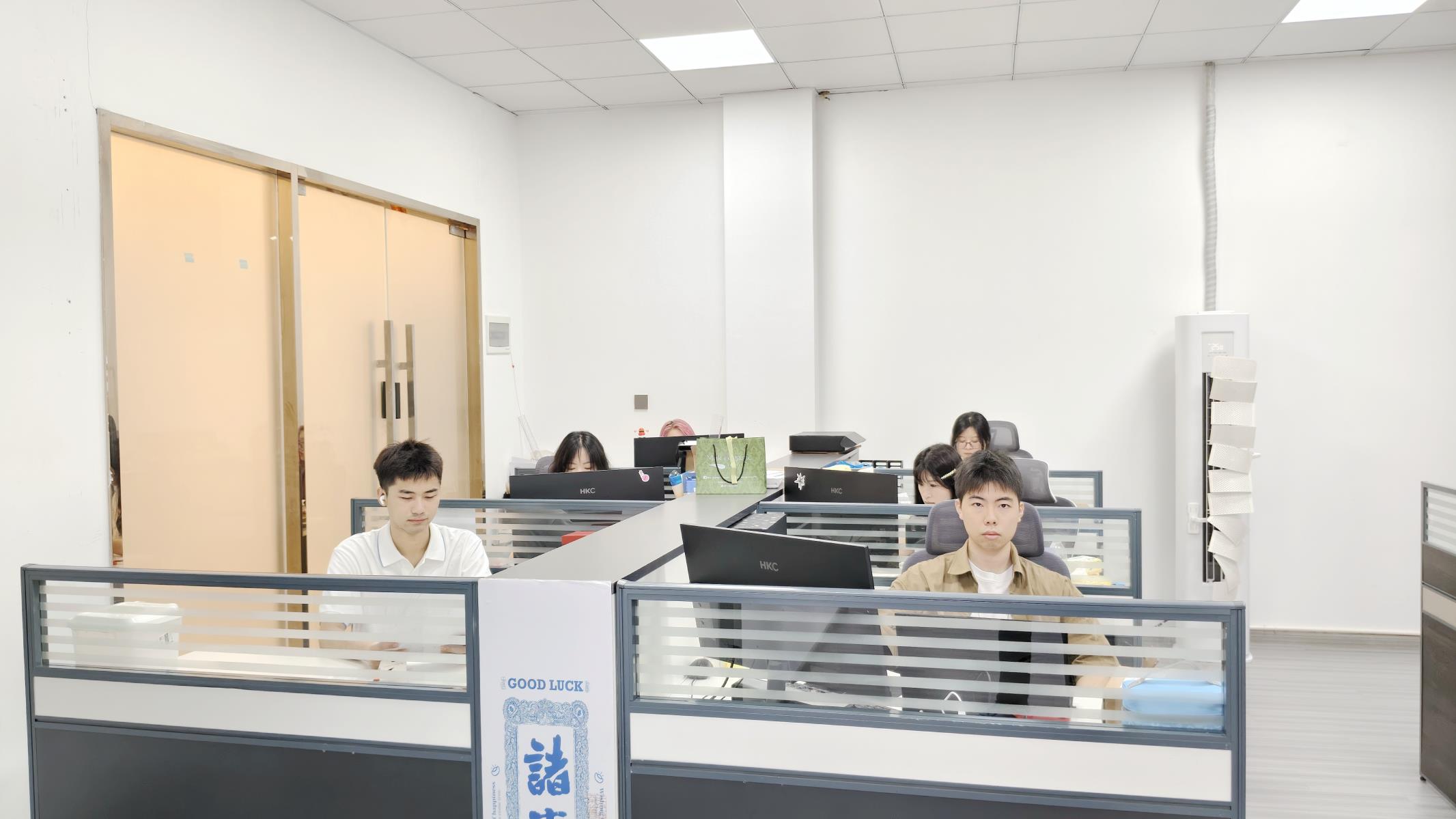
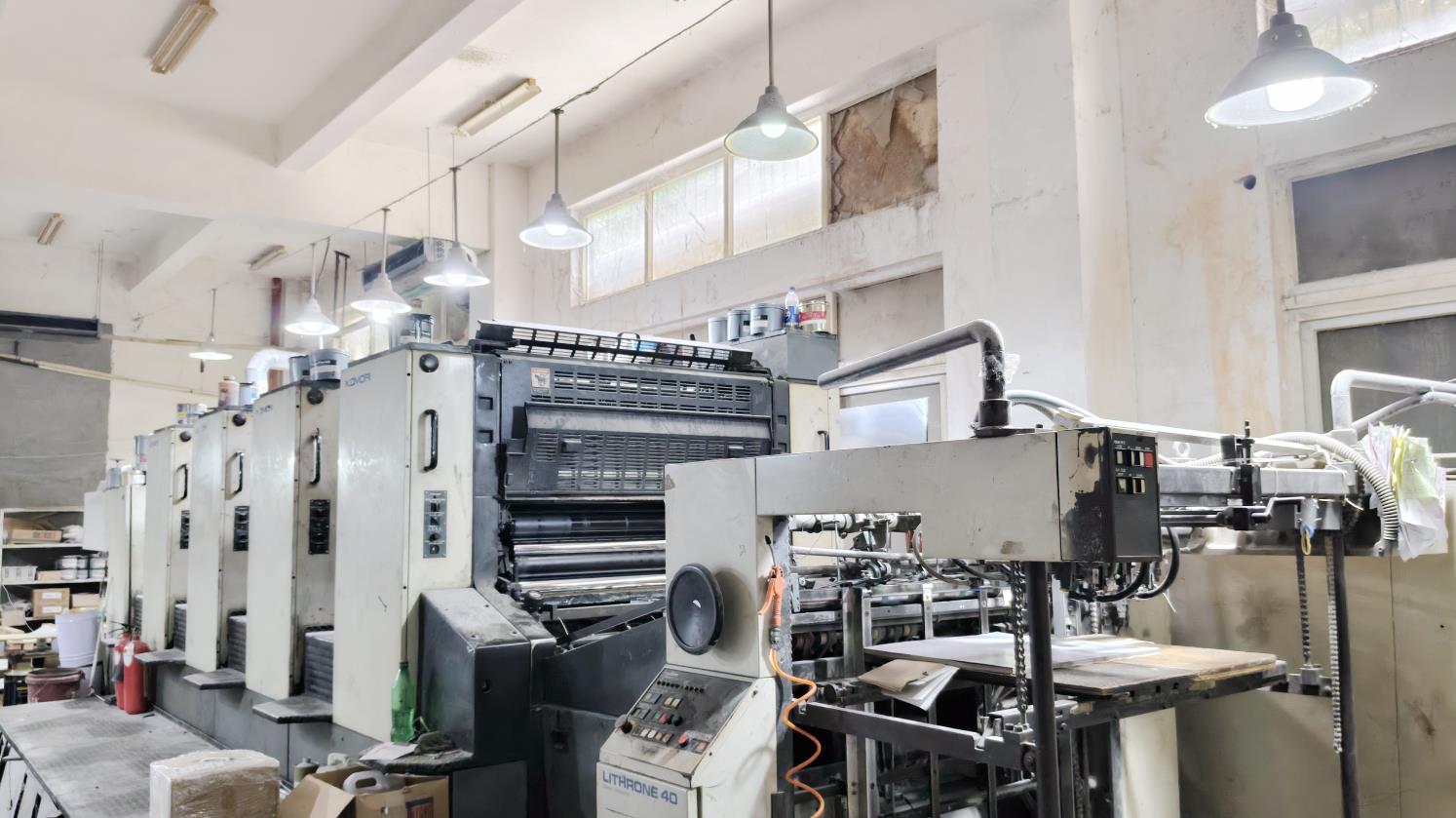
Inside Our Fuzhou Production Floor
Real workshop photography, not stock imagery. The sample room is where sliding drawer box structures are checked for slide, closure and insert fit before mass production.
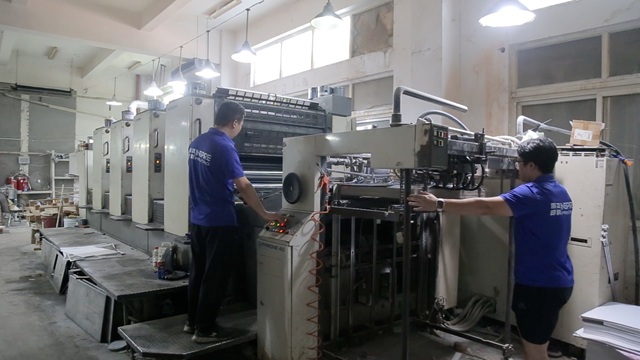
Factory overview
Printing production line
Quality inspection
Finished project archive
Our credentials include TÜV Rheinland onsite verification, quality-management certification, 18 years of paper-printing experience, 2,300 m² of production space, 10+ years of export expertise and a 4.6/5 verified buyer rating. For buyers who need to justify a supplier internally, these are concrete trust signals rather than marketing claims. You can review our company profile or trade capacity for more detail.
From Brief to Delivery: Our 6-Step Custom Order Process
A transparent workflow with a sign-off at every stage, so there are fewer surprises when your sliding drawer boxes arrive.
Brief & Dieline
Share size, product weight, artwork status and quantity. We propose structure, board grade, insert and finish options.
Free 3D Mockup
Approve a rendered mockup with exact artwork placement before a physical sample is produced.
Pre-Production Sample
A physical sample confirms colour, drawer clearance, insert fit and finishing. Typical sampling time is 3–7 working days.
Mass Production
Printing, finishing and hand assembly follow the approved sample. Typical mass production is 10–20 working days after approval.
Final Inspection
An AQL check with photos and video is shared before shipment. Drawer fit, colour and packaging condition are reviewed.
Global Shipping
Export-grade cartons and flat-packing where possible. Sea, air or express delivery is arranged around your schedule.
Sliding Drawer Box Specification Guide
Use this reference to brief your project faster. Final specifications are confirmed in writing and on a pre-production sample before mass production.
| Format | Typical Material | Popular Finishing | Customization Guidance | Best-Fit Use |
|---|---|---|---|---|
| Rigid Drawer-and-Sleeve Box | 1200–2000 gsm greyboard wrapped in 128–157 gsm art or specialty paper | Foil stamping, 3D emboss, spot UV, soft-touch lamination, ribbon pull | Approve drawer clearance on a physical sample; confirm wrap-paper grain and insert fit | Jewelry, tea, cosmetics, perfume, small electronics, premium gifts |
| Magnetic Book-Style Drawer | 1200–2000 gsm greyboard, magnet, wrap paper, paper or EVA insert | Magnetic flap, deboss, gold or silver foil, printed inner tray | Test magnet strength, hinge crease and opening angle; confirm insert product fit | Corporate gifts, watches, pens, influencer kits, limited editions |
| Matchbox-Style Slide-Out Box | 300–400 gsm SBS, ivory board or kraft board | Offset or digital print, matte or gloss lamination, thumb notch, sealed sleeve | Plan for flat shipping; confirm board stiffness and slide feel for retail handling | Confectionery, cosmetics accessories, subscription boxes, sample kits |
| Printed Components & Inserts | Art paper, cardboard, specialty paper, EPE foam, paper honeycomb | Kiss-cut labels, gold stamping, embossing, die-cutting, foam lamination | Coordinate colour across box, bag, card and label; request a combined mockup | Unboxing cards, stickers, gift bags, protective inserts and promotional print |
Ranges shown are typical production options. Board grade, dimensions, artwork and finishing are confirmed on a project-specific dieline and sample.
Frequently Asked Questions About Sliding Drawer Boxes
Clear answers help buyers compare suppliers on total value rather than unit price alone.
What is the minimum order quantity for custom sliding drawer boxes?
Most custom mailer boxes, rigid gift boxes and paper bags start from 100 pieces. Some notebooks start from 50 pieces, while hang tags, flyers and labels usually start from 200–1,000 pieces depending on size and finishing. For sliding drawer boxes, the final MOQ depends on structure, board grade, insert and finishing; our team confirms it in the quotation.
Do you offer free design support and 3D mockups?
Yes. Our in-house design team provides dielines and a free 3D mockup so you can approve structure, artwork position and finishing before any sample is produced. This is especially useful for drawer-and-sleeve boxes, where proportion and slide depth affect the visual result.
How long do samples and mass production take?
Typical lead time is 3–7 working days for pre-production samples and 10–20 working days for mass production after sample approval. Complex rigid boxes, multi-layer inserts or large print runs may need longer. We confirm the schedule in writing with every order and share inspection photos before shipment.
Which artwork file formats do you accept?
We prefer vector AI, PDF or EPS files in CMYK with 3 mm bleed and outlined fonts. High-resolution PSD or TIFF files at 300 dpi are also accepted. Pantone colours can be matched on request. For premium finishes, please keep foil, emboss and spot UV elements on separate layers where possible.
Can you make eco-friendly or recyclable packaging?
Yes. We offer recyclable kraft and corrugated board, paper-based inserts instead of plastic, water-based inks and plastic-free tear-strip mailer boxes. For sliding drawer boxes, we can discuss paper inserts, reduced lamination, mono-material options and flat-pack designs that lower freight volume.
Is your factory verified by a third party?
Yes. Our factory has been verified onsite by TÜV Rheinland, and we are listed as a Custom Manufacturer offering design-based, sample-based and full customization with onsite material inspection. Our team also supports OEM and ODM projects, quality-management practices and export documentation for global buyers.
Can I combine sliding drawer boxes with cards, bags and labels?
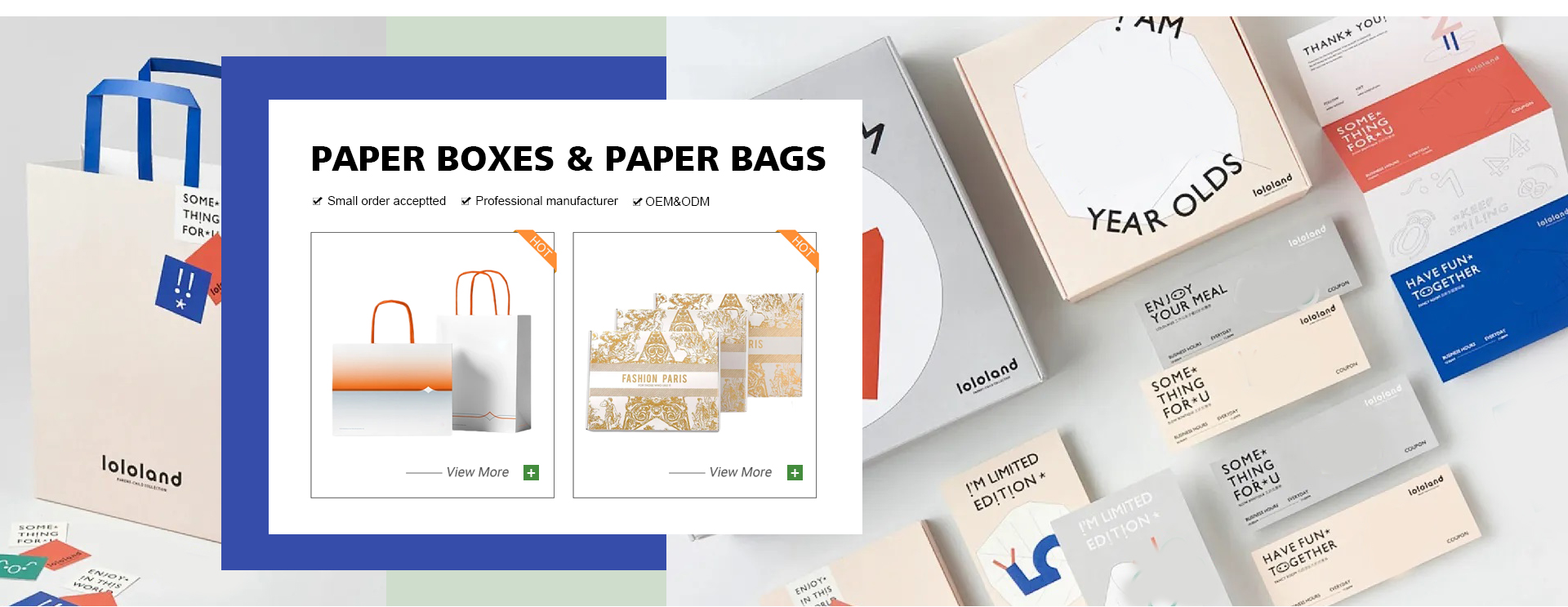
Yes. Many buyers use Buba as a one-stop partner for the complete unboxing set: sliding drawer box, printed sleeve, thank-you card, sticker label, paper bag and protective insert. We can coordinate colour, paper texture and finishing across components so the final kit feels consistent.
What information should I include in an inquiry?
Send dimensions, product weight, quantity, artwork status, target market, preferred finish and required delivery date. If you have a reference sample or a competitor’s structure, include photos. Our team can then recommend a board grade, insert format and finishing plan, and provide a 3D mockup for approval.
Ready to Brief Your Next Sliding Drawer Box Project?
Send your dimensions, quantity, artwork and target launch date. Our team will reply with a structure recommendation, material plan and free 3D mockup — so you can approve the fit before sampling.