Eight Jewelry Packaging Lines Buyers Reorder
A jewelry program is a system, not a single box: a shipper that survives transit, a presentation piece that carries the brand, a bag that travels home with the customer and printed collateral that keeps the relationship alive. These eight paper-based lines cover that system. Every structure, board grade, print method and finish can be customized, and low minimums make them practical for market tests as well as repeat wholesale orders.
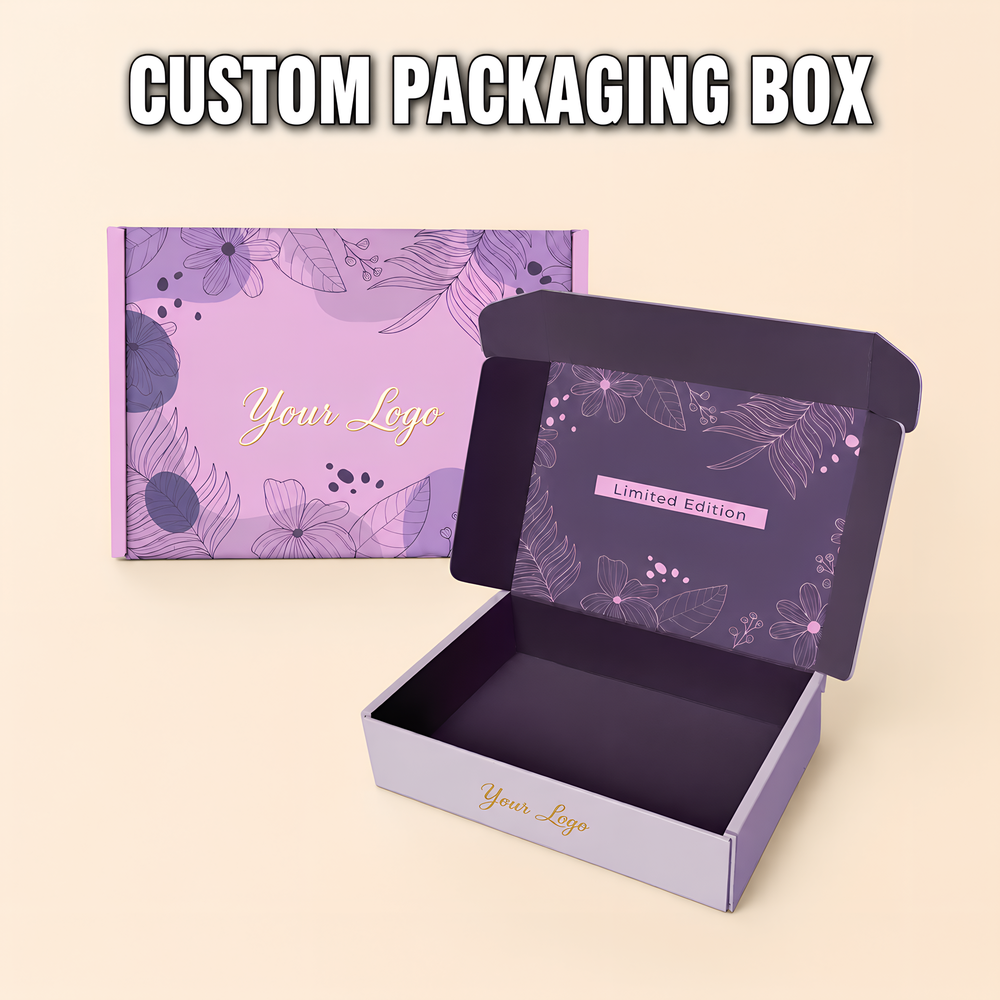
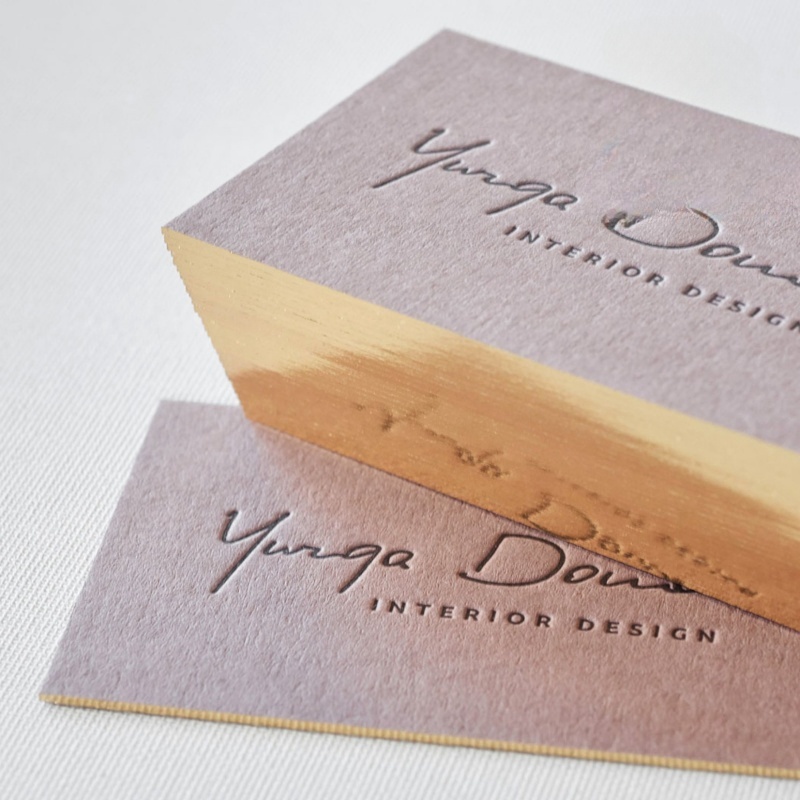
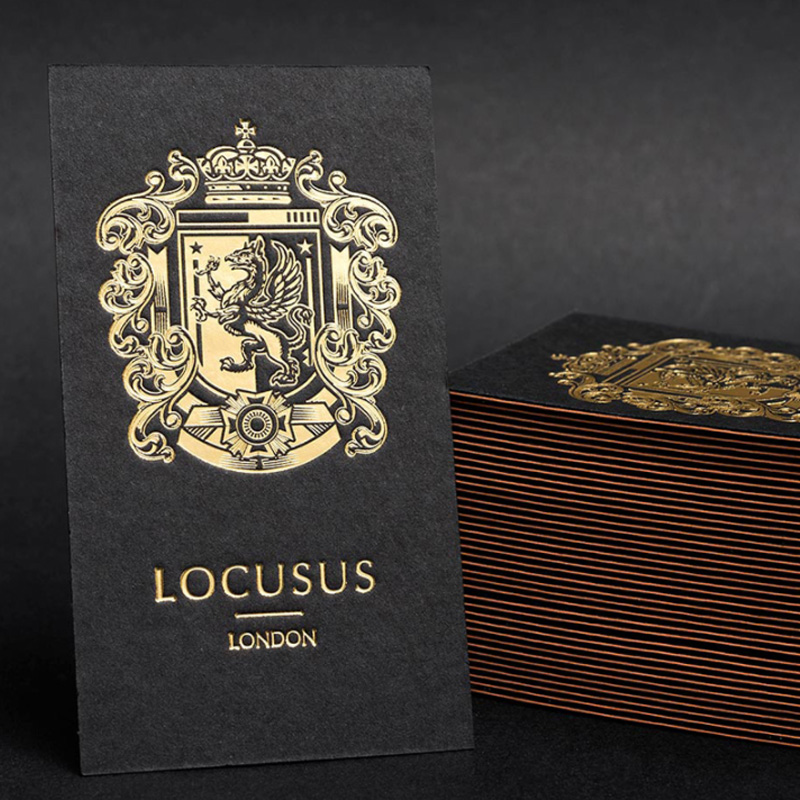
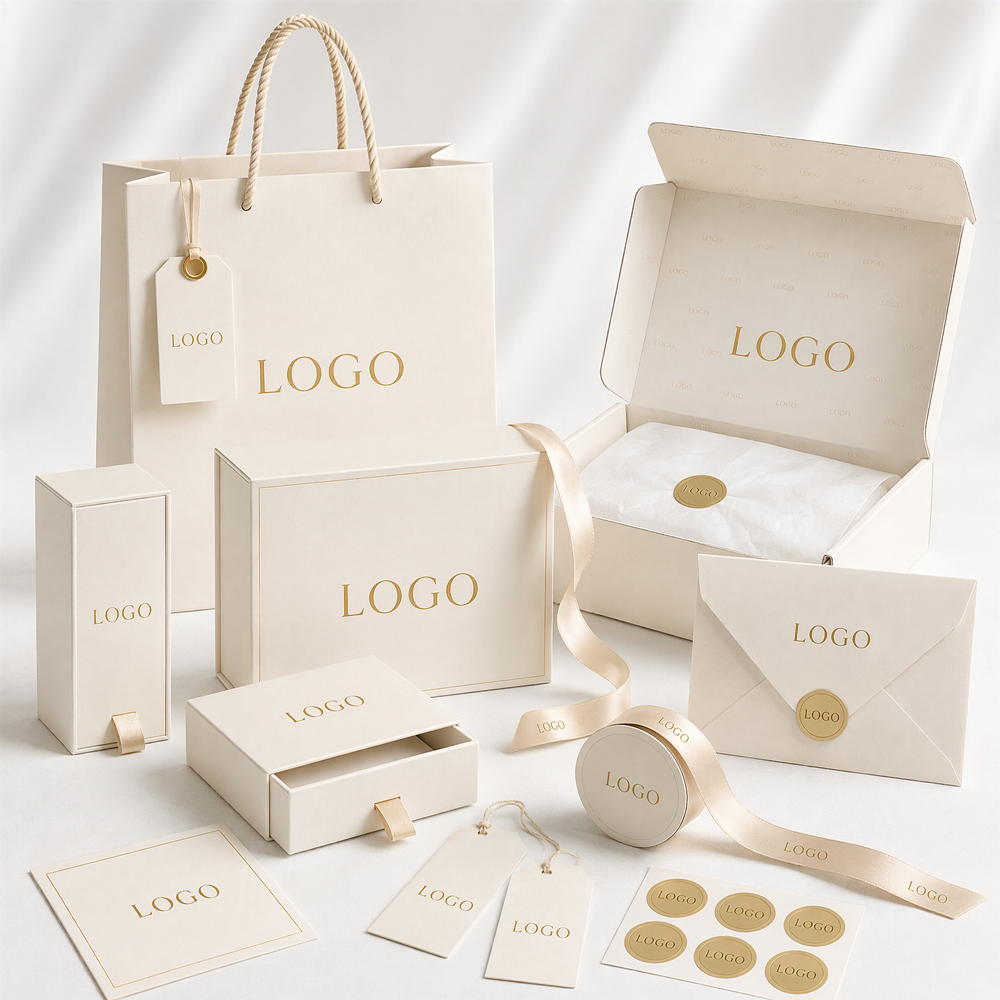

Need a structure that is not listed? Send a reference photo or your product dimensions — the team will propose a dieline and a free 3D mockup before sampling.
Get a QuoteJewelry Packaging Is a Procurement Decision, Not a Cost Line
Jewelry packaging does three jobs at once. It protects a product whose surface is often plated, polished or set with stones. It presents the brand at the most emotionally charged moment in the purchase journey. And it carries material, origin and disposal information that retailers, marketplaces and regulators increasingly ask buyers to document. A mailer, rigid box, gift bag or certificate card that fails any one of those jobs costs far more than its unit price: a scratched setting, a diluted unboxing, or a container held because the board grade cannot be traced.
That is why the supplier conversation has changed. Buyers still compare unit prices, but they now open with different questions: Is the factory verified? Can you supply the dieline? Which board grade and ink system will you use? What is your AQL? Can you hold a Pantone color across three reorders? The answers decide whether a packaging program is repeatable or a series of expensive surprises. A manufacturer that designs, prints, foil-stamps, embosses, die-cuts and hand-assembles under one roof can control those variables. A chain of intermediaries usually cannot.
Eight paper-based lines that wholesale jewelry programs reorder most, with the structure and finishing logic behind each one.
Six shifts reshaping supplier selection through 2028, from verification-led consolidation to digital approval workflows.
The material, tactile, structural and connected-packaging directions worth budgeting for in the next buying cycle.
This brief is written for buyers who want the second conversation. Reference points come from Fuzhou Buba Printing Co., Ltd., a TÜV Rheinland onsite-verified custom manufacturer with 18 years in paper printing, a 2,300 m² production floor and more than a decade of export experience.
What "Trusted" Should Mean in a Supplier Audit
Trust is not a badge on a homepage. It is a set of facts that can be checked before money moves, and it usually sits in three layers.
Identity and Site
A legitimate exporter has a registered legal entity, a verifiable factory address and, ideally, an onsite inspection by an independent body. TÜV Rheinland onsite verification means an auditor has physically visited the premises, checked machinery and records, and confirmed that the company operates where it claims. For an overseas buyer, that replaces an expensive plane ticket.
Process Capability
Ask what happens inside the factory and what is subcontracted. In-house printing, foil stamping, embossing, die-cutting and hand assembly shorten the chain of accountability. Ask for the dieline, the board grade, the ink system, the sampling procedure and the AQL standard. A supplier who answers with a specification sheet is easier to manage than one who answers with adjectives.
Track Record
Years in business matter less than years in your category. A factory that has shipped jewelry packaging understands that plated surfaces scratch, that small rigid boxes need precise wrap tolerances, and that color consistency across a gift box, a bag and a card is one project — not three unrelated print jobs.
Red flags are consistent across categories: no verifiable address, reluctance to show the production floor on a video call, quotes materially below the cost of the board, no dieline or written specification, and pressure to pay the full order value through an unverified channel. Any one of these is a reason to slow down. A supplier who cannot show a dieline and a written specification is not selling packaging; they are selling a promise.
Six Trends Reshaping Jewelry Packaging Sourcing
Six shifts are visible across the quotations, sample requests and reorder patterns that pass through a factory floor. None of them is theoretical; each one changes how a buyer should structure an RFQ.
Consolidation Around Verified Suppliers
Supplier lists are getting shorter. Buyers who once spread orders across five trading companies are consolidating into two or three verified factories that can document materials, hold color standards and absorb repeat demand. The motive is risk, not price: a single unverified link can delay a launch or fail a marketplace compliance check.
Smaller First Orders, Faster Replenishment
Low minimums — from 100 pieces on many boxes and bags — plus short-run digital print let brands test a SKU before committing to a container. The winning supplier model is no longer the cheapest unit price; it is the fastest reliable reorder, because a bestseller that goes out of stock costs more than a slightly higher box.
Sustainability as Documentation
"Eco-friendly" is moving from a marketing word to a paperwork requirement. Retailers and marketplaces increasingly ask for board grades, recycled content, ink type and plastic-free construction. Suppliers should be able to state what a box is made of and what happens to it after use — and to substitute paper inserts, water-based inks and tear strips on request.
Premiumization of the Unboxing Sequence
Jewelry brands compete on the first thirty seconds. That favors tactile finishing — soft-touch lamination, blind deboss, letterpress, cotton paper, foil — and coordinated sets where the box, bag, card and seal share one artwork system. The trend rewards factories with in-house finishing rather than brokers who outsource every step.
Hybrid Logistics and Buffer Inventory
Sea freight remains the default for bulk, but launches increasingly move by air or express. Packaging that flat-ships and assembles at destination reduces volumetric weight, and planning a buffer quantity near the sales market protects a campaign from port delays. Ask for flat-pack options and carton dimensions at quotation stage.
Digital Approval Workflows
3D mockups, video inspections and digital color approvals have compressed sampling cycles. A buyer can now approve a structure and artwork position before a physical sample is produced, then review an AQL inspection video before shipment. Suppliers who still work only by email attachments and scanned proof sheets are becoming the bottleneck.
Where Jewelry Packaging Itself Is Heading
Beyond procurement, the product is changing. Four directions are worth budgeting for between 2025 and 2028.
Mono-Material and Plastic-Free Construction
Designers are removing the mixed-material layer that makes packaging hard to recycle. The practical version: paperboard boxes with paper inserts instead of EVA foam, water-based inks, and tear-strip mailers without plastic film. For jewelry, the challenge is cushioning without foam. Moulded pulp, corrugated fitments, tissue layers and die-cut paper cradles solve most of it, provided the structure is tested with the actual product weight.
Tactile Finishing Over Visual Noise
Logo size is no longer the differentiator; surface feel is. Soft-touch lamination, blind deboss, letterpress and cotton paper create a premium impression that a photograph cannot reproduce. The trade-off is cost and lead time, so finishing should be concentrated where the customer's hand goes: the lid, the card, the bag handle. A restrained palette plus one strong tactile detail usually outperforms four competing effects.
Right-Sized Structures
Volumetric weight is a silent cost. Oversized gift boxes with foam filler pay twice — once for the material, once for the freight. Right-sizing means designing the cavity around the product, choosing board thickness for the load rather than habit, and flat-shipping assembled rigid boxes where possible. A 20–30 mm reduction in depth across a wholesale program can change an entire container plan.
Connected Packaging and Authentication
QR codes and near-field tags are appearing on jewelry cards and boxes for authentication, care instructions and warranty registration. The packaging implication is print quality: a code that fails to scan is worse than no code. Specify a quiet zone, test the code on the final substrate and laminate, and keep the digital destination maintained. For high-value pieces, a tamper-evident seal adds a physical layer to the digital one.
Material and Finishing Matrix for Jewelry Packaging
Use this reference to brief a supplier, then confirm every row on a physical sample. Ranges shown are typical production options rather than fixed limits.
| Structure | Typical Board / Paper | Signature Finishing | Best For |
|---|---|---|---|
| Rigid magnetic box | 1,200–2,000 gsm greyboard, wrapped | Hot foil, emboss, soft-touch, magnetic flap | Necklace and bracelet sets, VIP gifts |
| Corrugated mailer | E-flute or B-flute, kraft or white liner | Double-sided print, tear strip, matte lamination | E-commerce, subscription kits |
| Folding carton | 300–400 gsm SBS or kraft board | Spot UV, window patch, foil | Earrings, pendants, mid-range retail |
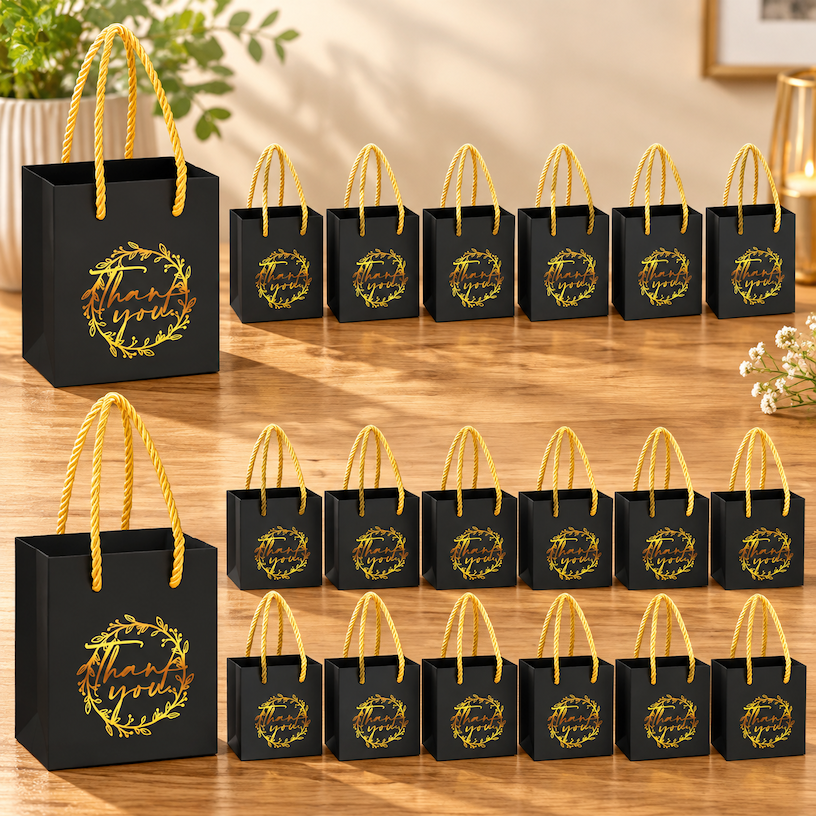
| Paper gift bag | 120–250 gsm kraft or art paper | Rope or ribbon handle, foil, emboss | Retail carry, event gifting |
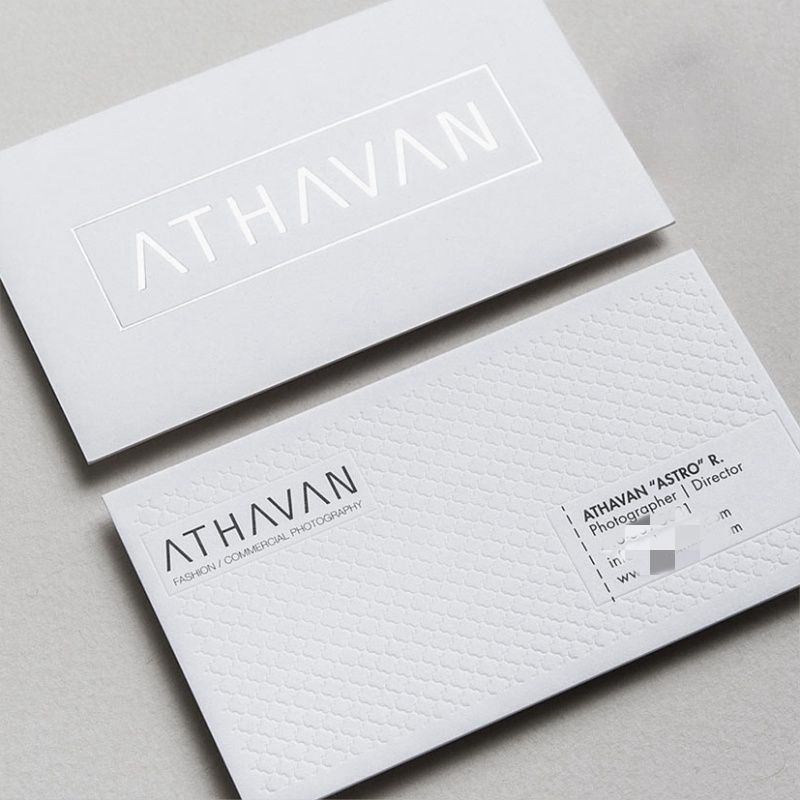
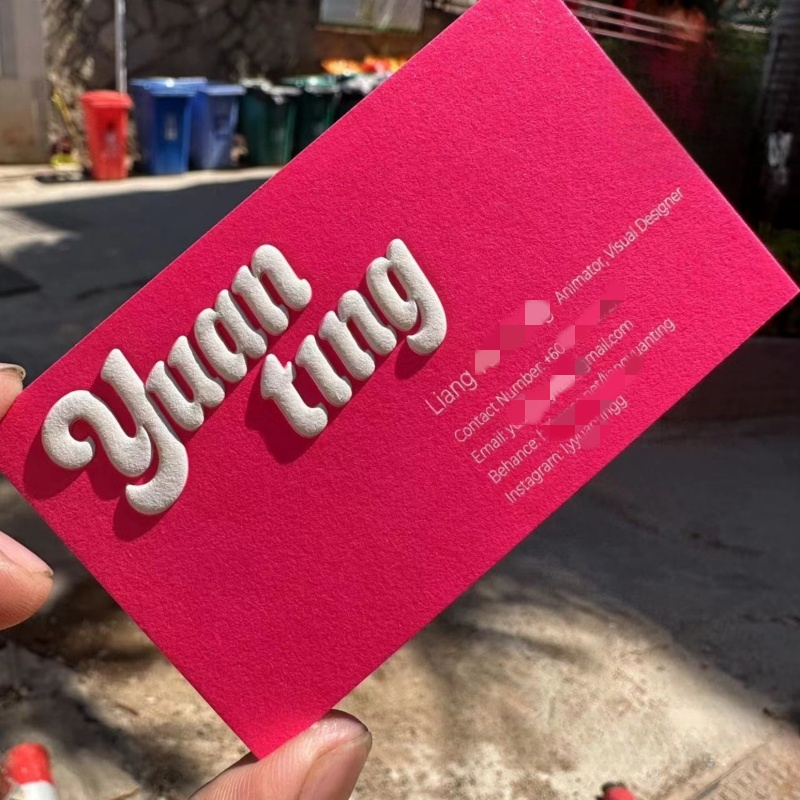
| Business / certificate card | 300–800 gsm, cotton or specialty stock | Letterpress, deboss, 3D emboss | Authenticity cards, showroom collateral |
| Greeting / thank-you card | 250–350 gsm | Hot stamping, embossing, die-cut | Post-purchase, seasonal campaigns |
Final board grade, tolerance and finishing sequence are confirmed in writing and on a pre-production sample before mass production.
Why Jewelry Buyers Work With Fuzhou Buba Printing
Buba is not the largest factory in Fujian, and it does not try to be the cheapest. Its position is narrow and deliberate: a verified, mid-sized paper packaging and printing manufacturer that can take a jewelry program from dieline to export carton without handing the work to someone else.
TÜV Rheinland Onsite Verification
The factory has been verified onsite by TÜV Rheinland, an independent inspection body. That means premises, equipment and operating status have been checked by a third party — the fastest way for a new buyer to clear the first stage of supplier due diligence.
18 Years of Printing, 10+ Years of Export
Eighteen years in the paper printing trade and more than a decade of export work have produced the boring advantages that matter: realistic lead times, export-grade cartons, documentation that clears customs and a team that has already made the mistakes on someone else's order.
In-House End-to-End Production
Structural design, prepress, offset and digital printing, foil stamping, embossing, lamination, die-cutting and hand assembly happen under one roof. One accountable supplier means one color standard, one schedule and one point of contact when something needs to change.
Free 3D Mockups and Low MOQ
In-house designers build the dieline and a free 3D mockup so structure and artwork placement are approved before sampling. Many boxes, bags and cards start from 100 pieces — enough to test a market without warehousing a container.
Recyclable Material Program
Recyclable kraft and corrugated board, paper inserts instead of plastic, water-based inks and plastic-free tear-strip mailers are available as standard options, confirmed with material declarations before production rather than claimed after it.
Export-Ready Packing and Logistics
Flat-packing to reduce freight, export-grade master cartons, AQL inspection with photo and video reports, and sea, air or express shipping coordinated from Fuzhou. The team quotes carton dimensions and gross weight with the price, so landed cost is visible early.
A Six-Point Evaluation Checklist
Run these six checks in order. Each one removes a category of risk before a deposit is paid.
Frequently Asked Questions
The questions that come up most often in jewelry packaging quotations, answered with production detail rather than sales language.
What is the minimum order quantity for custom jewelry packaging?
Most custom mailer boxes, rigid gift boxes and paper bags start from 100 pieces. Notebooks can start from 50 pieces, while cards, hang tags, flyers and labels typically start from 200–1,000 pieces depending on size and finishing. The final MOQ depends on structure, material and print method, and is confirmed in writing before an order is placed.
Do you provide free 3D mockups and physical samples?
Yes. The in-house design team prepares the dieline and a free 3D mockup so structure, artwork position and finishing can be approved before sampling. A physical pre-production sample is then produced in the final material so color, fit and finishing can be checked before mass production begins.
How long do sampling and mass production take?
Pre-production samples usually take 3–7 working days, and mass production typically runs 10–20 working days after sample approval. Complex rigid boxes, multi-piece sets or large book runs may need longer. Every schedule is confirmed in writing with the order.
Which artwork file formats do you accept?
Vector AI, PDF or EPS files in CMYK with 3 mm bleed and outlined fonts are preferred. High-resolution PSD or TIFF files at 300 dpi are also accepted, and Pantone colors can be matched on request. A dieline is supplied for every custom structure so artwork is placed correctly.
Can jewelry packaging be recyclable and plastic-free?
Yes. Recyclable kraft and corrugated board, paper-based inserts instead of foam, water-based inks and plastic-free tear-strip mailers are available. For plated jewelry, the practical solution is usually a paper or tissue contact layer plus a die-cut paper cradle, tested with the actual product weight before production.
Is the factory verified by a third party?
Yes. The factory has been verified onsite by TÜV Rheinland and is listed as a Custom Manufacturer offering design-based, sample-based and full customization with onsite material inspection.
How do I choose between rigid boxes, folding cartons and mailer boxes?
Match the structure to the product value and the shipping route. Rigid magnetic boxes suit high-value pieces and retail presentation. Folding cartons are cost-efficient for earrings and pendants sold in store or packed inside a shipper. Corrugated mailers are the practical choice for e-commerce and subscription kits because they absorb transit impact. Many programs use two of the three: a mailer for shipping and a rigid box or folding carton for presentation.
How do you keep brand colors consistent across a box, bag and card?
Consistency comes from one approved standard, not from hope. The team keeps a master sample and a recorded color target for each project, prints the same artwork on the specified substrates, and checks inline during production. When a program spans board, kraft paper and cotton stock, the ink and finishing sequence is planned together rather than quoted separately.
What shipping terms and payment methods do you support?
Sea, air and express shipping can be coordinated from Fuzhou, with export-grade cartons and AQL inspection before dispatch. Payment methods include T/T, L/C, PayPal and Western Union. Terms are confirmed on the quotation and in the sales contract.
How do you prevent scratches on plated jewelry during transit?
Specify a soft contact surface — uncoated or tissue-lined paper, not abrasive corrugated flute — and a die-cut paper cradle or pulp insert that holds the piece away from the box wall. Test a full drop and compression cycle with the actual product, and keep the cavity tight enough that the piece cannot move, but loose enough to avoid pressure marks on plated edges.
Ready to Brief Your Jewelry Packaging Program?
Send dimensions, quantity, artwork and the destination market. You will receive a structure proposal, a material recommendation and a free 3D mockup before any sample is produced.
Get a Quote info@bubapack.com