Top Trusted Apparel Packaging Suppliers & Wholesalers
Factory-direct hang tags, labels, mailer boxes, rigid gift boxes, business cards and print for apparel brands — with free 3D mockups, audited quality control and export-ready logistics from Fuzhou Buba Printing Co., Ltd.
8 Apparel Packaging Products Wholesale Buyers Request Most
Apparel packaging suppliers are judged on three things long before price: whether the pack protects the garment, whether it reproduces the brand’s visual identity, and whether it can be replenished without a new tooling cycle. The eight products below are not a generic catalogue. They are the formats our apparel, streetwear, lingerie, kidswear and accessories buyers request most when they need a wholesale partner that can handle low MOQs, multiple finishes and repeatable color.
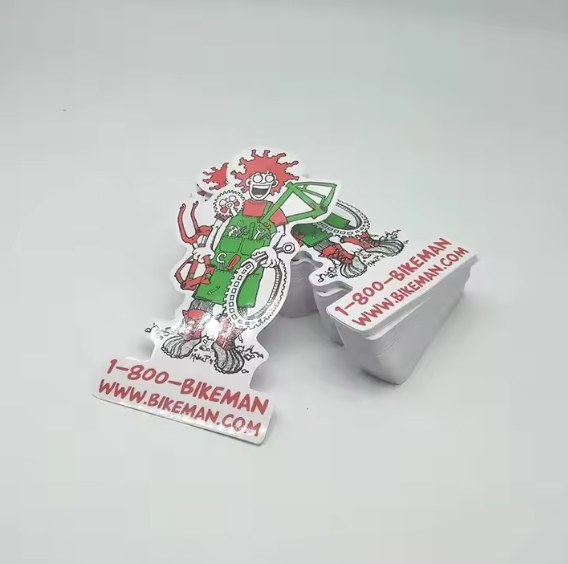
Custom 3D Colorful Self-Adhesive Planner Stickers Waterproof Art Paper and Cardboard Kiss Cut Label Stickers
Use as size stickers, care-label accents, packaging seals or collectible inserts. Waterproof art paper and kiss-cut formats suit apparel e-commerce and retail hang-tag programs.
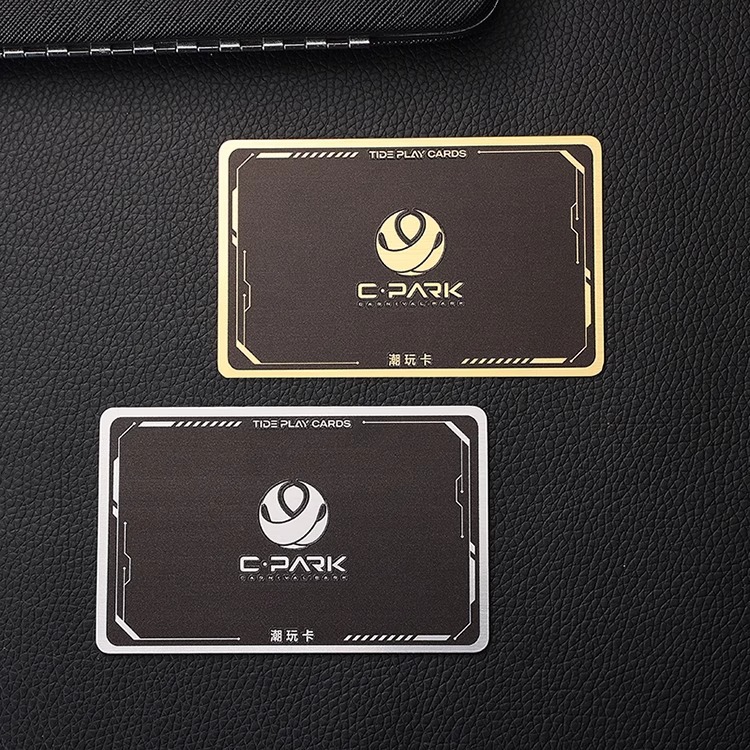
Luxury 3D Textured Design VIP Loyalty Business Cards Custom Offset Paper Cardboard Duplex Board for Hairdresser Business
A textured 3D card for showroom buyers, VIP clients and wholesale account managers. Offset paper and duplex board keep your brand tactile at trade shows and buyer meetings.

Custom Logo Size Large Small Luxury Folding Hard Rigid Paper Matt Black Collapsible Magnetic Gift Box with Magnetic Closure Lid
The premium unboxing format for limited-edition apparel, gift sets and wholesale sample kits. Collapsible magnetic construction saves freight while keeping a luxury reveal.
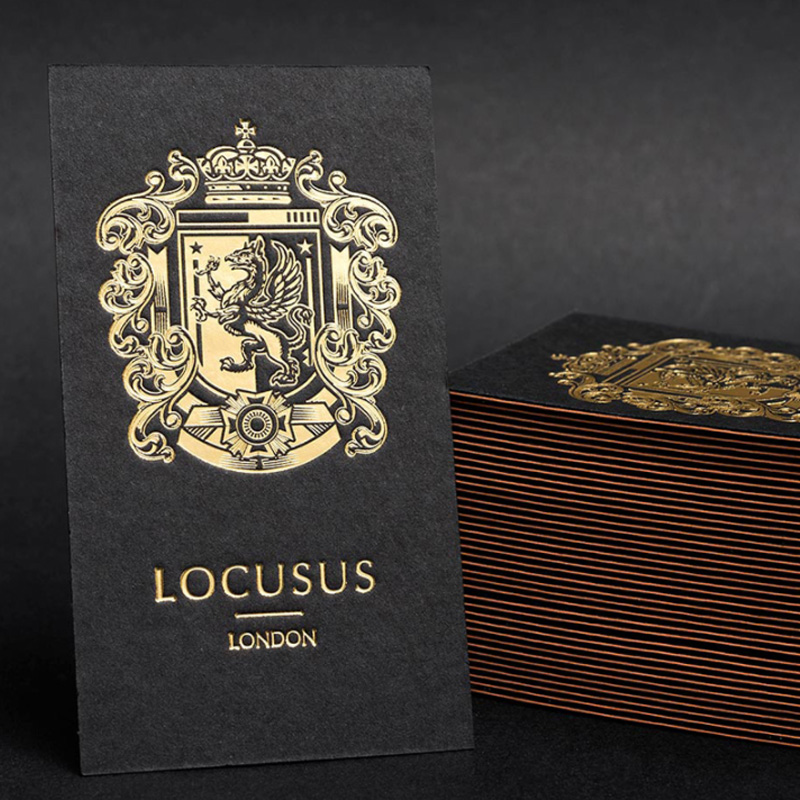
Luxury Hot Stamping Business Card Imported Black Card Thickened High-End Luxury Design Made High Quality Offset Paper Cardboard
Hot-stamped, thickened black stock gives fashion sales teams a card that feels as considered as the garments. Ideal for buyer meetings, line sheets and trade fairs.
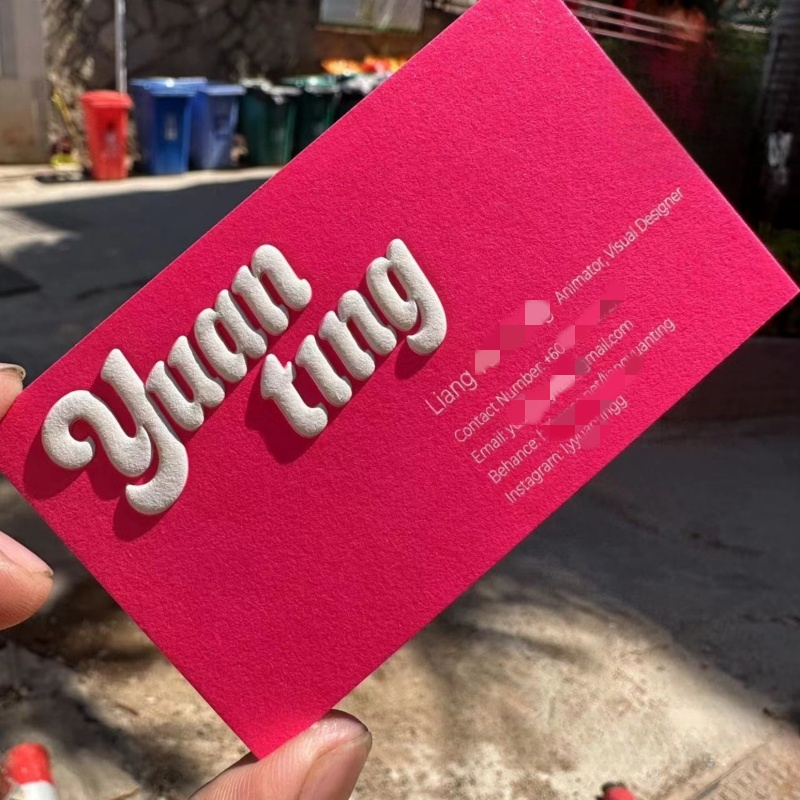
Custom Design Creative Embossing Specialty Paper Greeting Card Embossed Printing Gift Greeting Business Card
Embossed specialty paper thank-you cards turn a shipment into a brand moment. Pair with QR codes for care instructions, styling content or loyalty sign-ups.
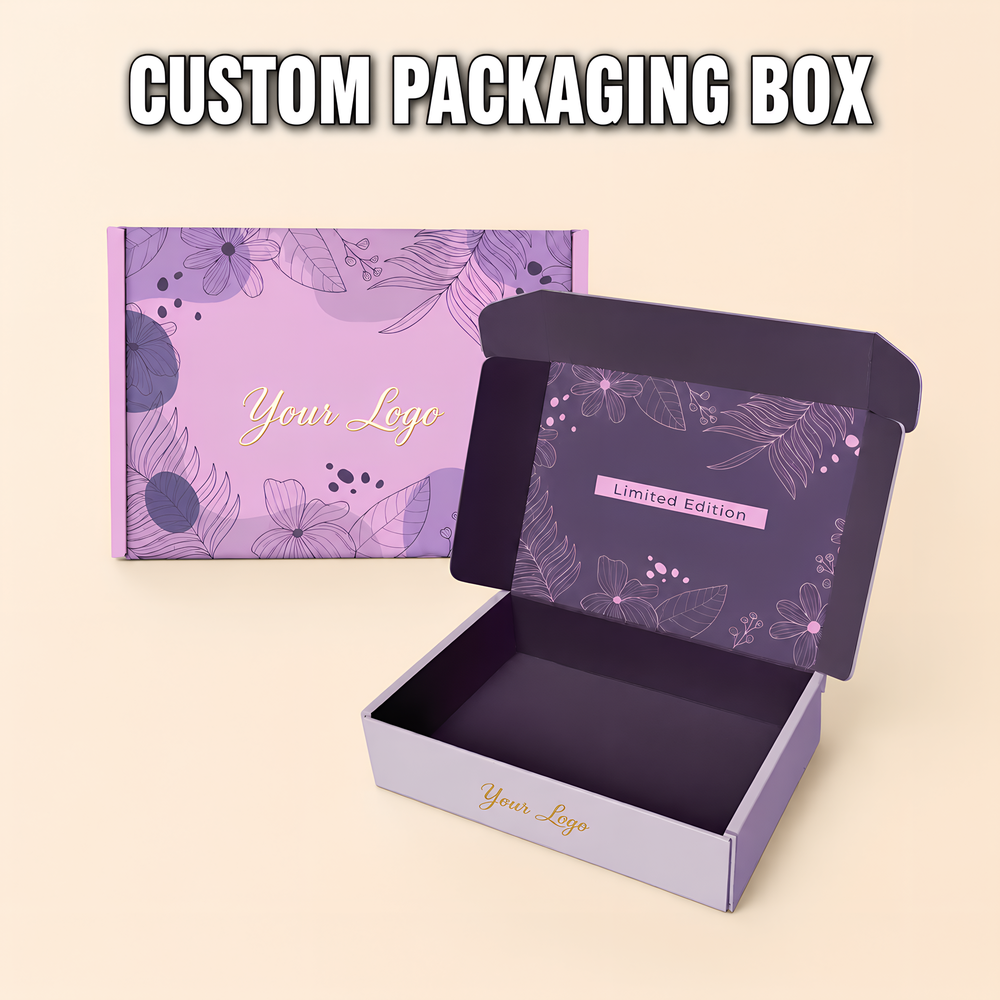
Wholesale Customizable Shipping Eco Friendly Custom Gift Packaging Paper Cardboard Boxes Subscription Logo Printed Mailer Box
Printed, eco-friendly mailer boxes for apparel subscription programs, DTC launches and returns. Custom sizing reduces void fill and dimensional-weight charges.
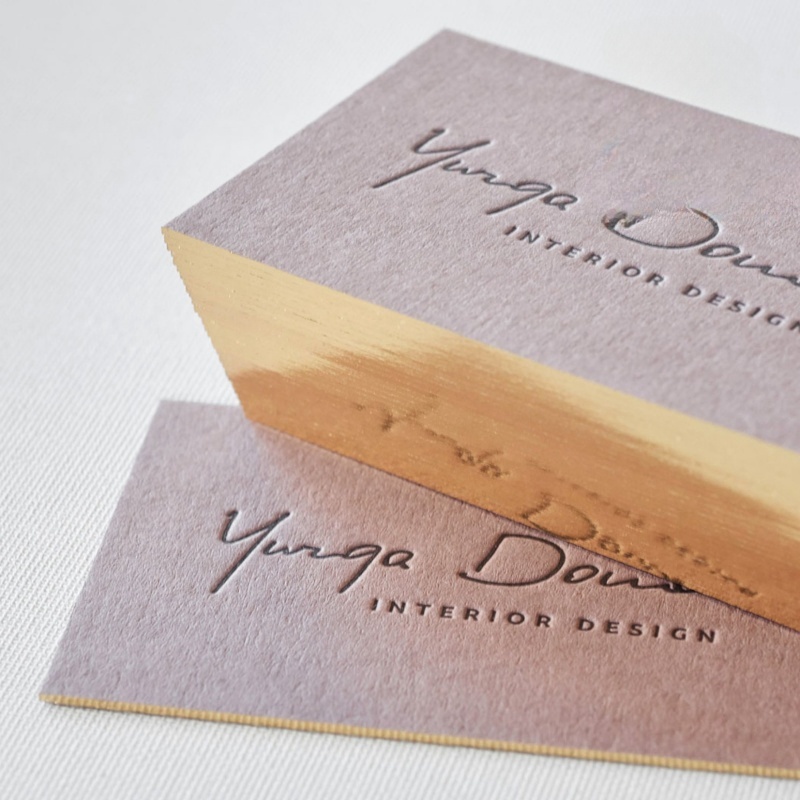
Customized Card Luxury Eco-Friendly Embossed Logo Design Gold Stamping Printing Business Grey Pink Business Card
Eco-friendly embossed logo and gold stamping on grey-pink board. A refined, lower-impact business card for sustainability-led fashion labels and wholesale teams.
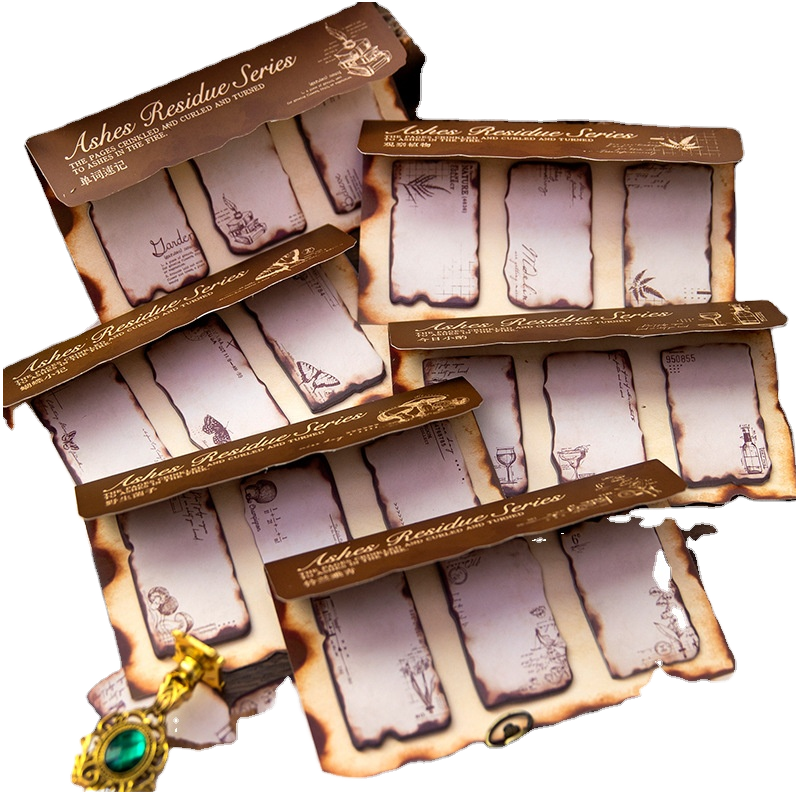
60pcs/pack Loose Leaf Ashes Aftermath Series Retro Burnt Handbook Decoration Stickers for Memo Pads
Retro burnt handbook decoration stickers for streetwear drops, zine inserts and packaging personalization. Loose-leaf format supports quick, low-MOQ collaboration runs.
Every item can be customized in size, board weight, printing and finishing. Product URLs lead to live specification pages; MOQ and decoration limits are confirmed at quotation stage because size and finishing affect run economics.
What Apparel Brands Should Demand from a Packaging Wholesaler
Packaging is a controlled component of an apparel brand. A weak mailer can damage a garment; a mismatched dieline can delay a launch; a supplier that cannot reproduce a Pantone shade across three reorders can erode the brand experience. Use the following six criteria as a scorecard when comparing apparel packaging suppliers.
Independent Site Verification
Ask for evidence that the supplier is a real manufacturer, not a trading desk. Fuzhou Buba Printing Co., Ltd. has been verified onsite by TÜV Rheinland, with legal status, premises and production capability reviewed by an independent inspection body.
Free Dielines and 3D Mockups
The design stage should remove risk, not add cost. Buba’s in-house team builds the structural dieline and a free 3D mockup so you can approve fit, artwork placement and finishing before paying for a physical sample.
Low MOQ, Real Factory Pricing
Start from 50–100 pcs on many items to test a market, then scale to bulk runs without changing suppliers. This matters for capsule collections, influencer drops and wholesale sample kits where overstock is a cash-flow risk.
Premium Finishing In-House
Hot foil, blind and 3D embossing, spot UV, soft-touch and holographic lamination, letterpress and window patching. Keeping finishing under one roof shortens lead times and reduces the risk of color or texture mismatches between subcontractors.
Audited Quality Control
Incoming material checks, first-article approval, inline color checks and final AQL inspection with photo reports. For apparel buyers, the critical tests are scuff resistance on dark mailers, crease strength on hang tags and color consistency across reorders.
Export-Ready Logistics
Ten-plus years of export experience, export-grade cartons, flat-packing to cut freight, and sea, air or express shipping. Ask for a landed-cost comparison, not just a unit price, especially for rigid boxes and heavy catalogues.
Apparel Packaging Materials & Finishing: A Buyer’s Reference
Board weight is only one variable. Grain direction, liner type, coating, packing method and the way the pack is opened all affect perceived quality. The ranges below reflect typical production options at Buba; final specifications are confirmed in writing and on a pre-production sample.
Apparel Hang Tags
Substrate: 300–800 gsm cardstock, specialty paper or recycled board.
Finishing: 3D embossing, letterpress, hot foil, die-cut shapes, waterproof film.
Why it matters: A 350 gsm tag feels premium on a shirt but can buckle on heavy denim; specify thickness with garment weight and hole position.
MOQ guidance: Typically from 200–1,000 pcs depending on size and decoration.
Size & Brand Stickers
Substrate: Self-adhesive art paper, synthetic film or transparent stock.
Finishing: Kiss-cut, sheet or roll, 3D effect, waterproof lamination, variable data.
Why it matters: Test adhesion on coated fabric bags, recycled mailers and poly bags; low-surface-energy materials may need a different adhesive.
MOQ guidance: Usually 200–1,000 pcs for custom die-cut labels.
E-commerce Mailer Boxes
Substrate: E-flute or B-flute corrugated board, white or kraft liner.
Finishing: CMYK inside and out, matte or gloss lamination, tear strip, spot UV.
Why it matters: Right-sizing reduces void fill and dimensional-weight charges; test the mailer with the actual garment, not a placeholder.
MOQ guidance: From 100 pcs on many custom mailer boxes.
Rigid Gift Boxes
Substrate: 1,200–2,000 gsm greyboard wrapped in art or specialty paper.
Finishing: Hot foil, embossing, magnetic flap, EVA or paper inserts.
Why it matters: Flat-packed rigid boxes save freight but require assembly at destination; pre-assembled boxes reduce labor but increase dimensional weight.
MOQ guidance: From 100 pcs; complex inserts may raise the minimum.
Buyer & Loyalty Cards
Substrate: 300–800 gsm cardstock, duplex board, imported black card.
Finishing: Hot stamping, 3D embossing, soft-touch lamination, spot UV, edge painting.
Why it matters: A 600 gsm card with soft-touch lamination can feel more premium than a thicker uncoated card if the tactile finish fits the brand.
MOQ guidance: Often 500 pcs for multi-level decoration; confirm at quotation.
Catalogues & Lookbooks
Substrate: 105–157 gsm text paper with 200–350 gsm cover.
Finishing: Saddle-stitch, perfect bound, wire-o, hardcover, matte or soft-touch cover.
Why it matters: Match binding to page count and usage: saddle-stitch for lookbooks, perfect bound for wholesale line sheets, hardcover for brand books.
MOQ guidance: From 100 pcs depending on binding and page count.
Illustrative Buyer Scorecard: What a Verified Apparel Packaging Partner Should Demonstrate
Procurement Trends Reshaping Apparel Packaging in 2025–2030
Apparel sourcing teams are moving from annual tenders to quarterly reviews. The shifts below are visible across North America, Europe and Asia-Pacific, and they change how buyers should brief, compare and audit packaging wholesalers.
Dual Sourcing and De-Risking
Brands keep complex finishing in specialist factories while adding regional converters for fast replenishment. That makes verification and documentation more important than a single low quote: buyers need a primary supplier with export depth and a backup plan for urgent reorders.
MOQ Compression and Weekly Replenishment
Smaller launches, influencer drops and regional exclusives are pushing minimums down. Digital print, shared tooling and modular dielines let apparel brands order closer to demand, reducing markdown risk and warehouse costs without abandoning custom finishing.
Packaging Waste Regulation and EPR
EU packaging waste rules, extended producer responsibility schemes and retailer-specific material guidelines are making recyclability a procurement criterion. Paper-based inserts, mono-material structures, water-based inks and clear material declarations will be requested in more RFQs.
Total Landed Cost Over Unit Price
Freight volatility and dimensional-weight charges have made flat-packed rigid boxes, right-sized mailers and pallet optimization part of the design brief. A box that saves $0.10 per unit but adds $0.25 in shipping is not a saving; ask for landed-cost modelling.
Digital Print and Late-Stage Differentiation
Versioning by market, localized language inserts, QR codes and personalized cards can be produced in shorter runs with digital workflows. This shifts packaging from a fixed cost to a responsive marketing channel, especially for DTC apparel brands.
Supplier Transparency and Traceability
Third-party site verification, AQL reports, photo and video QC, material declarations and audit trails are becoming standard buyer expectations. In a market where many “wholesalers” are trading intermediaries, verified manufacturers have a measurable trust advantage.
Product Development Trends: What Your Next Apparel Packaging Brief Should Include
Packaging development is no longer a late-stage purchasing decision. Leading apparel brands bring packaging into the product development calendar alongside fabric, trims and labels. These six directions are shaping the next generation of apparel packaging.
Tactile Luxury That Mirrors Fabric
Soft-touch lamination, 3D embossing, letterpress, hot foil and micro-textures translate the feel of cashmere, denim or technical nylon into paper. The goal is a coherent brand object, not a generic printed box.
Inside-Out Print and Structural Storytelling
Interior print, die-cut windows, layered inserts and magnetic reveals turn the unboxing sequence into a narrative. Apparel brands use these structures to introduce care guidance, styling ideas and loyalty programs without extra printed inserts.
Connected Packaging and QR-Enabled Labels
QR codes on hang tags, care labels and mailers can link to authentication, resale, repair, size guidance and styling content. Variable-data printing makes it practical to personalize by drop, region or wholesale account.
Reusable and Refillable Premium Packaging
Collapsible rigid boxes, fabric-feel paper, paper-based inserts and plastic-free tear strips reduce material use while preserving the premium reveal. Refillable formats are especially relevant for gift sets and VIP loyalty kits.
Mass Customization at Retail Speed
Names, drop numbers, localized languages, store-specific inserts and personalized thank-you cards are moving from novelty to expectation. Modular dielines and digital print let brands customize without a full tooling cycle.
Compliance-Ready Design
Recyclability, recycled content, labeling and packaging waste requirements should be designed in from the start. A premium box that cannot be recycled in the destination market may create a compliance problem that outweighs its aesthetic value.
Supplier Due Diligence: How to Verify an Apparel Packaging Wholesaler
Use a structured verification process before placing a first production order. The six checks below separate a capable apparel packaging supplier from a broker that re-quotes every project to a different factory.
Legal Identity and Site Verification
Confirm the legal entity, factory address, production floor size and independent verification. Buba is TÜV Rheinland onsite-verified with a 2,300 m² facility in Fuzhou, Fujian, China.
Category Experience and References
Ask for comparable apparel projects: hang tags for denim, mailers for subscription apparel, rigid boxes for gift sets. Request references and sample sets, not just catalogue images.
Material and Finishing Capability
Verify board grades, lamination, foil, embossing, die-cutting and assembly are controlled in-house. Subcontracting finishing increases lead-time risk and color inconsistency.
Quality Management and Inspection
Look for a documented QC flow: incoming material inspection, first-article approval, inline color checks and final AQL inspection with photo reports. Buba provides these checkpoints and onsite material inspection.
Sample and Artwork Workflow
A free 3D mockup, dieline and pre-production sample should be standard. Confirm accepted file formats, bleed, CMYK and Pantone matching before artwork release.
Commercial Terms and Export Reliability
Review MOQ, sample lead time, production lead time, payment terms and shipping options. Buba accepts T/T, L/C, PayPal and Western Union, and ships by sea, air or express.
Why Fuzhou Buba Printing Co., Ltd. Belongs on Your Shortlist
Fuzhou Buba Printing Co., Ltd. is a custom manufacturer of paper packaging and commercial print based in Jianxin Town, Fuzhou, Fujian, China. The company has spent 18 years in the paper-printing trade, operates a 2,300 m² production floor with 23 employees, and has more than 10 years of export experience. Its scope covers corrugated mailer boxes, rigid magnetic gift boxes, folding cartons, paper bags, self-adhesive label stickers, clothing hang tags, business cards, greeting cards, envelopes, notebooks, flyers, catalogues and books.
The factory is TÜV Rheinland onsite-verified, quality-management certified, and offers OEM and ODM services with design-based, sample-based and full customization. Buyers receive dielines and free 3D mockups, pre-production samples in 3–7 working days, mass production in 10–20 working days after sample approval, and final AQL inspection with photo and video reports before shipment. The company holds a 4.6/5 verified buyer rating and provides onsite material inspection.
MOQs are category-dependent: most custom mailer boxes, rigid gift boxes and paper bags start from 100 pcs; some notebooks start from 50 pcs; hang tags, flyers and labels usually start from 200–1,000 pcs depending on size and finishing. Eco-friendly options include recyclable kraft and corrugated board, paper-based inserts instead of plastic, water-based inks and plastic-free tear-strip mailer boxes. The address is Building 38, Block B, Pushang Industrial Park, Jinshan Industrial Concentration Zone, No. 2 Hongjiang Road, Jianxin Town, Fuzhou, Fujian, China.
Send size, quantity, artwork and target market for a factory-direct quote and free 3D mockup.
Our 6-Step Apparel Packaging Order Process
A transparent workflow with a sign-off at every stage, so there are no surprises when your cartons arrive at the warehouse or your retail partner’s DC.
Brief & Dieline
Share size, product weight, artwork and target market; we propose structure, board grade and finishing.
Free 3D Mockup
Approve a rendered mockup with exact artwork placement, dieline and opening experience before sampling.
Pre-Production Sample
A physical sample confirms color, fit, texture and finishing. Typical sample lead time is 3–7 working days.
Mass Production
Printing, finishing and assembly with inline color control. Typical production is 10–20 working days after approval.
Final Inspection
AQL check with photos and video shared before shipment, including packing and carton-mark verification.
Global Shipping
Export packing and sea, air or express delivery, with documentation support for your destination market.
Frequently Asked Questions for Apparel Packaging Wholesalers
Direct answers to the questions overseas apparel buyers ask during supplier evaluation and first-order planning.
What is the minimum order quantity for custom apparel packaging?
Most custom mailer boxes, rigid gift boxes and paper bags start from 100 pieces. Some notebooks start from 50 pieces. Hang tags, flyers and labels usually start from 200–1,000 pieces depending on size and finishing. Final MOQ is confirmed in the quotation because decoration, structure and material affect run economics.
Do you offer free design support and 3D mockups?
Yes. The in-house design team provides dielines and a free 3D mockup so you can approve structure, artwork position and finishing before any physical sample is produced. This reduces sampling cycles and helps internal stakeholders sign off faster.
How long do samples and mass production take?
Typical lead time is 3–7 working days for pre-production samples and 10–20 working days for mass production after sample approval. Complex rigid boxes, multi-level finishing or large book runs may need longer; the schedule is confirmed in writing with every order.
Which artwork file formats do you accept?
Vector AI, PDF or EPS files in CMYK with 3 mm bleed and outlined fonts are preferred. High-resolution PSD or TIFF files at 300 dpi are also accepted. Pantone colors can be matched on request; specify the substrate because the same Pantone can appear different on coated, uncoated and kraft stock.
Can you make eco-friendly or recyclable apparel packaging?
Yes. Options include recyclable kraft and corrugated board, paper-based inserts instead of plastic, water-based inks and plastic-free tear-strip mailer boxes. Recyclability depends on the full pack construction and destination market rules, so confirm the material mix against your retailer or regulatory requirements.
Is the factory verified by a third party?
Yes. Fuzhou Buba Printing Co., Ltd. has been verified onsite by TÜV Rheinland and is listed as a Custom Manufacturer offering design-based, sample-based and full customization with onsite material inspection. This gives buyers an independent reference point for supplier due diligence.
How do you control color across reorders?
We retain approved samples, dielines and material records, then repeat the same substrate and finishing combination for reorders. Inline color checks and final AQL inspection with photo reports help catch drift before shipment. For brand-critical colors, request a signed drawdown or master sample.
What payment and shipping terms are available?
Payment terms include T/T, L/C, PayPal and Western Union. Shipping can be arranged by sea, air or express depending on volume and urgency. Export-grade cartons and flat-packing options help reduce freight and dimensional-weight charges for rigid boxes and mailer programs.
Ready to Brief Your Next Apparel Packaging Project?
Send your size, quantity, artwork and target market. Our team will confirm board grade, finishing, MOQ, lead time and landed-cost considerations — with a free 3D mockup before you commit to production.