Eight Custom Packaging & Print Products Frequently Bundled With Window Gift Boxes
Window gift boxes rarely ship alone. Brand owners usually need matching thank-you cards, paper bags, labels, inserts and premium collateral to create a complete unboxing system. The eight products below are existing Buba product references; each link is preserved exactly as supplied and can be specified alongside a custom window gift box program.
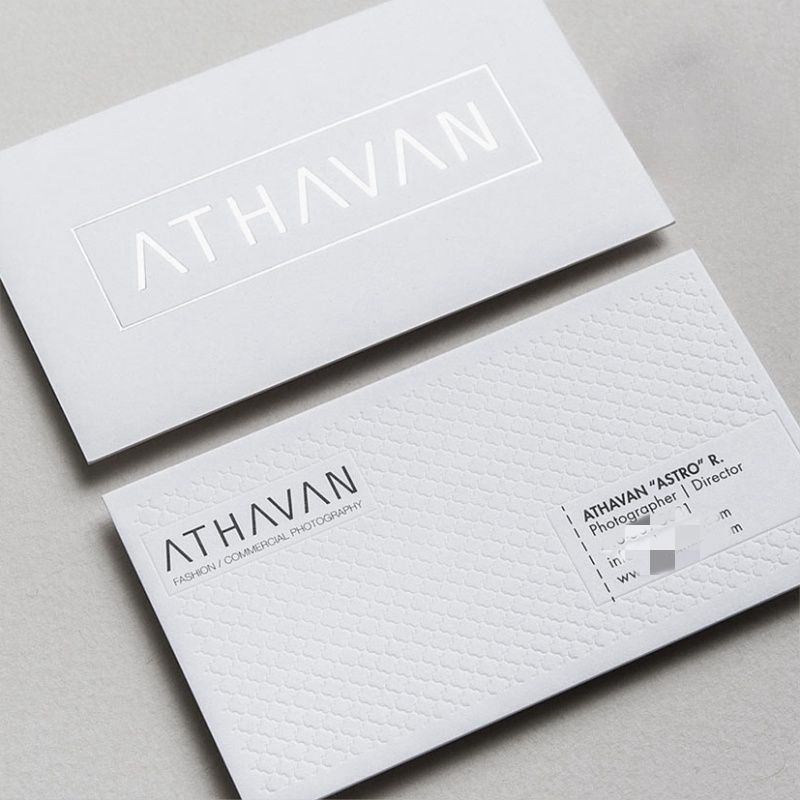
Hot Selling Customized Business Thank You Greeting Cards Offset Kraft Paper Hot Stamping for Personalized Business Cardboard
A practical insert for e-commerce and gifting kits. Kraft stock, hot stamping and offset print help the card match the window box without adding heavy packaging weight.
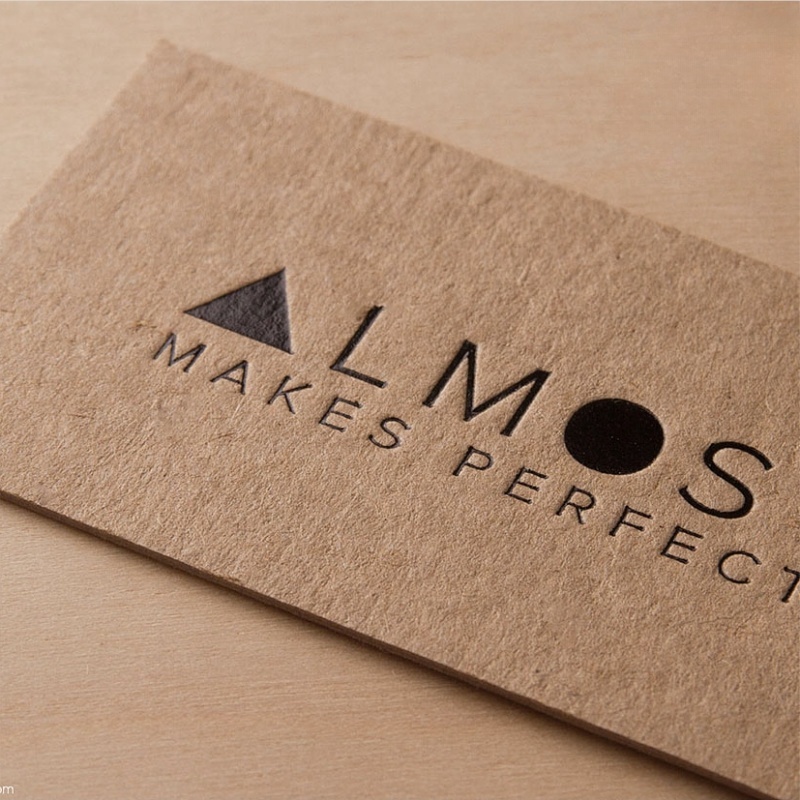
Customized Kraft Paper Duplex Board Film Lamination Digital Printing Multifunctional Business Card Paperboard Custom Design Mini
Film lamination improves scuff resistance and moisture tolerance, making this board suitable for retail labels, mini cards and packaging accessories that travel with the gift box.
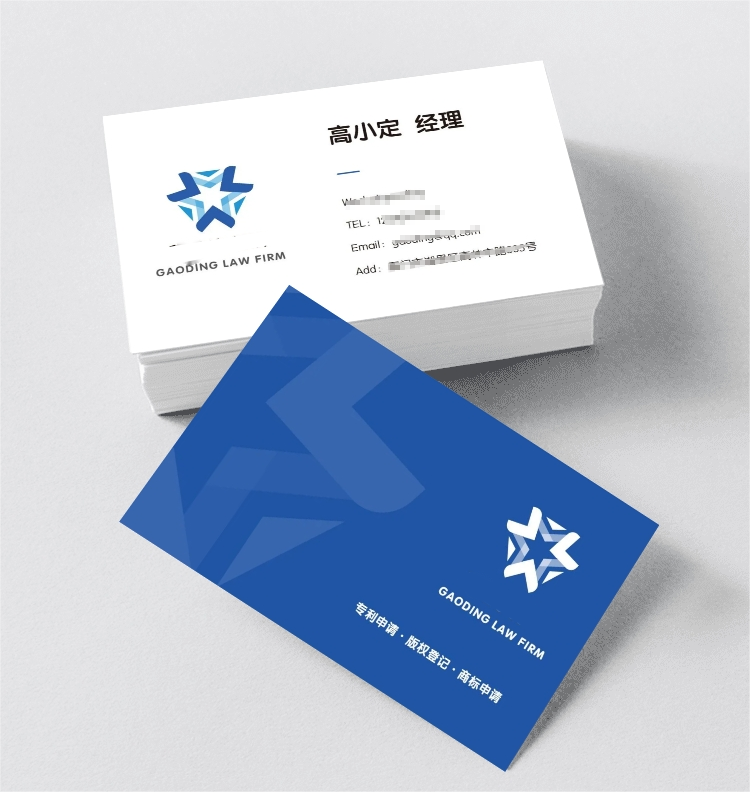
Wholesale Customizable Soft Cover Business Card with Perfect Logo Printing Service Cardboard Brochure Design Offset Paper
Useful when a window gift box needs a matching brochure, care card or product story booklet. Offset paper and soft-cover finishing keep the piece light while maintaining brand presentation.
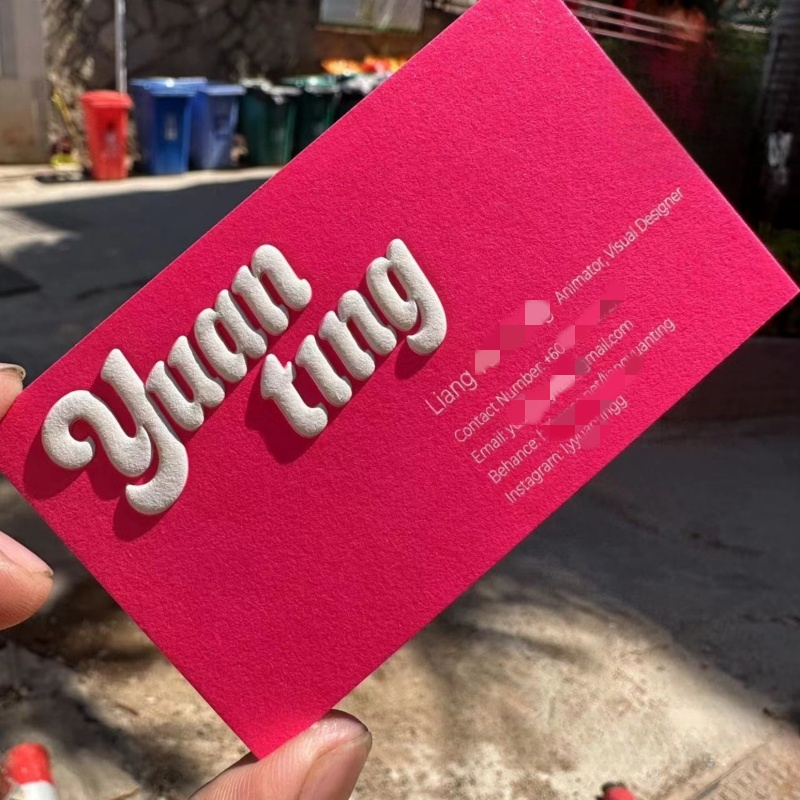
Custom Design Creative Embossing Specialty Paper Greeting Card Embossed Printing Gift Greeting Business Card
Embossed specialty paper creates a tactile contrast beside a clear window film or paper window. It is a strong choice for luxury invitation sets, VIP gifts and seasonal campaigns.
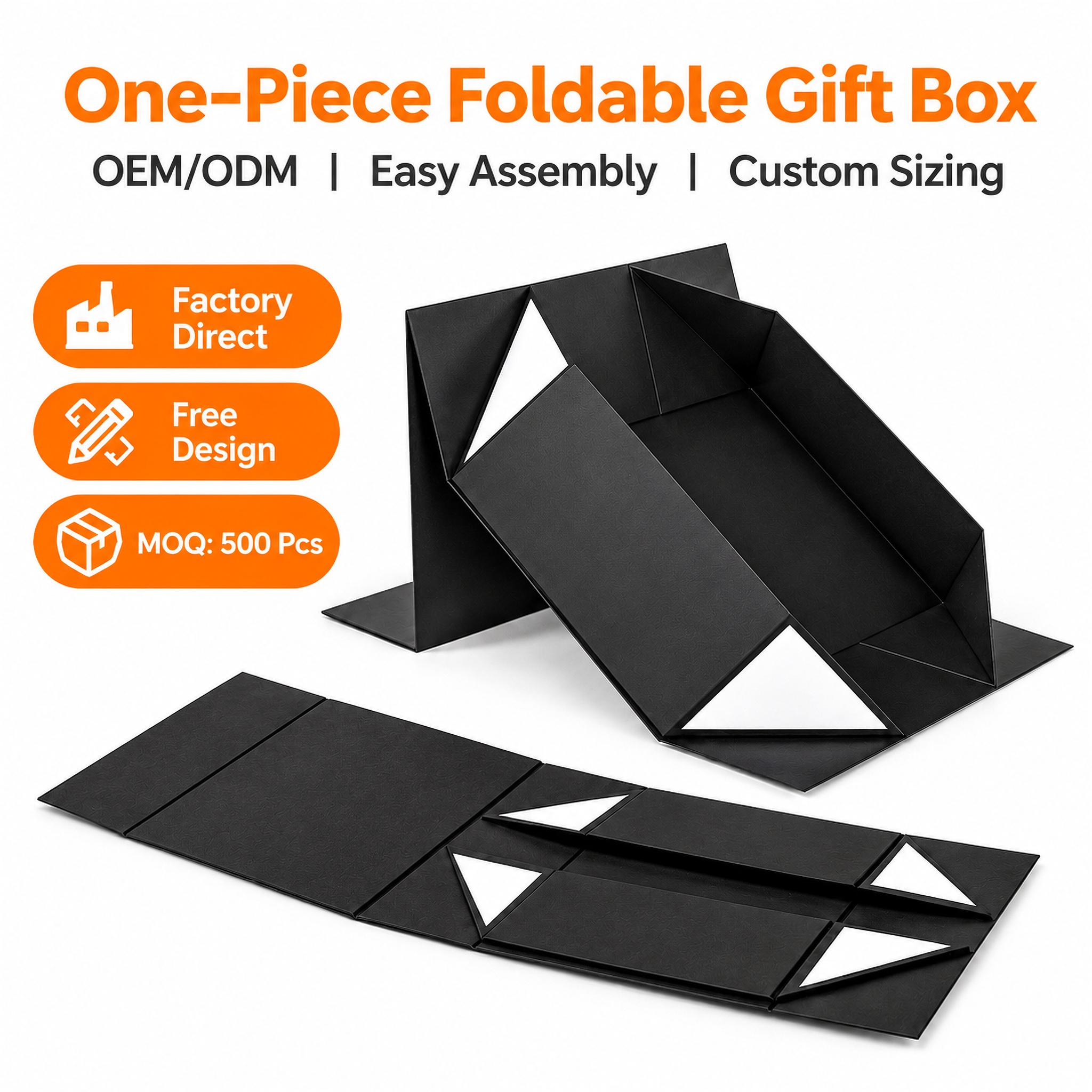
Custom Logo Size Large Small Luxury Folding Hard Rigid Paper Matt Black Collapsible Magnetic Gift Box with Magnetic Closure Lid
A collapsible magnetic rigid box platform that can be developed with a die-cut window, clear film or paper window. Flat packing helps control freight volume while keeping the premium unboxing feel.
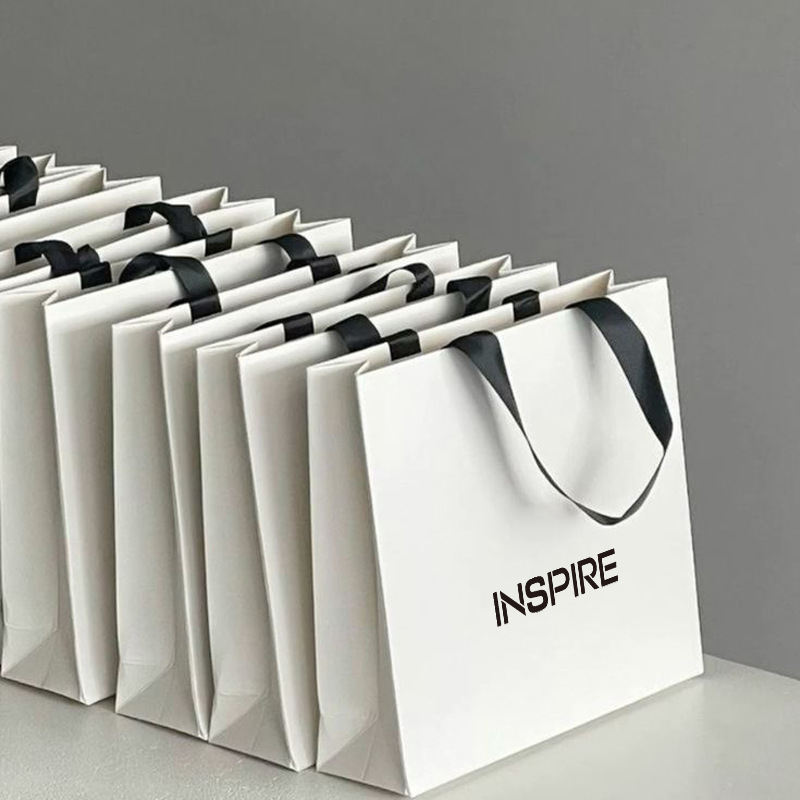
Custom Logo Eco-Friendly Luxury Gift Paper Bag for Jewelry Shoes Necklaces Bracelets and Clothing Packaging
A matching paper bag completes the retail handover. Kraft or art paper, rope or ribbon handles, gold foil and embossed logos can echo the window box’s material and finishing language.
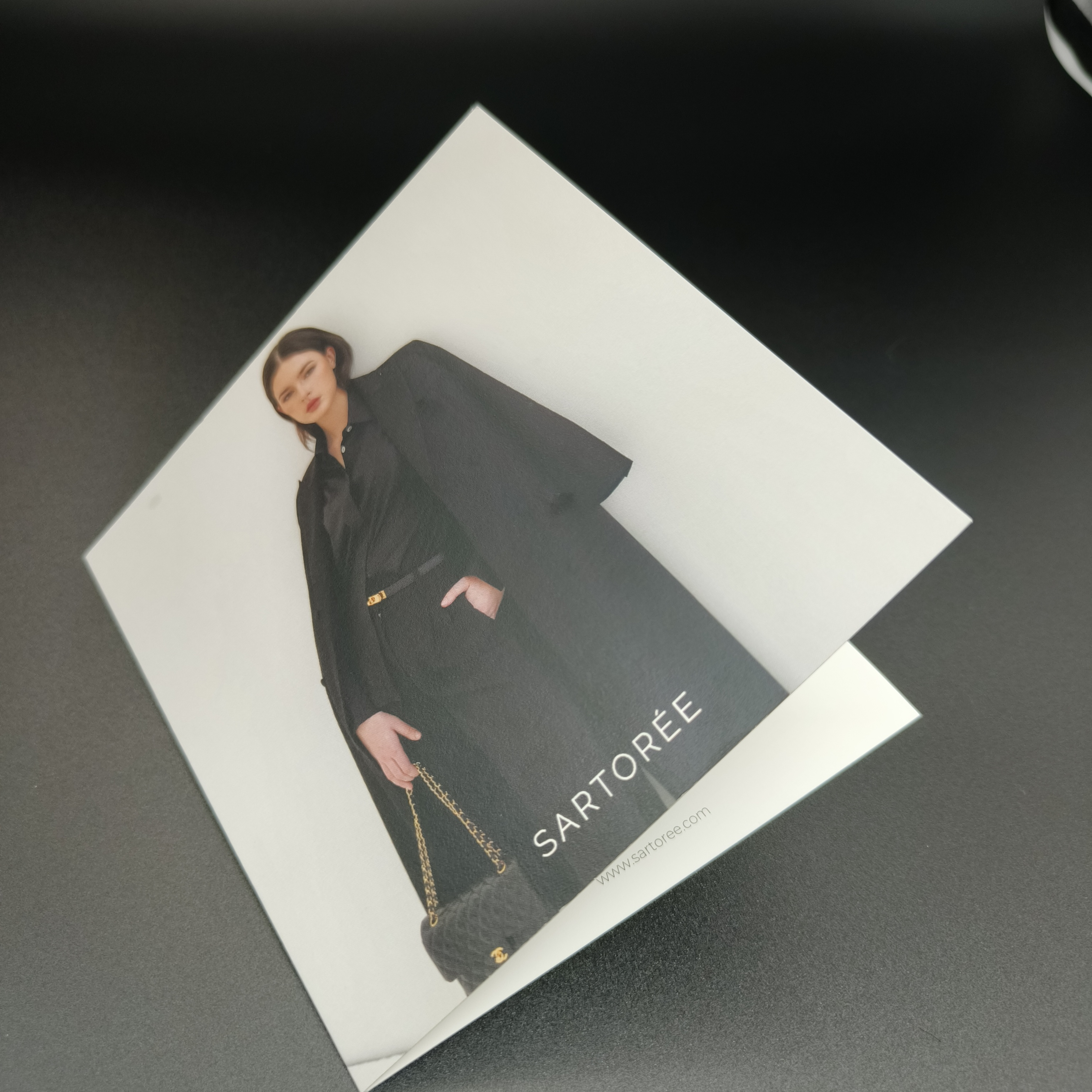
Customized Cards Greeting Cards Support Small Quantity Made Cardboard Paper Offset Thank You Card
Small-quantity card runs are useful for market tests, influencer kits and limited editions before scaling a full window gift box program. This supports a lower-risk launch model.

Luxury 3d Embossed Business Name Cardboard Printing Custom Logo Letterpress Debossed Black Cotton Paper Business Card
Black cotton paper, letterpress and debossed details create a high-end tactile cue inside premium gift boxes. It pairs especially well with matte black rigid boxes and foil-stamped logos.
A Verified China Factory for Window Gift Boxes—Not a Blind Marketplace Listing
Fuzhou Buba Printing Co., Ltd. is a custom manufacturer of paper packaging and commercial print based in Jianxin Town, Fuzhou, Fujian, China. The team has spent 18 years in the paper-printing trade and now operates from a 2,300 m² facility with in-house structural design, prepress, offset and digital printing, foil stamping, embossing, lamination, die-cutting and hand assembly. That matters for window gift boxes because the window, board, print and insert must be engineered together—not purchased from unrelated suppliers and assembled by guesswork.
Every project can be handled under one roof, so buyers deal with one accountable supplier instead of a chain of subcontractors. Buba is a TÜV Rheinland onsite-verified custom manufacturer, offers OEM and ODM services, supports design-based and sample-based customization, and provides free dielines plus a 3D mockup so structure, artwork position and finishing can be approved before sampling.
- TÜV Rheinland onsite-verified
- Quality-management certified
- OEM & ODM services
- Onsite material inspection
- Recyclable paper options
- 10+ years of export experience
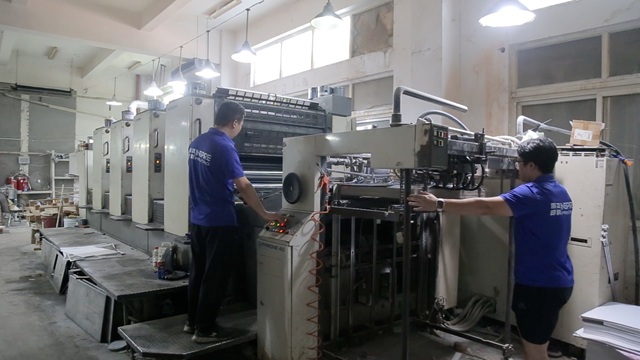

Third-Party Verified Factory
Premises, legal status and production capability have been verified onsite by TÜV Rheinland, supported by quality-management certification and onsite material inspection.
18 Years, One Roof
Structural design, prepress, offset and digital print, foil, embossing, lamination, die-cutting and assembly are managed by one accountable production team.
Free Dieline & 3D Mockup
Approve board thickness, window aperture, insert fit and artwork placement in a rendered mockup before paying for a physical pre-production sample.
Low MOQ, Scale Later
Start from 100 pcs on many custom boxes to test a market, then scale to bulk runs without changing suppliers, dielines or print standards.
Premium Finishing In-House
Hot foil, blind and 3D embossing, spot UV, soft-touch and holographic lamination, letterpress, window patching and specialty paper wrapping.
Export-Ready QC & Logistics
Incoming material checks, first-article approval, inline color checks, final AQL inspection with photo reports, export cartons and sea, air or express shipping.
Window Gift Box Engineering: The Details That Decide Quality
A window gift box is a hybrid product: it must sell the item on shelf, protect it in transit and open with a premium feel. Procurement teams should treat it as an engineered system—board, window film, print, adhesive, insert, closure and packing method.
What Should a Buyer Specify Before Comparing Quotes?
Most sourcing errors begin with an incomplete brief. If two suppliers quote different board grades, window films, print methods or packing methods, the “cheapest” quotation may not be comparable. A clear specification brief creates information gain for the buyer and reduces sample revisions.
Core specification decisions
- Board and structure: rigid greyboard wrapped in paper, folding carton board, or corrugated board for e-commerce protection.
- Window material: PET, PVC, PLA, paper window, glassine or open window—each has different clarity, recyclability and cost implications.
- Print and finish: CMYK, Pantone, hot foil, embossing, spot UV, soft-touch lamination, matte or gloss lamination.
- Insert system: paper pulp, folded paperboard, corrugated fitments or EVA-style foam only where protection requires it.
- Closure and unboxing: magnetic flap, lift-off lid, drawer, book-style opening, ribbon pull or tear strip.
- Transit method: retail shelf, courier parcel, sea freight carton or gift handover—each changes board and packing requirements.
Two engineering details that are often missed
First, board grain direction affects how a rigid box folds and how a window aperture behaves after wrapping. Second, window film has tolerance: the aperture must be sized so the film stays flat after lamination and assembly. Without that control, a box may bow, show adhesive marks or fail to close cleanly after 48 hours. Ask for a drop test or ISTA-style transit simulation when the box will be shipped directly to consumers.
Typical Window Gift Box Specification Matrix
| Structure | Typical Material | Window Option | Best Use | MOQ Note |
|---|---|---|---|---|
| Rigid window gift box | 1200–2000 gsm greyboard wrapped in art or specialty paper | PET, PVC, PLA or paper window | Luxury sets, cosmetics, jewelry, VIP gifts | Often from 100 pcs; confirm by size and window shape |
| Folding carton window | 300–400 gsm SBS, C1S or kraft board | Die-cut film patch or open window | Retail shelf boxes, small electronics, skincare | Usually higher than rigid box minimums |
| Corrugated retail box | E-flute or B-flute corrugated, white or kraft liner | Clear film or open window | E-commerce, subscription kits, shipping-ready gifts | From 100–300 pcs depending on structure |
| Accessory set | Kraft paper, art paper, specialty cardstock, labels | Not applicable | Thank-you cards, bags, inserts, tissue labels | Low MOQ options for test launches |
Ranges are illustrative production options. Final board, film, MOQ and transit performance should be confirmed in writing and on a pre-production sample.
Window Gift Box Procurement Trends for 2025–2027
Buyers are no longer comparing only unit price. They are comparing speed to market, sustainability evidence, freight efficiency and supplier verification. The strongest China window gift box manufacturers will be judged on total landed cost and execution reliability.
Smaller Launch Batches
Brands are testing markets with smaller first orders, then scaling after sell-through. Low-MOQ suppliers reduce inventory risk without forcing a second sourcing cycle.
ESG Evidence, Not Just Claims
Recycled content, FSC chain-of-custody where required, paper inserts, water-based inks and plastic-free window alternatives are moving from marketing language into purchase specifications.
Landed-Cost Discipline
Collapsible rigid boxes, flat-packed structures and efficient carton plans can reduce freight volume. Procurement teams are modelling packaging cube, not only FOB price.
Verified Supplier + Remote QA
TÜV Rheinland-type onsite verification, AQL reports, first-article approval and photo/video evidence are becoming standard parts of the purchasing file.
Example Priority Weighting for a Premium Window Gift Box Brief
Illustrative weighting for specification discussions—not a market statistic. Use it to align internal stakeholders before collecting quotations.
What This Means for Supplier Selection
A supplier that can print beautifully but cannot control window tolerance is not a low-risk partner. A supplier that offers low MOQ but cannot document material choices is not a sustainable partner. The practical answer is to score suppliers on four dimensions: structure engineering, print consistency, sustainability evidence and export execution.
Buba’s position is straightforward: one factory handles design support, prepress, print, finishing, die-cutting, assembly and final inspection. That reduces handoff risk when a window gift box also needs cards, bags, labels or catalogs.
Where the Window Gift Box Is Heading Next
The window is no longer just a clear rectangle. It is becoming a branding surface, a sustainability decision and a structural feature that changes how the whole pack is engineered.
Paper-First Windows
Paper windows, glassine, open windows and mono-material designs are being tested as brands respond to plastic-reduction targets and retail packaging regulations.
Window as Brand Canvas
Shaped windows, multi-window layouts, printed transparent film and QR-linked product stories turn the aperture into a conversion and authentication tool.
Insert Engineering
Paperboard fitments, molded pulp and corrugated inserts are replacing plastic trays where protection can be achieved with recyclable materials.
Refillable & Modular Sets
Reusable rigid boxes with seasonal sleeves and refill inserts extend packaging life and support limited-edition drops without changing the core structure.
China Window Gift Boxes Manufacturers & Factory: A Due-Diligence Checklist
Use this checklist to compare suppliers on evidence rather than sales claims. The goal is not to find the lowest quotation; it is to find the most predictable production partner.
Verify the Legal Entity and Factory
Match the business name, address and production site. Ask for onsite verification evidence such as TÜV Rheinland verification and quality-management documentation.
Request a Dieline and 3D Mockup
A capable supplier can show structure, window position, artwork placement and insert fit before a physical sample is made. This shortens revision cycles.
Approve a Physical Sample
Check board stiffness, window clarity, adhesive cleanliness, magnet strength, hinge durability, color accuracy and product fit with the actual item.
Define AQL and Color Tolerance
Agree on inspection level, acceptable defects and color reference—Pantone, approved swatch or signed sample—before mass production begins.
Document Material Claims
If recyclability matters, confirm window film, adhesive, lamination and insert materials. Ask for FSC chain-of-custody where required by your market.
Lock Logistics in Writing
Confirm Incoterms, export carton strength, flat-pack or assembled packing, lead time and shipping method so the quotation reflects the real landed cost.
Common Questions When Sourcing Window Gift Boxes From China
What is a window gift box, and how is it customized?
A window gift box is a rigid, folding or corrugated paper box with a die-cut aperture that shows the product. Customization usually covers board grade, window shape, film type, print artwork, foil or embossing, interior insert, closure style and export packing. The best approach is to approve a dieline and 3D mockup before sampling.
What is the minimum order quantity for custom window gift boxes?
Many custom rigid and folding boxes start from 100 pcs, but complex multi-piece sets, specialty films or large window patches may require a higher MOQ. The final minimum depends on size, board, finishing and material availability. Buba confirms MOQ in writing before the order.
Do you offer a free 3D mockup and dieline?
Yes. The in-house design team can provide a dieline and free 3D mockup so buyers can approve structure, artwork position, window aperture and finishing before paying for a pre-production sample.
Which window materials can be used?
Common options include PET, PVC, PLA, paper window, glassine and open-window designs. The right choice depends on clarity, recyclability goals, scratch resistance, cost and the product’s weight. Buyers should request material samples when sustainability is a priority.
How long do samples and mass production take?
Typical lead time is 3–7 working days for pre-production samples and 10–20 working days for mass production after sample approval. Complex rigid boxes, hand-assembled inserts or large book and catalog runs may need longer. The schedule should be confirmed in writing for every order.
Which artwork file formats do you accept?
Vector AI, PDF or EPS files in CMYK are preferred, with 3 mm bleed and outlined fonts. High-resolution PSD or TIFF files at 300 dpi are also accepted. Pantone colors can be matched on request, and a signed physical sample should be used as the final color reference.
Can you make eco-friendly or recyclable window packaging?
Yes. Options include recyclable kraft and corrugated board, paper-based inserts instead of plastic, water-based inks, plastic-free tear-strip mailer boxes and paper-window or open-window designs. The exact recyclability claim should be checked against the full material combination for your market.
Is the factory verified by a third party?
Yes. Fuzhou Buba Printing Co., Ltd. has been verified onsite by TÜV Rheinland and is listed as a Custom Manufacturer offering design-based, sample-based and full customization with onsite material inspection. The team also provides final AQL inspection and photo reports before shipment.
Ready to Compare Window Gift Box Manufacturers With a Verified Factory?
Send your box size, board preference, window shape, artwork file, insert requirement and target quantity. Buba’s team can reply with a structure proposal, dieline direction and free 3D mockup so you can evaluate the project before committing to samples.