Top China Printed Packaging Exporter & Exporters
Factory-direct custom printed boxes, bags, labels, business cards and commercial print for global buyers who need verified quality, low MOQs and export-ready delivery.
Top 8 Printed Packaging Products for Global Buyers
Use this shortlist as a buying map, not a catalogue dump. These eight products reflect demand across e-commerce, retail, hospitality, weddings and corporate gifting. Each can be customised by size, substrate, print and finishing, and each links to the original product page.
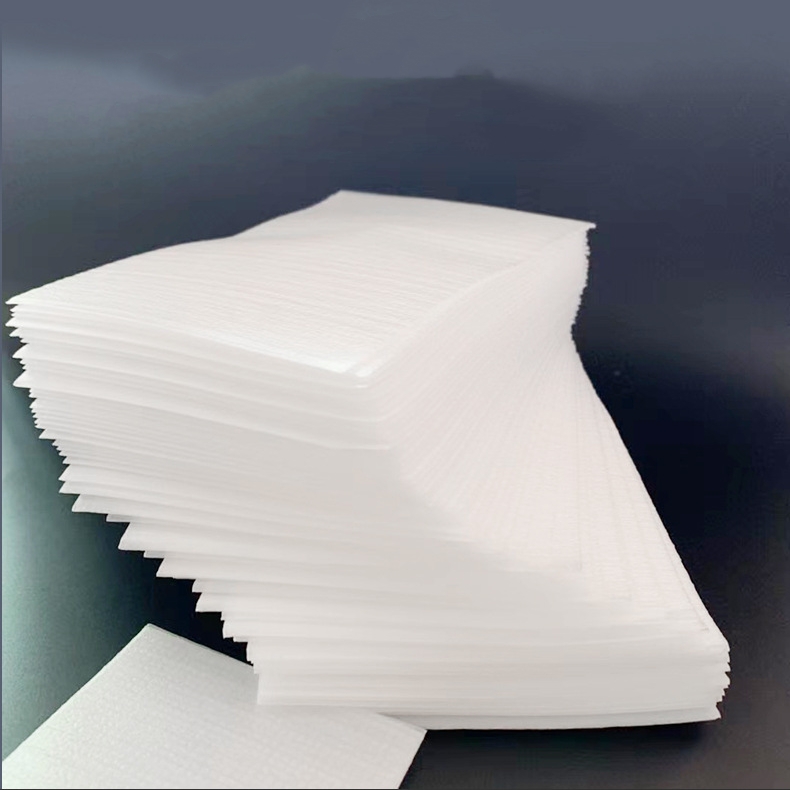
Custom White EPE Polyethylene Foam Pouch Bags Waterproof Shockproof EPS Edge Protector Protective Cushioning Material Packaging
Waterproof shockproof EPE foam pouches for electronics, glassware cosmetics and fragile products; custom size, thickness and print for reliable cushioning.
View product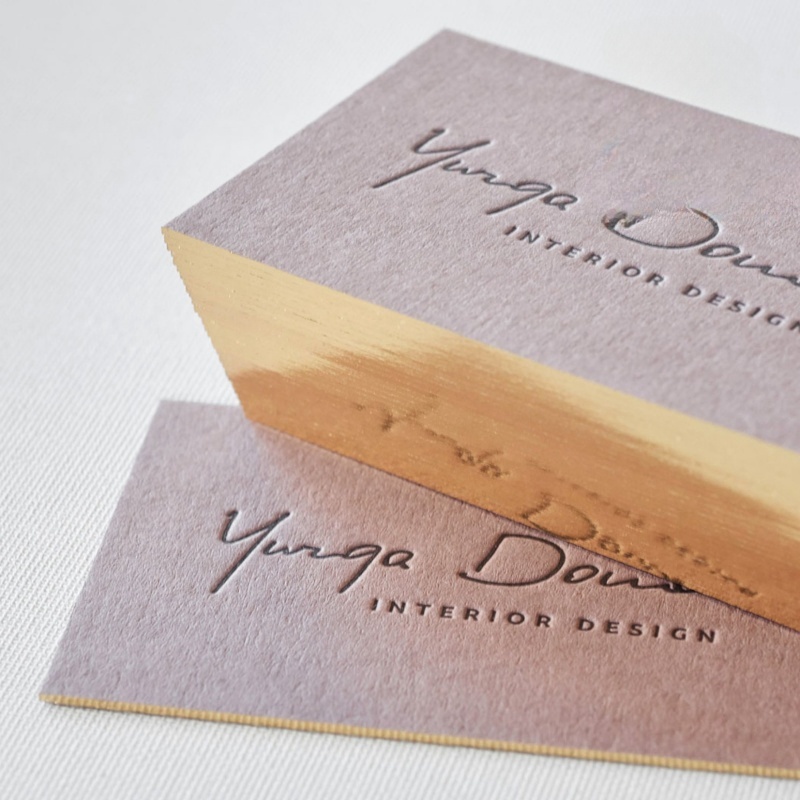
Customized Card Luxury Eco-Friendly Embossed Logo Design Gold Stamping Printing Business Grey Pink Business Card
Eco-friendly embossed logo and gold stamping on grey-pink card stock; a refined choice for premium business cards and boutique brand identity.
View product
Wholesale Custom Gold Stamping Business Cards Professional Relief Business Card High Quality Embossed Business Cards
Wholesale gold stamping with professional relief embossing; high-quality thick cards for executives, salons, consultants and luxury services.
View product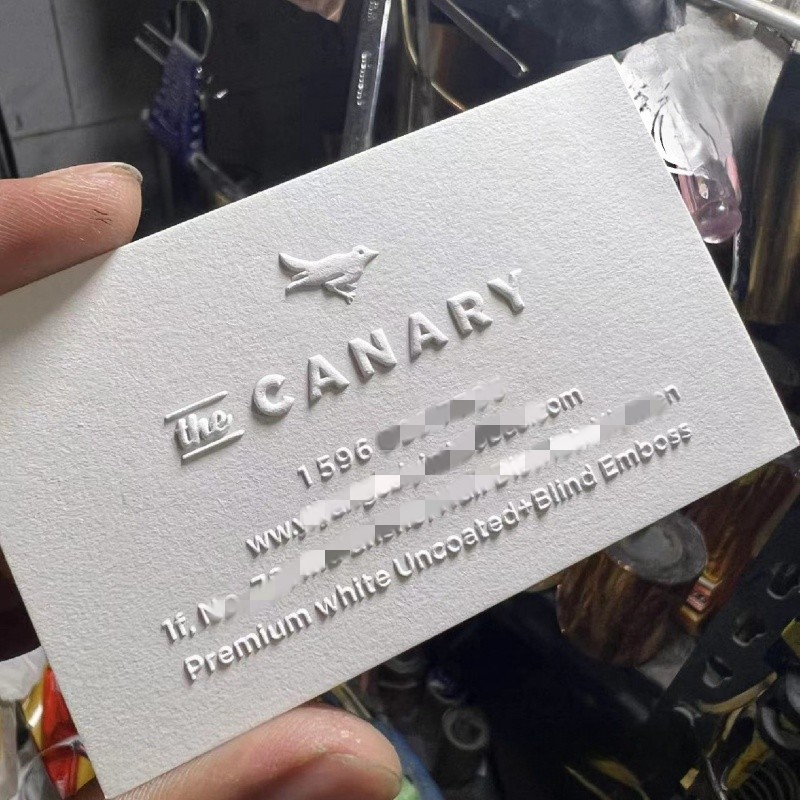
Customized Romantic Brochure Offset Paper Film Lamination Hot Stamping for Wedding Invitation
Offset paper brochure with film lamination and hot stamping; a romantic invitation suite for weddings, events and premium stationery.
View product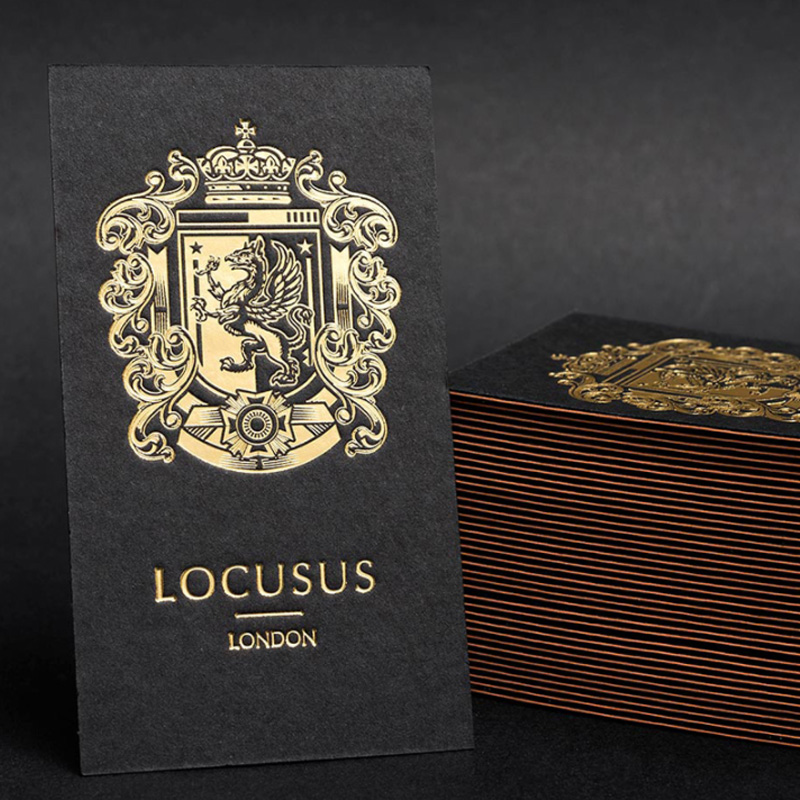
Luxury Hot Stamping Business Card Imported Black Card Thickened High-End Luxury Design Made High Quality Offset Paper Cardboard
Imported black card with hot stamping and thickened board; a high-end card solution for hotels, luxury brands and VIP programmes.
View product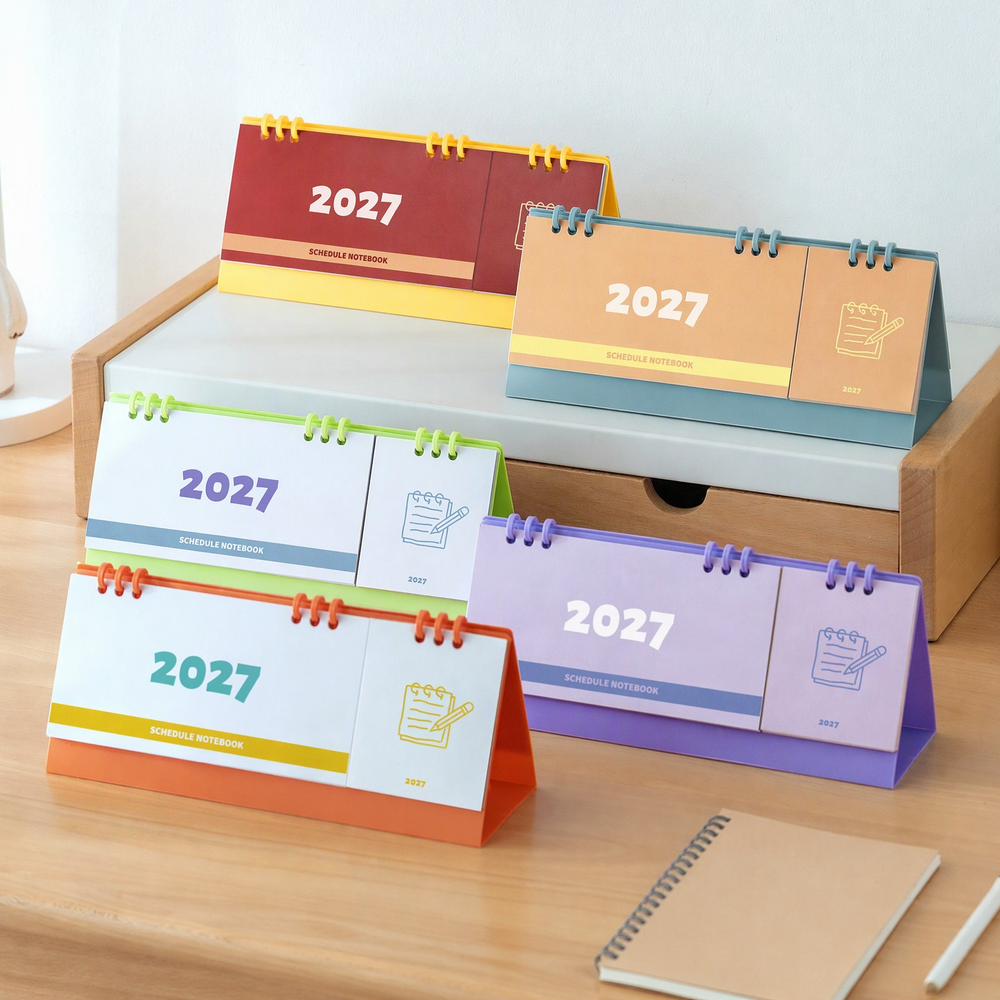
Custom Printing 2027 Art Paper Desktop Calendar Clock Monthly Daily Planner Table Calendar Simple Calendar
2027 art paper desktop calendar and planner with monthly or daily formats, simple layout and custom branding for corporate gifts and retail.
View product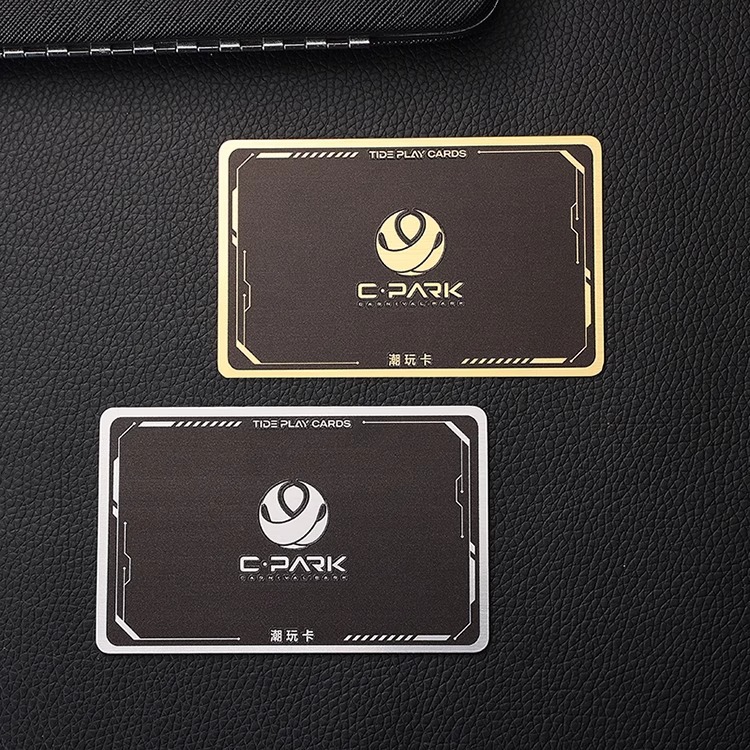
Luxury 3D Textured Design VIP Loyalty Business Cards Custom Offset Paper Cardboard Duplex Board for Hairdresser Business
3D textured VIP loyalty cards on offset paper, cardboard or duplex board; suitable for hairdressers, clubs, salons and membership programmes.
View product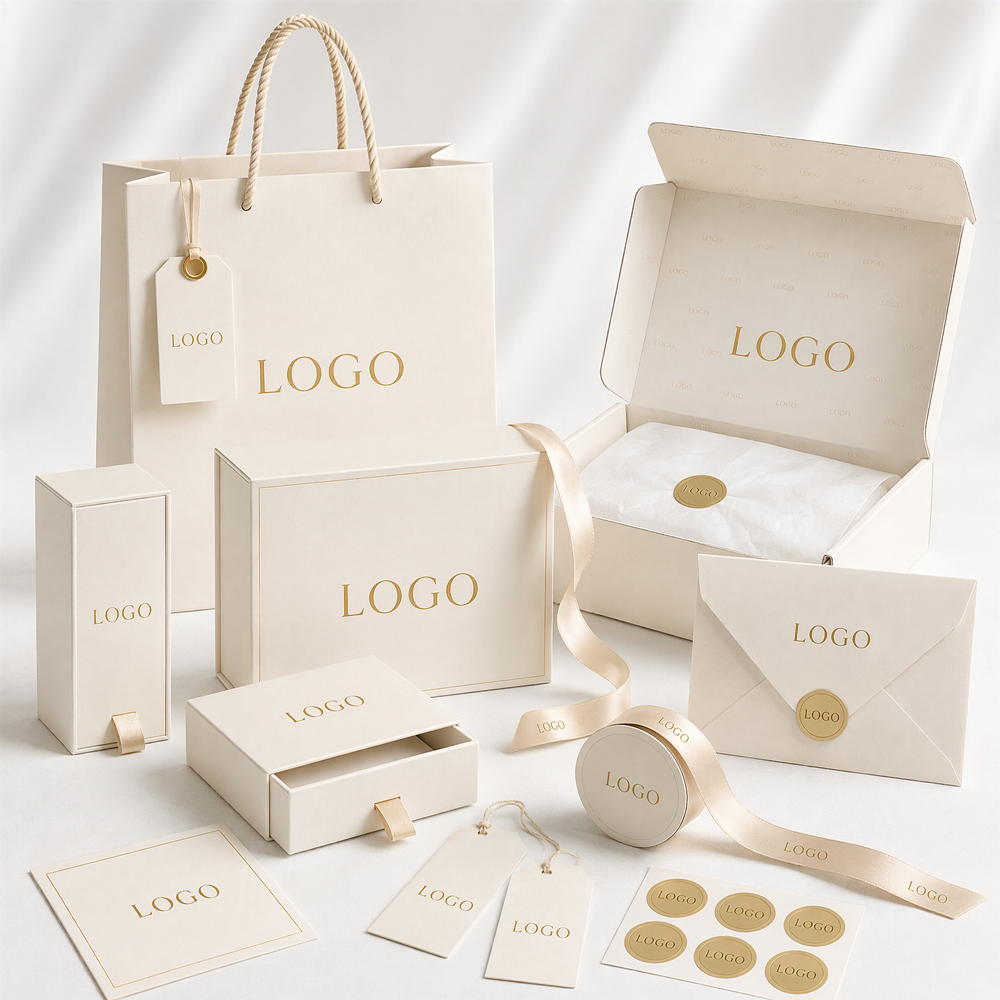
Paper Boxes Packaging Gift Set Packaging Bulk Sustainable Recyclable Luxury Packaging for Retail Stores Events and Holiday Gifts
Sustainable recyclable paper gift boxes for retail, events and holiday sets; bulk packaging with luxury finishing, inserts and branded presentation.
View productWhy China Printed Packaging Exporters Remain Competitive
For importers, brand owners and e-commerce teams, the phrase “top China printed packaging exporter” is a starting point, not a final decision. The real advantage comes from choosing an exporter that controls quality, documentation and communication.
China remains one of the most complete production ecosystems for printed paper packaging. Board, specialty paper, ink, foil, lamination film, die-cutting, hand assembly and export packing are available within a dense supplier network. That depth supports fast sampling, flexible volume and competitive tooling, especially for custom printed boxes, paper bags, labels, cards, calendars and books. But the buyer’s task is not to find “a factory.” It is to find an exporter that can translate a brand brief into a repeatable specification and then prove that the specification has been met.
Fuzhou Buba Printing Co., Ltd. is an example of the type of supplier buyers increasingly shortlist. Based in Fuzhou, Fujian, the company has 18 years of paper-printing experience, a 2,300 m² production floor and more than a decade of export experience. It has been verified onsite by TÜV Rheinland and is listed as a Custom Manufacturer offering design-based, sample-based and full customization with onsite material inspection. That matters because printed packaging is a specification-heavy purchase: board grade, print method, colour tolerance, finishing, strength and packing all affect the total cost of ownership.
When comparing China packaging exporters, buyers should look beyond the unit price. The most useful comparison is built on verified factory status, sample accuracy, quality-control evidence, MOQ flexibility and total landed cost. A supplier that can show a dieline, a 3D mockup, a physical pre-production sample, inline colour checks and a final AQL inspection is usually easier to manage than a supplier that only promises “good quality.” For printed packaging, a small difference in board grade or lamination can change both protection and retail presentation.
This is also where semantic search and buyer intent become practical. A retailer searching for “custom printed gift boxes” needs structure and finish guidance. A hotel searching for “luxury business cards” needs paper weight and foil advice. A wedding planner searching for “gold stamped invitations” needs artwork and lead-time clarity. An exporter with genuine information gain answers those questions before the quote is requested. It also reduces the back-and-forth that delays sampling and mass production.
Printed Packaging Sourcing Trends Buyers Should Plan For
Procurement teams are not simply shifting from one country to another. They are shifting toward verified capability, smaller first orders, faster version changes and stronger sustainability documentation.
Low-MOQ, Test-and-Learn Buying
Brand owners are validating new SKUs with 100–500 pcs before committing to bulk. Digital and small-format offset production, free 3D mockups and written lead times reduce the cost of iteration.
Sustainability With Evidence
Recyclable kraft and corrugated board, paper inserts instead of plastic, water-based inks and plastic-free tear-strip mailers are moving from premium options to baseline expectations.
Supplier Verification and Traceability
Third-party onsite verification, quality-management certification, material inspection records and pre-shipment photo reports shorten due diligence and protect brand teams from compliance surprises.
One-Stop Packaging Plus Print
Consolidating boxes, bags, labels, cards, invitations, notebooks and catalogs with one exporter reduces coordination risk and freight complexity. Flat-packed structures can also lower landed cost.
What Is Changing in Printed Packaging Design
Buyers are asking for packaging that protects better, photographs well and carries a brand story without creating unnecessary material waste.
Premium Tactility
Hot foil, blind and 3D embossing, soft-touch lamination, spot UV and textured paper are being combined to create a stronger first impression in retail and direct-to-consumer unboxing.
Paperization and Mono-Material Thinking
Paper inserts, moulded pulp alternatives, recyclable board and plastic-free closures are being specified earlier in the design process, especially for retail, cosmetics and subscription kits.
Structural Engineering for E-Commerce
Corrugated mailers, tear-strip shipping boxes and rigid magnetic gift boxes are being engineered around product weight, drop risk and return logistics, not just visual appearance.
Personalised and Seasonal Print
Desktop calendars, VIP loyalty cards, wedding invitations and limited-edition gift sets benefit from short runs, variable data and repeatable colour across seasonal campaigns.
Printed Packaging Exporters: What Global Buyers Are Really Comparing
A useful supplier scorecard should reflect the risks in your own product category. For fragile electronics, protection and drop performance matter more. For luxury cosmetics, print fidelity, foil adhesion and unboxing experience matter more. For event stationery, colour consistency and delivery timing matter more.
Use the illustrative scorecard on this page as a starting point, then weight each criterion from 1 to 5 for your project. Ask every shortlisted exporter for the same evidence: dieline, material grade, 3D mockup, pre-production sample, inspection method and export packing plan. This makes quotes comparable and reduces the chance of approving a beautiful sample that cannot be repeated in mass production.
For buyers sourcing from China, a verified factory with clear specification control is usually more valuable than a marginally lower quotation. Reorders, seasonal launches and multi-market compliance all depend on repeatability.
Illustrative Buyer Scorecard
Adjust these weights for your product category and risk profile.
What to Verify Before Choosing a China Packaging Exporter
Use this checklist before you pay a deposit. It is written for buyers who need a reliable printed packaging exporter rather than a one-off trading intermediary.
Legal Identity and Onsite Verification
Confirm the business licence, factory address and third-party verification. An onsite-verified supplier such as TÜV Rheinland-assessed Buba is easier to audit than an unverified trading office.
Material Grade and Board Weight
Lock greyboard GSM, corrugated flute, art paper weight, adhesive type and insert material. Ask for incoming material inspection records before production begins.
Print and Colour Control
Ask how CMYK profiles, Pantone matching, first-article approval and inline colour checks are handled. For luxury work, include foil, emboss and lamination in the sample approval.
Pre-Production Sample and Fit Test
Approve a physical sample with the actual product inside. Check closure strength, insert fit, scuff resistance, print position and the final packing method.
Export Packing and Freight Plan
Confirm export-grade cartons, flat-packing where possible, pallet requirements, shipping marks and final delivery terms. A weak packing plan can erase the benefit of a low unit price.
Communication and Change Control
Ask who confirms artwork, who signs off the sample and how changes are priced. Written approvals, version numbers and photo updates prevent costly misunderstandings.
Verified Manufacturing, Practical Support
Fuzhou Buba Printing Co., Ltd. combines paper-printing experience with export-ready service for brand owners, distributors, retailers and event businesses.
18 Years Under One Roof
Structural design, prepress, offset and digital printing, foil stamping, embossing, lamination, die-cutting and hand assembly are handled as one accountable workflow.
TÜV Rheinland Onsite Verification
Factory premises, legal status and production capability have been verified onsite, supporting buyer due diligence and quality-management expectations.
Free Structure and 3D Mockup
In-house designers prepare dielines and a free 3D mockup so structure, artwork position and finishing can be approved before sampling.
Low MOQs for Testing
Many custom mailer boxes, rigid gift boxes and paper bags start from 100 pcs; some notebooks start from 50 pcs. Labels, hang tags and flyers vary by size and finishing.
Premium Finishing In-House
Hot foil, blind and 3D embossing, spot UV, soft-touch and holographic lamination, letterpress and window patching are available for premium packaging and print.
Export-Ready Logistics
With 10+ years of export experience, Buba plans export-grade cartons, flat-packing, shipping marks and sea, air or express delivery to reduce transport risk.
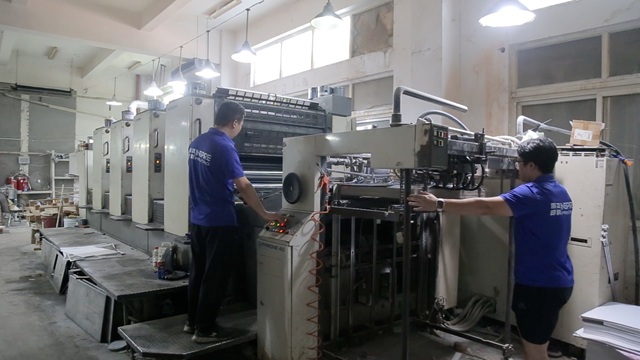 Factory overview in Fuzhou, Fujian
 Printing and production equipment
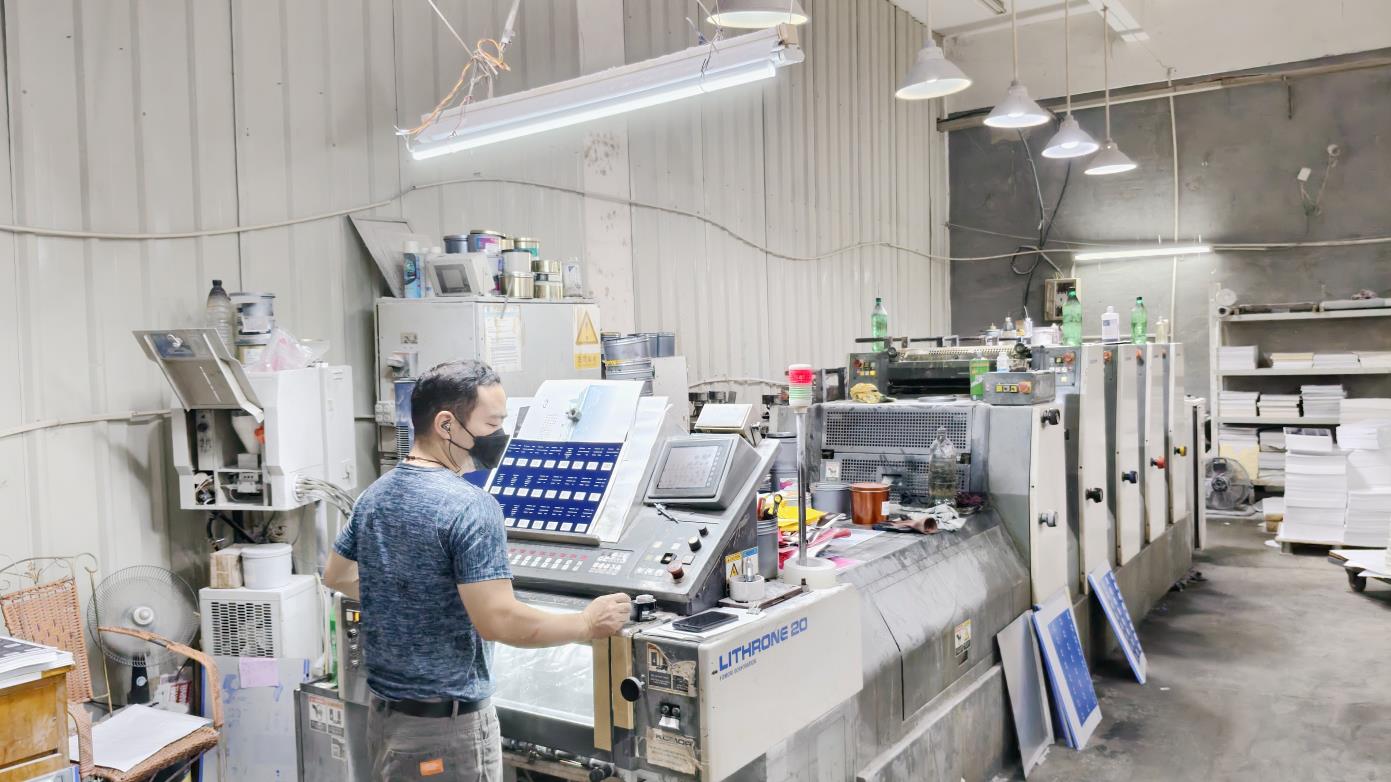 Workshop and quality-control area
How a Custom Printed Packaging Order Moves Forward
A transparent workflow keeps artwork, sampling, production and shipping under control.
Brief and Dieline
Share product size, weight, quantity, artwork and destination. The team proposes structure, material and finishing options.
Free 3D Mockup
Approve a rendered mockup showing artwork placement, structure and finishing before a physical sample is made.
Pre-Production Sample
A physical sample confirms colour, board grade, fit, strength and finishing. Written approval triggers production.
Mass Production
Printing, lamination, foil, embossing, die-cutting and hand assembly proceed with inline colour and quality checks.
Final Inspection
An AQL check is completed before shipment, with photos and video shared for buyer review where required.
Global Shipping
Export packing, carton marks and sea, air or express delivery are arranged according to the confirmed schedule.
Frequently Asked Questions About Buying Printed Packaging From China
These answers reflect common questions from brand owners, distributors, event planners and e-commerce sellers comparing China packaging exporters.
What is the minimum order quantity for custom printed packaging?
Most custom mailer boxes, rigid gift boxes and paper bags start from 100 pcs. Some notebooks start from 50 pcs, while hang tags, flyers and labels usually start from 200–1,000 pcs depending on size and finishing. The exact MOQ should be confirmed against your structure, material and print process.
Do you offer free design support and 3D mockups?
Yes. The in-house design team provides dielines and a free 3D mockup so you can approve structure, artwork position and finishing before any sample is produced. This is especially useful for rigid gift boxes, mailer boxes and multi-piece packaging sets.
How long do samples and mass production take?
Typical lead time is 3–7 working days for pre-production samples and 10–20 working days for mass production after sample approval. Complex rigid boxes or large book runs may require longer. The schedule should be confirmed in writing with every order.
Which artwork file formats do you accept?
Vector AI, PDF or EPS files in CMYK with 3 mm bleed and outlined fonts are preferred. High-resolution PSD or TIFF files at 300 dpi are also accepted. Pantone colours can be matched on request, and any special colour target should be agreed before sampling.
Can you make eco-friendly or recyclable packaging?
Yes. Recyclable kraft and corrugated board, paper-based inserts instead of plastic, water-based inks and plastic-free tear-strip mailer boxes are available. For regulated markets, discuss recyclability claims and material documentation before final artwork approval.
Is your factory verified by a third party?
Yes. The factory has been verified onsite by TÜV Rheinland and is listed as a Custom Manufacturer offering design-based, sample-based and full customization with onsite material inspection.
Can I combine boxes, bags, labels, cards and catalogs in one order?
Yes. A one-stop project can include packaging boxes, paper bags, label stickers, business cards, invitations, notebooks, flyers, catalogs and books. Consolidating print items with one exporter can reduce coordination risk and simplify export packing.
How do you control quality before shipment?
Quality control can include incoming material checks, first-article approval, inline colour checks and final AQL inspection with photo or video reports. The approved pre-production sample becomes the quality reference for mass production.
Request a Free 3D Mockup and Export Quote
Send your size, quantity, artwork and destination country. The team will review structure, material and finishing, then reply with a written proposal and production schedule.
Fuzhou Buba Printing Co., Ltd. · TÜV Rheinland onsite-verified · MOQs from 100 pcs · Sample lead time 3–7 working days