8 Recommended Products for Magnetic Gift Box Buyers
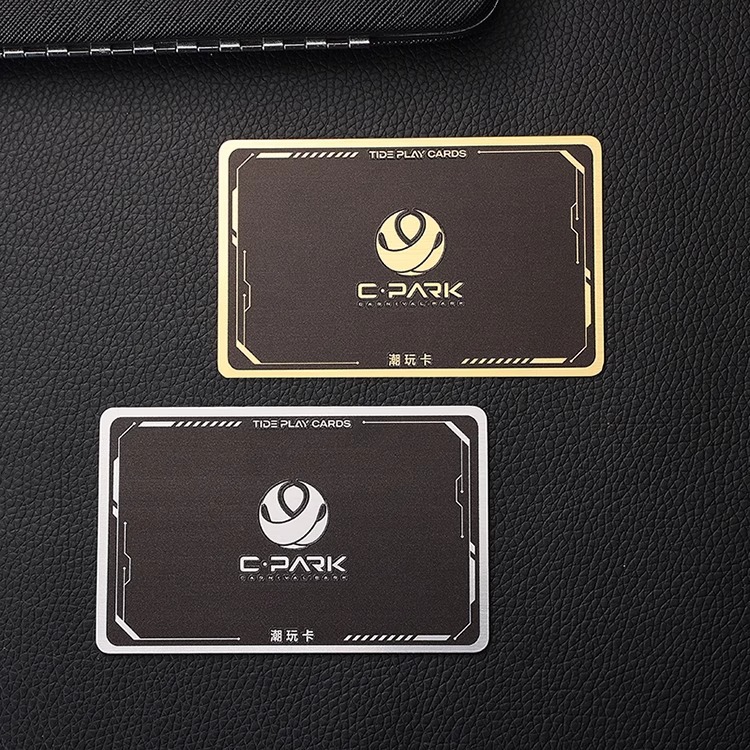
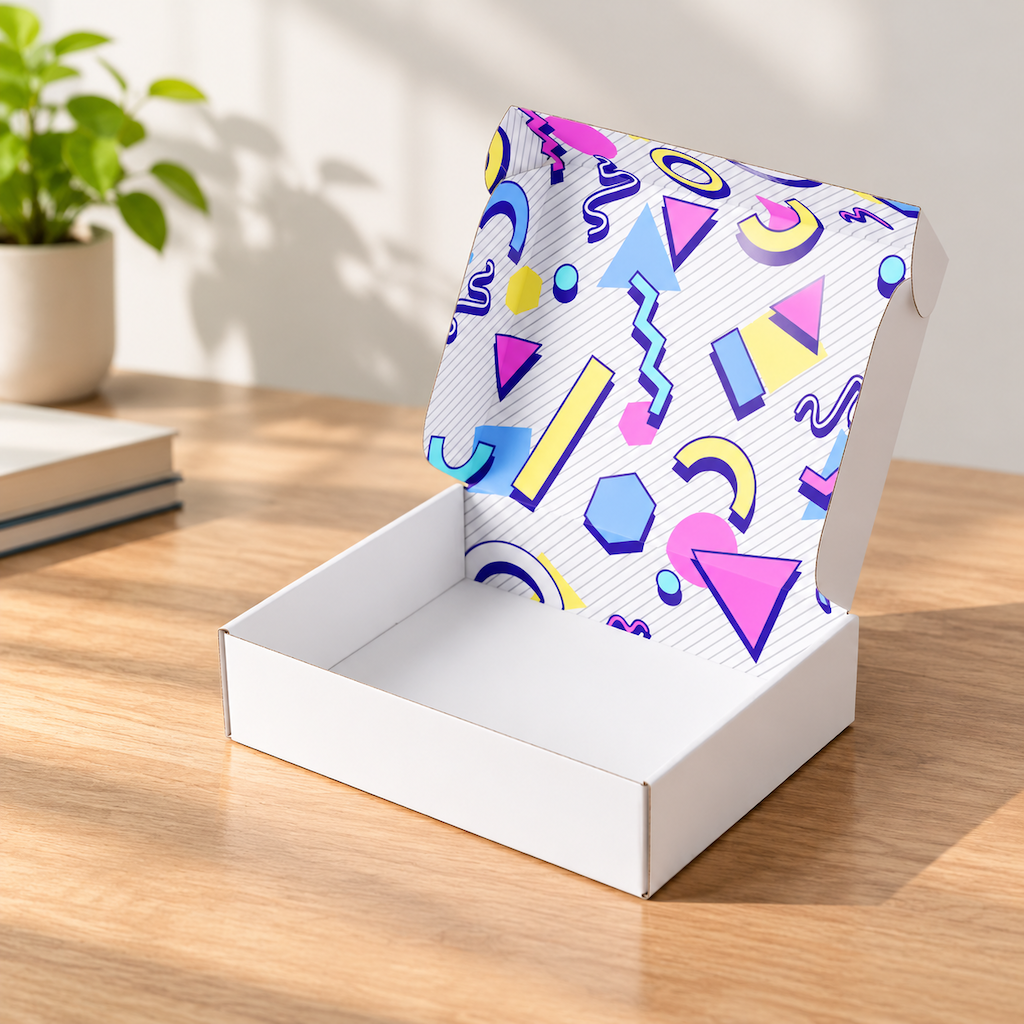
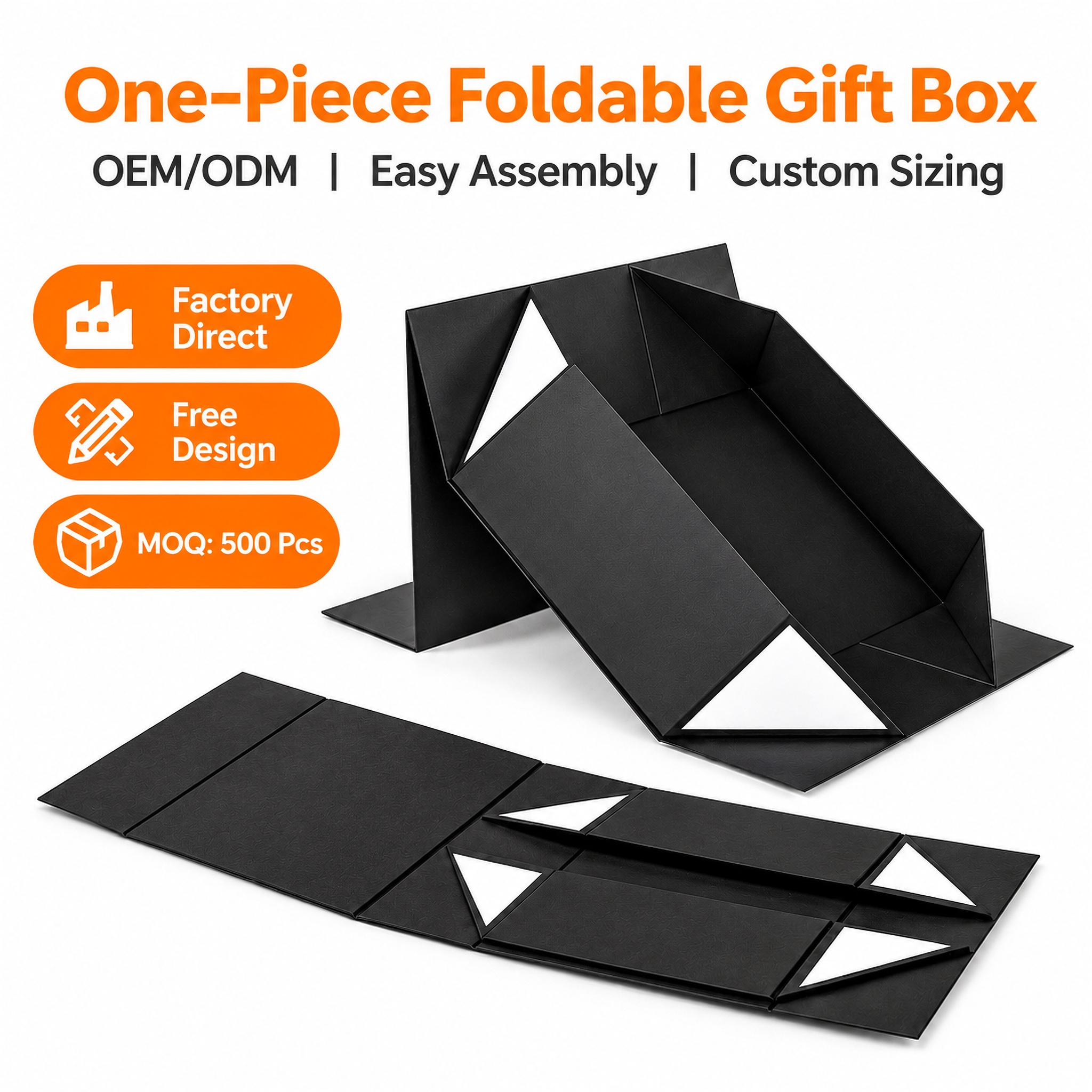
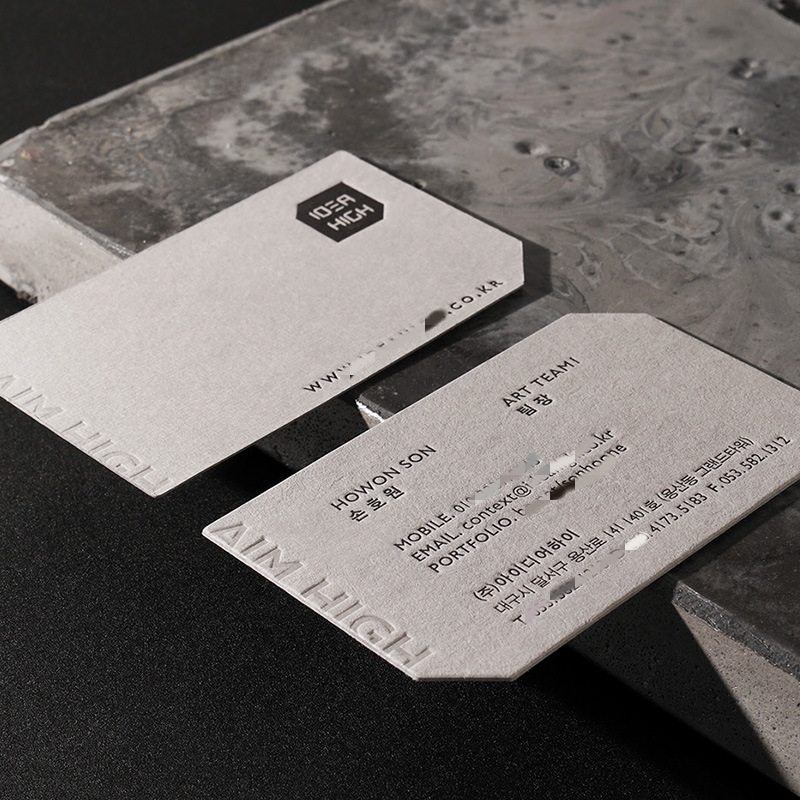
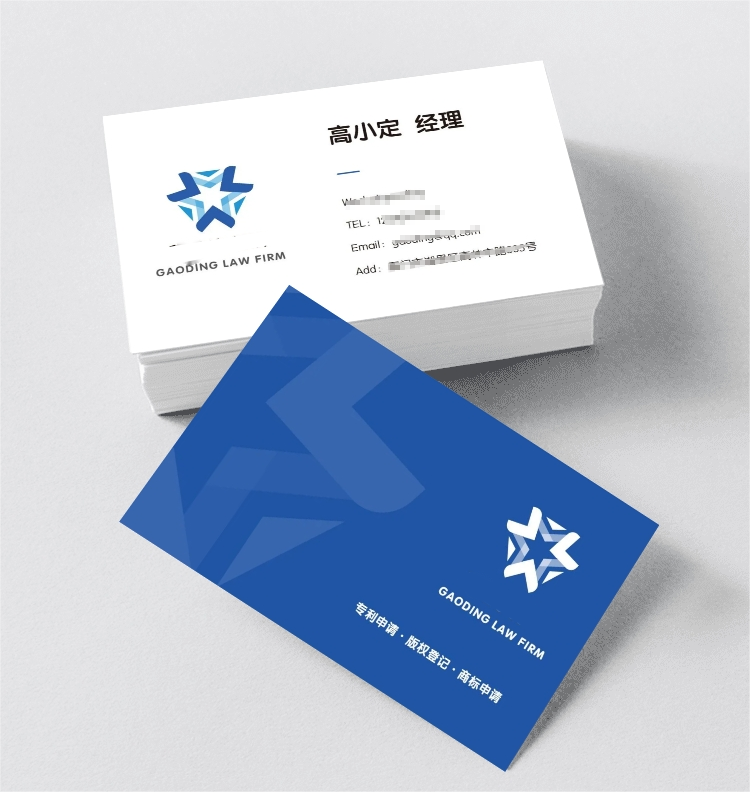
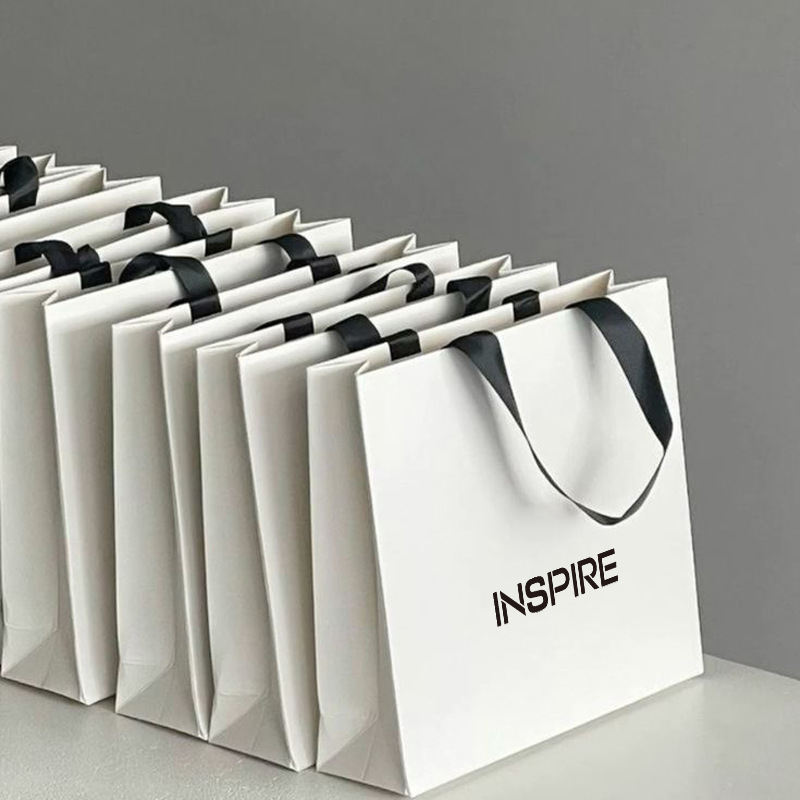
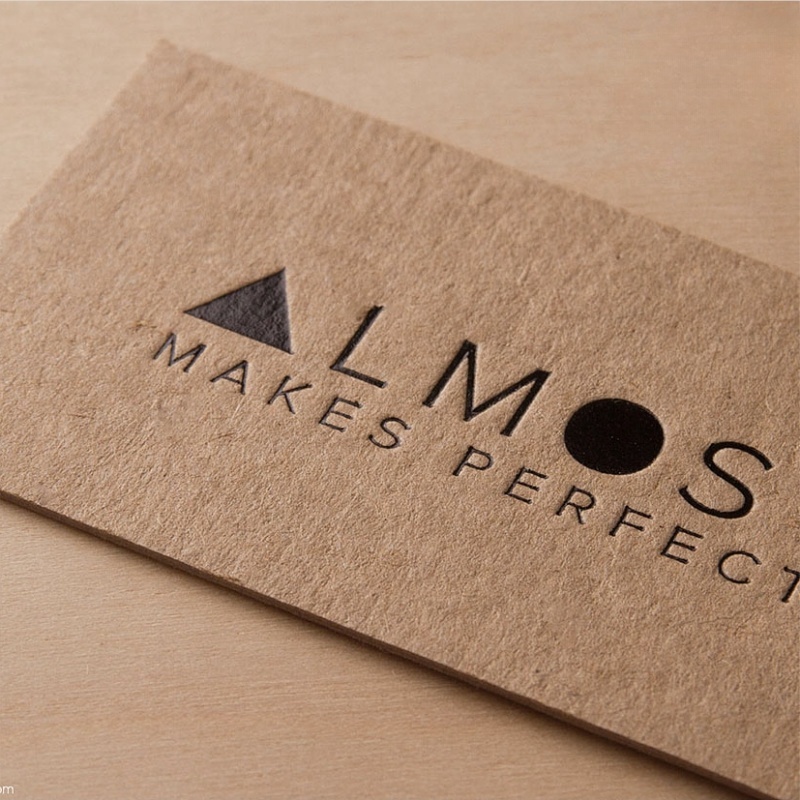
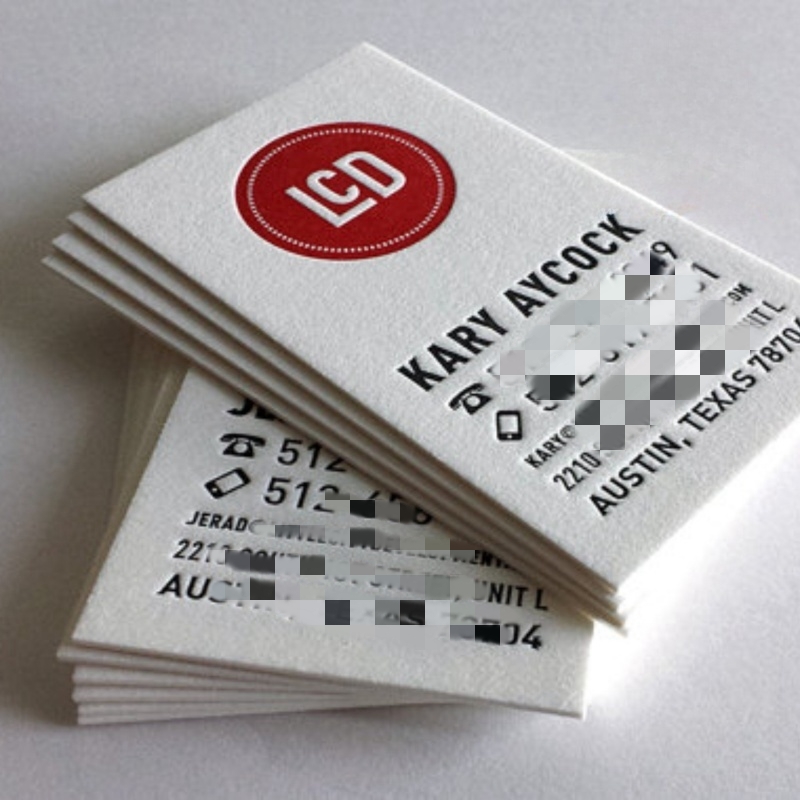
Sourcing a magnetic gift box rarely stops at one item. Brands need the box, the insert, the retail bag, the card and the label to arrive with the same color logic and quality standard. The eight products below show a practical Buba packaging stack. The collapsible magnetic gift box is a core item for luxury retail; the supporting products help reduce supplier fragmentation and protect brand presentation across the unboxing journey.
Years in paper printing
Production floor in Fuzhou
Years of export expertise
Verified buyer rating
What Buyers Really Mean by “China Magnetic Gift Boxes Exporter”
The search phrase “Top China Magnetic Gift Boxes Exporter & Wholesalers” combines three different buyer intents: find a low-cost wholesale source, verify a genuine manufacturer, and reduce the risk of a failed packaging launch. The strongest suppliers answer all three with structure engineering, documented quality control and export-ready communication.
Buyers comparing a China magnetic gift boxes exporter are usually not shopping for a generic gift box. They are evaluating whether the supplier can protect a premium brand at retail, survive international freight, pass a buyer’s quality inspection and repeat the same color and fit across reorders. A magnetic gift box looks simple, but its buying decision touches greyboard grade, wrap paper thickness, magnet placement, hinge tolerance, corner wrapping, insert design, flat-packing efficiency and the final “closing sound” that communicates luxury before the lid is even opened.
For a wholesaler, the question is different: can the product range be sourced consistently without holding excessive inventory? A trading company may offer a broad catalog, but a factory-direct manufacturer can control the dieline, printing, lamination, foil stamping, embossing, die-cutting and assembly under one roof. That matters when a brand wants the same matt black finish on a collapsible magnetic box, a paper bag and a business card.
Fuzhou Buba Printing Co., Ltd. has spent 18 years in paper printing and more than a decade exporting custom packaging and commercial print. Our 2,300 m² facility in Fuzhou, Fujian, combines structural design, prepress, offset and digital printing, premium finishing and hand assembly. The factory has been verified onsite by TÜV Rheinland and holds a verified buyer rating of 4.6/5, so buyers can evaluate experience, capability and third-party evidence before committing to a production run.
Rigid Magnetic Gift Box Anatomy: What to Specify Before Quotation
A professional quotation is only useful when the structure is defined. For luxury magnetic gift boxes, the most common cost drivers are board weight, wrap paper, magnet grade, insert material, print coverage and finishing. Use the four specification pillars below to brief a China exporter or wholesaler accurately.
Greyboard & Structure
Luxury rigid boxes commonly use 1,200–2,000 gsm greyboard. Thin board may bow on large lids; heavy board raises freight cost. For jewelry and cosmetics, confirm lid clearance, hinge position and whether the box ships assembled or collapsible.
Wrap Paper & Finish
157–200 gsm art paper or specialty paper is typical. Matt lamination, soft-touch film, spot UV, foil stamping and blind embossing each change both appearance and recyclability. Request a physical finish sample when color matching is critical.
Magnets & Closure
Magnet thickness, polarity and pocket construction affect closure feel and safety. Specify pull force, magnet concealment and whether magnets must be removable for paper recycling. The lid should align cleanly after 180° opening and repeated closing.
Insert & Protection
Paper-based inserts, molded pulp, EVA and die-cut corrugated each suit different products. For glass, ceramics and cosmetics, test drop protection with the actual product weight. Inserts should be easy to assemble and should not leave pressure marks.
Where Magnetic Gift Box Design Is Heading Next
The next buying cycle will reward packaging that feels premium but behaves responsibly. Design teams are moving away from heavy decoration toward tactile materials, refillable structures, shorter runs and smarter information layers. These are the product trends we see in sample requests and buyer briefs.
Quiet Luxury Becomes Tactile
Matte black, ivory and deep navy boxes are winning with blind embossing, micro-textured paper and tone-on-tone foil instead of loud logos. The magnetic closure is part of the design: a slow, controlled close signals quality more effectively than heavy ornament.
Refillable & Reusable Packaging
Buyers increasingly ask whether a gift box can become a keepsake. Removable trays, cotton ribbons and replaceable inserts extend the box’s second life. This can improve perceived value, but it must not compromise shipping protection or assembly speed.
Paper Inserts Replace Plastic
Molded pulp, folded corrugated and die-cut paper nests are replacing EVA and plastic blisters. For magnetic gift boxes, paper inserts can hold cosmetics, candles, jewelry and electronics while keeping the pack mono-material where possible.
Digital Short Runs & Versioning
Brands are testing markets with smaller batches and multiple versions: seasonal colors, retailer-exclusive labels and influencer kits. Digital print reduces plate cost for short runs, while offset remains more economical at scale.
Data-Enabled Unboxing
QR codes, NFC labels and batch codes turn packaging into a service channel for care instructions, authenticity checks and reorder prompts. Print the code as part of the artwork and test scan reliability after lamination and embossing.
Lightweight, Flat-Pack Design
Collapsible rigid boxes save warehouse space and can lower freight. The trade-off is hinge fatigue and assembly time. Ask for an assembled sample, a flat-packed sample and a carton-drop test before scaling a collapsible magnetic gift box program.
How Overseas Buyers Are Changing Gift Box Procurement
Price comparison is no longer the only decision layer. Buyers want shorter test runs, clearer compliance evidence, consolidated packaging assortments and a predictable landed cost. For exporters and wholesalers, the winners will be the suppliers that can document process quality as confidently as they quote unit price.
Low-MOQ Market Tests
Brands are launching with 100–500 pieces before committing to bulk. Low MOQs from 100 pcs help test a retail channel, validate color and collect customer feedback without tying up cash in inventory.
Compliance Documentation
Retailers and marketplaces ask for material declarations, certification evidence and inspection photos. A verified supplier should confirm specifications in writing and preserve the approved sample as the production standard.
Supplier Consolidation
Instead of buying magnetic boxes from one factory, bags from another and cards from a local printer, brands consolidate with one export-ready partner. This reduces color drift, packing mismatches and communication drag.
Landed-Cost Thinking
Buyers compare FOB, freight, duties, inspection and inventory cost together. A flat-pack magnetic box can reduce shipping volume, while a heavier luxury box may raise dimensional weight. Always model the full supply chain.
Exporter, Wholesaler or Factory: How to Compare Before You Order
The same product photo can be used by a factory, a trading company and a stock wholesaler. The difference appears in structural control, sample accuracy, reorder consistency and who is accountable when something fails inspection.
Factory-Direct Manufacturer
Best for custom dielines, low-to-mid MOQ runs, in-house finishing and repeatable quality. You can request a live video audit, sample-room review and AQL inspection. Buba operates as a custom manufacturer with design-based, sample-based and full customization.
Trading Company / Exporter
Useful for broad sourcing and small mixed orders, but production control may sit with third-party factories. Ask which plant runs the order, who approves the sample and how QC photos are documented before shipment.
Stock Wholesaler
Fast for ready-made boxes and low-risk trials, but limited for custom size, logo, magnet strength and insert design. Brands with a distinct retail identity usually need custom tooling rather than stock packaging.
Why Buba Supports Demanding Magnetic Gift Box Programs
A strong packaging supplier is not just a printer. It is a structural partner, a color guardian, a compliance checkpoint and an export coordinator. Buba’s advantages come from doing these jobs in-house for more than a decade.
Free Structure & 3D Mockup
Our in-house designers build the dieline and a 3D render so you can approve fit, artwork position and finishing before paying for a physical sample. This shortens approval cycles and reduces artwork surprises.
Low MOQ, Real Factory Pricing
Start from 50–100 pcs on many items, including selected magnetic gift boxes, mailer boxes and paper bags. Test a market, then scale to bulk production without changing suppliers or renegotiating specifications.
Premium Finishing In-House
Hot foil stamping, blind and 3D embossing, spot UV, soft-touch lamination, holographic film, letterpress and window patching are handled under one roof. That protects color consistency across boxes, cards and bags.
Verified Quality Control
Incoming material checks, first-article approval, inline color checks and final AQL inspection with photo reports. Our factory has been verified onsite by TÜV Rheinland, giving overseas buyers an independent reference point.
Recyclable Material Options
Recyclable kraft and corrugated board, paper inserts instead of plastic, water-based inks and plastic-free tear-strip mailers are available. For magnetic boxes, we can discuss removable magnet pockets and disassembly instructions.
Export-Ready Logistics
More than 10 years of export experience means export-grade cartons, flat-packing strategies, clear carton marks and sea, air or express shipping coordination. We confirm the shipping plan in writing with every order.
A Transparent Four-Stage Custom Packaging Process
Clear stage gates prevent expensive surprises. Every magnetic gift box project follows a documented path from structural brief to final inspection, with buyer approval before mass production.
Brief & Dieline
Share product dimensions, weight, quantity, artwork and target market. We propose structure, board grade, closure type and finishing options.
Free 3D Mockup
Approve a rendered mockup showing exact artwork placement, lid alignment, insert layout and visible finishing before sampling.
Pre-Production Sample
A physical sample confirms color, fit, magnet feel and material strength. The approved sample becomes the production reference.
Production & Inspection
Printing, finishing and assembly run with inline checks. Final AQL inspection with photos and videos is shared before shipment.
Magnetic Gift Boxes FAQ: MOQ, Samples, Recycling and Quality
These are the questions international buyers ask most often when comparing China magnetic gift box exporters and wholesalers. Clear answers shorten the quotation stage and help avoid mismatched expectations.
What is the minimum order quantity for custom magnetic gift boxes?
Many custom rigid magnetic gift boxes and collapsible magnetic boxes start from 100 pcs. Some notebooks start from 50 pcs, while hang tags, flyers and labels usually start from 200–1,000 pcs depending on size and finishing. If you are testing a market, ask for the lowest viable run and the price break at the next quantity.
Do you provide free design support and 3D mockups?
Yes. Our in-house design team provides dielines and a free 3D mockup so you can approve structure, artwork position and finishing before a physical sample is produced. This is especially useful for magnetic closure boxes, where lid fit and magnet placement are difficult to judge from a flat artwork file.
How long do samples and mass production take?
Typical lead time is 3–7 working days for pre-production samples and 10–20 working days for mass production after sample approval. Complex rigid boxes, multi-level inserts or large book runs may need longer. We confirm the schedule in writing with every order and update buyers when artwork approval is delayed.
Which artwork file formats do you accept?
We prefer vector AI, PDF or EPS files in CMYK with 3 mm bleed and outlined fonts. High-resolution PSD or TIFF files at 300 dpi are also accepted. Pantone colors can be matched on request. For foil stamping and embossing, provide a separate spot layer and confirm whether the finish should be raised, debossed or registered to the printed artwork.
Can you make eco-friendly or recyclable magnetic gift boxes?
Yes, with the right structure. We offer recyclable kraft and corrugated board, paper-based inserts instead of plastic, water-based inks and plastic-free tear-strip mailer boxes. Magnetic closures need careful planning because magnets can interfere with paper recycling. Ask for removable magnet pockets, FSC-certified paper options and clear disassembly guidance for end users.
Is your factory verified by a third party?
Yes. Our factory has been verified onsite by TÜV Rheinland and is listed as a Custom Manufacturer offering design-based, sample-based and full customization with onsite material inspection. Buyers can request verification details, factory video, sample-room review and pre-shipment inspection photos.
How do I choose between collapsible and assembled rigid boxes?
Collapsible rigid boxes reduce freight and warehouse space, making them attractive for e-commerce and repeated seasonal launches. Assembled boxes offer a more rigid hand feel and faster packing at the warehouse. The right choice depends on order volume, destination freight, labor cost at your warehouse and how often the box will be opened and closed.
How can I verify quality before shipment?
Approve a signed golden sample, confirm the inspection standard, and request an AQL check with photos or video before balance payment. For magnetic boxes, inspect lid alignment, magnet strength, corner wrapping, surface scratches, insert fit and carton drop protection. A small change in board grade or lamination can alter the closure feel, so review the sample under the same lighting your customers will see at retail.
Ready to Brief Your Magnetic Gift Box Project?
Send your box size, product weight, quantity, artwork status and target market. Our team will reply with a structure proposal, material recommendation and free 3D mockup direction. For one-stop packaging, include your paper bag, card, label or brochure requirements in the same inquiry.