Recommended Products
Eight Custom Packaging & Printing Lines Buyers Reorder Most
Every item below is fully customizable in size, board grade, print method and finishing. Click any product to view specifications, or talk to our engineers for a free dieline and 3D mockup.
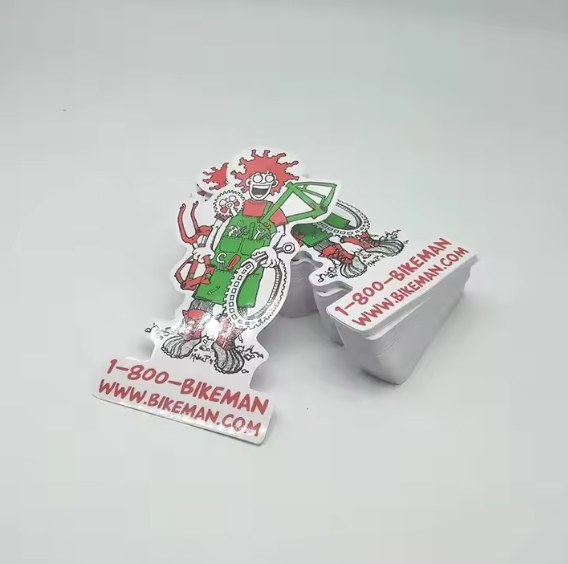
Custom 3D Colorful Self-Adhesive Planner Stickers Waterproof Art Paper and Cardboard Kiss Cut Label Stickers
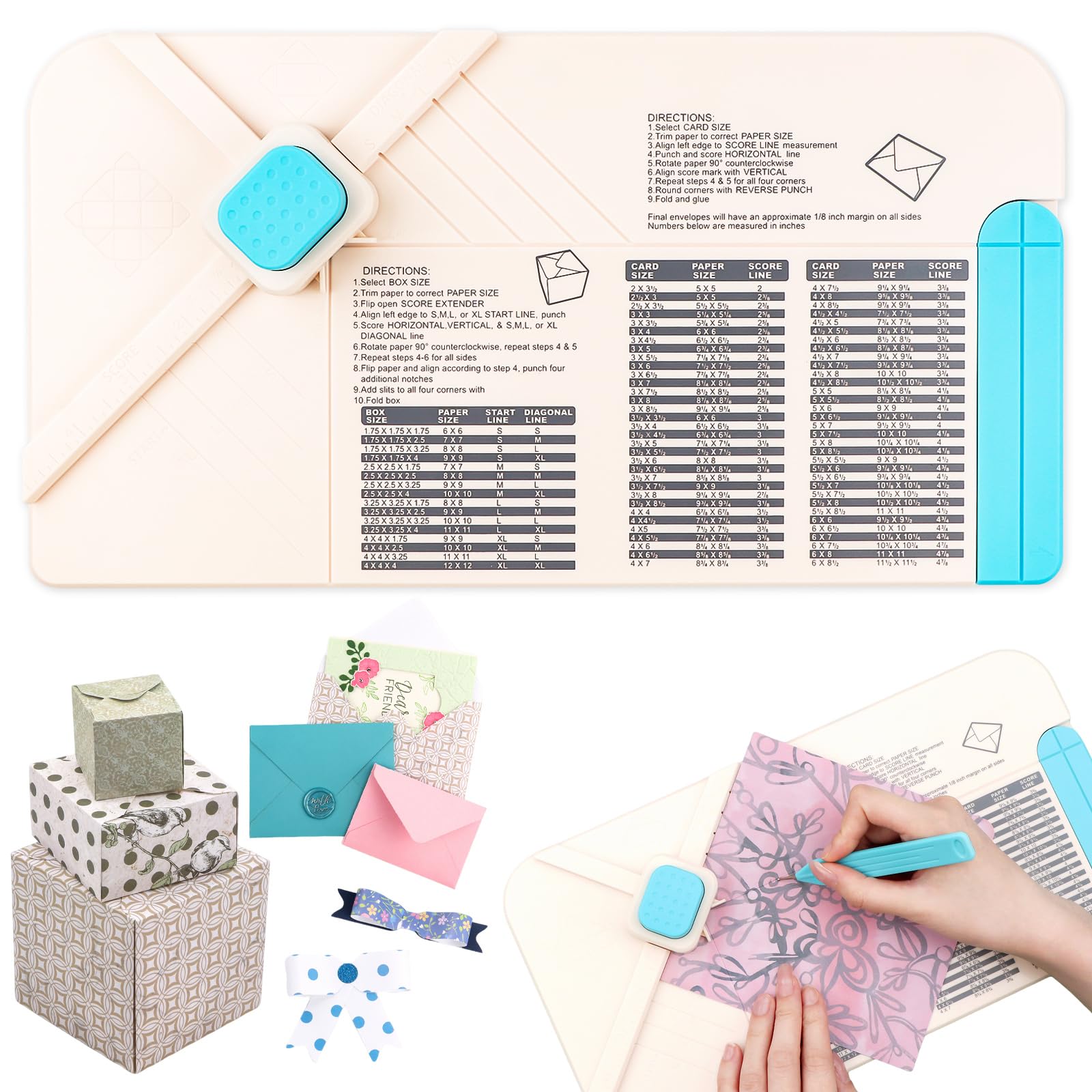
Custom Envelopes, Boxes, and Bows, All-in-one Envelopes Scribe Punches Board with Indentation Pen, Use with Cardstock
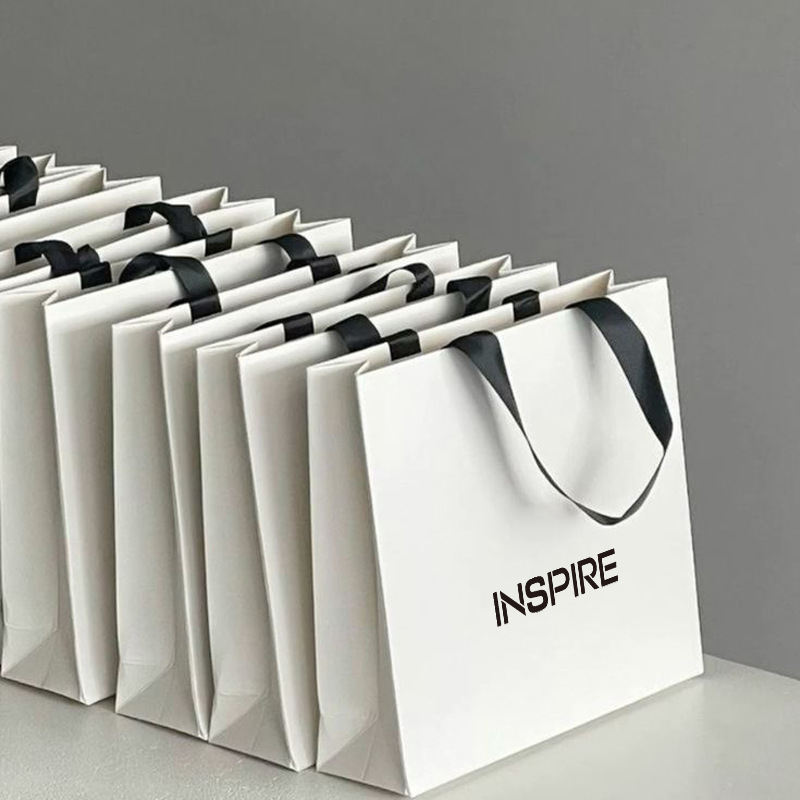
Custom Logo Eco-Friendly Luxury Gift Paper Bag for Jewelry Shoes Necklaces Bracelets and Clothing Packaging
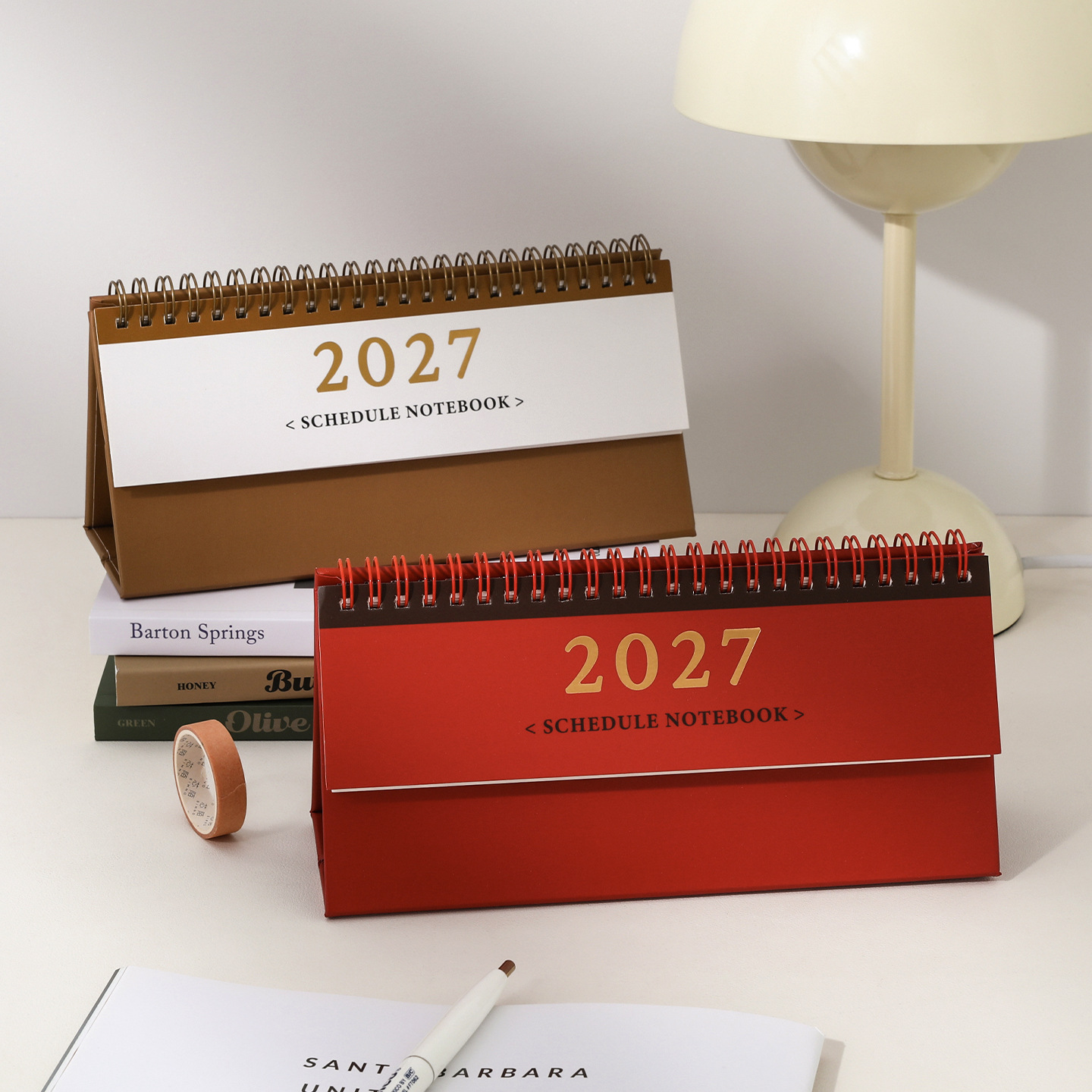
2027 Mini Desk Calendar Standing Flip Long Daily Calendar Twin-Wire Binding for Home Office School
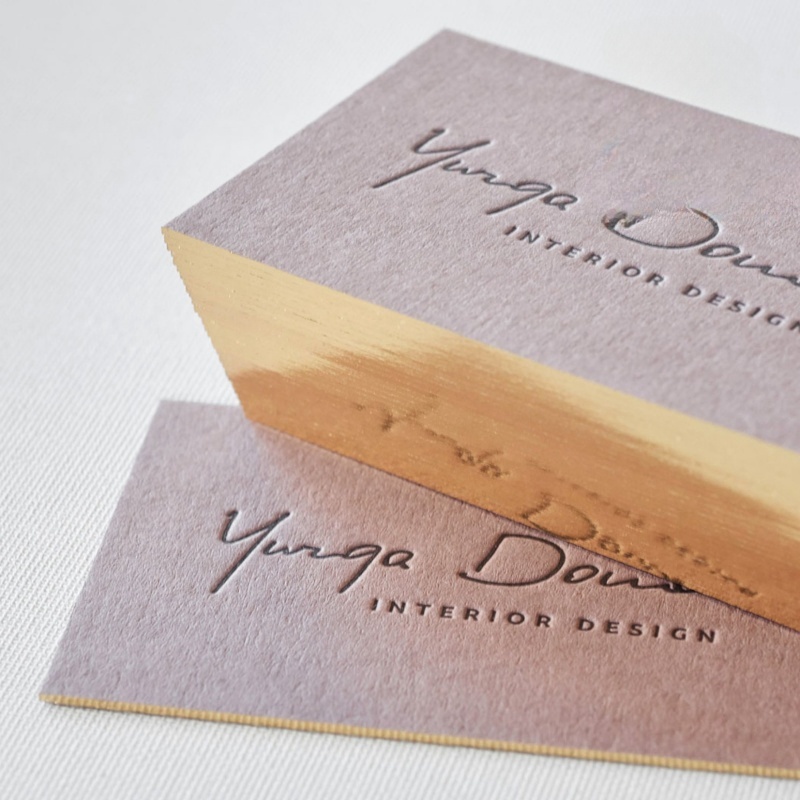
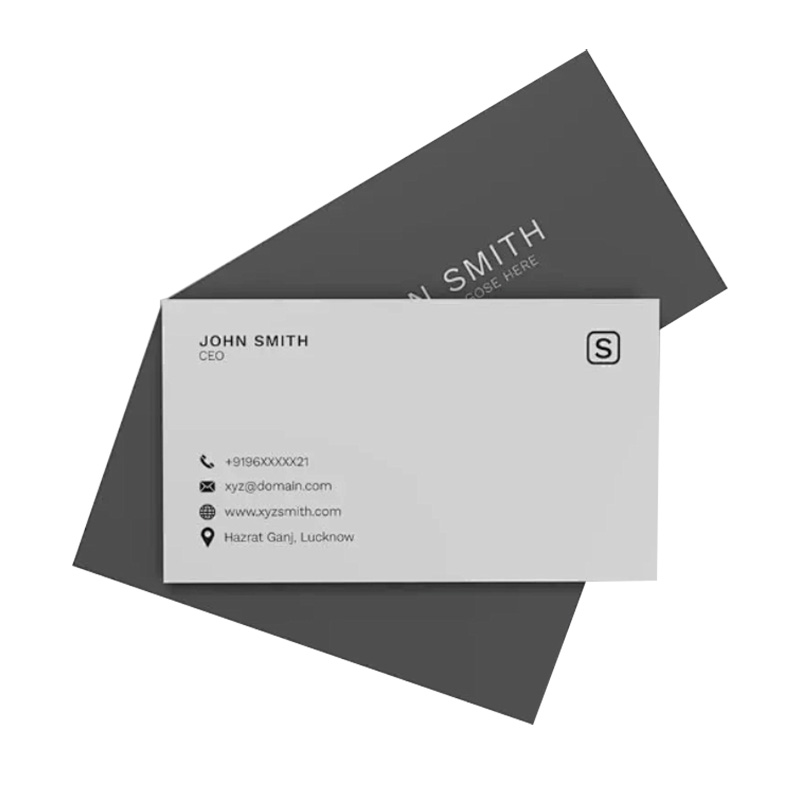
Customized Card Luxury Eco-Friendly Embossed Logo Design Gold Stamping Printing Business Grey Pink Business Card
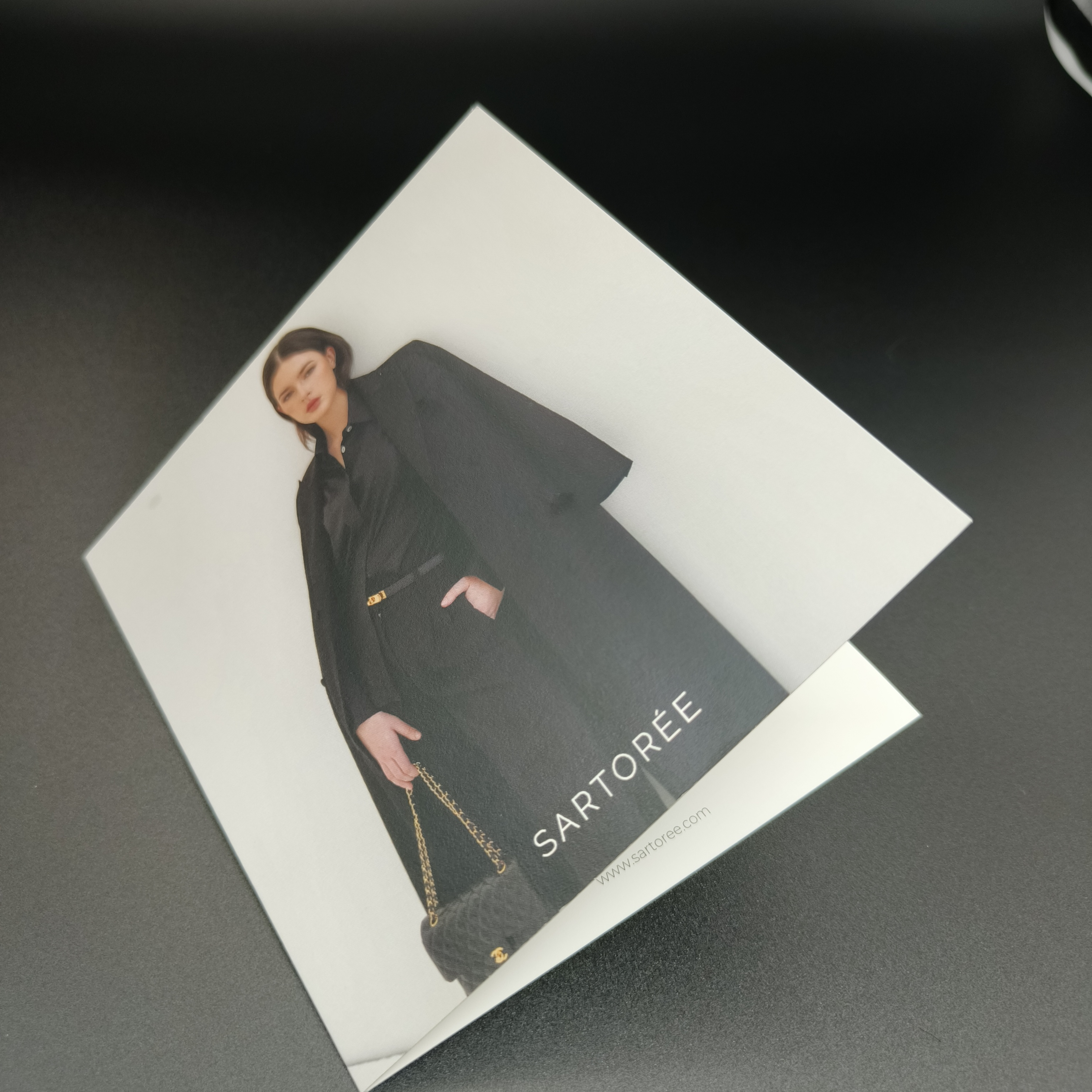
Customized Cards Greeting Cards Support Small Quantity Made Cardboard Paper Offset Thank You Card
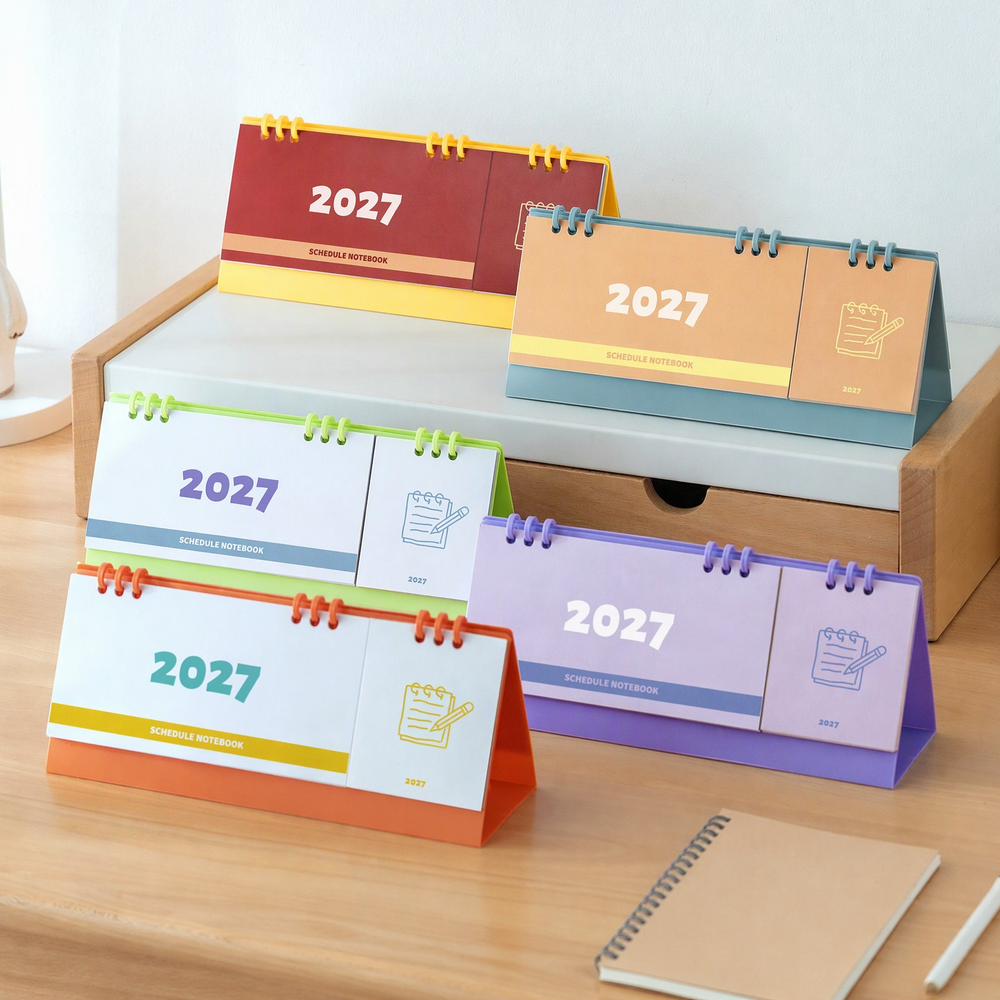
Custom Printing 2027 Art Paper Desktop Calendar Clock Monthly Daily Planner Table Calendar Simple Calendar
18+Years in Paper Printing & Packaging
2,300m²Production Floor in Fuzhou, Fujian
10+Years of Export & Logistics Experience
4.6/5Verified Buyer Rating
Market Context
Why China Remains the World's Deepest Custom Packaging Supply Base
Semantics matter when you search for a "China custom packaging supplier". The results you see are not all the same kind of business — and the difference decides your cost, your lead time and your brand risk.
China's paper packaging and commercial printing sector has shifted from a pure cost play to a genuine design-and-engineering partner for global brands. The reason is structural rather than promotional. Within a 300-kilometre radius of Fuzhou — the cluster where our own facility operates — a buyer can access board mills, specialty paper merchants, foil and film suppliers, die makers, cylinder engravers and finishing subcontractors in the same week. That density compresses tooling lead time, makes low-volume trials economically viable, and allows a factory to hold a hundreds-strong library of stock structures instead of reinventing a dieline for every order.
The second driver is vertical integration. A genuine manufacturer handles structural design, prepress, offset and digital printing, foil stamping, embossing, lamination, die-cutting and hand assembly under one roof, with one accountable quality record. A trading company does none of these things — it forwards your artwork to an unknown third party and marks up the result. For a first-time importer the two look almost identical on a website, which is why supplier verification has become the single most reported procurement pain point in buyer surveys.
The third driver is that Western demand itself has changed. Where a 2015 buyer ordered 10,000 identical mailer boxes, a 2025 buyer typically orders four SKUs, tests them for a quarter, then scales the winners. Chinese factories that invested early in digital presses, automatic die-cutters and modular assembly lines absorbed this shift without forcing customers into container-scale commitments. That is why minimum order quantities from 100 pieces are now a realistic baseline rather than a marketing claim.
Procurement Trends 2025–2030
Six Purchasing Behaviours Reshaping Custom Packaging Sourcing
If you are benchmarking suppliers this year, benchmark them against these six shifts. A supplier that cannot support them will cost you more in the second order than in the first.
Small-Batch, Multi-SKU Ordering
Brands now launch eight variants before proving one. Buyers demand 100–500 piece runs per SKU with consistent colour across the whole family, and they expect the unit price to fall predictably as volume rises — not to be renegotiated from scratch each time.
Digital Proofing Before Spending
Artwork approval has moved to a screen. A free 3D mockup with accurate dielines, fold positions and finish simulation is now the entry ticket; buyers refuse to pay for a physical sample until the digital twin looks right.
Third-Party Verification as Standard
An onsite audit from an independent body — TÜV Rheinland, SGS, Bureau Veritas — now carries more weight than any self-published certificate. Procurement teams ask for the audit reference before they ask for a price.
Recyclability Written Into the Brief
Plastic inserts, laminated boxes and mixed-material handles are being written out of style guides. Buyers specify FSC-certified board, water-based inks, paper-based inserts and single-material structures at the design stage, not as an afterthought.
Freight-Aware Packaging Design
With shipping costs volatile, structure is now a logistics decision. Flat-packed mailers, nesting inserts and cartons designed to cube out a container efficiently can reduce landed cost more than a five-percent print discount.
One Supplier, Many Categories
Brands are consolidating vendors. A supplier who can deliver mailer boxes, paper bags, labels, hang tags, business cards, catalogs and desk calendars from one factory simplifies compliance, reduces shipping consolidations and shortens the approval chain.
Product & Material Roadmap
Where Custom Packaging Product Development Is Heading
These are the specification changes we are actually quoting across buyer briefs, not laboratory concepts. Each one is available for sampling today.
Mono-Material Paper Structures
Corrugated mailers with paper honeycomb inserts, folding cartons with die-cut paper cradles and moulded pulp trays are replacing EVA foam and PET blisters. The result passes kerbside recycling guidance in most EU markets and often reduces packed volume.
Soft-Touch Plus Foil and Emboss
The premium signal has moved from glossy to tactile. Soft-touch matte lamination combined with micro-embossing, blind deboss and hot foil in a single pass now defines luxury rigid boxes, business cards and gift bags for jewellery and cosmetics launches.
Calendar and Seasonal Print Revival
Desk calendars, flip planners and standing table calendars have returned as high-retention corporate gifts because they sit on a desk for twelve months. Twin-wire binding, easel backs and art-paper grades of 250–300 gsm are the standard specification.
Structural Engineering Over Decoration
Buyers increasingly judge a box by how it opens. Magnetic flaps, ribbon pulls, tear strips, two-piece telescoping lids and self-locking crash-lock bases are being specified as brand experience, not as optional extras — and they must survive parcel network drop tests.
Connected Packaging and QR Layers
Variable QR codes, serialised batch numbers and NFC inlays are being printed directly into labels, hang tags and box interiors for authentication, warranty registration and reorder prompts — an information layer that costs cents and returns first-party data.
Certified Fibre and Low-Impact Inks
FSC or PEFC chain-of-custody board, recycled-content kraft, soy and water-based inks, and plastic-free laminates are now specified in the purchase order rather than requested informally. Suppliers must be able to document the fibre source on paper.
Supplier Evaluation Framework
How to Vet a China Custom Packaging Supplier in Five Steps
Use this sequence on every new supplier. It is the same order an experienced sourcing manager follows, and it filters out trading intermediaries quickly.
Confirm Legal Entity and Verification
Match the company name on the quotation to the business licence, then check whether an independent body has audited the premises. Onsite verification is materially stronger than a self-declared certificate.
Test Structural and Design Capability
Send a product sample and ask for a dieline plus a 3D mockup. A factory will return a foldable structure with correct tolerances; a trader will return a price and ask you to supply the artwork template yourself.
Audit the Quality System
Ask how incoming board is inspected, how first-article approval is documented, how colour is controlled inline, and what AQL level governs final inspection. Request a real inspection report from a previous order.
Examine Finishing Depth
Foil stamping, blind and 3D embossing, spot UV, window patching and hand assembly are where most delays originate. If a supplier subcontracts these steps, your lead time depends on a queue you cannot see.
Check Export and Documentation Readiness
Confirm export carton standards, pallet configuration, flat-packing strategy and which Incoterms they quote. Ten or more years of export experience usually shows in clean paperwork and realistic transit estimates.
Run a Paid Pilot Order
Place a small real order — not a free sample — and measure communication speed, pre-production sample accuracy, on-time delivery and how discrepancies are resolved. The pilot predicts the relationship better than any brochure.
Why Buba
The Advantages Behind Fuzhou Buba Printing Co., Ltd.
Fuzhou Buba Printing Co., Ltd. is a TÜV Rheinland onsite-verified custom manufacturer of paper packaging and commercial print based in Jianxin Town, Fuzhou, Fujian, China — 18 years in the trade and more than a decade exporting worldwide.
TÜV Rheinland Onsite-Verified
Our premises, legal status and production capability have been verified onsite by TÜV Rheinland, with onsite material inspection and a documented quality management system behind every purchase order.
Low MOQ, Real Factory Pricing
Most mailer boxes, rigid gift boxes and paper bags start at 100 pieces; some notebooks from 50. Test a market with a small run, then scale into bulk production without changing supplier or re-approving artwork.
Free Dieline and 3D Mockup
Our in-house design team builds the structural dieline and a rendered 3D mockup showing exact artwork placement, fold lines and finish effects — so you approve the look before paying for a physical sample.
Premium Finishing In-House
Hot foil stamping, blind and 3D embossing, spot UV, soft-touch and holographic lamination, letterpress, window patching and hand assembly are all completed under our own roof on a 2,300 m² floor.
Documented Quality Control
Incoming material checks, first-article approval, inline colour verification and final AQL inspection with photo and video reports — shared with you before the goods leave the factory, not after they arrive.
Eco-Friendly and Recyclable Options
Recyclable kraft and corrugated board, paper-based inserts instead of plastic, water-based inks and plastic-free tear-strip mailer boxes — specified at the design stage so sustainability never becomes a rework cost.
Production Workflow
From Brief to Delivery in Six Controlled Steps
A transparent process with a written sign-off at every stage — so the cartons that arrive match the mockup you approved.
1 · Brief and Dieline
Share product dimensions, weight, quantity and artwork. We propose the structure, board grade and finishing combination that fits your budget and shipping method.
2 · Free 3D Mockup
Approve a rendered mockup with exact artwork placement before anything is manufactured. Revisions at this stage are free and fast.
3 · Pre-Production Sample
A physical sample confirms board feel, colour accuracy, structural fit and finishing. Mass production only begins after your written approval.
4 · Mass Production
Offset or digital printing, then finishing and hand assembly on our own lines, with inline colour control against the approved sample.
5 · Final Inspection
An AQL check covering print, structure, finishing and packing, documented with photos and video and shared with you before shipment.
6 · Global Shipping
Export-grade cartons, flat-packing to reduce freight volume, and sea, air or express delivery with full documentation to your door.
Buyer FAQ
Frequently Asked Questions About Custom Packaging Sourcing
The questions our export team answers most often, in the order new buyers usually ask them.
What is the minimum order quantity for custom packaging from your factory?
Most custom mailer boxes, rigid gift boxes and paper bags start from 100 pieces. Some notebooks start from 50 pieces, while hang tags, flyers and labels usually start from 200–1,000 pieces depending on size and finishing. Mixed-category orders can be consolidated into one shipment so you reach freight thresholds without over-ordering any single SKU.
Do you provide free design support and 3D mockups?
Yes. Our in-house design team provides the dieline and a free 3D mockup so you can approve structure, artwork position and finishing before any physical sample is produced. We can also advise on board grade and structure if you only have a reference product in hand.
How long do samples and mass production take?
Typical lead time is 3–7 working days for pre-production samples and 10–20 working days for mass production after sample approval. Complex rigid boxes, multi-level finishing or large book runs may need longer; the schedule is confirmed in writing with every order so your launch date is protected.
Which artwork file formats do you accept?
We prefer vector AI, PDF or EPS files in CMYK with 3 mm bleed and outlined fonts. High-resolution PSD or TIFF files at 300 dpi are also accepted. Pantone colours can be matched on request, and our prepress team will flag any resolution or colour-space issues before production starts.
Can you match a specific brand colour across different products?
Yes. Colour consistency across a mixed order — for example a gift box, a paper bag, a hang tag and a business card — is handled by standardising the ink mix and running matched jobs on the same press, with inline verification against the approved sample throughout production.
Can you produce eco-friendly or recyclable packaging?
Yes. We offer recyclable kraft and corrugated board, paper-based inserts instead of plastic, water-based inks and plastic-free tear-strip mailer boxes. If your market has specific recycling-labelling rules, tell us at the briefing stage and we will propose a structure that is compatible with them.
Is your factory verified by a third party?
Yes. Our factory has been verified onsite by TÜV Rheinland and is listed as a Custom Manufacturer offering design-based, sample-based and full customization with onsite material inspection. Product certificates can be supplied on request for compliance or tender documentation.
How do you handle shipping, customs and freight consolidation?
With more than ten years of export experience, we quote on the Incoterm that suits your setup, pack goods in export-grade cartons, flat-pack wherever the structure allows to reduce freight volume, and provide commercial invoice, packing list and any certificate of origin you require. Sea, air and express options are all available.
Ready to Brief Your Next Custom Packaging Project?
Send your size, quantity and artwork. Our engineering team replies with a structure proposal, a material recommendation and a free 3D mockup — usually within one working day.
Send an Inquiry