8 Recommended Items from a Tuck Top Box Factory
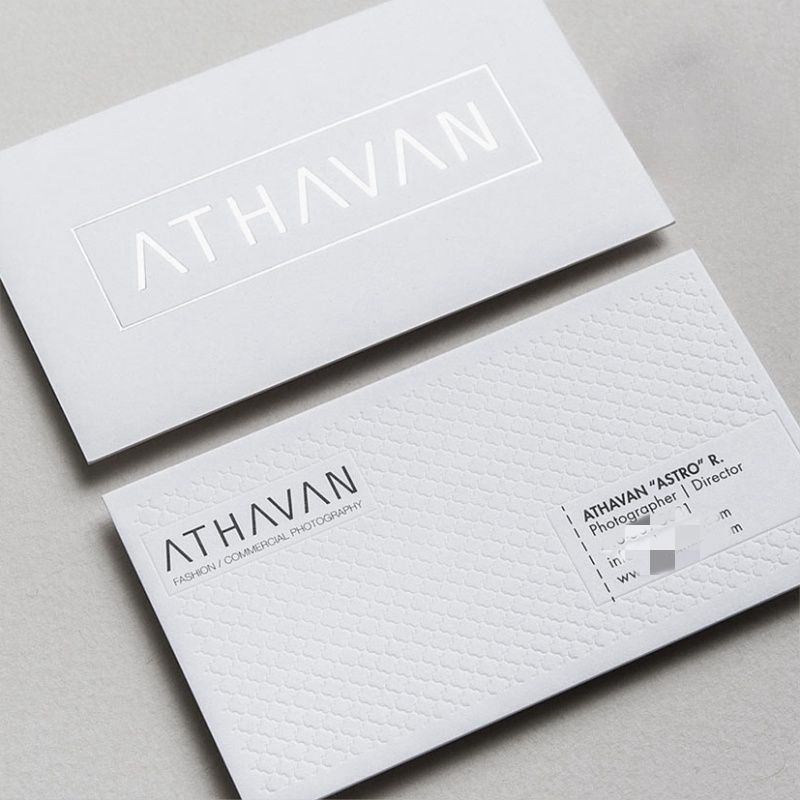
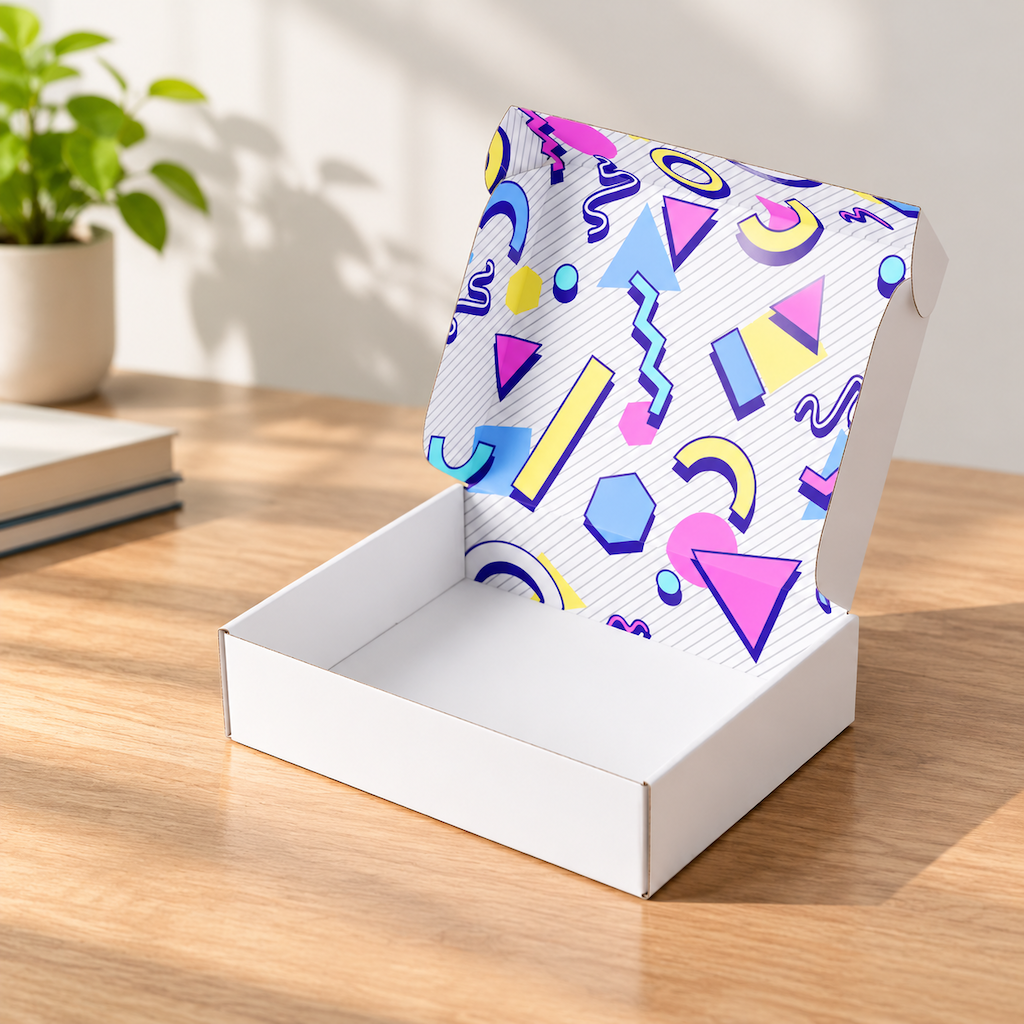
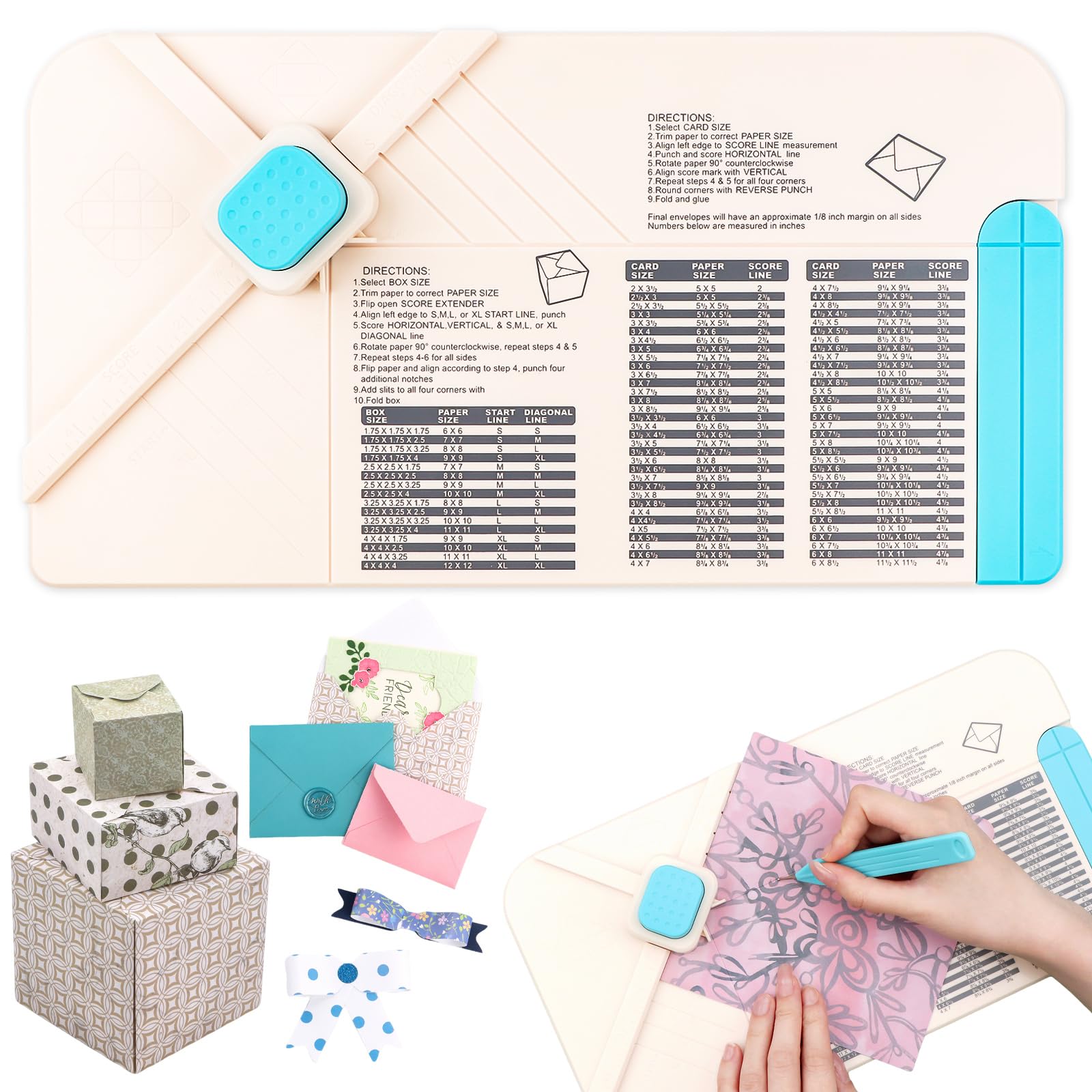
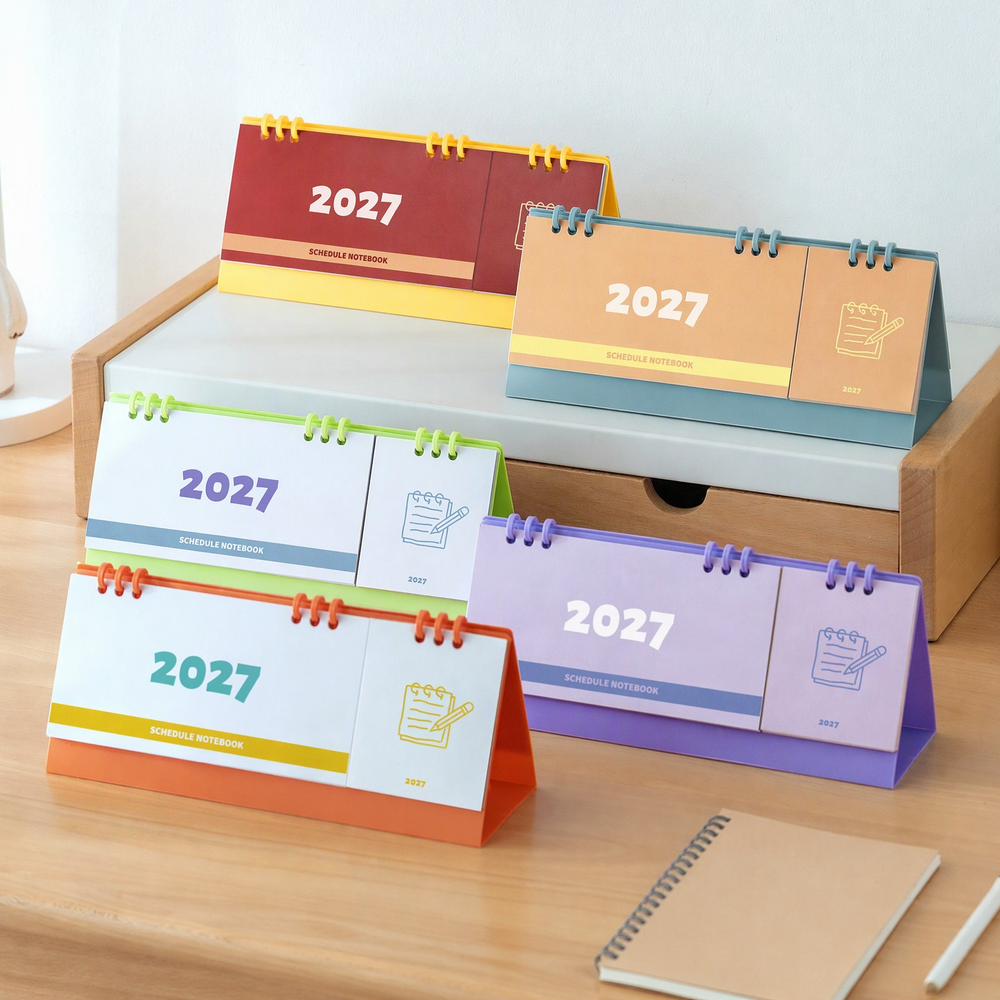
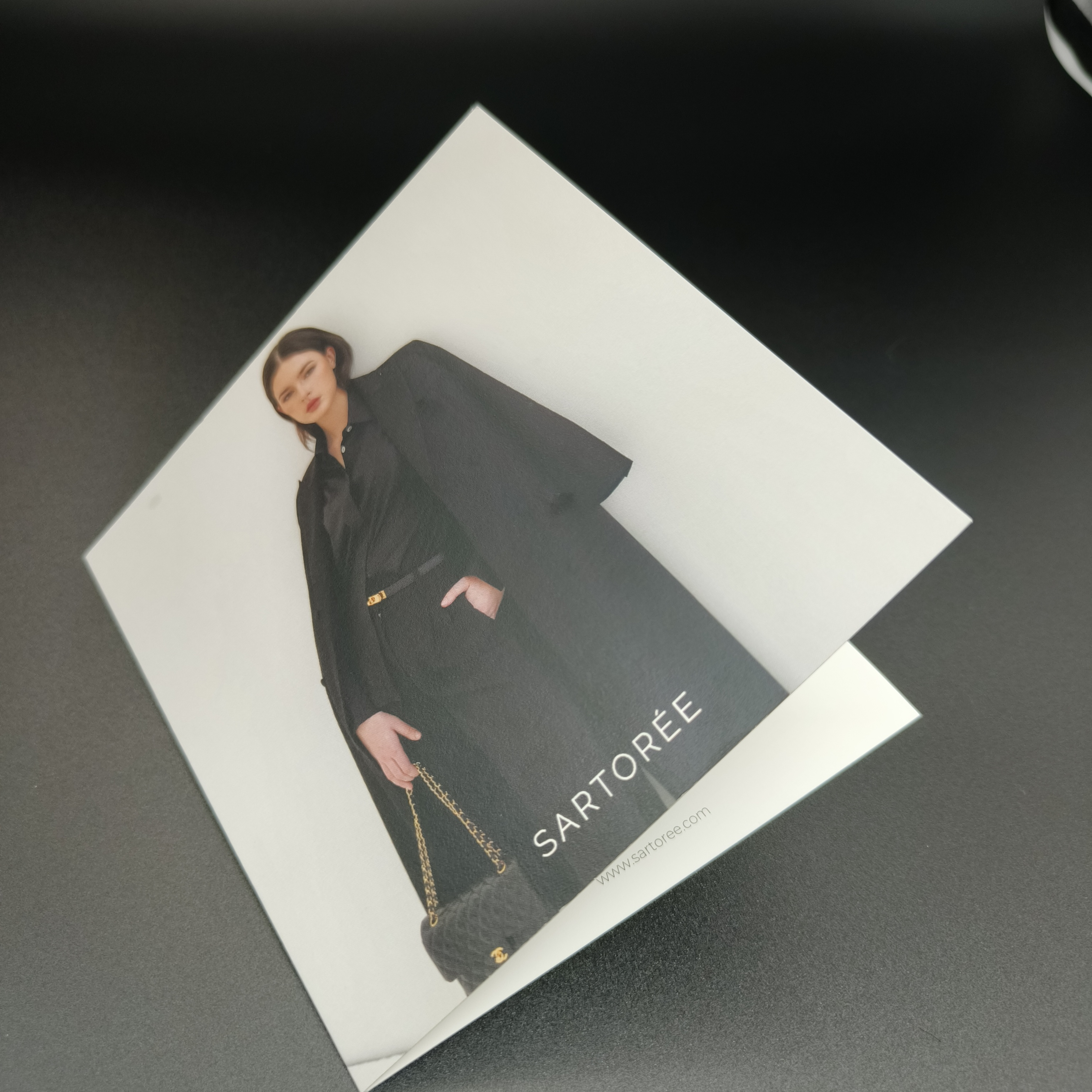
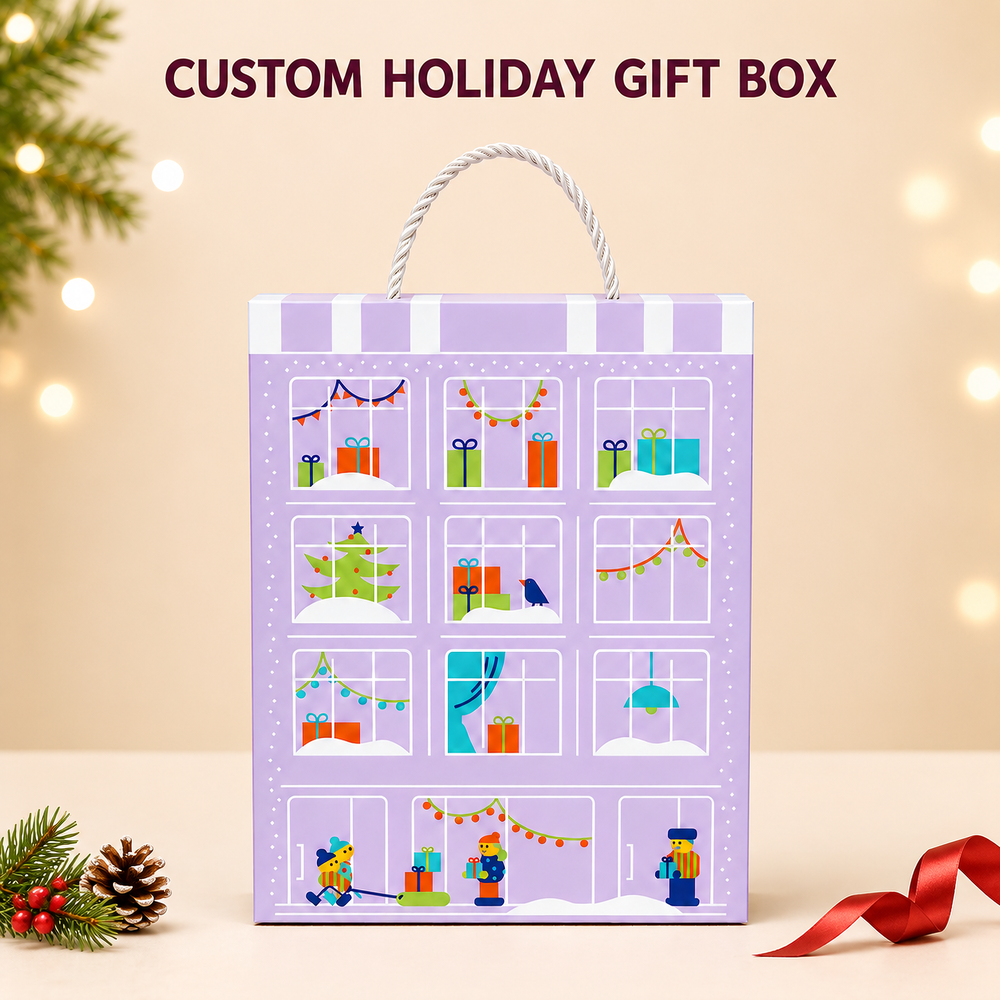
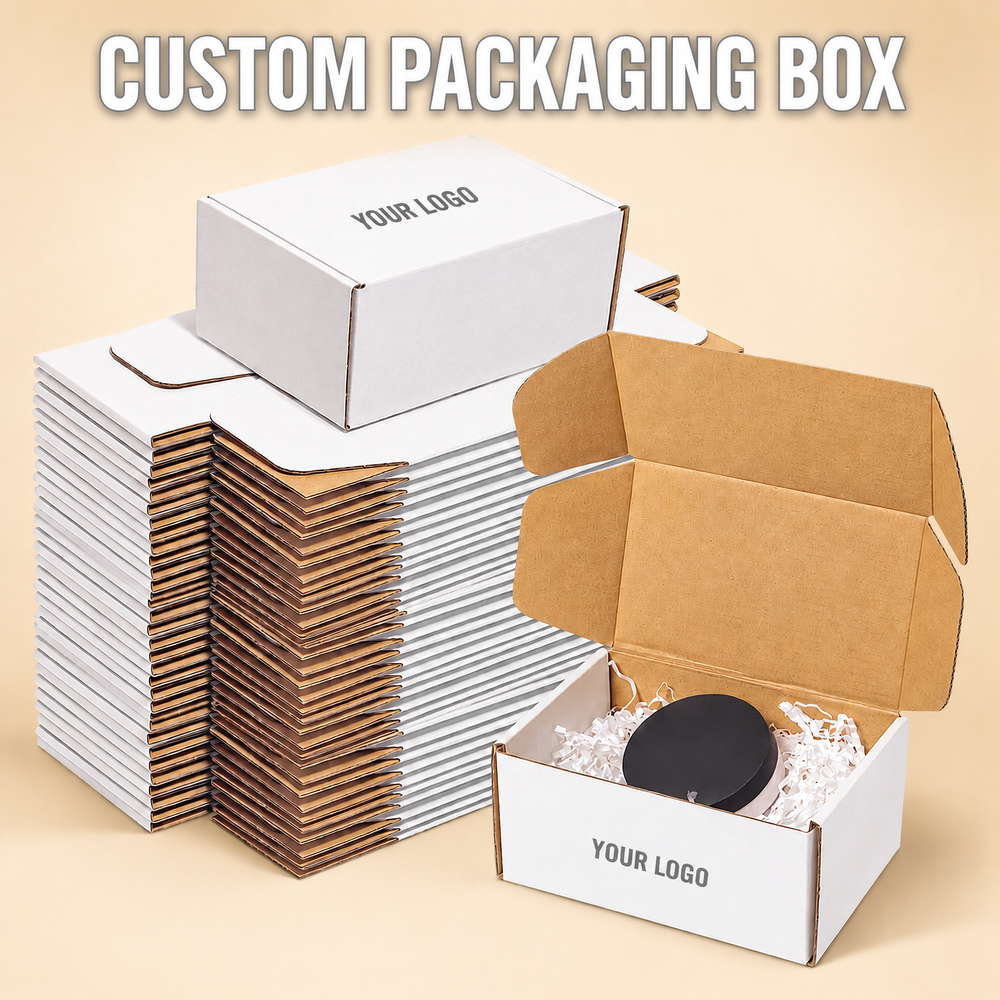
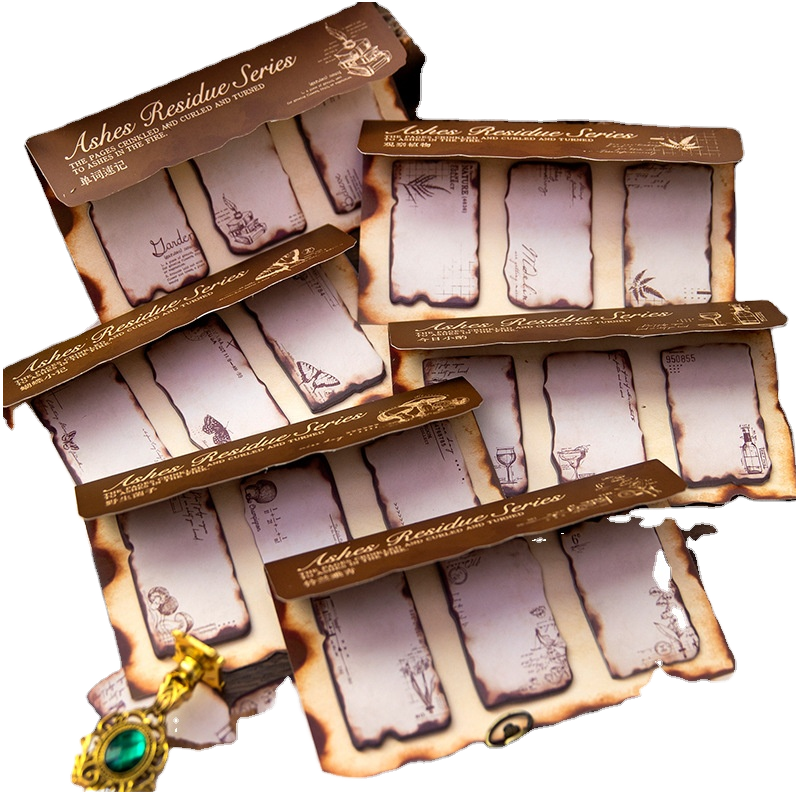
While the core request is tuck top boxes, high-performing factories usually run a wider paper packaging ecosystem. These eight items show how boxes, cards, mailers, rigid gift boxes and supporting print can be coordinated under one verified custom manufacturer. Each card links to its original product detail page.
Years in paper printing
Production floor space
Years of export expertise
Verified buyer rating
What Buyers Really Mean by “Top 10 Tuck Top Boxes Factories”
Semantic search has changed the purchase path. A query for “top 10 tuck top boxes factories” is not just a request for names; it is a comparison-stage signal. Buyers want proof of board grade, printing consistency, sample-to-mass alignment, MOQ flexibility, QC evidence and export readiness.
Search Intent Decoded
The searcher is likely an Amazon seller, boutique brand, importer or packaging engineer who needs a shortlist before requesting quotes. The goal is not inspiration; it is supplier verification, pricing confidence and risk reduction.
Information Gain Gap
Most top 10 lists repeat factory names and years in business. Our added value is a 10-point scorecard that turns a vague factory search into a measurable sourcing decision, with specific checks for tuck top box structures.
E-E-A-T Proof
Buyers trust evidence: TÜV Rheinland onsite verification, in-house design, free 3D mockups, MOQs from 100 pcs, sample approvals, AQL inspection and export packing. These are the proof points that move a factory from “maybe” to “qualified”.
How to Compare the Top 10 Tuck Top Boxes Factories
Use this scorecard before you shortlist suppliers. Score each candidate from 1 to 5. A factory with strong printing but weak QC, or low MOQ but unclear export packing, should not be treated as a top-tier partner.
Structural Engineering
Can the factory recommend board grade, tuck depth and internal dimensions for product weight and stacking?
Material Traceability
Ask for greyboard, SBS, kraft, corrugated or specialty paper specifications and material inspection records.
Color Management
CMYK consistency, Pantone matching, artwork bleed and proof approval matter more than generic press claims.
Finishing Compatibility
Foil, emboss, spot UV, soft-touch and lamination must work together without cracking on folds.
Sample-to-Mass Consistency
A beautiful sample is not proof. Compare the first production run with the approved pre-production sample.
MOQ Flexibility
A real factory offers low-volume test runs and a clear path to repeat bulk production without changing suppliers.
QC Evidence
Look for incoming material checks, first-article approval, inline checks and final AQL reports with photos.
Compliance & Sustainability
Recyclable paper, water-based inks and plastic-free inserts should be confirmed in writing for each SKU.
Export Packing Logic
Flat-packing, carton strength, pallet planning and shipping method can change total landed cost dramatically.
Technical Fluency
Responses on dielines, quotes and artwork files reveal whether a factory understands packaging, not just printing.
Factory Advantages That Reduce Procurement Risk
Buba Pack is a practical example of what the scorecard looks like in real factory conditions. Based in Fuzhou, Fujian, Fuzhou Buba Printing Co., Ltd. is a TÜV Rheinland onsite-verified custom manufacturer with 18 years in paper printing, a 2,300 m² production floor and more than a decade of export experience.
TÜV Rheinland Onsite Verification
Independent verification covers the premises and production capability, shortening due diligence for overseas buyers and distributors.
In-House Design & Free 3D Mockup
Dieline engineering, artwork placement and a 3D render are reviewed before sample spend, so structure and finishing are approved early.
Low MOQ, Factory-Direct Scale
Many custom boxes and bags start from 100 pcs, with some products from 50 pcs; scale-up stays with the same factory and the same quality system.
Premium Finishing In-House
Hot foil, embossing, spot UV, soft-touch, matte or gloss lamination, die-cutting and hand assembly are coordinated under one roof.
Quality Control with Evidence
Incoming material inspection, first-article approval, inline color monitoring and final AQL inspection with photo reports support each order.
Export-Ready Supply Chain
Export-grade cartons, flat-pack planning and sea, air or express shipping are backed by more than a decade of export experience.
Trends Reshaping Tuck Top Box Sourcing
For the next buying cycle, the best tuck top box factories will be judged less on a generic catalog and more on how well they reduce risk, waste and time-to-market.
Verification-First Sourcing
Buyers increasingly request TÜV or audit evidence, production videos and sample reports before issuing a purchase order.
3D Approval & Remote Sampling
Physical samples remain essential, but 3D mockups and dieline reviews shorten approval cycles across time zones.
Low-MOQ Test Markets
50–100 pcs test runs let DTC brands validate artwork, structure and market response before committing to bulk volume.
Landed-Cost Engineering
Right-sized boxes, flat-packing and optimized carton counts are becoming as important as unit price for FBA and air freight.
Mono-Material Paper Design
Recyclable kraft and corrugated board plus paper-based inserts are replacing mixed plastic and foam components.
Hybrid Tuck-Top Mailers
Tuck lids, tear strips, locking tabs and e-commerce-friendly opening experiences are converging in one structure.
Recyclable Premium Finishing
Selective foil, emboss and soft-touch accents balance unboxing impact with recycling and material-recovery goals.
Connected Packaging
QR codes, serialized labels and personalized inserts turn packaging into a retention, authentication and reorder channel.
What to Verify in a Tuck Top Boxes Factory
Buba Pack’s product range includes corrugated mailer boxes, rigid magnetic gift boxes, folding cartons, paper bags, label stickers, cards, envelopes, notebooks, catalogs and books. For a tuck top box project, that range matters because the box often needs a matching insert, thank-you card, label, shopping bag or catalog in the same order.
The factory is listed as a Custom Manufacturer offering design-based, sample-based and full customization with onsite material inspection. A practical specification note for buyers: confirm internal dimensions, board grade, tuck depth, locking tab style, opening force, print coverage, finishing, product weight, stacking quantity and shipping format. For subscription kits and e-commerce, pack the sample with the real product, not only an empty mockup.
Frequently Asked Questions for Tuck Top Box Buyers
Clear answers for brand owners, e-commerce sellers and importers comparing tuck top box factories and custom packaging suppliers.
What is a tuck top box, and is it the same as a mailer box?
How should I compare the top 10 tuck top boxes factories?
What is the minimum order quantity for custom tuck top boxes?
Do you provide free design support and 3D mockups?
Can tuck top boxes be eco-friendly or recyclable?
How long do samples and mass production take?
Which artwork files should I send for a quote?
Ready to Shortlist Your Tuck Top Box Factory?
Send your dimensions, board preference, artwork and target quantity. Buba Pack’s team can reply with a dieline proposal, material recommendation and free 3D mockup so you can approve structure and artwork before paying for samples.
Get a Quote