8 Retail Packaging Products Buyers Benchmark First
A genuine Top 10 Retail Packaging Manufacturer & Factory is proven by real SKUs, not a sales slogan. These eight custom retail packaging and brand-collateral references from Fuzhou Buba Printing Co., Ltd. show the material range, finishing depth, MOQ reality, and export readiness behind a serious packaging program. Every product can be customized by size, paper, board weight, printing, and finishing.
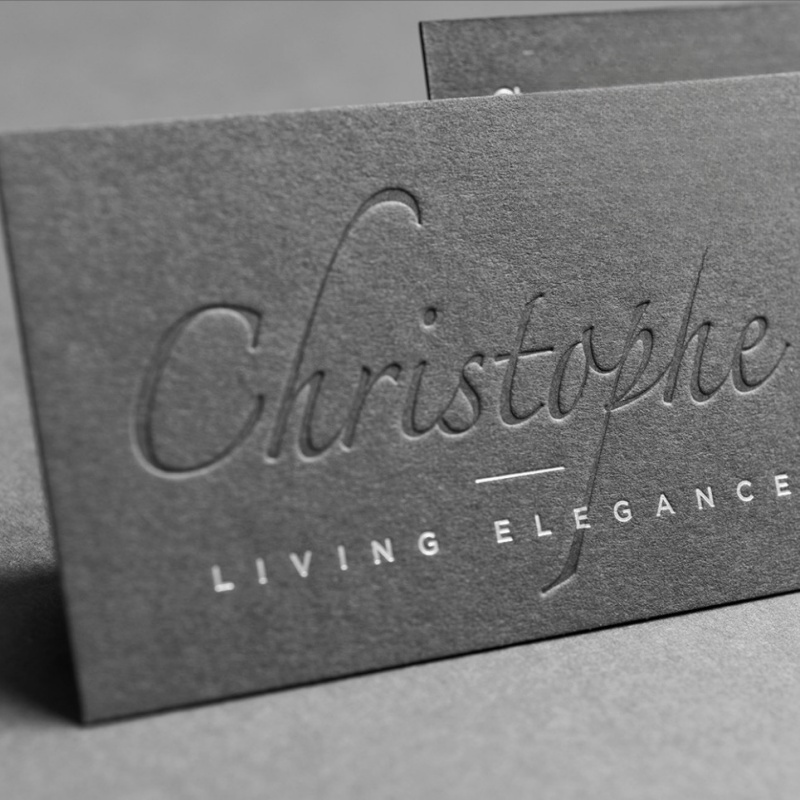
Custom Thick Centurion Business Cards with Logo
Recommended for premium finance, hospitality, luxury retail, and founder cards that need a dense, high-end hand feel.
View specification →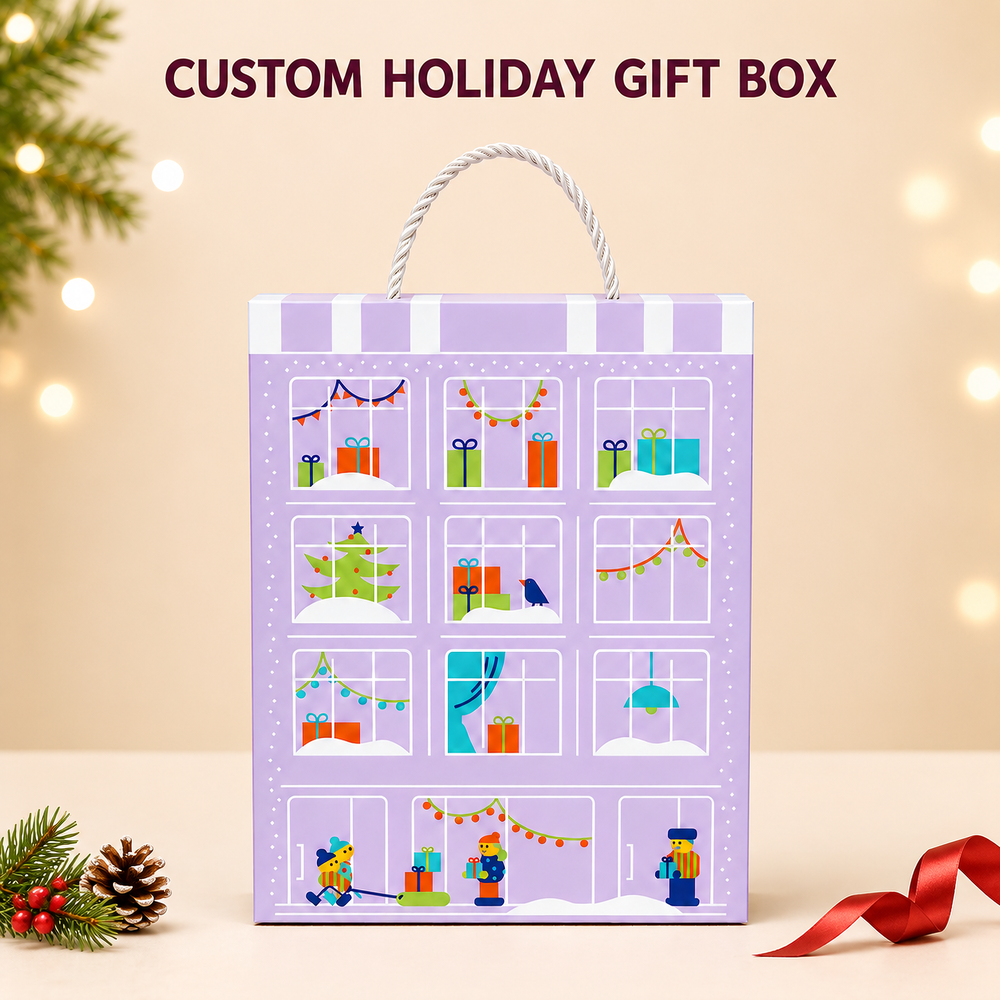
Custom Rigid Drawer Gift Box with Rope Handle
Best for holiday gift sets, subscription boxes, retail drawers, and wholesale mystery-box concepts needing a premium reveal.
View specification →
Luxury 3D Embossed Letterpress Business Card
Ideal for brands using deboss, letterpress, and black cotton paper to create tactile identity at first contact.
View specification →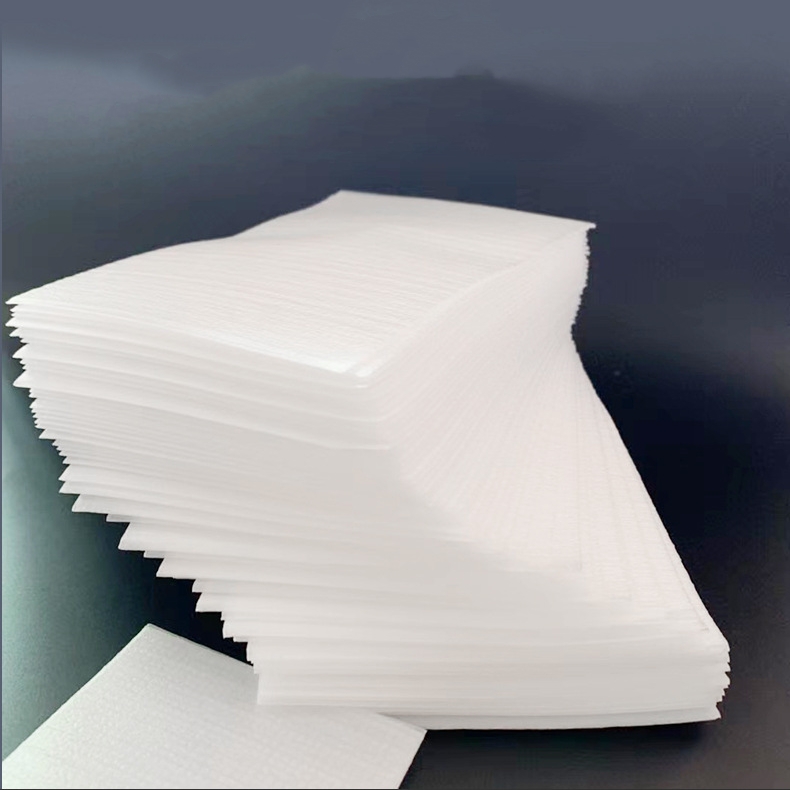
Custom Shockproof EPE Foam Protective Pouch
A practical insert solution for electronics, glass, ceramics, cosmetics, and fragile e-commerce items exposed to parcel stress.
View specification →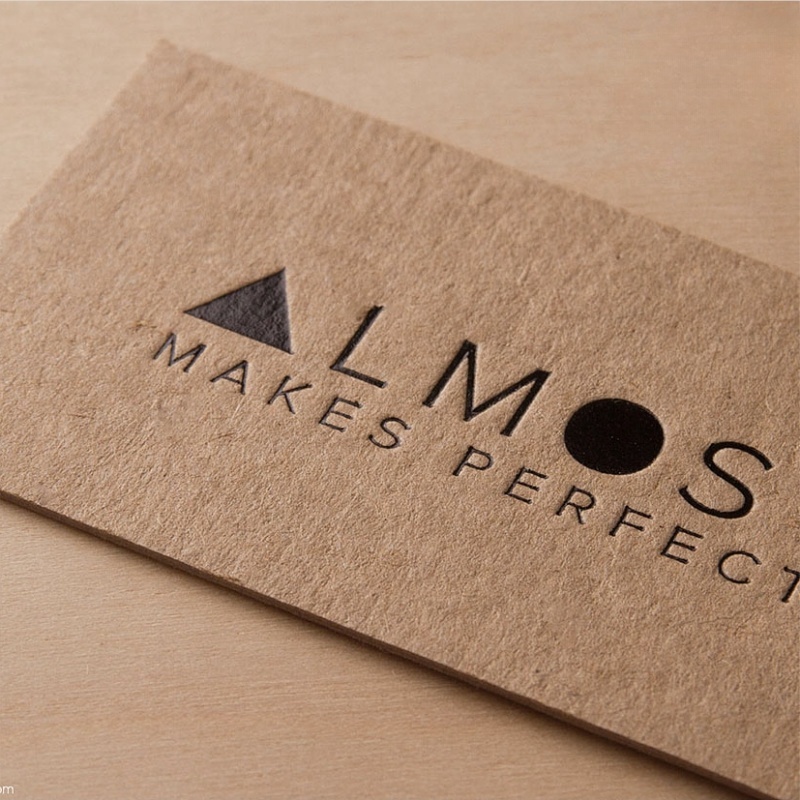
Customized Kraft Paper Laminated Business Card Board
Recommended for natural kraft-look brands that still need film lamination, durable print, and digital short-run flexibility.
View specification →
Gold Stamping Embossed Business Cards
Built for brands that want gold foil, relief embossing, and a professional card that feels intentionally expensive.
View specification →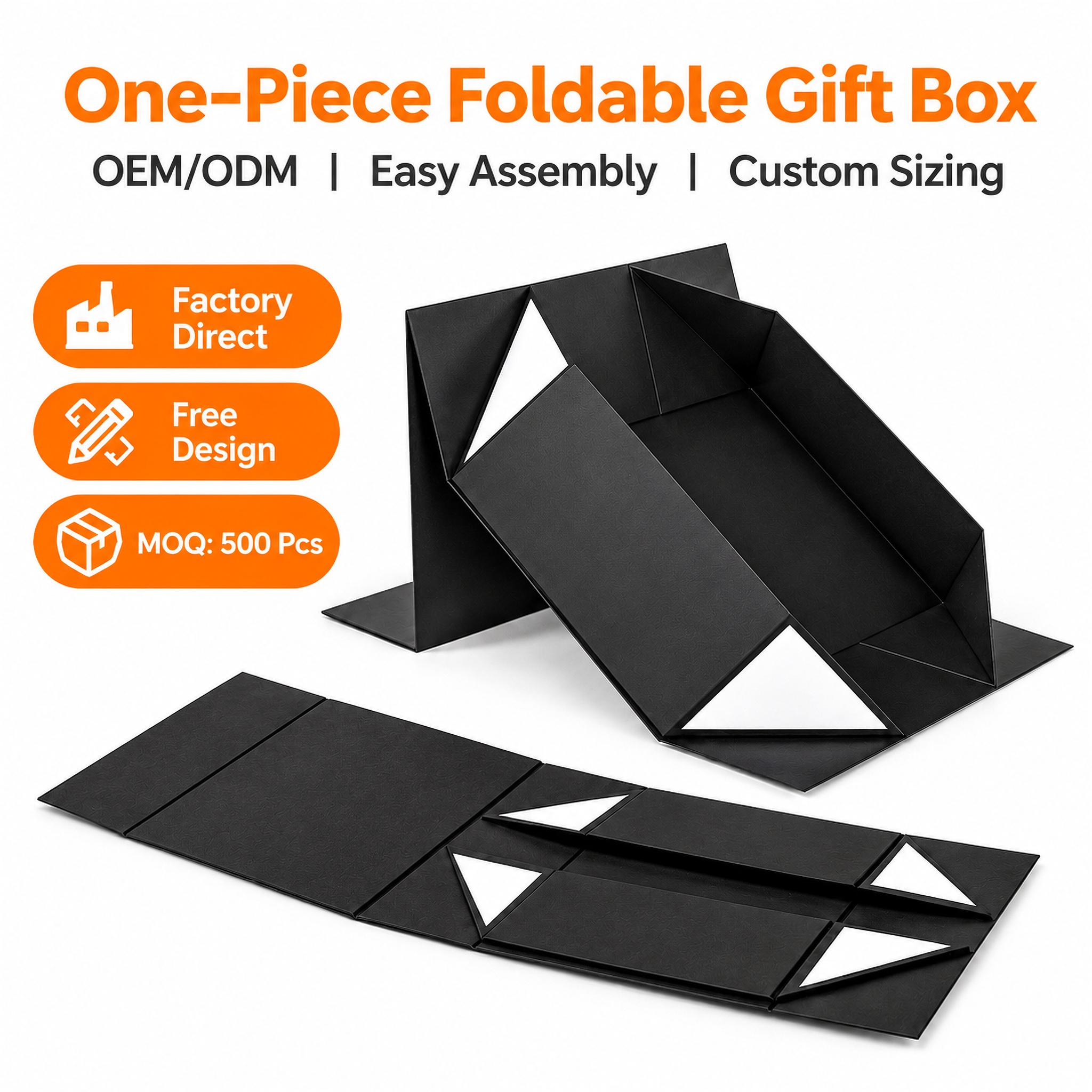
Collapsible Magnetic Rigid Gift Box
Best for premium gifting where magnetic closure, matt black paper, and flat-pack shipping efficiency must coexist.
View specification →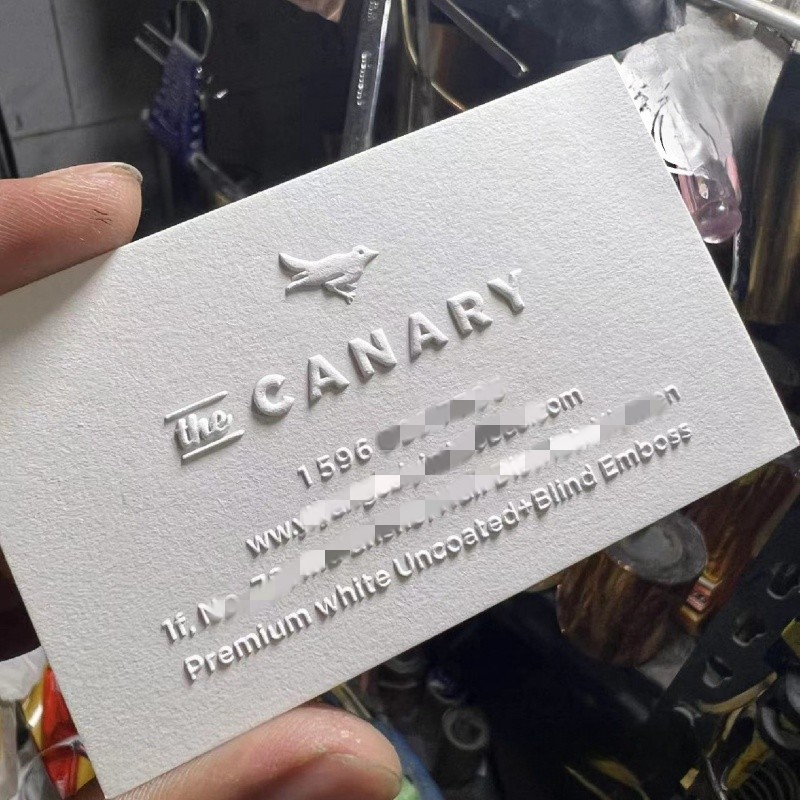
Hot Stamping Wedding Invitation Brochure
A refined example of offset paper, film lamination, and hot stamping for romantic wedding and event stationery.
View specification →What “Top 10 Retail Packaging Manufacturer & Factory” Should Mean to a Buyer
Most buyers searching for a Top 10 Retail Packaging Manufacturer & Factory are not looking for a decorative directory badge. They are trying to answer five commercial questions: Can this factory make the structure I need? Will the color match my brand? What is the real minimum order? How much will it cost after freight and defects? And can the supplier prove its claims with credible evidence?
That is why the strongest retail packaging suppliers are judged less by a “top 10” label and more by their ability to reduce risk from brief to shelf. A retail box, a magnetic gift box, a paper bag, a hang tag, a label, or a business card is not produced in isolation. The best factory programs align structural engineering, material selection, prepress, printing, finishing, assembly, quality control, export packing, and delivery into one accountable workflow. Fuzhou Buba Printing Co., Ltd. — based in Fuzhou, Fujian, China — approaches retail packaging through this one-roof model, with an 18-year paper-printing background, TÜV Rheinland onsite verification, and a custom-manufacturer profile covering boxes, bags, labels, cards, notebooks, catalogs, and books.
When you compare quotes from different factories, do not compare only the unit price. Compare the landed cost. A low unit price can disappear after rush sample fees, low-volume tooling charges, weak export cartons, excess inventory caused by a high MOQ, or a finishing process that requires an outside subcontractor. A genuine top-tier factory should make the cost structure transparent enough for you to see where value is created and where risk is hidden.
Information gain: model these three numbers before you choose a packaging factory
Retail packaging sourcing decisions become clearer when the quotation is translated into operational risk. Use these three models alongside any supplier shortlist.
The most competitive packaging manufacturers now behave more like product-development partners. They help buyers choose a board grade that supports the product weight, recommend a finishing that survives shipping, reduce packaging volume for freight efficiency, and flag when a design is likely to fail a drop test or cost more than necessary. That is the practical meaning of experience, expertise, authority, and trust in this category: repeatable production evidence, clear specifications, and honest engineering advice.
The 10-Point Audit Behind a Genuine Top-10 Retail Packaging Shortlist
Use this audit to test any custom retail packaging manufacturer. The goal is not to find a supplier that can print a box. The goal is to find a factory whose structure, materials, quality system, MOQ, and export process match your commercial risk profile.
Onsite verification & legal clarity
Check the legal entity, factory address, third-party verification, and whether the supplier is truly a custom manufacturer rather than an intermediary.
Structural engineering & dielines
The factory should recommend a structure based on product weight, shipping method, unboxing experience, and retail display requirements.
Material traceability
Request written details for board grade, paper weight, adhesive, ink, lamination, and recyclability claims. Sustainability needs evidence, not adjectives.
Print color management
Ask how Pantone targets, first-article approval, inline color checks, and final inspection are handled across offset and digital print runs.
In-house finishing depth
Foil stamping, embossing, lamination, die-cutting, window patching, and hand assembly should be controlled, not scattered across unknown subcontractors.
MOQ & trial-order logic
Low MOQ from 50–100 pieces on many items lets brands test markets, validate colors, and enter retail channels without overstocking.
Quality control & AQL reports
Look for incoming material inspection, first-article approval, inline checks, final AQL inspection, and photo or video evidence before shipment.
Export packing & logistics
Export-grade cartons, flat-packing where possible, carton drop protection, and sea, air, or express shipping experience all affect landed cost.
Lead-time discipline
Confirm sample and mass-production times in writing. Typical ranges may be 3–7 working days for samples and 10–20 working days for production after approval.
Commercial transparency
Ask about revision limits, artwork requirements, tooling ownership, inspection standards, replacement policy, and who is accountable after delivery.
Packaging Procurement Trends Reshaping Retail Orders
Buying behavior is changing faster than most packaging catalogues suggest. Brands increasingly need smaller runs, faster refresh cycles, stronger sustainability evidence, and suppliers who can consolidate multiple print and packaging categories.
Test-and-learn purchasing
Retail and e-commerce teams are ordering lower volumes per SKU, testing seasonal colors, and reordering winners. MOQ flexibility now matters as much as unit price.
Evidence-led sustainability
Buyers are moving away from vague “eco-friendly” labels and toward recyclable paper, paper inserts instead of plastic, water-based inks, and documented material choices.
Supplier consolidation
One factory for mailer boxes, rigid gift boxes, paper bags, labels, business cards, catalogs, and booklets reduces coordination cost and improves brand consistency.
Landed-cost and speed focus
Flat-pack rigid boxes, compact inserts, digital short runs, and realistic transit planning are becoming core sourcing decisions rather than afterthoughts.
Retail Packaging Product Trends Buyers Should Brief Into the Next Program
The next packaging refresh will be judged by more than appearance. Retail packaging must protect the product, communicate sustainability, photograph well, ship efficiently, and support reordering as demand changes.
Paperization & mono-material design
Brands are replacing plastic windows, foam inserts, and mixed-material packs with paper-based inserts, corrugated protection, and recyclable paper structures.
Tactile luxury
Gold foil, 3D embossing, letterpress, soft-touch lamination, and black cotton paper continue to create perceived value in premium cards and gift boxes.
E-commerce robustness
Retail packaging now has to survive parcel networks. Tear strips, reinforced corners, EPE protection, and drop-conscious design are moving into mainstream briefs.
Connected & variable packaging
QR codes, batch data, variable serials, and reorder campaigns are turning packaging surfaces into measurable customer touchpoints.
Materials, Board Weights & Finishes at a Glance
Use this practical reference to brief a packaging factory faster. Final specifications should always be confirmed in writing and on a pre-production sample before mass production.
| Retail packaging type | Typical material | Board / paper weight | Popular finishes | MOQ from |
|---|---|---|---|---|
| Corrugated mailer box | E-flute or B-flute corrugated board, white or kraft liner | 1.5–3 mm board | CMYK inside and out, matte or gloss lamination, spot UV, tear strip | 100 pcs |
| Rigid magnetic gift box | Greyboard wrapped in art paper or specialty paper | 1200–2000 gsm greyboard | Foil stamping, embossing, magnetic flap, EVA or paper inserts | 100 pcs |
| Folding gift box | SBS, C1S ivory board, kraft board | 300–400 gsm | Soft-touch lamination, window patching, double-door structure | 100 pcs |
| Paper shopping bag | Kraft paper, art paper, white cardstock | 120–250 gsm | Rope or ribbon handle, zipper top, gold foil, embossed logo | 100 pcs |
| Hang tags and labels | Thick cardstock, self-adhesive label stock | 300–800 gsm or adhesive stock | 3D embossing, letterpress, die-cut shapes, waterproof film | 200 pcs |
| Catalogs and books | Coated art paper, offset paper, duplex board | 105–157 gsm text, 200–350 gsm cover | Saddle-stitch, perfect bound, spiral, wire-o, hardcover | 100 pcs |
Specifications shown are typical production ranges. Product weight, shipping method, retail channel, and artwork complexity may require different board grades or finishing sequences.
Why Buba Can Serve as a Credible Retail Packaging Factory Benchmark
Fuzhou Buba Printing Co., Ltd. combines a TÜV Rheinland onsite-verified supplier profile with 18 years of paper-printing experience, low-MOQ customization, in-house finishing, export packing, and a practical design-to-sample workflow.
TÜV Rheinland onsite-verified
Independent onsite verification supports credibility on premises, legal status, and production capability, with quality-management certification and onsite material inspection.
18 years & 10+ export years
Long paper-printing experience plus more than a decade of export practice helps anticipate artwork, packing, freight, and overseas delivery issues.
Free structure & 3D mockup
In-house design support includes dielines and a free 3D mockup so buyers can approve fit, artwork position, and finishing before paying for samples.
Low MOQ from 50–100 pcs
Many custom boxes and bags start from 100 pieces, while selected notebooks can start from 50 pieces, making market testing more realistic.
Premium finishing in-house
Hot foil, blind and 3D embossing, spot UV, soft-touch lamination, holographic lamination, letterpress, and window patching support high-value retail packaging.
Verified quality control
Incoming material checks, first-article approval, inline color checks, final AQL inspection, and photo reports help reduce surprises at delivery.
Eco-friendly material options
Recyclable kraft and corrugated board, paper-based inserts instead of plastic, water-based inks on request, and plastic-free tear-strip mailer options.
Export-ready logistics
Export-grade cartons, flat-packing to reduce freight, and sea, air, or express shipping experience support distributors, brands, and e-commerce sellers.
Company profile: Building 38, Block B, Pushang Industrial Park, Jinshan Industrial Concentration Zone, No. 2 Hongjiang Road, Jianxin Town, Fuzhou, Fujian, China. OEM and ODM services, design-based, sample-based, and full customization are available.
Production Evidence Matters More Than a “Top 10” Claim
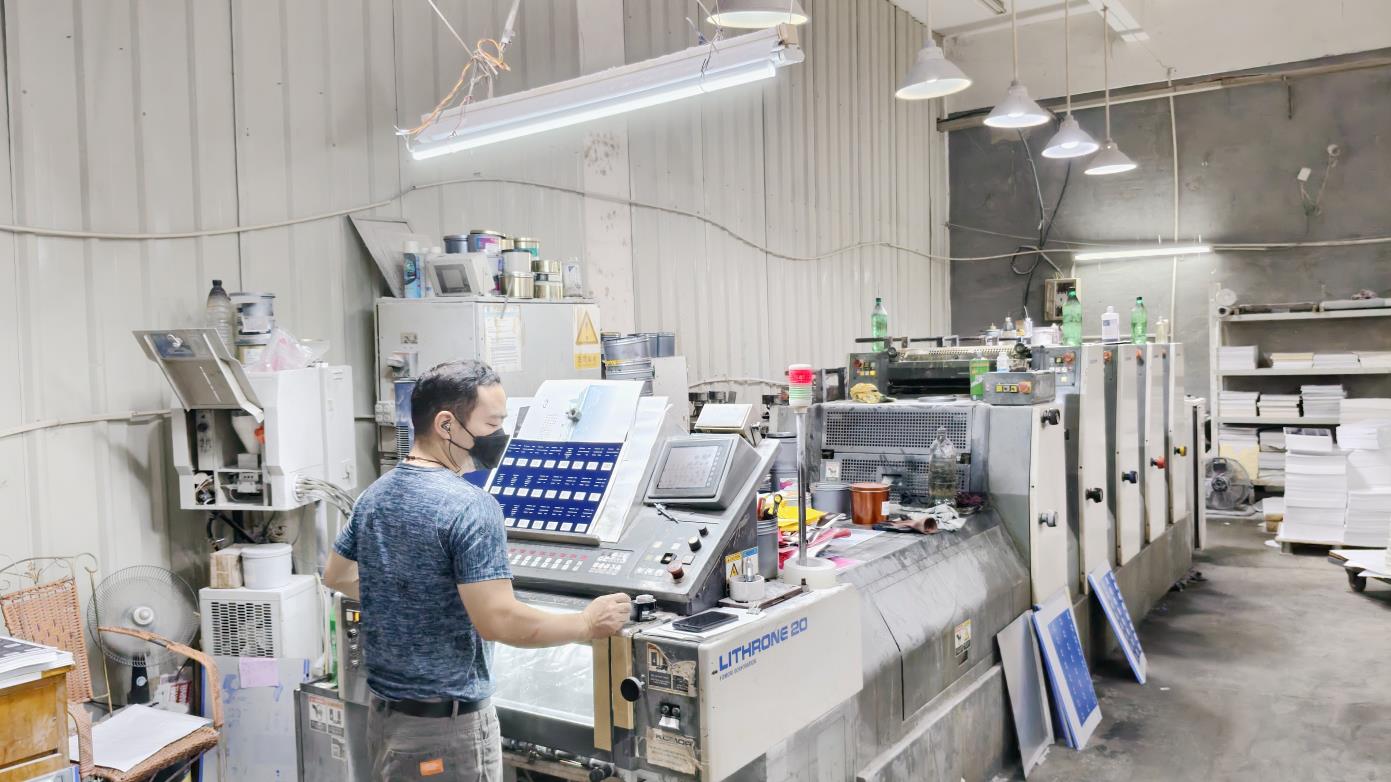
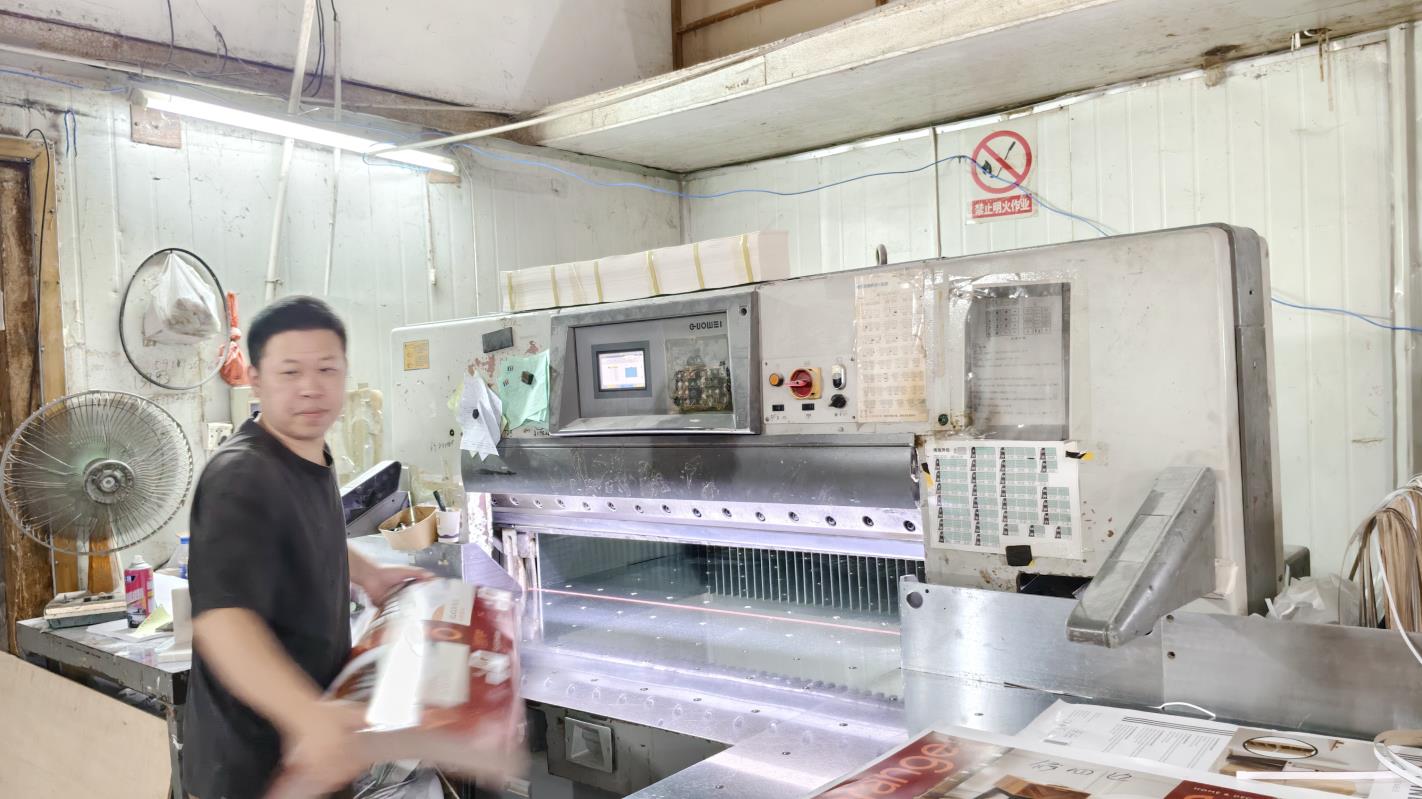
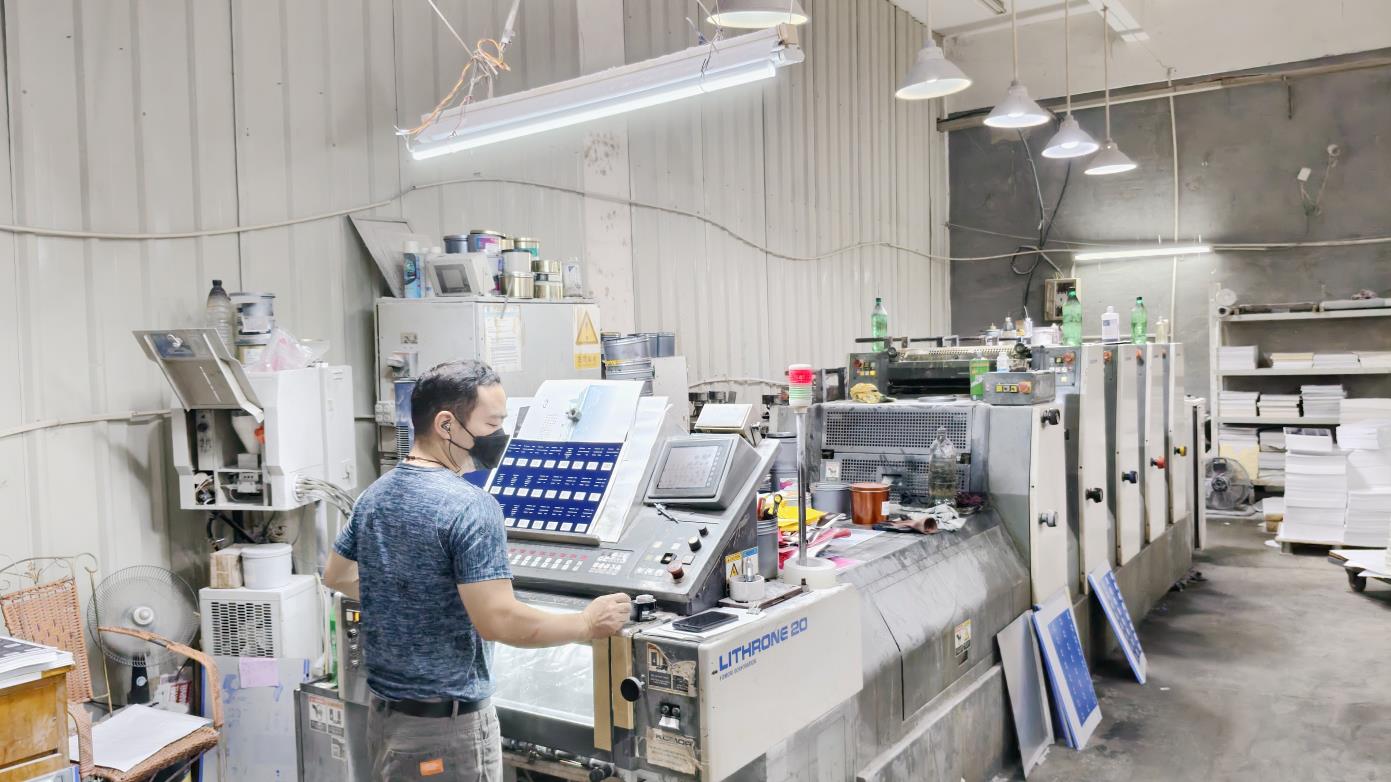
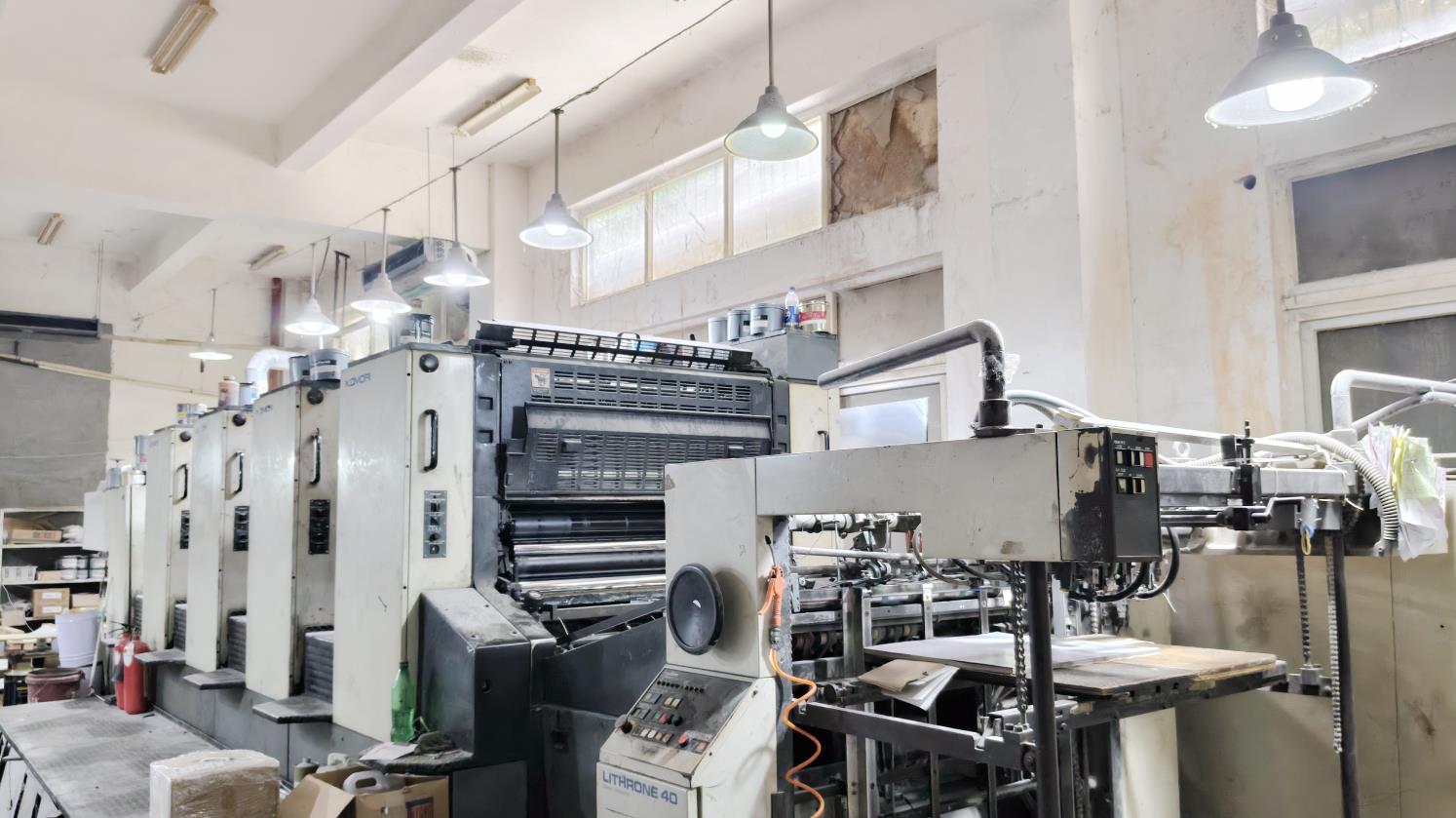
A qualified retail packaging factory should be able to show its printing, finishing, assembly, and inspection environment. These workshop references from the original Buba factory content support the company’s one-roof manufacturing claim.
From Brief to Shipment: A Lower-Risk Custom Packaging Process
A factory that communicates through clear checkpoints is easier to manage than one that only sends a quotation. This six-step workflow keeps structure, artwork, sample approval, production, inspection, and shipping visible.
Brief & dieline
Share dimensions, product weight, quantity, artwork status, target market, and in-hand date. The factory proposes structure and material.
Free 3D mockup
Approve a rendered mockup showing artwork placement, box proportions, opening style, and finishing before a physical sample is made.
Pre-production sample
A physical sample confirms color, paper feel, fit, structural strength, and finishing. This is the control point for mass production.
Mass production
Printing, lamination, foil stamping, embossing, die-cutting, and assembly are executed with inline quality checks.
Final inspection
AQL inspection and photo or video reporting help confirm quantity, appearance, function, and packing before shipment release.
Global shipping
Export packing, carton labeling, and sea, air, or express coordination move the order toward the destination with fewer handoffs.
Frequently Asked Questions About Retail Packaging Manufacturing
These are the practical questions buyers ask most often when comparing custom retail packaging factories, requesting samples, and planning a first bulk order.
What is the minimum order quantity for custom retail packaging?
Most custom mailer boxes, rigid gift boxes, and paper bags start from 100 pieces. Some notebooks start from 50 pieces, while hang tags, flyers, and labels usually start from 200–1,000 pieces depending on size, material, and finishing. Confirm the exact MOQ against your artwork and structure before forecasting inventory.
Do you offer free design support and 3D mockups?
Yes. The in-house design team can provide dielines and a free 3D mockup so buyers can approve structure, artwork position, and finishing before a physical sample is produced. This reduces misunderstanding between a flat artwork file and the final retail pack.
How long do samples and mass production take?
Typical lead time is 3–7 working days for pre-production samples and 10–20 working days for mass production after sample approval. Complex rigid boxes, extensive hand assembly, or large book runs may need longer. The final schedule should always be confirmed in writing with the order.
Which artwork formats and color standards do you accept?
Vector AI, PDF, or EPS files in CMYK with bleed and outlined fonts are preferred. High-resolution PSD or TIFF files at 300 dpi are also accepted. Pantone color matching can be requested, and a physical sample remains the most reliable approval step for brand color.
Can you make recyclable or plastic-free retail packaging?
Yes. Options include recyclable kraft and corrugated board, paper-based inserts instead of plastic, water-based inks on request, and plastic-free tear-strip mailer designs. For regulated markets, request written material details and test reports where applicable.
Is the factory verified by a third party?
Fuzhou Buba Printing Co., Ltd. has been verified onsite by TÜV Rheinland and is listed as a custom manufacturer offering design-based, sample-based, and full customization with onsite material inspection. Buyers should still confirm the current certificate scope and order specifications directly.
Ready to Brief Your Next Retail Packaging Project?
Send your dimensions, product weight, quantity, artwork status, destination country, and target in-hand date. The Buba team can respond with structure suggestions, material options, a dieline, and a free 3D mockup. For buyers comparing a Top 10 Retail Packaging Manufacturer & Factory, this is the fastest way to test engineering fit, communication quality, and commercial transparency before committing to bulk production.
Email: info@bubapack.com · Fuzhou, Fujian, China · Custom boxes, bags, labels, cards, notebooks, catalogs, and books under one roof.