Top 10 Printed Mailer Boxes Factory & Wholesalers
A 2026 buyer’s guide to comparing printed mailer box factories, wholesalers, structural engineering, MOQs, finishing quality and true landed cost.
8 Custom Printed Packaging Products Buyers Request Most
Printed mailer boxes are rarely bought alone. Brand owners often bundle them with rigid gift boxes, retail bags, thank-you cards, business cards and seasonal print. These eight product benchmarks show the material range, finishing depth and customization level a factory-direct supplier should be able to control under one roof.
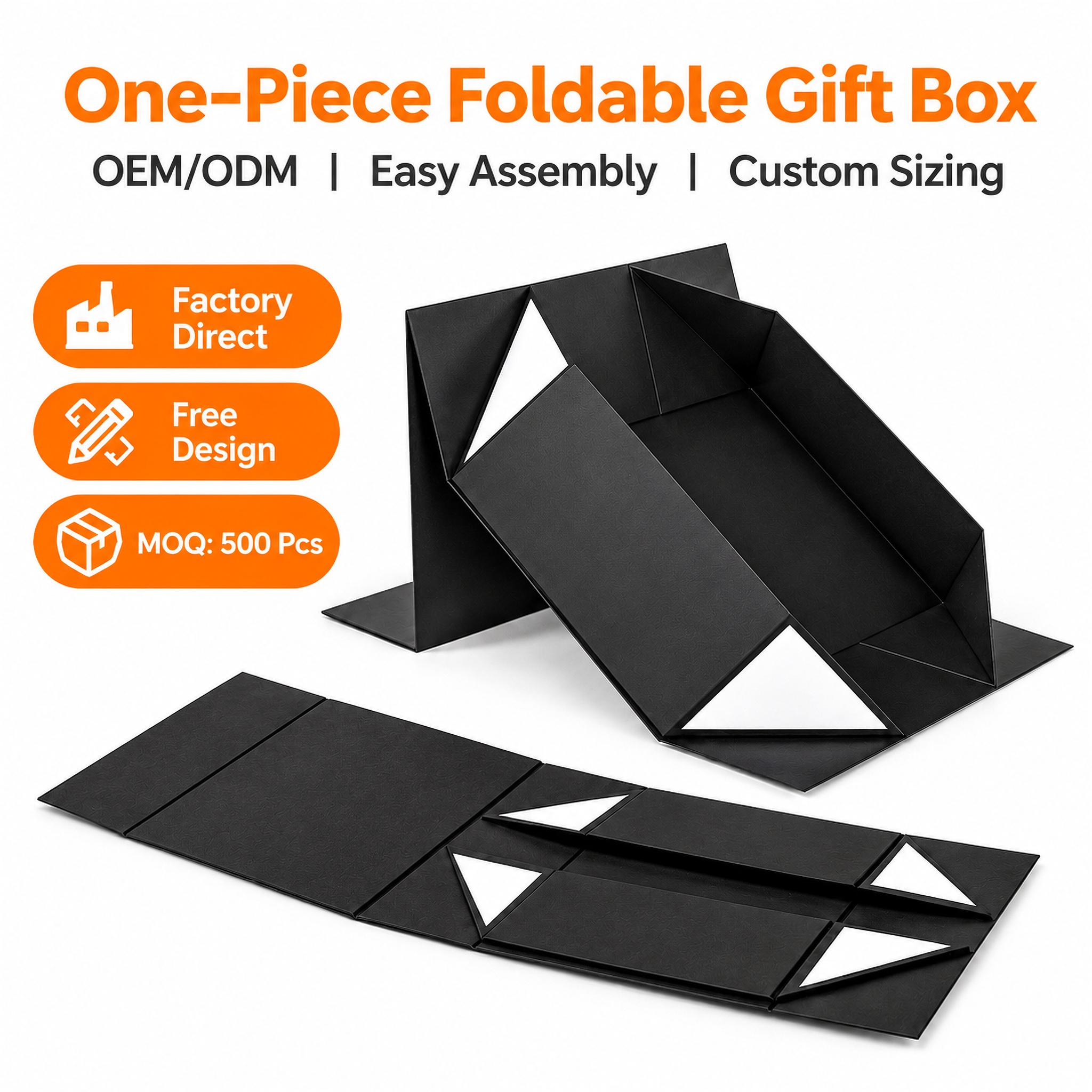
Custom Logo Size Large Small Luxury Folding Hard Rigid Paper Matt Black Collapsible Magnetic Gift Box with Magnetic Closure Lid
A collapsible rigid magnetic box with matt black wrap and magnetic closure, suited to premium gift sets, beauty, electronics and retail unboxing.
View details →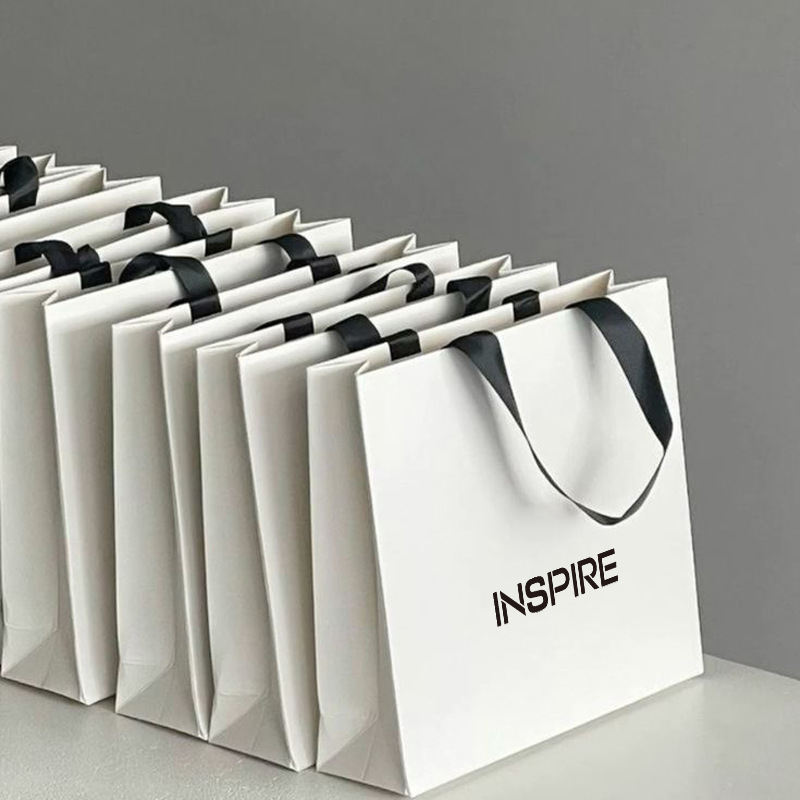
Custom Logo Eco-Friendly Luxury Gift Paper Bag for Jewelry Shoes Necklaces Bracelets and Clothing Packaging
An eco-oriented retail bag with rope or ribbon handle options, designed for jewelry, shoes, necklaces, bracelets and apparel packaging.
View details →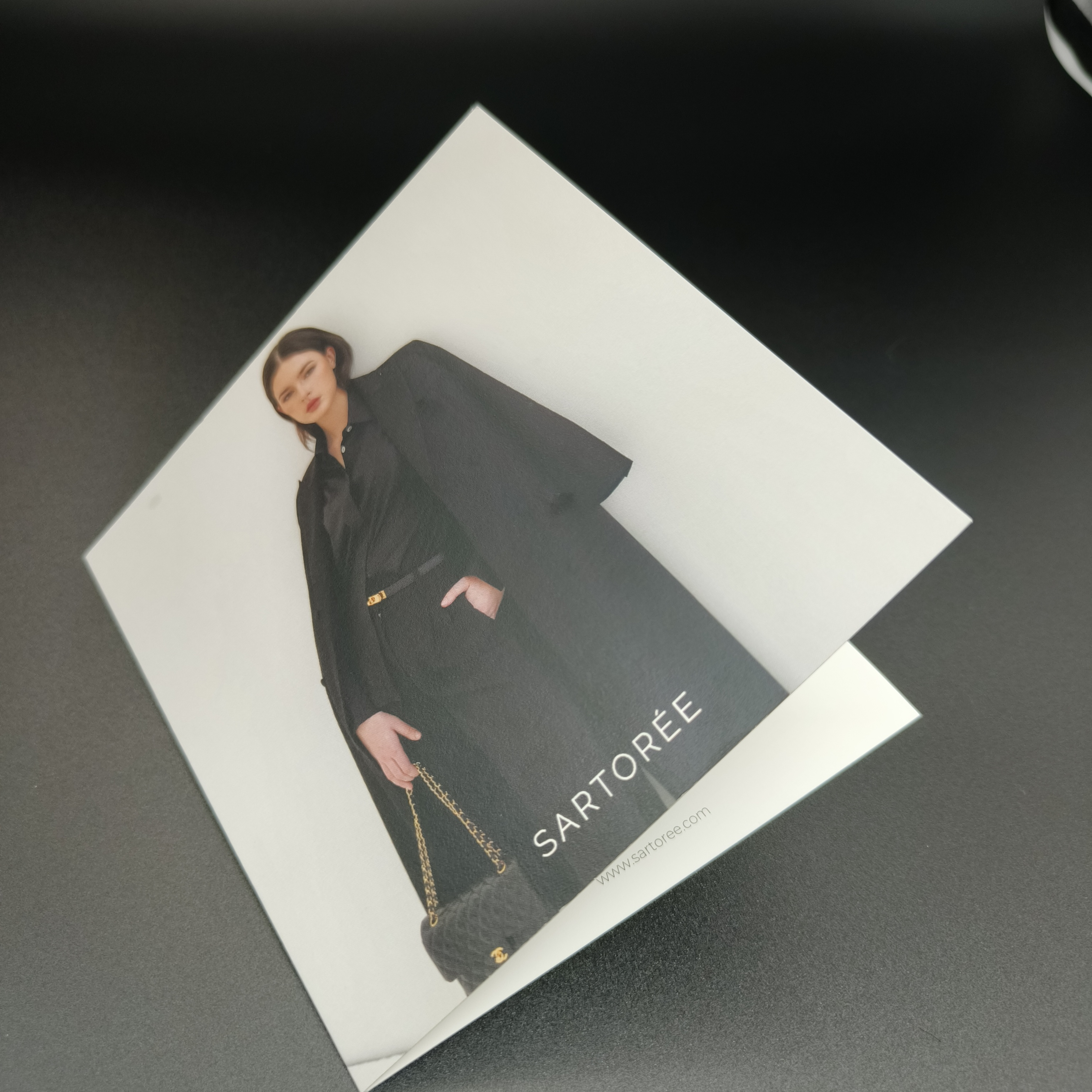
Customized Cards Greeting Cards Support Small Quantity Made Cardboard Paper Offset Thank You Card
Small-quantity offset thank-you cards on cardboard stock, useful for e-commerce inserts, customer care notes and seasonal brand touchpoints.
View details →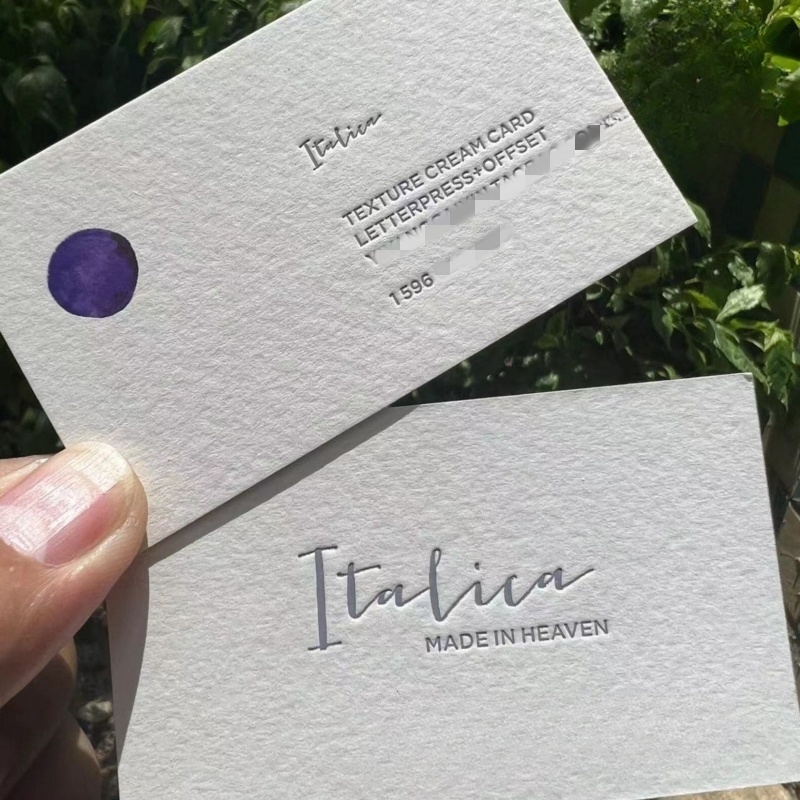
Customized White Kraft Paper Greeting Cards Business Card Offset Paper Hot Stamping for Wedding Invitations Thank You Messages
White kraft greeting cards with hot stamping, suitable for wedding invitations, business notes and thank-you messages requiring a tactile finish.
View details →
Wholesale Custom Gold Stamping Business Cards Professional Relief Business Card High Quality Embossed Business Cards
Professional relief and embossed business cards with gold stamping, created as a tactile premium brand asset for sales and retail teams.
View details →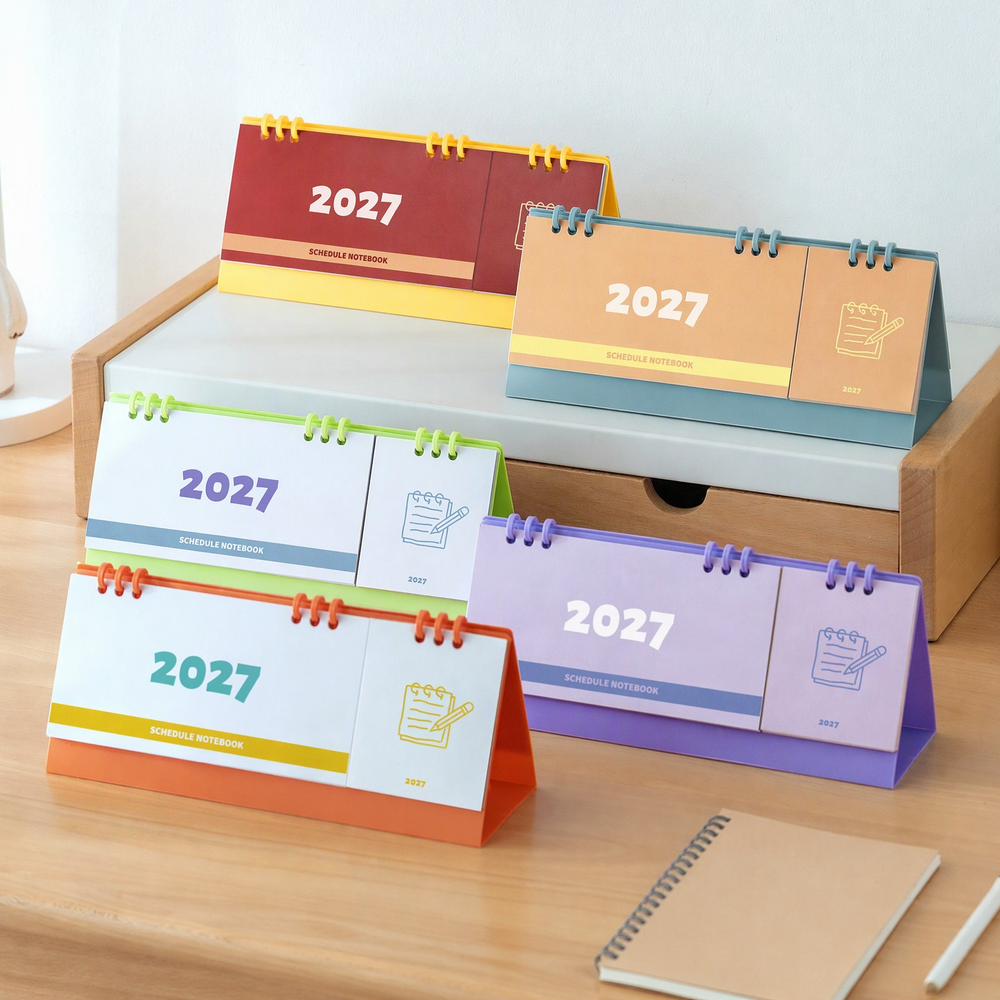
Custom Printing 2027 Art Paper Desktop Calendar Clock Monthly Daily Planner Table Calendar Simple Calendar
A custom art-paper desktop calendar and clock planner with monthly and daily planning layouts, ideal for corporate gifting and retail campaigns.
View details →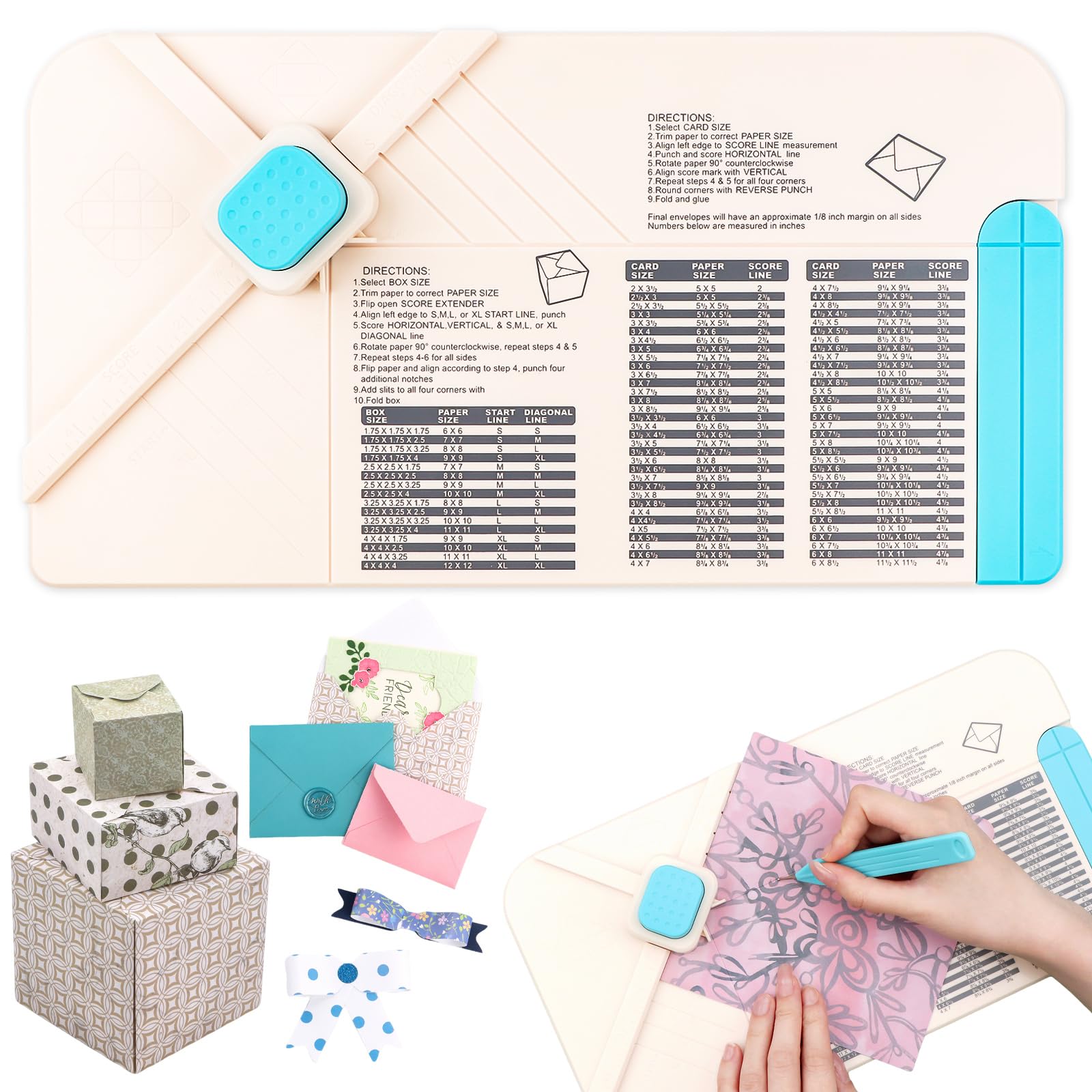
Custom Envelopes, Boxes, and Bows, All-in-one Envelopes Scribe Punches Board with Indentation Pen, Use with Cardstock
An all-in-one envelope, box and bow punch board with indentation pen for cardstock projects, sample development and small-batch presentation.
View details →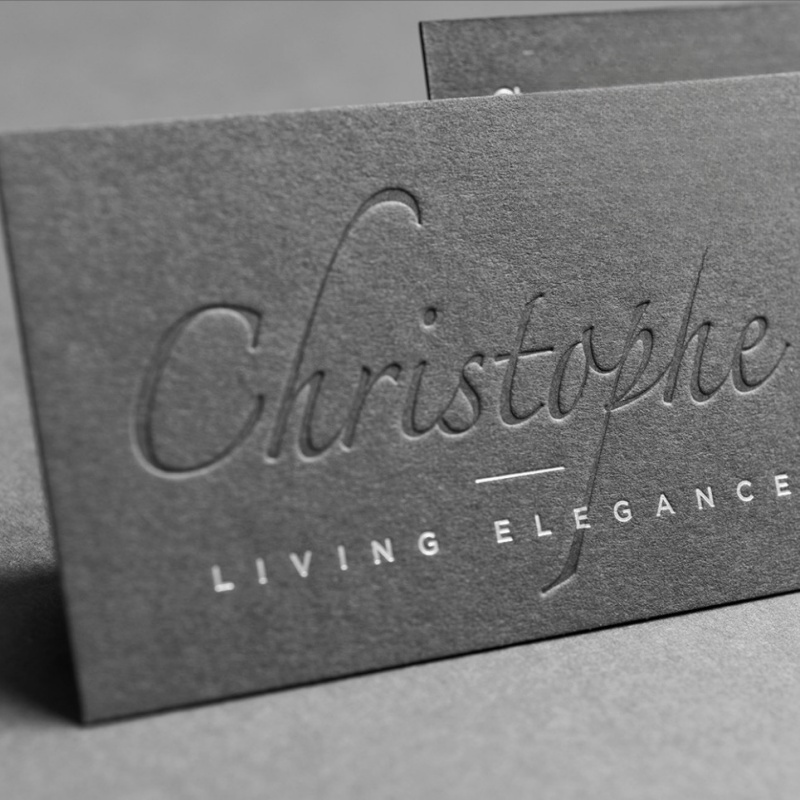
Custom Wholesale Custom Printing Service for Thick Business Cards Luxury Centurion Card Business Cards With Logo
Luxury thick business cards with custom printing and logo options, serving as a benchmark for premium card stock, edge finishing and presentation.
View details →How to Read a “Top 10 Printed Mailer Boxes Factory & Wholesalers” List Without Getting Burned
The search intent behind “Top 10 printed mailer boxes factory & wholesalers” is not casual browsing. A brand owner, e-commerce operations manager or packaging buyer is trying to reduce risk before a first order: can this supplier print the inside and outside of a mailer box, hold brand colour across reprints, provide a dieline that fits the product, and ship without hidden landed-cost surprises? A list is useful only when it gives you a transparent way to compare those answers.
Many top-10 lists rank advertising visibility, not production capability. For printed mailer boxes, the critical difference is control. A factory directly manages or owns corrugated conversion, printing, die-cutting, gluing, finishing and final inspection; a wholesaler may aggregate suppliers but cannot always resolve structure, colour or quality issues at the source. That is why any credible 2026 shortlist should start with evidence: onsite verification, sample performance, inspection records and a clear written specification.
For this guide, we apply an E-E-A-T-led reference standard used in industrial buying: who performed the work, what was verified, which materials and tolerances were documented, and whether the supplier can repeat the result. Fuzhou Buba Printing Co., Ltd. is used as a reference because its public factory profile states 18+ years in paper printing, 2,300 m² of production space, 10+ years of export experience and TÜV Rheinland onsite verification. Those data points are not a substitute for your own due diligence; they show the level of evidence a top-10 candidate should be able to provide.
The 10-Point Factory & Wholesaler Scorecard
Use these ten checks to compare any printed mailer box supplier. A strong candidate should answer with documents, samples and named process owners, not vague assurances.
1. Onsite verification
Confirm third-party inspection of premises, legal status and production capability.
2. Direct printing & finishing
Ask who owns the press, die-cutter and finishing line. Direct control reduces hand-offs.
3. Structural engineering
Demand a dieline and 3D mockup before sampling. Fit and protection come before decoration.
4. MOQ vs scale-up
Check whether low-MOQ trials can move into bulk runs without changing tooling or artwork.
5. Material library
Test E-flute, B-flute, kraft, white liner, greyboard and paper inserts against product weight.
6. Colour control
Confirm Pantone matching, proofing method and inline colour checks across reprints.
7. QC & AQL inspection
Require first-article approval, final AQL inspection and a photo or video report before shipment.
8. Eco compliance
Ask for recyclable board, paper inserts, water-based inks and plastic-free tear-strip options.
9. Export packing
Review carton strength, flat-packing method, palletisation and sea, air or express options.
10. Total landed cost
Compare unit price plus tooling, samples, freight, dimensional weight and rework risk.
Factory vs Wholesaler: Where Your Money Actually Goes
The cheapest unit price is not always the lowest landed cost. A factory-direct printed mailer box can be engineered to reduce dimensional weight, choose the right flute grade and flat-pack for lower container cost.
At the quotation stage, a wholesaler may appear simpler because it bundles products. But complexity moves elsewhere: unclear dieline ownership, slower approval cycles, limited colour correction and less control over final inspection. For recurring mailer box programmes, those hidden costs often exceed the difference in unit price. The most useful comparison is total landed cost per shipped order: unit price + tooling or dieline + sample cost + freight + damage or rework + inventory risk.
Use the chart below as a discussion prompt with any supplier. A strong factory should be able to explain where it has full control and where it relies on partners — without vague claims.
Printed Mailer Box Trends That Will Define 2026–2028
The mailer box is becoming a fulfilment tool, a brand medium and a sustainability statement at the same time. These six product trends are already influencing briefs from DTC brands, subscription programmes and retail packaging teams.
Plastic-free tear strips
Brands are replacing plastic opening aids with paper-based tear strips and self-sealing corrugated structures that remain recyclable.
Right-sized packaging
Dimensional-weight rules are pushing brands to engineer smaller mailer boxes without reducing protection for fragile products.
Mono-material recyclability
Paper inserts, water-based inks and minimal mixed materials simplify recycling and help brands explain disposal clearly.
Digital variable-data print
Short runs, regional editions and personalised inserts make digital printing a practical complement to offset production.
Premium tactile finishes
Soft-touch lamination, blind embossing, spot UV and foil accents are being used selectively to create a memorable unboxing moment.
Connected packaging
QR codes, batch codes and care instructions turn printed mailer boxes into a channel for reordering, authenticity and recycling guidance.
Procurement Trends: How Brands Will Buy Mailer Boxes Differently
Buying behaviour is shifting from “find a low quote” to “verify a repeatable supply chain”. These six procurement changes favour factories that can document capability and support small, frequent replenishment.
Verification-first sourcing
Procurement teams are placing onsite verification, audit evidence and sample traceability before price negotiation.
Lower MOQ, frequent replenishment
Brands launch in smaller batches, test markets and reorder faster. MOQ flexibility matters more than a single bulk discount.
Landed-cost modelling
Freight volatility makes landed-cost models essential. Flat-packing, board grade and carton dimensions all affect the final number.
Dual-source risk management
Even loyal buyers qualify a second source for artwork, dielines and core materials to protect seasonal launches.
Compliance documentation
Retail and marketplace sellers increasingly request material declarations, recyclability notes and batch-level inspection records.
Design for fulfilment
Packaging is being co-designed with warehouse automation, shelf-ready requirements and returns handling from the start.
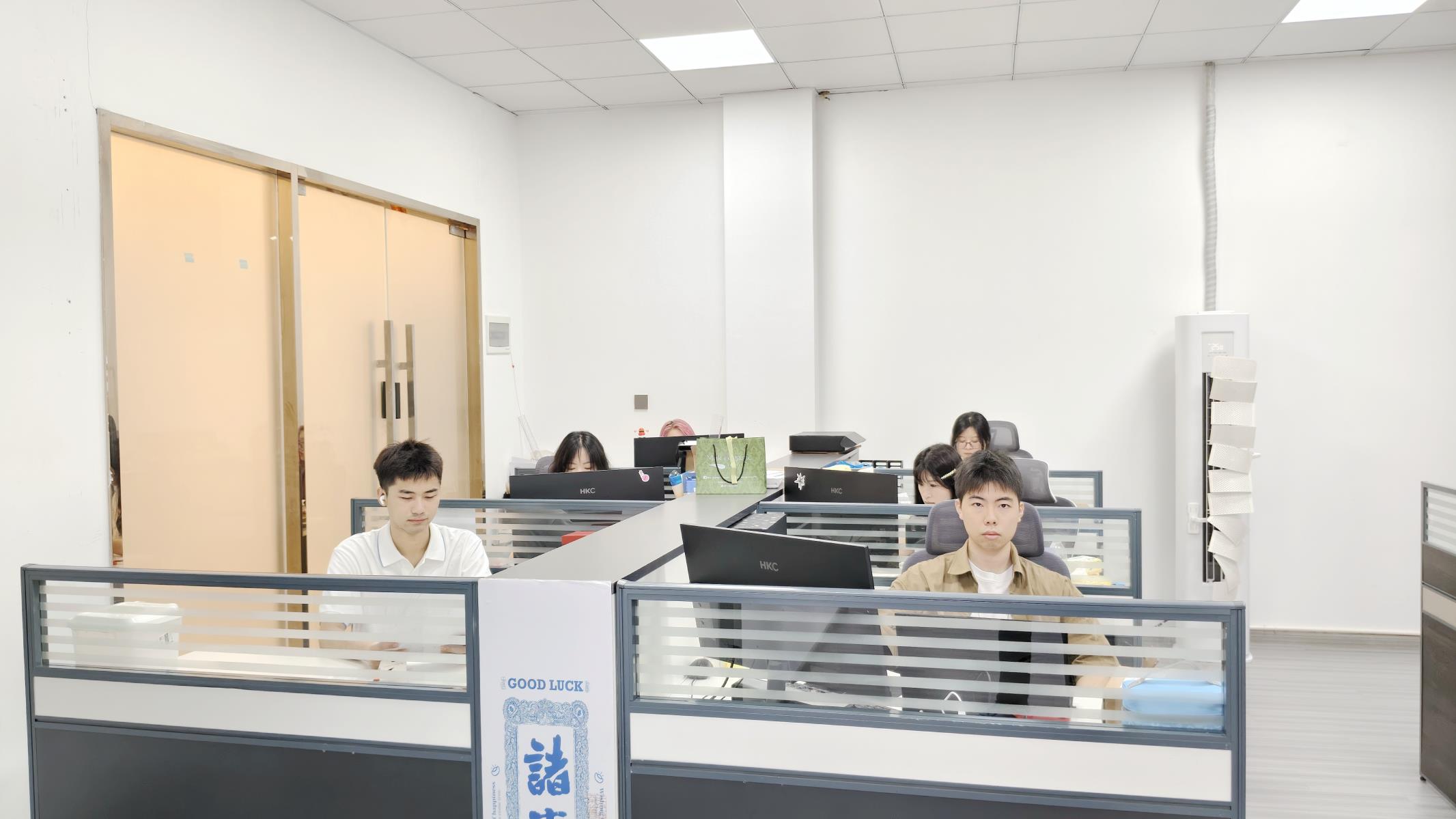
Inside a Verified Mailer Box Manufacturer: The Buba Reference Standard
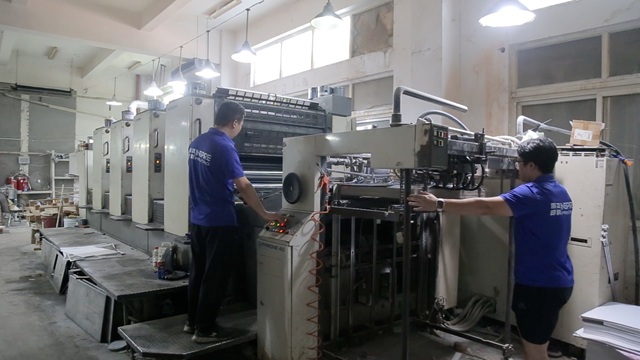
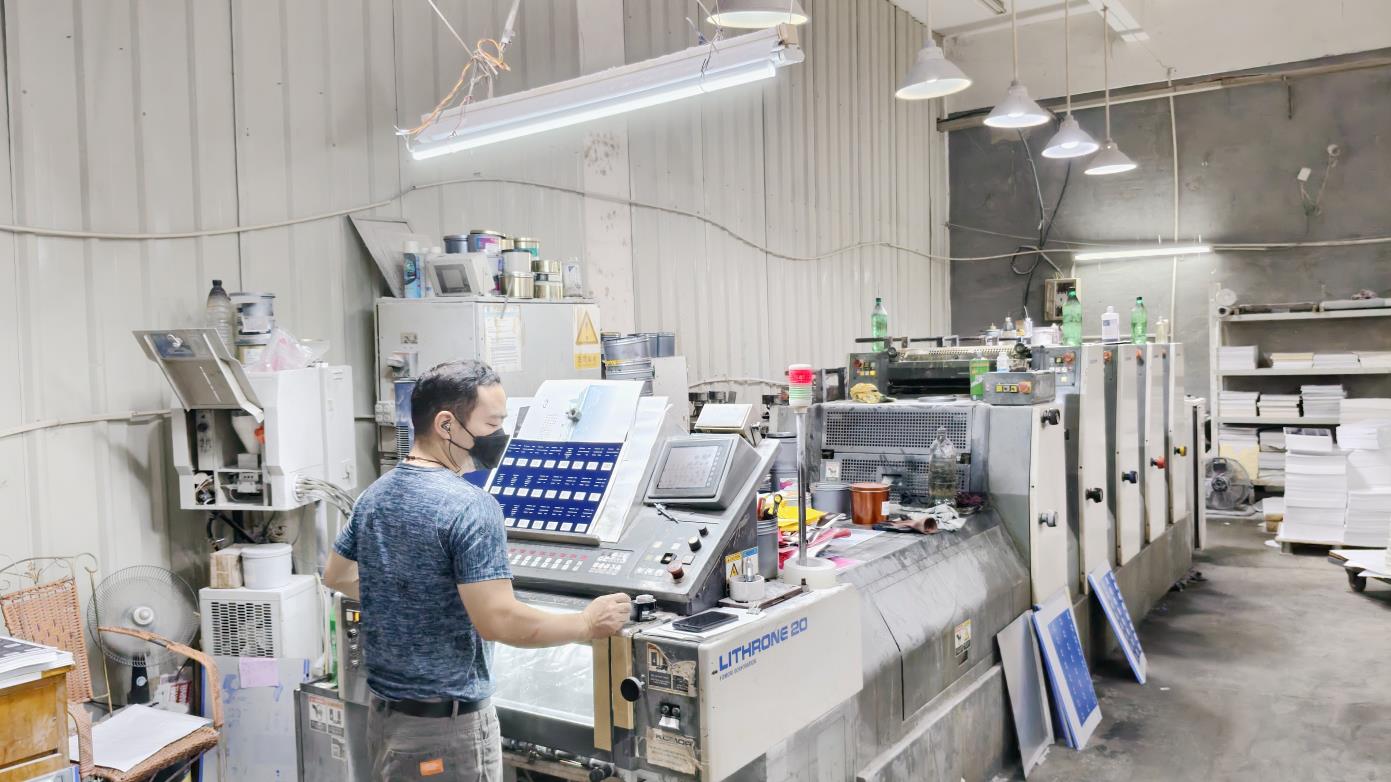
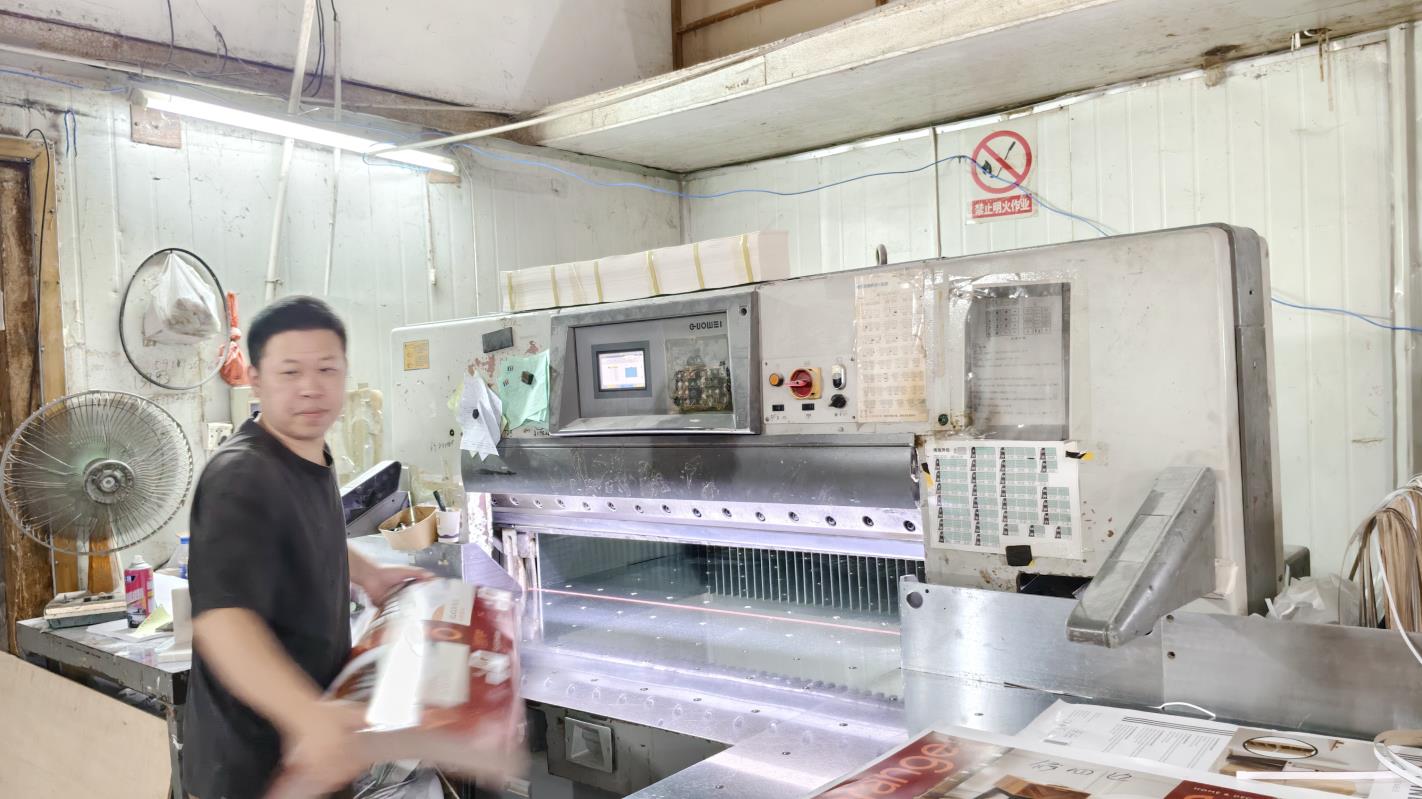
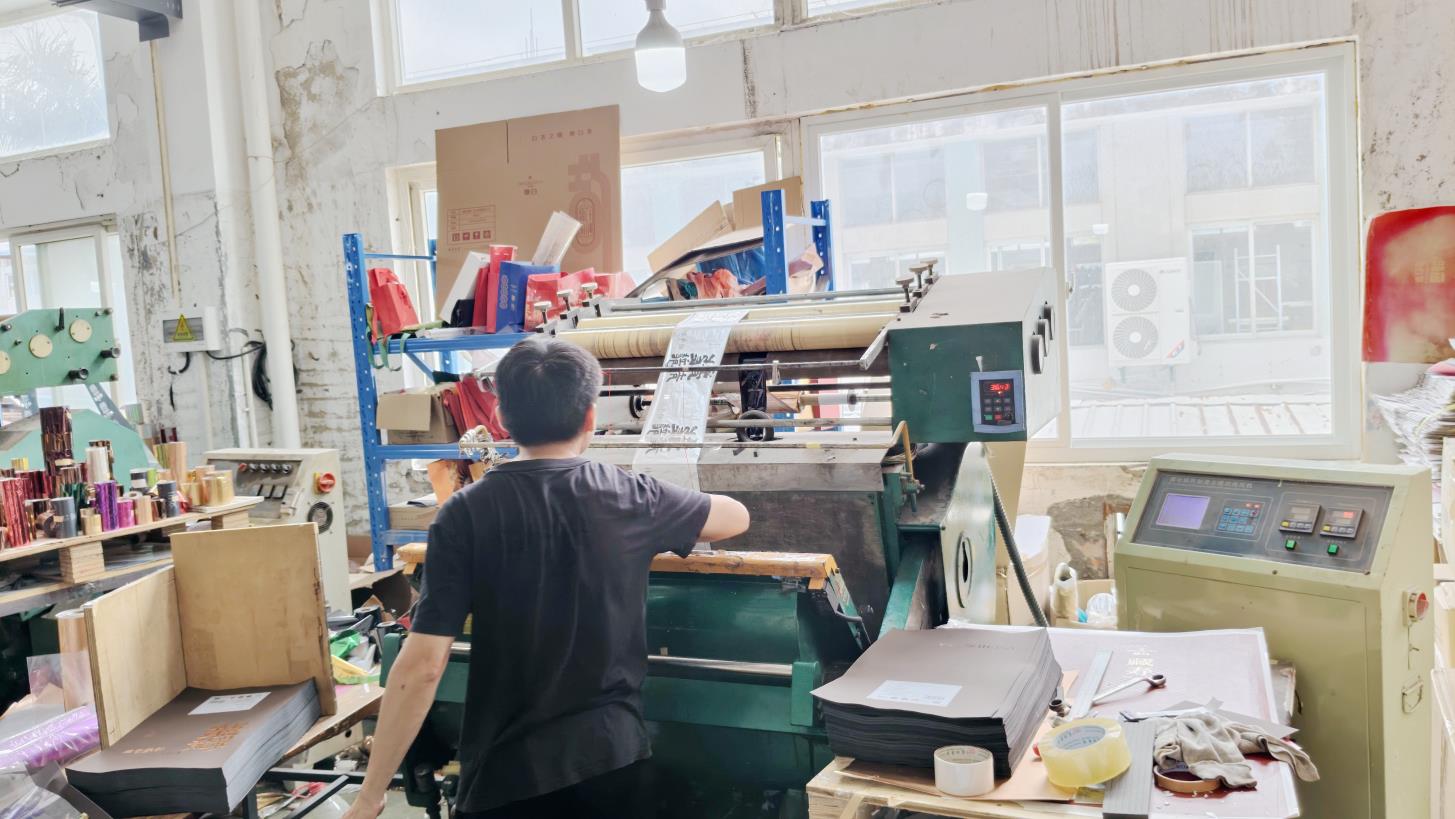
Fuzhou Buba Printing Co., Ltd. is a custom manufacturer of paper packaging and commercial print based in Fuzhou, Fujian, China. Its stated capability covers structural design, prepress, offset and digital printing, foil stamping, embossing, lamination, die-cutting and hand assembly under one accountable workflow — an important advantage when printed mailer boxes must match gift boxes, paper bags and cards in the same brand programme.
The factory profile lists 18+ years of paper-printing experience, 2,300 m² of production space, 10+ years of export expertise, OEM and ODM services, onsite material inspection and a 4.6/5 verified buyer rating. Its premises and capability have been verified onsite by TÜV Rheinland, and it is presented as a Custom Manufacturer offering design-based, sample-based and full customization.
- TÜV Rheinland onsite verification
- Free dieline & 3D mockup support
- MOQs from 100 pcs on many items
- In-house foil, emboss, spot UV and lamination
- Incoming material checks and AQL final inspection
- Recyclable kraft, corrugated and paper inserts
- Export-grade cartons and flat-packing
- Sea, air and express shipping support
Materials, Board Grades & Finishes at a Glance
Use this reference to brief a printed mailer box project faster. Final specifications should always be confirmed in writing and on a pre-production sample before mass production.
| Product | Typical Material | Board / Paper Weight | Popular Finishes | MOQ From |
|---|---|---|---|---|
| Printed Mailer Box | E-flute or B-flute corrugated, white or kraft liner | 1.5–3 mm board | CMYK inside & out, matte/gloss lamination, spot UV, tear strip | 100 pcs |
| Rigid Magnetic Gift Box | Greyboard wrapped in art or specialty paper | 1200–2000 gsm greyboard | Foil stamping, embossing, magnetic flap, EVA or paper inserts | 100 pcs |
| Folding Gift Box | SBS / C1S ivory board, kraft board | 300–400 gsm | Soft-touch lamination, window patch, double-door structure | 100 pcs |
| Paper Shopping Bag | Kraft paper, art paper, white cardstock | 120–250 gsm | Rope or ribbon handle, zipper top, gold foil, embossed logo | 100 pcs |
| Hang Tags & Labels | Thick cardstock, self-adhesive paper | 300–800 gsm / adhesive stock | 3D embossing, letterpress, die-cut shapes, waterproof film | 200 pcs |
| Catalogs & Books | Coated art paper, offset paper, duplex board | 105–157 gsm text · 200–350 gsm cover | Saddle-stitch, perfect, spiral or hardcover binding | 100 pcs |
Ranges shown are typical production options. Complex rigid boxes, large book runs or special finishes may require different tooling and lead times.
A Better Printed Mailer Box Brief: What to Send
A clear brief shortens sampling and prevents costly revisions. Send these three groups of information with your inquiry and ask for a written specification back.
1. Product protection
- Product dimensions and weight
- Fragility and surface sensitivity
- Required drop or shipping test
- Retail, e-commerce or subscription use
2. Brand and print
- Artwork in AI, PDF, EPS or 300 dpi files
- Pantone or CMYK colour targets
- Inside and outside print requirements
- Foil, emboss, spot UV or window options
3. Commercial and shipping
- Target quantity and reorder forecast
- Destination country and shipping mode
- Required sample date and delivery window
- Compliance or marketplace documentation
Quality Checklist Before You Approve Mass Production
A mailer box can look perfect in a photo and still fail in transit. Tie approval to measurable checks and ask for evidence at each stage.
Incoming material check
Confirm board grade, flute type, paper weight and colour before printing begins.
First-article approval
Sign off the first production piece for dimensions, fold, print position and finishing.
Inline colour control
Check density and brand colour against the approved proof throughout the run.
Structural and drop test
Test product fit, lock strength, tear strip function and shipping protection.
Final AQL inspection
Inspect print defects, glue strength, scuffs and count before export packing.
Photo and video report
Request dated evidence of finished cartons, labels and pallet configuration.
Printed Mailer Boxes, MOQs and Factory Verification FAQ
Direct answers for buyers comparing top printed mailer box factories and wholesalers.
What is the minimum order quantity for printed mailer boxes?
Most custom mailer boxes, rigid gift boxes and paper bags can start from 100 pieces. Some notebooks start from 50 pieces, while hang tags, flyers and labels usually start from 200–1,000 pieces depending on size, material and finishing. Always confirm MOQ per specification rather than per category.
Can you print both the inside and outside of a mailer box?
Yes. Inside-and-outside printing is a common option for corrugated mailer boxes. It is often used for unboxing messages, QR codes, care instructions or repeat brand exposure. Confirm board liner and ink coverage because heavy ink on corrugated board can affect fold quality.
Which corrugated board is best for e-commerce shipping?
E-flute is popular for lighter retail and beauty products, while B-flute or double-wall options may suit heavier or fragile items. The right choice depends on product weight, stacking, drop risk and dimensional-weight targets. Ask for a sample and, where needed, a drop test.
Are printed mailer boxes recyclable?
Paper-based mailer boxes can be designed for recyclability with kraft or corrugated board, paper inserts, water-based inks and plastic-free tear strips. Avoid mixed materials where possible, and ask the supplier to document material combinations and recycling guidance.
How long do samples and mass production take?
A typical lead time is 3–7 working days for pre-production samples and 10–20 working days for mass production after sample approval. Complex rigid boxes, special finishes or large book runs may need longer. The schedule should be confirmed in writing with every order.
Which artwork file formats should I supply?
Vector AI, PDF or EPS files in CMYK with 3 mm bleed and outlined fonts are preferred. High-resolution PSD or TIFF files at 300 dpi are also accepted. Pantone colours can be matched on request, but final colour should be approved on a physical proof or sample.
How do I compare a factory with a wholesaler?
Ask who owns the printing, die-cutting and finishing process, who provides the dieline, who performs final inspection and who is accountable if colour or dimensions fail. Compare total landed cost, not only unit price, and request evidence for any onsite verification claim.
Is the Buba factory independently verified?
Yes. Fuzhou Buba Printing Co., Ltd. states that its factory has been verified onsite by TÜV Rheinland and is listed as a Custom Manufacturer offering design-based, sample-based and full customization with onsite material inspection. Buyers should still review current certificates and order-specific documentation.
Ready to Brief Your Next Printed Mailer Box Project?
Send your size, quantity, artwork and destination. The team can review structure, material and finishing options, then respond with a factory-direct quotation and free 3D mockup support.