What “Top 10” Should Mean When You Compare Printed Cartons Wholesalers
When buyers search for a printed cartons wholesaler, the real intent is rarely just “find a cheap box supplier.” The buyer is usually trying to shortlist a factory that can translate artwork into a production-ready dieline, recommend the right board grade, protect color consistency across repeat orders, and pack the finished cartons for economical export freight. That is why “top 10” should be treated as a due-diligence framework, not a decorative badge. A top-tier wholesaler makes the buying decision easier by giving clear specifications, honest lead times and a sample process that removes surprises before mass production.
The fastest way to compare wholesalers is to ask the same seven questions of every supplier: board grade, print method, finishing capability, MOQ, sample lead time, AQL inspection standard and Incoterms. A quote that ignores these details is not a comparable quote. The strongest information gain comes from suppliers who can explain why a certain paper weight or lamination suits your product weight, shipping method and retail channel — not simply send a price list. Fuzhou Buba Printing Co., Ltd. is built around this factory-direct model: 18 years in paper printing, more than 10 years of export experience, TÜV Rheinland onsite verification, MOQs from 100 pcs on many items, free 3D mockups and one-roof production for printing, finishing, die-cutting and assembly.
Use this guide as a working brief. It combines product recommendations, future procurement trends, product development directions, a 10-point supplier checklist and procurement FAQs so your next RFQ is clearer from the first email.
8 Printed Carton & Paper Product Ideas for Wholesale Programs
These eight products are practical entry points for a mixed wholesale range: luxury gift bags, premium business cards and branded desk calendars share the same prepress, color management and finishing discipline as printed cartons. All can be quoted as design-based, sample-based or full customization projects.
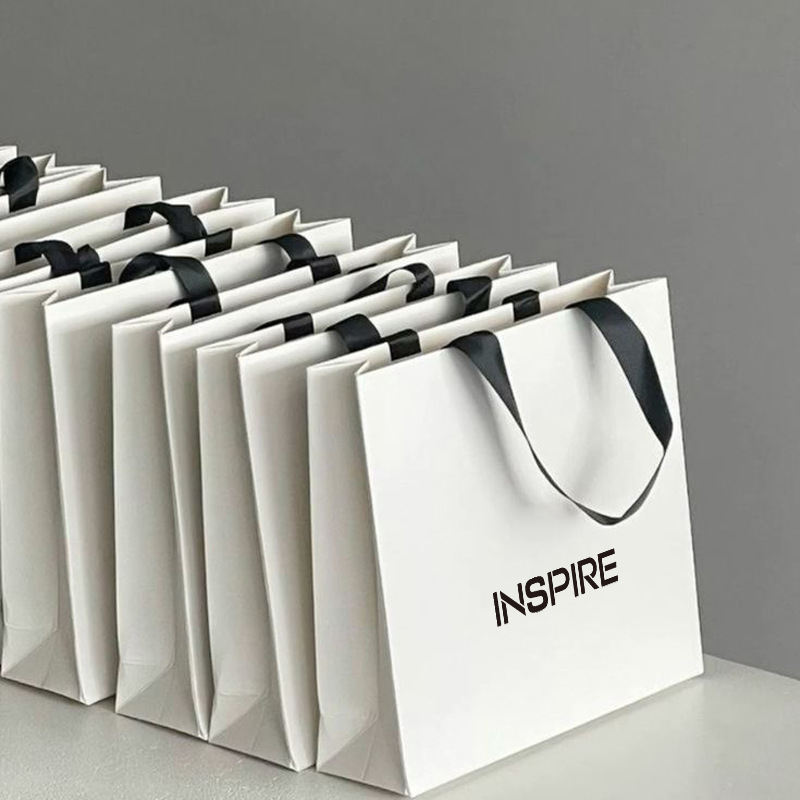
Custom Logo Eco-Friendly Luxury Gift Paper Bag
A retail-ready luxury paper bag for jewelry, shoes, necklaces, bracelets and clothing packaging. Specify kraft or art paper, rope or ribbon handles, gold foil, embossing and matte lamination. A low-risk entry item for boutiques and distributors testing a premium gift packaging range.
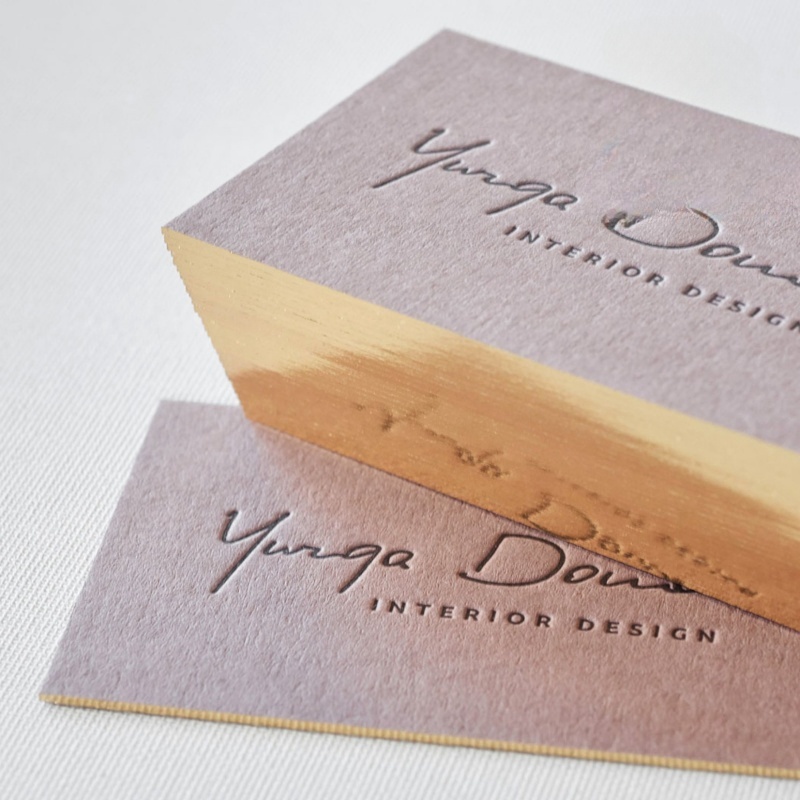
Customized Luxury Embossed Gold-Stamping Business Card
Grey and pink business cards with an eco-friendly paper story, embossed logo and gold stamping. This format suits consultants, beauty brands, boutique hotels and premium service businesses that need high perceived value from a small printed item.
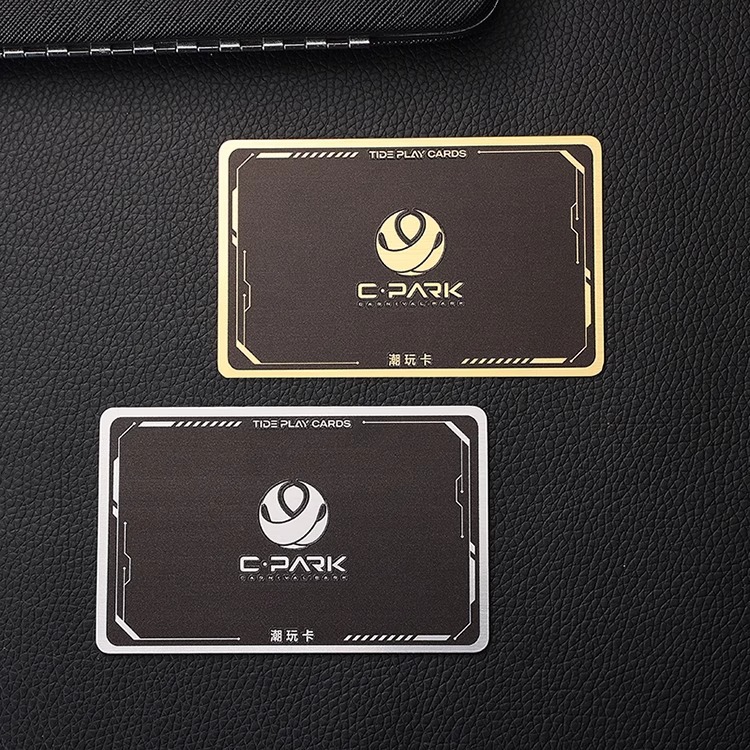
Luxury 3D Textured VIP Loyalty Hairdresser Business Cards
Designed for salons, hairdressers and loyalty programs, these cards use 3D texture and heavy offset paper, cardboard or duplex board. The tactile finish helps the card survive daily handling while making membership and referral details feel more valuable.
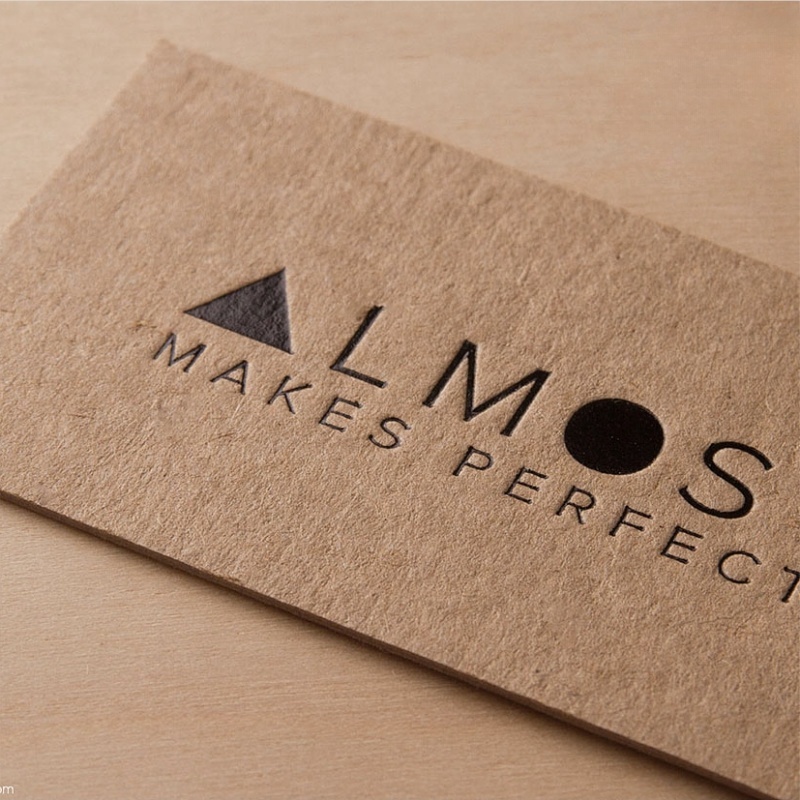
Customized Kraft Paper Duplex Board Laminated Business Card
A natural kraft-look card for brands that want a warm, sustainable visual identity. Lamination, digital printing and mini-format customization allow distributors to offer affordable short runs without losing the premium touch.
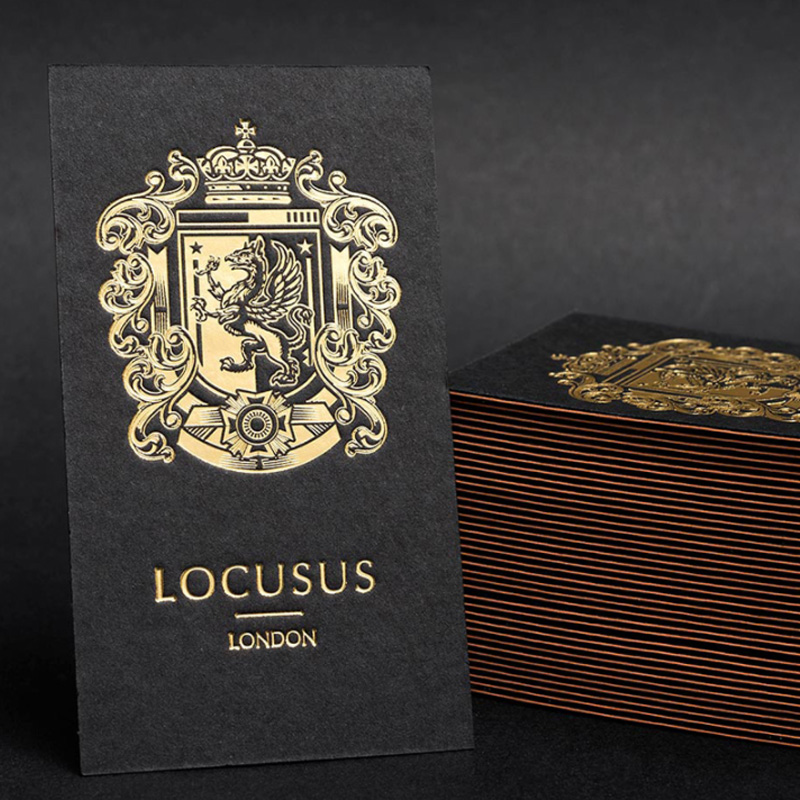
Luxury Hot Stamping Business Card Imported Black Card
Thick imported black board with hot stamping creates strong contrast for luxury brands. Use it for senior executives, private client teams and event invitations where foil detail and board weight matter more than the lowest cost per piece.
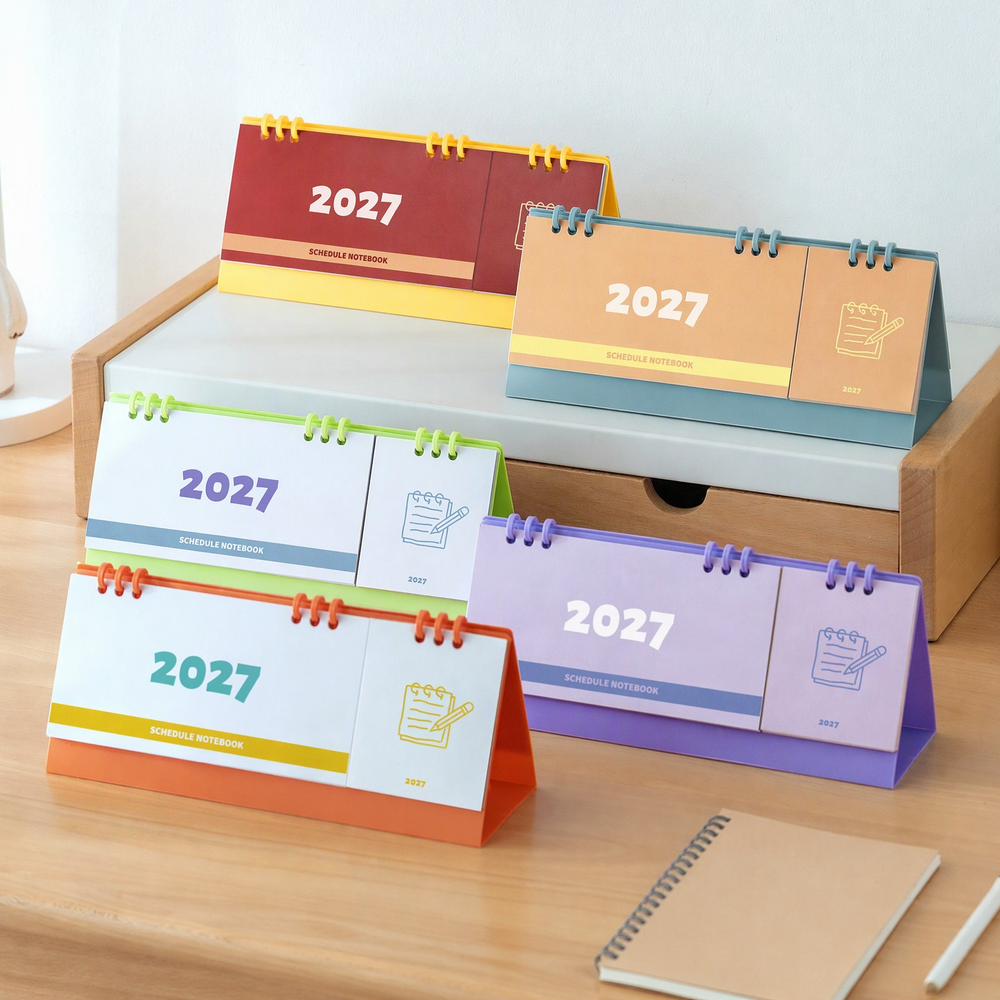
Custom Printing 2027 Art Paper Desktop Calendar Clock Planner
A 2027 desktop calendar and clock planner that doubles as a branded desk gift. Art paper, monthly or daily layouts and custom printing make it suitable for corporate gifting, bank branches, agencies and retail counters. A useful cross-sell for packaging buyers.
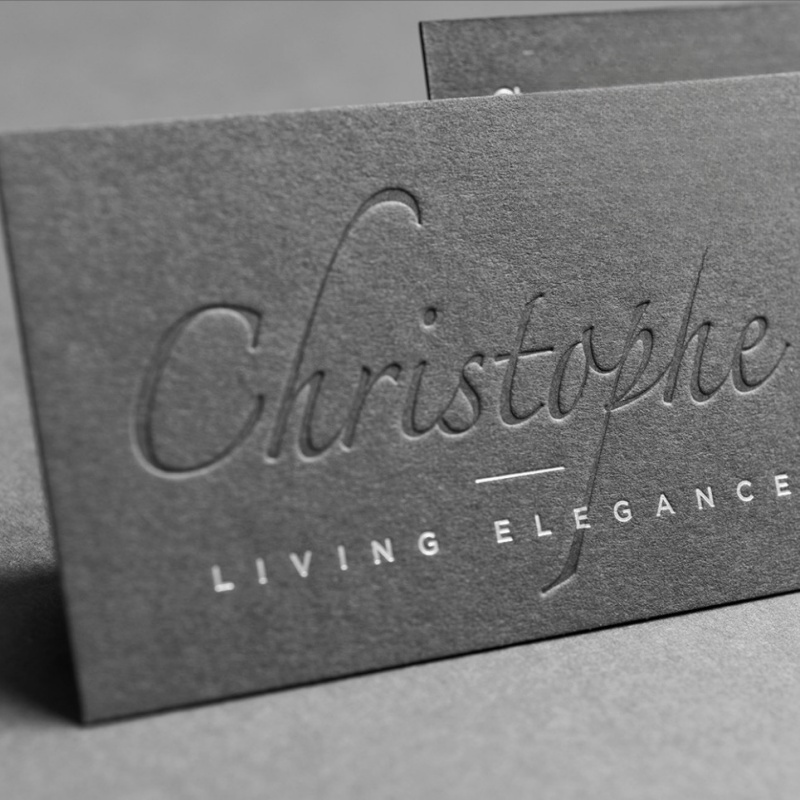
Custom Wholesale Thick Centurion Business Cards with Logo
Ultra-thick business cards for VIP clients, private offices and premium sales teams. Custom logo printing, heavy board and luxury finishing create a card that feels closer to a small printed object than a standard paper card.
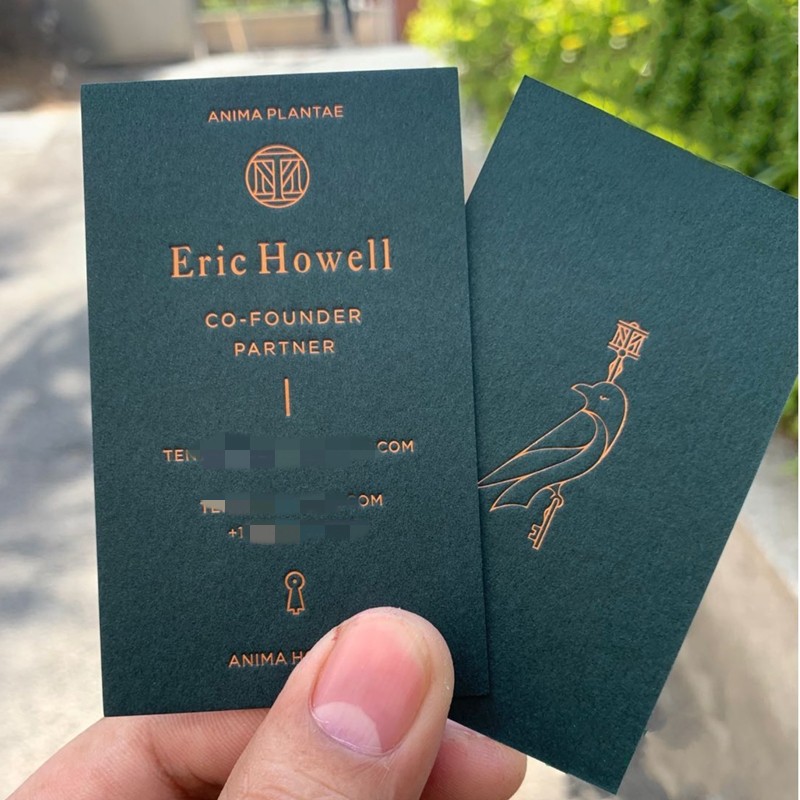
Luxury Custom Kraft Paper Business Card with Foil Edge
Kraft paper digital printing with foil edge and perfect binding details for a refined but natural look. It works well for architects, coffee brands, artisan studios and distributors who want a differentiated card at a practical wholesale quantity.
How Printed Carton Procurement Is Changing
Wholesale buyers are shifting from “price per piece” to total landed cost, speed of iteration and evidence of quality. These six procurement trends are already shaping RFQs.
Freight-Aware Carton Sizing
Buyers are asking factories to optimize carton dimensions, packing ratio and flat-pack efficiency to reduce dimensional weight and damage. A serious wholesaler should quote carton cube and export packing, not only the printed surface.
Landed costLow-MOQ Testing Before Scale
Brands test new SKUs with 100–300 pcs, then scale successful designs. Choose a supplier whose unit economics and quality stay stable from pilot run to repeat bulk order.
Pilot runsDigital Proofing and 3D Approval
Virtual mockups and color-managed PDF proofs reduce time-zone friction. Ask for a dieline and realistic 3D mockup before paying for physical samples; it is faster and safer for remote buyers.
Virtual approvalPlastic-Free and Recyclable Finishing
Paper inserts, recyclable kraft, water-based inks and tear-strip mailer boxes are moving from niche to mainstream. Claims must match the actual material mix and local disposal rules.
Material honestyQuality Data Attached to Every Batch
AQL inspection, photo reports and inline color checks are becoming normal expectations. Transparent QC data lowers claim risk and supports retail compliance for importers and distributors.
AQL reportsConsolidated Paper Programs
Packaging buyers are combining cartons, bags, hang tags, labels, cards, notebooks and calendars with one accountable supplier to reduce communication overhead and shipping complexity.
One-stop supplyWhere Printed Cartons and Paper Products Are Heading Next
Design trends are moving toward tactile luxury, short-run personalization and packaging that works as a content asset as well as a protective shell.
Tactile Luxury Becomes Standard
3D embossing, hot foil, soft-touch lamination, textured paper and foil edges are appearing on more mid-market projects, not only high jewelry. The physical object must feel premium in hand and still look sharp on camera.
Touch & feelConnected Print and QR Experiences
QR codes on inserts, boxes and business cards connect a physical print item to reorder pages, authentication checks, loyalty programs or campaign landing pages. Design must leave a quiet zone and a secure print area.
PhygitalRetail-Ready Unboxing
Inside printing, magnetic closures, tear strips, custom inserts and thank-you cards are being planned together. The packaging design affects fulfillment speed, return rates and user-generated content.
UnboxingLightweight Board Engineering
Better flute selection and structural design can reduce material use without sacrificing protection. That lowers freight and supports sustainability targets, but it requires real sample testing rather than guesswork.
Right-weightShort-Run Versioning
Regional editions, seasonal gift bags, personalized cards and branded calendars are increasingly ordered in shorter runs. Digital printing and smart prepress make version changes affordable for distributors.
PersonalizationCross-Category Brand Kits
Cartons, paper bags, hang tags, business cards, notebooks and desk calendars are being planned as one coordinated kit. Consistent paper, color and finishing create a stronger brand system and simplify purchasing.
Brand kit10 Signals That Separate Top-Tier Printed Cartons Wholesalers
Use these signals to shortlist suppliers before you send artwork. They are deliberately practical: each one can be verified with a question, document or sample.
Third-Party Verification
Look for onsite verification by a recognized body such as TÜV Rheinland and clear custom-manufacturer status.
In-House Prepress
Dieline creation, artwork checks and color separation reduce errors and speed up sampling.
Material Range
Kraft, corrugated, greyboard, SBS, duplex board and specialty paper options indicate real production breadth.
MOQ Transparency
Clear thresholds — for example from 100 pcs on many items — help buyers test without overcommitting.
Sampling Discipline
A pre-production sample should match the chosen board, print method, color and finishing, not a generic demo.
Finishing Depth
Foil, emboss, spot UV, lamination, die-cutting, window patching and letterpress should be controlled under one roof.
Quality Control
Incoming material checks, first-article approval, inline color checks and final AQL inspection with photo reports.
Export Packing
Export-grade cartons, flat packing, labeling and pallet planning protect the print run and reduce freight waste.
Compliance Evidence
Recyclable material options, product certificates and honest sustainability wording matter more than a green logo.
Communication Speed
One clear point of contact, written lead times, line-item quotes and English-language technical support.
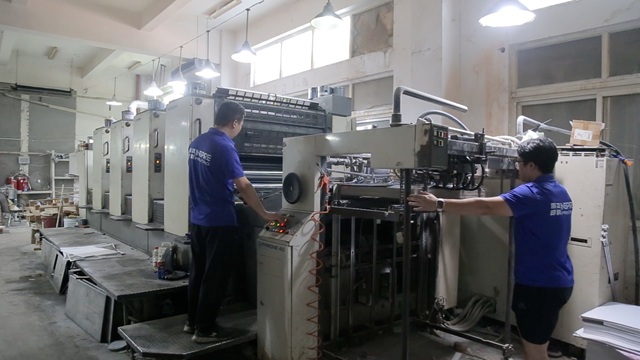

Why Buba Pack Is Built for Wholesale Buyers
Fuzhou Buba Printing Co., Ltd. is a custom manufacturer of paper packaging and commercial print based in Jianxin Town, Fuzhou, Fujian, China. The team has spent 18 years in paper printing, and for more than a decade has shipped mailer boxes, rigid gift boxes, paper bags, labels, cards, notebooks and catalogs to brand owners, e-commerce sellers and distributors worldwide. The factory has 2,300 m² of production space and a 4.6/5 verified buyer rating.
Every project is handled under one roof — structural design, prepress, offset and digital printing, foil stamping, embossing, lamination, die-cutting and hand assembly — so buyers deal with one accountable supplier instead of a chain of subcontractors.
- TÜV Rheinland onsite-verified
- Quality-management certified
- OEM & ODM services
- Onsite material inspection
- Design & sample-based customization
- Recyclable paper options
TÜV Rheinland Onsite-Verified
Independent onsite verification of premises, legal status and production capability gives first-time buyers a starting layer of trust.
18+ Years in Paper Printing
Long production experience plus 10+ years of export work means fewer surprises in board selection, packing and shipping.
Free Dieline & 3D Mockup
In-house designers build the dieline and a 3D render so you can approve fit and artwork position before paying for samples.
Low-MOQ Wholesale Model
Start from 50–100 pcs on many items to test a market, then scale to bulk runs without changing suppliers or re-approving the print process.
Premium Finishing In-House
Hot foil, blind and 3D embossing, spot UV, soft-touch and holographic lamination, letterpress and window patching are controlled in one workflow.
Verified Quality Control
Incoming material checks, first-article approval, inline color checks and final AQL inspection with photo reports protect repeat orders.
Eco-Friendly Material Options
Recyclable kraft and corrugated board, paper inserts instead of plastic, water-based inks and plastic-free tear-strip mailer boxes are available on request.
Export-Ready Logistics
Export-grade cartons, flat-packing to cut freight, and sea, air or express shipping supported by 10+ years of export experience.
Materials, Board Weights and Finishes at a Glance
Use this reference to brief your project faster. Final specifications should always be confirmed in writing and on a pre-production sample.
Corrugated Mailer Cartons
Material: E-flute or B-flute corrugated board, white or kraft liner; 1.5–3 mm board.
Finishing: CMYK inside and out, matte or gloss lamination, spot UV, tear strip.
MOQ from 100 pcsRigid Magnetic Gift Boxes
Material: 1200–2000 gsm greyboard wrapped in art or specialty paper.
Finishing: Foil stamping, embossing, magnetic flap, EVA or paper inserts.
MOQ from 100 pcsFolding Gift Cartons
Material: 300–400 gsm SBS, C1S ivory board or kraft board.
Finishing: Soft-touch lamination, window patch, double-door structure.
MOQ from 100 pcsPaper Shopping Bags
Material: Kraft paper, art paper or white cardstock; 120–250 gsm.
Finishing: Rope or ribbon handle, zipper top, gold foil, embossed logo.
MOQ from 100 pcsCards, Hang Tags & Labels
Material: 300–800 gsm cardstock or self-adhesive label stock.
Finishing: 3D embossing, letterpress, die-cut shapes, waterproof film.
MOQ from 200 pcsCalendars, Notebooks & Catalogs
Material: 105–157 gsm text paper with 200–350 gsm cover stock.
Finishing: Saddle-stitch, perfect, spiral or hardcover binding.
MOQ from 100 pcsHow a Wholesale Printed Carton Order Moves Through the Factory
A transparent process with a sign-off at every stage reduces rework and protects your delivery date.
Brief & Dieline
Share size, product weight, quantity and artwork; the team proposes structure and material.
Free 3D Mockup
Approve a rendered mockup with exact artwork placement before sampling.
Pre-Production Sample
A physical sample confirms color, fit, board and finishing.
Mass Production
Printing, finishing and assembly with inline color control.
Final Inspection
AQL check with photos and video shared before shipment.
Global Shipping
Export packing and sea, air or express delivery to your destination.
Frequently Asked Questions About Printed Cartons Wholesale
These are the questions overseas buyers ask most often when comparing printed carton and paper packaging suppliers.
What is the minimum order quantity for printed cartons and paper packaging?
Most custom mailer boxes, rigid gift boxes and paper bags start from 100 pieces. Some notebooks start from 50 pieces, while hang tags, flyers, labels and business cards usually start from 200–1,000 pieces depending on size and finishing. Always confirm the item-specific MOQ in writing before you build a cost sheet.
Do you provide free design support and 3D mockups?
Yes. The in-house design team provides dielines and a free 3D mockup so you can approve structure, artwork position and finishing before sample production. For complex rigid boxes or multi-piece packaging kits, ask for a physical pre-production sample before mass production.
How long do samples and mass production take?
Typical lead time is 3–7 working days for pre-production samples and 10–20 working days for mass production after sample approval. Complex rigid boxes or large book runs may need longer; the schedule is confirmed in writing with every order. Plan extra buffer around peak season and Chinese New Year.
Which artwork files and color standards do you accept?
Vector AI, PDF or EPS files in CMYK with 3 mm bleed and outlined fonts are preferred. High-resolution PSD or TIFF files at 300 dpi are also accepted. Pantone colors can be matched on request. For repeat orders, keep the approved proof and signed sample as your color reference.
Can printed cartons and packaging be eco-friendly or recyclable?
Yes. Recyclable kraft and corrugated board, paper-based inserts instead of plastic, water-based inks and plastic-free tear-strip mailer boxes are available. Discuss disposal claims with your compliance team, because material mix and local recycling rules affect how a product can be described.
How should I compare quotes from different wholesalers?
Compare identical specifications: board grade, print process, finishing, sample cost, MOQ, packing ratio, carton size, Incoterms (EXW or FOB), lead time, AQL standard and shipping port. A low unit price can hide thinner board, a smaller print area or expensive freight. Ask for a line-item quote and pre-production sample.
Request a Printed Carton Wholesale Quote
Send dimensions, board preference, quantity, artwork status and destination. The team will reply with a structure proposal, material recommendation and free 3D mockup path for your project.
Email: info@bubapack.com · Factory-direct from Fuzhou, Fujian, China · TÜV Rheinland onsite-verified