8 Buyer-Ready Paperboard & Custom Packaging Products
Paperboard boxes are rarely bought alone. Buyers often source rigid boxes, gift bags, greeting cards, stickers and seasonal formats together. Images are shown in full proportion; every product link below preserves the original product URL.
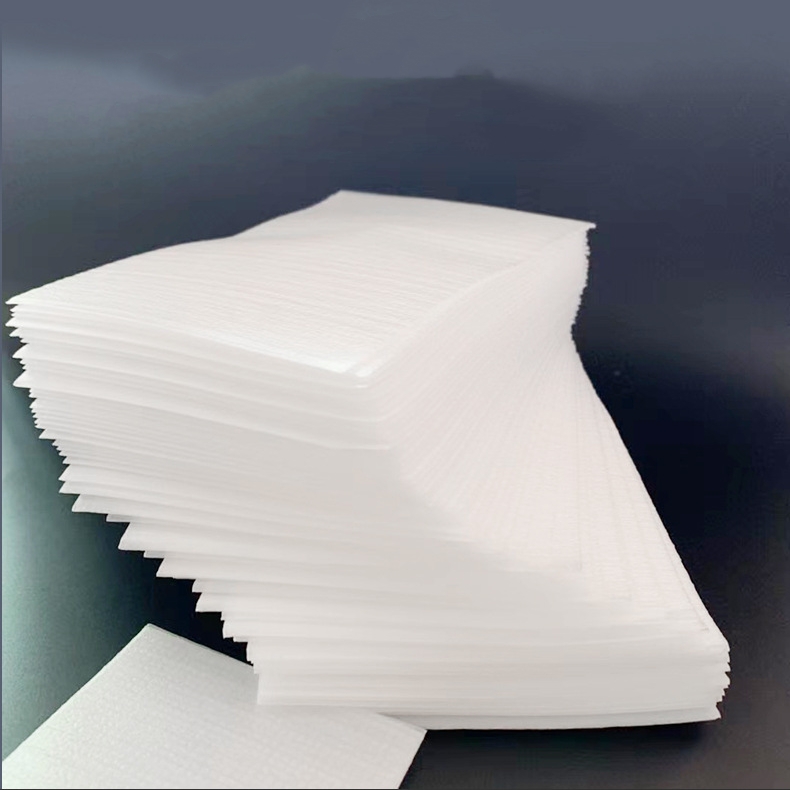
Custom Shockproof EPE Foam Pouch Bags
Waterproof, shockproof EPE protective packaging for delicate products, often paired with rigid paperboard boxes, inserts and e-commerce kits.
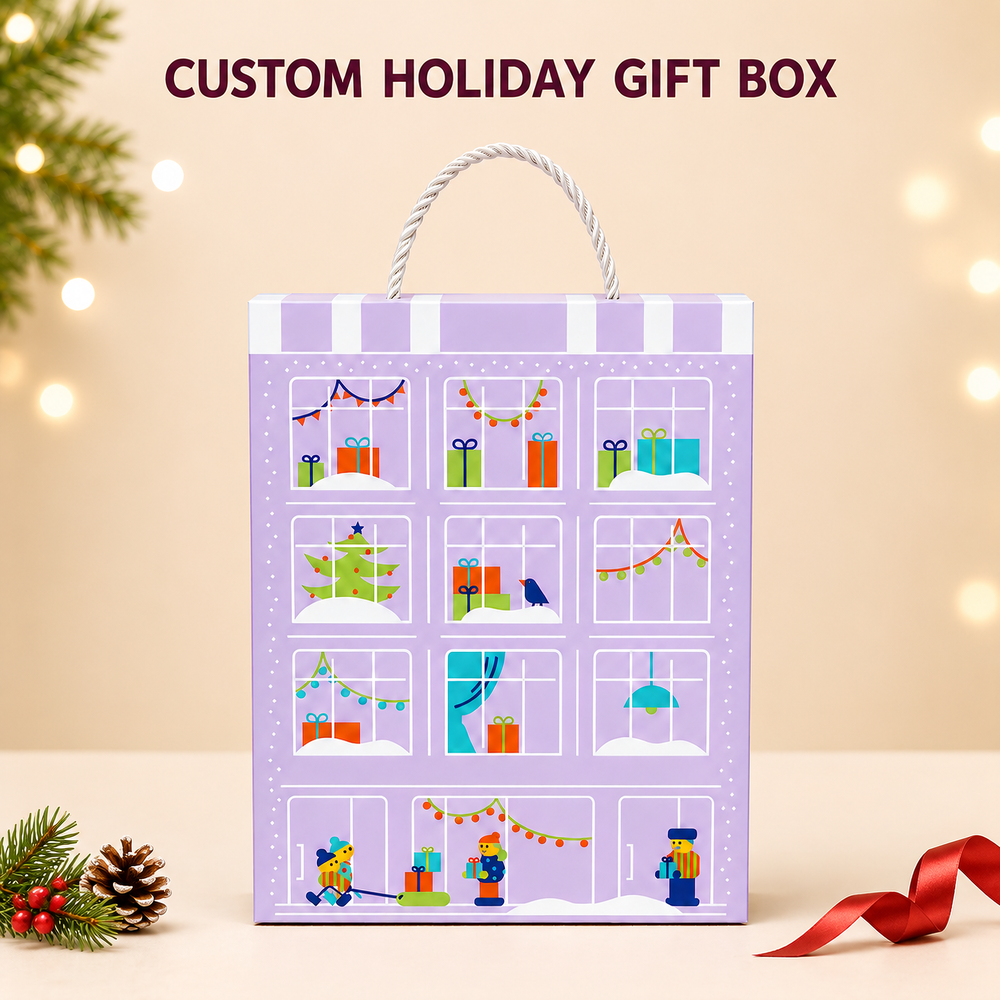
Custom Rigid Drawer Gift Box
Premium paperboard drawer box with rope handle for wholesale holiday sets, mystery boxes and retail gift packaging with custom logo.
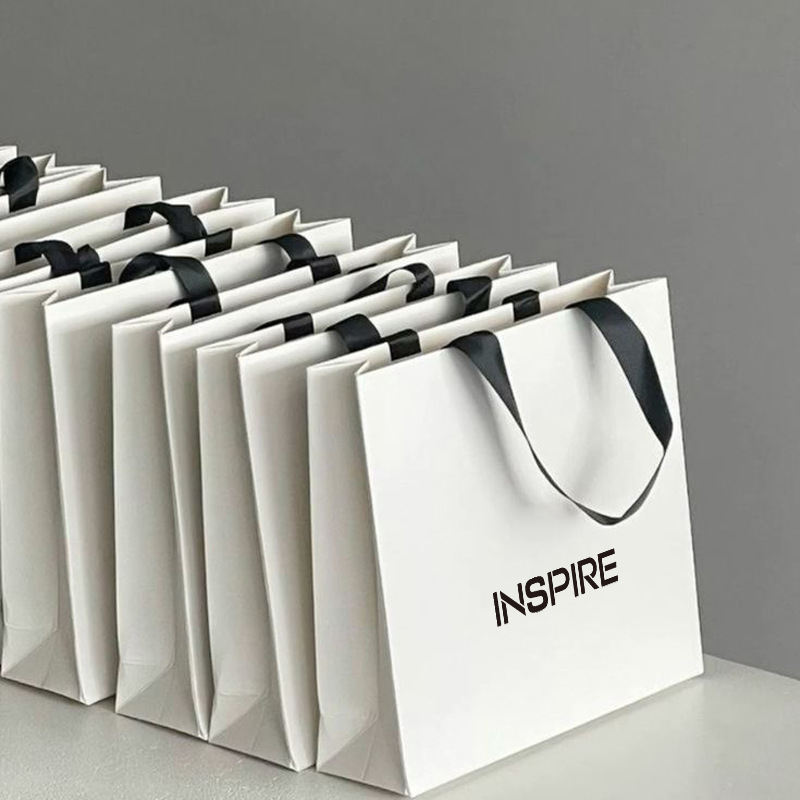
Eco-Friendly Luxury Gift Paper Bag
Custom logo paper bag for jewelry, shoes, necklaces, bracelets and apparel — a high-value carry-out that matches paperboard gift boxes.
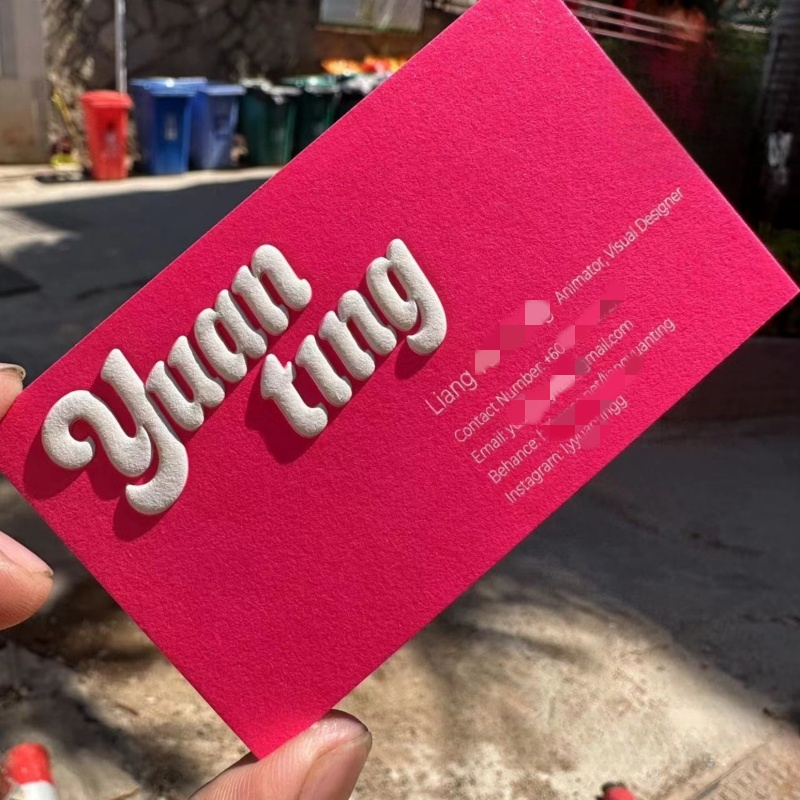
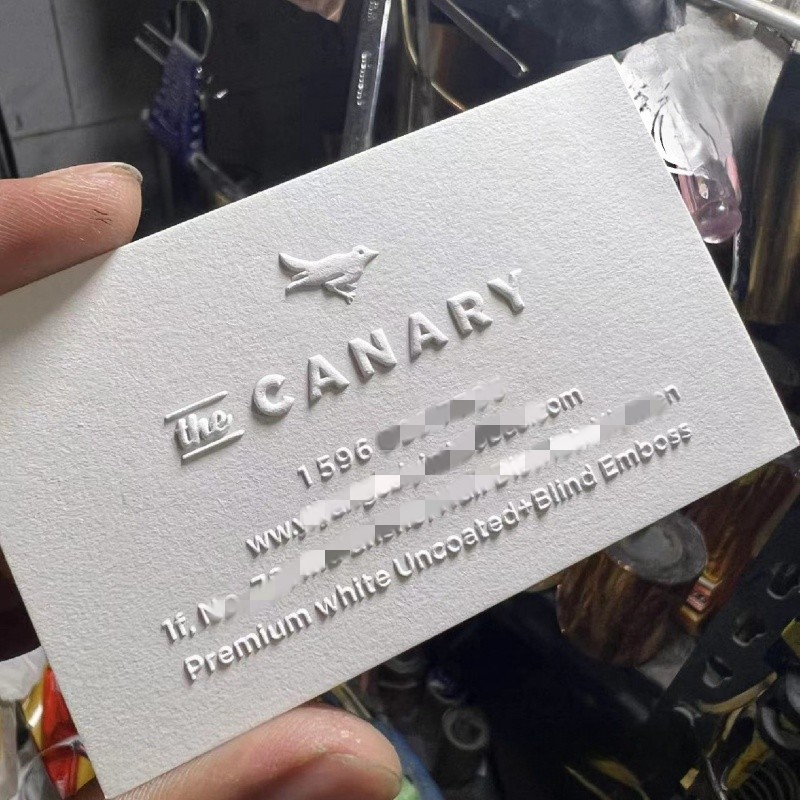
Embossed Specialty Paper Greeting Card
Creative embossed greeting cards, business cards and thank-you cards on specialty paper for luxury unboxing and seasonal campaigns.
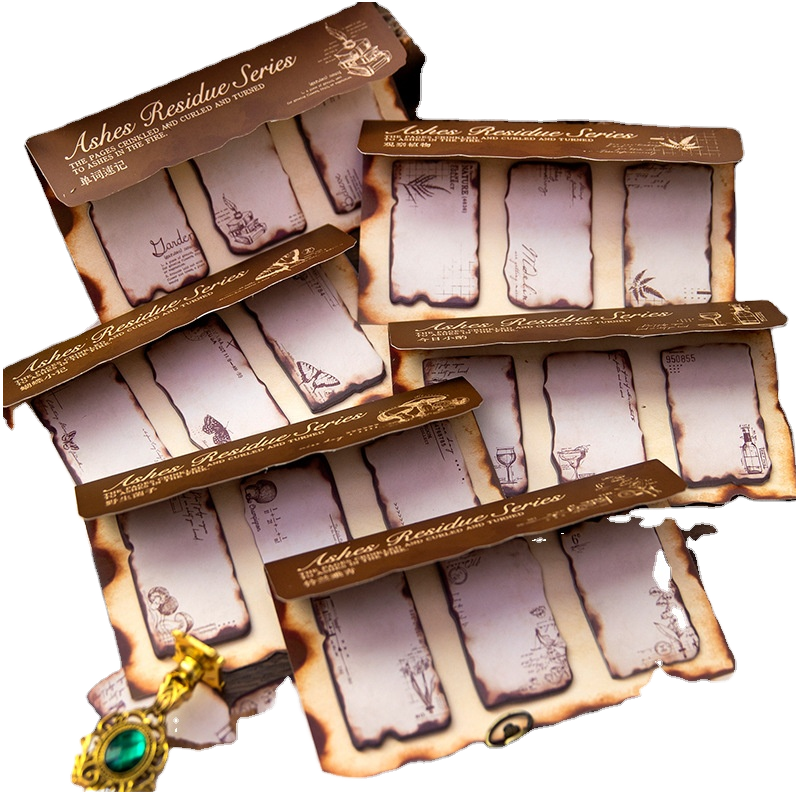
Retro Burnt Handbook Decoration Stickers
60 pcs/pack loose-leaf ashes aftermath series stickers for memo pads, journals and packaging decoration, ideal for stationery test launches.
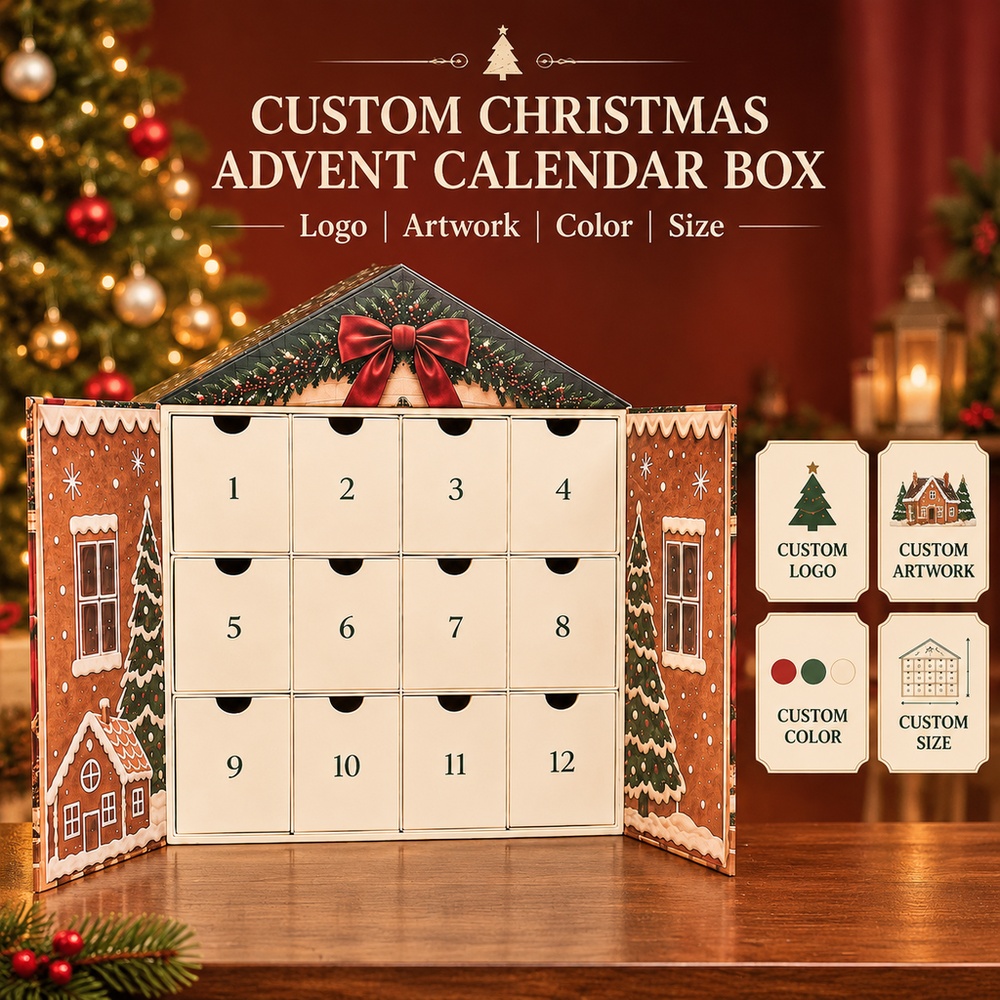
House-Shaped Advent Calendar Box
Custom Christmas advent calendar paper box with 12 drawers and logo — an experiential paperboard format for beauty, candy and mystery-box launches.
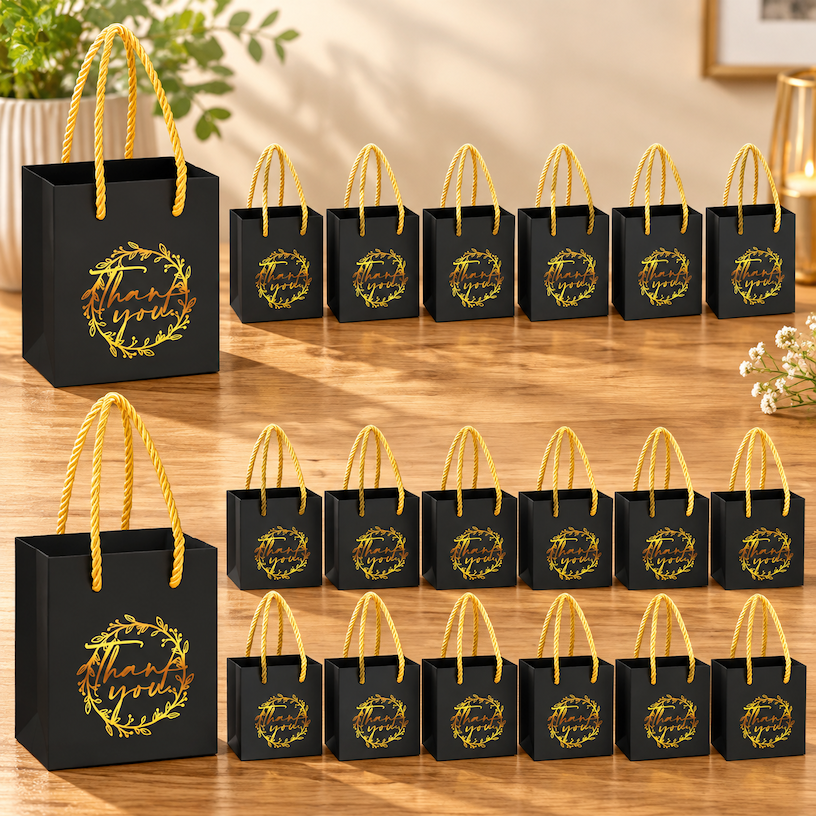
Printed Black Kraft Paper Gift Bags
Custom printed black kraft bags for clothing, perfume and thank-you gifts with recyclable paper options and low-MOQ production.
Hot Stamping Wedding Invitation Brochure
Romantic brochure on offset paper with film lamination and hot stamping for weddings, luxury events, brand lookbooks and VIP invitations.
Why Buyers Search for Top 10 Paperboard Boxes Factories & Suppliers
This is not a price-only query. It is a risk-reduction query from procurement teams, Amazon sellers, retail brands and distributors who need predictable quality, verified factories and export-ready delivery.
The phrase “Top 10 paperboard boxes factories & suppliers” sits between product sourcing, packaging engineering and supply-chain due diligence. A low unit price means little if the board grade changes, the dieline is wrong, the foil scratches in transit or the final carton cannot pass a retailer’s packaging review. That is why the most useful answer is not a thin directory. It is a decision framework backed by verifiable production signals.
For this whitepaper, we evaluate paperboard box factories and suppliers against ten criteria that influence total landed cost: verification, structural engineering, board traceability, color control, low-MOQ sampling, finishing depth, quality inspection, sustainability documentation, export logistics and RFQ responsiveness. Fuzhou Buba Printing Co., Ltd. is used as a worked example because it reflects these signals in a real production environment: 18 years of paper-printing experience, TÜV Rheinland onsite verification, free 3D mockups, in-house finishing and MOQs from 100 pcs on many custom packaging items.
10 Signals That Separate Top Paperboard Box Factories From Price-Only Suppliers
Use this scorecard in your next RFQ. Each signal can be checked before a sample is paid, and each one reduces a specific type of sourcing risk.
Third-Party Verification
TÜV Rheinland onsite checks or equivalent audit evidence confirm legal status and real production capability.
Structural Engineering
In-house dielines and 3D mockups reveal fit, board grade and insert logic before tooling or mass production.
Board Traceability
Stable board grades, grammage and material sourcing prevent crush, warp and color drift across repeat orders.
Color Control
Master targets, proofing and inline checks keep boxes, bags, labels and cards visually consistent as a set.
Low-MOQ Sampling
Test orders from 50–100 pcs help new brands validate market response before committing to bulk volume.
Finishing Depth
Hot foil, embossing, spot UV, soft-touch lamination, window patching and hand assembly should be controlled in-house.
AQL & QC Reporting
Incoming material checks, first-article approval and final AQL photos reduce disputes before shipment.
Sustainability Documents
Recyclable board, paper inserts, water-based inks and plastic-free tear strips need clear documentation.
Export Engineering
Flat-packing, export-grade cartons and freight planning lower landed cost and damage risk.
RFQ Responsiveness
Clear questions about size, weight, finish and destination indicate a supplier that understands packaging, not only printing.
Paperboard Packaging Is Becoming a Brand Asset and a Compliance Object
The future box must sell on shelf, survive e-commerce, satisfy sustainability requirements and support fast versioning — often at the same time.
Paperboard is no longer a brown outer box. It is a brand surface, a returns-reduction tool and a documented material choice. E-commerce rewards packaging that protects products through parcel networks. Retailers and marketplaces increasingly ask for recyclable materials, plastic-free inserts, accurate labeling and measurable sustainability data. Meanwhile, shorter product life cycles are pushing brands from single large runs toward smaller, localized batches.
Five forces are changing the brief: material simplification, premium tactile finishing, digital versioning, seasonal speed and traceable quality. The practical question is not “Can the factory print a box?” It is “Can the factory control the whole system — board, structure, print, insert, packing and documentation — without shifting risk back to the buyer?”
Illustrative buyer priorities for 2026 planning, based on common sourcing questions for paperboard boxes and custom packaging.
Product Development Trends Shaping Paperboard Boxes
The strongest packaging programs combine structural performance, brand experience and environmental proof without over-specifying cost.
Mono-Material Structures
Designers simplify mixed materials so paperboard boxes, inserts and sleeves are easier to recycle after unboxing.
Plastic-Free Barriers
Paper wraps, molded pulp, corrugated inserts and water-based coatings replace foam and plastic trays where possible.
Restrained Premium Finishing
Blind embossing, soft-touch lamination and selective gold foil are used with restraint for a tactile, less wasteful luxury signal.
Digital Short Runs
Versioned packaging supports market tests, limited editions, localized languages and faster seasonal launches.
Experiential Formats
Drawer boxes, magnetic closures, advent calendars and reusable structures turn packaging into part of the product experience.
Smart Packaging
QR codes, batch serialization, authentication dots and AR prompts connect physical boxes to digital content and traceability.
Localized Seasonal Packaging
Diwali, Ramadan, Christmas, Valentine’s Day and back-to-school campaigns require localized art, inserts and fast replenishment.
Accessible Opening
Clear tear strips, easy-open drawers and readable instructions improve safety and reduce damage complaints.
What Paperboard Box Buyers Will Require From Suppliers
Procurement is becoming more data-led. Buyers want fewer, more accountable suppliers that can document materials, control quality and scale from a test run to repeat orders.
Total Landed Cost Replaces Unit Price
Freight efficiency, damage rate, packing labor and reorder reliability now matter as much as the quoted box price.
Supplier Consolidation
Brands prefer one supplier for boxes, bags, cards, labels and catalogs so color targets and deadlines stay aligned.
Documentation Before Purchase Order
Material declarations, recyclability notes, FSC-style paper options and inspection reports are requested earlier in the buying cycle.
Smaller Test Orders, Faster Scale-Up
Low-MOQ sampling supports market validation, while the same factory must be ready to increase volume without changing structure.
Data-Led RFQs and 3D Approval
Buyers expect dielines, 3D mockups, sample timelines and material specs to be confirmed in writing before sampling.
Regional Flexibility
Sea, air and express options, plus export-grade flat packing, help brands balance launch speed against freight cost.
Materials, Finishes and MOQ at a Glance
Use this reference to brief a factory faster. Final board grade and finishing should always be confirmed on a pre-production sample.
| Product | Typical Material | Board / Paper Weight | Popular Finishes | MOQ From |
|---|---|---|---|---|
| Corrugated Mailer Box | E-flute or B-flute corrugated, white or kraft liner | 1.5–3 mm board | CMYK inside & out, matte/gloss lamination, spot UV, tear strip | 100 pcs |
| Rigid Magnetic Gift Box | Greyboard wrapped in art or specialty paper | 1200–2000 gsm greyboard | Foil stamping, embossing, magnetic flap, EVA or paper inserts | 100 pcs |
| Folding Gift Box | SBS / C1S ivory board, kraft board | 300–400 gsm | Soft-touch lamination, window patch, double-door structure | 100 pcs |
| Paper Shopping Bag | Kraft paper, art paper, white cardstock | 120–250 gsm | Rope or ribbon handle, zipper top, gold foil, embossed logo | 100 pcs |
| Hang Tags & Labels | Thick cardstock, self-adhesive paper | 300–800 gsm / adhesive stock | 3D embossing, letterpress, die-cut shapes, waterproof film | 200 pcs |
| Greeting & Invitation Cards | Specialty paper, offset paper, textured cardstock | 250–600 gsm | Hot stamping, embossing, film lamination, letterpress | 200–500 pcs |
| Catalogs & Books | Coated art paper, offset paper, duplex board | 105–157 gsm text, 200–350 gsm cover | Saddle-stitch, perfect, spiral or hardcover binding | 100 pcs |
Ranges shown are typical production options. Final specifications are confirmed in writing and on a pre-production sample before mass production.
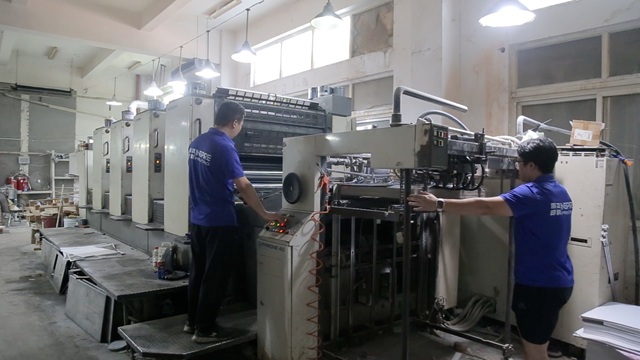
Inside a Verified Paperboard Box Factory: Fuzhou Buba Printing Co., Ltd.
Fuzhou Buba Printing Co., Ltd. is a custom manufacturer of paper packaging and commercial print based in Jianxin Town, Fuzhou, Fujian, China. The team has 18 years of paper-printing experience and more than 10 years of export expertise, with a 2,300 m² production floor serving brand owners, e-commerce sellers and distributors worldwide.
Buba handles structural design, prepress, offset and digital printing, foil stamping, embossing, lamination, die-cutting and hand assembly under one roof. That matters for buyers who need a coordinated packaging set: the rigid gift box, paper bag, thank-you card and label can share a color target and arrive from one accountable supplier. The company is TÜV Rheinland onsite-verified and listed as a Custom Manufacturer offering design-based, sample-based and full customization with onsite material inspection.
- TÜV Rheinland onsite-verified
- OEM & ODM services
- Free 3D mockups & dielines
- Onsite material inspection
- Recyclable paper options
- Export-ready packaging

Third-party verified: premises, legal status and production capability have been verified onsite by TÜV Rheinland.
Advantages That Reduce Risk for International Buyers
The strongest factory advantage is not a slogan. It is a repeatable process that protects structure, color, timing and landed cost.
Free Structure & 3D Mockup
In-house designers build the dieline and a 3D render so you approve fit, artwork and finishing before paying for samples.
Low MOQ, Factory Pricing
Many custom packaging items start from 100 pcs, with some notebooks from 50 pcs, so you can test a market before scaling.
Premium Finishing In-House
Hot foil, blind and 3D embossing, spot UV, soft-touch lamination, holographic lamination, letterpress and window patching.
Verified Quality Control
Incoming material checks, first-article approval, inline color checks and final AQL inspection with photo reports.
Eco-Friendly Materials
Recyclable kraft and corrugated board, paper inserts instead of plastic and water-based inks on request.
Export-Ready Logistics
Export-grade cartons, flat-packing to cut freight and sea, air or express shipping backed by more than a decade of export experience.
How a Custom Paperboard Project Runs
A transparent workflow with sign-off at each stage reduces surprises when cartons arrive.
Brief & Dieline
Share size, product weight and artwork; the factory proposes structure, board grade and material.
Free 3D Mockup
Approve a rendered mockup with exact artwork placement, opening method and finishing.
Pre-Production Sample
A physical sample confirms color, fit, board strength and finishing before mass production.
Mass Production
Printing, lamination, die-cutting, foil, embossing and hand assembly run with inline color control.
Final Inspection
An AQL check with photos and video is shared before shipment so buyers can approve the run remotely.
Global Shipping
Export packing and sea, air or express delivery are planned around launch dates and landed cost.
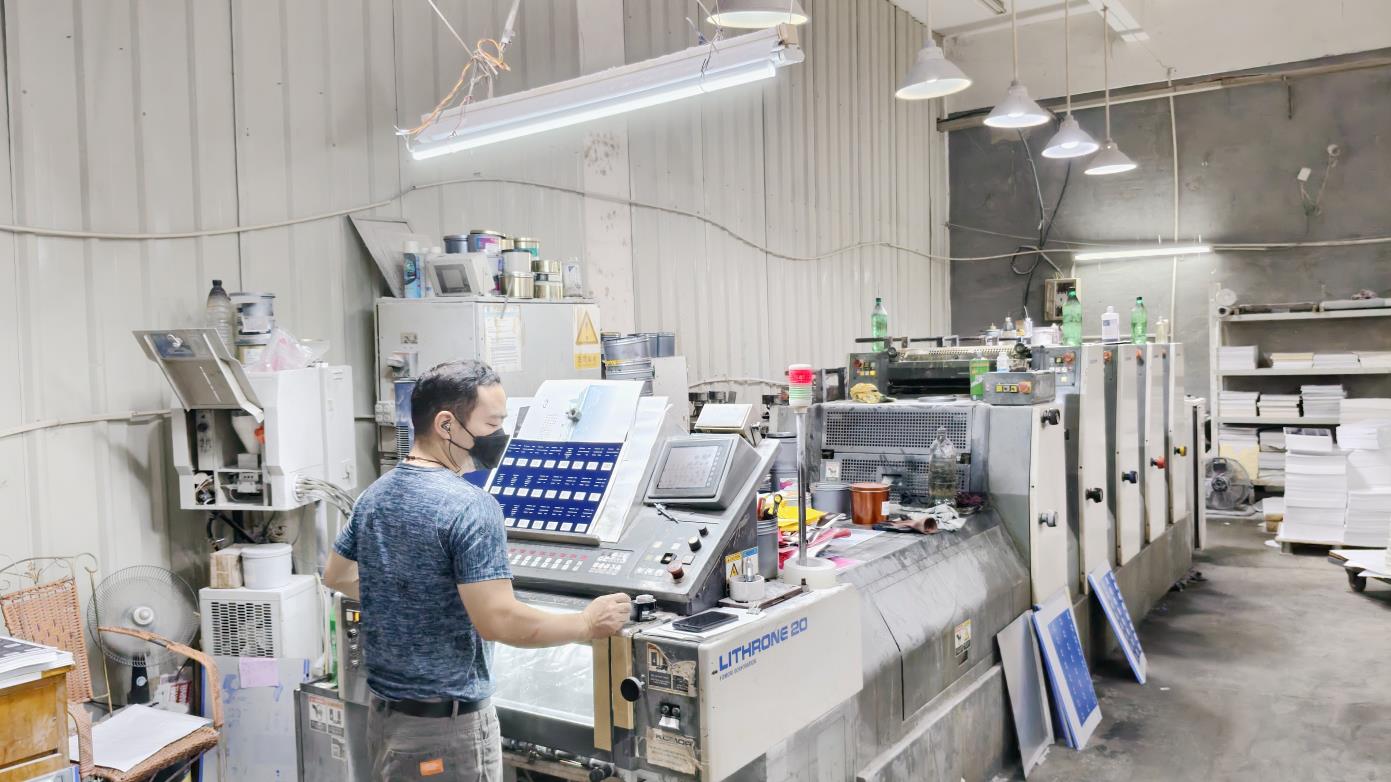
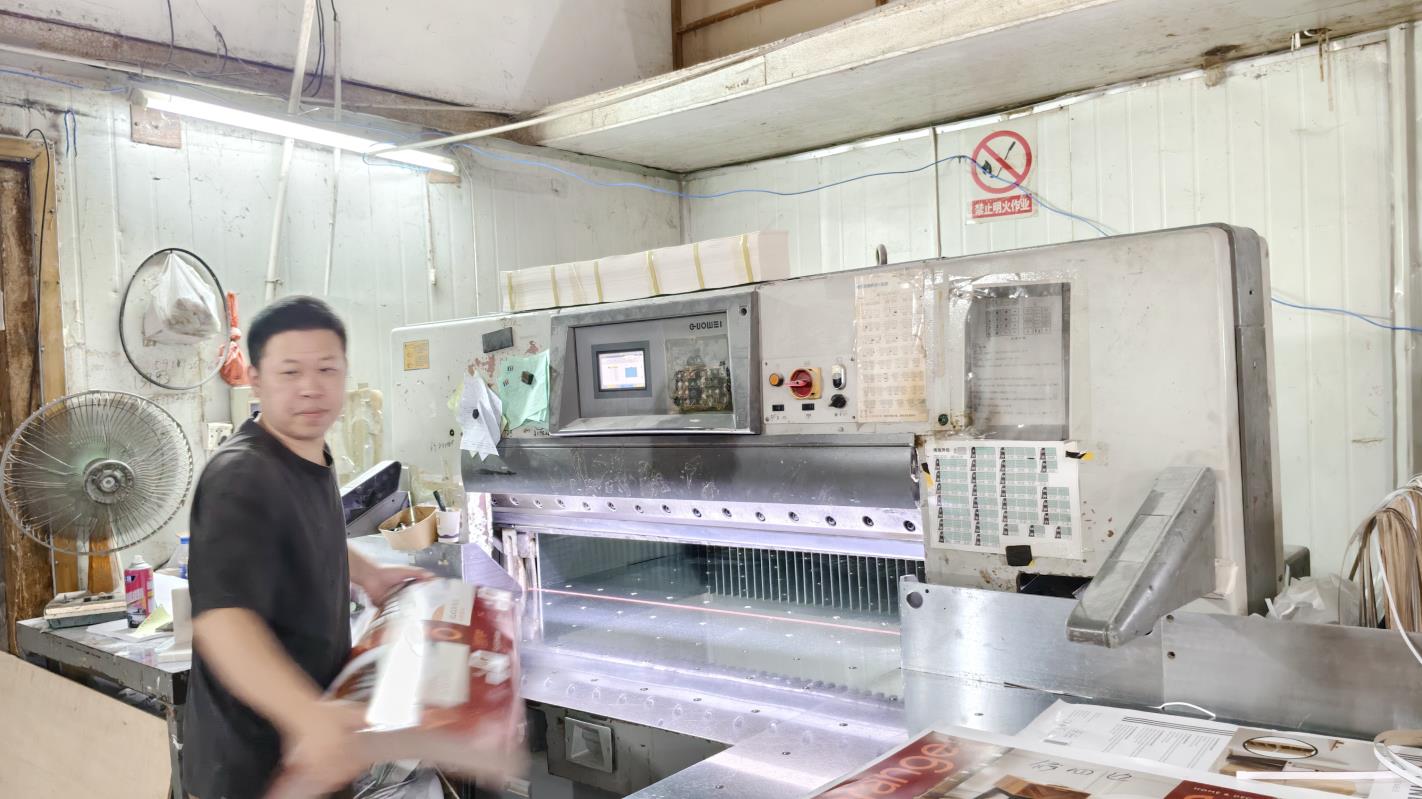
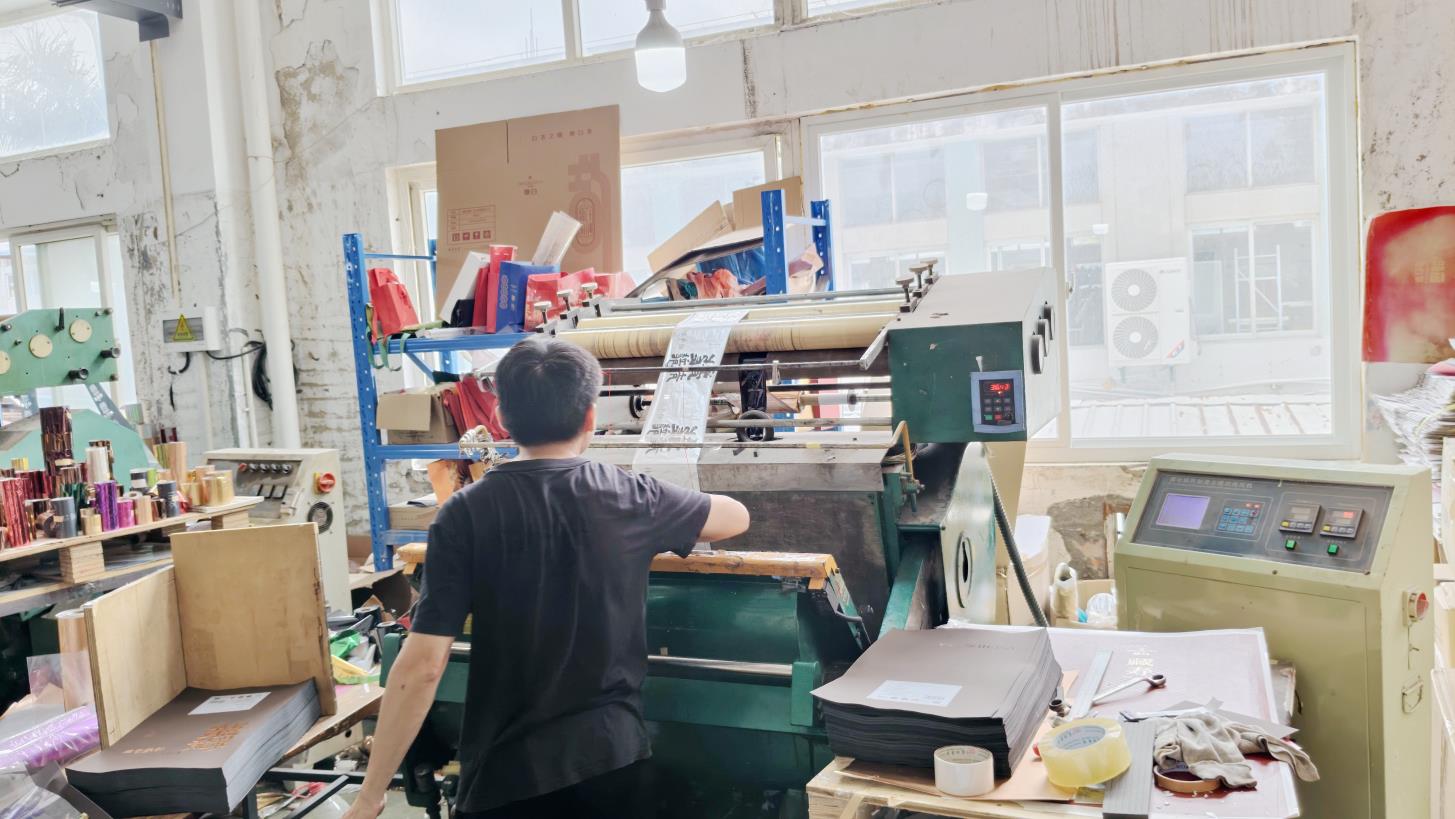
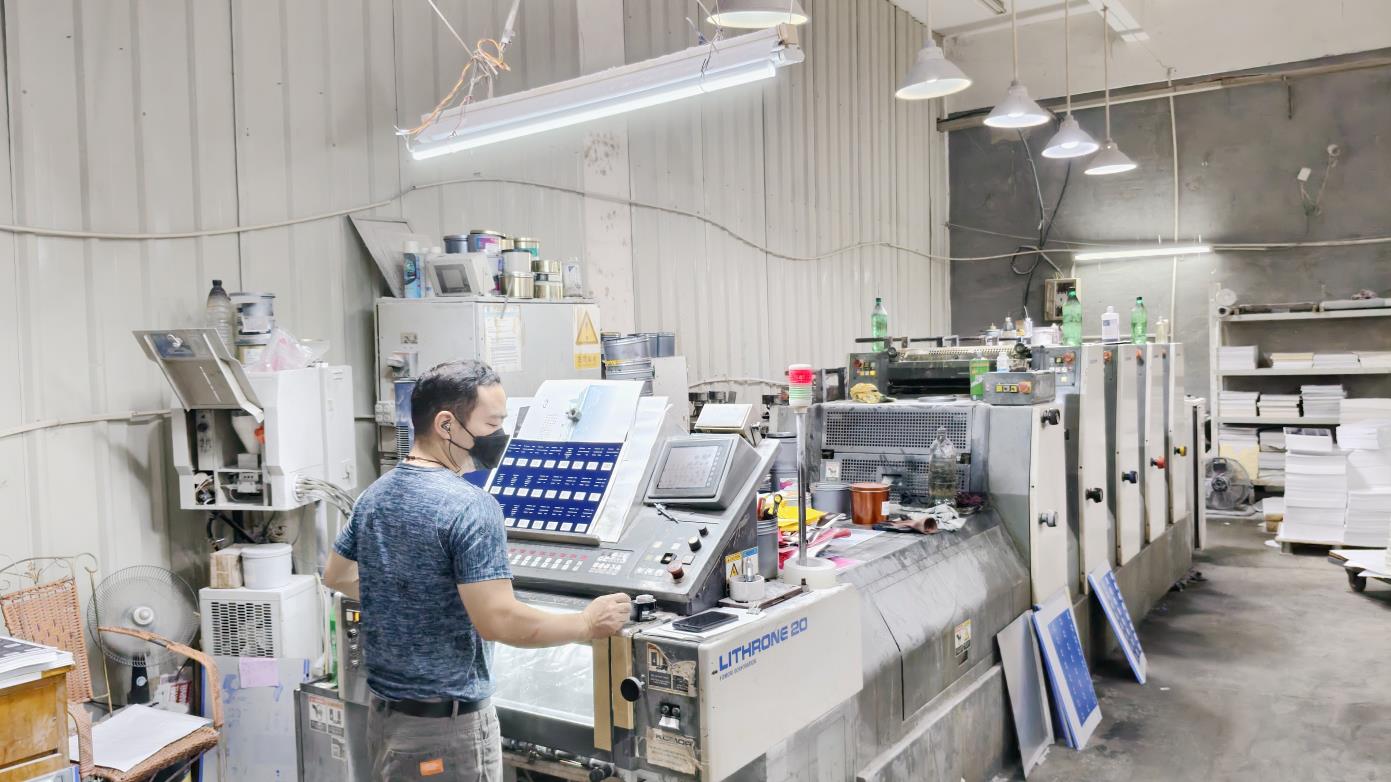
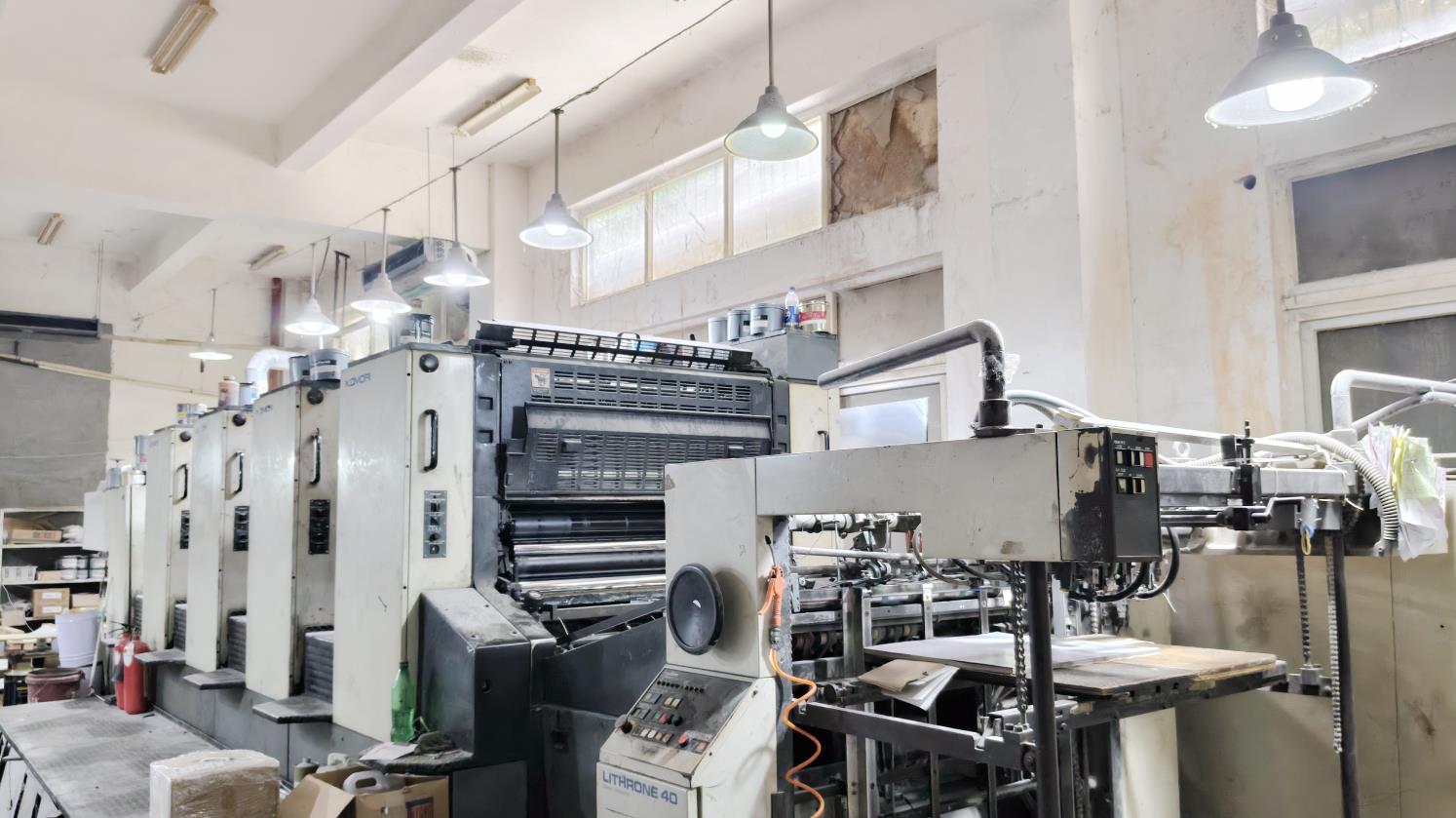
Production, Finishing and Quality Workshop
Real images from the Fuzhou production environment help buyers verify capability before requesting a sample.

Frequently Asked Questions
Direct answers to the most common buyer questions about paperboard boxes, custom packaging suppliers and factory verification.
What is the minimum order quantity for custom paperboard boxes?
Most custom mailer boxes, rigid gift boxes and paper bags start from 100 pcs. Some notebooks start from 50 pcs, while hang tags, flyers, labels and cards often start from 200–1,000 pcs depending on size and finishing. Final MOQ depends on structure, material and print method.
How do I compare paperboard box factories beyond price?
Compare dieline engineering, board traceability, color management, finishing capability, AQL inspection, export packing, documentation and RFQ responsiveness. A free 3D mockup and paid pre-production sample usually reveal more risk than a quotation sheet.
What information should be in a packaging RFQ?
Include box size, product weight, board preference, print colors, finishing, inserts, packing method, order quantity, destination country, required delivery date and artwork status. Mention compliance needs such as recyclable materials or plastic-free inserts.
Are low-MOQ custom boxes realistic for a new brand?
Yes. Low-MOQ programs from 100 pcs are practical for market tests, influencer kits and DTC launches. To reduce cost, start with a standard board grade, simple finishing and a structure that can scale later without a new dieline.
Which paperboard is best for e-commerce shipping?
E-flute or B-flute corrugated mailer boxes are common for e-commerce because they balance strength and weight. Rigid gift boxes are better for presentation and usually need outer shipping protection unless the project includes a shipper box.
Can you make plastic-free or recyclable packaging?
Yes. Recyclable kraft and corrugated board, paper-based inserts instead of foam, water-based inks and plastic-free tear-strip mailers can be specified. The best option depends on product protection, budget and local recycling infrastructure.
What are typical sample and production lead times?
Typical lead time is 3–7 working days for pre-production samples and 10–20 working days for mass production after sample approval. Complex rigid boxes, advent calendars or large book runs may need longer; confirm the schedule in writing.
How is color controlled across boxes, bags and cards?
Use a master color target, the same substrate and ink system where possible, pre-production proofs, signed samples and inline checks. For coordinated packaging sets, approve all components together rather than one item at a time.
Is third-party factory verification important?
Yes. An onsite verification by a recognized body such as TÜV Rheinland helps confirm legal status, premises and production capability. It is not a replacement for your own sample approval, but it reduces basic supplier risk before an order is placed.
Request a Quote for Your Next Paperboard Boxes Project
Send your size, quantity, artwork, finishing and destination. The team will recommend a structure, material and free 3D mockup so you can compare total landed cost before sampling.