8 Foil Stamped Boxes & Print Products to Benchmark
Use these eight factory-direct product examples to compare foil registration, tactile finishing, material caliper and assembly quality. Each item links to the original product page so procurement teams can evaluate specifications before requesting samples.
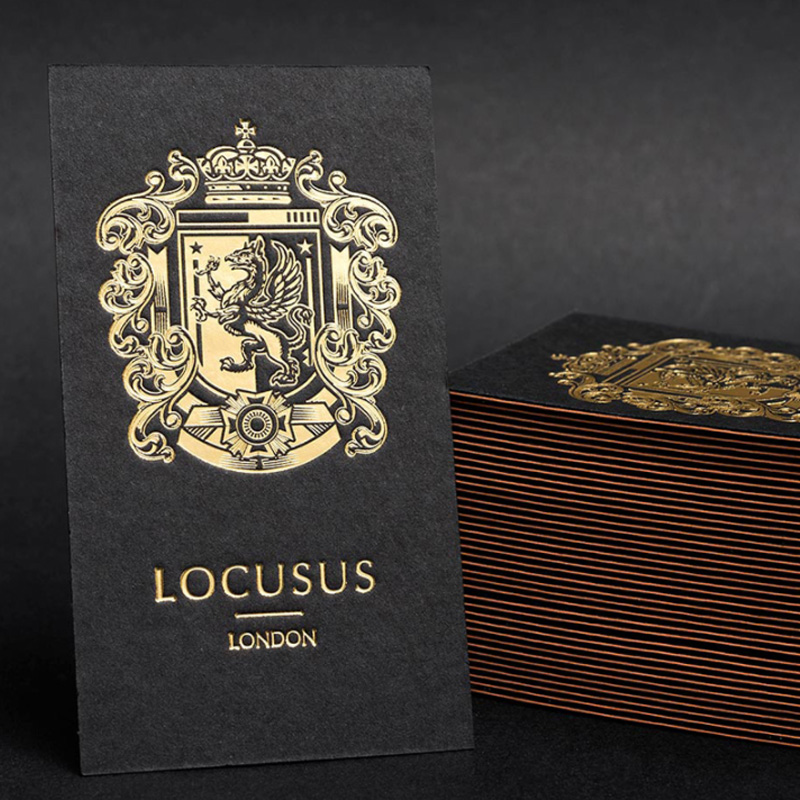
Luxury Hot Stamping Business Card Imported Black Card Thickened High-End Luxury Design Made High Quality Offset Paper Cardboard
A benchmark for dense black stock, precise hot foil registration and heavy caliper. Suitable for luxury brand identity cards, invitation inserts and VIP packaging cards; approve foil color, deboss depth and edge treatment before sampling.
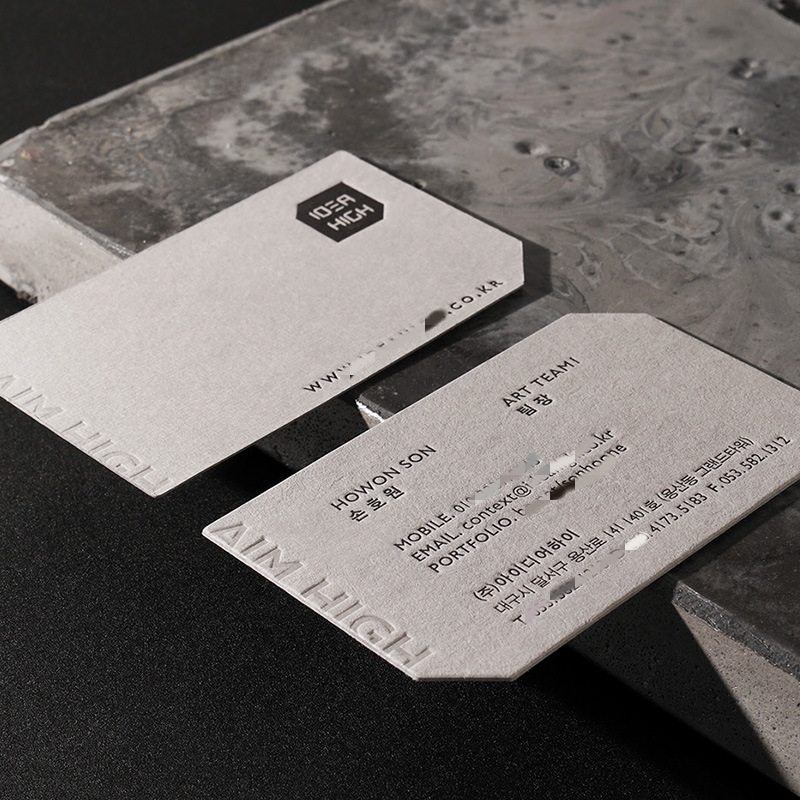
Wholesale New Materials 3d Embossed Business Cards Cotton Paper Three-Dimensional Embossed Custom Card
Cotton paper responds well to deep emboss and letterpress, creating tactile depth without relying only on lamination. Buyers should approve a physical proof because fiber direction, board moisture and die depth all influence final relief height.
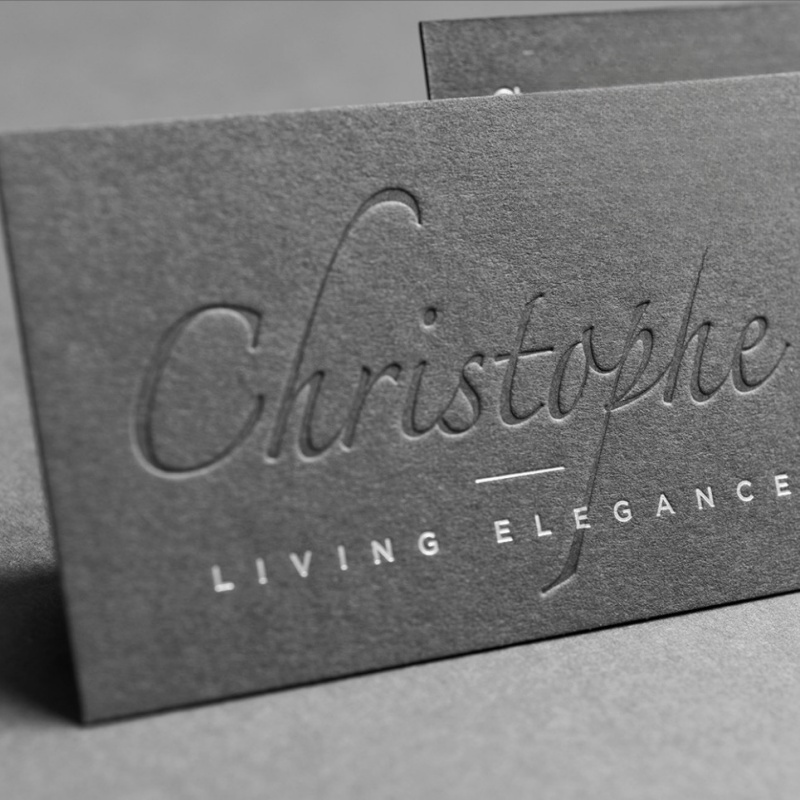
Custom Wholesale Custom Printing Service for Thick Business Cards Luxury Centurion Card Business Cards With Logo
Centurion-style heavy cards show whether a supplier can control warp, edge quality and foil registration on thick stock. Useful for premium gifting, membership kits, retail packaging inserts and brand authentication cards.
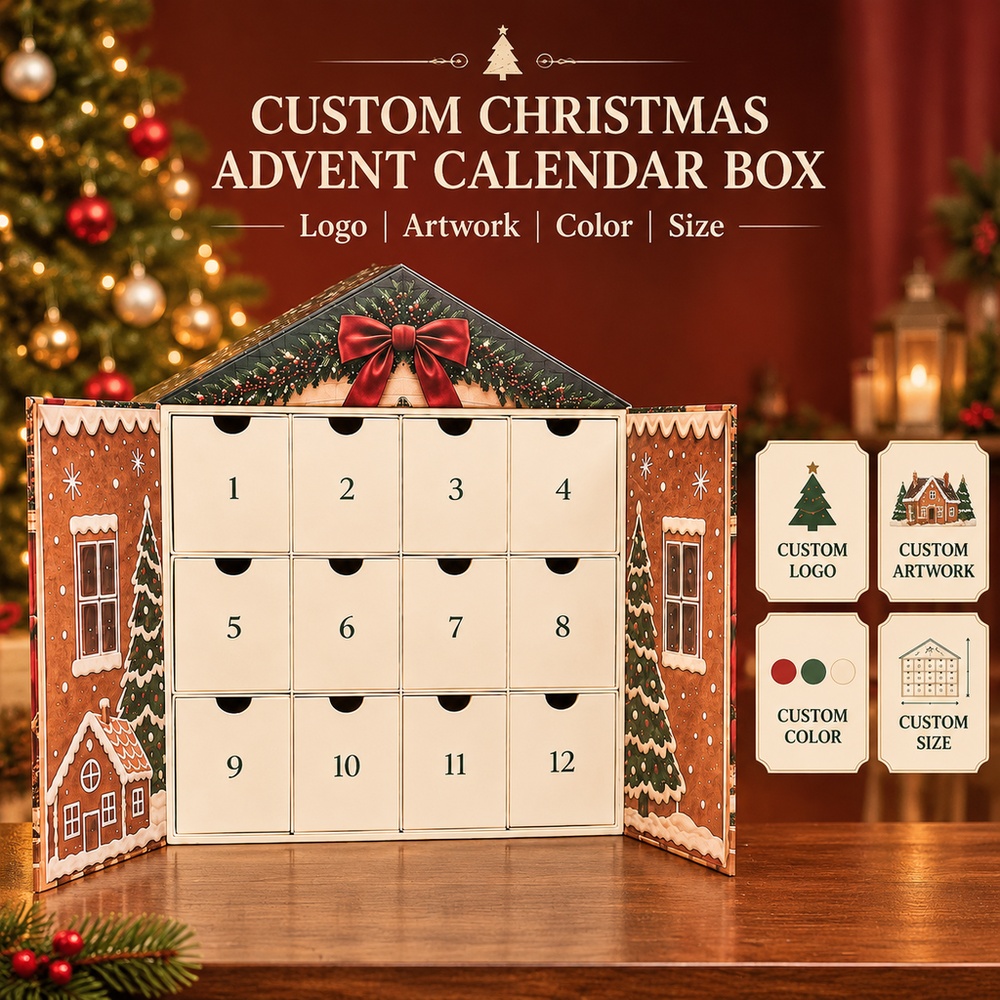
Custom Christmas Advent Calendar Paper Boxes House Shaped 12 Drawer Gift Packaging with Logo for Wholesale Mystery Box
A structural test of folding, hand assembly and foil stamping across multiple small surfaces. The drawer-style advent format suits beauty, confectionery and limited-edition seasonal gift campaigns that require repeatable quality.
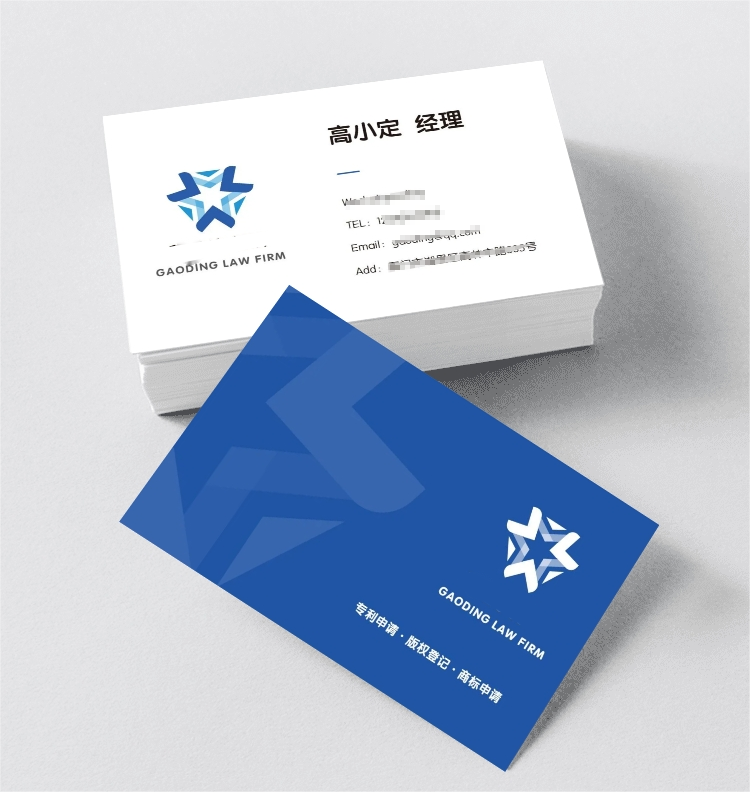
Wholesale Customizable Soft Cover Business Card with Perfect Logo Printing Service Cardboard Brochure Design Offset Paper
Soft-cover cards and brochure cards show how foil can sit alongside offset print on lighter paper. Good for retail hang cards, thank-you inserts and product authentication pieces where flexibility and clean folding matter.
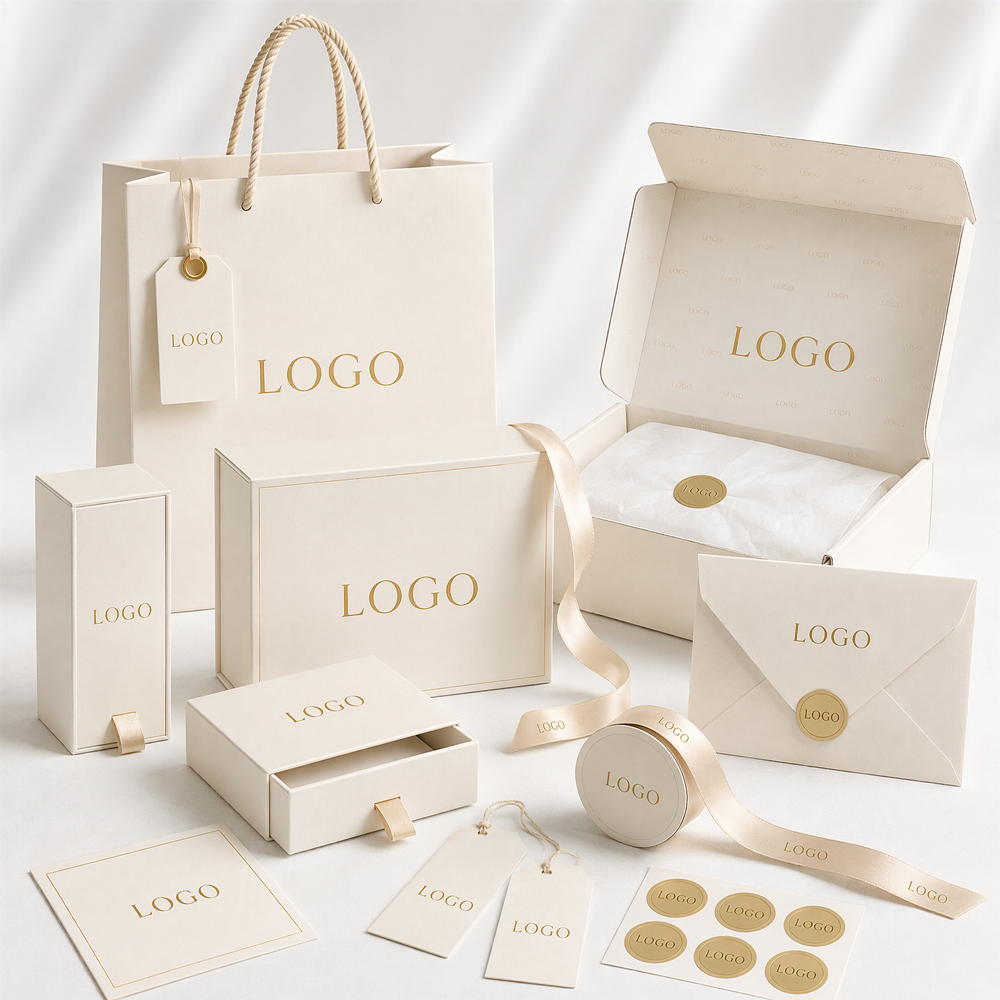
Paper Boxes Packaging Gift Set Packaging Bulk Sustainable Recyclable Luxury Packaging for Retail Stores Events and Holiday Gifts
A recyclable luxury gift-box set for retail and event use. Ask for paper-based inserts, water-based inks and controlled foil coverage to balance decoration with the paper stream used in your target market.
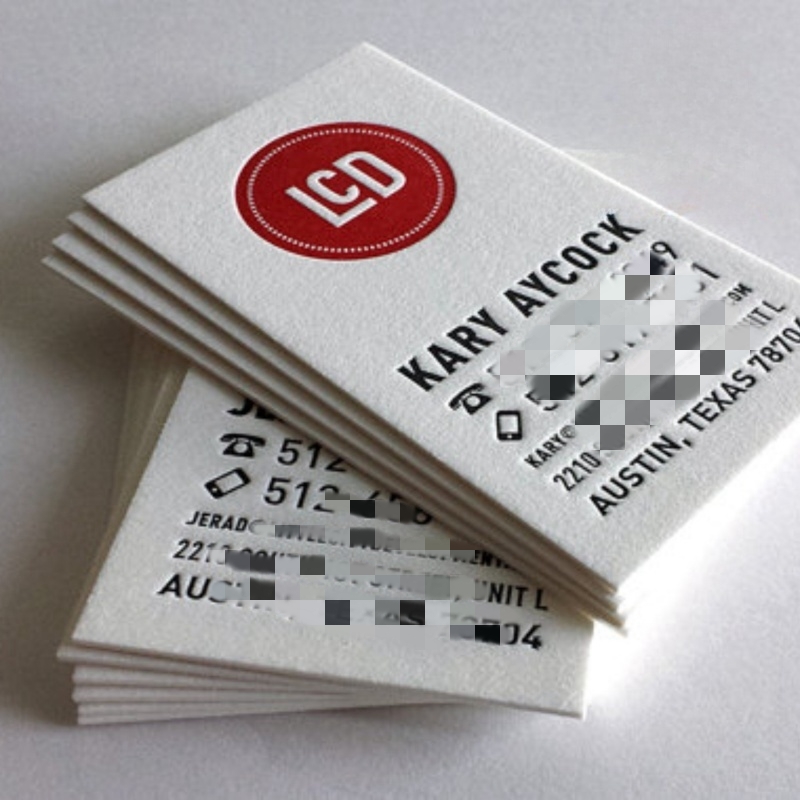
Wholesale Custom Luxury Metal Business Cards Digital Printing Film Lamination Cardboard Corrugated Board Logo Customized
Metal and mixed-material cards expand the luxury toolkit beyond paper. For foil stamped boxes, a similar mixed-media logic can be used in package toppers, membership cards and premium unboxing accessories.

Luxury 3d Embossed Business Name Cardboard Printing Custom Logo Letterpress Debossed Black Cotton Paper Business Card
A deep black cotton-paper card combining letterpress deboss and 3D emboss. It is a useful reference for brands that want a tactile reveal inside a foil stamped box rather than relying on color print alone.
Why Foil Stamped Boxes Still Win the Premium Unboxing Moment
Hot foil stamping remains one of the fastest visual signals of value in packaging. It reflects light, adds tactile contrast and can make a simple rigid box, folding carton or gift set feel considerably more expensive without changing the entire pack structure.
Foil stamped boxes are not simply “printed boxes with a metallic logo.” Hot foil stamping is a dry decoration process in which a heated die applies foil to a substrate under controlled temperature, pressure and dwell time. The quality of the final result depends on the interaction between board grade, coating, foil carrier, artwork line weight, die engraving and operator skill. A supplier that quotes only a price per piece without asking about the substrate, foil color, artwork tolerances and shipping method is not yet ready for a qualified comparison. This is why serious buyers evaluate factories and exporters through evidence: equipment, in-house finishing, sample discipline, quality inspection and export experience.
The search intent behind “Top 10 Foil Stamped Boxes Factories & Exporters” is usually commercial. Procurement managers, brand owners and Amazon or Shopify sellers are not looking for a decorative design gallery; they are looking for a shortlist of suppliers who can deliver repeatable foil decoration at a workable MOQ, approve a 3D mockup, protect the packaging in transit and provide documentation that reduces sourcing risk. A credible factory should be able to explain when hot foil is appropriate, when cold foil or digital foil is a better fit, and how foil coverage affects recyclability or paper selection. That technical transparency is information gain that generic marketplace listings rarely provide.
This guide uses a practical “top 10” evaluation framework rather than a paid directory. The ten checkpoints below mirror how experienced packaging buyers compare suppliers: independent verification, in-house finishing, structural engineering, color management, MOQ, sample speed, QC, export packing, sustainability options and communication. Fuzhou Buba Printing Co., Ltd. is included as a benchmark candidate because its profile matches several high-priority checks: TÜV Rheinland onsite verification, 18 years in paper printing, a 2,300 m² production floor, 10+ years of export experience, in-house design support, free 3D mockups and low-MOQ customization.
How to Compare Foil Stamped Boxes Factories & Exporters
Use these ten checkpoints as a procurement scorecard. A true factory-exporter should be able to provide evidence, not just promises.
Independent Site Verification
Confirmed premises and production capability reduce the risk of dealing with a trading intermediary who cannot control quality. Buba has been verified onsite by TÜV Rheinland.
In-House Foil & Emboss Capability
Ask whether foil stamping, blind emboss, 3D emboss, lamination and die-cutting are completed in-house. One accountable production floor shortens lead times and improves issue resolution.
Structural Engineering
Rigid gift boxes, drawer advent calendars and gift sets need dieline engineering before decoration. Strong suppliers test product fit, closure strength and insert stability early.
Color & Foil Registration Control
Premium foil work is judged by registration. Check how the supplier approves foil shade, die position, overprint, edge sharpness and consistency across a full production run.
Low-MOQ Market Testing
Brands increasingly test markets with small runs. MOQs from 100 pcs on many packaging products make it practical to validate retail response before scaling to bulk orders.
Free Dieline & 3D Mockup Support
A 3D mockup lets buyers approve artwork placement, fold direction and finish before a physical sample is produced. It reduces expensive revision cycles.
Quality Inspection Discipline
Look for incoming material checks, first-article approval, inline print checks and final AQL inspection with photo reports. These records matter when packaging ships internationally.
Export Packing & Freight Awareness
Foil decoration scratches easily if export packing is weak. Suppliers should understand flat packing, corner protection, moisture control and sea, air or express shipping methods.
Recyclable & Responsible Options
Ask about recyclable kraft and corrugated board, paper inserts instead of plastic, water-based inks and how foil coverage interacts with the recycling stream in your market.
Clear Communication & Documentation
Artwork requirements, sample approval, lead times, tolerances and shipping terms should be confirmed in writing. A reliable exporter makes the process auditable.
Why Fuzhou Buba Printing Co., Ltd. Belongs on Your Shortlist
Fuzhou Buba Printing Co., Ltd. is a custom manufacturer of paper packaging and commercial printing based in Fuzhou, Fujian, China. The company has spent 18 years in the paper-printing trade and exports mailer boxes, rigid gift boxes, paper bags, labels, cards, notebooks and catalogs to brand owners, e-commerce sellers and distributors worldwide. For foil stamped packaging projects, this range matters because a single purchase order often combines boxes, cards, tags and paper bags that must share the same quality standard.
Every project can be handled under one roof: structural design, prepress, offset and digital printing, hot foil stamping, embossing, lamination, die-cutting and hand assembly. That integrated workflow is a practical advantage when the finish is visible and the margin for error is low. The factory has been verified onsite by TÜV Rheinland and offers design-based, sample-based and full customization with onsite material inspection.
- TÜV Rheinland onsite-verified manufacturer
- 18+ years in paper printing
- 2,300 m² production floor
- MOQs from 100 pcs on many items
- Free dieline and 3D mockup support
- In-house foil, emboss, lamination and die-cutting
- 10+ years of export expertise
- Recyclable paper and plastic-free insert options
What Buyers Can Verify Before Ordering
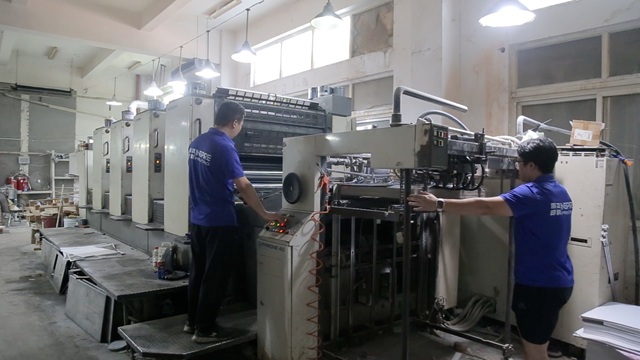
Photos from the production floor help buyers judge equipment, workflow and quality control before committing to a tooling or sample budget.
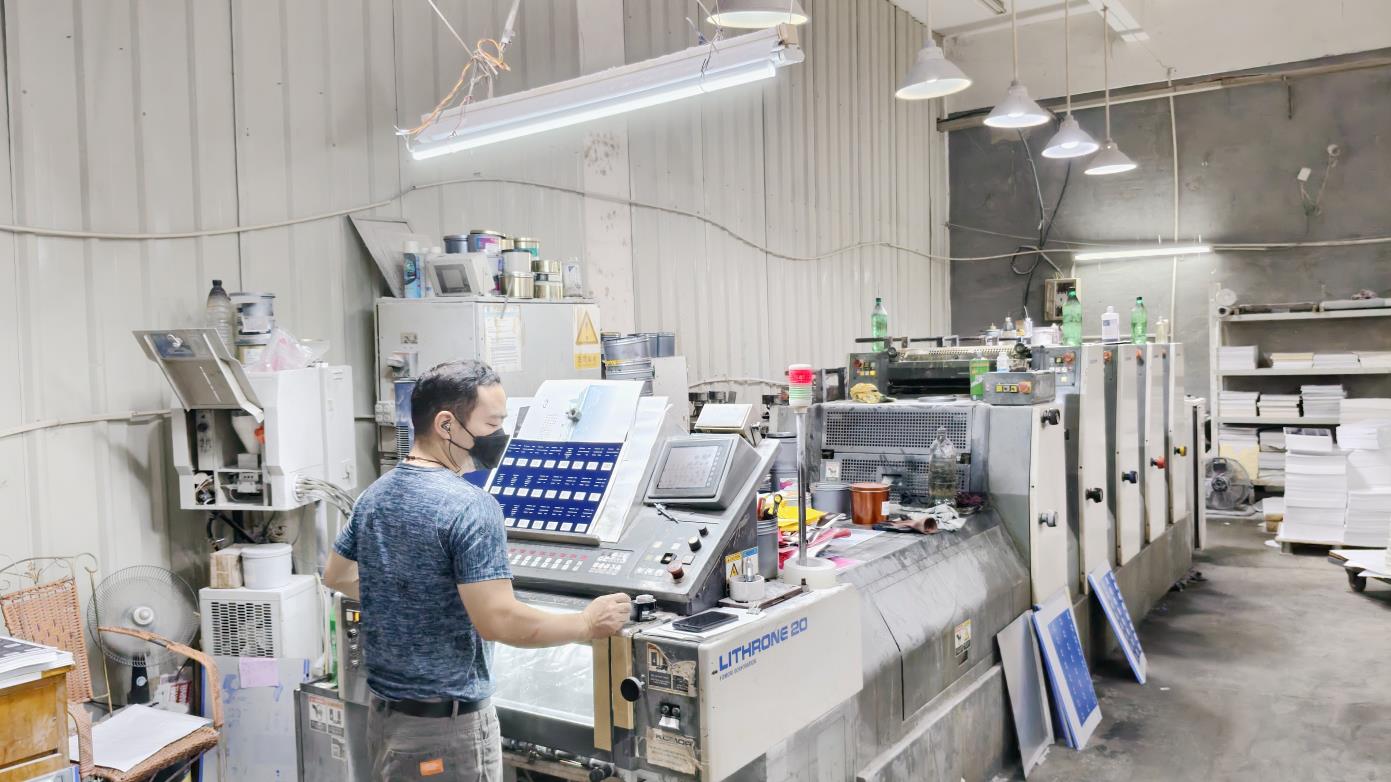
Printing workshop
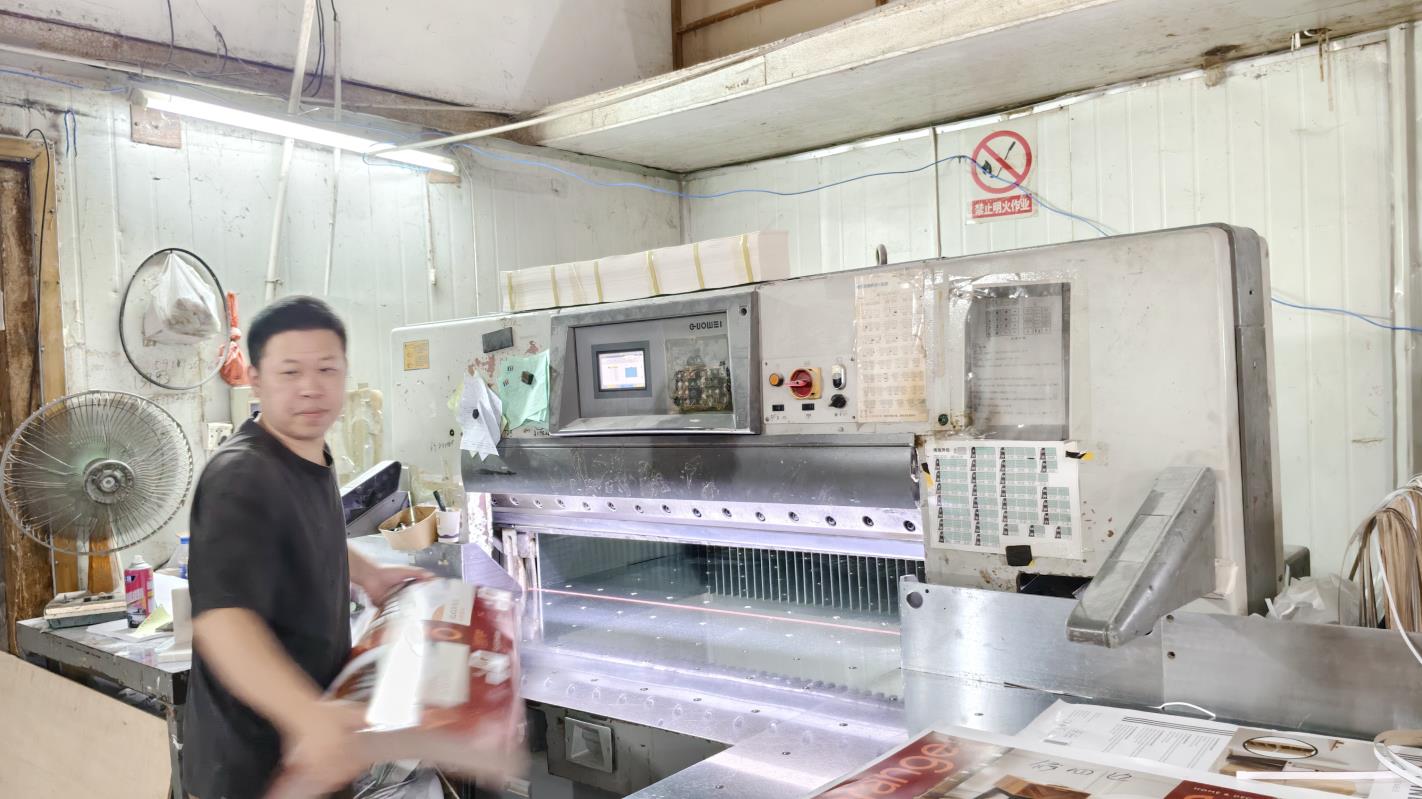
Production equipment
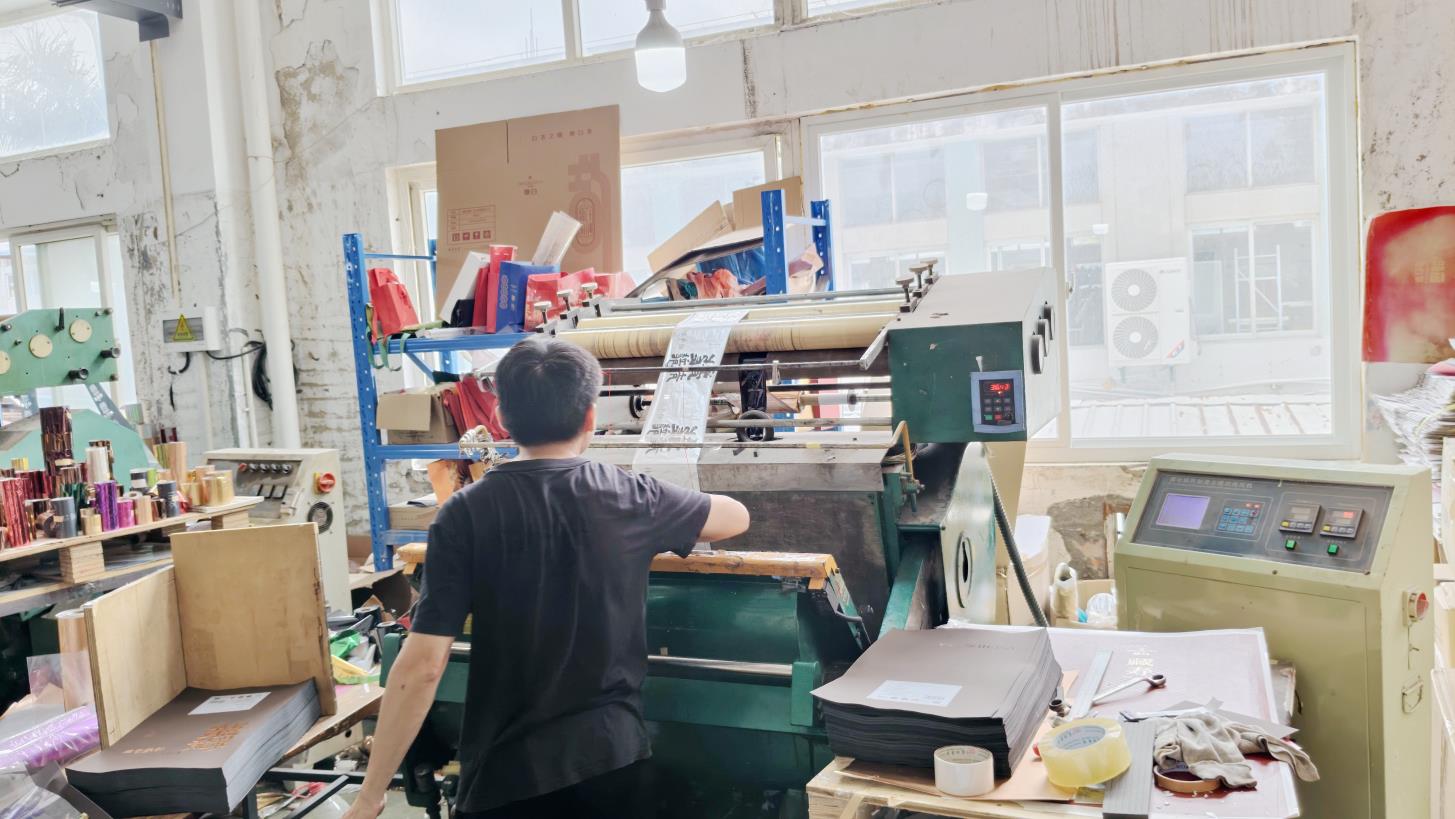
Finishing line
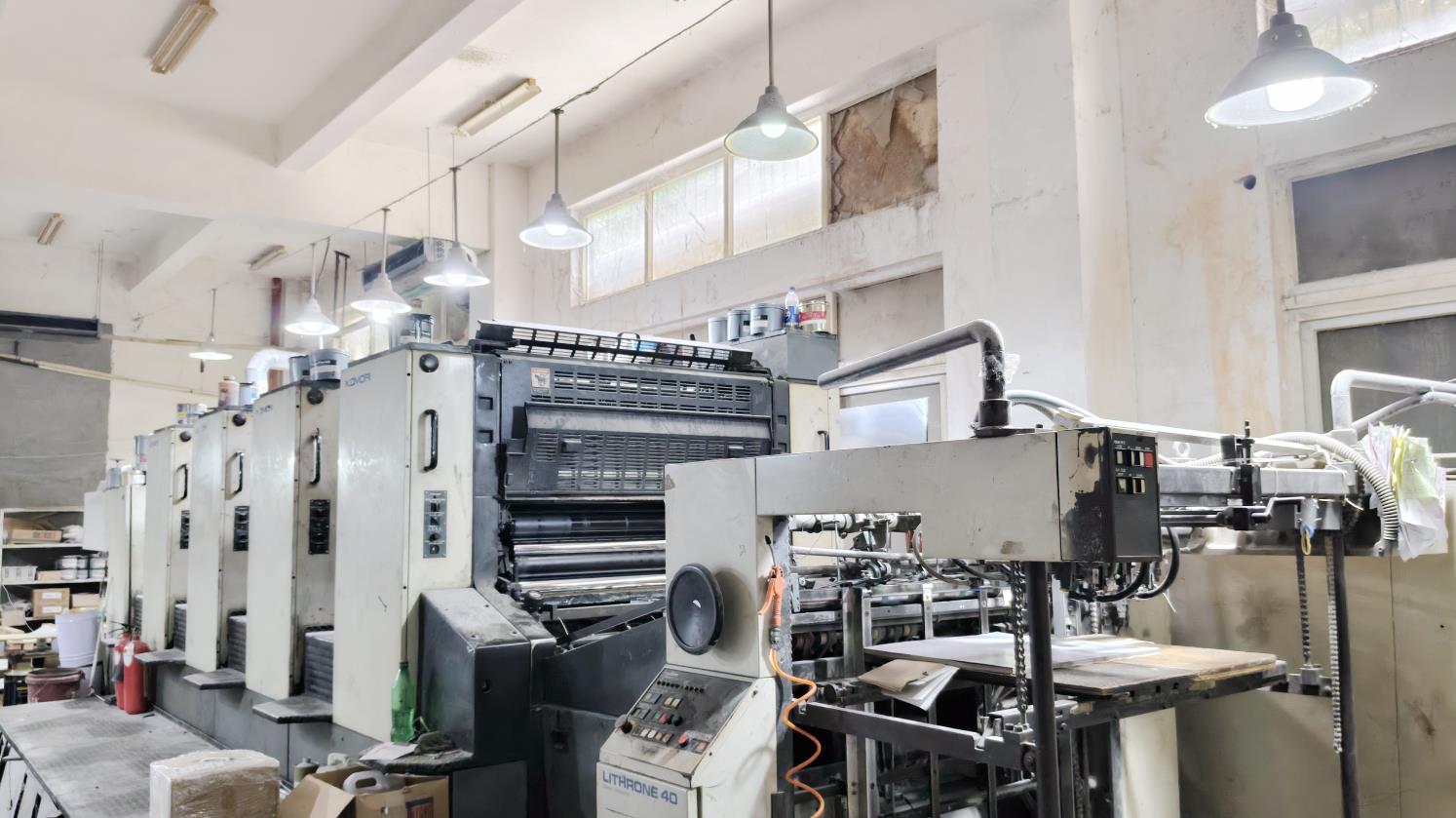
Quality inspection
How Foil Stamped Boxes Are Evolving
Premium packaging is moving toward tactile restraint, recyclable material choices and mixed-media presentation. These trends affect both design approvals and supplier selection.
Tactile Minimalism
Small blind embosses, micro-foil lines and soft-touch surfaces are replacing large metallic coverage. The goal is a subtle premium cue that feels considered rather than loud.
Black-and-Gold Contrast
Imported black card, black cotton paper and dark rigid boxes remain strong formats for gold, copper and rose-gold foil. Buyers increasingly request edge painting and deboss depth control.
Mixed-Media Unboxing
Metal cards, cotton-paper thank-you cards, ribbon pulls and paper inserts are being combined inside foil stamped boxes to create a layered reveal without adding plastic.
Seasonal Structural Formats
Advent calendars, drawer boxes and multi-compartment gift sets require hand assembly. Foil decoration must survive repeated opening, folding and product removal.
Recyclable Luxury
Paper-based inserts, water-based inks and lower foil coverage help brands keep a premium look while aligning with retail and e-commerce recycling expectations.
Digital Versioning
Brands need campaign variants, market-specific inserts and short runs. Digital printing plus foil finishing lets packaging teams localize messaging without committing to huge inventory.
What Packaging Buyers Will Expect Next
Supplier selection is becoming more data-driven. Price still matters, but verification, speed, sustainability and total landed cost are now part of the same decision.
Verified Supplier Files
Procurement teams will ask for third-party verification, factory photos, certificates and quality documentation before sharing artwork or paying for tooling.
Low-MOQ Market Tests
Launching with 100 pcs and scaling after sell-through is becoming standard. Suppliers that treat small orders as service failures will lose growth-stage brands.
Remote Approvals
Free 3D mockups, dielines and video sample reviews reduce the need for travel. Overseas buyers expect fast digital communication and clear photo evidence.
Total Landed Cost
Buyers compare freight, duties, damage rates and reorder speed, not just unit price. Export-grade cartons and flat packing can materially reduce total cost.
Vendor Consolidation
Brands prefer fewer suppliers that can produce boxes, cards, labels, bags and print together. One packaging partner simplifies color matching and shipping consolidation.
Compliance & Traceability
Retail buyers increasingly ask how materials, inks and inserts meet sustainability claims. Suppliers need to document options rather than rely on vague “eco-friendly” language.
Reduce Procurement Risk With a Verified Manufacturing Partner
A foil stamped box is only as good as the production system behind it. Buba combines design, printing, finishing, assembly and export packing in one workflow.
Third-Party Verified
TÜV Rheinland onsite verification gives overseas buyers independent evidence of factory presence and production capability.
One-Stop Finishing
Hot foil, emboss, spot UV, lamination, die-cutting and hand assembly are controlled under one roof for faster issue resolution.
Low MOQ, Scalable
Start with a test run from 100 pcs on many products, then scale to bulk production without changing supplier or artwork standards.
Free 3D Mockup
Approve structure, artwork position and finish before tooling or sampling. This reduces costly revisions and improves decision speed.
Eco-Friendly Options
Recyclable kraft and corrugated board, paper-based inserts, water-based inks and plastic-free tear-strip structures are available on request.
Export-Ready Logistics
10+ years of export experience supports export-grade cartons, protection against foil scuffing, flat packing and sea, air or express delivery.
A Practical Quality Path for Foil Stamped Packaging
Foil defects are usually visible before shipment, so control must begin with materials and artwork approval—not with final inspection.
Material Approval
Confirm board grade, coating, foil carrier, ink and insert material. The same artwork can look different on black card, cotton paper or laminated rigid board.
Dieline & 3D Mockup
Approve fold direction, artwork position and finishing zones before physical sampling. This is especially important for drawer boxes and multi-piece gift sets.
Physical Sample
A pre-production sample confirms foil shade, emboss depth, registration, paper texture and product fit. Written approval protects both buyer and supplier.
AQL Final Inspection
Check print, foil adhesion, scuffing, folding, assembly and packing. Photo reports before shipment provide a documented record for international orders.
Frequently Asked Questions About Foil Stamped Boxes
Answers for brand owners, procurement teams and distributors comparing foil stamping factories and exporters.
What are foil stamped boxes?
Foil stamped boxes are paper or paperboard packaging decorated with a metallic or pigmented foil using heat, pressure and a metal die. The result can be a gold, silver, copper, holographic or custom-color logo and pattern. Hot foil stamping is commonly used on rigid gift boxes, folding cartons, business cards, hang tags and premium retail packaging.
What is the minimum order quantity for custom foil stamped packaging?
Many custom mailer boxes, rigid gift boxes and paper bags start from 100 pcs. Some notebooks start from 50 pcs, while hang tags, flyers and labels usually start from 200–1,000 pcs depending on size and finishing. Foil stamping on small cards or multi-piece gift sets may require a slightly higher MOQ to absorb die and setup costs.
How long do samples and mass production take?
A typical lead time is 3–7 working days for pre-production samples and 10–20 working days for mass production after sample approval. Complex rigid boxes, advent calendars or large book runs may need longer. A reliable exporter will confirm the schedule in writing and share production updates.
How do I ensure the foil color matches my brand?
Approve a physical sample under the same lighting conditions used for your retail environment. Foil appears different on coated, uncoated, black and textured paper. Pantone matching may be possible for printed elements, but metallic foil is usually selected from a foil swatch range. For premium projects, request a pre-production sample rather than approving from a screen image.
Which paper or board is best for foil stamping?
Dense, smooth stocks generally hold foil registration well. Popular choices include imported black card, cotton paper, art card, SBS ivory board, kraft board and greyboard wrapped with specialty paper. Coated surfaces can give a mirror-like finish; textured stocks create a more tactile, matte metallic look. The right choice depends on the structure, product weight and shipping method.
Can foil stamped boxes be recyclable?
Recyclability depends on the paper stream and the amount of foil, lamination and adhesive used. Suppliers can reduce risk by using recyclable paperboard, paper-based inserts instead of plastic, water-based inks and controlled foil coverage. For markets with strict packaging rules, ask the factory to document materials and test the proposed structure with your sustainability team before mass production.
Do you offer free design support and 3D mockups?
Yes. Buba’s in-house design team can provide dielines and a free 3D mockup so buyers can approve structure, artwork position and finishing before a sample is produced. For foil stamped packaging, the mockup is useful for checking logo placement, fold lines and decoration areas.
Can you handle low-volume custom boxes and cards?
Yes, low-MOQ customization is a practical way to test a market before scaling. Start with 100 pcs on selected packaging products and approve the sample carefully. Once sales are validated, reorder in larger quantities using the same approved artwork, die and material specification.
How can I verify a foil stamping factory before ordering?
Ask for third-party verification, factory photos, video, sample records, quality inspection procedures and export references. Buba has been verified onsite by TÜV Rheinland and is listed as a Custom Manufacturer offering design-based, sample-based and full customization with onsite material inspection. A video call or factory tour can further reduce sourcing risk.
How should I request a quote for foil stamped boxes?
Send the box style, dimensions, product weight, quantity, artwork file, preferred paper, foil color, finishing requirements and delivery country. If you do not yet have a dieline, share a reference photo and product dimensions. The factory can then propose a structure, material grade, finishing plan and free 3D mockup before confirming the quotation.
Ready to Brief Your Foil Stamped Packaging Project?
Send your box style, dimensions, quantity, artwork status and target market. Our team can respond with a structure proposal, material recommendation and free 3D mockup direction.