Top 10 Corrugated Boxes Exporter & Exporters
A procurement-grade guide for importers, brand owners, and private-label teams comparing export-ready suppliers on engineering, verification, landed cost, and sustainability.
8 Buyer-Selected Products for Corrugated Export Programs
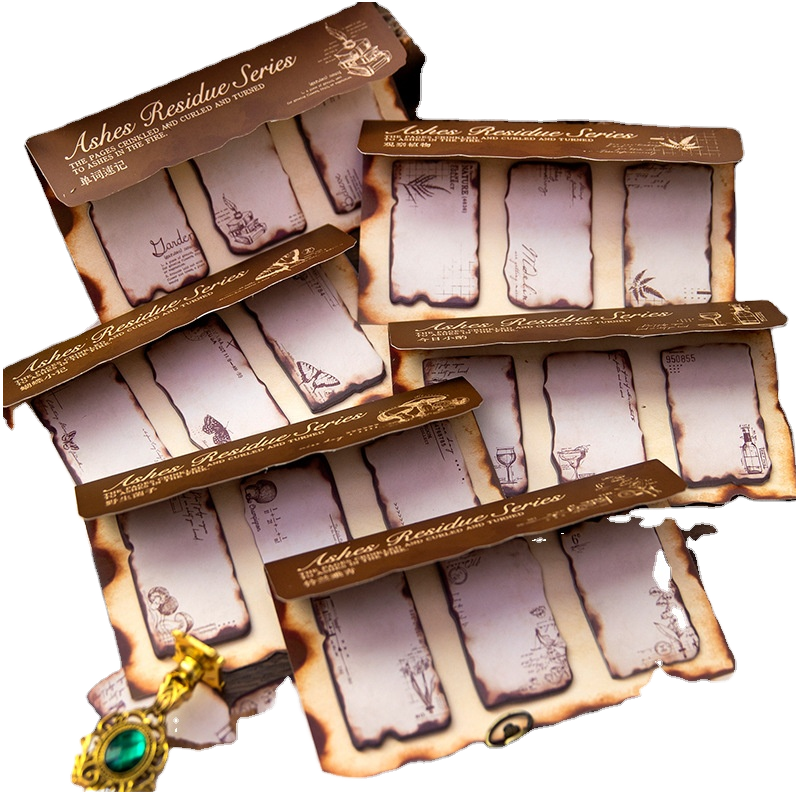
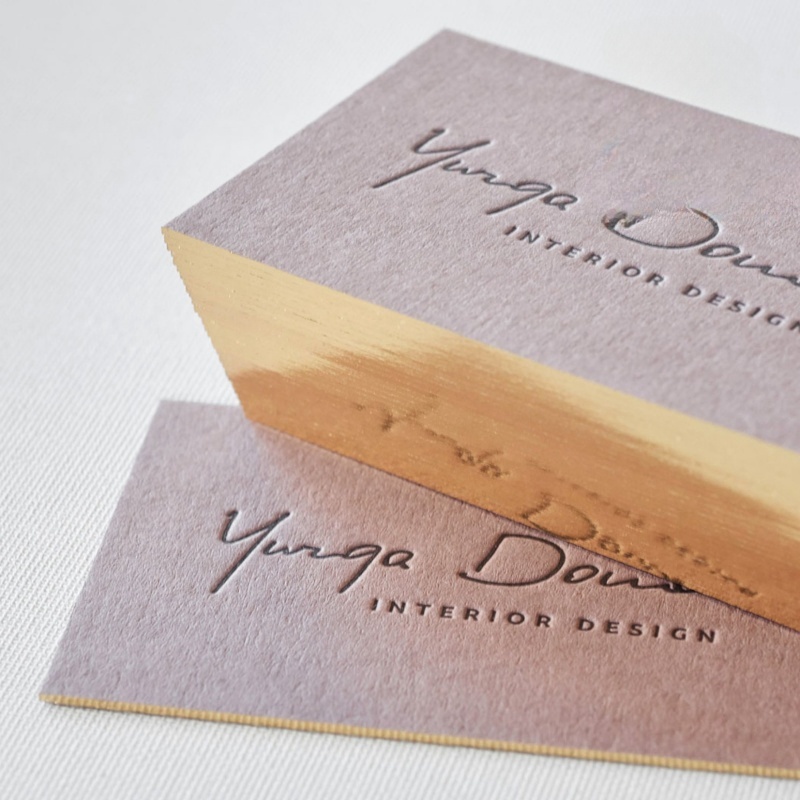
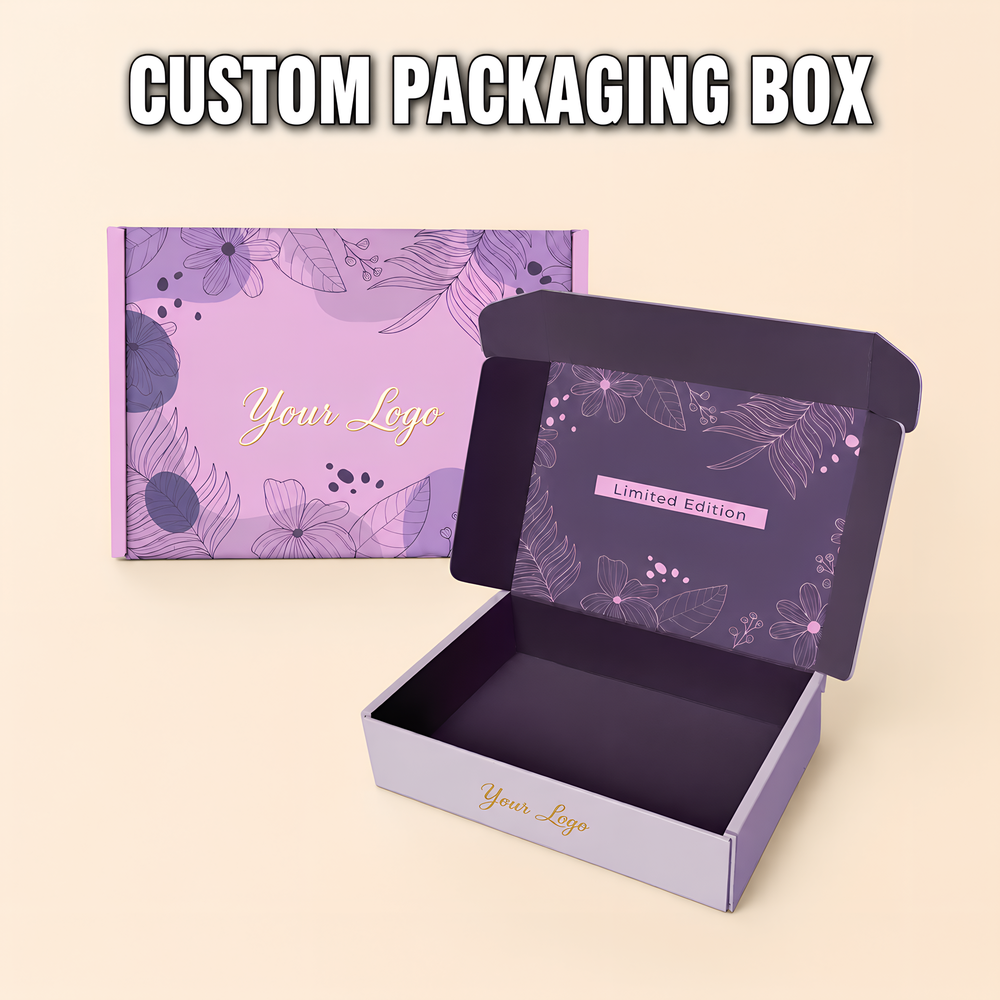
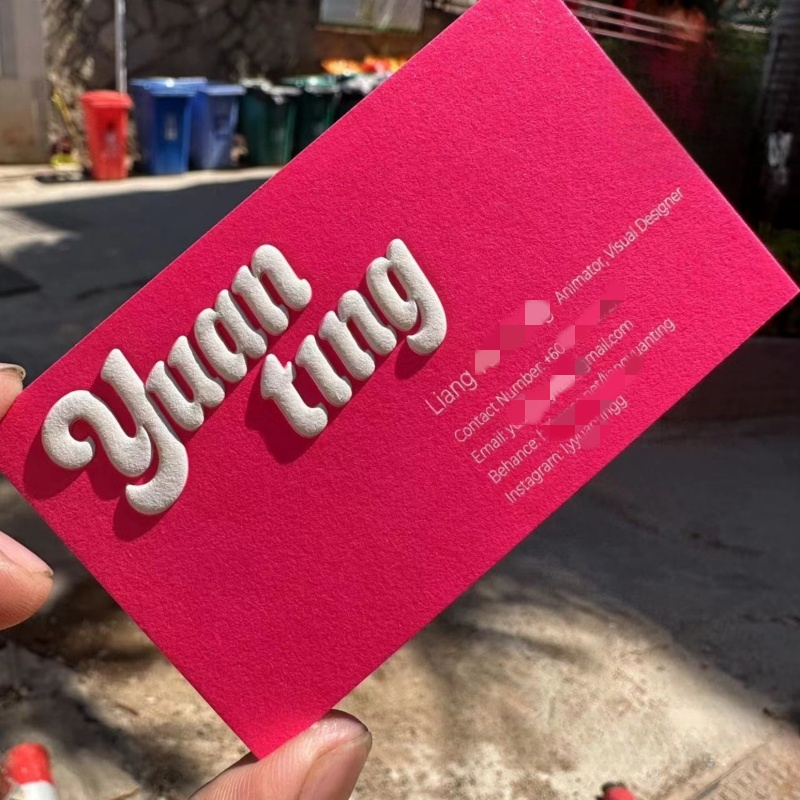
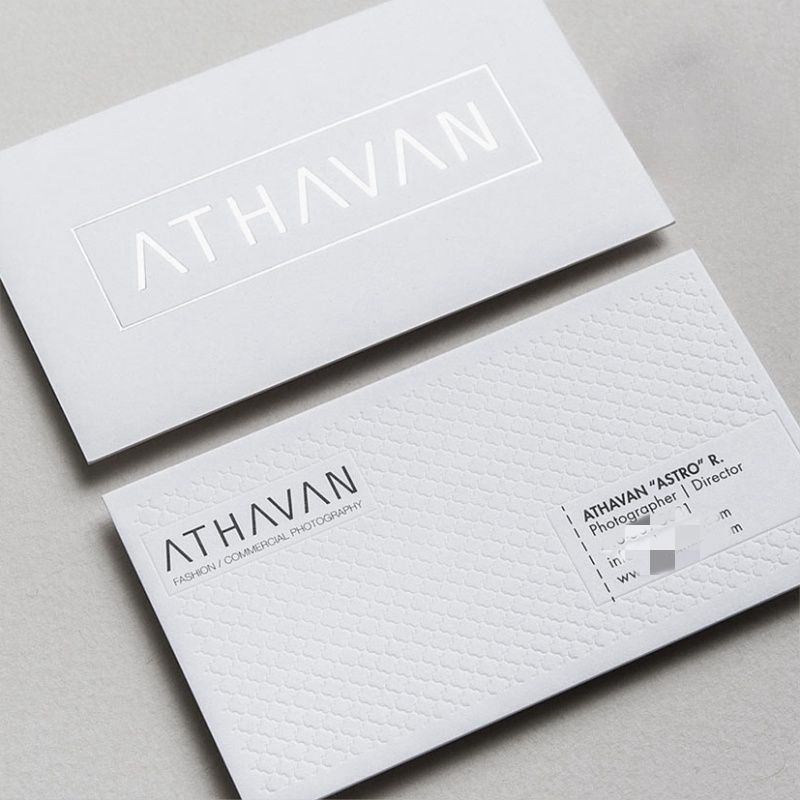
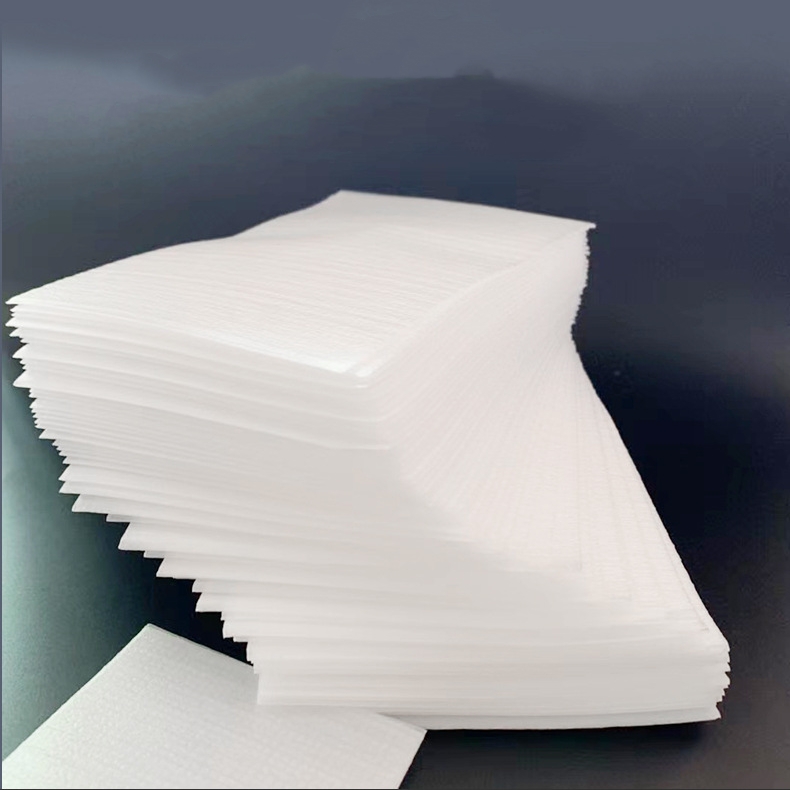
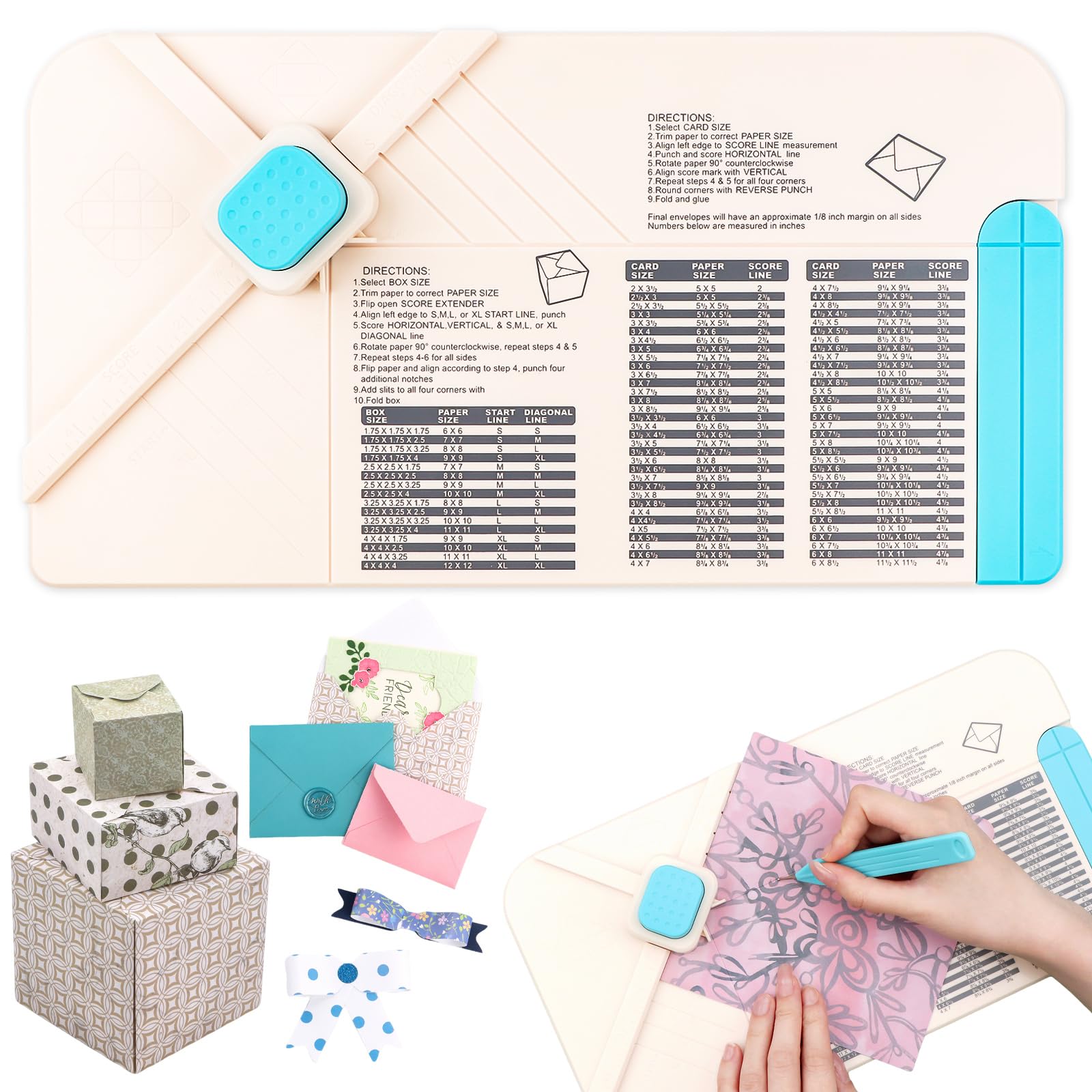
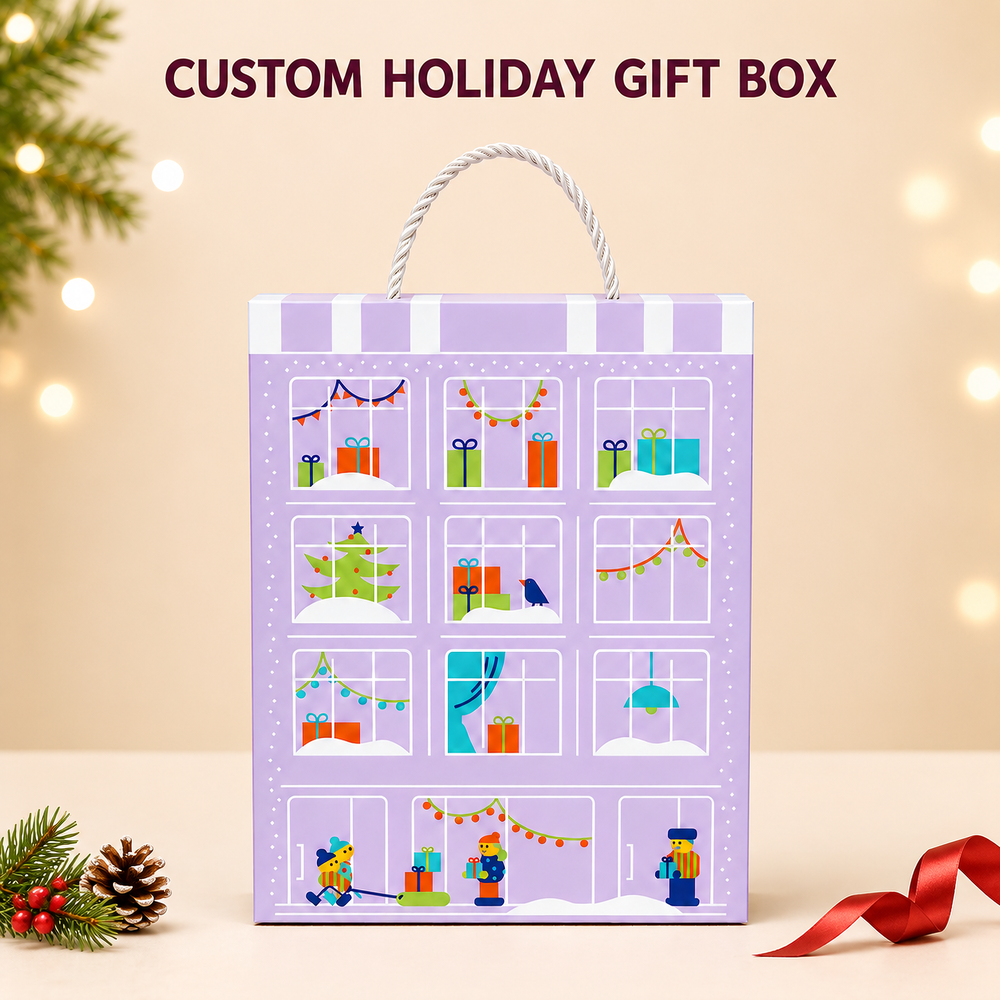
Shortlisting begins with a tangible sample. These export-ready products from Buba’s custom packaging and print portfolio can be engineered as corrugated mailers, paired as retail kits, or used as value-added inserts to reduce packaging complexity.
What Makes a Top 10 Corrugated Boxes Exporter in 2025?
The search phrase top 10 corrugated boxes exporter & exporters is a high-intent procurement query. Buyers using it are usually not browsing for a dictionary definition; they are building a supplier shortlist. A credible exporter page should therefore answer the questions a sourcing manager asks in a pre-qualification call: Which corrugated grade will protect my product? Can you reproduce color across reorders? What evidence exists for quality control? How will the box perform in ISTA-style distribution tests? And which quotation actually represents the lowest landed cost rather than the lowest piece price?
Experience, Expertise, Authority, and Trustworthiness are not badges added after the fact. They are operational. Fuzhou Buba Printing Co., Ltd. brings 18 years of paper-printing experience, a 2,300 m² production floor, more than a decade of export work, and onsite verification by TÜV Rheinland. Those facts let a buyer compare claims against documents, samples, inspection photos, and a factory video. The strongest information gain in this category is not another directory list. It is a repeatable scorecard that separates a box maker from a packaging partner.
Structural Engineering
Flute direction, ECT/BCT targets, score-line placement, and interior fit must be engineered around product weight and shipping mode—not copied from a catalogue.
Print Consistency
Flexo, litho-lamination, and digital print each solve a different problem. Buyers should ask for first-article approval, Pantone controls, and reorder color evidence.
Verification & QC
Third-party onsite verification, incoming material checks, inline inspection, and final AQL reports reduce the risk hidden inside a low quotation.
Landed-Cost Logic
A box that is 8% cheaper per piece but 12% heavier in cube can lose money on every container. Right-sizing and pallet planning matter as much as unit price.
Corrugated Boxes Export Market: Buyer Trends Reshaping Exporter Selection
The next procurement cycle will reward exporters who can prove sustainability, absorb smaller order sizes, and protect freight economics—not only those with the largest catalogue.
Right-Sizing Beats Overpacking
Dimensional weight now decides freight for many e-commerce lanes. Exporters that engineer around product dimensions, void fill, and pallet cube help buyers recover margin without weakening protection.
Recyclability With Evidence
“Eco-friendly” is no longer enough. Buyers want material composition, plastic-free inserts, water-based inks, and a clear path to recyclability in the destination market.
Digital Short Runs
Regional launches, limited editions, and compliance updates are pushing smaller, more frequent orders. Digital print and flexible MOQs reduce obsolete packaging and speed up tests.
Dual-Region Resilience
Importers are qualifying backup suppliers and multi-region production plans. Exporters that document processes, share QC evidence, and support repeatable reorders win the second order.
Product Development Trends for the Next Corrugated Box
Corrugated packaging is becoming a data-rich, retail-ready, and fiber-first product. The box is no longer just a shipping container; it is part of brand experience and compliance strategy.
Litho-Laminated High Graphics
Retail-grade print is moving onto corrugated through litho-lamination, allowing photo-quality brand storytelling without sacrificing compression strength or stacking performance.
Fiber-Based Cushioning
Paper honeycomb, molded pulp, and die-cut corrugated inserts are replacing foam in many programs. EPE foam remains relevant for high-shock products, but hybrid systems are growing.
Barrier and Moisture Coatings
Water-resistant coatings, grease barriers, and recyclable surface treatments are expanding corrugated into chilled, cosmetic, and food-adjacent applications.
Connected Packaging
QR codes, batch serialization, and authentication marks turn a corrugated box into a data touchpoint for warranty registration, recycling instructions, and retailer compliance.
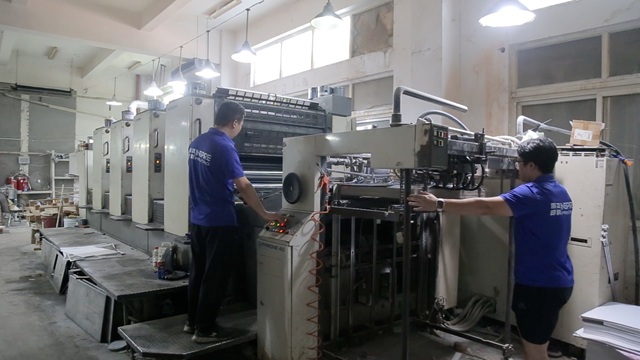

Why Fuzhou Buba Printing Co., Ltd. Is a Shortlist-Ready Corrugated Boxes Exporter
Fuzhou Buba Printing Co., Ltd. is a custom manufacturer of paper packaging and commercial print based in Jianxin Town, Fuzhou, Fujian, China. The team has spent 18 years in the paper-printing trade and more than a decade shipping mailer boxes, gift boxes, paper bags, labels, cards, notebooks, and catalogs to brand owners, e-commerce sellers, and distributors worldwide.
Every project is handled under one roof—structural design, prepress, offset and digital printing, foil stamping, embossing, lamination, die-cutting, and hand assembly—so buyers deal with one accountable supplier instead of a chain of subcontractors. This is a practical E-E-A-T advantage: fewer handoffs mean fewer unexplained color shifts, missed deadlines, or quality gaps.
- TÜV Rheinland onsite-verified
- Quality-management certified
- OEM & ODM services
- Onsite material inspection
- Design & sample-based customization
- Recyclable paper options

18 Years of Paper-Printing Experience
Long-run consistency, dieline discipline, and finishing knowledge built across paper boxes, cards, labels, catalogs, and custom export packaging.
TÜV Rheinland Onsite Verification
Independent inspection of premises, legal status, and production capability gives overseas buyers a verifiable starting point.
Free 3D Mockups & Dielines
In-house designers build the structure and render artwork placement before sampling, reducing revisions and approval friction.
Low MOQ, Factory-Direct Pricing
Many custom boxes start from 100 pcs, with selected notebooks from 50 pcs, so brands can test a market before scaling to bulk production.
In-House Premium Finishing
Hot foil, blind and 3D embossing, spot UV, soft-touch lamination, letterpress, and window patching are completed under one production plan.
Export-Ready QC & Logistics
Incoming material checks, first-article approval, inline color checks, final AQL inspection, export cartons, and sea, air, or express shipping support.
Corrugated Box Specification & Export Bill of Materials
Use this reference to brief an exporter faster. Final board grade should always be confirmed against product weight, drop height, stacking time, humidity, and the destination market’s recycling rules.
| Export Box Style | Typical Board / Material | Print & Finish | Best-Fit Application | MOQ From |
|---|---|---|---|---|
| E-Commerce Mailer Box | E-flute or B-flute corrugated, white or kraft liner, 1.5–3 mm | CMYK litho or digital, matte/gloss lamination, tear strip, spot UV | Subscription kits, beauty sets, apparel, direct-to-consumer unboxing | 100 pcs |
| Heavy-Duty Shipping Box | B-flute or BC double wall, 3–6 mm, high ECT grade | Flexo print, waterproof coating, reinforced hand holes | Home goods, small appliances, B2B parts, ISTA 3A distribution tests | 300 pcs |
| Retail Rigid Gift Box | 1200–2000 gsm greyboard wrapped in art or specialty paper | Foil stamping, embossing, magnetic flap, EVA or paper insert | Luxury retail, holiday gifts, cosmetic sets, corporate VIP packaging | 100 pcs |
| Printed Subscription Kit | E-flute mailer with die-cut corrugated or paper insert | Full-color outside and inside print, QR code, booklet or card insert | Monthly boxes, welcome kits, sampler programs, influencer mailers | 100 pcs |
| Protective Insert / Pouch | EPE foam, paper honeycomb, molded pulp, or die-cut corrugated | Custom shape, laminated surface, brand label, anti-scratch liner | Electronics, glassware, cosmetics, subscription add-ons | 200 pcs |
For export programs, request test protocols rather than assumptions. Common references include ISTA 1A for basic package performance, ISTA 3A for parcel delivery, ASTM D642 for compression, and TAPPI T804 for short-column compression. A supplier that can discuss flute direction, score lines, pallet overhang, and dimensional weight is usually better prepared than one that only quotes a board thickness. Artwork should be supplied as vector AI, PDF, or EPS in CMYK with 3 mm bleed; high-resolution PSD or TIFF files at 300 dpi are also accepted, and Pantone colors can be matched on request.
From Brief to Delivered Cartons: Six Quality Gates
A transparent process gives procurement teams a sign-off at every stage, so there are no surprises when the container arrives.
Brief & Dieline
Share box size, product weight, artwork status, and target quantity. The team proposes structure, board grade, and finishing options.
Free 3D Mockup
Approve a rendered mockup with exact artwork placement before a physical sample is produced, reducing revisions and sample cost.
Pre-Production Sample
A physical sample confirms color, fit, board strength, and finishing. Buyers sign off before mass production begins.
Mass Production
Printing, lamination, die-cutting, and assembly run with inline color control and documented first-article approval.
Final Inspection
An AQL check with photos or video verifies count, print, structure, and packing before the goods leave the factory.
Global Shipping
Export-grade cartons, flat-packing where suitable, pallet planning, and sea, air, or express delivery support.
Frequently Asked Questions: Corrugated Boxes Exporter & Exporters
What is the minimum order quantity for custom corrugated boxes?
Most custom mailer boxes, rigid gift boxes, and printed corrugated cartons start from 100 pieces. Some notebooks start from 50 pieces, while hang tags, flyers, and labels usually start from 200–1,000 pieces depending on size and finishing. If you are testing a new market, we can quote a small trial run and then scale to bulk production without changing the dieline or print specification.
What should I check before choosing a corrugated boxes exporter?
Check five things: board grade and flute direction for your product weight; print method and color-control evidence; the supplier’s sample and AQL process; export documentation and carton packing plan; and whether the factory has been independently verified. Ask for photos of incoming material inspection, first-article approval, and final inspection. A low unit price can disappear once damage, rework, or delayed clearance is added.
Do you offer free design support and 3D mockups?
Yes. Our in-house design team provides dielines and a free 3D mockup so you can approve structure, artwork position, and finishing before any physical sample is produced. This reduces revisions and helps procurement teams align marketing, product, and logistics before committing to a print run.
How long do samples and mass production take?
Typical lead time is 3–7 working days for pre-production samples and 10–20 working days for mass production after sample approval. Complex rigid boxes, large book runs, or multi-component kits may need longer. We confirm the schedule in writing with every order and share progress at the first-article, inline, and final-inspection stages.
Which artwork formats and testing standards do you accept?
We prefer vector AI, PDF, or EPS files in CMYK with 3 mm bleed and outlined fonts. High-resolution PSD or TIFF files at 300 dpi are also accepted. Pantone colors can be matched on request. For corrugated packaging, we can build to ISTA 1A/3A, ASTM D642, and TAPPI T804 protocols when specified; final board grade should always be confirmed with a drop test and pallet plan.
Can you make eco-friendly or recyclable packaging?
Yes. We offer recyclable kraft and corrugated board, paper-based inserts instead of plastic, water-based inks, and plastic-free tear-strip mailer boxes. For buyers with sustainability targets, we can document material composition and recommend a structure that keeps the box recyclable while still protecting the product in transit.
Is your factory verified by a third party?
Yes. Our factory has been verified onsite by TÜV Rheinland, and we are listed as a Custom Manufacturer offering design-based, sample-based, and full customization with onsite material inspection. Quality-management certification and product certificates are available for buyer review.
How do you reduce freight cost and damage for export orders?
We start with right-sizing: the box should fit the product with the minimum practical void while still meeting compression and drop requirements. For many programs, flat-packed mailers and optimized pallet patterns reduce dimensional weight and container cube. We also provide export-grade cartons, moisture protection, and a final AQL inspection with photos or video before shipment. The goal is to lower landed cost, not just the quoted piece price.
Ready to Shortlist a Corrugated Boxes Exporter?
Send your box size, product weight, artwork status, target quantity, and destination market. Our team will reply with a structure proposal, material recommendation, and free 3D mockup direction.