8 Products Buyers Often Specify Alongside Tear Strip Box Programs
Tear strip mailer boxes are rarely purchased in isolation. Brand owners usually bundle them with gift boxes, paper bags, labels, cards, notebooks, calendars and secondary print to reduce supplier count and protect a consistent unboxing experience. The eight items below reflect that cross-category procurement pattern and are useful starting points for sampling, market tests and full-scale wholesale programs.
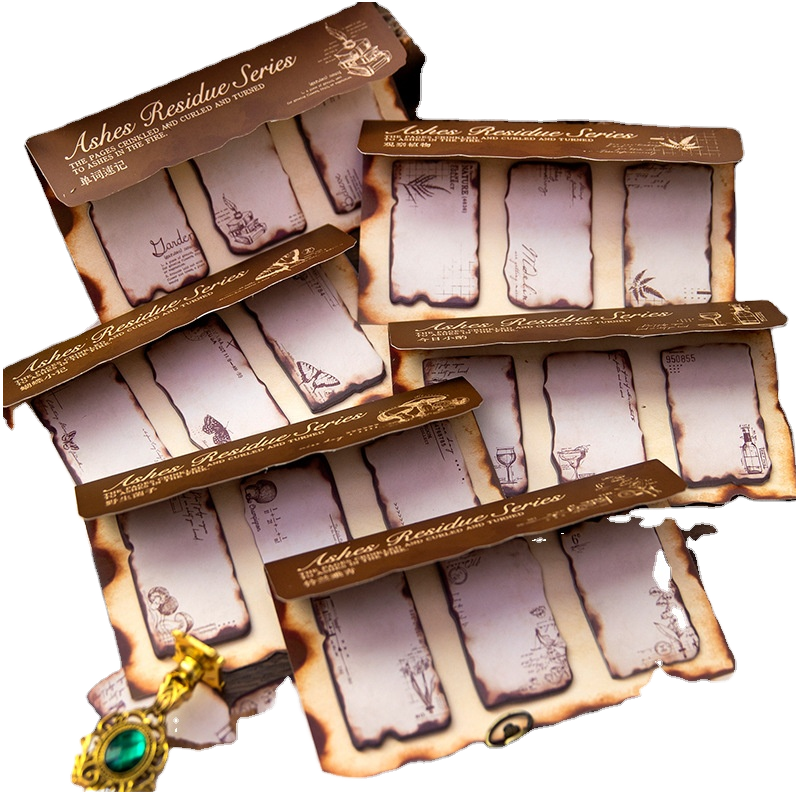
60pcs/pack Loose Leaf Ashes Aftermath Series Retro Burnt Handbook Decoration Stickers for Memo Pads
View product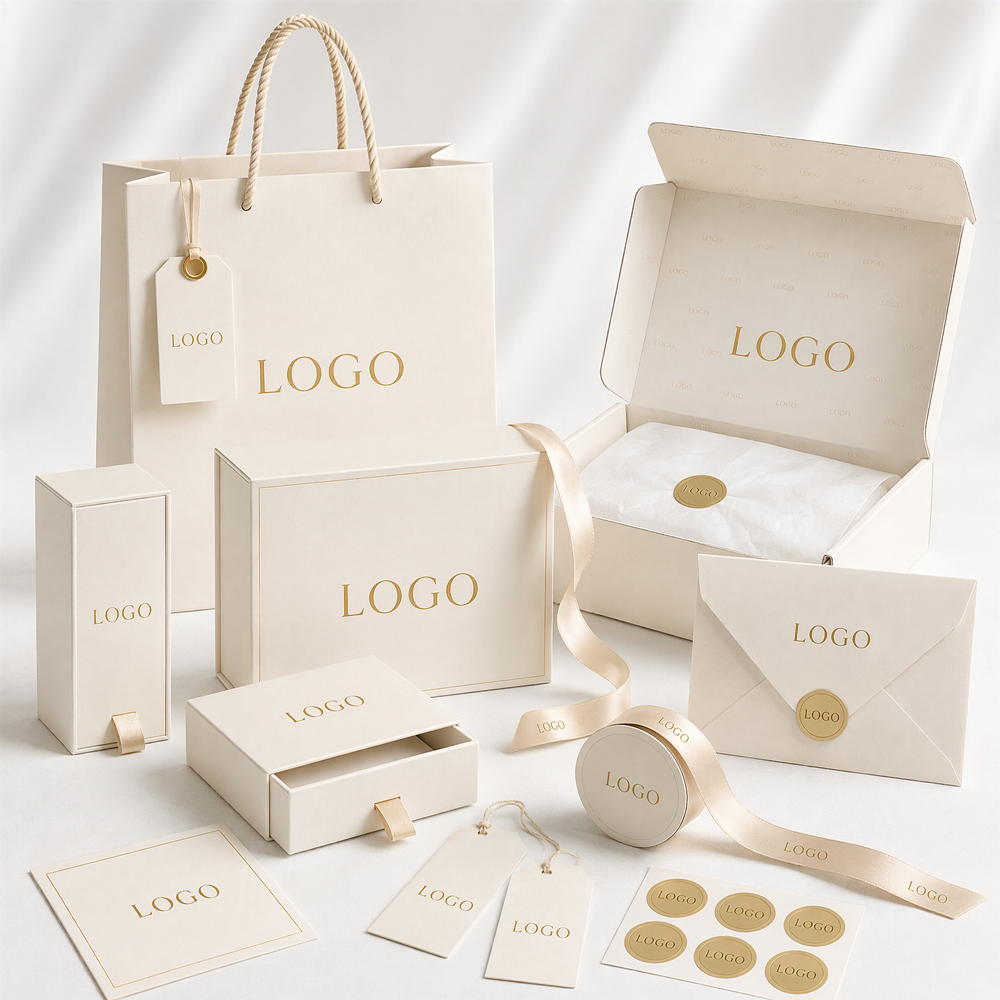

2027 Mini Desk Calendar Standing Flip Long Daily Calendar Twin-Wire Binding for Home Office School
View product

What Makes a Tear Strip Box Different from a Standard Mailer?
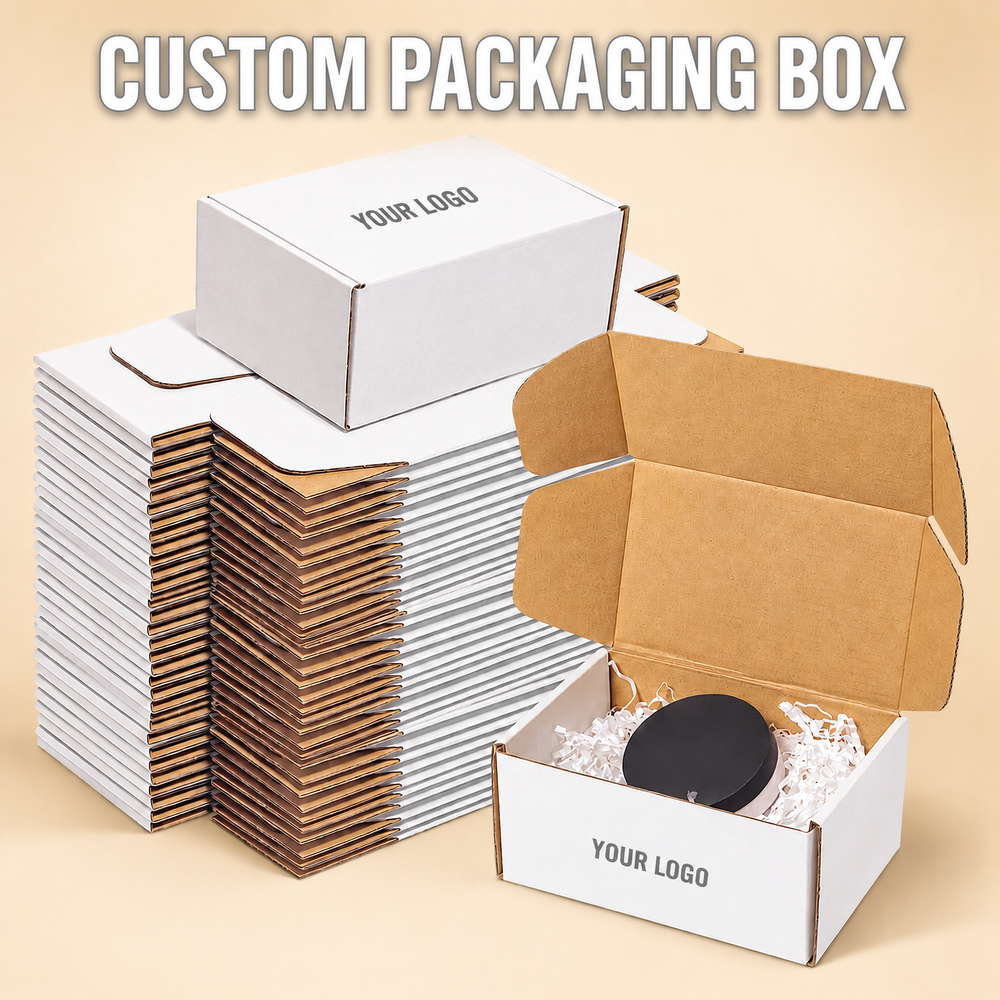
For procurement teams searching for OEM/ODM tear strip boxes suppliers and wholesalers, the buying decision is not simply about a box with a ribbon pull. A reliable tear strip mailer is a system of board grade, flute direction, adhesive, release liner, perforation placement, starter-tab geometry and packing-line behaviour. The strip must open cleanly in the customer’s hands, resist accidental opening in transit, protect the product from dust and tampering, and still support the brand experience at the moment of unboxing.
That is why experienced buyers treat tear strip packaging as an engineered component, not a commodity carton. A well-made self-sealing tear strip box can reduce packing time, eliminate loose tape, improve perceived quality, support returns handling and create a more controlled opening experience. A poorly specified box can tear diagonally, leave fibre whiskers, expose the product, fail in humidity or jam an automated packing line. The difference is usually visible before mass production — in the dieline, the sample, the material specification and the supplier’s willingness to test the opening force.
Where tear strip formats create the most value
Subscription boxes, direct-to-consumer skincare, small electronics, apparel accessories, supplements, coffee, pet products, home fragrance, jewellery and premium corporate gifts all benefit from a clean pull-tab opening. For brands selling through marketplaces, a tamper-evident tear strip also gives the end customer a simple visual cue that the parcel has not been opened after packing. For wholesalers, the format supports compact flat-shipping, predictable assembly and faster fulfilment when compared with manually taped cartons.
Buba Pack approaches tear strip projects as an OEM/ODM manufacturing programme. Buyers can start from an existing structure, adapt a retail-ready reference, or brief a new dieline around product dimensions, weight, shipping route and unboxing sequence. The goal is not to sell the largest minimum order. The goal is to confirm the right board and strip configuration before the buyer commits to bulk volume.
Buyer's quick technical checklist
- Product weight: match board grade to fragility, weight and stacking load.
- Opening force: the pull-tab should start easily without premature tearing.
- Tape placement: strip alignment affects both tamper evidence and recyclability.
- Packing line fit: test assembly speed, adhesive tack and stack stability.
- Brand surface: plan print, inside-print, foil, spot UV and QR code areas.
- Sustainability claim: validate repulpability when using paper-based tape options.
Tear Strip Mailer Engineering for Reliable Wholesale Production
For suppliers and wholesalers, the commercial specification must be stable enough to repeat across reorders. These are the four variables that most often determine whether a tear strip box performs cleanly at scale.
Board & Flute Selection
E-flute is commonly used for light e-commerce mailers where print quality and a compact profile matter. B-flute or double-wall constructions are considered for heavier products, longer transit routes or higher stacking loads. Kraft liners support a natural recycled look; white liners help bright colour reproduction.
Tear Tape & Starter Tab
The tear tape needs balanced tensile strength and clean separation. The starter tab should be easy to grip, visible to the end user and positioned away from the main print area so the pull path does not disrupt key brand messaging. Dual tear strips can be specified for easy returns or reusable outer packaging.
Adhesive & Tamper Evidence
Self-sealing adhesive areas must bond reliably after packing but still allow a controlled tear. Hot-melt and pressure-sensitive options behave differently in cold, humid or dusty environments. Buyers should approve a pre-production sample after transit simulation, not only as a flat dummy.
Print & Packing-Line Fit
Flexo and digital print choices affect setup cost, minimum order and colour consistency. For automated packing, the dieline, glue flap, tear strip and board grain direction should all support fast folding. A small tolerance issue at the sample stage can become a line stoppage at bulk volume.
| Specification Area | Common Options | What to Confirm Before Bulk | Information Gain for Buyers |
|---|---|---|---|
| Corrugated Board | E-flute, B-flute, kraft or white liner, recycled fibre options | Product weight, stacking load, humidity exposure, transit duration | Do not select board by price alone; request opening and drop-test samples using the real product. |
| Tear Strip | Single strip, dual strip, reinforced film tape, paper-based option where available | Pull direction, starter-tab position, tear path tolerance | Ask for a video of three consecutive openings from the same production sample to judge consistency. |
| Adhesive Closure | Pressure-sensitive strip, hot-melt adhesive, peel-and-seal flap | Packing-line speed, ambient temperature, dust, reorder consistency | Confirm adhesive batch consistency with a second sample order before forecasting peak-season volume. |
| Print & Finish | CMYK, spot colour, inside print, matte/gloss lamination, spot UV | Artwork colour mode, bleed, barcode quiet zones, QR code contrast | Keep functional zones free from heavy ink and lamination where tear-path friction may vary. |
| Quality Testing | Material inspection, first-article approval, inline checks, AQL final inspection | Sampling plan, photo/video report, defect definitions | Define critical defects in writing: incomplete tear, exposed adhesive, misaligned strip and print registration. |
Future Procurement Trends for Tear Strip Boxes
Buyers are moving from “lowest unit price” toward total landed cost, fulfilment speed and defensible sustainability documentation. These shifts will shape wholesale tear strip box sourcing through 2027.
1. Fewer Suppliers, Broader Bills of Materials
Brands want one packaging partner capable of producing tear strip mailers, gift boxes, paper bags, labels and cards under one quality system. Consolidated sourcing reduces colour mismatch, duplicate shipping costs and supplier-management workload.
2. Total Landed Cost Over Unit Price
Flat-packed mailers reduce freight and warehouse space, but the best specification depends on assembly labour, adhesive performance and damage rates. Procurement teams increasingly compare landed cost per shipped order, not merely cost per box.
3. Right-Sized Packaging and Dim-Weight Control
As carriers price by dimensional weight, buyers are auditing box sizes against real product dimensions. A smaller tear strip mailer with a well-placed strip can reduce void fill and shipping cost while improving the unboxing presentation.
4. Recyclability Documentation
Plastic tape and mixed-material closures can complicate recycling claims. Buyers are asking suppliers to clarify tape chemistry, liner type, repulpability and available paper-based alternatives before approving a “recyclable” message.
5. Packing-Line Compatibility Reviews
E-commerce growth puts pressure on fulfilment speed. Packaging engineers now request folding trials, adhesive tack checks and stack stability tests before bulk production. Specs that work only as hand samples are rejected earlier.
6. Dual Sourcing and Reorder Resilience
Peak seasons expose the risk of single-source dependence. Wholesalers increasingly qualify one primary packaging manufacturer and one backup route, while keeping dielines, artwork and quality records portable and well documented.
Suggested Buyer Scorecard for Tear Strip Box Suppliers
The weighting below is a practical decision model for procurement teams, not a market statistic. Adjust it to your product risk, channel and sustainability priorities.
How Tear Strip Boxes Are Evolving
Innovation is moving in two directions at once: more automation-ready performance for fulfilment teams, and more memorable opening experiences for end customers. The strongest suppliers will prove both with samples and documentation.
Plastic-Free Opening Systems
Paper-based tear tapes, water-based adhesives and mono-material corrugated structures are advancing. Buyers should still test tearability and repulpability because “paper-based” does not automatically guarantee clean performance in every climate or packing line.
Precision Strip Placement
New tooling and inline inspection help reduce strip drift, glue squeeze and starter-tab variation. Consistent strip placement is becoming a measurable quality attribute in supplier scorecards rather than a visual afterthought.
QR-Linked Unboxing
Inside-print QR codes can connect customers to warranty registration, refill programs, recycling instructions or reorder offers. Designers now reserve clean scan zones away from the tear path and fold creases.
Return-Ready Dual Strips
Apparel and electronics brands are exploring dual-strip constructions that support an initial opening and a controlled return route. The benefit is a better returns experience; the trade-off is added material and packing-line discipline.
Variable Data and Short Runs
Digital print allows market tests, regional campaigns and limited editions without the plate costs of long-run flexo. For wholesalers, this means smaller initial runs can coexist with a planned transition to offset or flexo at scale.
Automation-Friendly Dielines
Fulfilment centres are asking for predictable flap stiffness, adhesive tack and stacking stability. Future tear strip boxes will be evaluated not only after delivery, but during the first ten seconds on an automated packing station.
How to Evaluate OEM/ODM Tear Strip Box Suppliers
A low quotation is meaningless if the strip tears outside the perforation or the adhesive fails in humid weather. Use this evaluation framework before placing a wholesale order.
1. Structural Engineering Capability
Ask for a dieline review, material recommendation and 3D mockup. A strong supplier should be able to explain board direction, flap design, strip position and the impact of product weight on the final structure.
2. Sample Quality and Repeatability
Do not approve a hand-made sample alone. Request a sample from the intended production process, then ask how the supplier will control strip alignment, colour and adhesive on reorders.
3. Functional Testing Discipline
Confirm what is checked: tear path, starter-tab access, adhesive closure, print registration, barcode readability and final AQL inspection. Photo and video reports reduce disputes during bulk delivery.
4. Transparent MOQ and Lead Time
Most custom packaging projects require a realistic minimum order to cover setup. Buyers should ask whether the quoted MOQ includes artwork changes, special paper, new tooling or hand assembly.
5. Compliance and Verification
Look for third-party verification, quality-management claims that can be supported and clear communication about material certificates. Vague sustainability language is a warning sign in regulated retail channels.
6. Export and Documentation Readiness
Confirm export carton strength, pallet planning, packing list accuracy, freight options and document turnaround. These details matter as much as print quality when production crosses borders.
A Verified OEM/ODM Partner for Tear Strip Packaging Programs
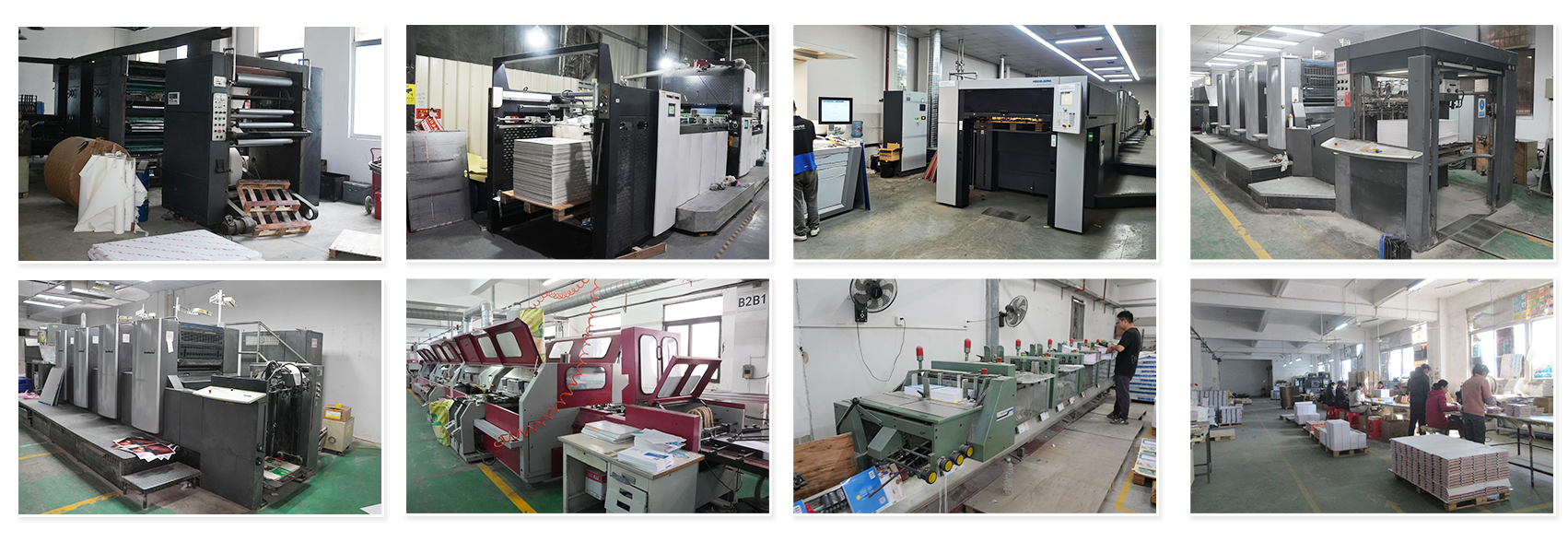
Fuzhou Buba Printing Co., Ltd. is an 18-year paper printing and packaging manufacturer based in Fuzhou, Fujian, China. The factory operates across structural design, prepress, offset and digital printing, foil stamping, embossing, lamination, die-cutting and hand assembly — which means tear strip mailers, gift boxes, paper bags, labels, cards, notebooks, catalogs and books can be coordinated through one accountable production team.
Our factory has been verified onsite by TÜV Rheinland and is positioned as a custom manufacturer with design-based, sample-based and full customization support. Buyers can request a free 3D mockup and dieline review before sampling, then confirm materials through onsite material inspection and first-article approval. This process is especially useful for OEM/ODM tear strip boxes where a small change in board, adhesive or print area can change the opening experience.
Buba Pack supports low MOQs for market testing, with many custom mailer boxes, rigid gift boxes and paper bags starting from 100 pcs. Self-sealing tear strip structures may be quoted from 300 pcs depending on board grade, strip specification and finishing. Pre-production samples typically take 3–7 working days, while mass production is commonly 10–20 working days after sample approval. For complex rigid boxes or large book runs, the schedule is confirmed in writing.
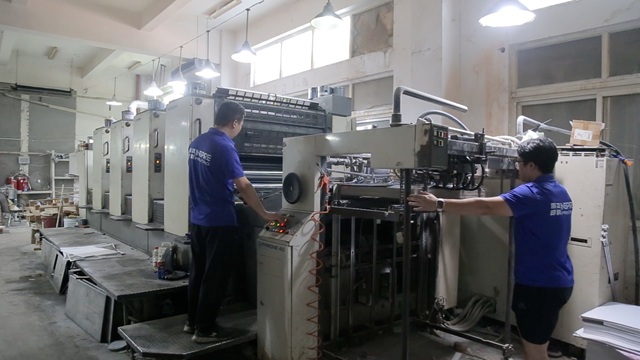 Factory capability across printing, finishing and assembly
 Verification, quality and compliance support
Frequently Asked Questions About Wholesale Tear Strip Boxes
These are the questions most often raised by brand owners, distributors and sourcing teams before requesting a quotation.
What is the minimum order quantity for custom tear strip boxes?
Many custom mailer boxes, rigid gift boxes and paper bags start from 100 pieces. Tear strip self-sealing constructions may be quoted from 300 pcs depending on board grade, tape type, adhesive and finishing. Smaller trial runs are often possible for market testing, but they may carry a higher unit setup cost.
Can you manufacture tear strip boxes with our logo and custom size?
Yes. OEM and ODM customization includes size, board grade, flute type, tear strip position, starter tab, adhesive closure, inside and outside print, foil stamping, embossing, spot UV and lamination. The structure is confirmed through a dieline and 3D mockup before sampling.
Are tear strip mailers suitable for automated packing lines?
They can be, but the design must be tested on the actual packing line or a representative setup. Flap stiffness, adhesive tack, strip placement and stack stability all influence automation performance. Buyers should approve a production-representative sample and run a small packing trial before bulk production.
Can tear strip boxes be recyclable or plastic-free?
Corrugated board is widely recyclable, but the tear tape and adhesive system must be reviewed. Plastic-free or paper-based tear strip options can be discussed where available, and the final recyclability claim should be verified against the actual material combination used in production.
How strong is a tear strip mailer for shipping?
Strength depends on product weight, board grade, flute type, dimensions, stacking load and transit conditions. E-flute is common for light e-commerce shipments, while B-flute or heavier constructions may be preferred for fragile or heavier products. We recommend testing with the real product and shipping route.
What artwork file formats do you accept?
Vector AI, PDF or EPS files in CMYK with 3 mm bleed and outlined fonts are preferred. High-resolution PSD or TIFF files at 300 dpi can also be accepted. Pantone colour matching can be discussed, and barcode or QR code quiet zones should be checked before approval.
How long do samples and mass production take?
Pre-production samples typically take 3–7 working days after artwork and specification approval. Mass production commonly takes 10–20 working days after sample sign-off. Complex rigid boxes, special finishes or large book runs may require more time, and the final schedule is confirmed in writing.
Is your factory verified, and can you support export shipping?
Our factory has been verified onsite by TÜV Rheinland and offers design-based, sample-based and full customization with onsite material inspection. With more than 10 years of export experience, we support export-grade cartons, flat-packing to reduce freight, and sea, air or express shipping arrangements.
Ready to Source OEM/ODM Tear Strip Boxes?
Send your box size, product weight, order quantity, artwork status and preferred tear strip direction. Our team can reply with a structure recommendation, material options and a free 3D mockup for review before sampling.
Send an Inquiry