OEM/ODM Skincare Boxes Factories & Factory
Factory-direct custom skincare packaging — structural design, free 3D mockups and in-house finishing under one roof in Fuzhou, China.
Send an InquiryEight Custom Packaging & Print Products Buyers Order Alongside Skincare Boxes
Skincare packaging is rarely a single carton. A complete OEM/ODM program typically pairs a primary box with mailers, thank-you cards, gift bags and brand cards. The eight products below are proven, reorder-heavy items from our factory — every one fully customizable in size, material, print and finish.
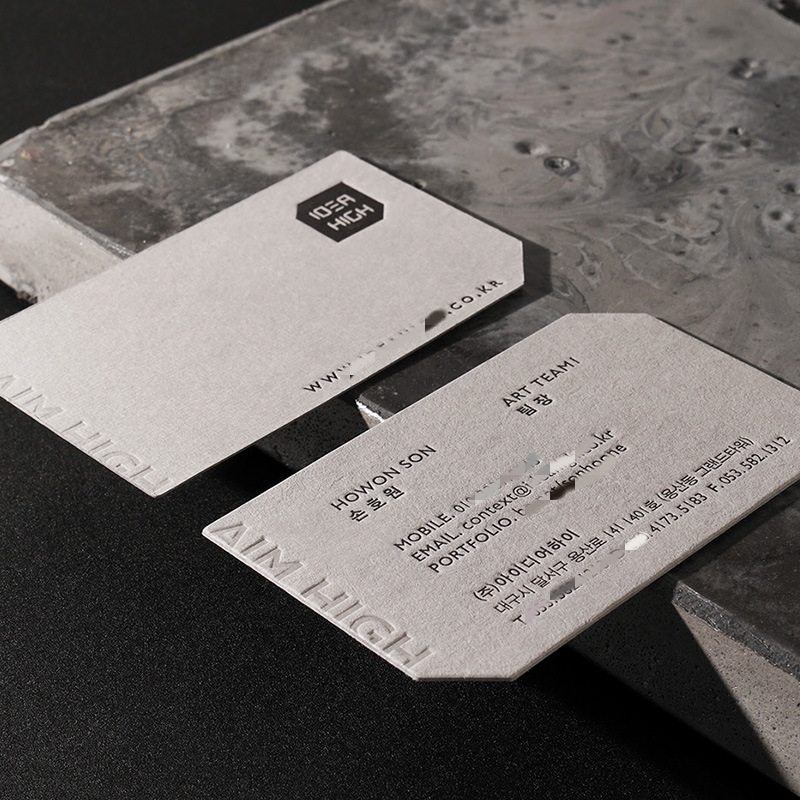
3D Embossed Cotton Paper Business Cards
New-material cotton stock with three-dimensional embossed texture — a tactile brand card for skincare PR kits and VIP inserts.
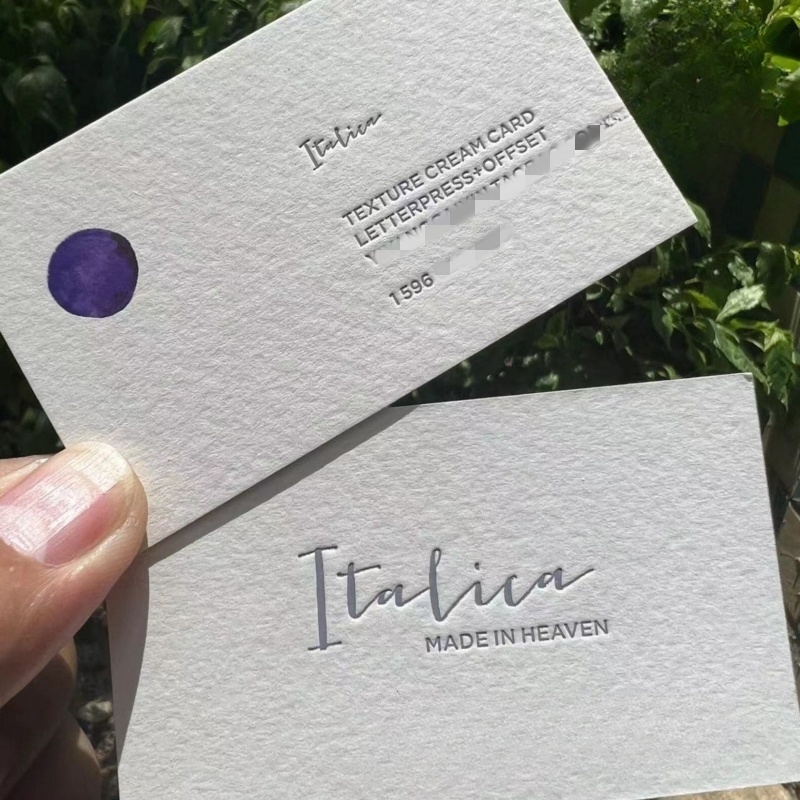
Hot-Stamped White Kraft Greeting Cards
Offset-printed kraft cards with hot foil stamping for wedding invitations, thank-you notes and skincare unboxing messages.
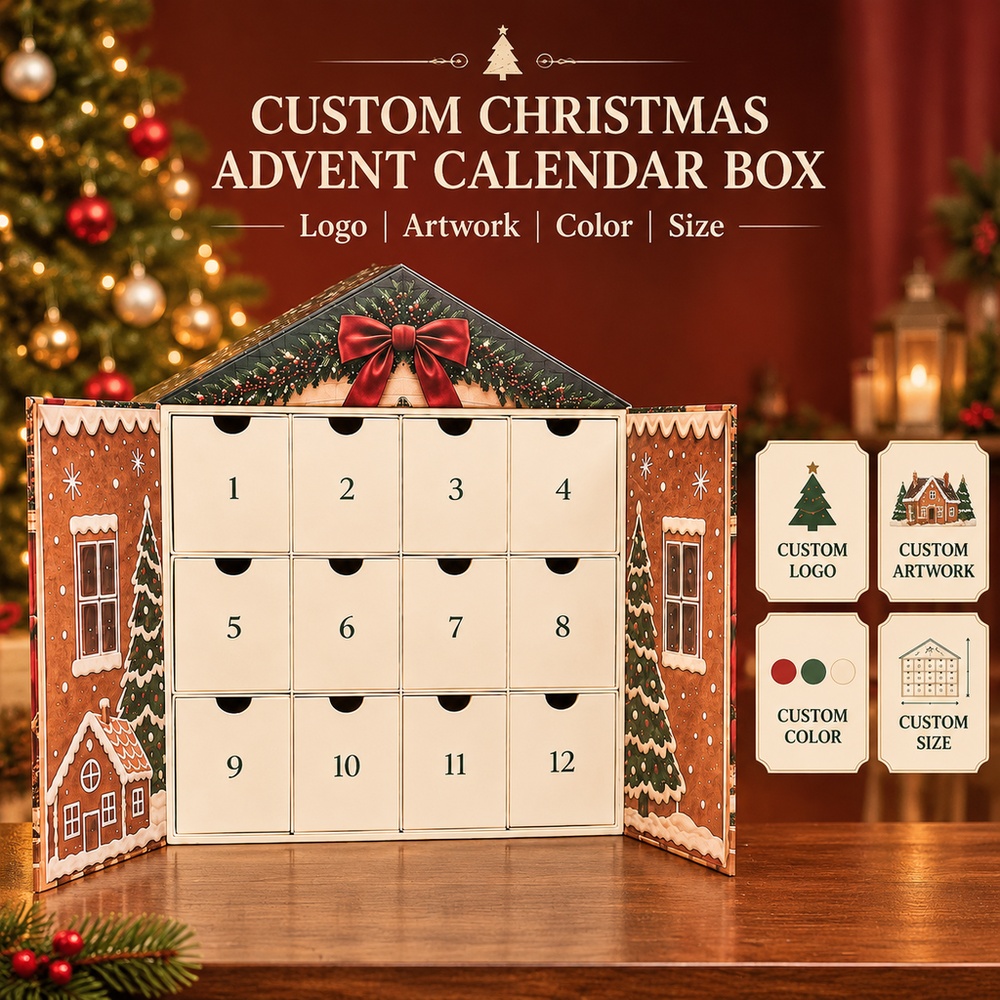
House-Shaped Christmas Advent Calendar Box
A 12-drawer mystery box with logo — a proven holiday structure for skincare sample calendars and limited-edition gift sets.
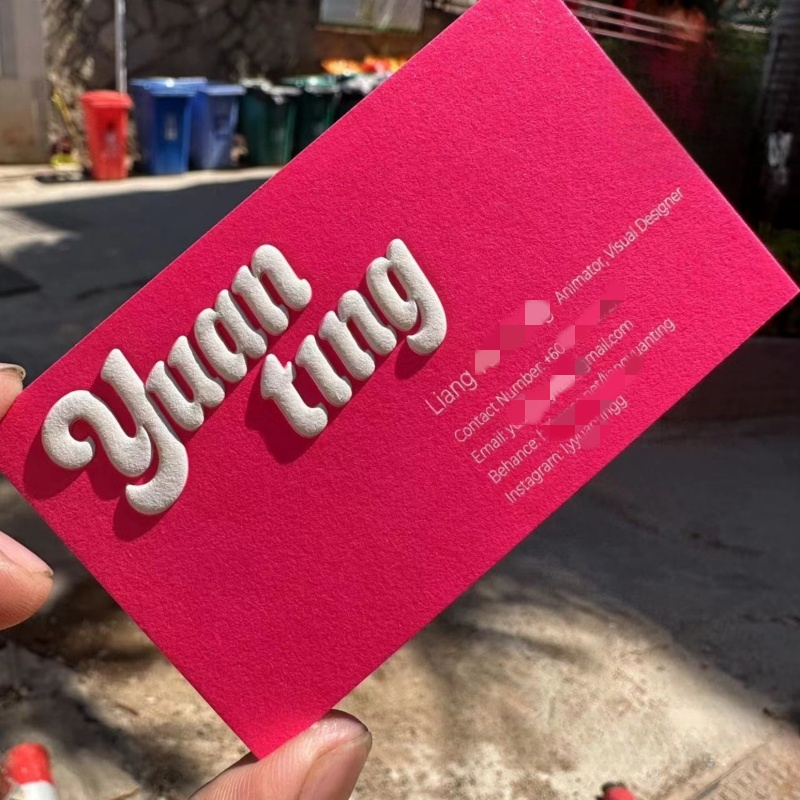
Creative Embossed Specialty Paper Greeting Card
Custom embossing on specialty paper stock, engineered for gift cards, brand correspondence and premium retail inserts.
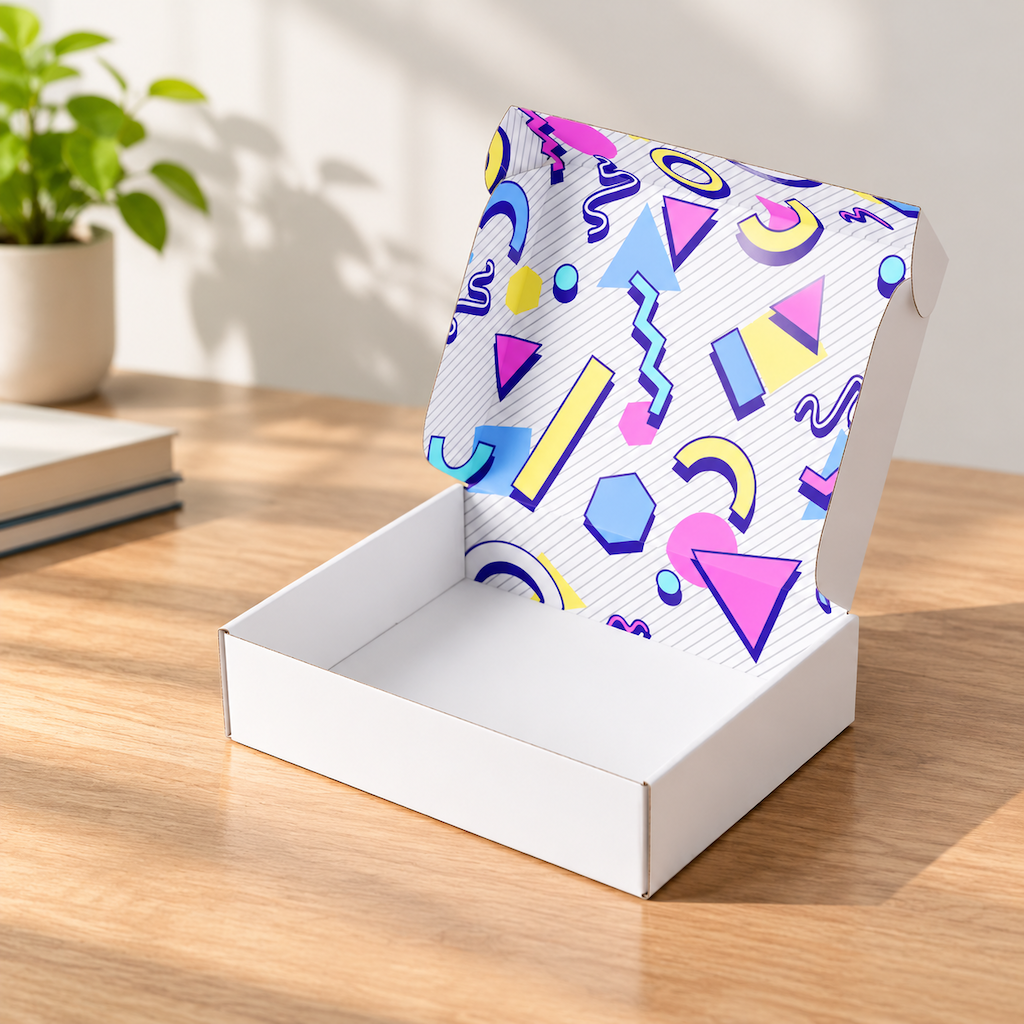
Foldable Corrugated Gift Mailer Box
Recyclable, foldable corrugated mailer printed for gift and craft sets — engineered for e-commerce transit.
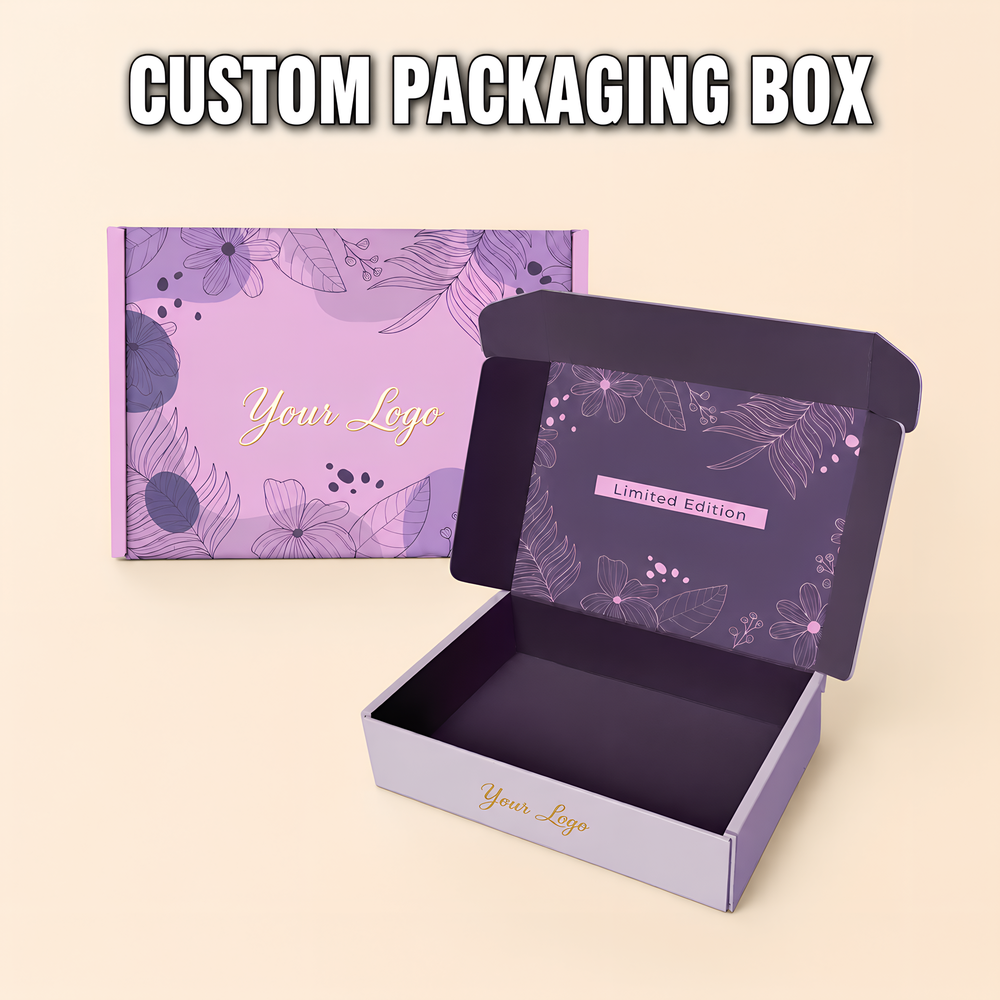
Eco-Friendly Logo Printed Subscription Mailer Box
Customizable shipping mailer with subscription branding, built for D2C skincare replenishment programs.
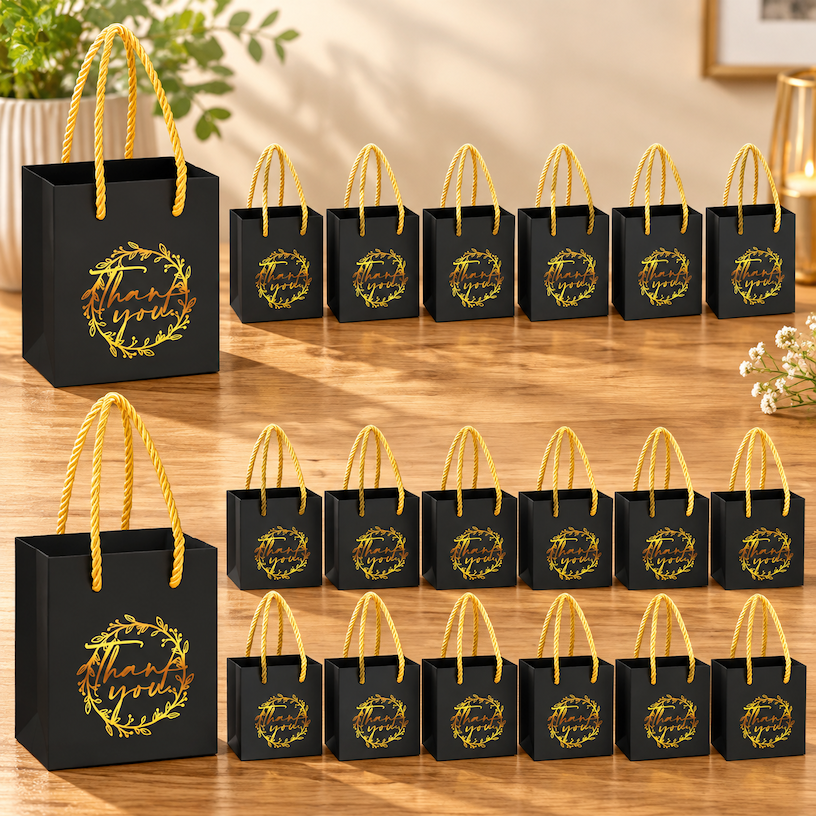
Black Kraft Paper Gift Bags for Skincare & Perfume
Printed black kraft bags with matching thank-you gifts — retail-ready for cosmetics counters and PR deliveries.
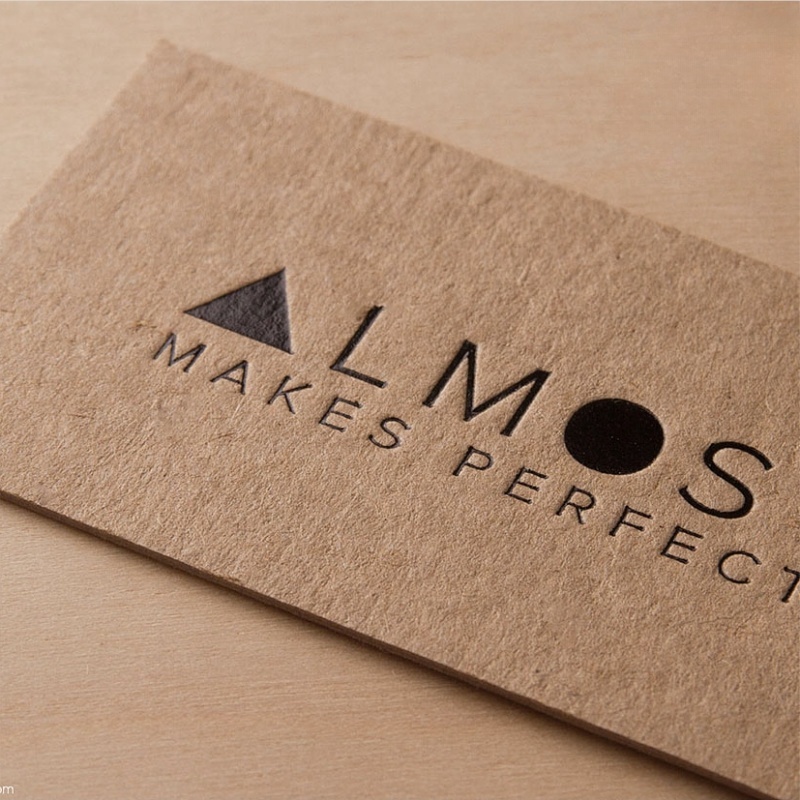
Laminated Kraft Duplex Board Business Card
Film-laminated kraft board with digital printing, used for multifunctional brand cards and mini paperboard displays.
A Working Definition: OEM Skincare Boxes Factories vs. ODM Skincare Packaging Suppliers
Skincare is the most packaging-sensitive segment of beauty. A 30 ml serum retailing for US$68 can lose the sale because the carton creased on a shelf edge, or earn a five-star unboxing video because the rigid box opened with a magnet and the insert held the dropper without a rattle. Between those outcomes sits a supply-chain decision most brand teams underestimate: selecting the right OEM/ODM skincare boxes factory.
The terms are often used interchangeably, but they describe different working models. An OEM (original equipment manufacturing) factory produces to your structure, dieline and artwork, so the packaging is proprietary to your brand. An ODM (original design manufacturing) supplier brings an existing structure or design library that you brand with your logo, colors and copy. The distinction sounds academic until a launch date moves: an ODM-ready structure can remove weeks from development, while an OEM program protects an unboxing experience competitors cannot copy. Serious suppliers support both, and state clearly which model fits a given brief.
Fuzhou Buba Printing Co., Ltd. has spent 18 years in paper printing and more than a decade exporting custom packaging from Fuzhou, Fujian, China. Our 2,300 m² facility handles structural design, prepress, offset and digital printing, foil stamping, embossing, lamination, die-cutting and hand assembly under one roof, and our premises have been verified onsite by TÜV Rheinland. This guide gathers what we have learned working with skincare, cosmetics, fragrance and wellness brands — the procurement shifts, material trade-offs and verification questions that separate a smooth program from an expensive lesson.
Five Procurement Shifts Reshaping Skincare Box Sourcing
Each shift changes how a buyer should write an RFQ, set an MOQ and audit a supplier. These are the patterns we see in live briefs from brand owners, distributors and e-commerce operators.
Test-First, Low-MOQ Programs
Brands launch one SKU, validate it through D2C and pop-ups, then scale the winner. MOQs from 100 pcs on rigid boxes, mailer boxes and paper bags make that possible without warehousing thousands of units. Ask how MOQ interacts with print method: digital printing keeps short runs economical, while offset becomes cheaper above a few thousand pieces.
Seasonal Drops and Compressed Timelines
Limited editions, advent calendars and holiday sets compress production into weeks. Factories that keep design, printing and finishing in-house recover faster from artwork changes and reprints. Clarify sample lead time (commonly 3–7 working days) and mass production windows (commonly 10–20 working days after approval) before promising a launch date to retail partners.
Compliance Moves Upstream
Rules on packaging waste, cosmetics labeling and retailer sustainability scorecards now influence box structure at the design stage. A carton that cannot carry the required information, or a laminate that blocks recycling, becomes a compliance problem rather than an aesthetic one. Brief your supplier with destination market, product volume and retailer requirements before the dieline is drawn.
Verification Before the Deposit
Buyers increasingly ask for third-party onsite verification, video walkthroughs, machinery lists and AQL reports before a first order. Our own factory is verified onsite by TÜV Rheinland, and we provide first-article approval plus final inspection photos and video as standard. A supplier who resists transparency at quotation stage rarely improves after payment.
Total Cost Over Unit Price
The cheapest quoted box is rarely the cheapest delivered box. Freight density (flat-packed versus assembled), damage rate, rework cost and insert labor all change landed cost. We quote structures that ship flat where possible and model the trade-off between a lighter board and a sturdier one for your product weight.
Where Skincare Packaging Is Heading: Four Development Signals
Product trends rarely arrive as surprises — they appear first in sampling requests. These four signals have shaped our production schedule over the past three years.
Mono-Material and Plastic-Free
Brands are replacing EVA foam, plastic blisters and mixed laminates with paperboard inserts, molded pulp and aqueous coatings. The goal is a box recyclable in a standard paper stream without a disclaimer. Plastic-free soft-touch and water-based matte coatings are closing the gap with conventional laminates.
Refill and Reuse Logic
Refillable compacts and serum systems need outer packaging that survives multiple openings. Magnetic rigid boxes and drawer structures with reinforced corners are specified more often for these programs, and the outer box becomes a keepsake rather than transit protection.
Tactile Premium Finishes
Smooth, plastic-looking surfaces no longer signal luxury on their own. Blind emboss on uncoated stock, micro-embossed patterns, hot foil in muted tones and letterpress cards are requested by skincare brands seeking a quieter, more textural identity. These finishes also photograph well in user-generated unboxing content.
Variable Data and Traceability
Batch codes, QR-linked routines, authenticity checks and subscription personalization are pushing brands toward digitally printed panels and variable-data labels. A plain carton becomes a data carrier; the factory must plan artwork layers and code placement so the scan survives foil, varnish and die-cutting.
Materials, Structures and Finishes for Skincare Boxes
Board weight decides whether a carton stands upright on shelf; the finish decides whether it scuffs in transit; the insert decides whether a glass bottle survives a parcel network. The table below summarizes the structures we produce most often for skincare and adjacent beauty categories — treat the ranges as starting points and confirm the final specification on a physical sample.
| Structure | Typical Board | Best For | Common Finishing | MOQ From |
|---|---|---|---|---|
| Tuck-End Carton | SBS C1S/C2S 300–350 gsm; kraft 300–400 gsm | Serums, creams, single-SKU retail | Hot foil, emboss, spot UV, matte or plastic-free soft-touch | 500–1,000 pcs |
| Rigid Magnetic Gift Box | 1,200–2,000 gsm greyboard with wrap paper | Gift sets, holiday kits, influencer boxes | Foil, 3D emboss, magnet closure, paper or EVA insert | 100–500 pcs |
| Corrugated Mailer Box | E-flute or B-flute, kraft or white liner | D2C shipping, subscription programs | Litho-laminated CMYK, tear strip, inside print | 100–300 pcs |
| Drawer / Sleeve Box | Greyboard or 350 gsm folding board | Advent calendars, limited editions | Ribbon pull, window patching, foil, emboss | 100–500 pcs |
| Paper Gift Bag | 150–250 gsm kraft or art paper | Retail carry-out, PR and press kits | Rope or ribbon handle, foil, lamination, emboss | 100 pcs |
| Insert Cards, Tags and Labels | 300–800 gsm cardstock; specialty stock | Thank-you cards, QR cards, hang tags | Letterpress, 3D emboss, hot stamp, die-cut | 200–1,000 pcs |
Three specification mistakes appear repeatedly in first-time skincare programs. First, choosing a 300 gsm carton for a 100 ml glass jar without testing compression — the box deforms under stacking. Second, specifying a fully printed dark interior without accounting for ink smell — low-odor inks and adequate curing time matter when a box sits closed around a cosmetic product. Third, using a rigid box for e-commerce without an outer mailer — the wrapped board scuffs on its first journey. Our engineers flag these issues during dieline review, before sampling costs are committed.
Finishing options we run in-house include aqueous and water-based coatings, matte and gloss lamination, plastic-free soft-touch, spot UV, hot foil stamping in gold, silver and holographic tones, blind and 3D embossing, debossing, letterpress, window patching and die-cut shapes. For skincare brands, the most requested combination is uncoated or soft-touch stock with blind emboss and a single foil accent — restrained, tactile and reproducible across repeat orders.
Inside the Buba Factory: Six Advantages That De-Risk a Skincare Box Program
A factory tour answers questions a catalogue cannot. Each advantage below exists because a buyer asked for it — and because it removed costly surprises from a real order.
TÜV Rheinland Onsite Verification
Independent verification confirms that the supplier behind the quotation is the supplier that will produce the order. Our premises, legal status and production capability have been verified onsite, shortening buyer due diligence.
One-Roof Production
Design, prepress, offset and digital printing, foil, emboss, lamination, die-cutting and assembly happen in the same 2,300 m² facility. When a finish fails a check, the fix does not wait for a subcontractor's schedule.
Free Dieline and 3D Mockup
Our designers build the cutting die and a 3D render so you can approve structure, artwork placement and finish before paying for a physical sample. This step catches proportion and readability problems while changes are still free.
Low MOQ with a Scale-Up Path
Many custom boxes and bags start from 100 pcs, notebooks from 50 pcs, and cards, tags and labels typically 200–1,000 pcs depending on size and finishing. Test a market with a small run, then reorder in volume from the same dieline.
Documented Quality Control
Incoming material inspection, first-article approval, inline color checks and final AQL inspection with photo and video reporting. Retained approved samples anchor repeat orders, so the fifth run still matches the first.
Export-Ready Logistics & Eco Options
More than ten years of export experience means export-grade cartons, flat-packing to reduce freight and sea, air or express delivery. Recyclable kraft and corrugated board, paper inserts and water-based inks support brand sustainability commitments.
From Brief to Bulk: The Six-Stage OEM/ODM Workflow
A transparent sequence with a written sign-off at every stage — so the box that arrives matches the box you approved.
Brief & Dieline
Share product dimensions, weight, channel and destination market. We propose structure, board grade and finishing.
Free 3D Mockup
Approve a rendered mockup with exact artwork placement before any physical sample is produced.
Pre-Production Sample
A physical sample confirms color, fit and finish; typical lead time is 3–7 working days.
Mass Production
Printing, finishing and assembly with inline color control; typically 10–20 working days after sample approval.
Final Inspection
AQL inspection with photos and video shared before shipment, so issues are caught at the factory.
Global Shipping
Export-grade packing and sea, air or express delivery — flat-packed where the structure allows.
How to Vet an OEM Skincare Box Factory: 12 Questions Worth Asking
Use this list during supplier qualification. A factory that answers all twelve in writing — and welcomes an onsite or video audit — is materially lower risk than one that answers with reassurance alone.
- Are the business license, factory address and third-party verification on record?
- Which production steps are in-house, and which are subcontracted?
- Are dielines and 3D mockups provided before tooling payment?
- How are approved samples retained and color targets measured?
- Are board grades and GSM ranges documented for each structure?
- Which inks and coatings comply with your market's recycling rules?
- What AQL level applies, and will inspection photos be shared?
- Are sample and mass-production lead times confirmed in writing?
- How are master cartons and flat-packing specified for freight?
- Will you sign an NDA before artwork and dielines are shared?
- Which eco-material claims are backed by certificates?
- What is the rework or replacement policy for defects on arrival?
Frequently Asked Questions About OEM/ODM Skincare Boxes
Direct answers to the questions sourcing managers, founders and distributors ask most often during supplier evaluation.
What is the difference between an OEM and an ODM skincare boxes factory?
An OEM factory manufactures to your structure, dieline and artwork, so the packaging is proprietary to your brand. An ODM factory supplies an existing structure or design library that you brand with logo, color and copy — usually faster and more economical for a first launch. Buba Pack supports both models: design-based customization, sample-based customization and full customization, with a free 3D mockup before any tooling commitment.
What is the minimum order quantity for custom skincare packaging?
Most custom mailer boxes, rigid gift boxes and paper bags start from 100 pcs. Some notebooks start from 50 pcs, while cards, hang tags and labels usually start from 200–1,000 pcs depending on size and finishing. MOQ also depends on the print method — digital printing keeps short runs economical, while offset becomes cheaper at higher volumes.
Which material is best for a skincare box?
It depends on the product, weight and sales channel. A 300–350 gsm SBS tuck-end carton suits single serums and creams for retail shelf. A 1,200–2,000 gsm rigid greyboard box suits gift sets and holiday kits. An E-flute corrugated mailer suits D2C shipping. Confirm the choice with a physical sample and, where relevant, a drop test before mass production.
How do you keep brand colors consistent across repeat orders?
We retain an approved first-article sample and compare each run against it under consistent lighting, with inline checks during printing. Pantone colors can be matched on request, and paper lot and ink batch are tracked for reorders. When a brand needs cross-category consistency, we build one color standard for all boxes, cards and bags in the program.
Can skincare boxes be plastic-free and recyclable?
Yes. We offer recyclable kraft and corrugated board, paper-based inserts instead of plastic, water-based inks, aqueous coatings and plastic-free tear strips. Note that some soft-touch laminates complicate paper recycling; if your market's rules require mono-material packaging, ask for a plastic-free soft-touch or water-based matte coating at the sampling stage.
How long do samples and mass production take?
Typical lead time is 3–7 working days for pre-production samples and 10–20 working days for mass production after sample approval. Complex rigid boxes, hand-assembled advent calendars or large book runs may need longer. We confirm the schedule in writing with every order.
Which artwork files do you accept?
We prefer vector AI, PDF or EPS files in CMYK with 3 mm bleed and outlined fonts. High-resolution PSD or TIFF files at 300 dpi are also accepted, and Pantone colors can be matched. Please keep the dieline on a separate layer and flag any variable-data fields, QR codes or foil areas.
How do you prevent damage during shipping?
Export-grade master cartons, flat-packing where the structure allows, corner protection and a moisture barrier are standard options. We share final inspection photos and video before dispatch, and a drop test can be arranged on request for e-commerce programs.
Will you sign an NDA and protect our packaging design?
Yes. We sign an NDA before artwork or dielines are handed over, confirm artwork ownership in writing, and do not reuse client designs for other buyers. Exclusivity terms for custom structures can be included in the quotation.
Brief Your Skincare Box Program with a Factory That Answers in Writing
Send your product dimensions, target quantity, artwork status and destination market. Our team replies with a structure proposal, a material recommendation and a free 3D mockup — before you commit to tooling or a deposit.
Send an InquiryFuzhou Buba Printing Co., Ltd. · Jianxin Town, Fuzhou, Fujian, China · MOQ from 100 pcs · TÜV Rheinland onsite-verified