OEM/ODM Folding Cartons Manufacturers & Exporters
Factory-direct custom folding cartons, paperboard packaging engineering, and export-ready print finishing for brand owners, distributors, and e-commerce teams that need predictable quality and low-MOQ flexibility.
8 Custom Products That Support Folding Carton Programs
Folding carton sourcing rarely stops at the carton. Brand teams often need matching cards, inserts, rigid gift boxes, calendars, envelopes, and decorative print pieces that reinforce the same retail story. These eight references show the material, finishing, and structural detail available from one accountable OEM/ODM manufacturing partner.
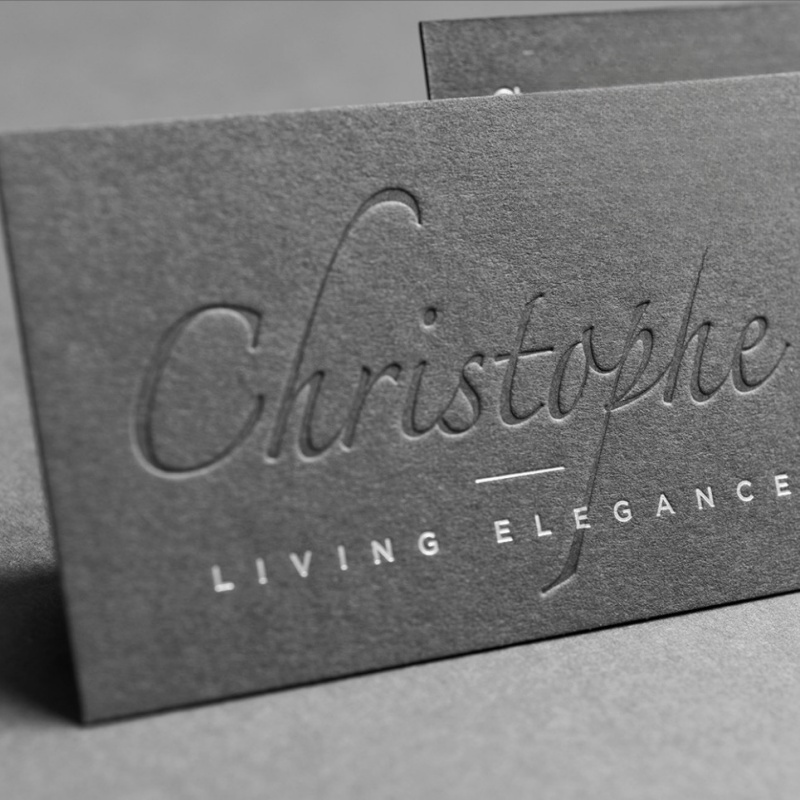
Custom Wholesale Custom Printing Service for Thick Business Cards Luxury Centurion Card Business Cards With Logo
View product →
Luxury 3d Embossed Business Name Cardboard Printing Custom Logo Letterpress Debossed Black Cotton Paper Business Card
View product →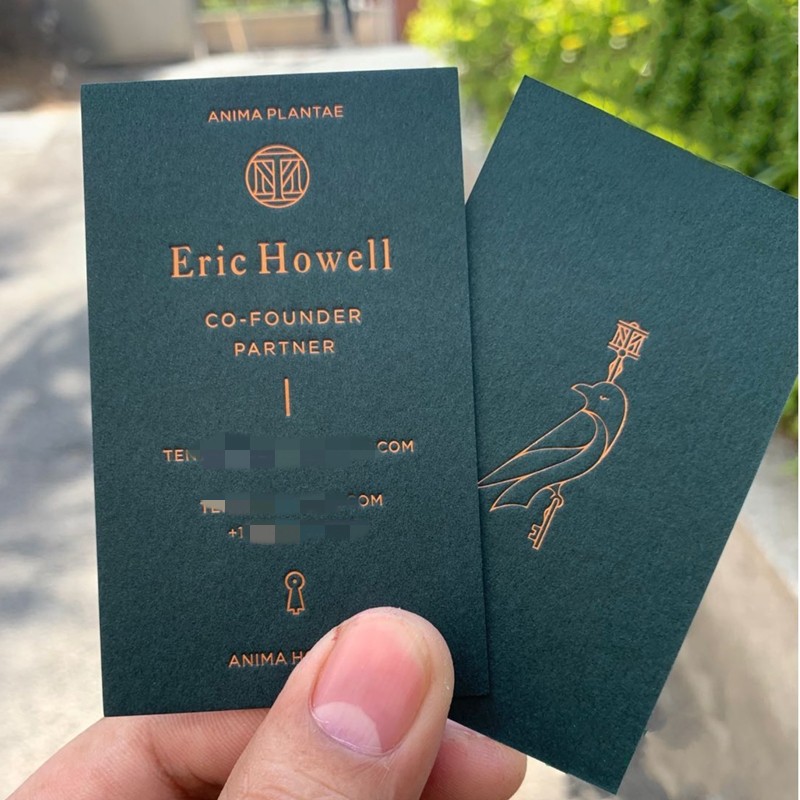
Luxury Custom Kraft Paper Business Card Digital Printing with Foil Edge Perfect Binding for Business Use
View product →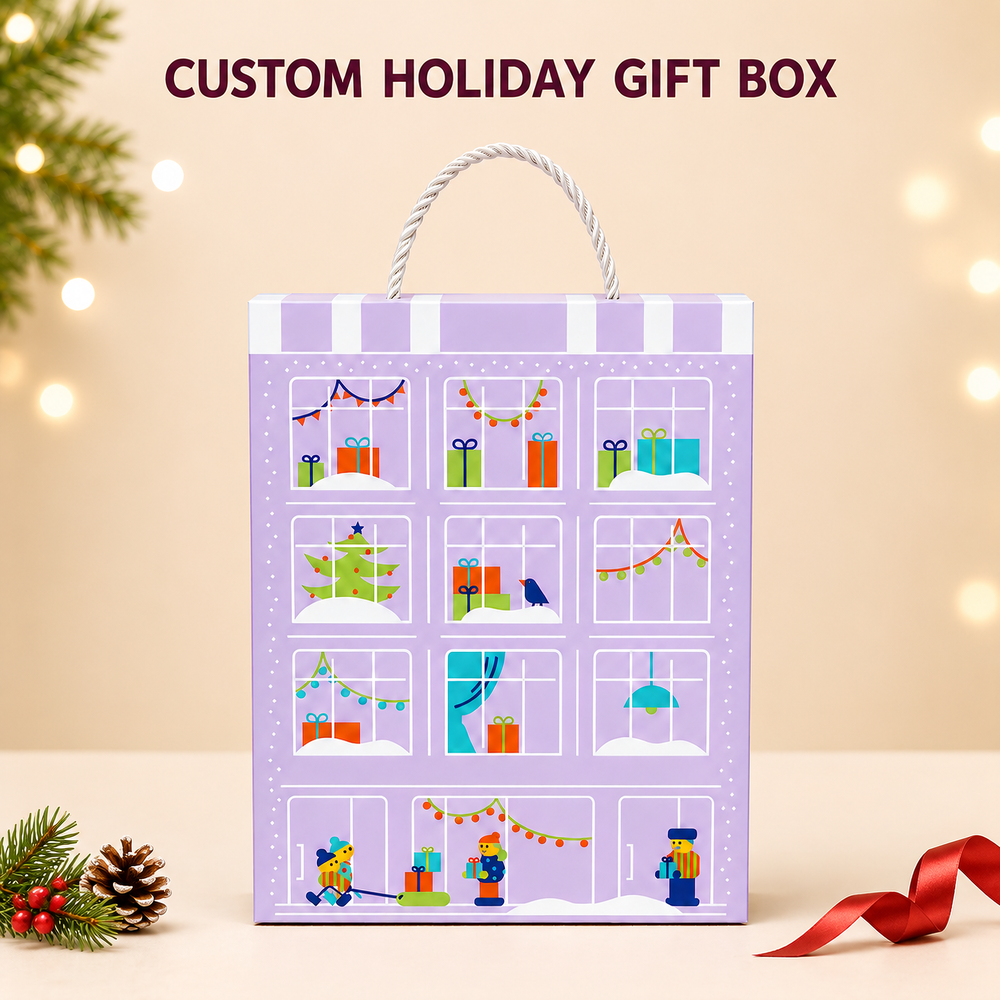
Custom Paper Boxes Rigid Gift Box with Drawers Rope Handle Custom Logo Packaging for Wholesale Bulk Orders Holiday Mystery Box
View product →
Wholesale Custom Gold Stamping Business Cards Professional Relief Business Card High Quality Embossed Business Cards
View product →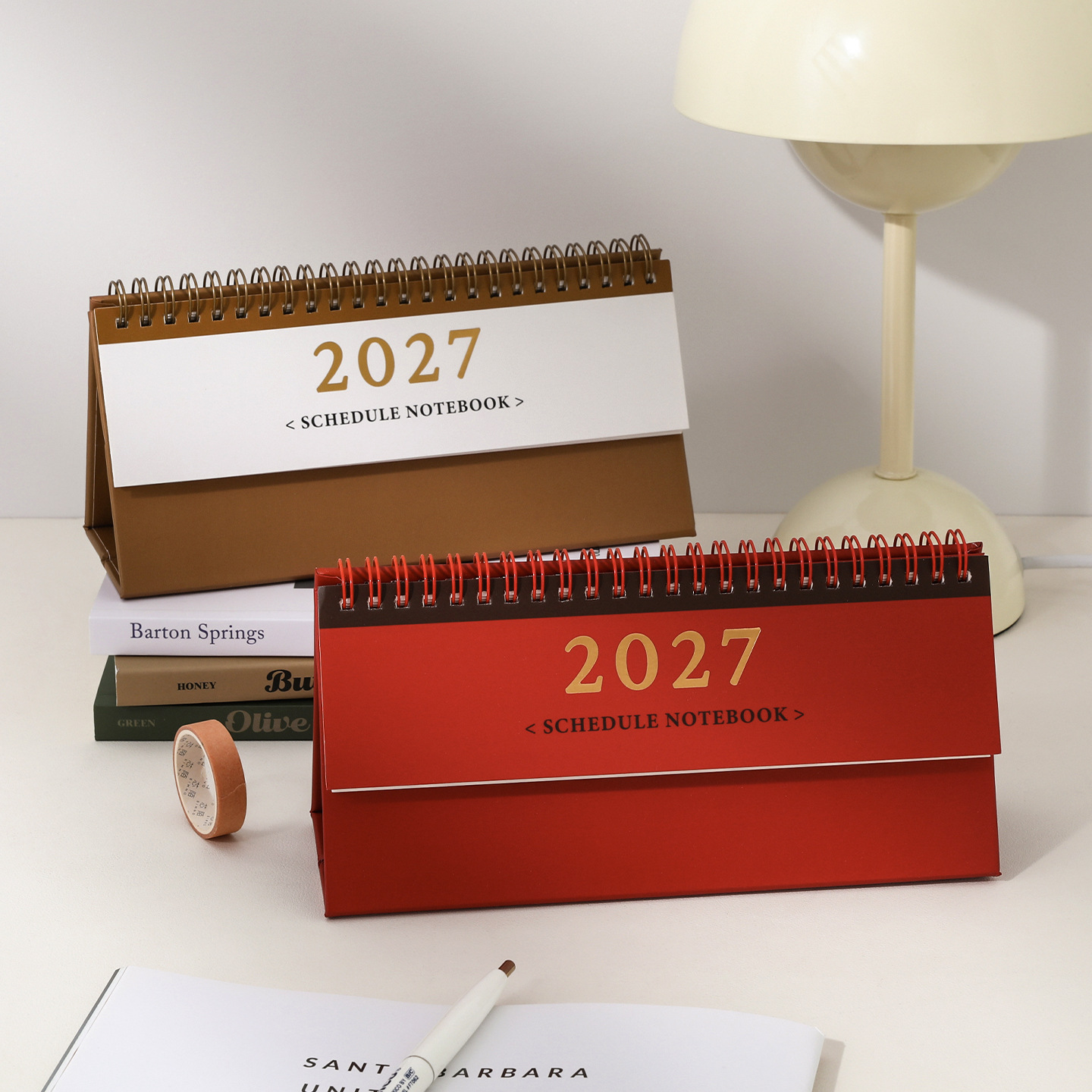
2027 Mini Desk Calendar Standing Flip Long Daily Calendar Twin-Wire Binding for Home Office School
View product →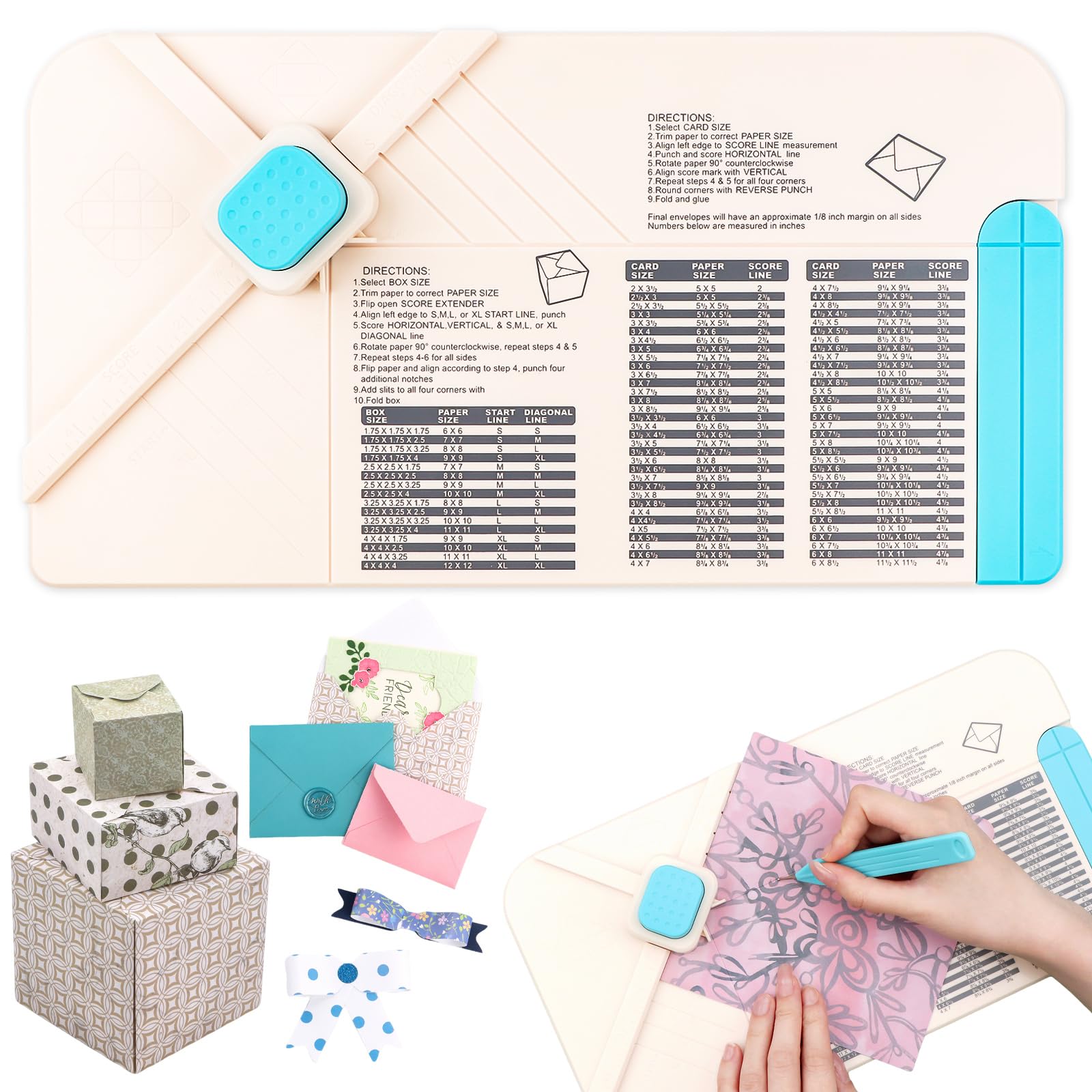
Custom Envelopes, Boxes, and Bows, All-in-one Envelopes Scribe Punches Board with Indentation Pen, Use with Cardstock
View product →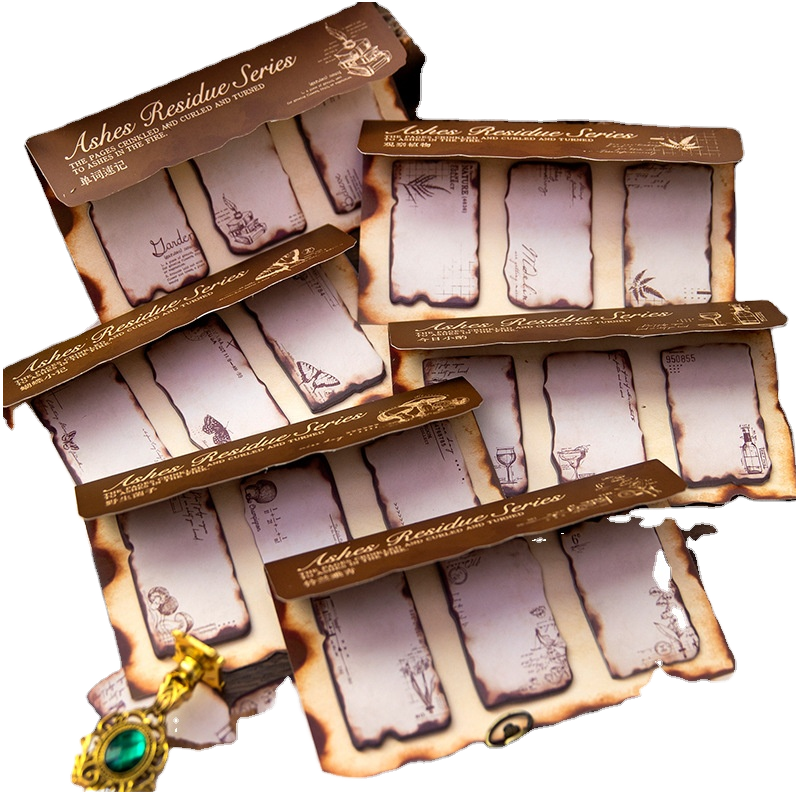
60pcs/pack Loose Leaf Ashes Aftermath Series Retro Burnt Handbook Decoration Stickers for Memo Pads
View product →What Serious Buyers Look for in OEM/ODM Folding Carton Manufacturers
If you are searching for OEM/ODM folding cartons manufacturers and exporters, your real intent is usually broader than finding the lowest unit price. You need a supply partner who can protect brand quality, control total landed cost, and keep repeat orders consistent across materials, print, and finishing.
OEM: Your Brand Standard, Executed Precisely
OEM folding cartons are the right fit when your artwork, dieline, board grade, and brand guidelines are already defined. The manufacturer’s role is to translate those specifications into repeatable production with controlled color, clean die-cutting, and reliable packing.
ODM: Proven Structures, Faster Development
ODM works well for launches that need speed. You start with a proven carton structure, then adapt dimensions, paperboard, print coverage, and finishing. This reduces engineering risk while still producing a shelf-ready pack that feels custom to your brand.
Hybrid: The Practical Path for Scaling Brands
Most growth-stage brands use a hybrid model: keep proprietary dielines and signature finishes as OEM, while using ODM-style engineering support for inserts, retail-ready structures, and companion products. The result is faster iteration without losing brand control.
A strong OEM/ODM quotation should disclose board grade, print method, finishing sequence, packing format, sampling timeline, and inspection standard. Anything missing creates hidden cost later.
Match the Folding Carton Format to Buyer Intent
Different retail channels create different packaging priorities. The right folding carton format can reduce assembly time, improve shelf presence, protect fragile products, and lower freight cube.
Straight Tuck End
Best for cosmetics, supplements, and e-commerce inserts. It is simple to assemble, economical at volume, and gives a clean front panel for strong brand blocking.
Reverse Tuck End
Common in wellness, personal care, and hardware. The opposite flap orientation helps automated packing and creates a more tamper-aware closure when combined with labels or seals.
Sleeve & Tray
Used for premium gifts, limited editions, and subscription kits. The two-piece structure supports a tactile unboxing moment and can hide inserts or accessory compartments.
Crash-Lock Bottom
Suited to confectionery, food, and high-volume retail. The auto-lock base reduces hand assembly, improves packing speed, and helps maintain consistent carton squareness.
6 Purchasing Shifts Reshaping Folding Carton Sourcing in 2025–2027
Procurement teams are redesigning packaging programs around speed, compliance, and total cost. These shifts favor suppliers who can offer both manufacturing control and engineering support.
1. Smaller Launch Runs, More Repeat Orders
Brands are testing more SKUs with lower initial volumes. A supplier that can start at 100 pcs, hold approved dielines, and repeat production quickly reduces the risk of overstock while protecting the learning curve of a new launch.
2. Digital Print for Speed and Versioning
Digital printing is increasingly used for market tests, regional editions, and seasonal promotions. It shortens the path from approved artwork to finished cartons and makes short-run customization commercially practical.
3. Recyclability Moves into the Specification
Buyers now ask for mono-material paperboard, paper inserts instead of plastic, water-based inks, and plastic-free closures. Recyclability is no longer a marketing claim; it is part of the packaging brief and the supplier qualification process.
4. More Transparency in Supplier Verification
Third-party onsite verification, material inspection, AQL reports, and photo evidence before shipment are becoming normal expectations. The goal is to reduce audit friction and avoid costly surprises after the deposit is paid.
5. Total Landed Cost Replaces Unit Price
A lower unit price can lose to freight cube, damage, assembly time, and reprint risk. Serious buyers compare board grade, carton size efficiency, packing ratio, lead time, and defect rate together rather than reviewing the quotation in isolation.
6. Automation-Friendly Structures Win
When a folding carton is too tight, too loose, or inconsistent, filling lines slow down. Buyers increasingly ask for standard tolerances, clean creasing, stable glue tabs, and prototypes that can run on automated packing equipment.
Design Trends to Specify into Your Next Folding Carton
Product development in paperboard packaging is moving toward lighter structures, stronger shelf presence, and more circular material choices. The winning approach is not simply thinner board or thicker foil; it is matching every upgrade to product protection and retail performance.
Fiber-Based Barriers and Plastic Reduction
Paperboard is increasingly expected to do more than hold a product. Water-based coatings, fiber-based windows, and paper insert systems help brands reduce plastic while preserving print clarity and product visibility.
Right-Weighting Paperboard
Over-specifying board increases cost and freight. Under-specifying board causes crush and retailer chargebacks. Right-weighting requires real product weight, stacking load, and shipping-environment data before the dieline is finalized.
Structural Innovation at Retail
Crash-lock bases, sleeve-and-tray formats, and folded inserts are being refined to improve unboxing and reduce packing labor. The best structure often looks simple on the shelf but is engineered around a specific fill line and shipping method.
Smart QR and Connected Packaging
QR codes, batch-specific data, and augmented-reality prompts are appearing on carton panels. Designers must reserve clear space, maintain scan contrast, and ensure variable-data printing does not compromise the brand look.
Modular Inserts for Multi-SKU Kits
Subscription kits and gift sets change frequently. Modular paper inserts allow one outer carton to serve several product combinations, reducing dieline duplication and making seasonal updates easier to manage.
Premium Finishing on Recyclable Substrates
Soft-touch lamination, spot UV, hot foil, and embossing remain powerful, but they must be specified with end-of-life in mind. Combining a focused finish with a recyclable board often delivers a more credible premium signal than covering the entire carton.
How to Compare OEM/ODM Folding Carton Quotes: A Practical Scorecard
A lower carton price is not always a lower landed cost.
To compare suppliers fairly, calculate the total landed cost per sellable unit, not just the cost per 1,000 cartons. Include board grade, print coverage, finishing, wastage, export packing, freight cube, import duties, and the time your team spends resolving defects or reorders.
Most buying committees rank print consistency and structural fit above the last few percentage points of unit price because a carton that does not assemble cleanly can slow an entire packing line. Sustainability has also moved from a “nice to have” to a qualification criterion for many retail and e-commerce channels.
Use the scorecard on the right to align internal stakeholders before you request samples. A clear brief usually shortens the sample cycle by one to two rounds and protects the final production timeline.
What buyers rank highest when validating a new carton supplier
Why Buyers Choose Buba Pack for OEM/ODM Folding Cartons
Fuzhou Buba Printing Co., Ltd. is a custom manufacturer of paper packaging and commercial print based in Fuzhou, Fujian, China. The factory has 18 years of paper-printing experience, a 2,300 m² production floor, and a TÜV Rheinland onsite-verified manufacturing profile.
TÜV Rheinland Onsite Verification
Our factory has been verified onsite by TÜV Rheinland. This gives overseas buyers a clearer view of premises, production capability, and supplier legitimacy before placing a first order.
One-Roof Manufacturing Control
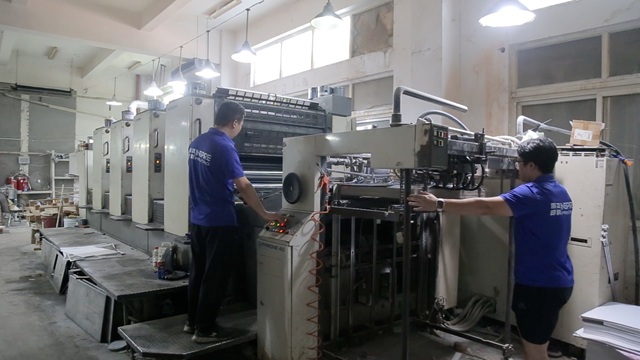
Structural design, prepress, offset and digital printing, foil stamping, embossing, lamination, die-cutting, and hand assembly are managed under one roof. That reduces handoff risk between subcontractors.
Low MOQ and Free 3D Mockups
Many custom projects start from 100 pcs, with selected items from 50 pcs. Our team provides dielines and a free 3D mockup so you can approve structure, artwork placement, and finishing before sampling.
Premium Finishing In-House
Hot foil, blind and 3D embossing, spot UV, soft-touch lamination, holographic effects, letterpress, and window patching are available as part of a controlled production plan rather than an outsourced afterthought.
10+ Years of Export Experience
Export-grade cartons, flat-packing to reduce freight cube, and sea, air, or express shipping support are part of the quotation conversation. We quote packaging and logistics with the same destination in mind.
Verified Quality Process
Incoming material checks, first-article approval, inline color checks, and final AQL inspection with photo reports help keep mass production aligned with the approved sample. The current buyer rating is 4.6/5.

Four Checkpoints That Protect a Folding Carton Order
Quality is not a final inspection alone. It is a sequence of decisions made from material intake through shipment. These checkpoints are especially important when cartons carry retail barcodes, shelf images, or regulated product information.
Incoming Material Inspection
Board grade, paper weight, surface quality, and batch consistency are checked before printing. Catching material variance early prevents a full production run from inheriting a hidden defect.
First-Article Approval
The first approved carton becomes the reference for color, dimensions, crease strength, and finishing. This is the single most effective way to align the production floor with the buyer’s approved sample.
Inline Color and Registration Checks
Print operators monitor color density and registration during the run. For flood-color cartons, retail displays, and brand-heavy packs, consistency across the sheet matters as much as the first printed copy.
Final AQL and Photo Report
A final inspection checks carton squareness, glue tabs, color, finishing, quantity, and packing. Photos and video before shipment give remote buyers a practical record of what is leaving the factory.
6 Steps from Folding Carton Brief to Export Delivery
A transparent OEM/ODM workflow reduces sampling rounds, protects your launch date, and keeps every approval documented.
Brief & Dieline
Share product dimensions, weight, retail channel, artwork status, and target quantity. We recommend a structure and board grade that match protection, shelf presence, and freight efficiency.
Free 3D Mockup
Approve a rendered mockup showing artwork placement, material effect, and finishing. This makes trade-offs visible before a physical sample is produced.
Pre-Production Sample
A physical sample confirms color, fit, creasing, assembly, and finishing. We document the approved version so the production run has a clear reference.
Mass Production
Printing, lamination, die-cutting, and assembly are scheduled with inline color and process checks. Export packing is planned together with production to protect carton edges.
Final Inspection
Quantity, dimensions, printing, finishing, and packaging are checked against the approved standard. A photo report is shared before shipment.
Export Shipping
We support sea, air, and express shipping options and provide export-ready cartons. Flat-packing and pack-ratio planning help manage freight cube on larger folding carton orders.
Frequently Asked Questions About OEM/ODM Folding Cartons
These are the questions overseas buyers ask most often when comparing custom packaging manufacturers and exporters.
What is the minimum order quantity?
Most custom folding cartons, mailer boxes, rigid gift boxes, and paper bags start from 100 pcs. Some notebooks start from 50 pcs. Hang tags, flyers, and labels usually start from 200–1,000 pcs depending on size and finishing.
Do you offer free design support and 3D mockups?
Yes. Our in-house design team provides dielines and a free 3D mockup so you can approve structure, artwork position, and finishing before a physical sample is made.
How long do samples and mass production take?
Typical lead time is 3–7 working days for pre-production samples and 10–20 working days for mass production after sample approval. Complex rigid boxes or large book runs may need longer; the schedule is confirmed in writing.
Which artwork file formats do you accept?
Vector AI, PDF, or EPS files in CMYK with 3 mm bleed and outlined fonts are preferred. High-resolution PSD or TIFF files at 300 dpi are also accepted. Pantone colors can be matched on request.
Can you make eco-friendly or recyclable cartons?
Yes. We offer recyclable kraft and corrugated board, paper-based inserts instead of plastic, water-based inks, and plastic-free tear-strip options. The right construction depends on product weight and shipping conditions.
Is your factory verified by a third party?
Yes. Our factory has been verified onsite by TÜV Rheinland, and we are listed as a Custom Manufacturer offering design-based, sample-based, and full customization with onsite material inspection.
How can I reduce folding carton freight?
Freight is driven by carton size, board grade, pack ratio, and print finishing. Flat-packing, optimizing the dieline, reducing unnecessary interior volume, and consolidating SKUs into one shipment are practical ways to lower freight per unit.
Which board grade should I choose?
Board grade depends on product weight, stacking load, distribution method, and retail channel. A light cosmetic carton may use 300–350 gsm paperboard, while heavier products or premium gift cartons may require a thicker board or rigid construction. We confirm the grade against a physical sample.
Ready to Brief Your Next OEM/ODM Folding Carton Project?
Send your product dimensions, target quantity, artwork status, and retail market. Our team will reply with a structure recommendation, material options, and a free 3D mockup path so you can compare suppliers on total landed value rather than unit price alone.
Send an Inquiry