Featured Products for Collapsible Rigid Box Programs
The eight products below connect a premium rigid-box project with the printed pieces that complete the unboxing experience: business cards, gift bags, thank-you cards, mailer boxes and retail-ready packaging. Each item can be customized by size, material, print, finishing and insert structure under an OEM or ODM brief.

Luxury 3D Embossed Business Name Cardboard Printing Custom Logo Letterpress Debossed Black Cotton Paper Business Card
Premium cotton paper card with letterpress, debossing and 3D embossed logo for luxury brand presentation.
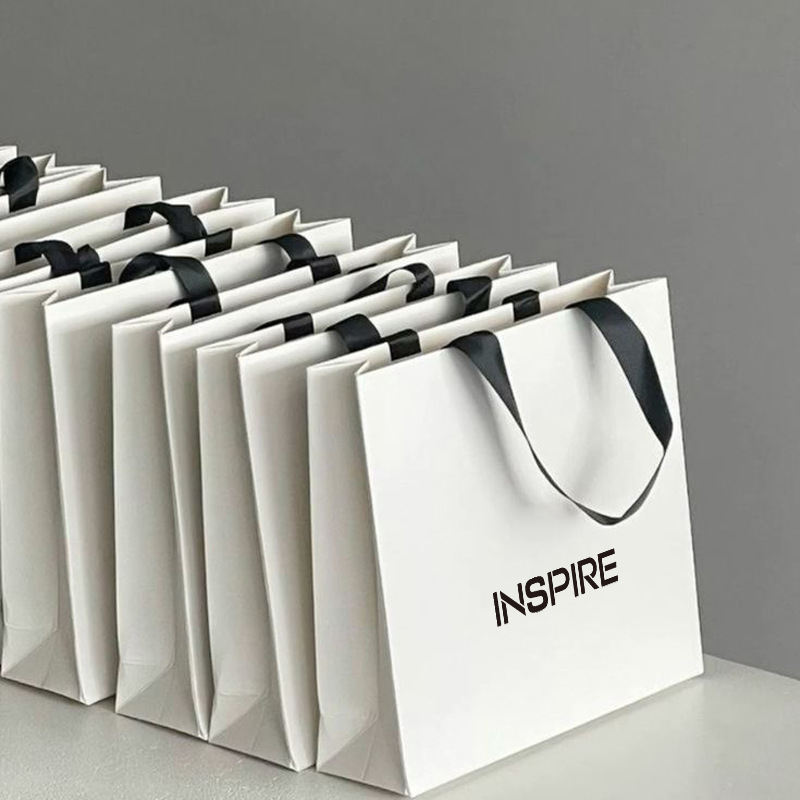
Custom Logo Eco-Friendly Luxury Gift Paper Bag for Jewelry Shoes Necklaces Bracelets and Clothing Packaging
Retail gift bag with premium paper, reinforced handles and logo finishing to complement collapsible rigid boxes.
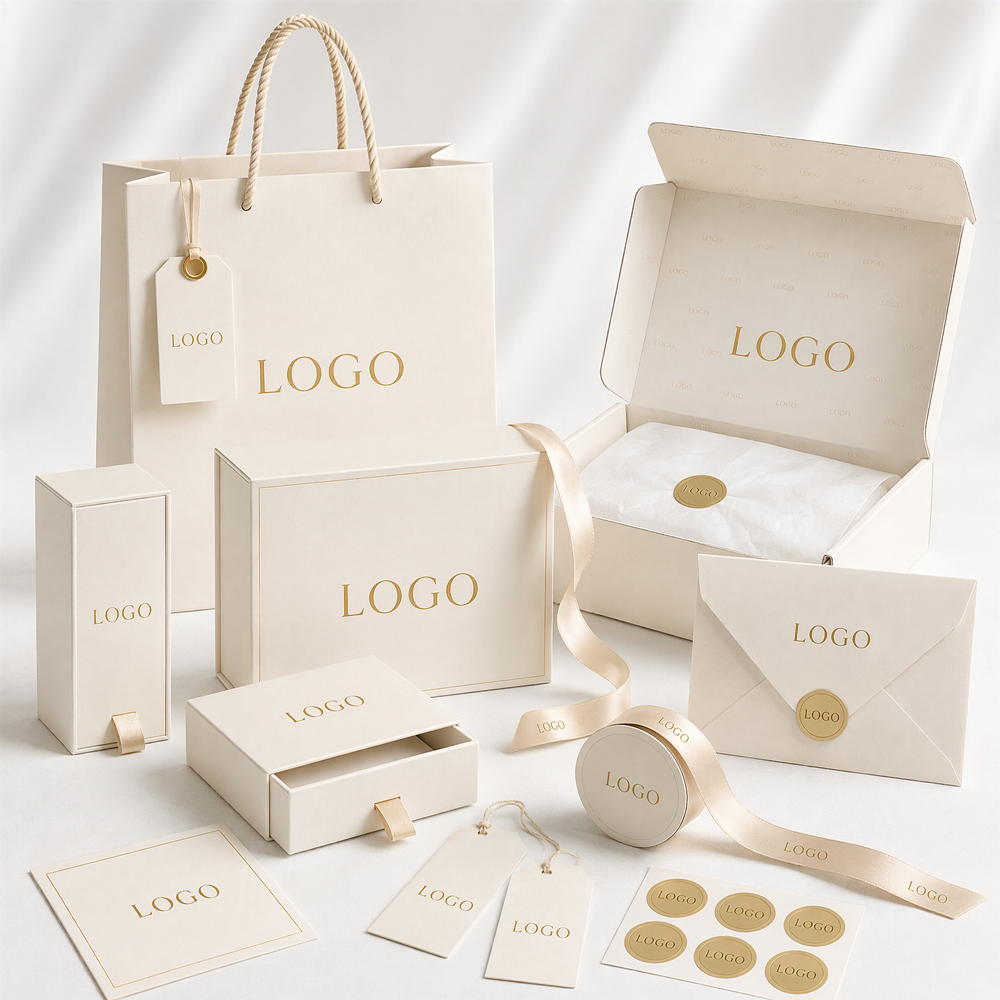
Paper Boxes Packaging Gift Set Packaging Bulk Sustainable Recyclable Luxury Packaging for Retail Stores Events and Holiday Gifts
Luxury gift set packaging with recyclable paper construction for seasonal retail, events and corporate gifting.
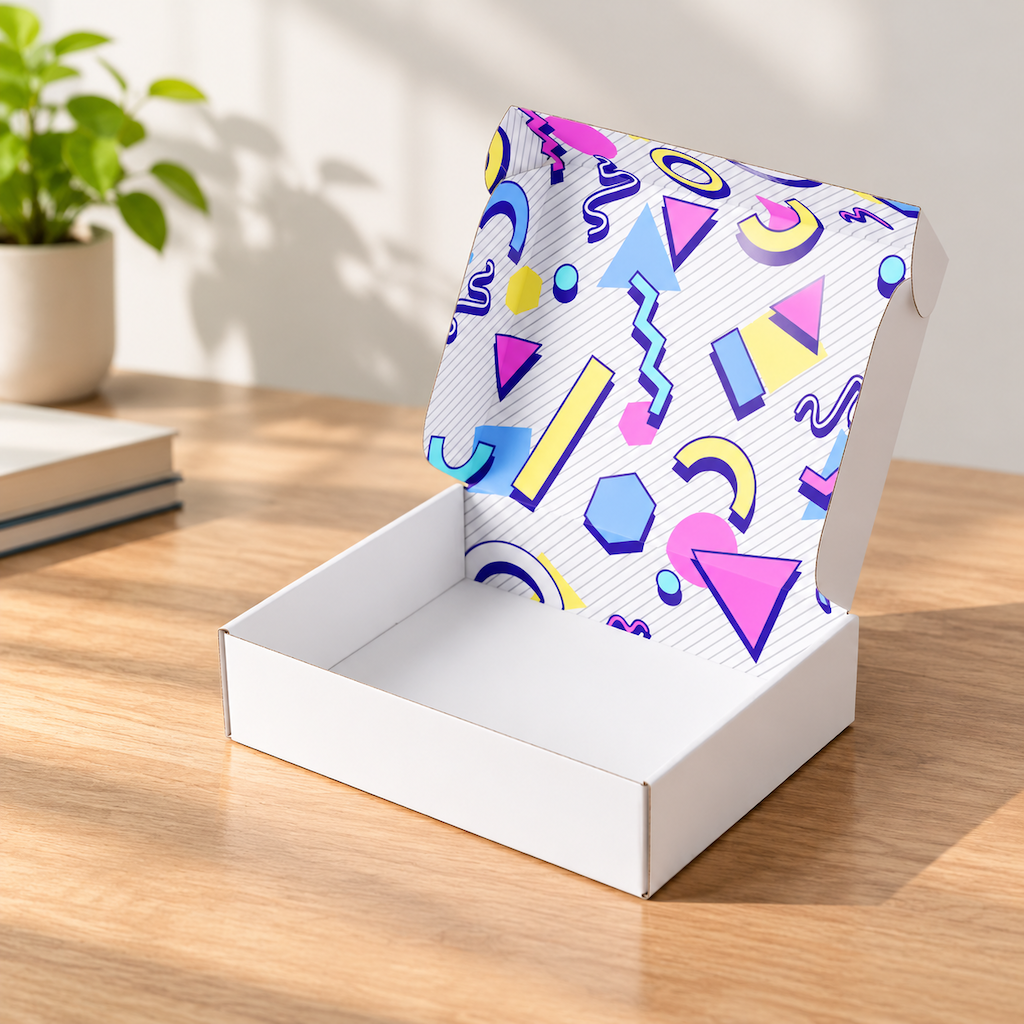
Custom Corrugated Paper Gift Box Recyclable Foldable Packaging Box Printed Paper Mailer for Gift and Craft
Foldable corrugated mailer for e-commerce shipping, gift sets and craft products with printed branding inside and out.
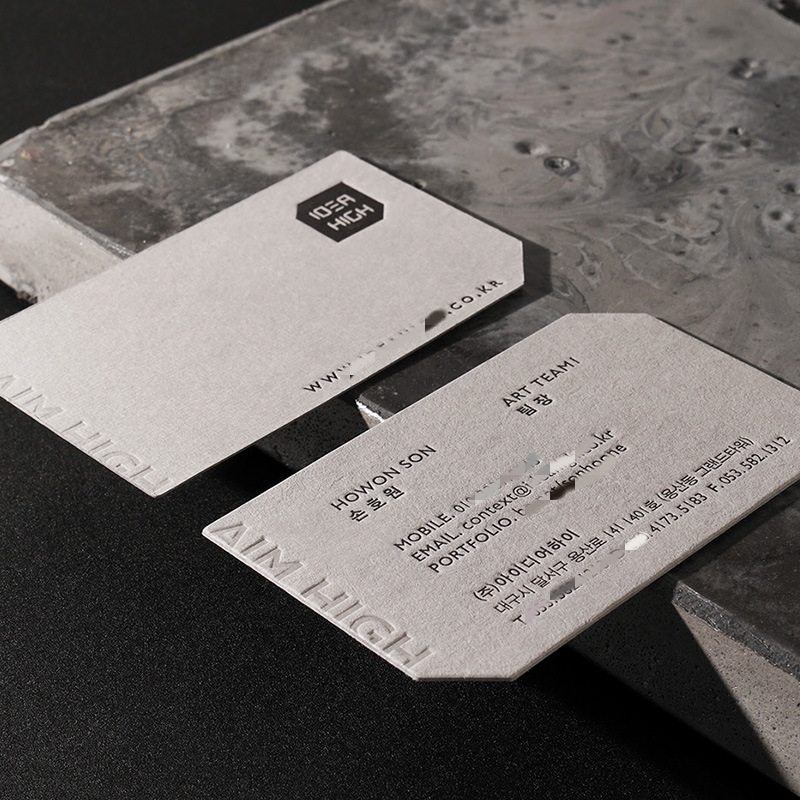
Wholesale New Materials 3D Embossed Business Cards Cotton Paper Three-Dimensional Embossed Custom Card
Cotton paper business card with tactile 3D embossing for premium brand cards and sales collateral.
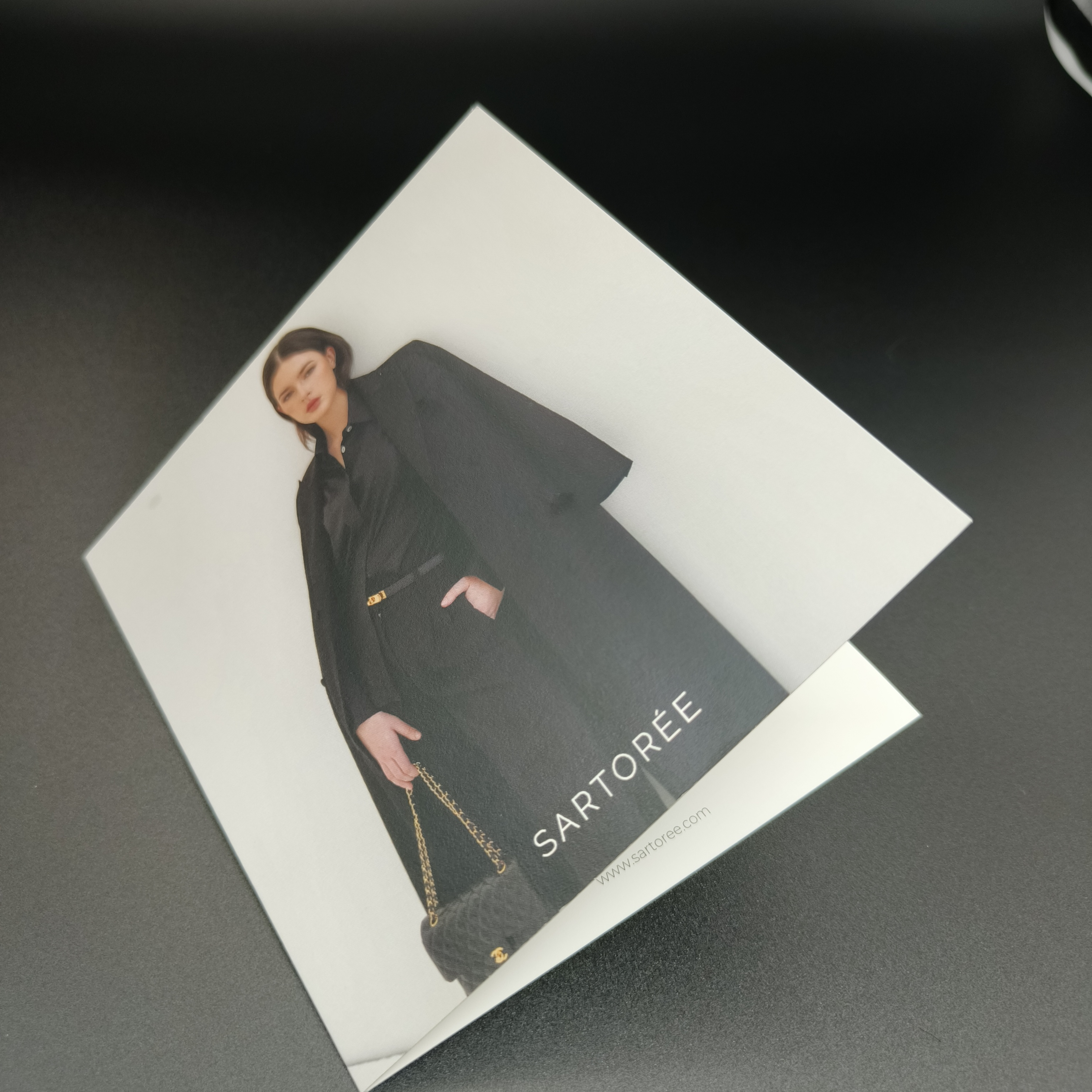
Customized Cards Greeting Cards Support Small Quantity Made Cardboard Paper Offset Thank You Card
Small-quantity offset printed thank-you cards for package inserts, brand stories and direct customer communication.
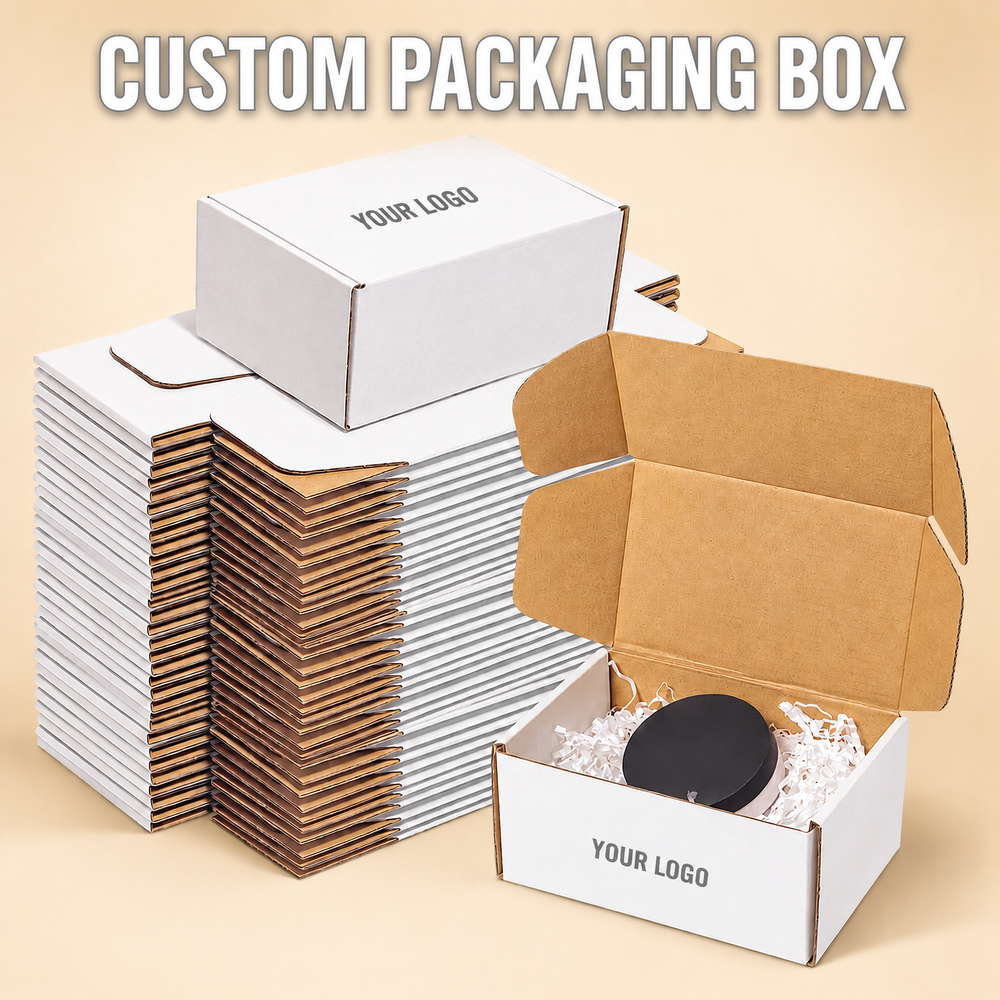
White Shipping Boxes 6x4x3 60 Pack Corrugated Cardboard Box Mailer
White corrugated shipping mailer for e-commerce orders that need a clean, protective outer box.
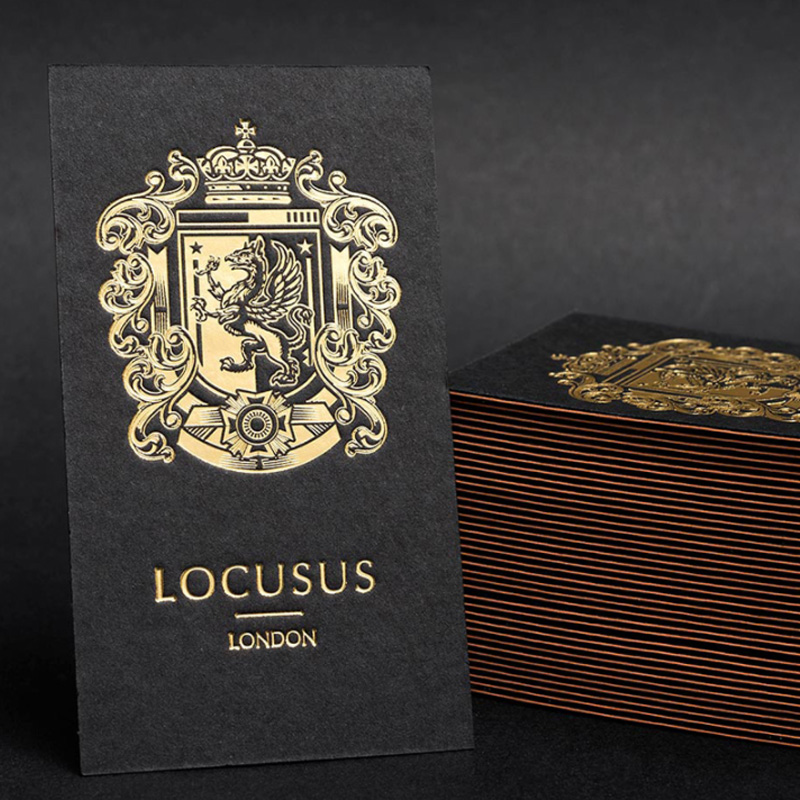
Luxury Hot Stamping Business Card Imported Black Card Thickened High-End Luxury Design Made High Quality Offset Paper Cardboard
Thick black cardstock with hot stamping for high-end corporate identity, invitation kits and VIP packaging inserts.
What Is a Collapsible Rigid Box, and Why Is It Replacing Heavy Pre-Assembled Packaging?
A collapsible rigid box — also called a fold-flat rigid box, knock-down rigid box or collapsible magnetic gift box — begins with a rigid greyboard core wrapped in printed art paper, specialty paper or textured stock. Unlike a traditional rigid box that remains permanently assembled, the collapsible version is engineered with hinged corners, a fold-flat base, magnetic flaps or a removable lid so it can be shipped and stored flat, then erected at the packing line or retail counter.
For buyers, the commercial value is not simply “a flat box.” The real value is the redesign of total landed cost. A pre-assembled rigid box consumes warehouse space, increases outbound carton volume and can be expensive to replace late in a seasonal program. A collapsible structure improves storage density, reduces freight cube and allows brands to hold packaging inventory closer to demand. At the same time, it preserves the tactile cues buyers associate with luxury: thick board, precise wrap, crisp foil stamping, soft-touch lamination, embossing and a controlled magnetic closure.
This is why OEM/ODM collapsible rigid box projects should be treated as engineering projects, not catalogue purchases. The supplier must understand board grain, corner tolerance, wrap stretch, magnet placement, insert compression and the packing method used by the buyer. A box that looks correct in a 3D mockup but cannot close cleanly after a 3,000-mile journey is not a packaging success. Information gain comes from testing structure, material and packing assumptions together.
OEM vs ODM: Choosing the Right Supply Model
| Model | Best Fit | What the Supplier Provides | Buyer Inputs |
|---|---|---|---|
| OEM | Brands with a defined structure, dieline and artwork system | Material sourcing, prepress, printing, finishing, converting, assembly and QC against approved specifications | Dieline, artwork, board grade, finish list, insert requirements, packing standard |
| ODM | Brands that need structure development and premium finishing advice | Structural design, material recommendations, free 3D mockup, sample development, print and finishing engineering | Product dimensions, weight, channel, brand positioning, target cost, quantity forecast |
| Hybrid | Buyers who want to adapt an existing box into a collapsible format | Structure re-engineering, prototype comparison, cost-down review and production validation | Current sample, failure points, target freight saving, packing-line constraints |
At-a-Glance Specification
- Rigid greyboard core: commonly 1,200–2,000 gsm
- Wrap: art paper, specialty paper, kraft or textured stock
- Structure: fold-flat base, magnetic flap, lid and base or drawer
- Finishing: foil, embossing, spot UV, soft-touch, letterpress
- Insert options: paper, EVA, molded pulp or thermoformed tray
- Sampling: free 3D mockup, physical sample before bulk
- MOQ: from 100 pcs on many customized packaging profiles
Final board grade, magnet strength and packing method are confirmed on a pre-production sample before mass production.
Structural Options Buyers Ask for Most
A collapsible rigid box can be customized around product protection, retail display, packing speed and the desired premium signal. The structure should be selected before artwork is finalized, because the dieline controls where branding, magnets, ribbons and inserts can live.
- Magnetic book-style box: the most requested premium format for cosmetics, jewelry, gift sets and corporate kits. The lid opens like a book with hidden magnets and a ribbon pull.
- Two-piece lid-and-base box: classic rigid packaging with a collapsible base. Strong shelf presence for apparel, candles, electronics accessories and retail gifts.
- Drawer or sliding box: a sleeve-and-tray construction for watches, perfume, chocolate and limited editions. Excellent for reveal moments and layered inserts.
- Collapsible shoulder-neck box: a pedestal-style structure that raises the product when the lid is removed. Used for premium spirits, glass bottles and gift sets.
- Fold-flat pillow box: an economical curved rigid or semi-rigid box for small accessories, favors, jewelry and seasonal promotions.
- Rigid mailer with magnetic flap: a shipping-friendly premium mailer that combines a rigid face with a fold-flat body for e-commerce and subscription programs.
The best OEM/ODM suppliers will not simply quote a box size. They will ask how the product is packed, whether the box ships in an outer carton, whether retail staff will assemble it, how many times the lid opens in-store, and what the buyer expects the box to look like after handling. Those answers determine board thickness, magnet grade, wrap allowance and insert design.
Illustrative Efficiency Index
Planning comparison: collapsible rigid box vs a pre-assembled rigid box of similar outside dimensions. Actual results depend on size, board grade, insert, packing method and order volume.
Product Procurement Trends Shaping Collapsible Rigid Box Purchasing
Packaging buyers are under pressure to reduce risk, protect brand equity and respond faster to channel demand. The next procurement cycle will reward suppliers who can prove capability rather than simply quote a unit price.
Low-MOQ Market Testing
Brands want to validate a new SKU, colorway or market before committing to container-scale inventory. Low-MOQ rigid box programs from 100 pcs let teams test retail response, refine structure and then scale without changing suppliers.
Total Landed Cost Engineering
Procurement teams are comparing more than FOB price. Storage density, carton cube, dimensional weight, packing labor and damage risk now sit inside the supplier scorecard. Collapsible rigid boxes directly influence several of those cost drivers.
Sustainability Without Losing Premium Feel
Buyers increasingly request recyclable paper options, paper-based inserts instead of plastic, water-based inks and reduced material waste. The challenge is to keep the tactile luxury signal through board quality, embossing, foil and precise wrap rather than heavy mixed materials.
Digital Product Development
Free 3D mockups, digital dielines and artwork approvals reduce sampling cycles and help marketing, packaging engineering and sourcing teams align before tooling. Suppliers with in-house design and prepress capability become more valuable than brokers.
Supplier Transparency and Verification
Third-party verification, onsite material inspection, AQL reporting and photo documentation are becoming standard expectations. Buyers want evidence that the factory exists, controls quality and can repeat the approved sample.
Seasonal Agility and Regional Inventory
Holiday, launch and promotional windows reward suppliers that can support pre-production samples quickly, hold approved artwork and repeat bulk runs consistently. Flat-pack structures help brands hold more packaging value in less space.
What the Next Premium Collapsible Rigid Box Will Look Like
Premium packaging is moving toward fewer materials, smarter structures and more visible proof of quality. The next winning box will combine retail-level presentation with e-commerce practicality.
Fold-Flat Magnetic Structures
Hidden magnets, ribbon pulls and fold-flat bases will remain central because they deliver a premium opening experience while reducing storage and freight volume. Magnetic closure strength must be tested against board thickness and expected opening cycles.
Layered Finishing, Not Heavier Board
Soft-touch lamination, spot UV, micro-embossing, foil stamping and letterpress can create a luxury signal without simply increasing greyboard weight. The right combination improves perceived value while supporting lighter, more efficient packaging.
Paper-Based Insert Engineering
Die-cut paper inserts, molded pulp and folded corrugated platforms are replacing plastic trays in many applications. Good insert design locks the product in place, reduces movement damage and makes the unboxing sequence feel deliberate.
E-Commerce-Ready Premium Boxes
Brands want a gift-quality box that can survive parcel shipping without needing a completely different outer package. Rigid mailers, tear strips, reinforced corners and protective inserts are becoming part of premium box development.
Modular Insert Programs
One box platform can serve multiple SKUs through interchangeable inserts. This reduces tooling cost for cosmetics, electronics, jewelry and gift sets while keeping a consistent outer brand presentation across the range.
Data-Driven Versioning and Short Runs
Limited editions, influencer kits and regional campaigns demand shorter runs with reliable color management. Digital print, offset print and hybrid production planning allow brands to test versions without sacrificing finishing quality.
Recommended Specifications for OEM/ODM Collapsible Boxes
Use this guide to brief a supplier faster. A professional manufacturer will confirm the final board grade, magnet strength, wrap allowance, insert material and packing method with a physical sample.
| Structure | Core / Material | Wrap & Finish | Typical MOQ | Best Use |
|---|---|---|---|---|
| Collapsible Magnetic Rigid Box | 1,200–2,000 gsm greyboard, fold-flat base | Art paper, specialty paper, foil, embossing, soft-touch, spot UV | From 100 pcs | Cosmetics, jewelry, corporate gifts, subscription kits |
| Two-Piece Collapsible Box | Rigid greyboard lid and fold-flat base | Printed wrap, matte or gloss lamination, ribbon pull | From 100 pcs | Apparel, candles, electronics accessories, retail gifts |
| Drawer / Sliding Rigid Box | Greyboard sleeve and tray, paper or EVA insert | Foil, embossing, texture paper, ribbon or tab pull | From 100 pcs | Watches, perfume, chocolate, limited editions |
| Book-Style Gift Box | Rigid greyboard with magnetic flap | Soft-touch, spot UV, debossed logo, magnetic closure | From 100 pcs | Beauty sets, VIP gifts, press kits, wine accessories |
| Fold-Flat Rigid Mailer | Rigid face board with foldable body | Printed inside and out, tear strip, paper insert | From 100 pcs | E-commerce, subscription boxes, direct-to-consumer gifts |
| Corrugated Gift Mailer | E-flute or B-flute corrugated board | CMYK print, matte lamination, tear strip, custom insert | From 100 pcs | Shipping-safe gift packaging and printed mailer boxes |
Specification ranges are typical production options. Final specifications are confirmed in writing and on a pre-production sample before mass production.
Why Buba Is a Practical OEM/ODM Manufacturing Partner
Fuzhou Buba Printing Co., Ltd. combines 18 years of paper-printing experience with in-house design, prepress, printing, finishing and assembly. For collapsible rigid box projects, that means fewer handoffs and clearer accountability.
TÜV Rheinland Onsite Verification
Our factory has been verified onsite by TÜV Rheinland and is listed as a Custom Manufacturer offering design-based, sample-based and full customization with onsite material inspection.
18 Years of Paper Printing Experience
The team has spent 18 years in the paper-printing trade and more than a decade supporting export orders — useful when artwork, packing marks, shipping cartons and production schedules must align.
Free Structure and 3D Mockup
In-house designers build the dieline and a free 3D mockup so you can approve structure, artwork position and finishing before paying for a physical sample.
Low MOQ and In-House Finishing
Start from 50–100 pcs on many items, then scale to bulk. Hot foil, blind and 3D embossing, spot UV, soft-touch lamination, letterpress and window patching are handled under one roof.
Quality Control and AQL Inspection
Incoming material checks, first-article approval, inline color checks and final AQL inspection with photo reports help protect the approved sample from production drift.
Recyclable Options and Export Logistics
Recyclable kraft and corrugated board, paper-based inserts, water-based inks on request, export-grade cartons and flat-packing guidance for sea, air or express shipping.
From Brief to Bulk Delivery in Six Controlled Steps
A clear process reduces the risk of color mismatch, poor fit, weak magnets and late shipment. Each stage should produce an approval point and a documented record.
Brief and Dieline
Share product size, weight, quantity, artwork and channel requirements. We propose structure, board grade and insert logic.
Free 3D Mockup
Approve a rendered mockup showing artwork placement, opening style, magnet position and finishing details.
Pre-Production Sample
A physical sample confirms color, board feel, wrap accuracy, closure strength and product fit.
Mass Production
Printing, lamination, foil, embossing, die-cutting and hand assembly are controlled against the approved sample.
Final Inspection
AQL checks, dimensional review, finish inspection and photo reports are shared before shipment.
Global Shipping
Export cartons, packing lists and sea, air or express arrangements are confirmed to protect the delivery schedule.
Evidence That Reduces Supplier Risk
For a brand buying rigid boxes from overseas, the most useful reassurance is not a slogan — it is verifiable capability, a repeatable quality process and clear communication.
Frequently Asked Questions About OEM/ODM Collapsible Rigid Boxes
These are the questions procurement teams, brand owners and distributors ask most often when comparing collapsible rigid box manufacturers and suppliers.
What is a collapsible rigid box and how is it different from a standard rigid box?
A collapsible rigid box uses a rigid greyboard core and printed wrap like a standard rigid box, but it is engineered to ship and store flat and be erected before packing. A standard rigid box remains permanently assembled. The collapsible format can reduce warehouse footprint and freight cube while preserving a premium look and feel.
Do you provide OEM and ODM services?
Yes. OEM projects follow your approved structure, dieline and artwork. ODM projects allow our team to recommend structure, board grade, finishing and inserts based on the product, channel and target cost. We also support hybrid projects that convert an existing box into a fold-flat structure.
What is the minimum order quantity for custom collapsible rigid boxes?
Many custom mailer boxes, rigid gift boxes and paper bags start from 100 pieces. Some notebooks start from 50 pieces, while hang tags, flyers and labels usually start from 200–1,000 pieces depending on size and finishing. The exact MOQ is confirmed after structure and material review.
Can I get a free 3D mockup before ordering a sample?
Yes. Our in-house design team provides dielines and a free 3D mockup so you can approve structure, artwork position and finishing before a physical sample is produced. A pre-production sample is still recommended for final confirmation of color, fit and closure strength.
How long do samples and mass production take?
Typical lead time is 3–7 working days for pre-production samples and 10–20 working days for mass production after sample approval. Complex rigid boxes, special inserts or large book runs may need longer. The schedule should be confirmed in writing with every order.
Which artwork file formats do you accept?
We prefer vector AI, PDF or EPS files in CMYK with 3 mm bleed and outlined fonts. High-resolution PSD or TIFF files at 300 dpi are also accepted. Pantone colors can be matched on request, and a physical proof or sample is recommended for critical brand colors.
Will a collapsible rigid box feel as strong as a pre-assembled box?
A well-engineered collapsible box can deliver the same premium feel when the board grade, wrap, magnet placement and corner construction are correct. The structural design must match the product weight and packing method. We recommend testing the physical sample with the actual product and outer carton before bulk production.
Can you produce eco-friendly or recyclable packaging?
Yes. We offer recyclable kraft and corrugated board, paper-based inserts instead of plastic, water-based inks and plastic-free tear-strip mailer boxes. The best option depends on the required strength, finish and shipping method, so material selection should be reviewed together with the structure.
Can you add custom inserts for cosmetics, jewelry or electronics?
Yes. Inserts can be made from folded paper, corrugated board, molded pulp, EVA or other specified materials. The insert should lock the product in place, protect high-gloss surfaces and create a logical opening sequence. We can design the insert together with the box to avoid tolerance conflicts.
How do I control total landed cost for a rigid box program?
Compare storage density, carton cube, packing labor, damage risk and replenishment speed alongside the unit price. A fold-flat rigid box may reduce freight and warehouse cost even when the piece price looks similar to a pre-assembled box. Ask the supplier to quote outer carton dimensions, units per carton and gross weight so the freight calculation is transparent.
Is your factory verified by a third party, and how do I request a quote?
Our factory has been verified onsite by TÜV Rheinland and is listed as a Custom Manufacturer with onsite material inspection. To request a quote, share your box size, product weight, quantity, artwork status, finishing requirements and target delivery date. Our team will propose a structure and provide a free 3D mockup direction.
Build a Better Box, Not a Heavier Carton
Send your product dimensions, quantity and artwork status. We will review the structure, propose a collapsible rigid box solution and prepare the next step for sampling, 3D mockup approval and mass production.
OEM/ODM customization · Free 3D mockup support · TÜV Rheinland onsite-verified factory · MOQ from 100 pcs