TÜV Rheinland Onsite-Verified · 18 Years · MOQ from 100 pcs
Custom OEM Rigid Gift Boxes Manufacturer & Supplier
Factory-direct rigid gift box engineering from Fuzhou, China — 1,200–2,000 gsm greyboard structures, in-house foil stamping, embossing and soft-touch lamination, plus free 3D mockups before you commit to a single die.
Eight OEM Rigid Box and Brand Print Products We Manufacture in Bulk
Every item below is produced under one roof — structure, board, print, finishing and hand assembly — so colour, fit and lead time stay accountable to a single supplier.
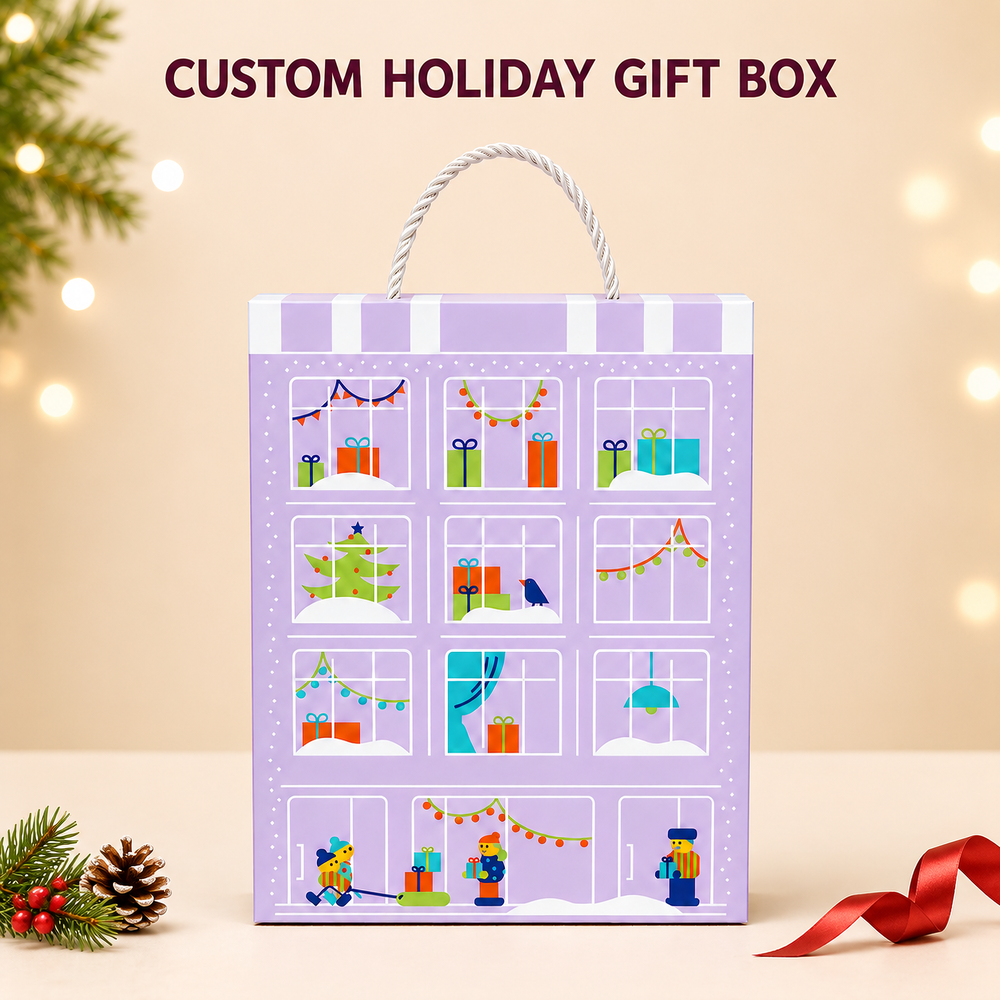
Rigid Drawer Gift Box with Rope Handle
Sliding tray inside a wrapped shell, satin or cotton rope pull, 1,500 gsm greyboard — built for holiday mystery boxes and subscription kits.
View product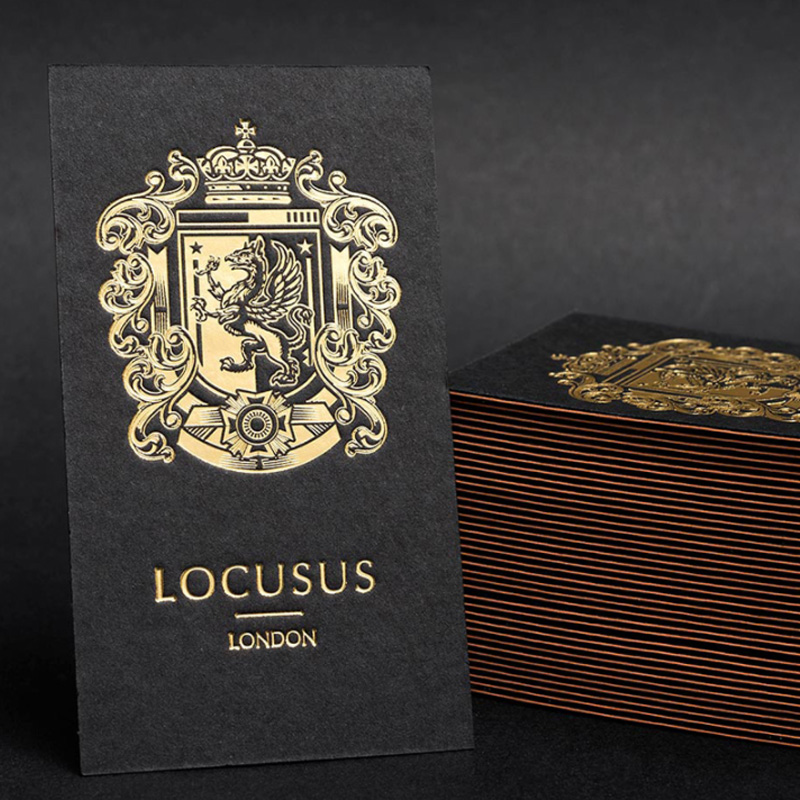
Hot Stamping Business Card on Imported Black Card
Thickened imported black stock with gold or silver foil and optional letterpress — the card that matches a premium gift box.
View product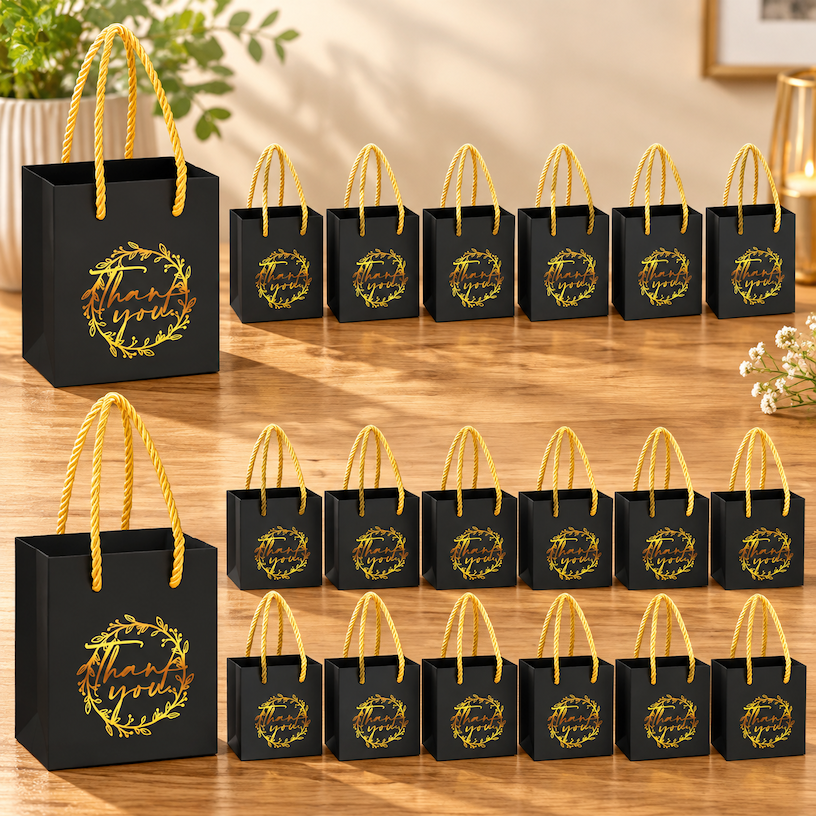
Custom Printed Black Kraft Gift Bags
150–210 gsm black kraft, matt lamination and cotton rope handles for apparel, perfume and thank-you gifting programmes.
View product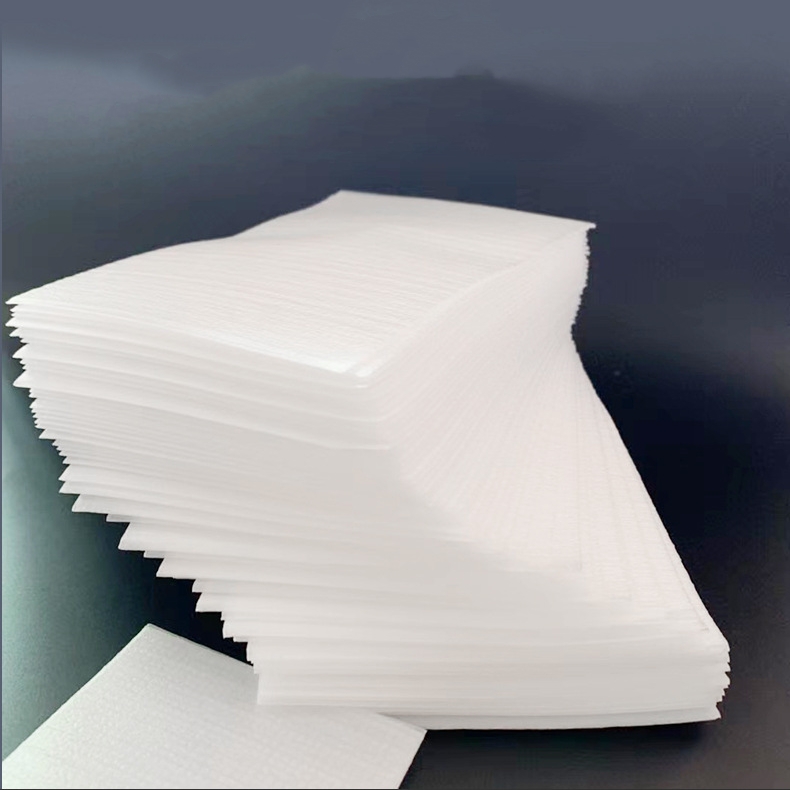
White EPE Foam Shockproof Pouches
Waterproof, edge-protecting EPE pouches that travel inside the rigid box to stop glass, ceramic and electronics from rattling.
View product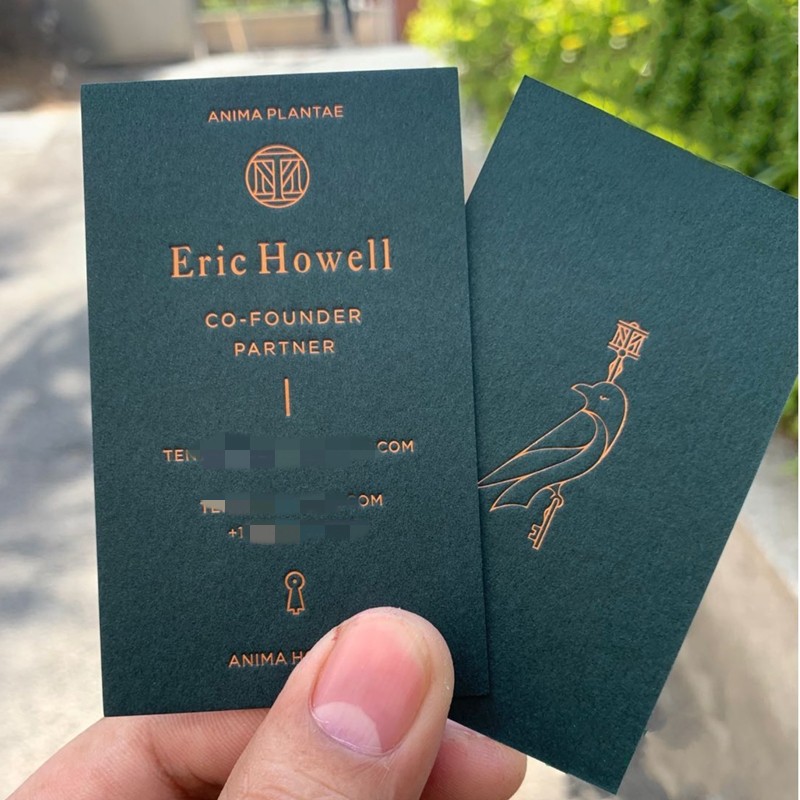
Kraft Business Card with Foil Edge
Digital-printed kraft duplex board with edge gilding and perfect binding — a tactile insert card for eco-positioned brands.
View product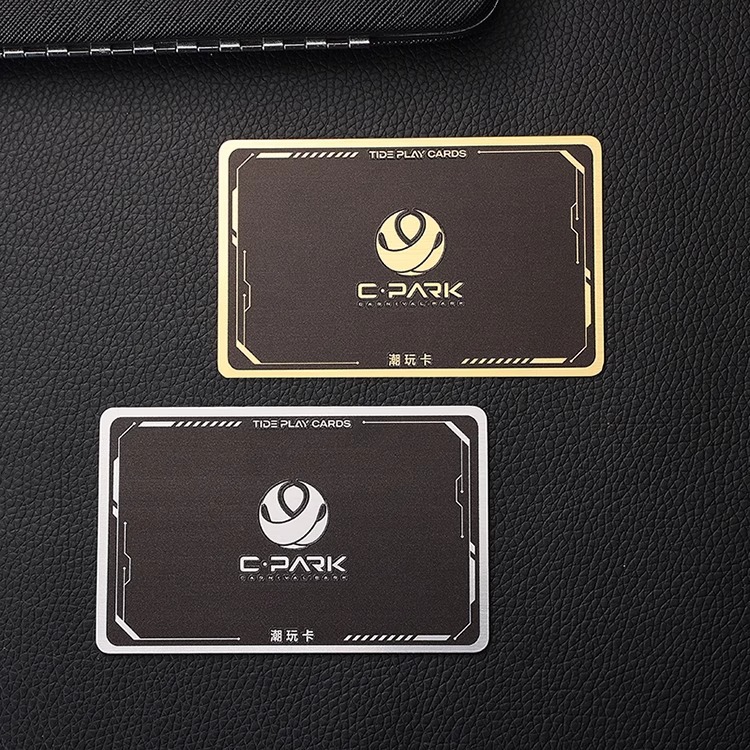
3D Textured VIP Loyalty Cards
Duplex board with raised 3D texture, spot UV and numbered foil — used by salons, hotels and private clubs for tiered memberships.
View product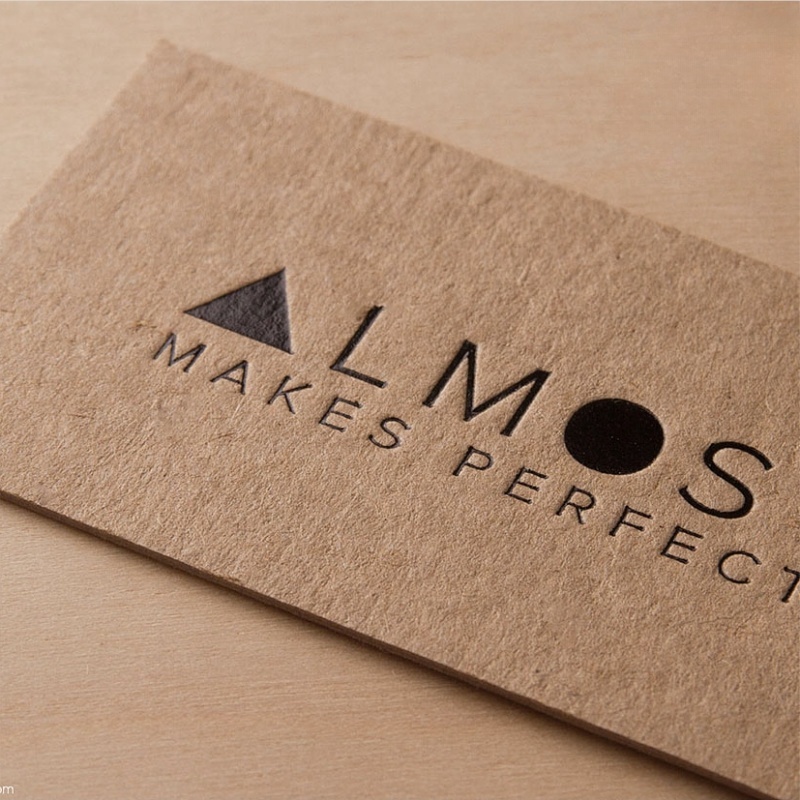
Laminated Kraft Duplex Board Cards
Film-laminated kraft paperboard with a writable matt surface — a durable mini card that survives pockets, wallets and shipping.
View product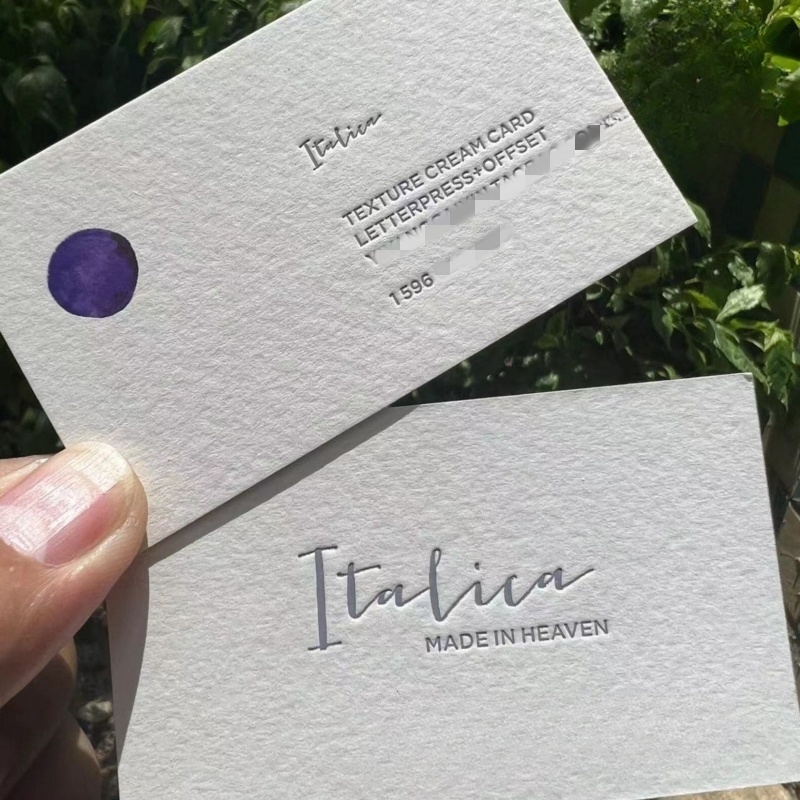
Hot Stamping White Kraft Greeting Cards
Offset-printed white kraft cards with hot foil, blind emboss or deckled edges for wedding invitations and thank-you notes.
View productWhy a Rigid Gift Box Is Now an OEM Sourcing Decision, Not a Decorating Decision
A rigid box is the only packaging format that touches product protection, brand media and the resale experience at the same time. That is why procurement teams are moving it from the marketing budget into the supply chain plan.
Ten years ago, a custom rigid gift box was commissioned late, decorated heavily and treated as an afterthought to the product itself. Today the reverse is true. Brands that ship cosmetics, fragrance, jewellery, consumer electronics, spirits and premium apparel now brief the box in the same document as the product specification, because the box determines whether the item survives transit, whether the unboxing gets filmed, and whether the customer keeps the packaging instead of discarding it within thirty seconds.
Structurally, an OEM rigid gift box is a wrapped greyboard construction. A 1,200–2,000 gsm greyboard core supplies rigidity; a printed art paper, specialty paper, kraft or touch-laminated wrap supplies the surface; a magnet, ribbon, drawer track or hinge supplies the mechanism. Because the wrap is applied by hand after the board is cut, the box holds a crisp edge and a flat, warp-free lid that a folding carton cannot reproduce at the same perceived weight. That hand-assembly step is also why rigid boxes carry a longer lead time and a higher unit cost than mailer boxes — and why the specification must be right the first time.
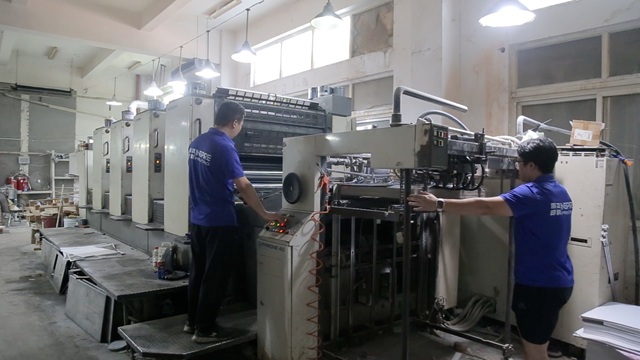
From the buyer's side, four risks dominate every rigid box programme: structure that fails under stacking, colour that drifts between the lid and the base, inserts that do not fit the actual product, and a supplier who subcontracts the finishing and loses control of the deadline. Our answer to all four is vertical integration — design, prepress, offset and digital printing, foil stamping, embossing, lamination, die-cutting, insert fabrication and hand assembly all happen inside a 2,300 m² facility in Jianxin Town, Fuzhou, verified onsite by TÜV Rheinland.
The result is a purchasing model where a brand can test one SKU at 100 pieces, validate the structure against real freight conditions, and then scale to tens of thousands of units without changing supplier, artwork file or board grade.
Which Rigid Gift Box Structure Fits Your Product?
Choosing the structure before the artwork saves more money than any negotiation. These six formats cover the vast majority of OEM briefs we quote.
Magnetic Flip-Top Box
The default luxury format: 1,500 gsm greyboard, two N35 magnets on the front edge, ribbon stop. Best for fragrance, watches, skincare sets and gift-with-purchase. Lead time 12–18 working days.
Drawer / Sliding Tray Box
A tray that slides inside a rigid sleeve, with rope, ribbon or finger-pull. Excellent for subscription discovery boxes and multi-item kits where the customer lifts rather than opens.
Book-Style Box
Hinged like a hardcover book with a spine wrap. Ideal for press kits, welcome packs and any product that should read as a keepsake rather than packaging.
Double-Door Box
Two panels opening outward from the centre. The strongest reveal choreography for limited editions, collectibles and influencer mailers that will be filmed.
Rigid Foldable Box
Ships flat and pops up on site — 30–50% lower freight volume than a fixed rigid box. The right compromise when storage cost in your own warehouse is the bottleneck.
Window / Cut-Out Rigid Box
A die-cut aperture fitted with PET, rPET or recyclable cellulose film. Lets the product be seen before the box is opened; popular for candles, soaps and single-bottle spirits.
Six Trends Reshaping OEM Rigid Gift Box Buying Through 2028
These are the shifts we see in live quotations, sample requests and repeat orders from European, North American and Middle Eastern buyers.
1. Smaller trial orders before commitment
Buyers increasingly validate a structure at 100–300 pieces for one market before committing to a full season. Suppliers who cannot run a small rigid box batch economically will lose the follow-up volume order, not just the trial.
2. Digital approval replaces sample airfreight
3D mockups, dielines and short video walkthroughs now clear most structural approvals before a physical sample is cut. That compresses the pre-production stage from three weeks to under ten days on repeat structures.
3. Recyclability written into the brief
Under the EU Packaging and Packaging Waste Regulation and national EPR schemes, buyers now ask for mono-material paper construction, water-based inks and paper inserts by default — and expect the specification on the artwork file.
4. Plastic inserts are being designed out
EVA foam and thermoformed PET trays are being replaced with moulded pulp, die-cut corrugated and folded paperboard cradles. The engineering challenge is drop protection, so testing at the sample stage matters more than ever.
5. One supplier for the whole set
Rigid box, paper bag, tissue, hang tag, thank-you card and label are increasingly quoted as a single coordinated set. Colour consistency across substrates is now a supplier-selection criterion, not a nice-to-have.
6. Shorter, more predictable lead times
Buyers are reordering in smaller, more frequent batches rather than holding a season of stock. A written production schedule, a committed sample date and an AQL report before shipment now outweigh a marginally lower unit price.
How Rigid Box Construction and Finishing Are Changing
Surface and structure innovation is where a rigid box earns its premium. These are the techniques we run weekly on our own presses and finishing lines.
Tactile surfaces lead the premium tier
Soft-touch matt lamination, blind emboss and 3D raised texture now differentiate more effectively than heavy foil. The trend is restrained decoration on a very strong tactile base — the box should feel expensive before it looks expensive.
Hybrid offset plus digital production
Offset handles the long-run shell and wrap; digital handles short-run sleeves, insert cards and market-specific variants. Mixing both lets one SKU serve several countries without a separate plate set for each language.
Lighter boards, reinforced corners
Where freight cost dominates the landed price, we reduce board calliper and add corner reinforcement or a corrugated outer instead. A box that is 15% lighter across a container load is a material saving that shows up in the margin.
Mono-material paper engineering
Paper hinges instead of ribbon, paperboard cradles instead of EVA, and cellulose windows instead of PET. Designers now draw the box and the insert together so the whole unit can enter one recycling stream.
Variable data and serialisation
Numbered loyalty cards, QR-linked authenticity seals and batch-coded inner labels turn the box into a data carrier. This is especially valuable for limited editions where resale and counterfeiting are concerns.
First-article approval as standard
Colour targets, board calliper, magnet pull force and closure tolerance are documented on a signed first article. Inline spectrophotometer checks then hold the delta across the run, including the lid-to-base match.
Rigid Gift Box Specification Sheet for OEM Buyers
Use this reference to brief a project faster. Final values are confirmed on a signed first-article sample before mass production begins.
| Structure | Core Board | Wrap / Cover Paper | Typical Insert | Finishing Options | MOQ |
|---|---|---|---|---|---|
| Magnetic Flip-Top | 1,500–2,000 gsm greyboard | 157 gsm art paper, specialty paper, touch film | Die-cut paperboard, moulded pulp, EVA | Foil stamp, emboss, spot UV, matt lamination | 100 pcs |
| Drawer / Sleeve | 1,200–1,600 gsm greyboard | 157–200 gsm art paper or kraft | Corrugated cradle, satin bed, foam | Rope handle, ribbon pull, foil, blind emboss | 100 pcs |
| Book-Style | 1,500–1,800 gsm greyboard | Specialty textured paper, linen wrap | Paperboard tray, elastic band | Spine emboss, edge gilding, ribbon marker | 100 pcs |
| Double-Door | 1,500–2,000 gsm greyboard | Art paper, touch film, soft-touch | Moulded pulp, die-cut corrugated | Magnet closure, foil, deboss, spot UV | 200 pcs |
| Rigid Foldable | 1,000–1,400 gsm greyboard | 128–157 gsm art paper | Folded paperboard insert | Lamination, foil, magnetic flap | 200 pcs |
| Window Rigid Box | 1,200–1,500 gsm greyboard | Art paper with die-cut aperture | Paperboard cradle, moulded pulp | PET / rPET / cellulose window, foil, emboss | 100 pcs |
Decorative cards, gift bags and inner print are produced on the same site, so the box, the card and the bag can share one colour target.
Relative Production Characteristics by Box Type
An indicative comparison drawn from our own quotation and scheduling data. Higher bars mean more of that characteristic, not a better or worse product.
Bar length reflects relative hand-assembly intensity and tooling complexity — the two factors that most influence rigid box lead time.
From Brief to Container: Our Six-Step OEM Process
Every stage has a written sign-off, so the box that arrives is the box that was approved.
Brief and Dieline
Share product dimensions, weight, shipping method and artwork. We return a dieline and a board recommendation within one working day.
Free 3D Mockup
An in-house render shows exact artwork placement, magnet position and insert fit before any physical sample is cut.
Pre-Production Sample
A physical sample confirms colour, board calliper, closure tolerance and insert fit. Nothing moves to production without your written approval.
Mass Production
Offset or digital printing, foil, emboss, lamination, die-cutting and hand assembly, with inline colour checks at each shift.
Final Inspection
An AQL inspection with photo and video reports covering print, structure, magnet strength and packaging before anything leaves the floor.
Export Packing and Shipping
Export-grade cartons, flat-packing where possible to cut freight, and sea, air or express delivery with full documentation.
Why Fuzhou Buba Printing Co., Ltd. Belongs on Your Supplier Shortlist
Fuzhou Buba Printing Co., Ltd. is a custom manufacturer of paper packaging and commercial print based in Jianxin Town, Fuzhou, Fujian, China — verified onsite by TÜV Rheinland and rated 4.6 out of 5 by buyers on record.
Third-Party Verified Factory
Our premises, legal status and production capability have been inspected onsite by TÜV Rheinland. We are listed as a Custom Manufacturer offering design-based, sample-based and full customisation with onsite material inspection.
18 Years, One Roof
Eighteen years in paper printing and converting, operating from a 2,300 m² single-site facility. Structure, prepress, printing, finishing and hand assembly are never subcontracted out of our control.
MOQ from 100 pcs, Free 3D Mockup
Test a market at 100–300 pieces on most rigid box and paper bag formats, then scale to bulk runs with the same artwork file, board grade and finishing specification.
Premium Finishing In-House
Hot foil stamping, blind and 3D embossing, spot UV, soft-touch and matt lamination, holographic film, letterpress, die-cutting and window patching all run on our own equipment.
10+ Years of Export Logistics
Export-grade cartons, flat-packed rigid boxes where the structure allows, container planning and sea, air or express shipping — handled by a team that has shipped to distributors on five continents.
Recyclable and Water-Based Options
Recyclable kraft and corrugated board, paper-based inserts instead of plastic, water-based inks and plastic-free tear-strip constructions are available on request for every rigid box programme.
What a Brief That Gets Quoted Accurately Actually Contains
Most quotation delays are not caused by price negotiation — they are caused by missing information. A brief containing the following ten items typically produces a firm quote and a dieline inside one working day.
- Internal dimensions and the product's real outer dimensions, not the marketing size.
- Product weight and centre of gravity, so the board grade and insert are engineered correctly.
- Shipping mode — sea, air or express changes the stacking and drop requirements.
- Insert type requested: paperboard, moulded pulp, EVA or corrugated cradle.
- Print coverage inside and out, plus any Pantone reference for brand colour.
- Finishing list with placement — foil, emboss, spot UV, soft-touch, window film.
- Compliance documents needed, such as recyclability or material declarations.
- Target quantity per SKU and whether a smaller trial run is required first.
- Artwork status — final AI/PDF files or a design request to our in-house team.
- Required delivery date and destination port or door address.
Frequently Asked Questions About OEM Rigid Gift Boxes
What is the minimum order quantity for custom rigid gift boxes?
Most custom rigid gift boxes, mailer boxes and paper bags start from 100 pieces. Some notebooks start from 50 pieces, while hang tags, flyers and labels usually start from 200–1,000 pieces depending on size and finishing. A 100-piece run is enough to validate structure, colour and fit before you commit to a season's volume.
Do you provide free design support and 3D mockups?
Yes. Our in-house design team produces the dieline and a free 3D mockup so you can approve the structure, artwork placement and finishing before any physical sample is made. If you only have a reference image, we can develop the structure from it and return artwork templates for your designer.
How long do samples and mass production take?
Typical lead time is 3–7 working days for pre-production samples and 10–20 working days for mass production after sample approval. Complex rigid boxes, hand-assembled inserts or large book runs may need longer, and we confirm the schedule in writing with every order so it can be tracked against the delivery date.
Which artwork file formats do you accept?
We prefer vector AI, PDF or EPS files in CMYK with 3 mm bleed and outlined fonts. High-resolution PSD or TIFF files at 300 dpi are also accepted. Pantone colours can be matched on request and are verified against a physical drawdown at the first-article stage.
Can you produce recyclable or plastic-free rigid boxes?
Yes. We offer recyclable kraft and corrugated board, paper-based inserts instead of plastic, water-based inks and plastic-free tear-strip mailer boxes. For rigid gift boxes we can replace EVA trays with moulded pulp or die-cut paperboard cradles, and replace ribbon hinges with paper hinges so the whole unit enters one recycling stream.
How do you control colour consistency across a set?
Because the box, gift bag, card and label are printed on the same site, they are calibrated to one colour target. We document the target on a signed first article, then verify with inline spectrophotometer readings throughout the run — including the lid-to-base match that buyers notice first on a rigid box.
Can you pack the product into the box before shipping?
Yes. We can assemble boxes, fit inserts, place products and seal units before export packing, which is common for subscription kits, welcome packs and gift-with-purchase programmes. Assembly instructions and a quality checklist are agreed in writing before the run starts.
Is your factory verified by an independent third party?
Yes. Our factory has been verified onsite by TÜV Rheinland, and we are listed as a Custom Manufacturer offering design-based, sample-based and full customisation with onsite material inspection. Buyer feedback on record averages 4.6 out of 5.
Ready to Brief Your Next Rigid Gift Box Project?
Send the internal dimensions, target quantity and artwork status. Our team replies with a structure proposal, a board recommendation and a free 3D mockup — usually within one working day.