Custom OEM Folding Gift Boxes Manufacturers & Wholesaler
Factory-direct paper gift boxes, mailer boxes and premium print from Fuzhou Buba Printing Co., Ltd. — 18 years of paper-printing experience, MOQs from 100 pcs and free 3D mockups.
Send an InquiryCustom OEM Folding Gift Boxes & Complementary Print Products
These eight products show the range a wholesale packaging programme can cover: recyclable folding gift boxes, corrugated mailers, business cards, calendars, shipping boxes, advent calendar boxes, greeting cards and premium invitations. Every item can be customised by size, board grade, print and finish.
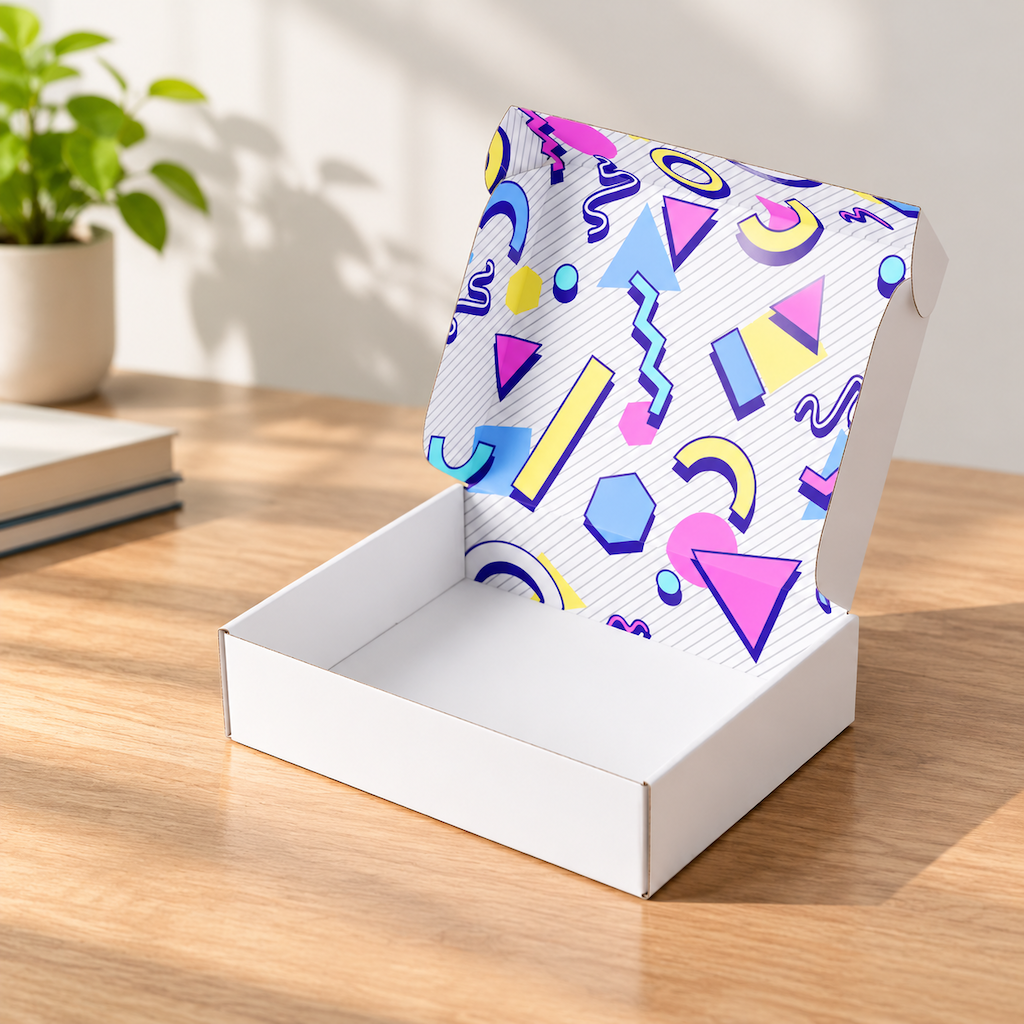
Custom Corrugated Paper Gift Box Recyclable Foldable Packaging Box Printed Paper Mailer for Gift and Craft
Recommended for e-commerce brands, subscription kits and lightweight gift sets. The foldable corrugated structure reduces storage and freight volume.View product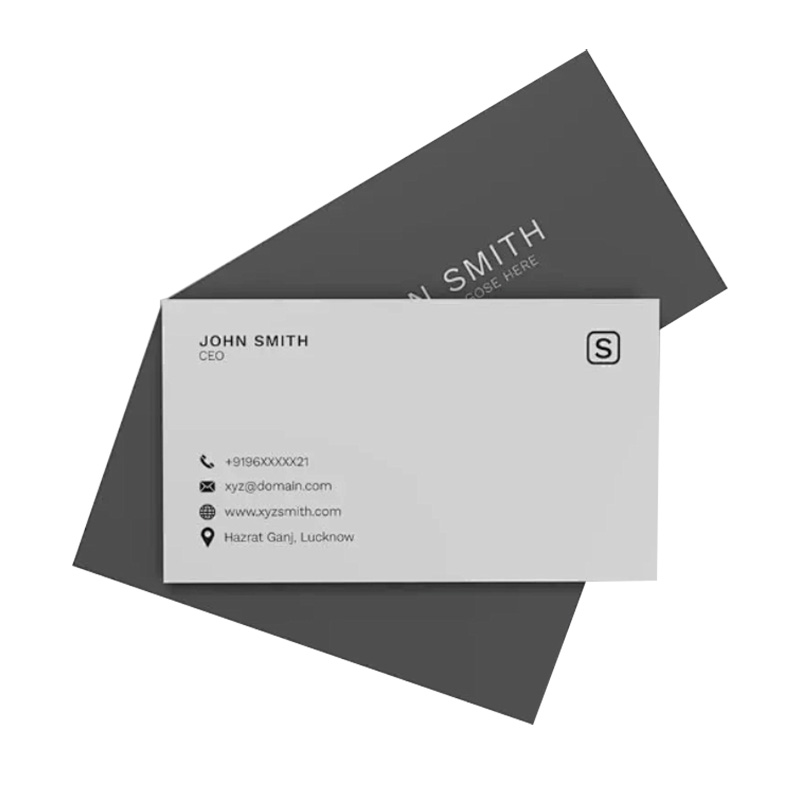
Free Design Customizable Printing PVC Business Card Smooth Multifunctional Greeting Paper Card Offset Paper Cardboard Material
Recommended for retail counters, membership kits and hospitality. A practical mix of PVC durability and paper-card flexibility.View product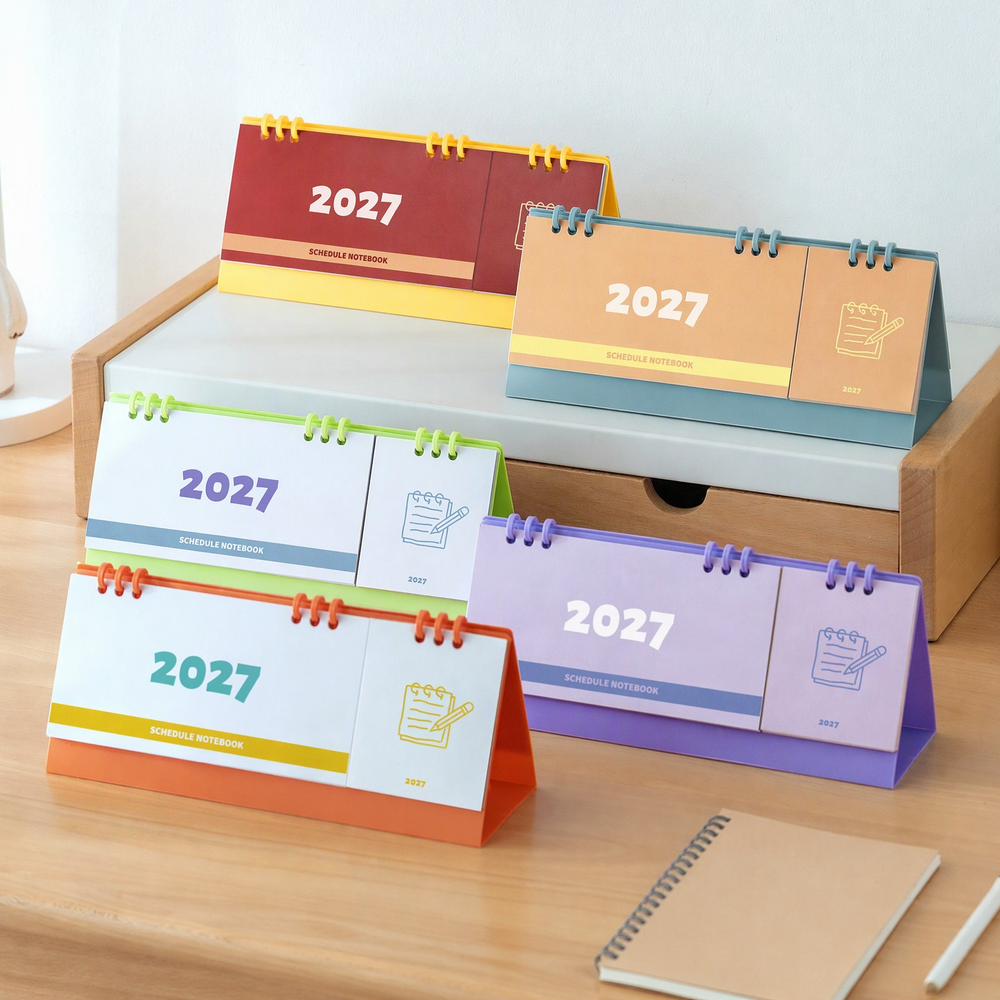
Custom Printing 2027 Art Paper Desktop Calendar Clock Monthly Daily Planner Table Calendar Simple Calendar
Recommended for year-end corporate gifts, distributor promotions and office branding. Art paper and simple assembly keep unit cost controlled.View product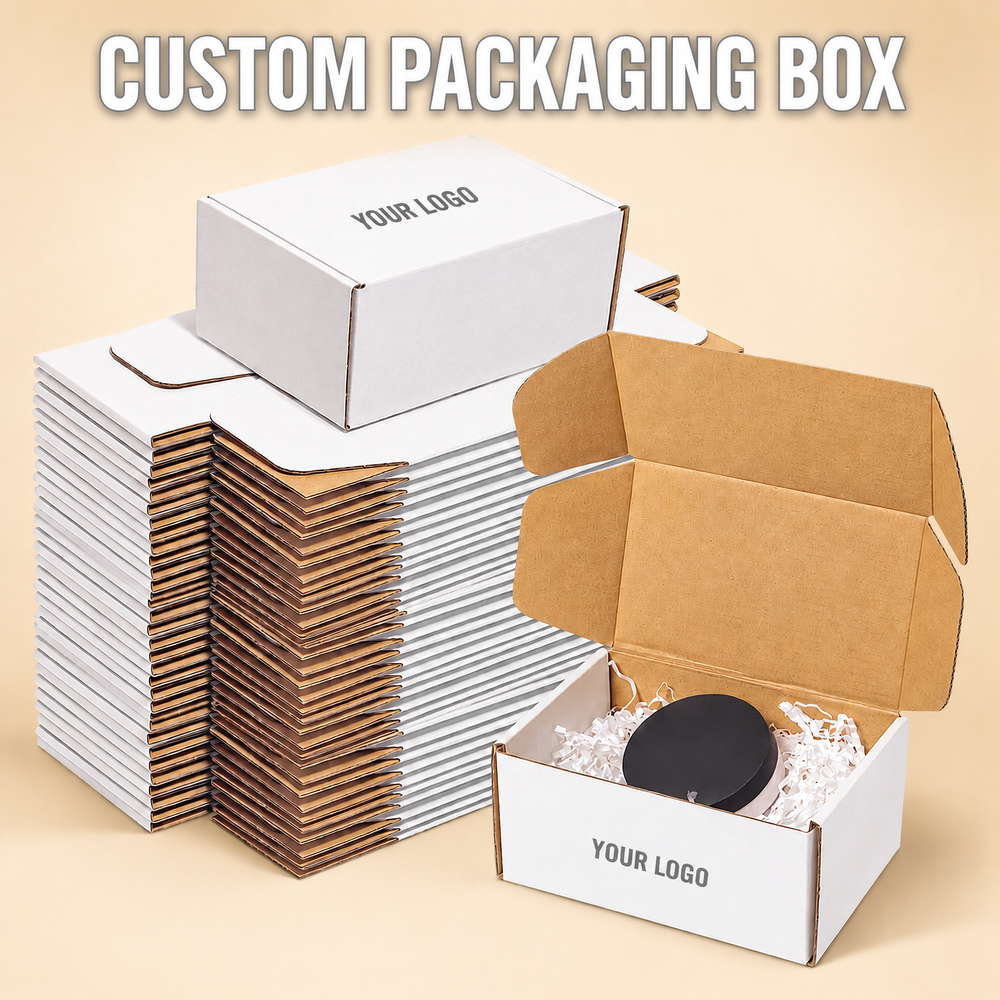
White Shipping Boxes 6x4x3 60 Pack Corrugated Cardboard Box Mailer
Recommended for small parcels, accessories, samples and replacement parts. A compact mailer format that can be printed or kept clean and minimal.View product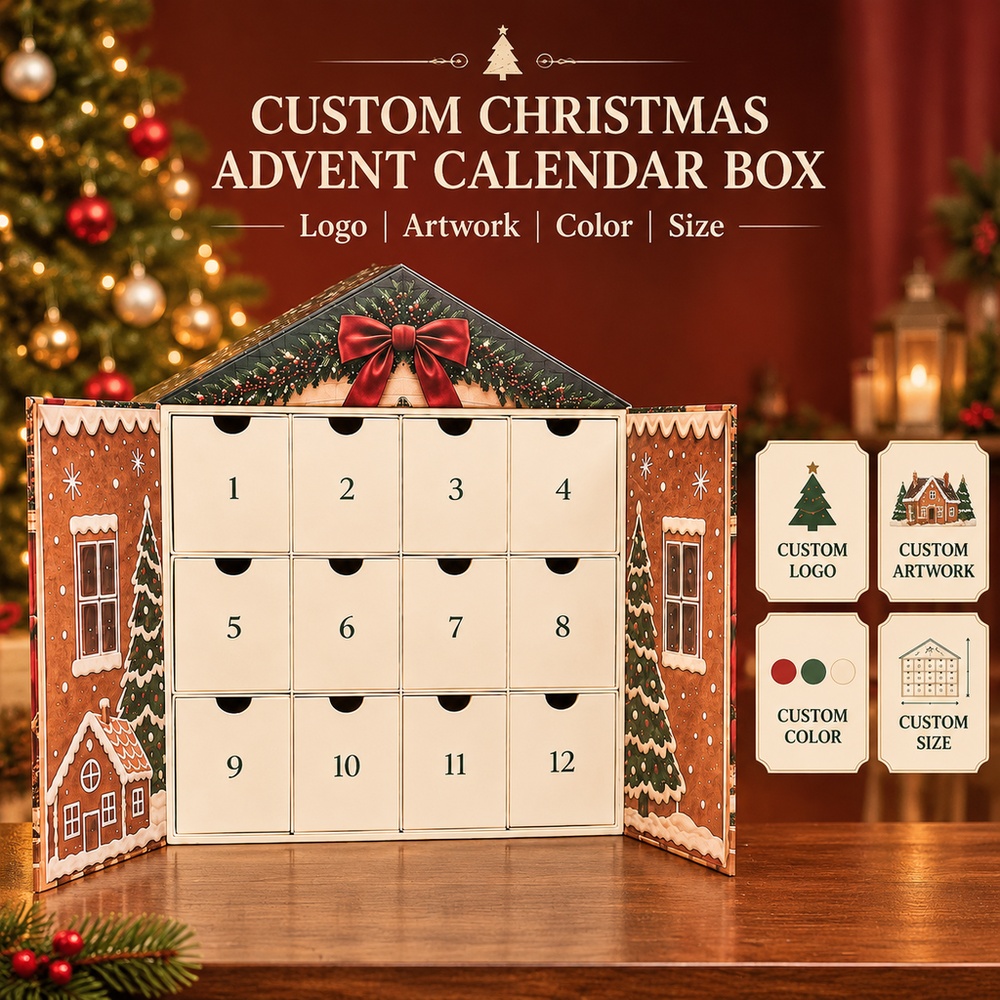
Custom Christmas Advent Calendar Paper Boxes House Shaped 12 Drawer Gift Packaging with Logo for Wholesale Mystery Box
Recommended for beauty, confectionery and seasonal gift campaigns. The drawer structure creates a repeat-reveal experience for social media.View product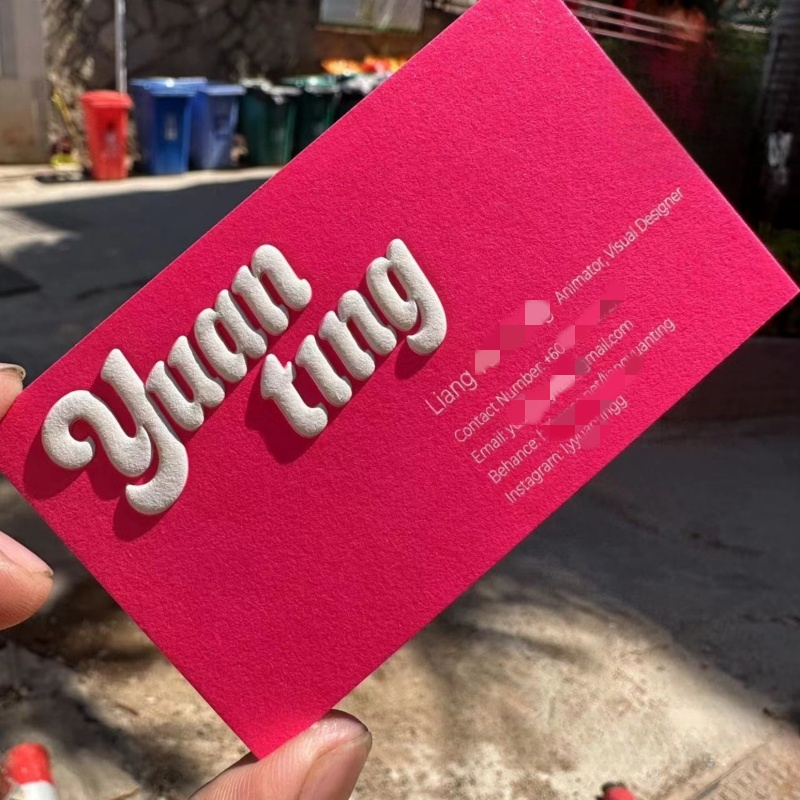
Custom Design Creative Embossing Specialty Paper Greeting Card Embossed Printing Gift Greeting Business Card
Recommended for luxury stationery, VIP notes and brand collateral. Blind embossing and specialty paper add tactile value without heavy decoration.View product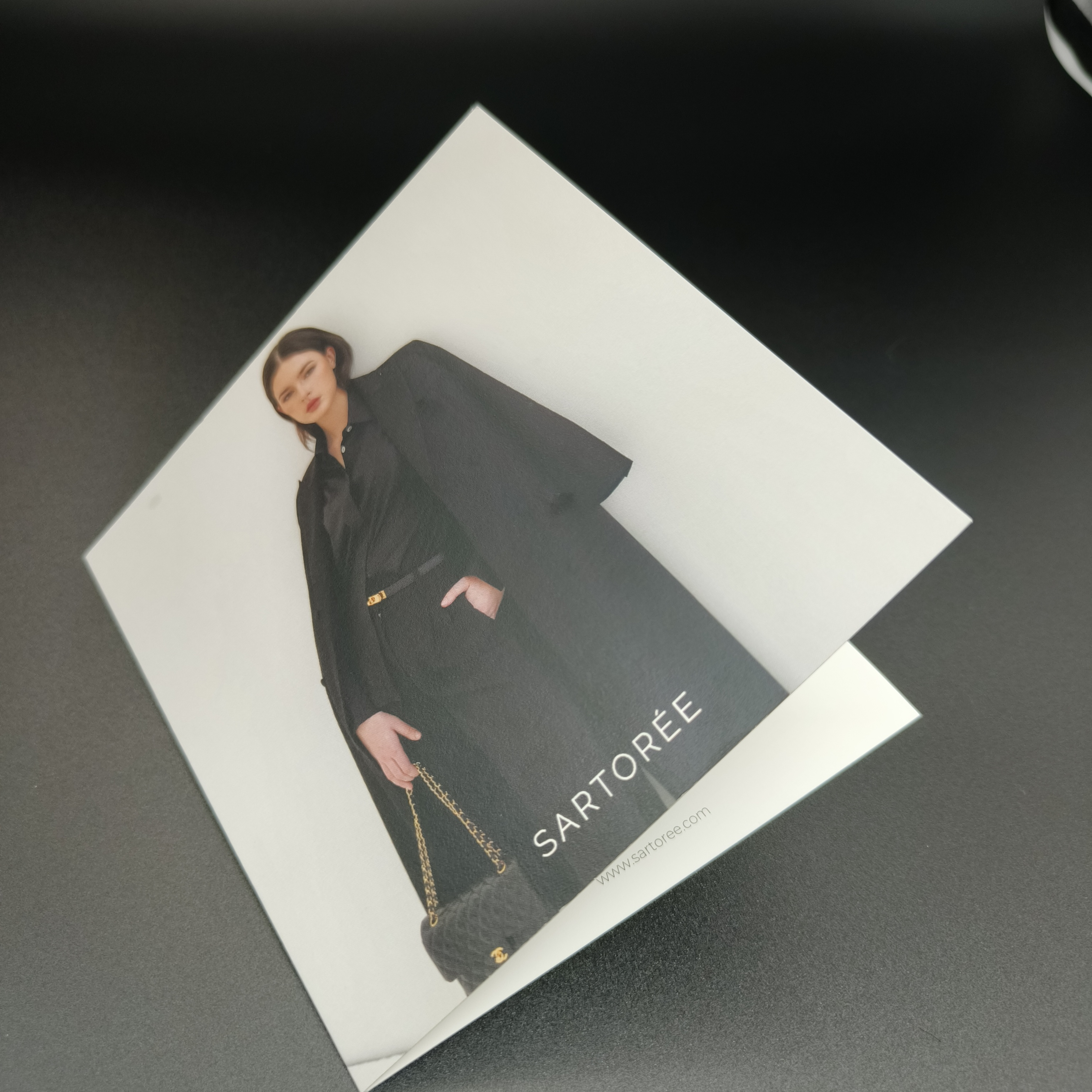
Customized Cards Greeting Cards Support Small Quantity Made Cardboard Paper Offset Thank You Card
Recommended for DTC unboxing, thank-you inserts and small-batch launches. Supports small-quantity programmes for testing new markets.View product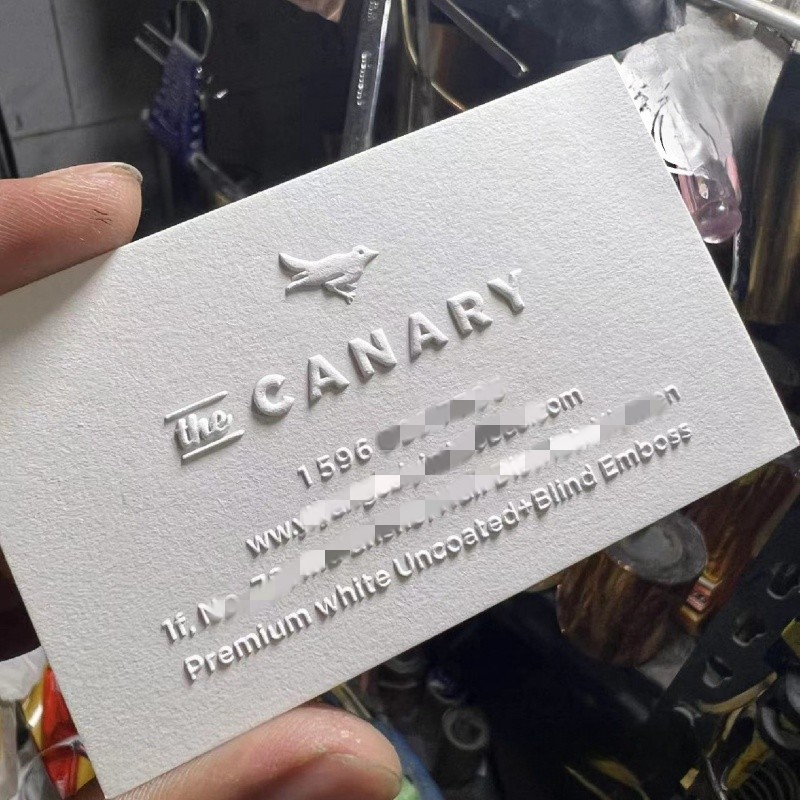
Customized Romantic Brochure Offset Paper Film Lamination Hot Stamping for Wedding Invitation
Recommended for wedding planners, event studios and premium invitation suites. Hot stamping and film lamination create a formal, keepsake finish.View productAll product links are preserved from the original catalogue. For custom sizes, materials or finishes not shown, use the inquiry button and our team will confirm the specification in writing.
Years in paper printing and packaging craft
Production floor in Fuzhou, Fujian, China
Years of export support and documentation
Verified buyer rating on company profile
Executive Summary: The Real Buying Decision Behind Custom OEM Folding Gift Boxes
For brand owners, distributors and e-commerce sellers, a custom folding gift box is not a commodity carton. It is a structural platform that shapes unboxing, product protection, warehouse efficiency, retail presentation and the environmental story a brand can credibly tell. The cheapest quotation can become the most expensive order if the board grade is under-specified, the dieline is unstable, colour drifts between reprints, or the supplier cannot provide a repeatable quality record.
Information gain from the production floor: this guide is prepared by Fuzhou Buba Printing Co., Ltd., a TÜV Rheinland onsite-verified custom manufacturer with 18 years in paper printing and more than 10 years of export experience. Rather than repeating generic “high quality, low price” claims, this page explains the variables that change cost, lead time and risk in an OEM folding gift box programme — and how buyers can interrogate those variables before placing a wholesale order.
The core thesis is straightforward: specification discipline beats price hunting. A buyer who confirms board, flute, print method, finish, insert, packing method and inspection standard before sampling usually receives fewer surprises, lower reprint risk and a more predictable total landed cost. That is especially true for folding gift boxes, where a few tenths of a millimetre in board caliper or a small change in locking geometry can affect assembly speed, compression strength and the way a lid closes.
Anatomy of a High-Performance Custom Folding Gift Box
1. Board selection. Folding gift boxes are commonly produced from SBS or C1S ivory board, kraft board or fine corrugated board. A 300–400 gsm folding board is appropriate for lightweight cosmetics, confectionery and accessories. For heavier products or e-commerce shipping, E-flute or B-flute corrugated board provides better compression strength. Rigid gift boxes use greyboard wrapped in art or specialty paper; they feel more premium but consume more freight cube, so they are not automatically the best choice for every launch.
2. Structural engineering. The dieline determines how the box folds, locks, opens and stacks. Popular structures include tuck-top mailers, crash-lock bottoms, sleeve-and-tray boxes, drawer boxes and house-shaped advent calendars. A supplier should provide a dieline and a 3D mockup before sampling, so artwork placement, window patching and insert fit are approved digitally. At Buba, the in-house design team provides dielines and a free 3D mockup before a physical pre-production sample is made.
3. Print and finishing. CMYK offset printing is used for full-colour artwork, while Pantone matching is used for brand colours. Premium finishes include hot foil stamping, blind and 3D embossing, spot UV, matte or gloss lamination, soft-touch lamination, holographic film, letterpress and window patching. Each finish adds a different cost, lead-time and recyclability profile. For example, a large solid foil area can improve shelf impact but may complicate recycling; a paper-based insert often costs more than a plastic insert at sample stage but supports a stronger sustainability claim.
4. Verification. Request incoming material inspection, first-article approval, inline colour checks and final AQL inspection with photo or video reports. Specify the product weight, drop height and shipping method, because a box that performs well on a retail shelf may not survive parcel delivery without additional reinforcement.
| Product family | Typical material | Best-fit buying scenario | Popular finishes | MOQ guide |
|---|---|---|---|---|
| Corrugated mailer box | E-flute or B-flute corrugated, white or kraft liner | E-commerce, subscription kits, direct-to-consumer gift sets | CMYK inside and out, lamination, spot UV, tear strip | From 100 pcs |
| Folding gift box | SBS or C1S ivory board, kraft board | Cosmetics, apparel, accessories, retail gift packaging | Soft-touch lamination, foil, embossing, window patch | From 100 pcs |
| Rigid magnetic gift box | Greyboard wrapped in art or specialty paper | Luxury launches, VIP gifts, high-value cosmetics | Foil stamping, embossing, magnetic flap, EVA or paper insert | From 100 pcs |
| Paper bag | Kraft paper, art paper, white cardstock | Retail carry-out, brand events, wholesale gift sets | Rope or ribbon handle, gold foil, embossed logo | From 100 pcs |
| Hang tag or label | Thick cardstock, self-adhesive stock | Apparel, accessories, product identification | 3D embossing, letterpress, die-cut shape, waterproof film | From 200 pcs |
| Catalogue or book | Coated art paper, offset paper, duplex board | Trade shows, dealer catalogues, lookbooks, brand books | Saddle-stitch, perfect binding, spiral, hardcover | From 100 pcs |
Specifications shown are directional production ranges. Final board, print and finishing should be confirmed in writing and on a pre-production sample before mass production.
How Wholesale Buyers Will Purchase OEM Gift Boxes in 2025–2030
The procurement conversation is shifting from “price per box” to “total landed cost, speed to market and audit readiness.” The signal bars below are directional priority indicators from custom packaging briefs and are intended for planning discussions, not as a market forecast.
1. Small-batch continuity
Buyers increasingly launch with 100–500 pcs to test channels, then replenish rather than committing to a full year of stock. Suppliers must support low MOQs without making reorders feel like a new project.
High priority2. Total landed cost
Flat-pack folding boxes, paper inserts and carton optimisation reduce freight cube. Procurement teams are comparing delivered cost per unit, not ex-factory price alone.
High priority3. Audit-ready suppliers
Third-party verification, AQL inspection, photo reports and clear lead-time commitments reduce sourcing risk. TÜV Rheinland onsite verification is a practical proxy for factory substance.
Rising fast4. Recyclable by default
Paper-based inserts, water-based inks and plastic-free tear strips are moving from “nice to have” to tender requirements. Buyers want recyclability claims that the structure can actually support.
Rising fast5. Digital approval workflows
3D mockups, dielines and version-controlled artwork shorten sample cycles. Remote buyers expect to approve structure and artwork placement before paying for physical samples.
Accelerating6. Forecast collaboration
Brands share sell-through data more openly, while suppliers confirm production schedules in writing. Typical mass production runs of 10–20 working days reward earlier forecasting.
ImprovingFor a wholesale buyer, the practical implication is to ask for a reorder specification at the sample stage: board grade, print profile, foil colour, lamination type, glue pattern, packing orientation and carton quantity. A supplier that can document these details is usually better prepared to keep the second and third orders consistent with the first.
Where Custom Folding Gift Box Design Is Heading
Mono-material and paper-based inserts
Plastic blister trays are being replaced by folding paperboard inserts, moulded pulp or corrugated fitments. The goal is a single-stream recycling story without sacrificing product protection.
Premium finishing with a lighter footprint
Buyers still want foil, embossing and soft-touch effects, but they are specifying smaller foil areas, water-based coatings and responsibly sourced board to balance shelf impact with environmental claims.
Modular structures for multiple SKUs
One dieline with adjustable inserts can serve several product sizes. This reduces tooling cost, simplifies warehousing and helps brands launch variants without re-engineering the whole box.
QR-enabled unboxing experiences
Printed QR codes link to care instructions, authenticity checks, refill programmes or social content. The box becomes a measurable media touchpoint rather than a passive container.
E-commerce-first engineering
Crash-lock bases, tear strips, self-sealing mailers and flat-pack gift boxes are being optimised for parcel networks, returns and home storage. Compression strength and void reduction matter more than ever.
AI-assisted design and colour control
Digital mockups, automated dieline checks and inline colour measurement shorten approval cycles. Human sampling and AQL inspection remain essential, but the digital layer reduces avoidable errors.
How to Compare Custom Gift Box Manufacturers and Wholesalers
Do not award an OEM folding gift box programme on unit price alone. Use a weighted scorecard that reflects the real risk profile of your order. A factory with strong structural design, documented quality control and export experience often produces a lower total cost than a cheaper supplier that requires repeated samples, reprints or freight rework.
| Evaluation area | Weight | What to verify | Why it matters |
|---|---|---|---|
| Structural engineering | 25% | Dieline accuracy, 3D mockup, sample fit, available board grades | Prevents weak locking, poor closure and product damage |
| Material and compliance | 25% | Board certification, recyclability options, ink and lamination choices | Supports retail, e-commerce and sustainability claims |
| Quality control | 20% | Incoming inspection, first-article approval, inline checks, AQL report | Reduces colour drift, glue failure and reprint risk |
| Communication and lead time | 15% | Written schedule, sample turnaround, change control | Keeps launches and replenishment predictable |
| Export and logistics | 15% | Export cartons, flat-pack planning, shipping options, documentation | Reduces landed cost and delivery surprises |
Why Buyers Work With Fuzhou Buba Printing Co., Ltd.
Buba is a custom manufacturer and wholesale supplier of paper packaging and commercial print, based in Jianxin Town, Fuzhou, Fujian, China. The company combines structural design, prepress, offset and digital printing, foil stamping, embossing, lamination, die-cutting and hand assembly under one accountable roof.
18 years of paper-printing experience
Long-run production knowledge across gift boxes, mailers, paper bags, labels, cards, notebooks, catalogues and books. The team understands how material, finish and packing decisions interact.
TÜV Rheinland onsite verification
The factory has been verified onsite by TÜV Rheinland and is listed as a Custom Manufacturer offering design-based, sample-based and full customisation with onsite material inspection.
Free structure design and 3D mockup
In-house designers provide a dieline and free 3D mockup so buyers can approve structure, artwork placement and finishing before a physical sample is produced.
Low MOQ and factory-direct pricing
Many custom boxes start from 100 pcs, allowing brands to test a market before scaling. Buba supports OEM and ODM programmes with real factory pricing rather than broker mark-ups.
Premium finishing in-house
Hot foil, blind and 3D embossing, spot UV, soft-touch and holographic lamination, letterpress and window patching are handled under one production system for better consistency.
Export-ready quality and logistics
More than 10 years of export experience, export-grade cartons, flat-packing to reduce freight and sea, air or express shipping support. Pre-production samples typically take 3–7 working days; mass production typically 10–20 working days after approval.
Risk Controls to Request on Every Custom Gift Box Order
Incoming material inspection
Confirm board caliper, liner colour, paper grain and adhesive suitability before production. Material substitution is one of the most common causes of “same artwork, different feel” complaints.
First-article approval
Approve a physical pre-production sample for colour, fit, closure, foil position and insert function. Keep the signed sample as the reference standard for the bulk run.
Inline colour and glue checks
Monitor print density, Pantone match and glue pattern during production. For folding boxes, glue placement directly affects assembly speed and whether the base holds under load.
Final AQL inspection and photo report
Request an AQL check before shipment, with photos or video of cartons, labels, print and assembly. This creates a documented record for both buyer and supplier.
Eco-friendly options are available: recyclable kraft and corrugated board, paper-based inserts instead of plastic, water-based inks and plastic-free tear-strip mailer boxes. Because every market has different recycling rules, specify the destination country and the claim you intend to make before artwork approval.
How to Brief a Custom OEM Folding Gift Box Project
A complete brief shortens the sample cycle and reduces quote revisions. If you can provide the first six items below, Buba can usually propose a structure and free 3D mockup without a long discovery call.
Product dimensions and weight: length × width × height, plus any accessories or inserts.
Box style: folding gift box, mailer, sleeve, drawer, advent calendar or custom structure.
Material preference: ivory board, kraft, corrugated, greyboard or a recyclability target.
Print and finish: CMYK, Pantone, foil, embossing, spot UV, soft-touch, window patch.
Quantity and reorder plan: launch quantity, expected replenishment and packaging format.
Artwork status: AI, PDF or EPS in CMYK with 3 mm bleed and outlined fonts preferred.
Destination and shipping method: retail, e-commerce parcel, sea freight, air or express.
Compliance needs: recycling marks, material declarations, inspection reports or buyer-specific AQL.
Frequently Asked Questions for Custom Gift Box Buyers
Are you a manufacturer or a wholesaler?
Buba is both a custom manufacturer and a wholesale supplier. Fuzhou Buba Printing Co., Ltd. operates as a custom factory for paper packaging and print, and supplies brand owners, e-commerce sellers, distributors and trading partners directly from its production facility in Fuzhou, China.
What is the minimum order quantity for custom packaging?
Most custom mailer boxes, rigid gift boxes, folding gift boxes and paper bags start from 100 pcs. Some notebooks start from 50 pcs, while hang tags, flyers and labels usually start from 200–1,000 pcs depending on size and finishing. Confirm the exact MOQ against your structure, material and print specification.
Do you offer free design support and 3D mockups?
Yes. The in-house design team provides dielines and a free 3D mockup so you can approve structure, artwork position and finishing before any physical sample is produced.
How long do samples and mass production take?
Typical lead time is 3–7 working days for pre-production samples and 10–20 working days for mass production after sample approval. Complex rigid boxes, advent calendars or large book runs may need longer; the schedule is confirmed in writing with every order.
Which artwork file formats do you accept?
Vector AI, PDF or EPS files in CMYK with 3 mm bleed and outlined fonts are preferred. High-resolution PSD or TIFF files at 300 dpi are also accepted. Pantone colours can be matched on request.
Can you make eco-friendly or recyclable folding gift boxes?
Yes. Recyclable kraft and corrugated board, paper-based inserts instead of plastic, water-based inks and plastic-free tear-strip mailer boxes are available. Final recyclability depends on the full material and finishing combination, so confirm the claim for your destination market.
Is the factory verified by a third party?
Yes. The factory has been verified onsite by TÜV Rheinland and is listed as a Custom Manufacturer offering design-based, sample-based and full customisation with onsite material inspection.
Can you support small-quantity or repeat wholesale orders?
Yes, depending on the product and finishing. Low-MOQ production helps buyers test a market, and the same specification can be used for replenishment. Keeping a signed sample and an approved dieline on file reduces variation between repeat orders.
Ready to Brief Your Custom OEM Folding Gift Box Programme?
Send your size, quantity, artwork, destination and target finish. The Buba team will reply with a structure proposal, free 3D mockup path and a written production schedule — no obligation and no extra form.
Send an Inquiry- Factory-direct: custom boxes, paper bags, labels, cards and print under one roof.
- Verified: TÜV Rheinland onsite-verified custom manufacturer.
- Low MOQ: many custom items from 100 pcs.
- Free mockup: structure, dieline and 3D approval before sampling.