8 Custom Packaging Products for a Complete Embossed Gift-Box Program
These products are commonly sourced together with custom OEM embossed gift boxes so that board tone, print color, insert fit, cards, labels and bags are approved as one coordinated packaging system — not as disconnected purchases from multiple suppliers.
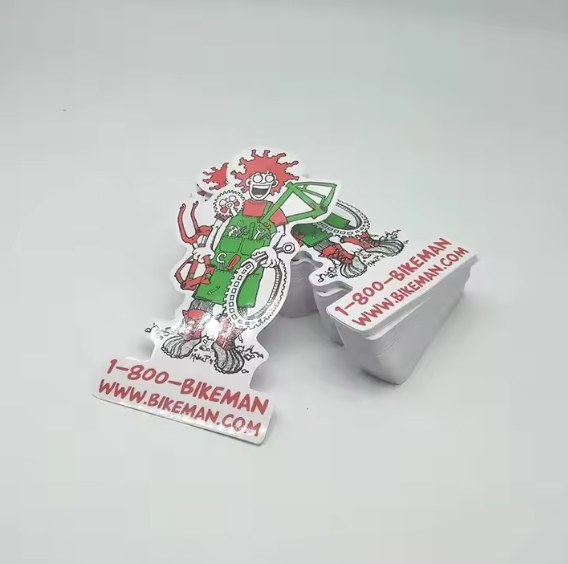
Custom 3D Colorful Self-Adhesive Planner Stickers Waterproof Art Paper and Cardboard Kiss Cut Label Stickers
View product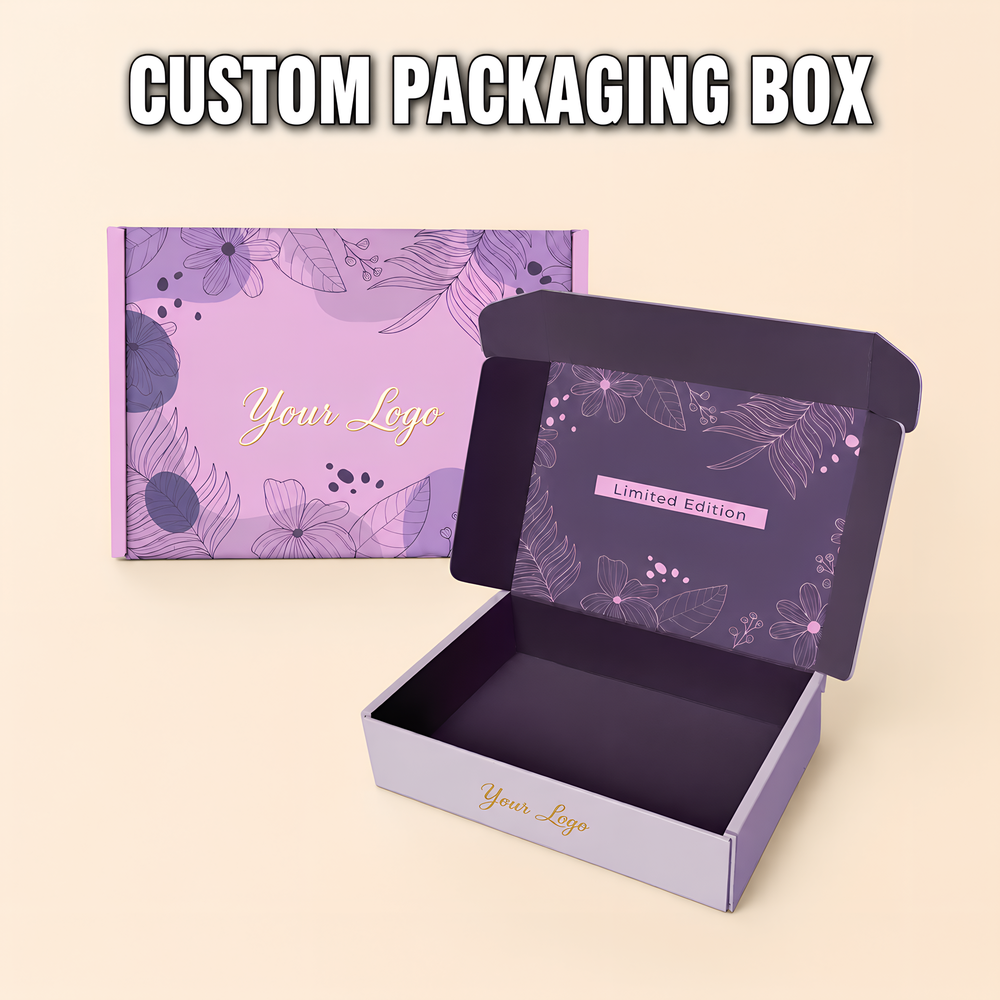
Wholesale Customizable Shipping Eco Friendly Custom Gift Packaging Paper Cardboard Boxes Subscription Logo Printed Mailer Box
View product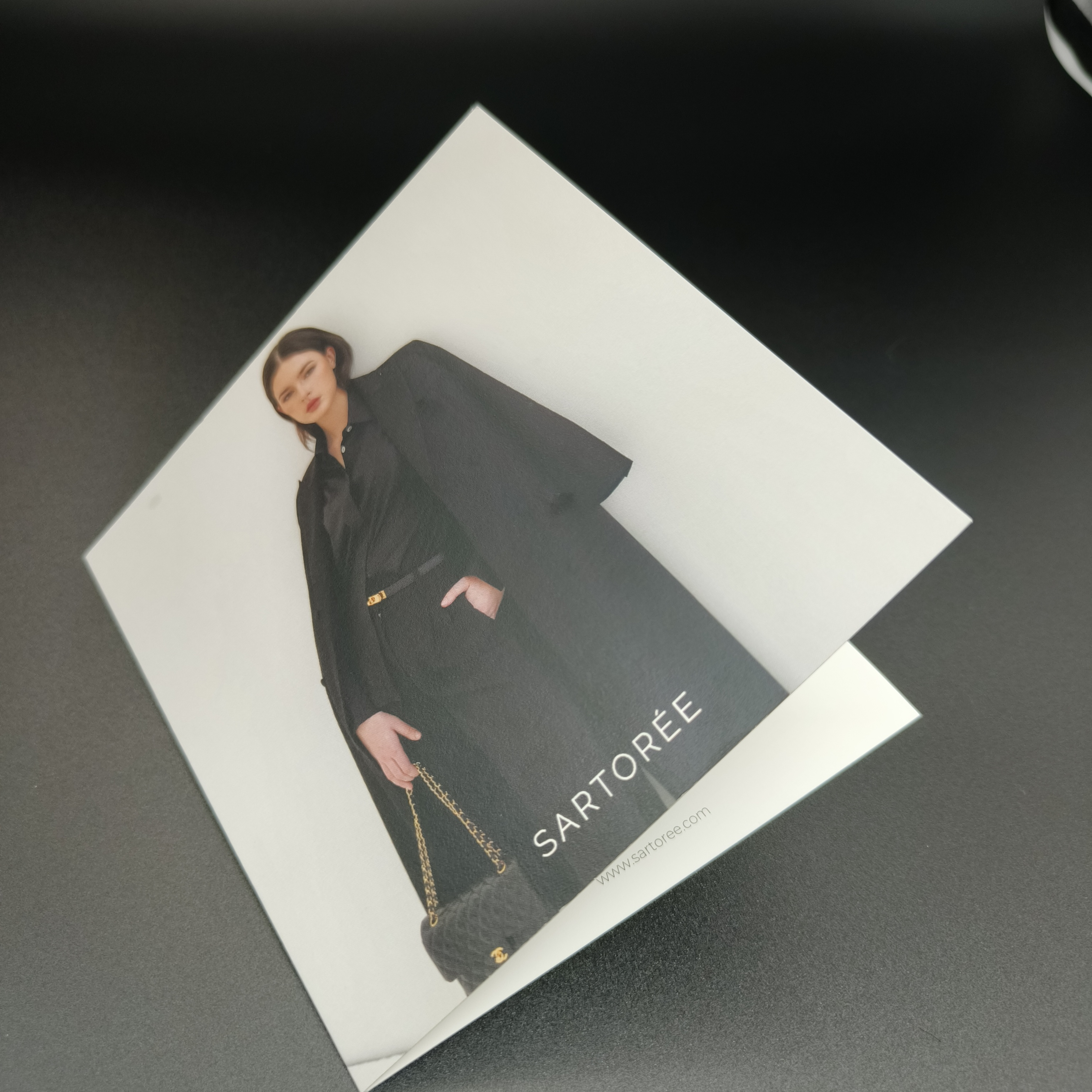
Customized Cards Greeting Cards Support Small Quantity Made Cardboard Paper Offset Thank You Card
View product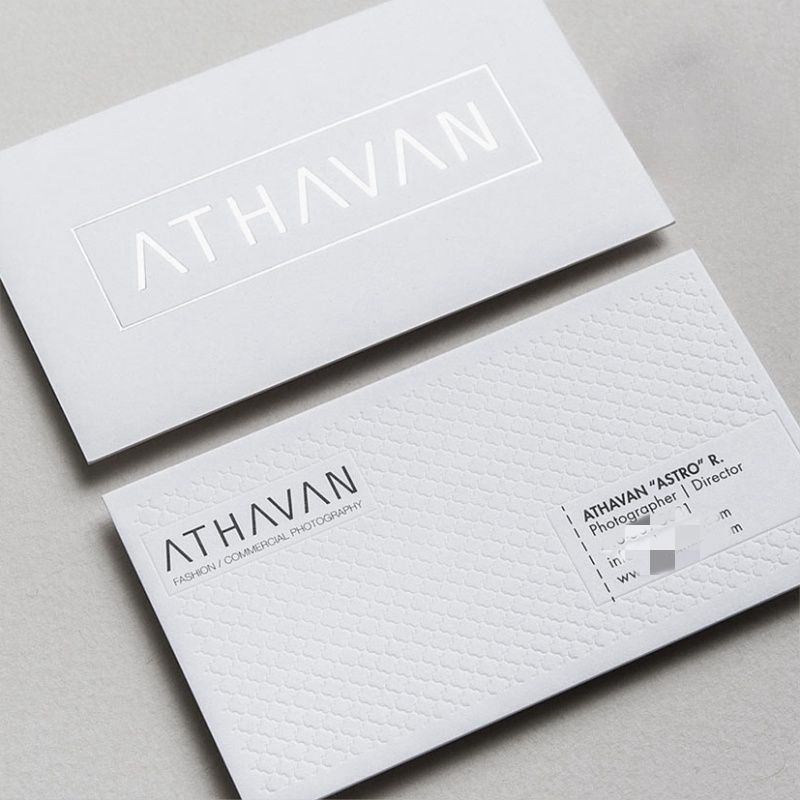
Hot Selling Customized Business Thank You Greeting Cards Offset Kraft Paper Hot Stamping for Personalized Business Cardboard
View product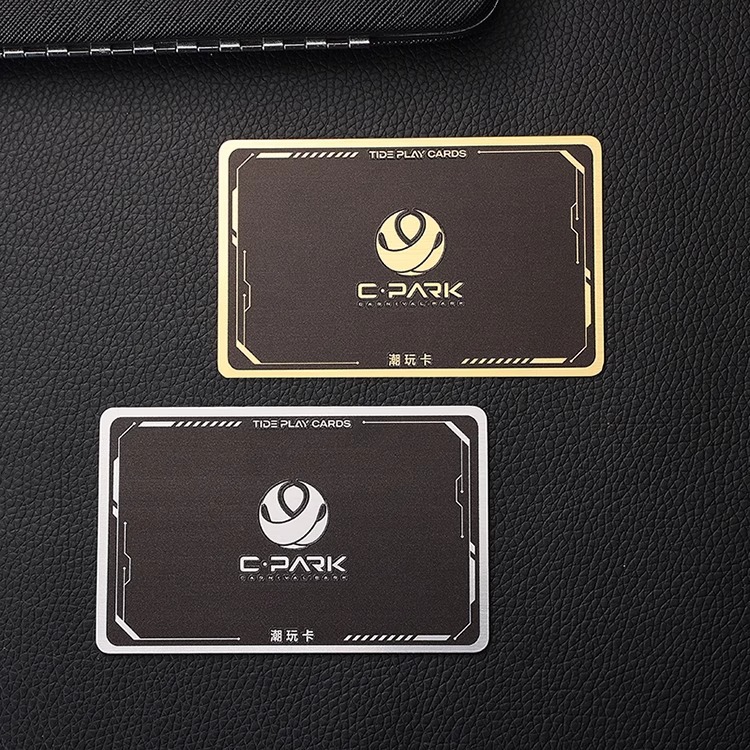
Luxury 3D Textured Design VIP Loyalty Business Cards Custom Offset Paper Cardboard Duplex Board for Hairdresser Business
View product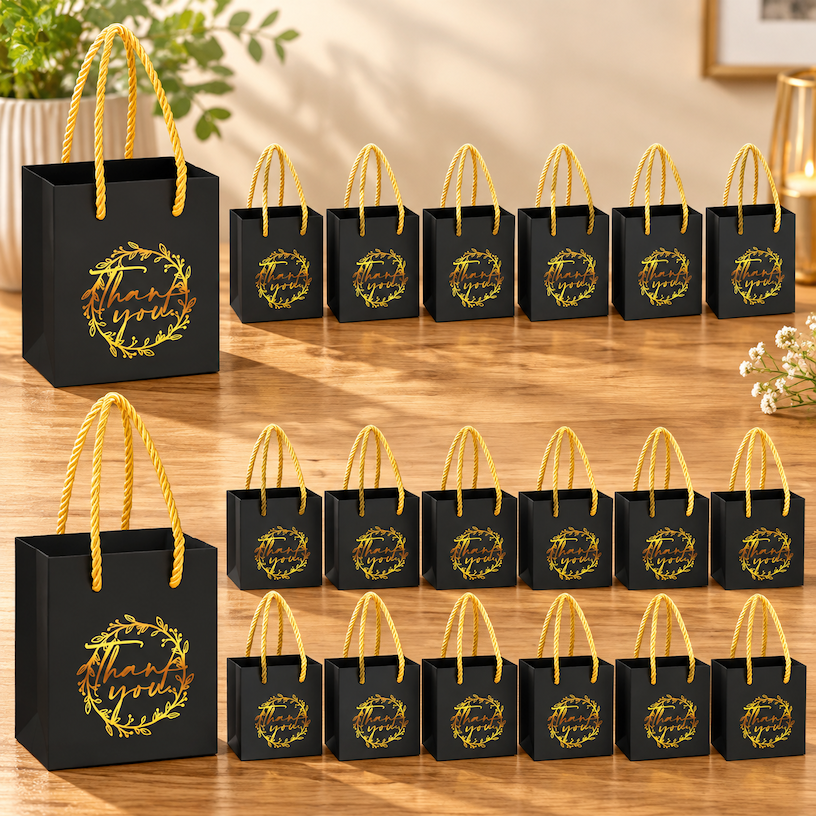
Custom Printed Black Kraft Paper Gift Bags for Clothing Perfume Thank You Gift
View product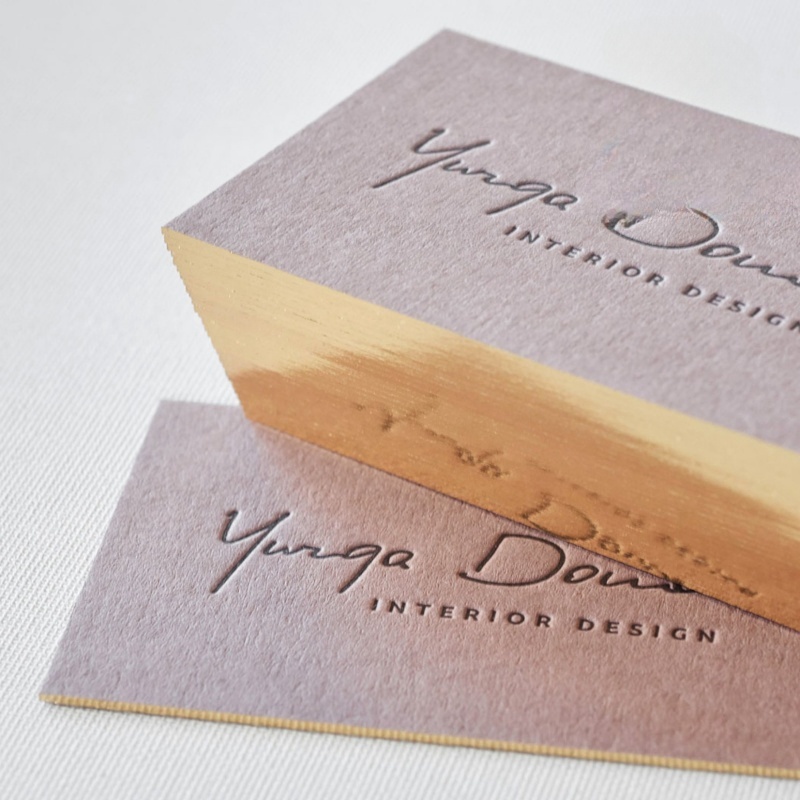
Customized Card Luxury Eco-Friendly Embossed Logo Design Gold Stamping Printing Business Grey Pink Business Card
View product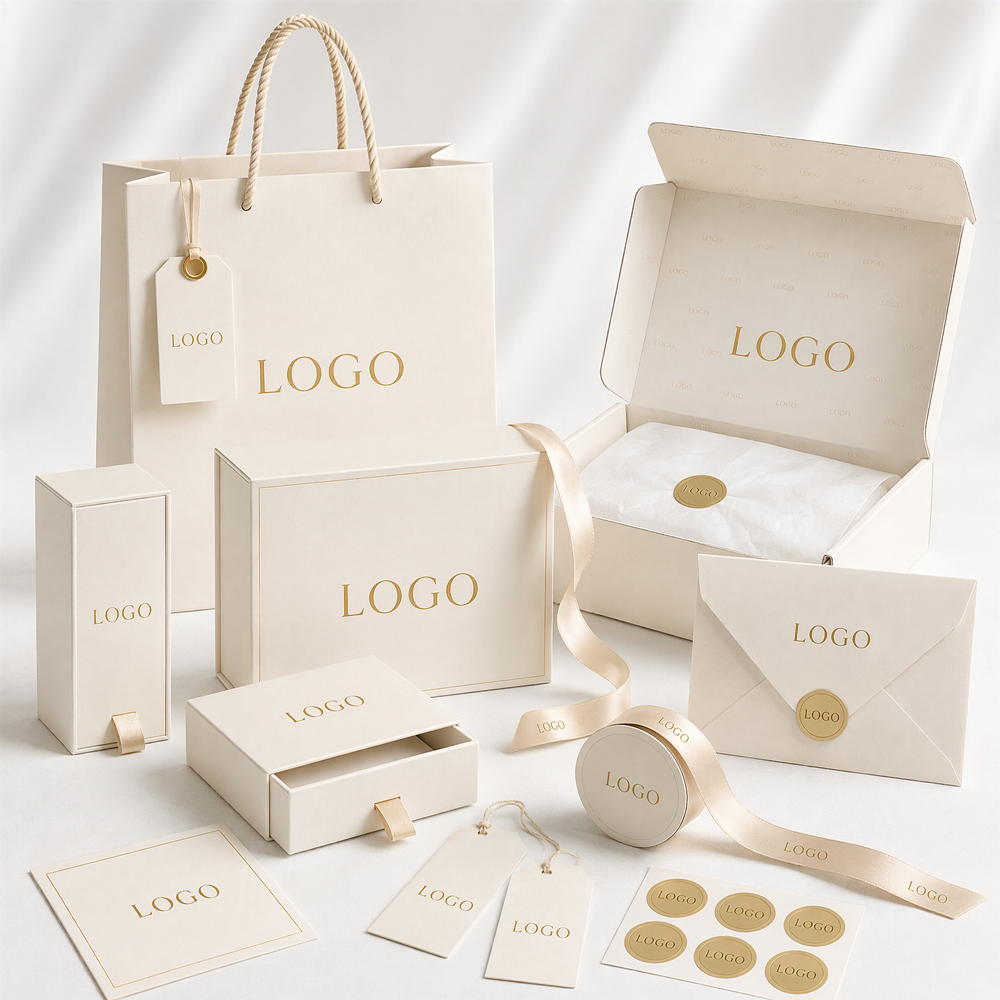
Paper Boxes Packaging Gift Set Packaging Bulk Sustainable Recyclable Luxury Packaging for Retail Stores Events and Holiday Gifts
View productCustom OEM Embossed Gift Boxes: The Manufacturing Reality Behind a Premium Finish
Custom OEM embossed gift boxes are buyer-specific packaging systems: the box structure, board grade, wrap paper, print, foil, emboss die and insert are engineered around one product and one brand. At Fuzhou Buba Printing Co., Ltd., that work stays under one roof in Fuzhou, Fujian, China. The team has 18 years of paper-printing experience, more than 10 years of export work and a 2,300 m² production floor covering structural design, prepress, offset and digital printing, hot foil stamping, blind and multi-level embossing, lamination, die-cutting and hand assembly.
The reason this matters is practical. Embossing is a pressure process. A die pushes fiber and coating upward (emboss) or downward (deboss), and the final result depends on board density, wrap-paper stretch, print coverage, lamination type and the number of press passes. A logo that looks crisp in a digital mockup can crack on a tightly wrapped corner if the board is too thin or the emboss is too deep. That is why Buba builds a dieline and a free 3D mockup before sampling, then checks the actual board, die and registration on a pre-production sample.
For OEM buyers, the process is straightforward: provide dimensions, product weight, artwork and quantity; Buba engineers a structure and finishing plan; you approve a 3D mockup and physical sample; production follows after sign-off. Typical MOQs start from 100 pcs on many custom mailer boxes, rigid gift boxes and paper bags, with sample lead times of 3–7 working days and mass production of 10–20 working days after sample approval. Complex rigid boxes or large book runs take longer and are scheduled in writing.

- TÜV Rheinland onsite-verified factory
- OEM & ODM services
- Free structure design & 3D mockup
- Onsite material inspection
- 4.6 / 5 verified buyer rating
- Recyclable paper options
- In-house foil, emboss & lamination
- Export-ready packing & shipping
Recommended OEM Embossed Gift Box Solutions for 2025–2026
Choose a structure based on product protection, unboxing ritual, shipping method and the level of tactile branding your buyer expects — not simply on the lowest unit price.
Rigid Magnetic Closure Gift Box
The default luxury format for cosmetics, fragrance, electronics and corporate gift sets. A 1200–2000 gsm greyboard body wrapped in art or specialty paper holds a crisp logo emboss, while hidden magnets give a repeatable closure. For heavier products, specify a paperboard insert to hold the item and protect the embossed lid from pressure.
Two-Piece Lid-and-Base Rigid Box
Best for tea, candles, apparel and hamper sets. The large lid panel is ideal for all-over blind embossing or a foil-plus-emboss crest. A neck insert or rim board prevents the lid from bowing after deep embossing, and a custom paperboard fitment keeps products from shifting during transit.
Eco Kraft or Recyclable Gift Box
For natural, organic, refill and subscription brands. Use recyclable kraft board or E-flute with blind deboss, water-based inks and paper-based inserts. Avoid asking for high-depth embossing on thin kraft; choose a larger die, softer texture or a reinforced board so the logo reads cleanly without cracking.
Drawer or Sliding Gift Box
Jewelry, watches and small accessories benefit from a sleeve-and-drawer format with a ribbon pull. The embossed sleeve creates a strong first impression, while the sliding drawer adds a reveal moment. Because the drawer fit is tight, board warp after embossing must be controlled with the right die depth and material batch.
Procurement Trends Shaping Custom Embossed Gift Box Buying
Packaging buyers are no longer comparing only unit price. They are evaluating launch speed, material documentation, factory verification, color consistency across SKUs and the total cost of a coordinated packaging set.
Low-MOQ Testing, Scale-Ready Reorder
Brands increasingly launch 3–5 SKUs in small batches, validate creative and then reorder the winner. A factory that starts at 100 pcs supports that model — but confirm that the reorder uses the same die, board and wrap paper, not a downgraded substitute that changes emboss depth or color.
Sustainability Evidence, Not Slogans
RFQs now ask for recyclable board, plastic-free inserts, water-based inks and paper-based tear strips. Ask for a written material breakdown because “eco-friendly” alone is not verifiable. Buba offers recyclable kraft and corrugated board plus paper-based inserts; final recyclability depends on the complete material combination and your market’s rules.
Factory Verification Before Deposit
Buyers want proof: onsite verification, live video, sample-room photos, production-floor evidence and final inspection reports. Buba’s TÜV Rheinland onsite verification, custom-manufacturer status and AQL inspection workflow reduce the risk of paying a deposit to an unknown intermediary.
Speed-to-Market Without Skipping Sign-Off
Typical schedules are 3–7 working days for pre-production samples and 10–20 working days for mass production after sample approval. Complex rigid boxes, multi-level emboss dies or large book runs may need longer. Serious suppliers confirm the schedule in writing and flag holiday capacity before Chinese New Year.
One-Stop Packaging Sets
Gift boxes, paper bags, thank-you cards, belly bands, stickers, hang tags and catalogs are increasingly briefed as one program. Sourcing them from one factory improves color consistency and reduces approval cycles. Buba manufactures all of these formats, including offset and digital print, foil, emboss and hand assembly.
Artwork-Ready Digital Approvals
Buyers expect a dieline and a 3D mockup before paying for samples. Prepare vector AI, PDF or EPS files in CMYK with 3 mm bleed and outlined fonts; high-resolution PSD or TIFF at 300 dpi is also accepted. Put the emboss area on a separate vector spot layer so the die maker does not guess from a flattened image.
Product Development Trends in Embossed Gift Packaging
Embossing is moving from a single raised logo to a tactile design language: sculpted motifs, foil-on-emboss details, all-paper constructions and packaging that works as hard online as it does on a retail shelf.
Sculpted Multi-Level Embossing
Brands are using layered emboss heights to create depth without adding extra materials. This requires a dedicated die and careful testing on the final board. Deep sculpting works best on thicker greyboard with a stretch-tolerant wrap paper; thin folding cartons should stay with shallow emboss or deboss.
Foil Plus Emboss Registration
Hot foil on a raised surface looks more premium than foil alone, but registration becomes the critical variable. The die, foil pass and print layer must be planned together. Add trap allowance for paper stretch and request a physical sample before bulk production, especially on small type or fine linework.
Mono-Material & Recyclable Luxury
Luxury buyers increasingly ask for paper-based inserts, recyclable board and reduced mixed materials. Blind emboss or deboss can deliver a premium tactile effect without foil. Where foil or heavy lamination is essential, confirm the local recycling stream and the exact material combination before making a public recyclability claim.
E-Commerce-Ready Premium Boxes
Gift boxes now need to survive shipping. Designers are pairing a rigid-looking reveal box with a corrugated mailer, tear strip, compression resistance and drop-test-friendly inserts. Flat-packing during export can reduce freight volume, but the assembly method must be tested so the box still closes cleanly after transit.
Reusable / Modular Inserts
A box that remains useful after purchase creates a second brand touchpoint. Modular paperboard inserts can hold one product for launch, then be reconfigured for refills or accessories. This trend reduces secondary packaging and supports the “keep it and reuse it” behavior that premium brands want.
QR-Linked Unboxing Experience
Printed QR codes can connect the box to authentication, care instructions, refill ordering or a brand story. Keep the QR area flat and matte enough to scan; do not emboss directly over the code. The box remains fully paper-based while the digital layer adds useful after-purchase information.
Embossed Gift Box Engineering Reference
Use this table to brief your project faster. Final specifications must always be confirmed in writing and on a pre-production sample because product weight, artwork coverage and shipping method affect the correct board grade.
| Box Style | Typical Board | Emboss / Finish Compatibility | Best-Fit Products | MOQ From |
|---|---|---|---|---|
| Rigid magnetic box | 1200–2000 gsm greyboard wrapped in 128–157 gsm art or specialty paper | Blind, registered, multi-level and foil-plus-emboss; matte or soft-touch lamination | Cosmetics, fragrance, electronics, corporate gifts | 100 pcs |
| Two-piece lid-and-base | 1.5–2.5 mm greyboard with 128–157 gsm wrap paper | Tight-register emboss, deboss, hot foil, spot UV; rim board controls lid warp | Tea, candles, apparel, hampers | 100 pcs |
| Drawer / sliding box | 1000–1500 gsm greyboard plus wrap; ribbon pull | Embossed sleeve, deboss logo, paperboard insert; tight tolerance required | Jewelry, watches, small accessories | 100–300 pcs |
| Folding gift carton | 300–400 gsm SBS, C1S or kraft board | Light emboss or deboss, foil stamping, window patching, spot UV | Retail shelf packs, cosmetics secondary packaging | 100 pcs |
| Corrugated mailer | E-flute or B-flute, 1.5–3 mm | Deboss or printed label; high-depth emboss is limited by liner | Subscription boxes, e-commerce shipping | 100 pcs |
| Eco kraft gift box | 250–350 gsm kraft board or E-flute | Blind deboss, water-based print, paper inserts; soft texture preferred | Organic, natural and clean-label brands | 100 pcs |
Ranges are planning references, not fixed rules. Buba’s engineers confirm board grade, emboss depth and finishing after reviewing your product weight, artwork and shipping route.
Why Brands Choose Buba as a Custom OEM Embossed Gift Box Manufacturer
Overseas buyers tell us they need predictable quality, honest lead times and one accountable team that understands packaging structure — not just printing.
TÜV Rheinland Onsite Verification
Our premises, legal status and production capability have been verified onsite by TÜV Rheinland. That gives first-time buyers an independent starting point before they place a deposit.
18 Years of Paper-Printing Experience
More than a decade of export work sits behind our sample room and production planning. We understand artwork failures, packaging fit, freight volume and the real lead times behind complex rigid boxes.
One Factory, In-House Finishing
Structural design, prepress, offset and digital printing, foil stamping, embossing, lamination, die-cutting and hand assembly stay in one accountable workflow — reducing registration and color drift between suppliers.
Free Structure Design & 3D Mockup
Our in-house designers build the dieline and a free 3D render so you can approve fit, artwork position and finishing before paying for a physical sample.
Low MOQ, Real Factory Pricing
Many custom boxes start from 100 pcs, so brands can test a market before scaling. Reorders can use the same die, board and finishing plan, protecting the emboss depth and brand color you approved.
Verified QC & Export Packing
Incoming material checks, first-article approval, inline color checks and final AQL inspection with photo reports. Export-grade cartons, flat-packing and sea, air or express shipping are planned from the start.
OEM Process: How Your Embossed Gift Box Is Made
A transparent six-step workflow with sign-off at every stage, so the approved sample — not a verbal description — controls mass production.
Brief & Dieline
Share dimensions, product weight, artwork, quantity and destination. Buba proposes structure, board grade and emboss method.
Free 3D Mockup
Approve a rendered mockup showing artwork placement, emboss area and finishing before any physical sample is made.
Pre-Production Sample
A physical sample confirms color, fit, emboss depth and registration. Typical sampling is 3–7 working days.
Mass Production
Printing, foil, emboss, lamination, die-cutting and assembly run with inline color checks. Typical production is 10–20 working days after approval.
Final Inspection
AQL inspection checks appearance, dimensions, closure, inserts and packing. Photos and video are shared before shipment.
Global Shipping
Export-grade cartons, flat-packing to reduce freight, and sea, air or express delivery backed by 10+ years of export experience.
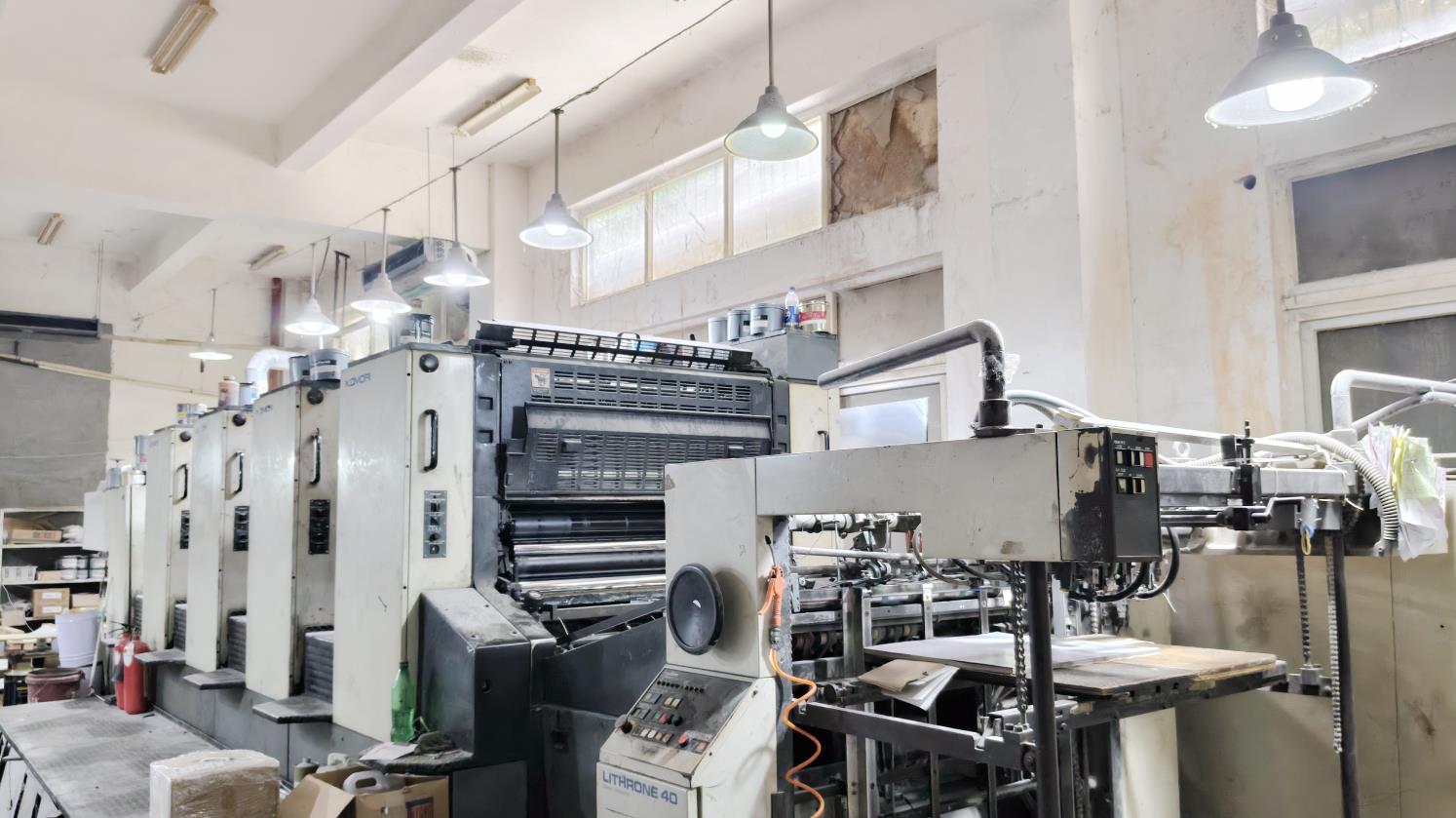
Inside a Verified Embossed Gift Box Manufacturer
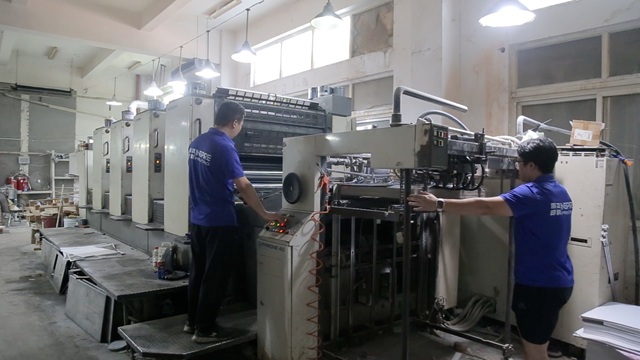
Real production areas from our 2,300 m² facility in Fuzhou, Fujian, China — from printing and finishing through quality inspection.
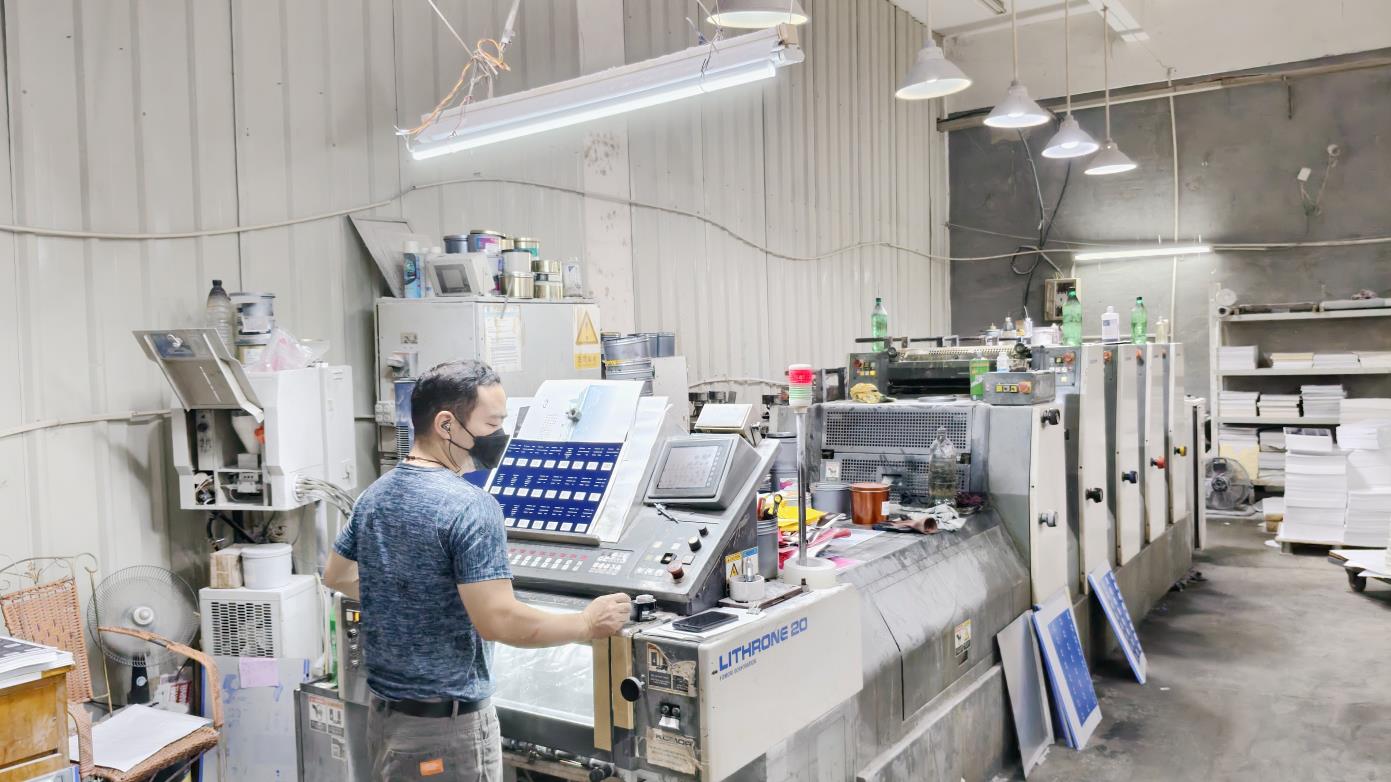
Printing workshop
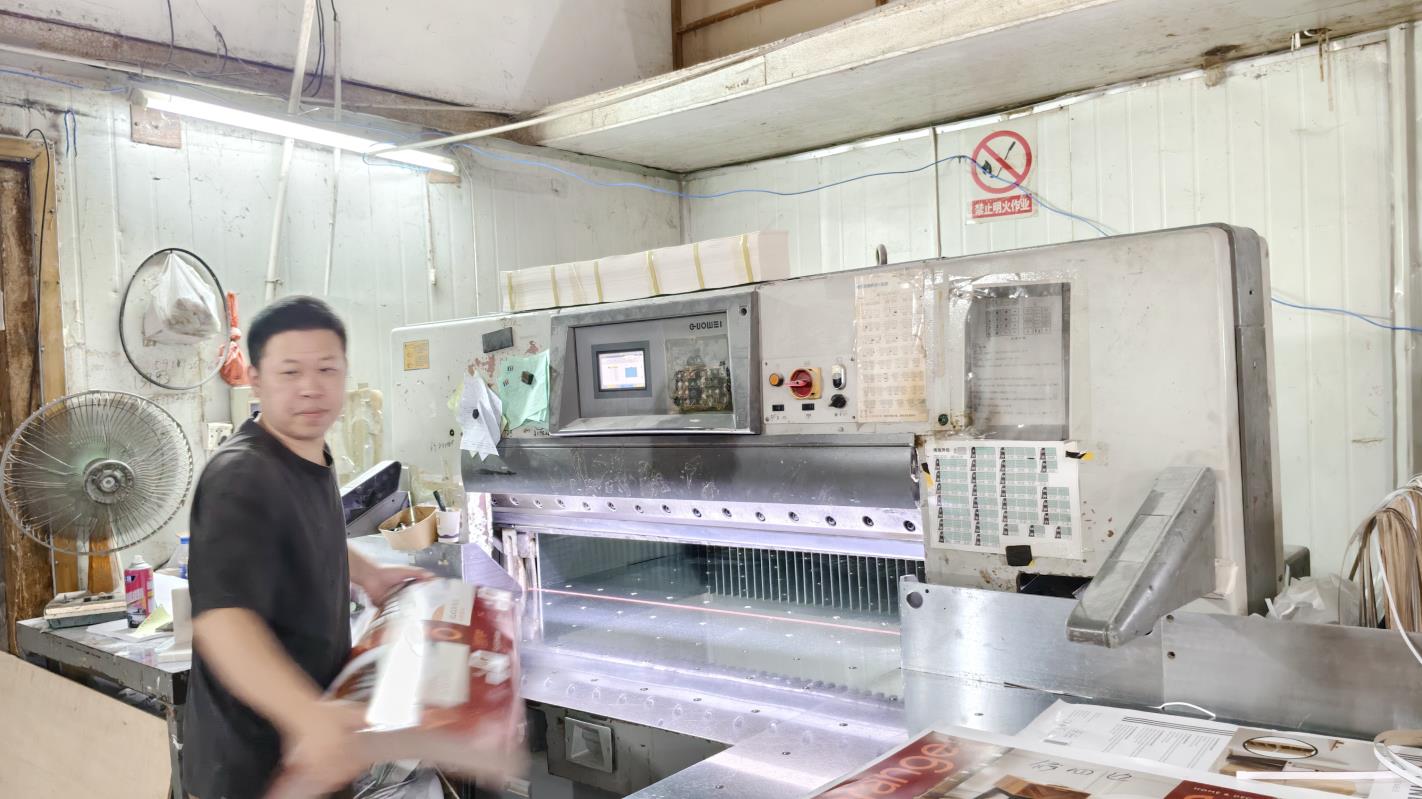
Production equipment
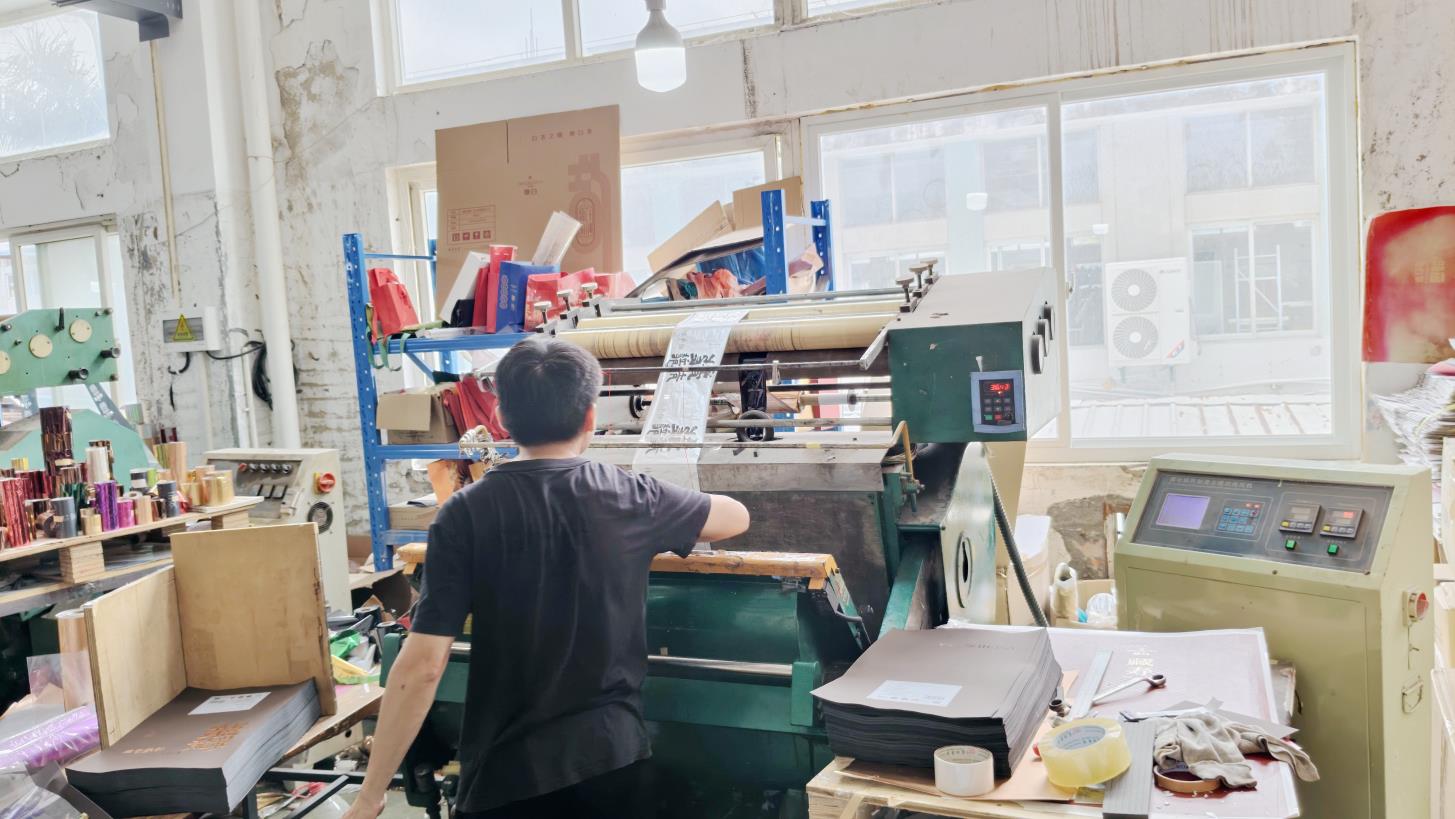
Finishing line
Quality inspection
FAQ: Sourcing Custom OEM Embossed Gift Boxes
Practical answers for brand owners, e-commerce sellers, distributors and procurement teams comparing embossed gift box manufacturers and factories.
What is the minimum order quantity for custom OEM embossed gift boxes?
Most custom mailer boxes, rigid gift boxes and paper bags start from 100 pcs. Some notebooks start from 50 pcs, while hang tags, flyers and labels usually start from 200–1,000 pcs depending on size and finishing. For embossed gift boxes, the practical MOQ also depends on the structure, board grade and how many separate print, foil and emboss passes are required. Ask for a written quotation that states the MOQ for the exact specification you are approving.
Can I order embossed gift boxes without foil stamping?
Yes. Blind emboss creates a raised logo or motif without ink or foil. Deboss presses the design into the board. Registered emboss aligns the raised area with printed artwork, and tone-on-tone emboss uses a similar color to the paper for a quieter, more tactile effect. Blind emboss and deboss are often a better fit for recyclable, clean-label packaging because they avoid metallic foil and some laminates.
What is the difference between embossing and debossing?
Embossing raises the design above the surface of the paper or board. Debossing pushes the design below the surface. Embossing gives a stronger light-and-shadow effect; debossing can feel more restrained and is easier to protect during stacking. Both processes require a custom die. The correct choice depends on board thickness, artwork line weight, wrap-paper stretch and whether the box will be nested or stacked during shipping.
Which artwork files do you need for the emboss die?
We prefer vector AI, PDF or EPS files in CMYK with 3 mm bleed and outlined fonts. High-resolution PSD or TIFF files at 300 dpi are also accepted. Pantone colors can be matched on request. For embossing, provide the emboss area on a separate vector spot layer — do not send only a flattened JPG or a screenshot. A free 3D mockup helps confirm artwork position before the die is cut.
How long do samples and mass production take?
Typical lead time is 3–7 working days for pre-production samples and 10–20 working days for mass production after sample approval. Complex rigid boxes, sculpted emboss dies or large book runs may need longer. We confirm the schedule in writing with every order and flag holiday capacity, die-making time and any material that needs to be ordered in advance.
Can Buba produce recyclable or eco-friendly embossed gift boxes?
Yes. We offer recyclable kraft and corrugated board, paper-based inserts instead of plastic, water-based inks and plastic-free tear-strip mailer boxes. For a recyclable embossed gift box, blind deboss or emboss is often preferable to heavy foil and mixed-material laminates. Final recyclability depends on the complete material combination and your local recycling rules, so request a material breakdown for your market before making a public claim.
How do you control emboss quality across a large production run?
Quality control starts with the material batch. We check incoming board and wrap paper, approve a first article against the signed sample, monitor emboss depth and registration at the press, and complete an AQL final inspection before packing. Photo and video reports are shared before shipment. For premium projects, retain a signed sample and keep the same die, board and lamination for reorders to avoid visible differences between production runs.
Is the factory verified, and can gift boxes be combined with bags, cards and labels?
Yes. Fuzhou Buba Printing Co., Ltd. has been verified onsite by TÜV Rheinland and is listed as a custom manufacturer offering design-based, sample-based and full customization. We also produce paper bags, thank-you cards, business cards, labels, hang tags, catalogs and notebooks, so gift boxes, bags, cards and labels can be developed as one coordinated packaging set with tighter color consistency and fewer suppliers to manage.
Send Your Embossed Gift Box Brief — Get a Free 3D Mockup
Share your requirement with our packaging engineers. We will recommend a structure, confirm the suitable board grade and return a factory-direct quotation with a free 3D mockup for the approved direction.
- Box style and finished dimensions
- Product weight and insert requirement
- Order quantity and reorder plan
- Artwork file and emboss area
- Foil, deboss, lamination or finish
- Destination country and shipping method
Fuzhou Buba Printing Co., Ltd. · Fuzhou, Fujian, China · TÜV Rheinland onsite-verified custom manufacturer · 18 years of paper-printing experience