8 Custom Packaging & Print Products for Cosmetic OEM Programs
Cosmetic buyers rarely source one box in isolation. A launch kit often combines the outer cosmetic box, a gift-set carton, a VIP loyalty card, a thank-you card and seasonal print collateral. The eight products below are production-ready customization options for beauty brands, wholesalers, retailers and export distributors.
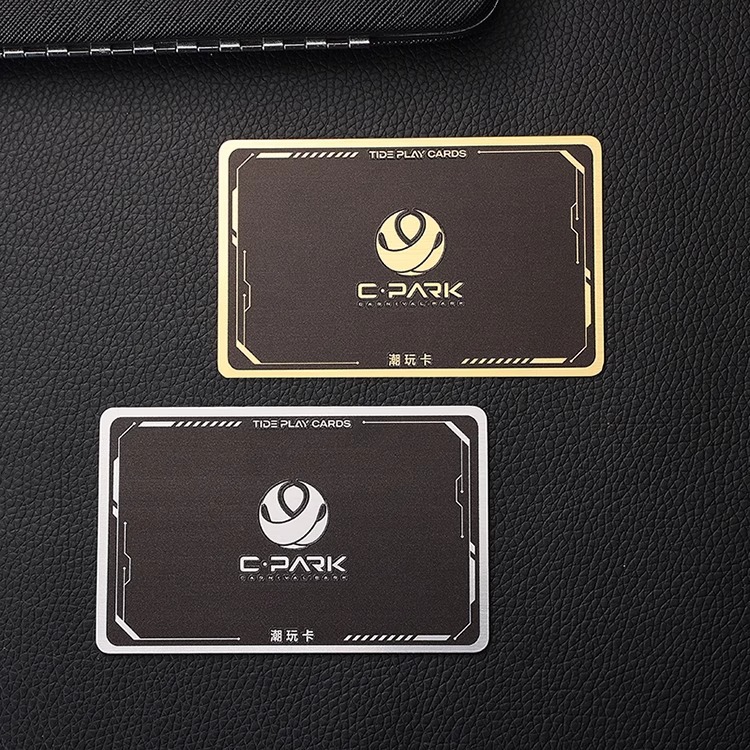
Luxury 3D Textured Design VIP Loyalty Business Cards Custom Offset Paper Cardboard Duplex Board for Hairdresser Business
A high-touch loyalty card for beauty memberships, spa programs and influencer kits. The 3D texture and duplex board construction lift perceived value without changing the outer cosmetic box.
View product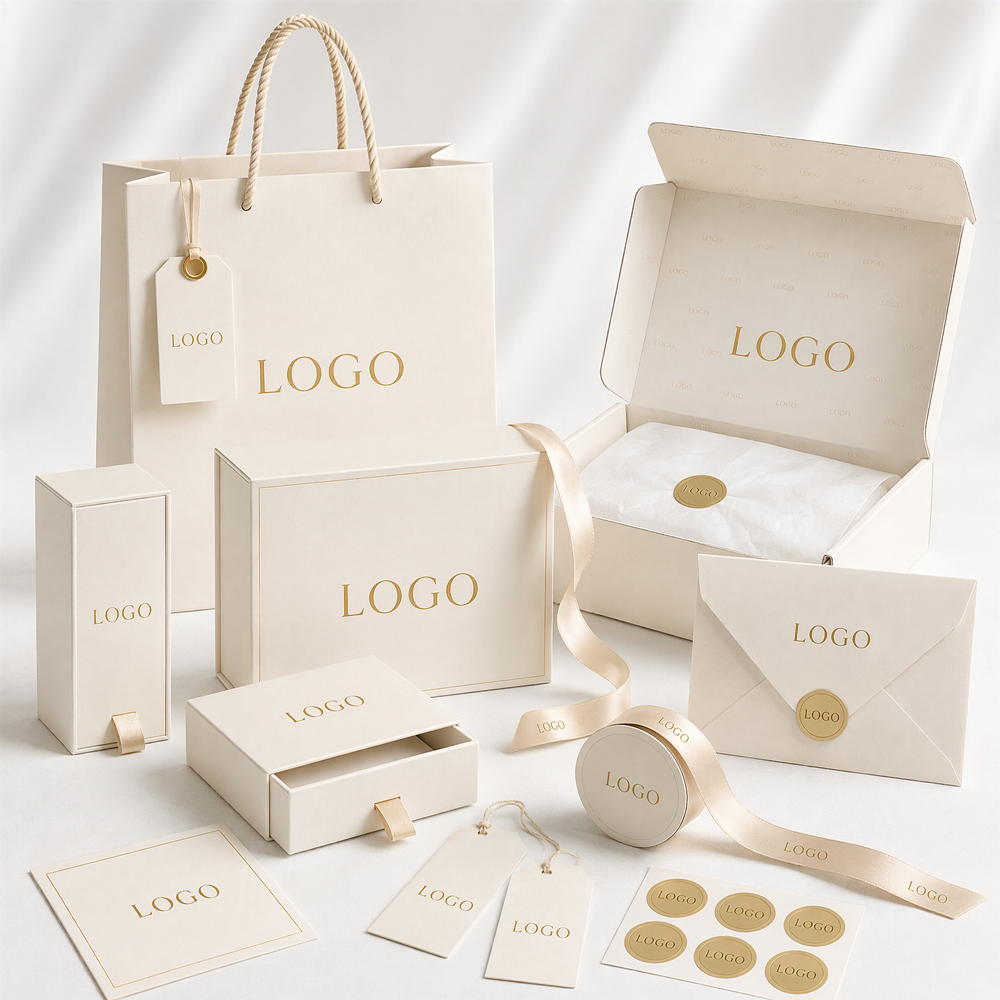
Paper Boxes Packaging Gift Set Packaging Bulk Sustainable Recyclable Luxury Packaging for Retail Stores Events and Holiday Gifts
A recyclable luxury gift-set box for skincare collections, holiday kits and retail events. Bulk production options support multi-piece inserts and coordinated cosmetic packaging programs.
View product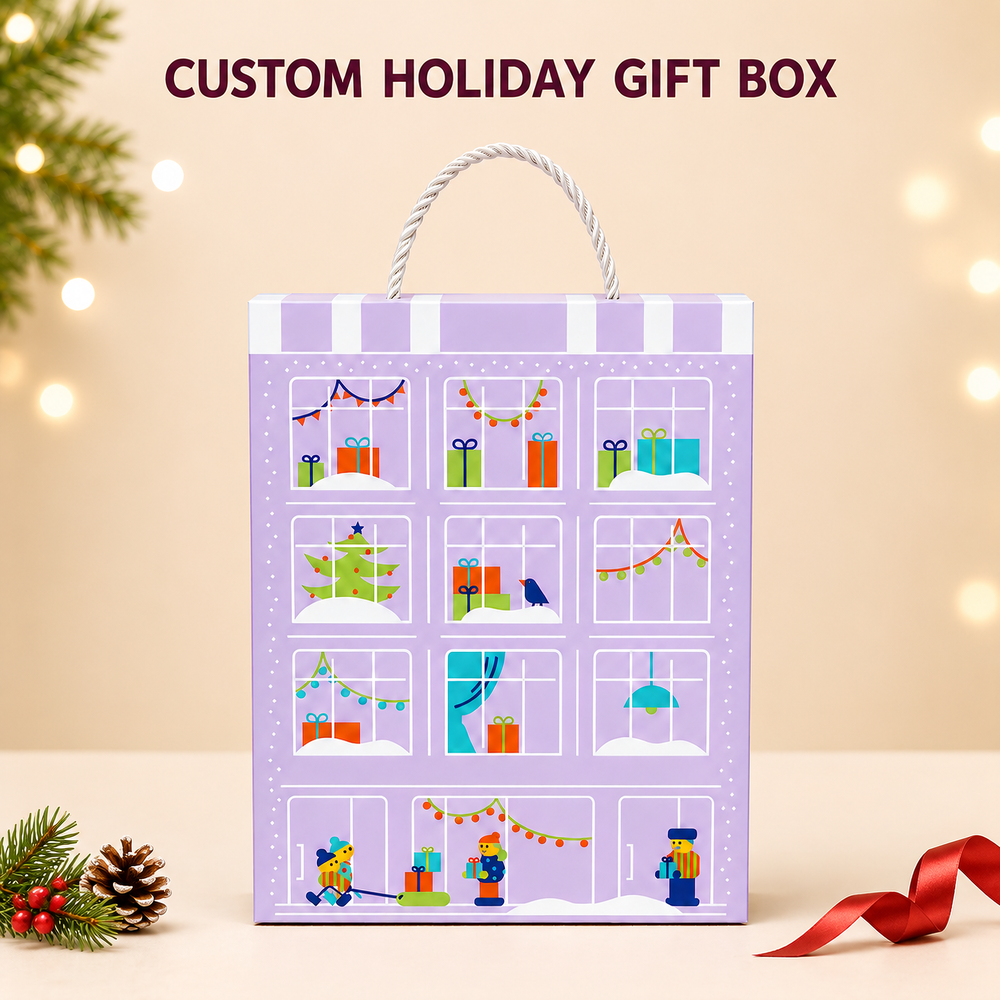
Custom Paper Boxes Rigid Gift Box with Drawers Rope Handle Custom Logo Packaging for Wholesale Bulk Orders Holiday Mystery Box
A premium drawer structure for serum sets, fragrance discovery kits and mystery-box launches. Custom logo, insert and rope-handle options create a strong unboxing moment.
View product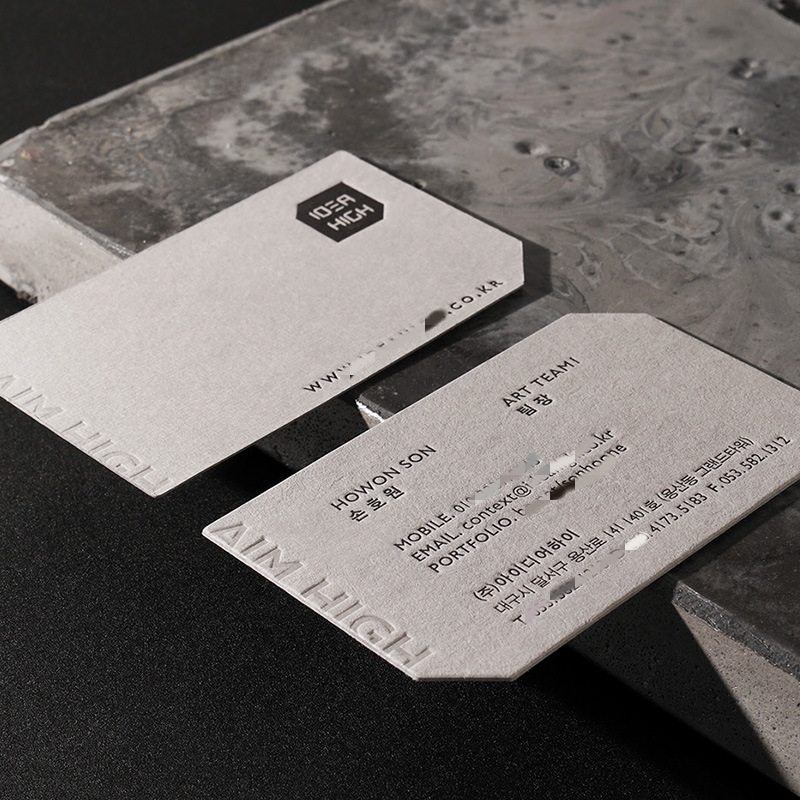
Wholesale New Materials 3d Embossed Business Cards Cotton Paper Three-Dimensional Embossed Custom Card
Cotton-paper cards with three-dimensional embossing for press kits, influencer mailers, spa membership collateral and premium beauty brand introductions.
View product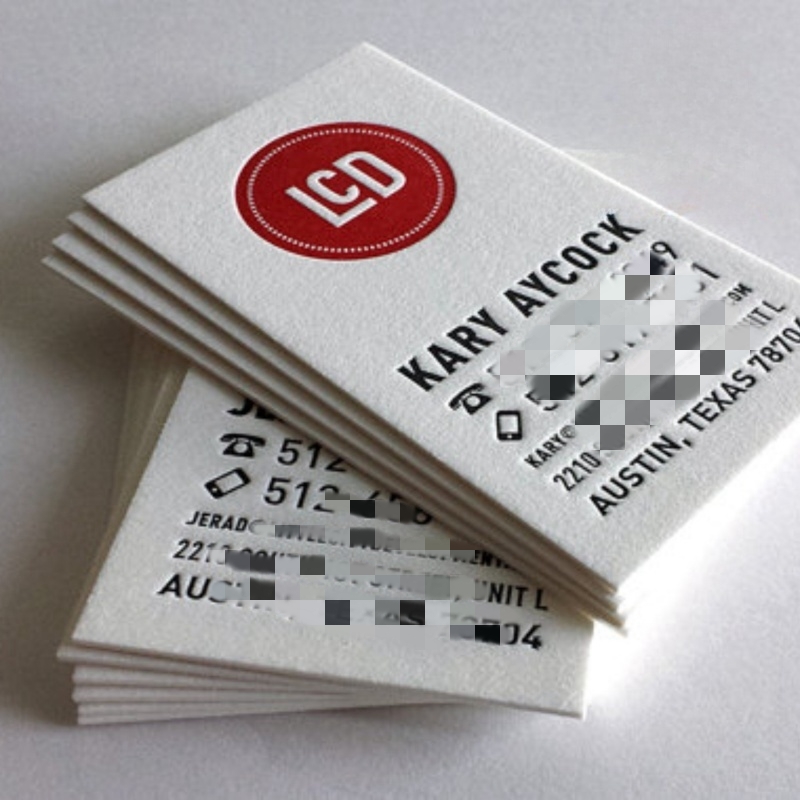
Wholesale Custom Luxury Metal Business Cards Digital Printing Film Lamination Cardboard Corrugated Board Logo Customized
Durable metal cards for VIP memberships, boutique retail, premium beauty devices and brand-owner gifting. A memorable companion piece to high-value cosmetic packaging.
View product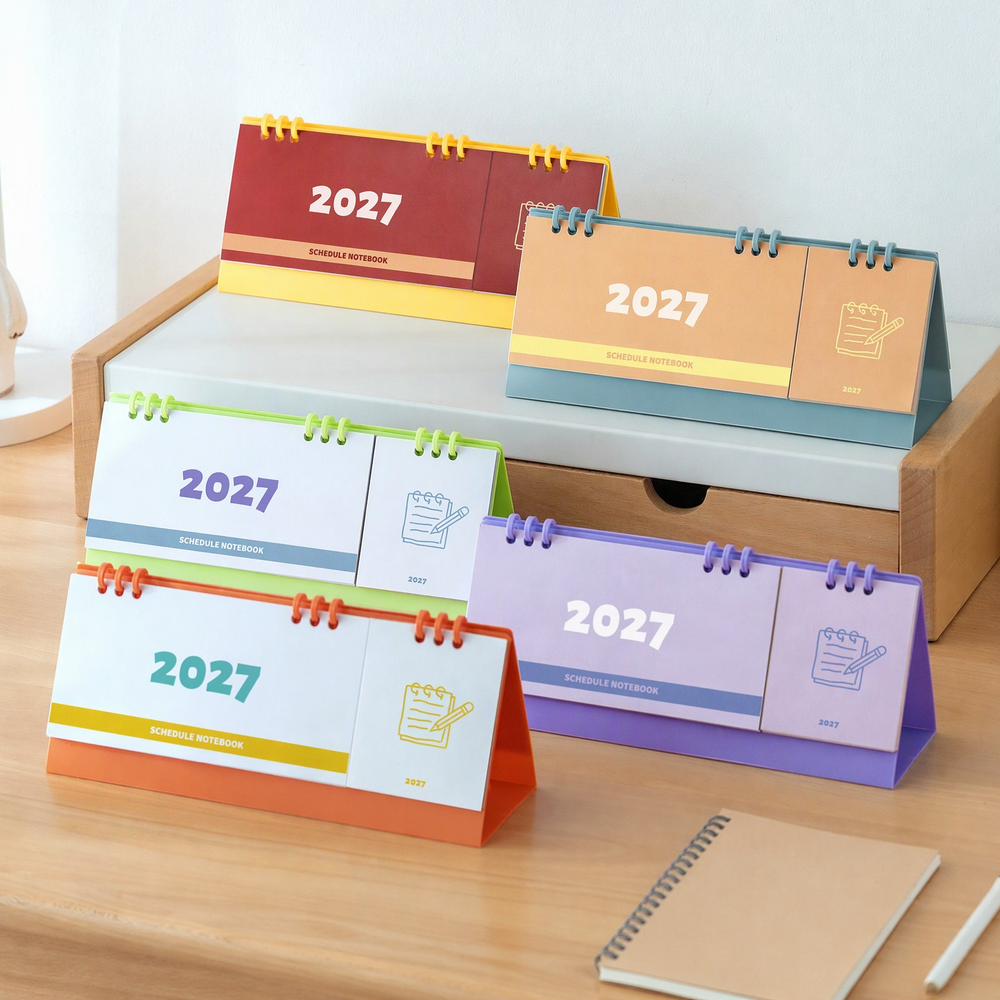
Custom Printing 2027 Art Paper Desktop Calendar Clock Monthly Daily Planner Table Calendar Simple Calendar
A 2027 desktop calendar and planner for gift-with-purchase campaigns, beauty counter displays, corporate gifting and seasonal retail promotions.
View product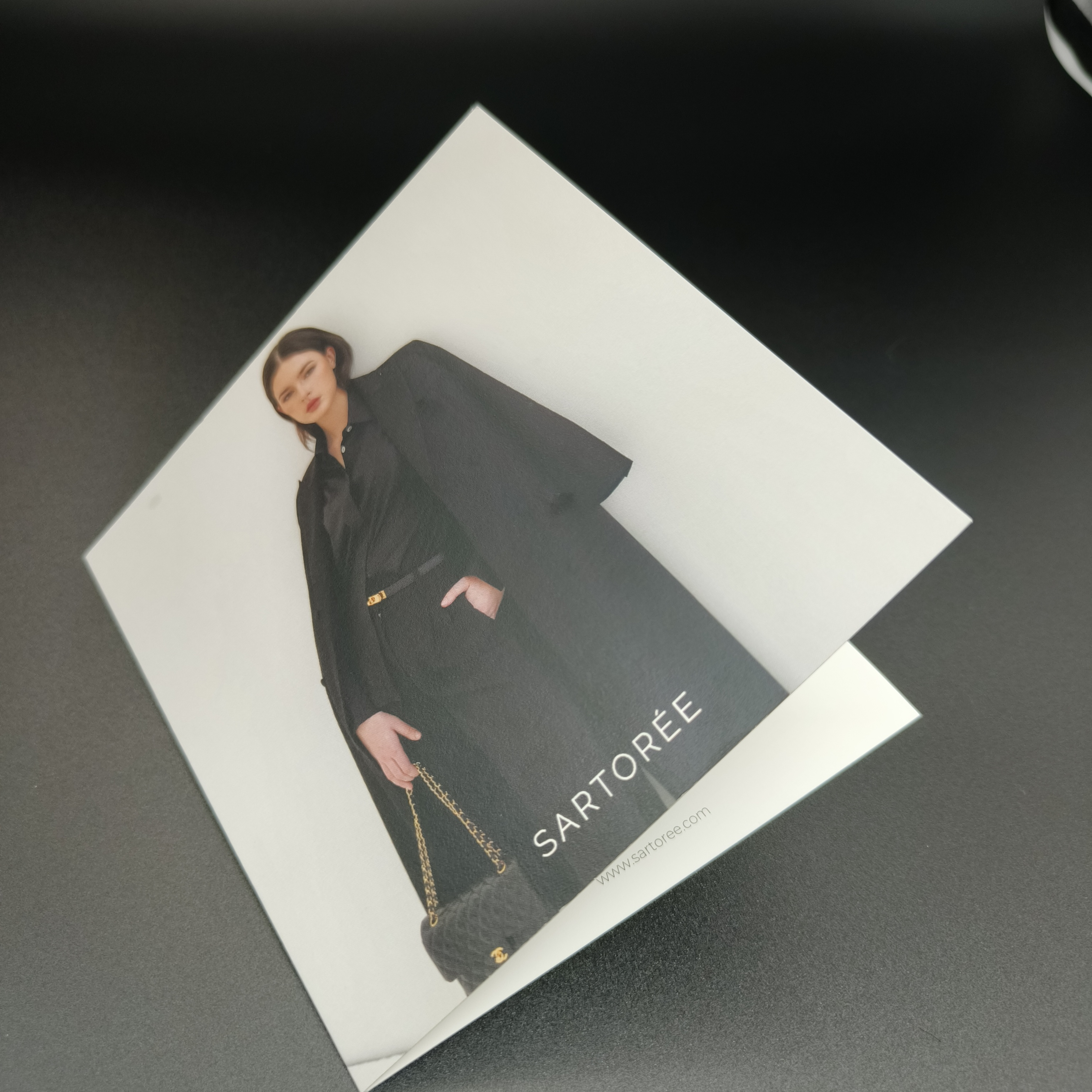
Customized Cards Greeting Cards Support Small Quantity Made Cardboard Paper Offset Thank You Card
Low-quantity greeting and thank-you cards for DTC unboxing, sample kits and small-batch beauty campaigns. Useful when testing a new market before scaling.
View product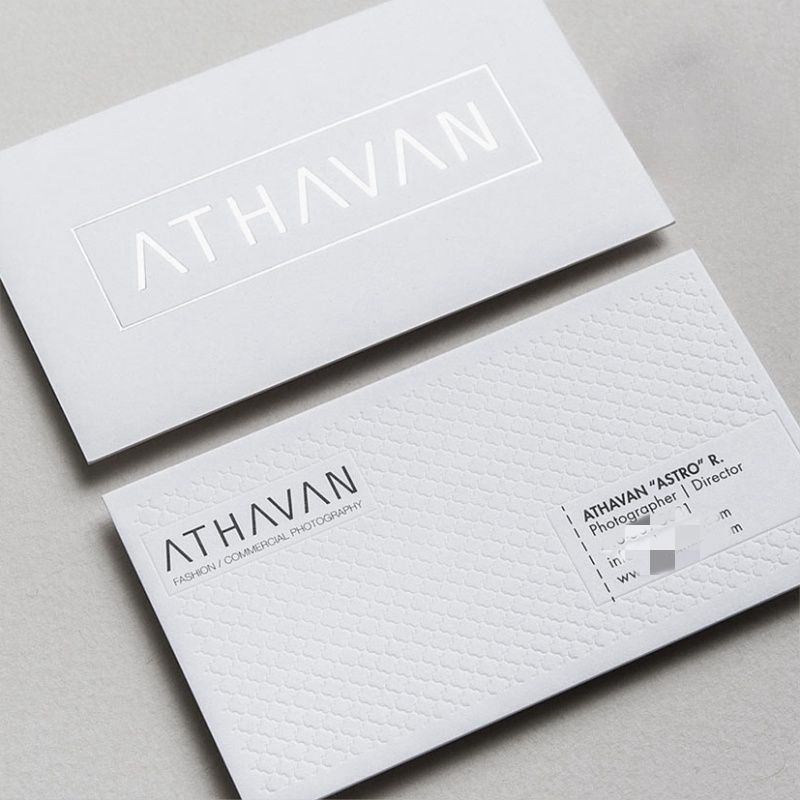
Hot Selling Customized Business Thank You Greeting Cards Offset Kraft Paper Hot Stamping for Personalized Business Cardboard
Kraft and hot-stamp thank-you cards for direct-to-consumer beauty orders. A practical insert that reinforces brand recall after the cosmetic box is opened.
View productFactory Credentials at a Glance
What a Cosmetic Box Factory Must Solve Before It Prints a Logo
Custom OEM cosmetic boxes sit at the intersection of brand marketing, structural engineering, regulatory labeling and export logistics. A beautiful proof is only the beginning.
For a serum, cream jar, lipstick or fragrance set, the outer box is often the first physical brand touchpoint after the primary pack. It must protect glass and acrylic components during parcel sorting, carry batch codes, ingredient text and recycling symbols, look premium under retail lighting, and still flat-pack economically for sea freight. That is why a cosmetic packaging OEM project should begin with the product, not with a decorative pattern.
At Fuzhou Buba Printing Co., Ltd., a brief normally starts with primary container dimensions, product weight, drop-test requirement, retail channel, palette, destination market and quantity. From there, our team builds a dieline, selects board grade and insert construction, then confirms print and finishing on a 3D mockup and physical sample. This sequence reduces rework because the box is tested as a system: board stiffness, closure tolerance, insert fit, print registration and pack-out speed are reviewed together.
Our factory has spent 18 years in paper printing, operates a 2,300 m² production floor and has more than 10 years of export experience. The company is TÜV Rheinland onsite-verified and supports OEM/ODM, design-based and sample-based customization, onsite material inspection and recyclable paper options. For beauty brands, that means a supplier who can discuss both the visual finish and the practical behavior of the box after it leaves the factory.
Structure That Fits the Product
Rigid magnetic boxes, drawer boxes, folding cartons, corrugated mailers and paper inserts should be chosen by product fragility, pack-out method and retail channel — not by trend alone.
Premium Finishing With Purpose
Foil stamping, blind embossing, spot UV, soft-touch lamination and textured paper can make a cosmetic box feel more expensive. They must also be checked for scuff resistance, glue adhesion and repulpability.
Quality Control Before Export
Incoming material checks, first-article approval, inline color checks and final AQL inspection with photo reports help catch issues before the shipment leaves Fuzhou.
Circularity Without Greenwashing
Paper-based inserts, recyclable kraft and corrugated board, water-based inks and plastic-free tear strips can reduce material risk — provided the claims are specific and documented.
2026–2030 Cosmetic Packaging Procurement Trends
Procurement teams are no longer comparing only a unit price per box. They are modeling risk, speed, freight efficiency, sustainability evidence and the cost of a failed launch.
Lower MOQ, Faster Replenishment
Beauty brands want 100–500 pcs per SKU for market tests, influencer kits and limited drops. Digital print and standard dielines reduce the penalty of small runs while keeping the option to scale later.
Total Landed Cost, Not Unit Price
Flat-packing, carton cube, pallet efficiency, duty, rework risk and reorder lead time can matter more than a few cents of unit-cost difference. A cheaper box that ships poorly is not cheaper.
Verifiable Supplier Transparency
Onsite verification, live production photos, sample-room evidence and AQL reports are becoming normal parts of supplier onboarding. Buyers want proof, not presentation decks.
Sustainability Evidence That Can Be Checked
“Eco-friendly” is no longer enough. Brands need material names, recycled content, separation guidance, ink type and finishing limitations explained in writing so retail and compliance teams can review claims.
Dual Sourcing and Seasonal Resilience
Brands are planning around Chinese New Year, peak retail, ocean freight volatility and repeated seasonal launches. A supplier who can hold tooling, repeat exact colors and plan capacity is part of risk management.
Digital-First Artwork and Short Runs
More buyers approve artwork earlier, standardize dielines and use digital print for launches. Version control, barcode placement, QR codes and localized ingredient panels must be checked before print.
A Practical Buyer Scorecard for OEM Cosmetic Boxes
Use this example weighting model to brief suppliers and compare quotations. It is not a market statistic; adjust the weights to your product value, channel and compliance risk.
Why it matters: the lowest quote can lose on freight, rework, late delivery or a failed drop test. A structured scorecard forces the buying team to compare the same risk factors across suppliers.
Product Development Trends: What the Next Cosmetic Box Will Look Like
The next generation of cosmetic packaging will be judged on three fronts: premium perception, material responsibility and e-commerce durability. These six directions are already shaping buyer briefs.
Mono-Material and Paper-Based Inserts
Brands are replacing plastic thermoform inserts with molded pulp, die-cut paperboard or folded paper fitments. The design challenge is to hold a bottle firmly while remaining easy to separate and recycle.
Refillable, Reusable and Refill-Ready
Luxury boxes are being designed as keep-sake objects or refill kits. Magnetic closures, drawer structures and durable rigid board can extend the package life beyond the first purchase.
Tactile Luxury Without Plastic
Textured art paper, blind embossing, hot foil, spot UV and soft-touch lamination create a premium feel. The key is to specify finishes that do not compromise recyclability or scuff resistance.
Digital Print for Seasonal Drops
Short-run digital print supports limited editions, localized campaigns and influencer kits. It reduces plate costs and enables faster artwork changes, while offset print remains efficient for large repeat orders.
Smart QR and Connected Packaging
QR codes can link to tutorials, refill instructions, authenticity checks or loyalty programs. For cosmetic boxes, placement must work with the dieline, lamination and scanning angle on a retail shelf.
Right-Sized E-Commerce Packaging
Oversized boxes increase freight cost and void fill. Right-sized mailers, tear strips and paper cushions protect cosmetics in parcel networks while reducing material use and unboxing waste.
Material and Structure Selection Matrix for Cosmetic OEM Projects
| Structure | Best-Fit Cosmetic Use | Typical Material | Key Buyer Check |
|---|---|---|---|
| Rigid Magnetic Box | Serum sets, fragrance, holiday kits and VIP gifts | 1200–2000 gsm greyboard wrapped with art or specialty paper | Magnet strength, corner wrapping, insert fit and surface scuff resistance |
| Rigid Drawer Box | Discovery sets, advent-style kits and mystery boxes | Rigid greyboard with rope handle, ribbon pull or sleeve | Drawer tolerance, product movement, pull strength and drop-test result |
| Folding Carton | Lipstick, compacts, single-SKU skincare and retail shelves | SBS or ivory board around 300–400 gsm | Board stiffness, lock tabs, print registration and shelf-life flatness |
| Corrugated Mailer | DTC skincare, subscription kits and e-commerce orders | E-flute or B-flute corrugated, white or kraft liner | Edge crush, tear strip, inside print and parcel-network durability |
| Paper Insert | Jars, bottles, droppers and applicator protection | Molded pulp, die-cut paperboard or folded paper fitment | Product hold, cleanability, pack-out speed and recyclability guidance |
Ranges shown are typical production options. Final specifications are confirmed in writing and on a pre-production sample before mass production.
Why Buba Is a Practical OEM Cosmetic Boxes Factory & Exporter
Buba is not a trading shell. Fuzhou Buba Printing Co., Ltd. is a TÜV Rheinland onsite-verified custom manufacturer with 18 years in paper printing, a 2,300 m² production floor and 10+ years of export experience.
Verified Experience
18 years in paper printing, TÜV Rheinland onsite verification, quality-management certification and more than a decade of export experience support buyer confidence.
In-House Finishing
Hot foil, blind and 3D embossing, spot UV, soft-touch lamination, holographic film, die-cutting and window patching are handled under one accountable production plan.
Low MOQ and Free 3D Mockup
Start from 50–100 pcs on many items, approve a free 3D mockup and dieline, then scale to bulk runs without changing suppliers or repeating the entire development process.
Quality Control With Evidence
Incoming material checks, first-article approval, inline color checks and final AQL inspection with photo reports reduce surprises before shipment.
Export-Ready Logistics
Export-grade cartons, flat-packing to reduce freight, and sea, air or express shipping options are planned around your destination and launch date.
One-Stop Packaging and Print
Paper boxes, rigid gift boxes, paper bags, labels, cards, notebooks, flyers, catalogs and books can be coordinated through one factory team.
Need a structure proposal? Share your box size, product weight, quantity and artwork format. Our team will reply with a dieline direction, material advice and next-step mockup plan.
Send an InquiryFrom Brief to Export: Six Controlled Steps
A transparent process with a sign-off at each stage keeps cosmetic packaging projects predictable.
Brief and Dieline
Share product size, weight, quantity, artwork and destination. We propose structure, material and insert direction.
Free 3D Mockup
Approve a rendered mockup showing artwork placement, structure and finishing before a physical sample is made.
Pre-Production Sample
A physical sample confirms color, fit, closure, insert function and finishing feel before mass production.
Mass Production
Printing, lamination, foil, embossing, die-cutting and assembly follow approved specifications with inline checks.
Final Inspection
AQL inspection, photo reports and packing checks are completed before shipment is released.
Global Shipping
Export cartons, pallet planning and sea, air or express delivery are coordinated with your forwarder or ours.
How We Reduce Buyer Risk
Independent verification, written specifications and real production evidence are the fastest way to de-risk a new packaging supplier. Our factory has been verified onsite by TÜV Rheinland, and our team supports design-based, sample-based and full customization with onsite material inspection.
- TÜV Rheinland onsite-verified
- Quality-management certified
- OEM and ODM services
- Onsite material inspection
- Design and sample-based customization
- Recyclable paper options
Typical lead time: 3–7 working days for pre-production samples and 10–20 working days for mass production after sample approval. Complex rigid boxes, multi-component gift sets or large book runs may need longer; the schedule is confirmed in writing with every order.
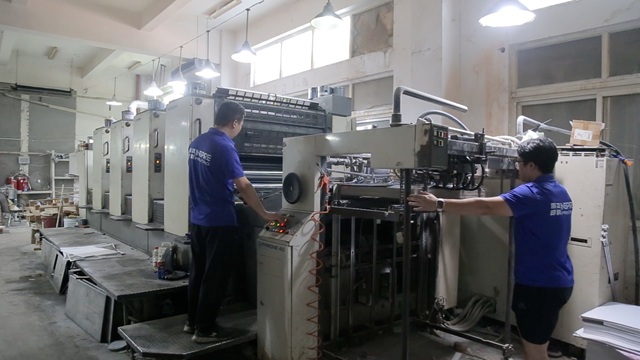 Fuzhou Buba Printing Co., Ltd. — custom paper packaging and commercial print production in Fujian, China.
Frequently Asked Questions for Cosmetic OEM Packaging Buyers
Practical answers before you request a quotation, sample or 3D mockup.
What is the minimum order quantity for custom cosmetic boxes?
Most custom mailer boxes, rigid gift boxes and paper bags start from 100 pieces; some notebooks start from 50 pieces. Hang tags, flyers and labels usually start from 200–1,000 pieces depending on size and finishing. For a cosmetic box program, final MOQ is confirmed by structure, board grade, print method and finishing, because a small run with multi-level foil and hand assembly may need a different minimum from a digitally printed folding carton.
Do you offer free design support and 3D mockups?
Yes. Our in-house design team provides dielines and a free 3D mockup so you can approve structure, artwork position and finishing before a physical sample is produced. This is useful for cosmetic sets where bottle height, pump clearance and insert fit must be checked together.
How long do samples and mass production take?
Typical lead time is 3–7 working days for pre-production samples and 10–20 working days for mass production after sample approval. Complex rigid boxes, multi-component gift sets or large book runs may need longer; the schedule is confirmed in writing with every order.
Which artwork file formats do you accept?
We prefer vector AI, PDF or EPS files in CMYK with 3 mm bleed and outlined fonts. High-resolution PSD or TIFF files at 300 dpi are also accepted. Pantone colors can be matched on request; for cosmetics, we recommend a physical color target when brand color is critical.
Can you make eco-friendly or recyclable cosmetic packaging?
Yes. We offer recyclable kraft and corrugated board, paper-based inserts instead of plastic, water-based inks and plastic-free tear-strip mailer boxes. For cosmetic clients, we also discuss whether the outer box can be separated easily from inserts and whether the chosen finish affects repulpability.
Is your factory verified by a third party?
Yes. Our factory has been verified onsite by TÜV Rheinland. We are listed as a Custom Manufacturer offering design-based, sample-based and full customization, with onsite material inspection. Our team also provides incoming material checks, first-article approval, inline color checks and final AQL inspection with photo reports.
What information should I send for a cosmetic box quotation?
A useful brief includes box style and dimensions, primary product size and weight, quantity per SKU, artwork file, finish references, destination country, required delivery date and any transit-test requirement. If you do not have a dieline, send product photos and dimensions, and we can propose a structure.
Can you handle export shipping and documents?
We have more than 10 years of export experience and can arrange export-grade cartons, flat-packing to reduce freight, and sea, air or express shipping. Shipping documents and destination requirements are confirmed case by case with your forwarder or ours; we do not replace customs advice in your market.
Send Your Cosmetic Box Brief — Get a Free 3D Mockup
Share your product dimensions, quantity, preferred structure, finish references and destination. Our team will respond with a practical dieline direction, material advice and next-step sample plan.