China Wholesale Paperboard Packaging Supplier & Exporter
Custom folding cartons, rigid gift boxes, corrugated mailers, printed paper cards and retail-ready paperboard packaging for global brands — engineered, printed and export-packed from Fuzhou, China.
Eight Paperboard Packaging Products for Wholesale Programs
The eight formats below are a practical starting point for importers, distributors, private-label brands and creative agencies. Each product can be customized by size, board grade, print, finishing and packing method, with product URLs preserved for direct evaluation.
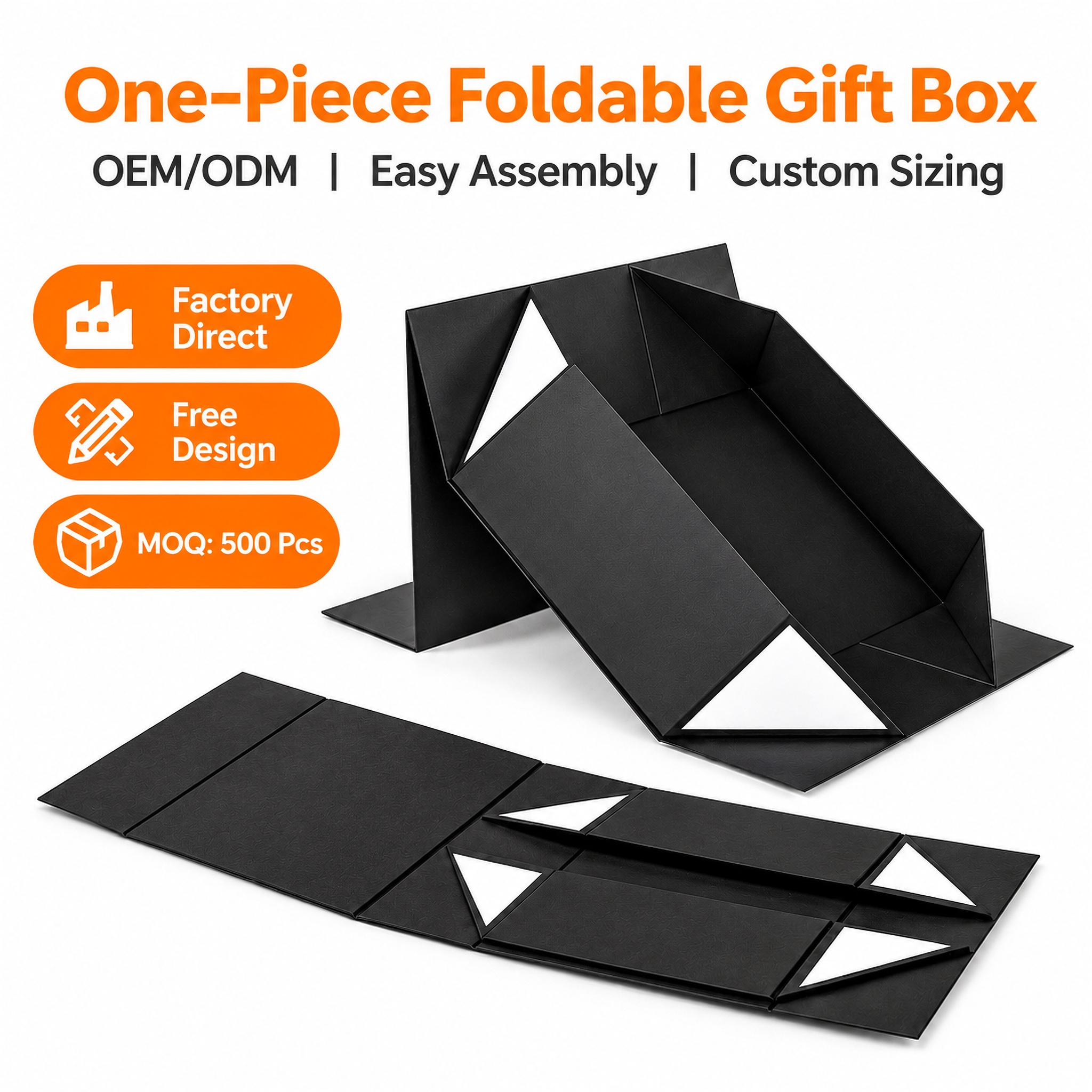
Custom Logo Size Large Small Luxury Folding Hard Rigid Paper Matt Black Collapsible Magnetic Gift Box with Magnetic Closure Lid
Collapsible magnetic rigid box with matte black wrap for premium electronics, cosmetics and gift sets. Flat-ships to reduce freight while keeping a luxury unboxing feel.
View product →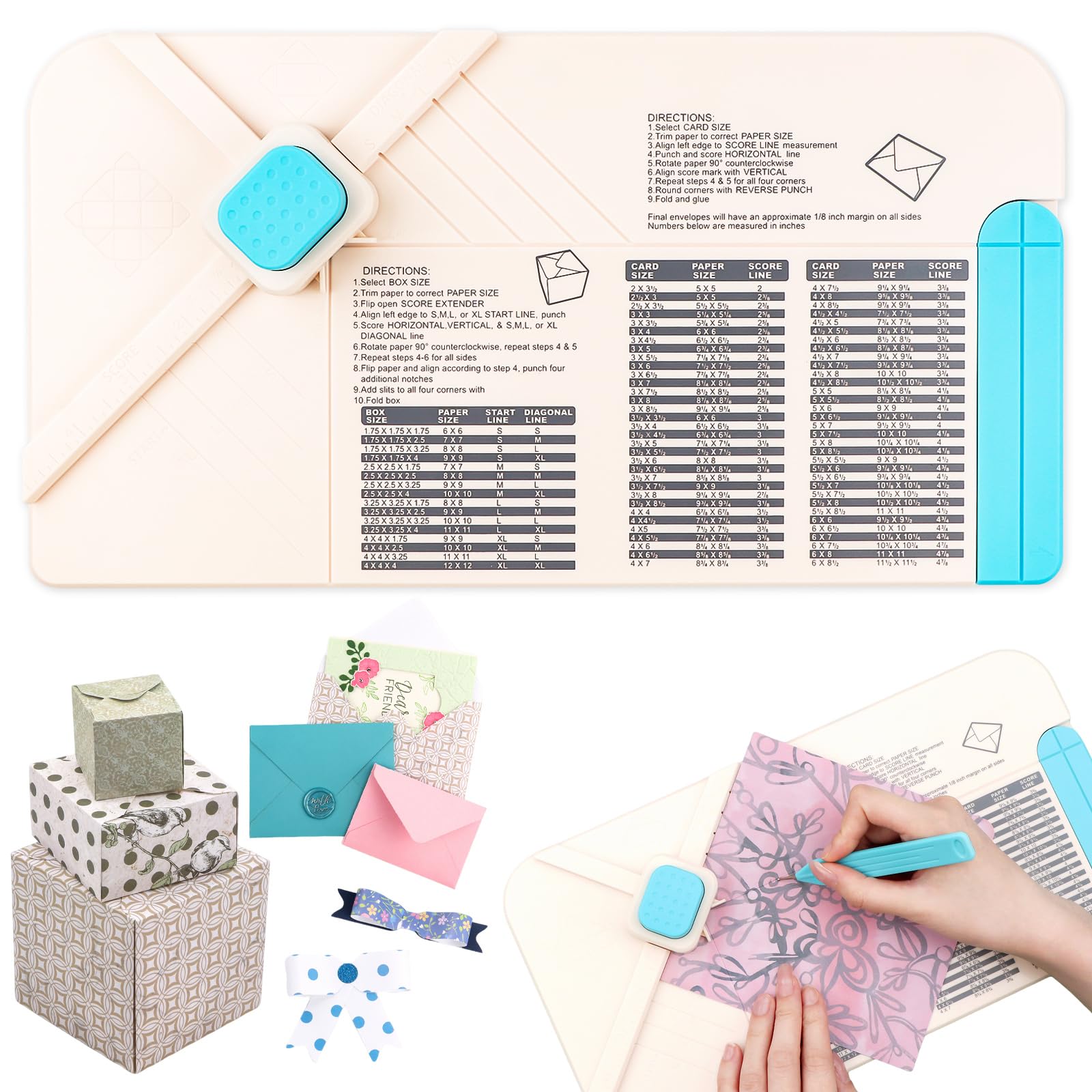
Custom Envelopes, Boxes, and Bows, All-in-one Envelopes Scribe Punches Board with Indentation Pen, Use with Cardstock
All-in-one envelope, box and bow punch board for cardstock-based packaging prototypes, small-batch gift presentation and studio sampling.
View product →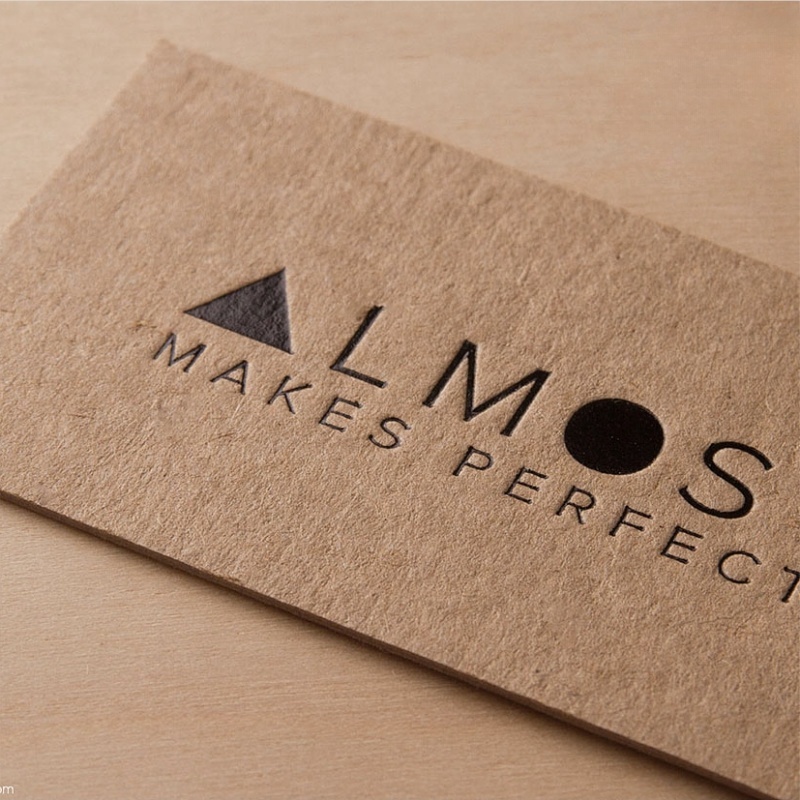
Customized Kraft Paper Duplex Board Film Lamination Digital Printing Multifunctional Business Card Paperboard Custom Design Mini
Kraft duplex board with film lamination and digital printing for business cards and small-format paperboard work. Suitable for short runs and texture-led branding.
View product →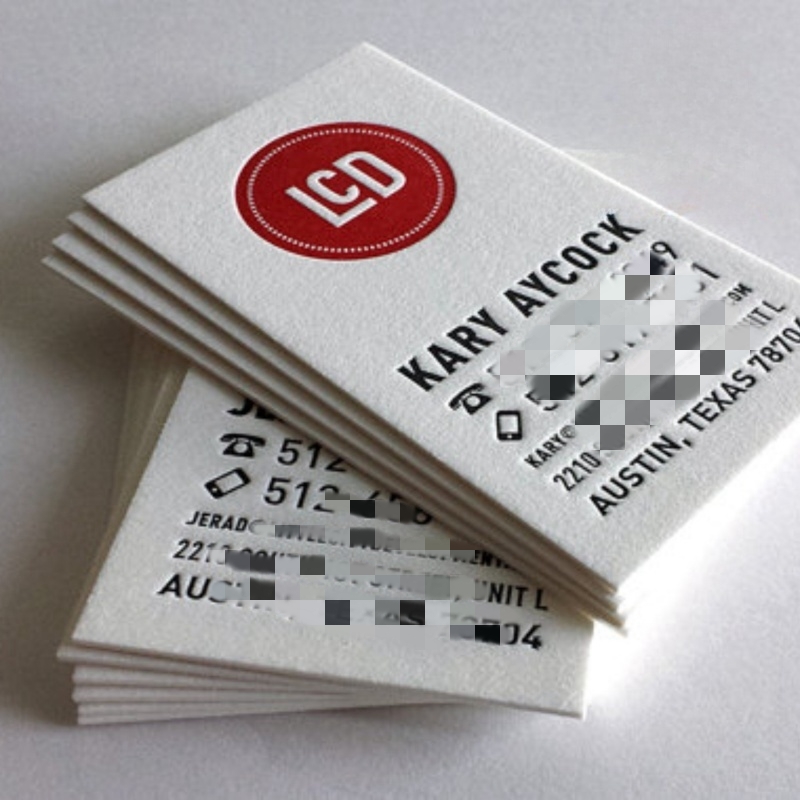
Wholesale Custom Luxury Metal Business Cards Digital Printing Film Lamination Cardboard Corrugated Board Logo Customized
Luxury metal business cards with digital printing and film lamination for VIP invitations, membership kits and high-retention brand touchpoints.
View product →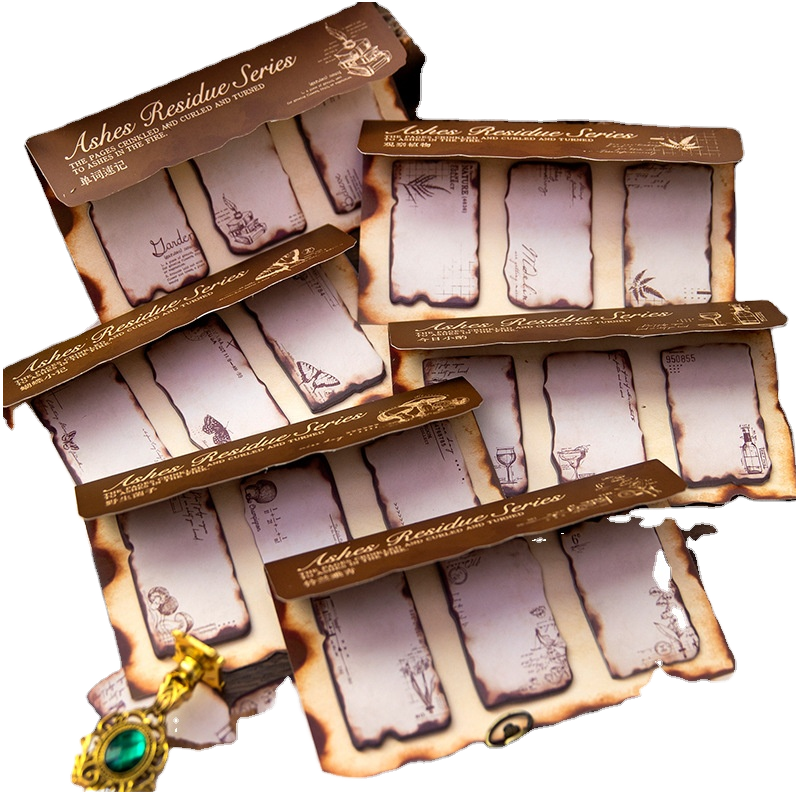
60pcs/pack Loose Leaf Ashes Aftermath Series Retro Burnt Handbook Decoration Stickers for Memo Pads
Retro burnt handbook decoration stickers for journals, memo pads and creative packaging inserts. A lightweight add-on that raises perceived value in stationery and gift kits.
View product →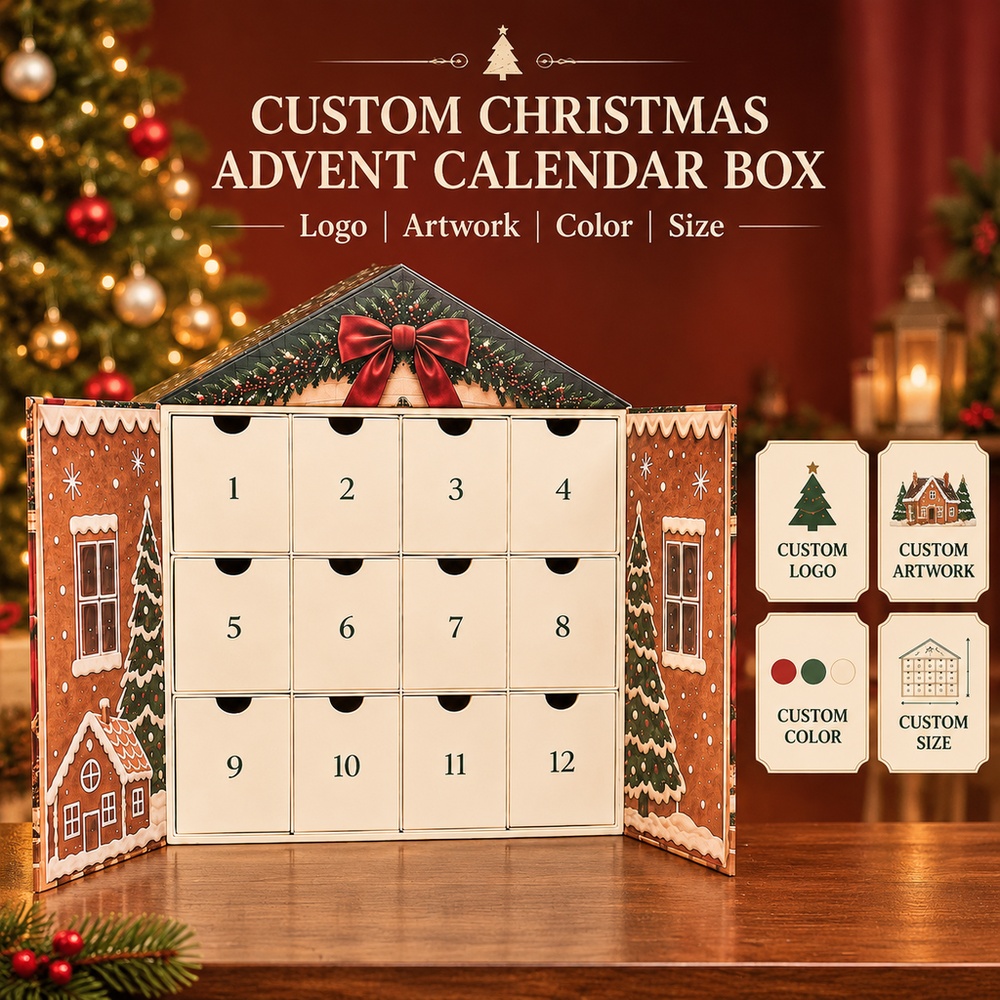
Custom Christmas Advent Calendar Paper Boxes House Shaped 12 Drawer Gift Packaging with Logo for Wholesale Mystery Box
House-shaped advent calendar box with 12 drawers, logo printing and wholesale mystery-box potential for beauty, confectionery and lifestyle brands.
View product →
Wholesale Custom Gold Stamping Business Cards Professional Relief Business Card High Quality Embossed Business Cards
Gold-stamped, embossed business cards on premium stock for professional services, real estate and luxury retail. Finishing choices create tactile distinction.
View product →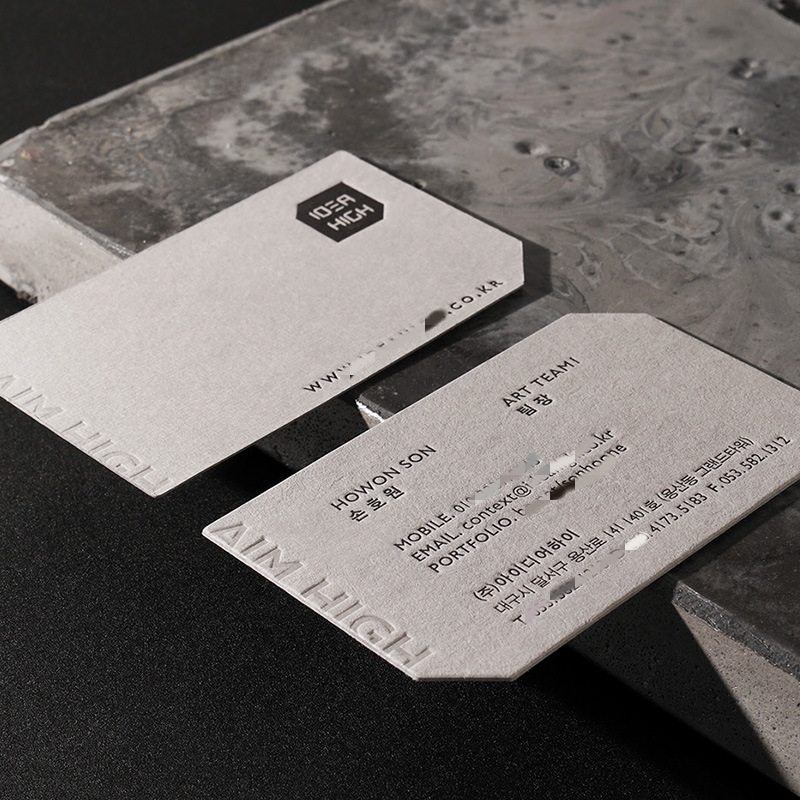
Wholesale New Materials 3d Embossed Business Cards Cotton Paper Three-Dimensional Embossed Custom Card
3D embossed cotton paper business cards with soft, sculpted relief for studios, hospitality and premium service brands that want a memorable physical touchpoint.
View product →Years in paper printing
Production floor space
Years of export expertise
Verified buyer rating
From Commodity Box Buying to Specification-Led Paperboard Procurement
China remains the world’s most complete paperboard packaging ecosystem, combining board supply, offset and digital printing, die-cutting, foil stamping, embossing, lamination, hand assembly and export packing in one manufacturing geography. For wholesale buyers, however, the buying logic has changed. A low unit price is no longer enough. Global brands, distributors and marketplace sellers now compare landed cost, recyclability, structural resilience, artwork consistency and supplier transparency before they approve a purchase order.
This is where a specification-led supplier becomes valuable. Paperboard packaging is a system: a 350 gsm folding carton may look correct in a digital mockup but fail under e-commerce handling; a rigid box may protect the product but consume excessive freight cube; a gold-stamped card may photograph well but show inconsistent relief across repeat runs. The most reliable China wholesale paperboard packaging exporter is therefore not simply the one with the lowest quote, but the one that can translate product weight, retail channel, artwork intent and freight strategy into a repeatable specification.
This white-paper-style guide is written for importers, private-label owners, procurement managers and creative agencies evaluating a China paperboard packaging supplier and exporter. It connects product recommendation, procurement trends, future material direction, supplier due diligence, specification planning and buyer FAQs into one practical decision framework. It also reflects the verifiable capability of Fuzhou Buba Printing Co., Ltd., a TÜV Rheinland onsite-verified custom manufacturer with 18 years of paper-printing experience, 2,300 m² of production space and more than 10 years of export service.
Four Buying Shifts Reshaping Wholesale Paperboard Packaging
The strongest RFQs now ask suppliers to prove quality, compliance and repeatability — not just quote a price per piece. These four shifts are especially relevant for buyers sourcing from China in 2025–2030.
Landed Cost Beats FOB Price
Freight cube, flat-pack efficiency, carton compression and container utilization now matter as much as unit cost. A collapsible rigid box or well-engineered corrugated mailer can reduce shipping spend enough to outperform a cheaper but bulkier structure.
Sustainability Evidence Enters the RFQ
Buyers increasingly request recyclable kraft and corrugated board, paper-based inserts instead of plastic, water-based inks and plastic-free tear-strip mailers. Suppliers should explain material choices clearly and document what can be verified.
Low-MOQ Market Tests With Scale-Up
Brands want to test a market with 50–100 pieces on selected boxes and bags, then scale to bulk runs without changing suppliers. A factory that supports low MOQ and stable repeat production reduces both launch risk and re-sourcing cost.
Color and Structure Consistency
Repeat orders expose weak process control. Buyers now ask for dieline approval, board grade confirmation, first-article checks and color consistency across print runs. This is especially important for retail shelves, subscription kits and seasonal campaigns.
How Paperboard Packaging Itself Is Evolving
Material science, digital print, structural design and e-commerce behavior are changing what buyers can ask for. The most competitive packaging is increasingly fiber-first, flat-shippable, data-enabled and premium in touch.
Fiber-First Luxury
Rigid boxes are being re-engineered to flat-ship, and plastic inserts are being replaced with molded pulp, paperboard fitments and honeycomb structures. Buyers gain a premium unboxing experience without sacrificing freight efficiency.
Recyclability-Aware Finishing
Foil, soft-touch, spot UV and embossing remain important for premium positioning, but buyers now ask how finishes interact with recycling streams. Suppliers should separate “decorative impact” from “end-of-life complexity” during specification.
Hybrid Offset and Digital Print
Offset remains efficient for large runs and consistent color, while digital printing supports short runs, versioning and rapid sampling. A supplier with both capabilities can move from 3D mockup to sample to volume production with fewer handoffs.
E-Commerce Structural Engineering
Tear-strip self-sealing mailers, double-sided print, reinforced corners and right-sized boxes are designed for drop protection, returns reduction and unpacking video appeal. Packaging is increasingly part of fulfillment performance.
High-Relief Tactile Branding
3D embossing, letterpress, cotton paper and foil stamping are moving from novelty to brand strategy. For cards and invitations, tactile depth creates a physical memory that flat digital media cannot reproduce.
Seasonal and Limited-Edition Speed
Advent calendars, mystery boxes, holiday gift sets and collapsible magnetic boxes require tooling readiness, hand-assembly capacity and predictable lead times. Suppliers that plan seasonal capacity early help brands avoid late-market launches.
Why Fuzhou Buba Printing Co., Ltd. Is Built for Wholesale Buyers
E-E-A-T is not a badge; it is the ability to demonstrate experience, expertise, authority and trust at every step of a packaging order. Buba’s advantages are practical, verifiable and aligned with the way wholesale buyers actually source paperboard packaging from China.
TÜV Rheinland Onsite Verification
The factory has been verified onsite by TÜV Rheinland and is listed as a Custom Manufacturer offering design-based, sample-based and full customization with onsite material inspection. This gives overseas buyers an independently checked starting point.
18 Years and One Roof
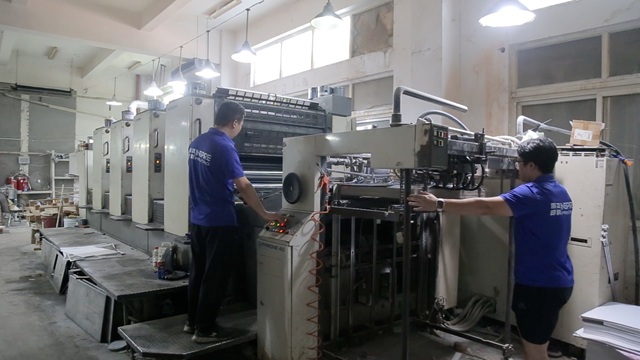
With 18 years in paper printing and 2,300 m² of production space, Buba handles structural design, prepress, offset and digital printing, foil stamping, embossing, lamination, die-cutting and hand assembly under one accountable workflow.
Free Dieline and 3D Mockup
The in-house design team builds dielines and free 3D mockups so buyers can approve structure, artwork position and finishing before a physical sample is produced. This reduces communication risk between brand, agency and factory.
Low MOQ With Factory Pricing
Many custom boxes and bags start from 100 pieces, selected notebooks from 50 pieces, and cards, labels or flyers from 200–1,000 pieces depending on specification. Buyers can test a channel, then scale without changing supplier.
Premium Finishing In-House
Hot foil, blind and 3D embossing, spot UV, soft-touch and holographic lamination, letterpress and window patching are handled in-house. Consistent finishing is critical for luxury rigid boxes, business cards and retail paper bags.
Export-Ready Quality and Logistics
More than 10 years of export experience, incoming material checks, first-article approval, inline color checks, final AQL inspection and export-grade cartons help reduce damage, delays and rework after the container leaves China.

How to Verify a China Paperboard Packaging Supplier Before You Place a PO
A serious supplier should make verification easy. Start with the legal entity, factory address and third-party onsite verification. Then ask for the exact production route: which board grade, which press, which finishing line and which assembly team will touch your order. Finally, require a dieline, 3D mockup, pre-production sample and written lead time before deposit.
Buba’s visible trust signals include TÜV Rheinland onsite verification, quality-management certification, a 4.6/5 verified buyer rating and documented customization capability. These signals do not replace your own sample approval, but they reduce the risk of working with an unknown trading intermediary that cannot control production.
- Third-party onsite verification
- Design and sample-based customization
- Onsite material inspection
- Recyclable paper options
- AQL final inspection with reports
- Export packing and freight planning
Paperboard Specification Matrix for a Lower-Risk RFQ
Use this reference to brief your project faster. Final specifications are confirmed in writing and on a pre-production sample before mass production.
Board and Material
Corrugated mailers: E-flute or B-flute, white or kraft liner, 1.5–3 mm. Rigid boxes: 1200–2000 gsm greyboard wrapped in art or specialty paper. Folding cartons: 300–400 gsm SBS/C1S ivory board or kraft board.
Print and Color
Offset printing for volume and color consistency; digital printing for short runs and versioning. Supply AI, PDF or EPS artwork in CMYK with 3 mm bleed and outlined fonts. High-resolution PSD or TIFF at 300 dpi is also accepted; Pantone matching is available on request.
Finishing and Touch
Hot foil stamping, blind and 3D embossing, spot UV, matte or gloss lamination, soft-touch, letterpress, window patching and die-cut shapes. Match the finish to the channel: luxury retail needs tactile depth; e-commerce needs durability and repacking efficiency.
Packing and Export
Flat-pack collapsible rigid boxes, export-grade cartons, inner polybags where required, and clear carton marks. Confirm quantity per carton, gross weight, pallet plan and delivery terms. For complex hand-assembled boxes, book capacity early in seasonal windows.
Match the Paperboard Format to the Buyer’s Real Channel
The best product recommendation is not the most elaborate box; it is the format that protects the product, supports the brand and fits the freight and fulfillment model.
Beauty & Personal Care
Magnetic rigid gift boxes, folding cartons and paper shopping bags create a premium shelf and unboxing experience. Paper inserts can replace plastic trays for skincare sets and subscription kits.
Electronics & Accessories
Right-sized corrugated mailers, tear-strip shipping boxes and rigid magnetic boxes protect products while controlling freight cube. Double-sided printing turns the inside of the box into a brand moment.
Apparel & Retail
Kraft shopping bags, hang tags, gold-stamped business cards and 3D embossed cards support retail counters and wholesale showrooms. Paper bags and tags are efficient add-ons to a packaging PO.
Confectionery & Seasonal
House-shaped advent calendars, mystery boxes and collapsible gift boxes suit holiday campaigns, limited editions and distributor programs. Early capacity planning is essential for Q4 launches.
Frequently Asked Questions About Wholesale Paperboard Packaging
What is the minimum order quantity for custom packaging?
Most custom mailer boxes, rigid gift boxes and paper bags start from 100 pieces. Some notebooks start from 50 pieces, while hang tags, flyers and labels usually start from 200–1,000 pieces depending on size and finishing.
Do you offer free design support and 3D mockups?
Yes. The in-house design team provides dielines and a free 3D mockup so you can approve structure, artwork position and finishing before a sample is produced. This is useful for internal sign-off and buyer presentations.
How long do samples and mass production take?
Typical lead time is 3–7 working days for pre-production samples and 10–20 working days for mass production after sample approval. Complex rigid boxes or large book runs may need longer; the schedule is confirmed in writing with every order.
Which artwork file formats do you accept?
Vector AI, PDF or EPS files in CMYK with 3 mm bleed and outlined fonts are preferred. High-resolution PSD or TIFF files at 300 dpi are also accepted. Pantone colors can be matched on request.
Can you make eco-friendly or recyclable packaging?
Yes. Options include recyclable kraft and corrugated board, paper-based inserts instead of plastic, water-based inks on request and plastic-free tear-strip mailer boxes. The right combination depends on product weight, finish and recycling requirements.
Is the factory verified by a third party?
Yes. The factory has been verified onsite by TÜV Rheinland and is listed as a Custom Manufacturer offering design-based, sample-based and full customization with onsite material inspection. Quality-management certification and buyer reviews further support supplier due diligence.
Ready to Brief Your Next Paperboard Packaging Project?
Send your size, quantity, artwork or product reference. The team will reply with a structure proposal, board recommendation and free 3D mockup direction so you can compare options before committing to a PO.