8 Custom Packaging & Print Products for Global Buyers
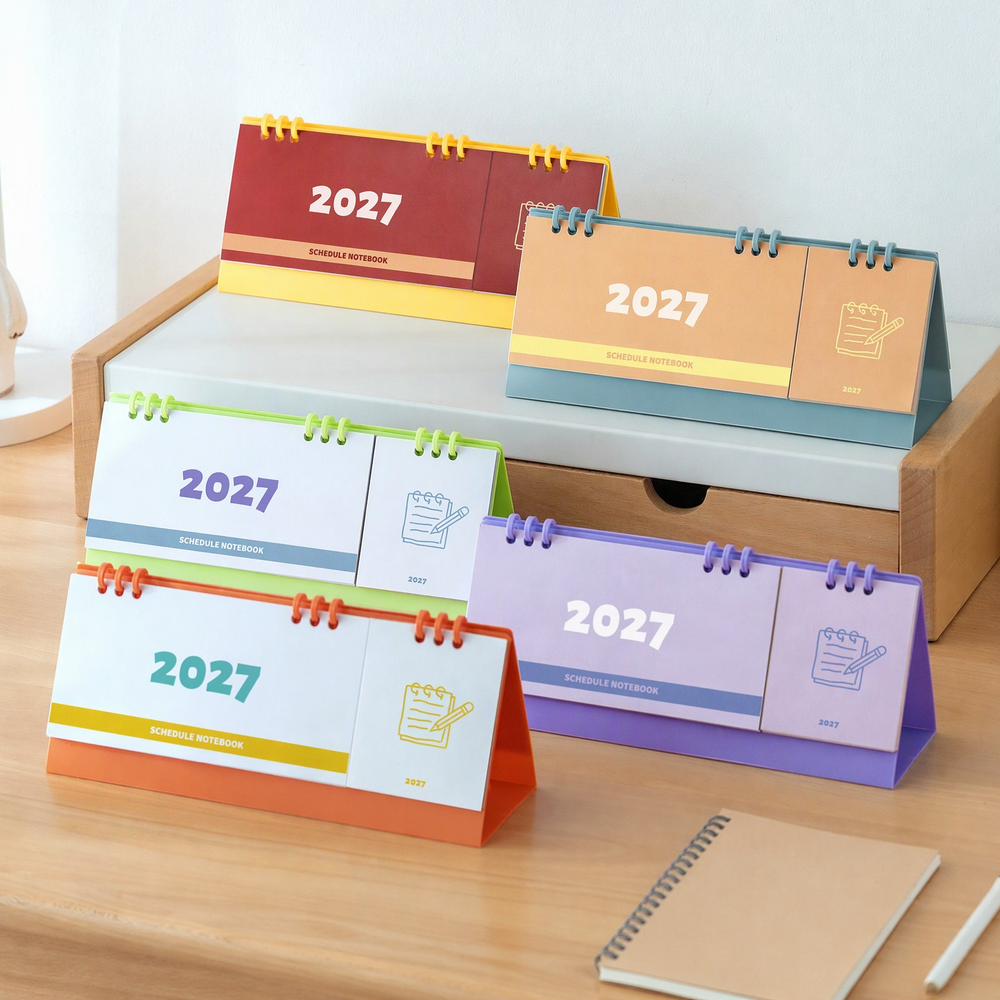
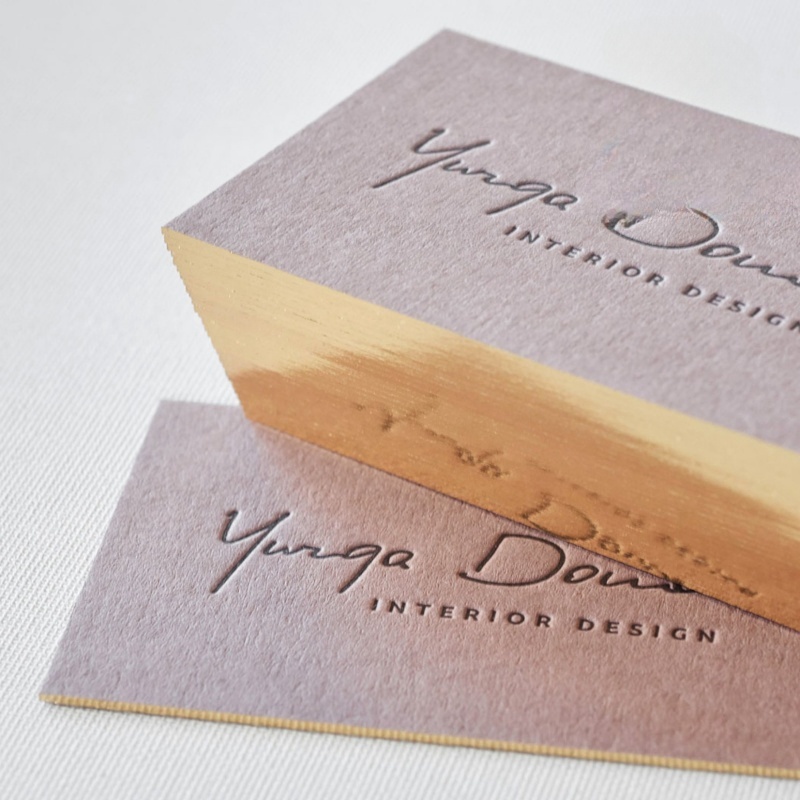
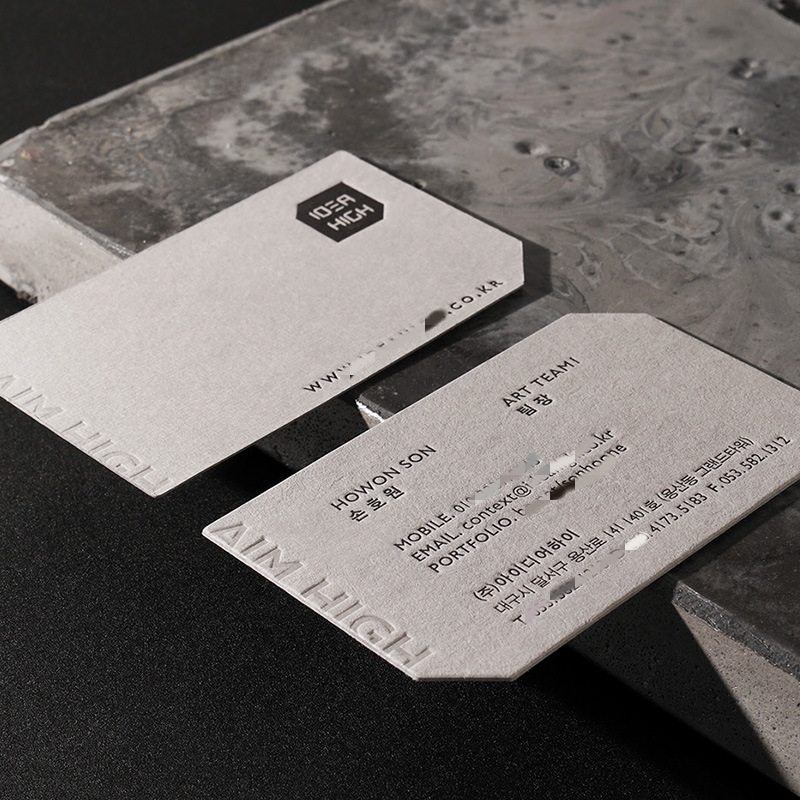
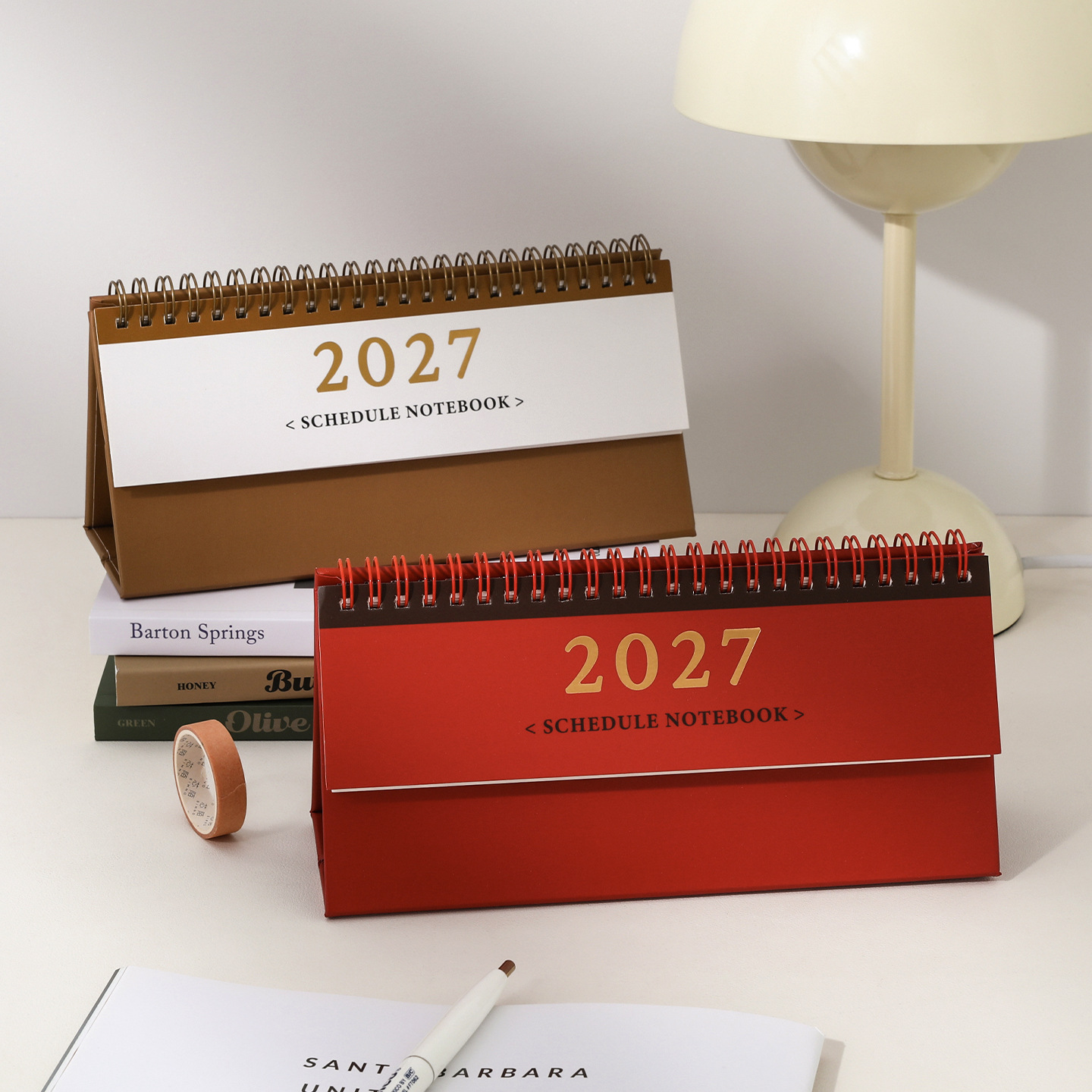
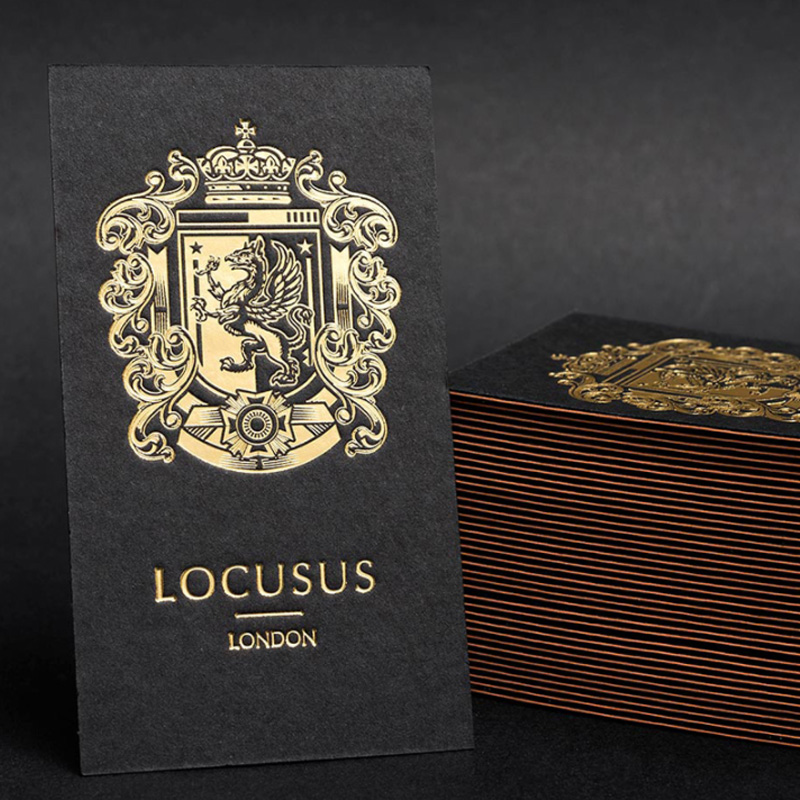
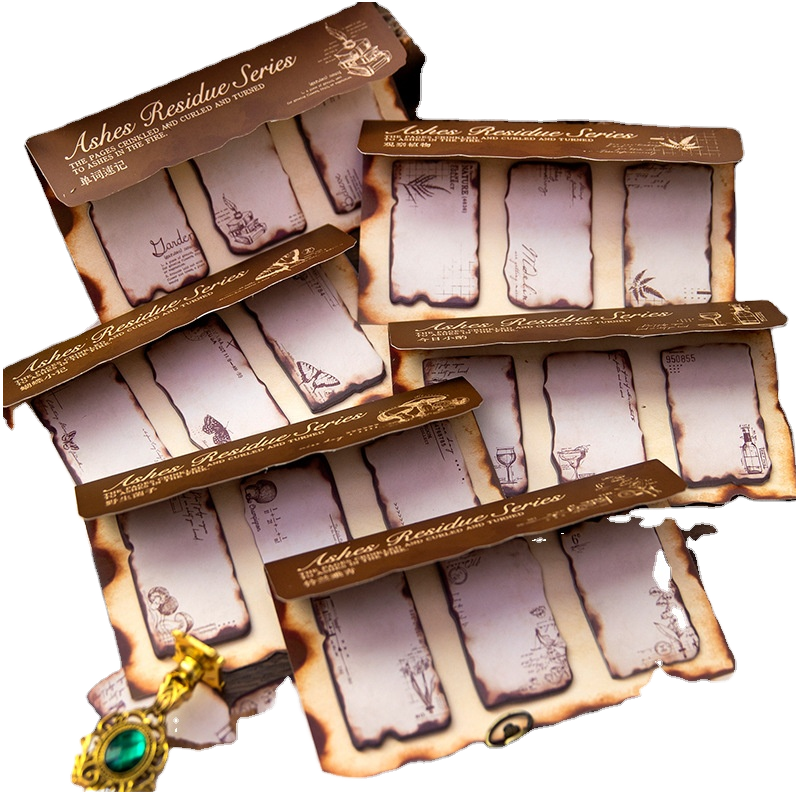
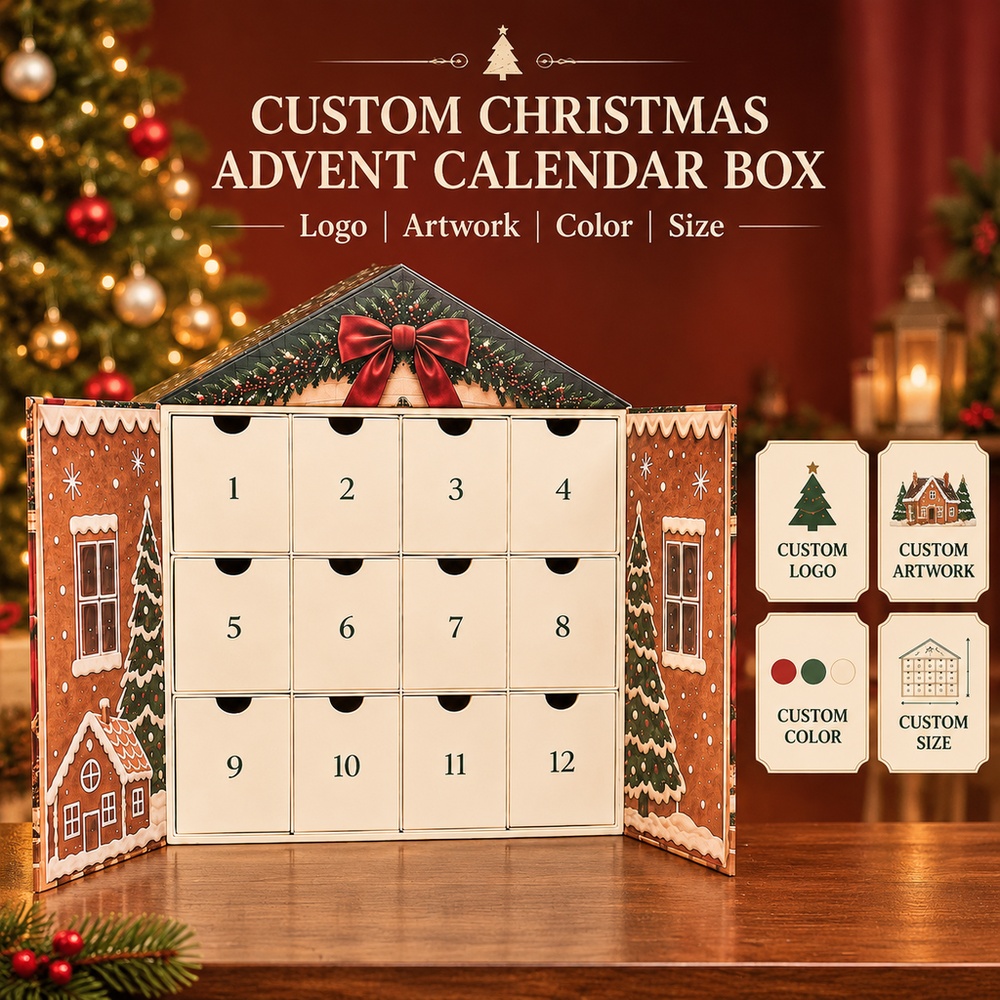
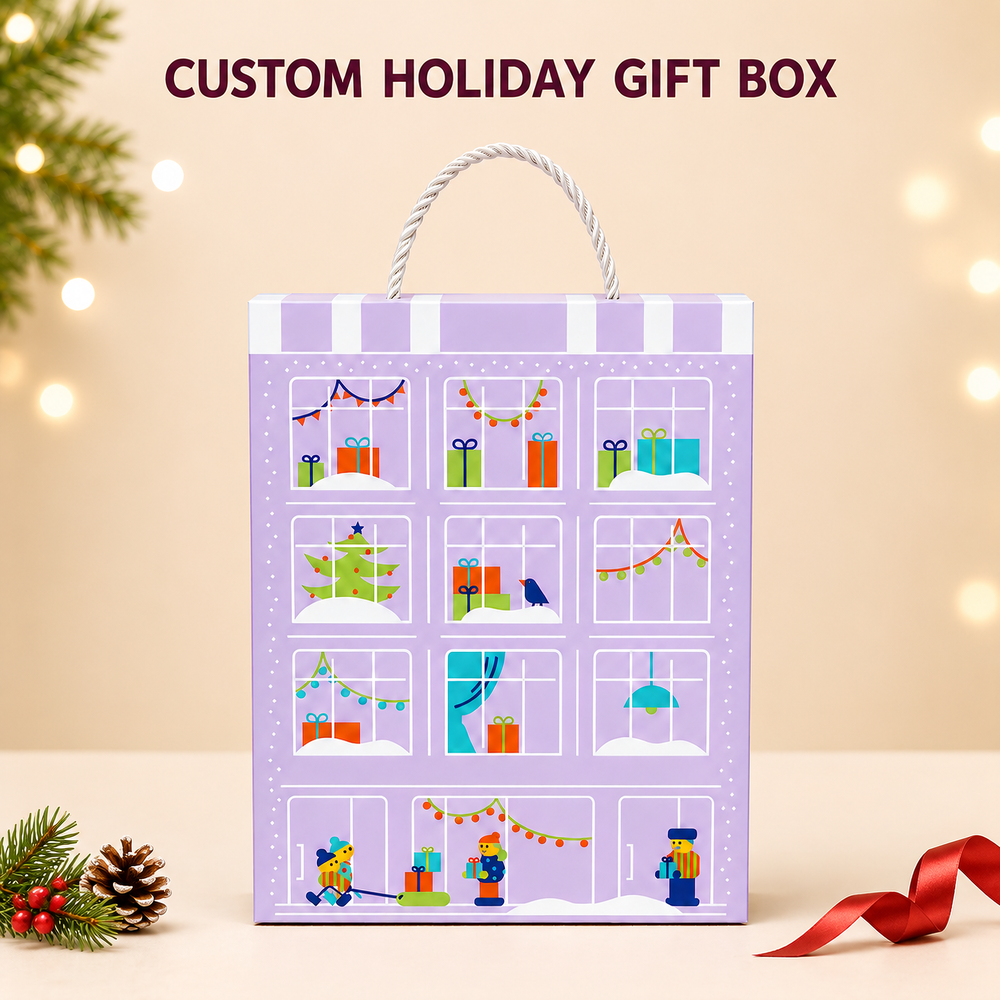
These catalog items sit inside the same verified production system used for wholesale corrugated mailer boxes, retail boxes, rigid gift boxes, cards, calendars and printed accessories. For mailer-box specifications, request a quote and our team will propose the board grade, dieline, print method and insert.
A Procurement White Paper for Wholesale Corrugated Mailer Boxes
Search behavior has changed. A buyer who types “China wholesale corrugated mailer boxes manufacturers & exporter” is not looking for a random directory of factories. The intent is comparative and commercial: they want a supplier who can match a product’s weight and fragility, print inside and outside, offer a low MOQ for a test run, document recyclability, protect color consistency across reorders and deliver to an overseas warehouse without hidden rework costs.
That is why a supplier page must do more than publish a gallery. It must answer the questions procurement teams ask after the first visual impression: Which flute should I choose? Will the board survive parcel sorting? Can the box be flat-packed to cut freight? How is the dieline approved? What happens if the printed color drifts between the sample and mass production? A useful page turns those questions into information gain—specific, verifiable details that help a buyer shortlist with confidence.
This guide is built around that search intent. It explains how corrugated mailer boxes are specified, which procurement trends will shape buying decisions through 2030, where product development is moving, and how Fuzhou Buba Printing Co., Ltd. supports brands that need a China-based manufacturer and exporter with TÜV Rheinland onsite verification, 18 years of paper-printing experience and a 2,300 m² production floor in Fuzhou, Fujian.
Mailer Box Anatomy: Where Cost, Protection and Brand Experience Meet
A corrugated mailer box is a die-cut, self-locking paper box made from corrugated board. Unlike a standard shipping carton, it is designed as both a protective shipping container and an unboxing surface. A typical structure includes a tuck-top or crash-lock base, double-sided printing, a tear strip or self-adhesive closure, and optional paper inserts that hold the product without plastic foam.
The first specification decision is board grade. E-flute corrugated board, around 1.5 mm, is common for lightweight e-commerce items, cosmetics, apparel and subscription kits where print fidelity matters. B-flute, around 3 mm, gives more puncture resistance for heavier or more fragile products. For long-distance parcel networks or multi-item kits, a double-wall construction may be the better choice, even if the unit cost is higher, because damage, reshipment and negative reviews usually cost more than the board upgrade.
The second decision is print coverage. Offset litho lamination is often used for high-graphic mailer boxes because it reproduces photography and brand colors cleanly on white or kraft liners. Flexo printing can be efficient for simpler line work, while digital print supports low-MOQ tests and variable campaigns. Inside printing is not a luxury detail: for DTC brands, the inside lid is often the first branded moment after the parcel is opened, and it can carry care instructions, QR codes, thank-you messages or a reorder prompt.
The third decision is closure and assembly. Self-seal strips speed packing, tear strips improve the unboxing experience, and crash-lock bases reduce manual assembly time. However, every added feature must be tested with the actual product weight and the actual fulfillment process. That is why Buba provides a free 3D mockup and dieline before sampling, then confirms color, fit and finishing on a physical pre-production sample.
Specification Table: Materials, Printing and Finishing at a Glance
| Specification Area | Typical Options | What It Controls |
|---|---|---|
| Board grade | E-flute, B-flute, BC double wall, white or kraft liner | Strength, print surface, box weight and parcel protection |
| Structure | Tuck-top, crash-lock, roll-end, tear strip, self-seal strip | Packing speed, unboxing experience and returnability |
| Printing | Offset litho, digital, flexo; outside only or inside and outside | Color depth, MOQ flexibility and campaign versioning |
| Finishing | Matte or gloss lamination, spot UV, foil stamping, embossing | Premium feel, shelf impact and brand differentiation |
| Insert | Corrugated fitment, paper honeycomb, folded paper sleeve | Product protection without plastic foam or molded EVA |
| MOQ | From 100 pcs on many custom boxes | Market testing, limited editions and small-batch DTC launches |
| Sampling | Free 3D mockup; physical sample after artwork approval | Fit, color, structure and finishing approval before mass production |
Final specifications are confirmed in writing and on a pre-production sample. Complex inserts, specialty paper and multi-level finishing may require a custom schedule.
Future Procurement Trends: What Will Shape 2025–2030 Buying Decisions
Corrugated mailer boxes are no longer a commodity purchase decided only by unit price. Procurement teams are being asked to reduce damage, meet sustainability reporting requirements, shorten launch cycles and protect the brand experience at the same time. The following trends are already visible in buyer briefs and are likely to accelerate.
DTC unboxing becomes a measurable channel
Brands now treat the inside of a mailer box as a retention surface. QR codes, care cards, referral inserts and seasonal artwork are planned together with the shipping pack. Suppliers who can print inside and outside, match inserts and keep repeat-order color consistent will win more DTC accounts.
Regulation shifts from “eco-friendly” claims to documentation
European and North American buyers increasingly ask for recyclable kraft or corrugated board, paper-based inserts instead of plastic, water-based inks and clear material declarations. The winning supplier will be the one that can match the claim to the actual bill of materials, not simply print a green icon on the box.
Low-MOQ testing and micro-batches
Brand owners want to test a new SKU, market or influencer drop without committing to a container load. MOQs from 100 pcs, short-run digital print and fast sampling let buyers validate demand first, then scale into offset production once the design is proven.
Total landed cost replaces unit price
Flat-packed mailer boxes can reduce freight volume, but only if the structure is designed correctly. Buyers are comparing board optimization, carton count, assembly time, damage rate and storage footprint. A slightly higher unit price can be the cheaper program once landed cost is modeled.
Supplier verification moves earlier in the funnel
Procurement teams are less willing to learn about factory status after paying a deposit. TÜV Rheinland onsite verification, quality-management documentation, material inspection and transparent production data help buyers de-risk a new supplier before the first purchase order.
Semantic search and structured specifications
Buyers now search with intent-rich phrases: “low MOQ printed mailer box exporter,” “recyclable e-commerce packaging manufacturer China,” “free mockup corrugated box supplier.” Suppliers that publish exact materials, MOQ, lead times, finishing options and verification evidence are easier for search engines and humans to evaluate.
Where Corrugated Mailer Box Design Is Moving Next
Wholesale buyers are asking for packaging that is lighter, more recyclable, more protective and more brand-specific at the same time. These six development directions are becoming standard in serious RFQ discussions.
Right-sized board and reduced overpacking
Instead of defaulting to a heavier flute, engineers model product weight, drop risk and fulfillment handling. The goal is the lightest board that reliably protects the item, because excess board increases material cost and freight volume.
Plastic-free inserts and retention
Paper honeycomb, folded corrugated fitments and paper sleeves are replacing foam and plastic blisters. Good insert design keeps the product centered during transit and creates a clean, recyclable unboxing sequence.
Hybrid print and variable campaigns
Offset litho remains the most economical choice for large runs with photographic graphics. Digital print supports short runs, regional versions and limited editions. A hybrid workflow lets a brand keep one structural dieline while changing artwork by market, season or channel.
Connected packaging through QR and serialized codes
Printed QR codes can link to care instructions, authenticity checks, reorder pages, loyalty programs or recycling guidance. The packaging remains paper-based, but the printed surface becomes a measurable digital touchpoint.
Reusable and return-ready structures
Brands in fashion, beauty and subscription commerce are testing stronger closures, reversible print panels and return instructions printed inside the box. The structure must balance reuse with cost, packability and parcel-network durability.
Market-specific retail-ready design
Retailers and marketplaces increasingly require specific labeling, barcodes, warnings or packaging formats. Suppliers who understand multi-market compliance can help avoid reprints and ensure the same structural design works across several sales channels.
Factory Advantages That Reduce Procurement Risk
Fuzhou Buba Printing Co., Ltd. is a custom manufacturer of paper packaging and commercial print based in Jianxin Town, Fuzhou, Fujian, China. Our team has spent 18 years in the paper-printing trade and over a decade exporting mailer boxes, rigid gift boxes, paper bags, labels, cards, notebooks, catalogs and books to brand owners, e-commerce sellers and distributors worldwide.
TÜV Rheinland onsite verification
Our premises, legal status and production capability have been verified onsite by TÜV Rheinland. We are also positioned as a Custom Manufacturer offering design-based, sample-based and full customization with onsite material inspection. For overseas buyers, this reduces the uncertainty of working with a new factory.
Free structure, dieline and 3D mockup
Our in-house design team reviews the product, artwork and packing method, then builds the dieline and a free 3D mockup. Buyers can approve structure, artwork position and finishing before paying for a physical sample, which shortens the development cycle and avoids costly misunderstanding.
Low MOQ and factory-direct pricing
Many custom mailer boxes, rigid gift boxes and paper bags start from 100 pieces. Some notebooks start from 50 pieces, while tags, flyers and labels usually start from 200–1,000 pieces depending on size and finishing. This lets a brand test a market, then scale into bulk production without changing suppliers.
In-house premium finishing
Hot foil stamping, blind and 3D embossing, spot UV, soft-touch and holographic lamination, letterpress and window patching can be completed under one roof. One accountable supplier means fewer hand-offs, clearer quality ownership and a faster route from artwork to finished carton.
Four-stage quality control
Incoming material checks, first-article approval, inline color checks and final AQL inspection are followed by photo reports before shipment. For customized mailer boxes, this helps catch board defects, color drift, die-cut misfits and assembly issues while correction is still inexpensive.
Export-ready logistics
With 10+ years of export expertise, we prepare export-grade cartons, optimize flat-packing to reduce freight volume and support sea, air or express shipping. The team confirms the schedule in writing and shares inspection photos before dispatch.
From Brief to Export Container: A Controlled Six-Step Process
A transparent custom-order workflow with a sign-off at every stage, so the finished corrugated mailer boxes match the approved structure, print and packing method.
Brief and dieline
Share size, product weight, artwork, quantity and destination. Our team proposes the board grade, structure and insert.
Free 3D mockup
Review a rendered mockup with exact artwork placement, opening style, finishing and multi-angle views before sampling.
Pre-production sample
A physical sample confirms color, board strength, fit, closure and finishing. Text and barcode positions are checked.
Mass production
Printing, lamination, die-cutting and assembly run under inline color and quality checks with a written schedule.
Final inspection
An AQL check covers print, structure, dimensions, count and packing. Photos and video are shared before shipment.
Global shipping
Export cartons are labeled and packed for sea, air or express delivery, with flat-pack optimization where suitable.
Wholesale Corrugated Mailer Boxes FAQ
Direct answers for procurement teams comparing China-based manufacturers, exporters, MOQs, samples, materials and delivery.
What is the minimum order quantity for wholesale corrugated mailer boxes?+
Most custom mailer boxes, rigid gift boxes and paper bags start from 100 pieces. Some notebooks start from 50 pieces, while hang tags, flyers and labels usually start from 200–1,000 pieces depending on size and finishing. The final MOQ depends on board grade, print method and whether a custom dieline is required.
Can you print both the outside and inside of a mailer box?+
Yes. Double-sided printing is common for DTC and subscription brands. The outside carries the brand identity and handling information, while the inside can carry a thank-you message, QR code, care instructions or a reorder prompt. We will confirm the artwork layout on the dieline before sampling.
Which board grade should I choose for my product?+
E-flute is often suitable for lightweight cosmetics, apparel and accessories. B-flute provides more strength for heavier items or longer parcel journeys. For fragile or multi-item kits, a double-wall structure may be appropriate. Share your product weight, dimensions and shipping method, and our engineers will recommend a grade rather than defaulting to the cheapest option.
Are your mailer boxes recyclable?+
We offer recyclable kraft and corrugated board, paper-based inserts instead of plastic, water-based inks and plastic-free tear-strip mailer boxes. Recyclability depends on the full bill of materials, including lamination, foil, adhesive and inserts, so we confirm the exact construction before making a claim.
How long do samples and mass production take?+
Typical lead time is 3–7 working days for pre-production samples and 10–20 working days for mass production after sample approval. Complex rigid boxes, specialty finishes or large book runs may need longer. We confirm the schedule in writing with every order and share progress before shipment.
Which artwork file formats do you accept?+
We prefer vector AI, PDF or EPS files in CMYK with 3 mm bleed and outlined fonts. High-resolution PSD or TIFF files at 300 dpi are also accepted. Pantone colors can be matched on request. For first-time buyers, our team can provide a dieline template so the artwork is built to the correct structure.
Can you produce the mailer box and paper inserts together?+
Yes. We can produce the corrugated mailer box, printed sleeve, paper honeycomb insert, corrugated fitment, thank-you card and label as one coordinated packaging set. This reduces supplier hand-offs and helps keep color, material and dimensional tolerances aligned.
Is your factory verified by a third party?+
Yes. Our factory has been verified onsite by TÜV Rheinland. We are listed as a Custom Manufacturer offering design-based, sample-based and full customization with onsite material inspection. We also maintain quality-management documentation and can discuss product certificates based on the specific material and finishing requested.
Ready to Brief Your Next Wholesale Mailer Box Project?
Send your size, product weight, quantity, artwork status and destination market. Our team will reply with a structure proposal, board recommendation, free 3D mockup path and a factory-direct quotation.