China Wholesale Corporate Gift Boxes Supplier & Wholesalers
A 2026 procurement white paper for brand owners, distributors, and corporate gifting teams sourcing premium gift boxes, magnetic rigid boxes, printed cards, paper bags, and labels from China — engineered for brand impact, freight efficiency, and repeatable quality.
8 Corporate Gift Box & Print Products for Wholesale Programs
The buying intent behind this page is commercial and highly specific: buyers want a China wholesale corporate gift boxes supplier, comparable wholesalers, and product routes that can move from a 3D mockup to a repeatable bulk order. These eight items reflect the purchase paths most frequently requested by brand owners, distributors, event companies, and promotional product buyers.


A China Wholesale Corporate Gift Boxes Supplier That Documents Every Control Point
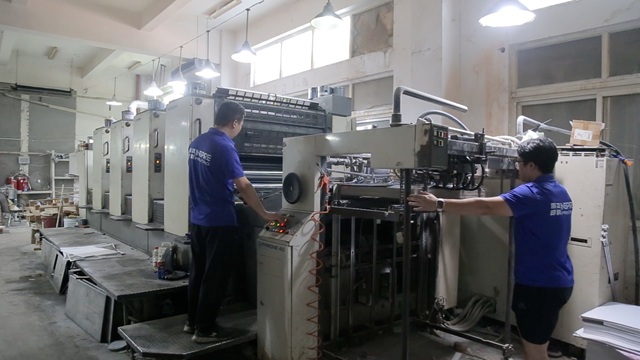
Fuzhou Buba Printing Co., Ltd. is a custom manufacturer of paper packaging and commercial print based in Jianxin Town, Fuzhou, Fujian, China. The company has spent 18 years in the paper-printing trade and more than a decade exporting mailer boxes, rigid gift boxes, paper bags, labels, cards, notebooks, catalogs, and related print to brand owners, e-commerce sellers, and distributors worldwide.
What matters for a wholesale buyer is not a long equipment list alone. It is whether one accountable supplier can control structure, prepress, offset and digital printing, foil stamping, embossing, lamination, die-cutting, and hand assembly under one roof. That integrated model reduces handoff risk, protects color and finishing intent, and makes repeat corporate gift box programs easier to audit and reorder.
- TÜV Rheinland onsite-verified
- Quality-management certified
- OEM and ODM services
- Onsite material inspection
- Design and sample-based customization
- Recyclable paper options
Enterprise Advantages That Reduce Sourcing Risk
Wholesale corporate gift boxes are a coordination product: artwork, structure, materials, finishing, assembly, packing, and shipping all affect the delivered cost. These advantages are the checks buyers use to separate a real manufacturer from a trading intermediary.
Free structure and 3D mockup
In-house designers build the dieline and a 3D render so corporate buyers can approve fit, artwork position, and finishing before paying for physical samples.
Low MOQ, factory-direct pricing
Many custom gift boxes start from 100 pieces, with lower entry quantities on selected print items. That allows a market test before scaling into a seasonal or annual program.
Premium finishing in-house
Hot foil, blind and 3D embossing, spot UV, soft-touch lamination, holographic effects, letterpress, and window patching are controlled under one production plan.
Verified quality control
Incoming material checks, first-article approval, inline color checks, and final AQL inspection can be documented with photo reports before shipment.
Eco-friendly material routes
Recyclable kraft and corrugated board, paper-based inserts instead of plastic, water-based inks, and plastic-free tear-strip mailer options are available on request.
Export-ready logistics
More than a decade of export experience supports export-grade cartons, flat-packing to reduce freight, and sea, air, or express shipping coordination.
2026 Wholesale Procurement Trends for Corporate Gift Boxes
Corporate gifting procurement is moving away from last-minute logo application and toward systems that can be planned, localized, measured, and repeated. For wholesalers and brand buyers, the shift changes how suppliers are scored.
Curated unboxing systems replace single boxes
Buyers increasingly request a matched set: rigid gift box, printed sleeve, paper bag, thank-you card, sticker seal, and tissue. This raises the value of a supplier that can produce multiple components under one color and finishing standard.
Smaller test runs, faster replenishment
Distributors want to validate a design with 100–500 pieces, then reorder without rebuilding the supply chain. Low MOQ capability matters only when it is paired with stable materials and predictable lead times.
Compliance evidence becomes a sales asset
Recyclability claims, material declarations, and plastic-reduction commitments are now reviewed by procurement teams. Suppliers that can explain board grades, lamination choices, and insert alternatives win more serious inquiries.
Landed cost beats unit price
Collapsible rigid boxes, flat-packed structures, and right-sized cartons reduce freight and storage cost. A slightly higher unit price can deliver a lower landed cost when the box is engineered for export.
Buyer priority index for corporate gift box sourcing
Based on recurring B2B inquiry patterns, the strongest purchase decisions are made when presentation, sustainability proof, landed cost, and lead-time confidence are evaluated together rather than separately.
Product Trends Shaping Corporate Gift Boxes
The next generation of wholesale corporate gift boxes is being defined by structure, tactility, and modularity — not only by printed artwork. These product directions are especially relevant for buyers planning 2026–2027 programs.
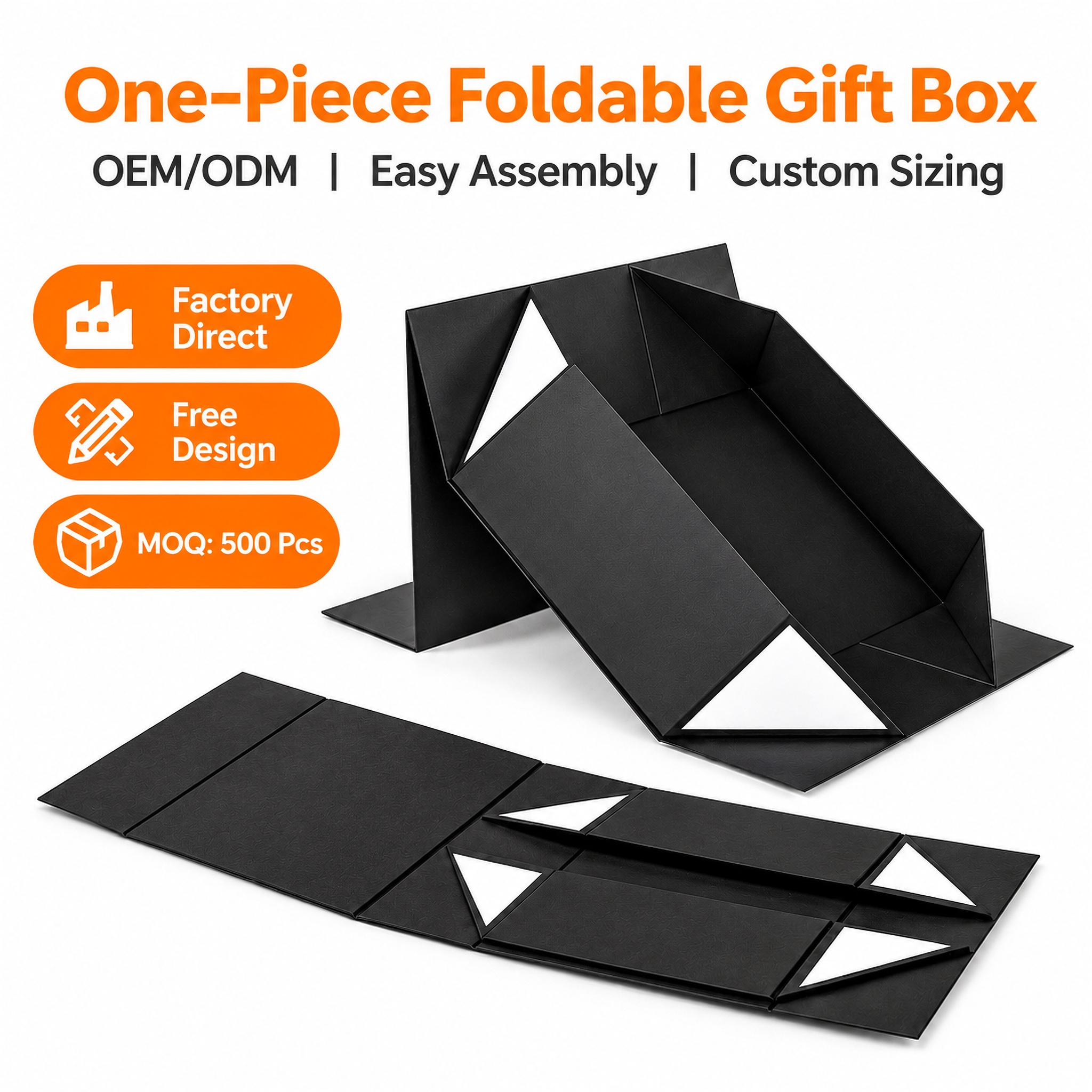
Collapsible magnetic rigid boxes
Rigid boxes remain the premium anchor for executive gifts, but collapsible construction is becoming standard for export. It protects the unboxing experience while reducing volumetric shipping cost and warehouse space.
Mono-material and paper inserts
Brands are replacing plastic trays and foam with molded pulp, folded paperboard, or die-cut corrugated inserts. The result is a more recyclable gift box that still presents products securely and cleanly.
Hybrid print and digital integration
QR codes, NFC labels, and personalized landing-page cards are turning the gift box into a communication channel. Print quality, variable-data capability, and material compatibility become purchasing criteria.
Tactile finishes with restraint
Soft-touch lamination, blind embossing, letterpress, and selective foil are used more precisely. Buyers want a finish that can be replicated at scale without scuffing, cracking, or inconsistent color across reorders.
Materials, Finishing, and Quality Control for Wholesale Buyers
This reference helps brand owners and wholesalers brief a supplier faster. Final specifications should always be confirmed on a pre-production sample and in writing before mass production.
Rigid corporate gift boxes
Greyboard of 1200–2000 gsm is wrapped in art paper, specialty paper, or textile paper. Popular options include magnetic closure lids, EVA or paper inserts, ribbon pulls, foil stamping, and embossed logos.
Folding gift boxes
SBS or C1S ivory board at 300–400 gsm suits lighter corporate gifts, retail sets, and subscription boxes. Soft-touch lamination, windows, and double-door structures can add perceived value.
Paper bags and accessories
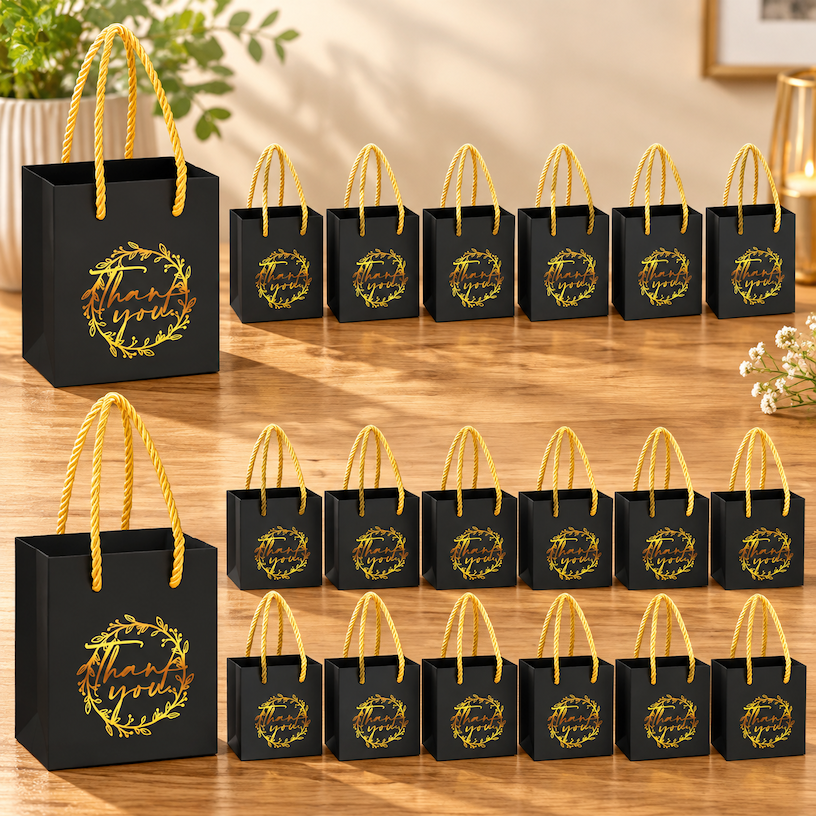
Kraft paper, art paper, and white cardstock from 120–250 gsm are common. Rope or ribbon handles, zipper-top closures, gold foil, and embossed logos can match the gift box finish.
Printed cards and labels
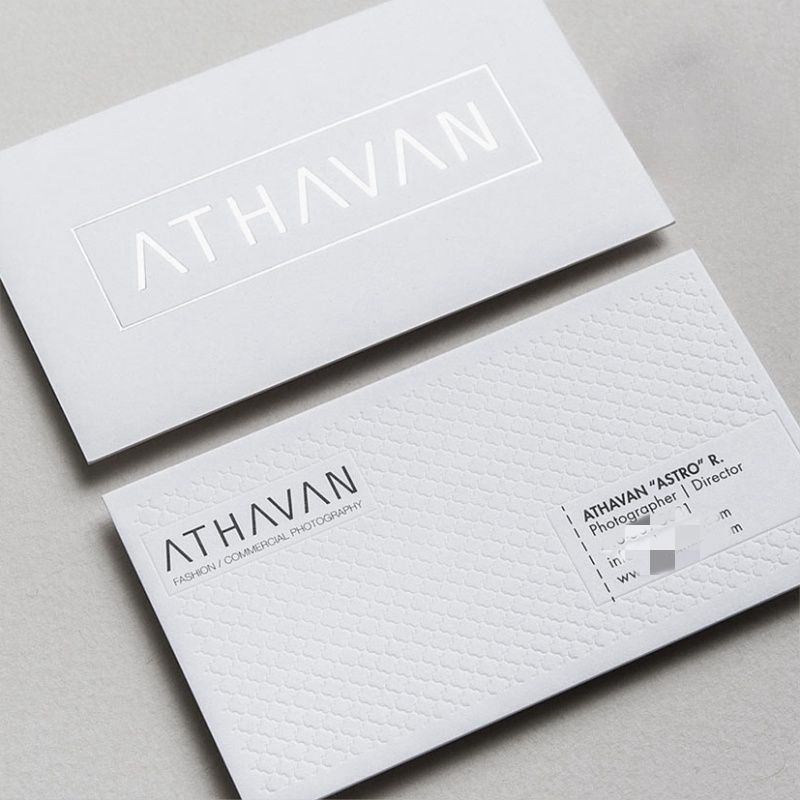
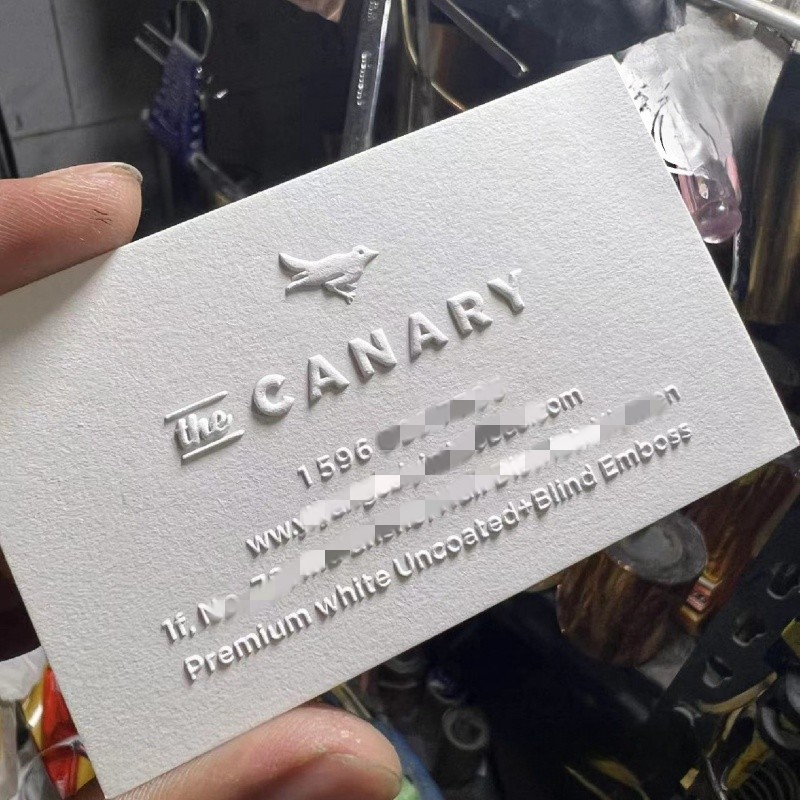
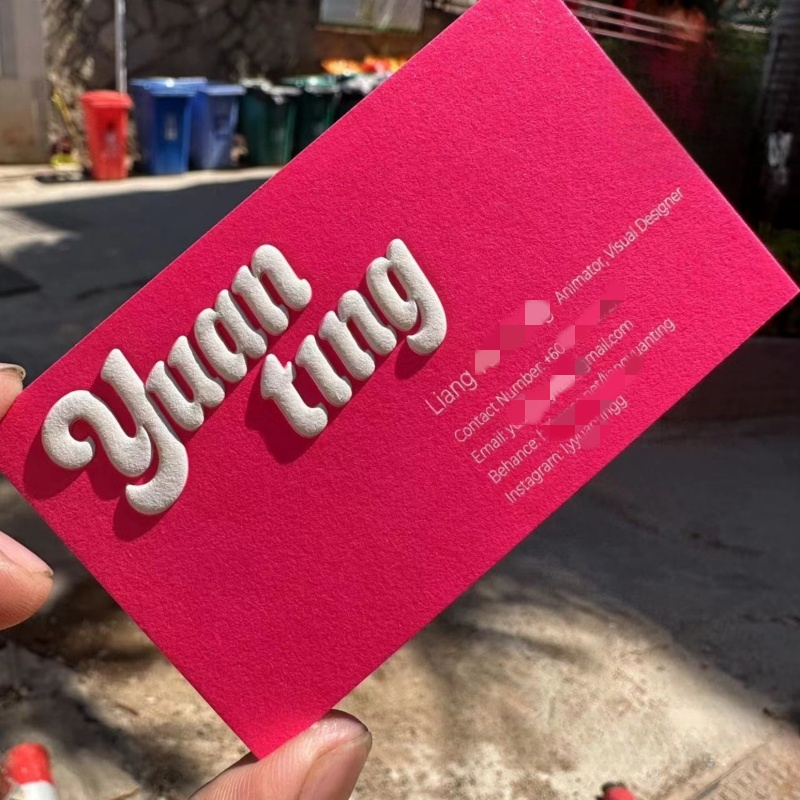
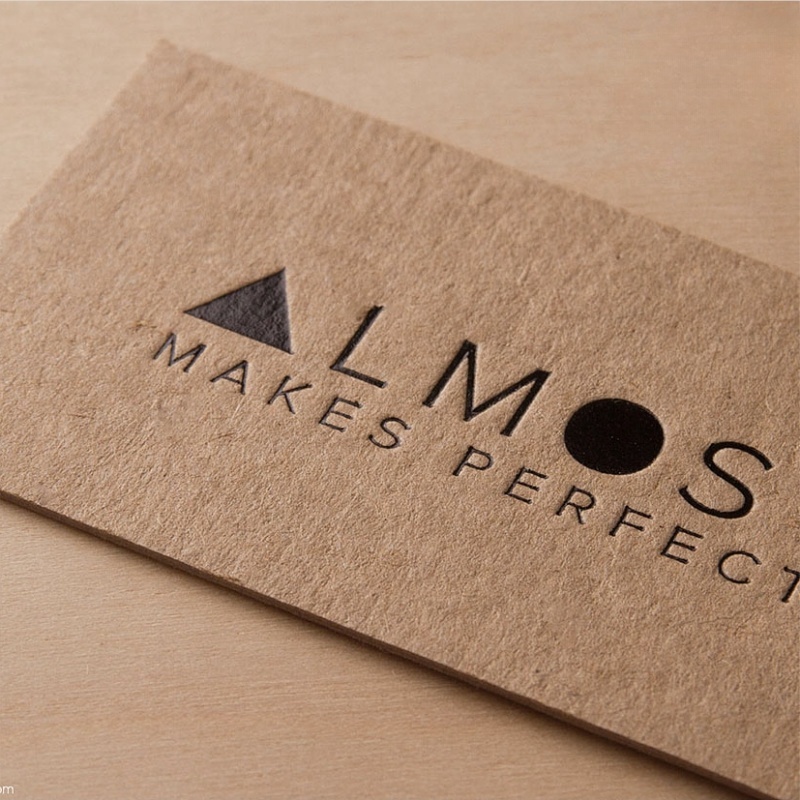
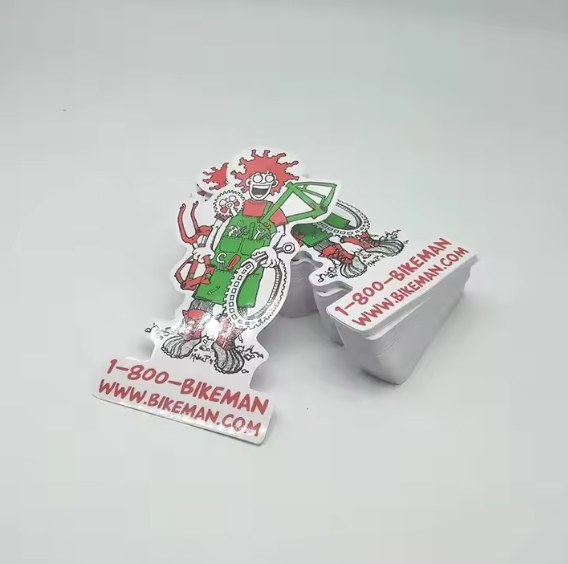
Business cards, thank-you cards, hang tags, and labels use stocks from 300–800 gsm or self-adhesive paper. Letterpress, 3D embossing, die-cut shapes, and waterproof film are common upgrades.
Color and artwork control
Vector AI, PDF, or EPS files in CMYK with 3 mm bleed and outlined fonts are preferred. High-resolution PSD or TIFF at 300 dpi is accepted. Pantone matching can be reviewed on request.
Quality gate before shipment
First-article approval, inline color checks, structural fit checks, and final AQL inspection reduce the risk of receiving boxes that look right in a 3D mockup but fail in packing or presentation.
Information gain: calculate landed cost before comparing unit price
A corporate gift box program should be compared on delivered cost, not FOB price alone. Ask for flat-pack dimensions, export carton quantity, insert assembly method, and whether the box can be shipped collapsed. A collapsible rigid box may cost more per unit but reduce freight, storage, and damage risk enough to improve the total program economics.
How to Shortlist a China Wholesale Corporate Gift Boxes Supplier
Search results for “wholesale corporate gift boxes suppliers” and “China gift box wholesalers” are crowded. The strongest shortlist comes from validating capability, not from comparing headline prices.
Verify the factory, not just the website
Look for third-party onsite verification, a real production address, and evidence of material inspection. TÜV Rheinland onsite verification is a useful trust signal for overseas buyers.
Test design-to-production control
Ask for a dieline and 3D mockup before sampling. A supplier that can explain board thickness, insert fit, and finishing interactions is more likely to protect the design in mass production.
Review repeatability, not one sample
Request color targets, finishing tolerances, and photo reports. A good sample is useful; a documented process that can repeat the sample six months later is more valuable for wholesalers.
Confirm export and reorder support
Clarify flat-pack options, export carton strength, mixed-SKU kitting, and lead times. For corporate gifting, late delivery can erase the value of a well-made box.
Common Questions About Wholesale Corporate Gift Boxes
These answers address the questions most often raised by procurement teams, distributors, and brand owners comparing China wholesale corporate gift boxes suppliers.
What is the minimum order quantity for custom corporate gift boxes?
Most custom mailer boxes, rigid gift boxes, and paper bags start from 100 pieces. Some notebooks start from 50 pieces, while hang tags, flyers, and labels usually start from 200–1,000 pieces depending on size and finishing. For a first corporate gifting test, a 100–500 piece run is often the most practical balance between unit cost and inventory risk.
Can you produce a collapsible rigid box to reduce freight?
Yes. Collapsible magnetic rigid boxes are one of the most important product trends for export gifting because they flat-pack for shipping and open into a structured presentation case. Buyers should confirm assembly method, magnet strength, lid fit, and whether the insert also ships flat.
How do buyers control color and finishing quality remotely?
Approve a physical pre-production sample, define a color target, and request first-article photos plus final AQL inspection photos before shipment. Inline color checks are especially important for deep blacks, brand blues, soft-touch lamination, and metallic foil, where lighting can change perceived color.
What sustainable options are available for corporate gift boxes?
Options include recyclable kraft and corrugated board, paper-based inserts instead of plastic, water-based inks, and plastic-free tear-strip mailer boxes. Buyers should be precise about the claim they plan to make: “recyclable,” “plastic-free,” and “FSC-certified” are different claims and require different evidence.
How long do samples and mass production take?
Typical lead time is 3–7 working days for pre-production samples and 10–20 working days for mass production after sample approval. Complex rigid boxes, hand-assembled inserts, or large book runs may need longer. A written schedule should be confirmed with every order, especially for fixed-date corporate gifting events.
Which artwork file formats do you accept?
Vector AI, PDF, or EPS files in CMYK with 3 mm bleed and outlined fonts are preferred. High-resolution PSD or TIFF files at 300 dpi are also accepted. Pantone colors can be matched on request. For complex gift box programs, include separate layers for artwork, dieline, foil, emboss, and white ink.
Can you support kitting and mixed-SKU corporate gift sets?
Yes. A one-stop packaging supplier can coordinate the gift box, paper bag, thank-you card, label, sticker, and insert. Define the bill of materials, packing sequence, and final export carton before production so that kitting labor and quality checks are priced and scheduled correctly.
Is the factory verified, and can buyers audit the production site?
Fuzhou Buba Printing has been verified onsite by TÜV Rheinland and is listed as a Custom Manufacturer offering design-based, sample-based, and full customization with onsite material inspection. Buyers can request current company profile information, trade capacity details, factory video, and project references before placing a bulk order.
Request a 2026 Corporate Gift Box Sourcing Review
Send your box size, target quantity, artwork status, preferred finishing, and delivery deadline. The team can respond with a structure proposal, dieline guidance, and a free 3D mockup so your next wholesale corporate gift box program starts with evidence rather than guesswork.
Send an InquiryFree 3D mockup and dieline support · MOQs from 100 pcs · TÜV Rheinland onsite-verified manufacturer