Eight Buyer-Ready Packaging Products from the Factory Floor
These eight directions connect the rigid box program with the retail bag, invitation, calendar, business card, greeting card and protective packaging decisions that shape a complete brand experience. Every product link below is preserved from the original range, so buyers can move directly from evaluation to inquiry.
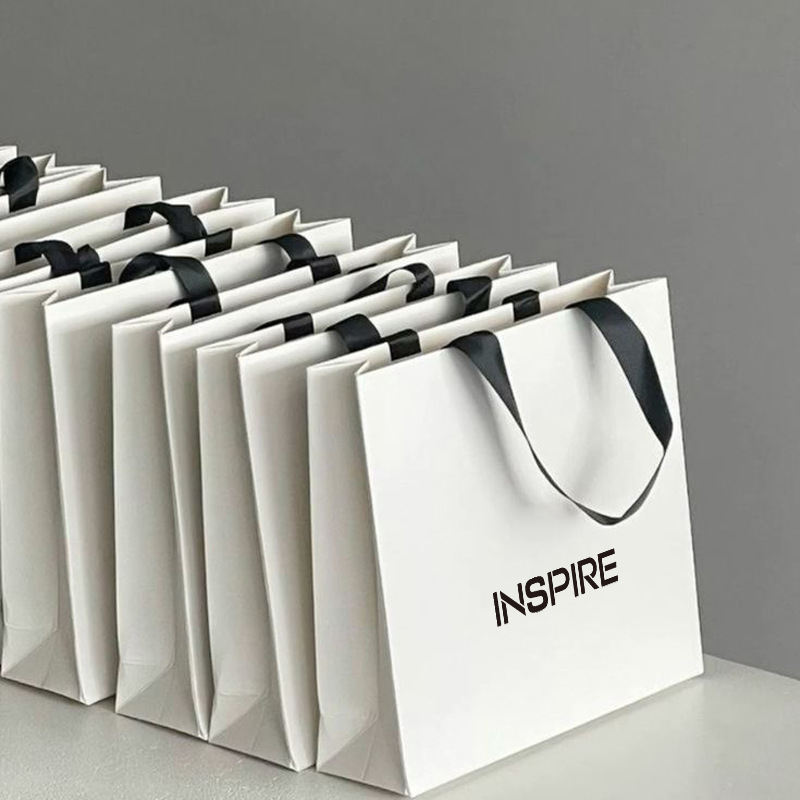
Custom Logo Eco-Friendly Luxury Gift Paper Bag for Jewelry Shoes Necklaces Bracelets and Clothing Packaging
A recyclable retail bag for jewelry, footwear and apparel; pair it with a rigid gift box for a coordinated handover at checkout.
View product →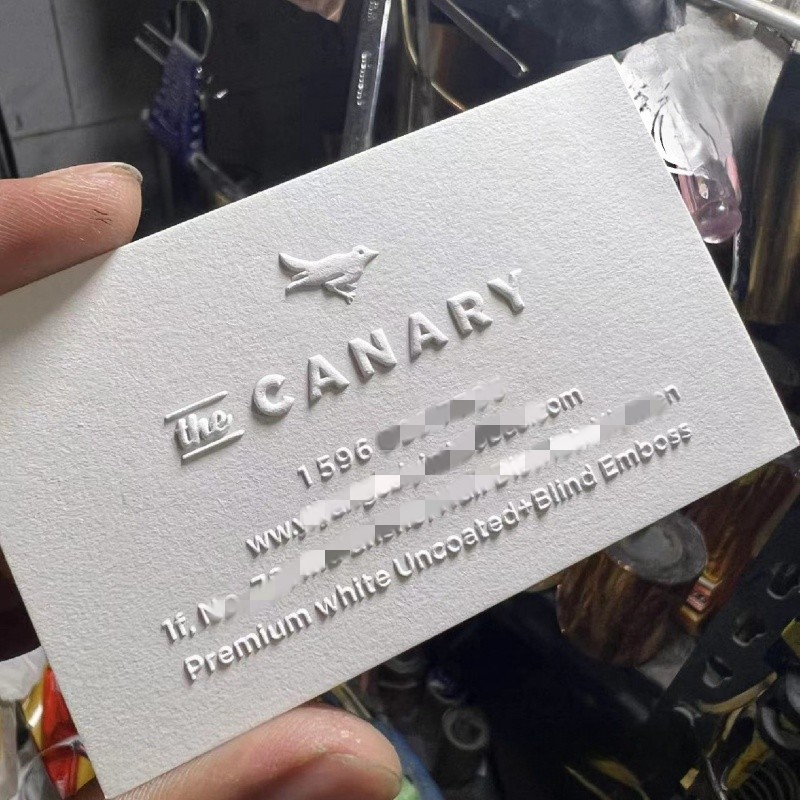
Customized Romantic Brochure Offset Paper Film Lamination Hot Stamping for Wedding Invitation
A print-led invitation piece with film lamination and hot stamping; useful for premium event collateral and brand storytelling.
View product →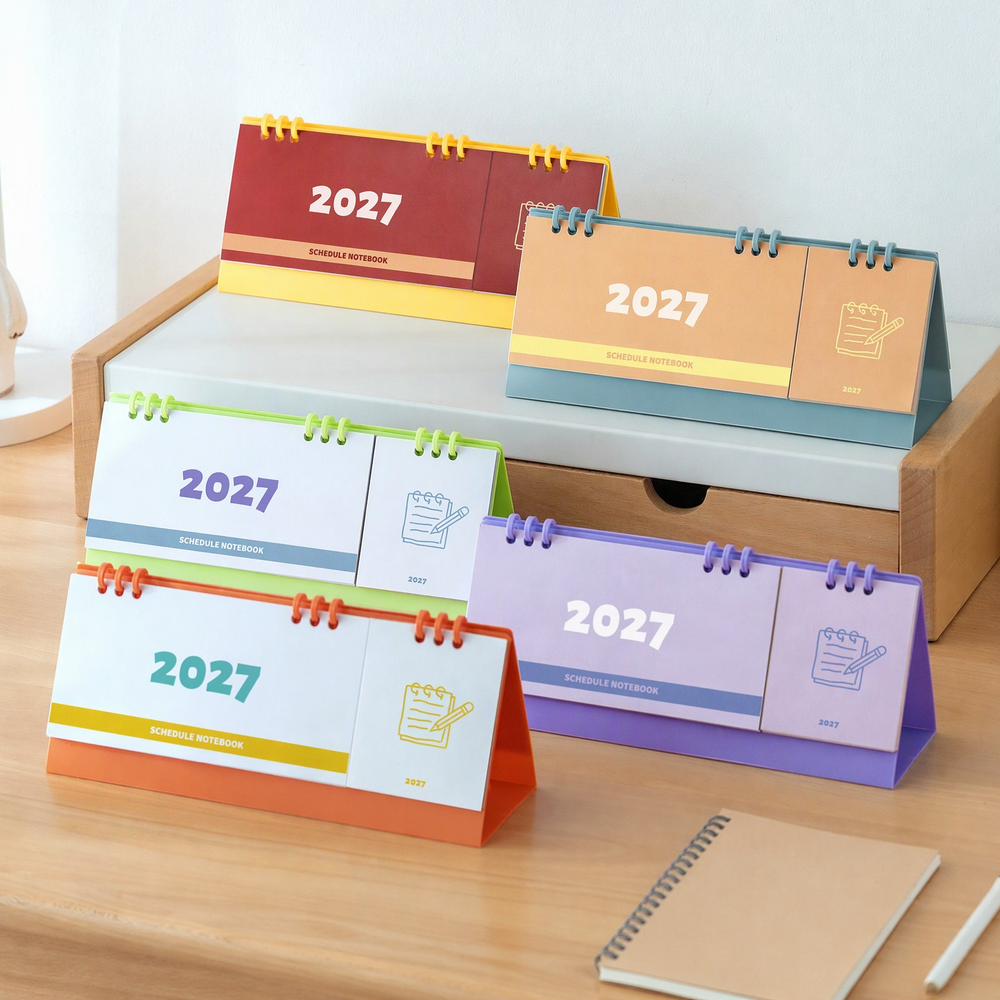
Custom Printing 2027 Art Paper Desktop Calendar Clock Monthly Daily Planner Table Calendar Simple Calendar
A practical corporate gift that can be presented inside a rigid box or paired with a printed greeting card for seasonal campaigns.
View product →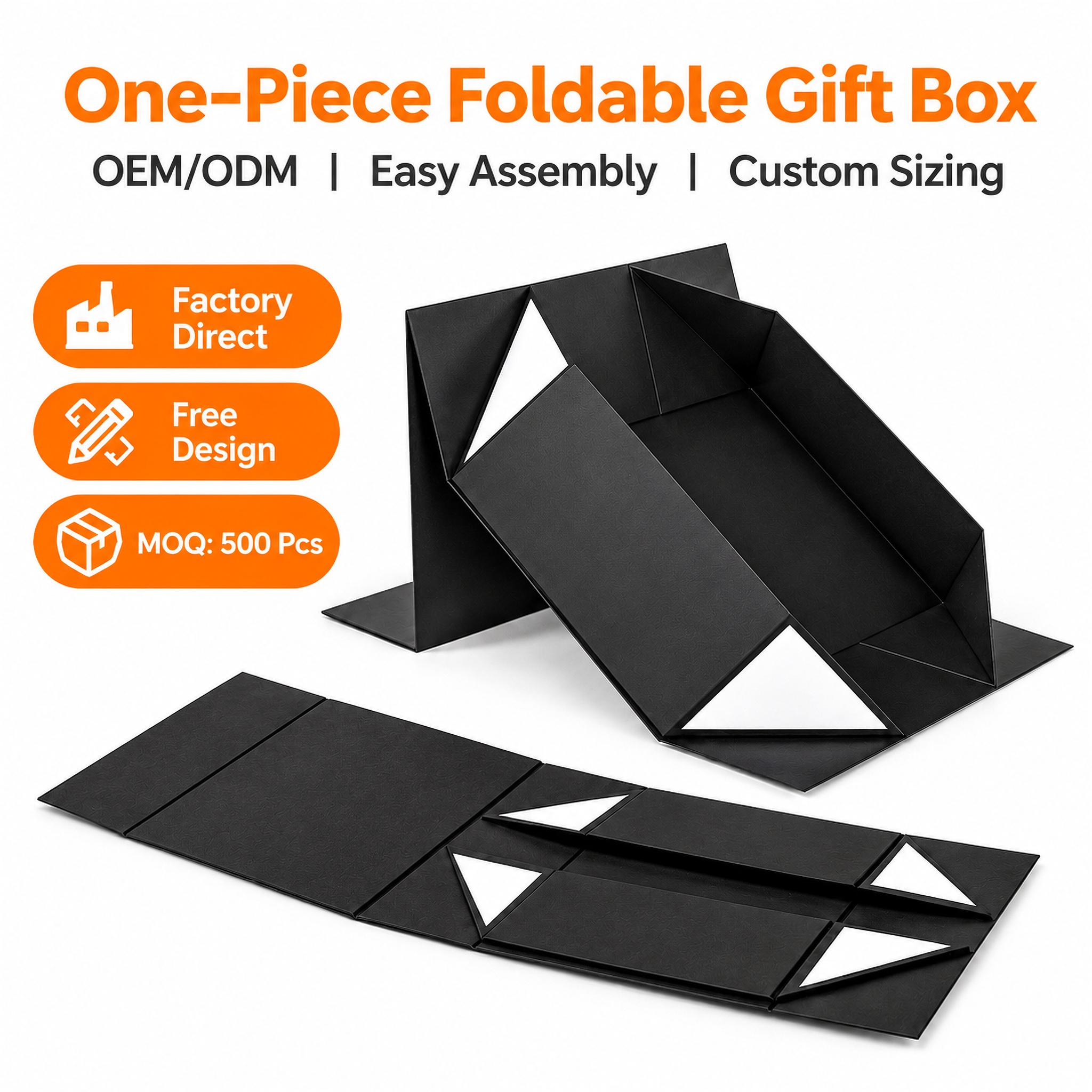
Custom Logo Size Large Small Luxury Folding Hard Rigid Paper Matt Black Collapsible Magnetic Gift Box with Magnetic Closure Lid
The core rigid-box recommendation: a collapsible magnetic closure structure that balances premium presentation, freight efficiency and reuse.
View product →
Wholesale Custom Gold Stamping Business Cards Professional Relief Business Card High Quality Embossed Business Cards
A high-relief card treatment that carries the same tactile language as foil-stamped rigid boxes and premium folded cartons.
View product →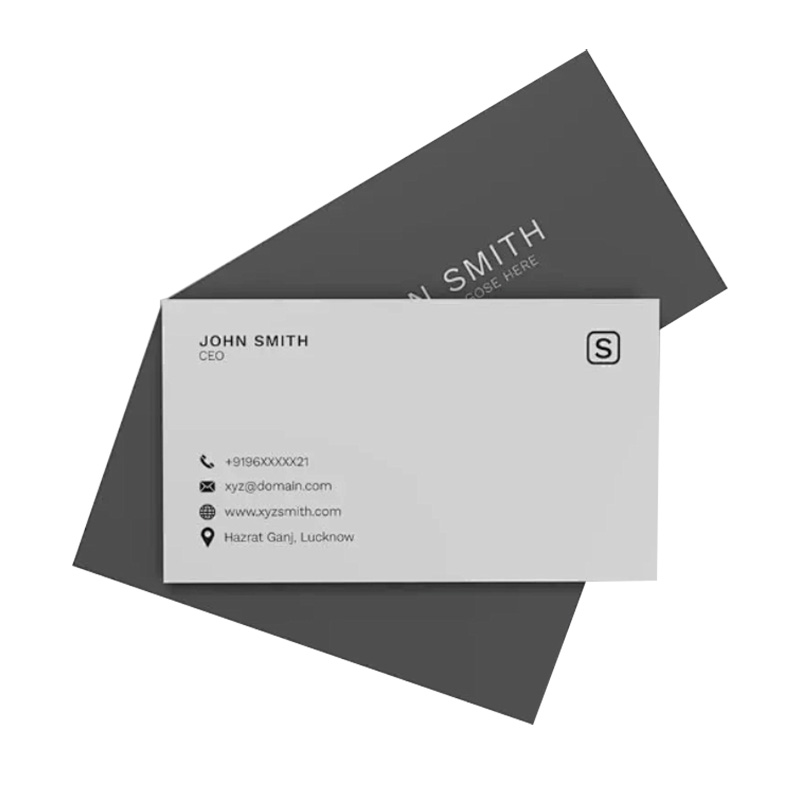
Free Design Customizable Printing PVC Business Card Smooth Multifunctional Greeting Paper Card Offset Paper Cardboard Material
A durable PVC and paper card combination for multifunctional greetings, loyalty inserts and business card sets inside packaging.
View product →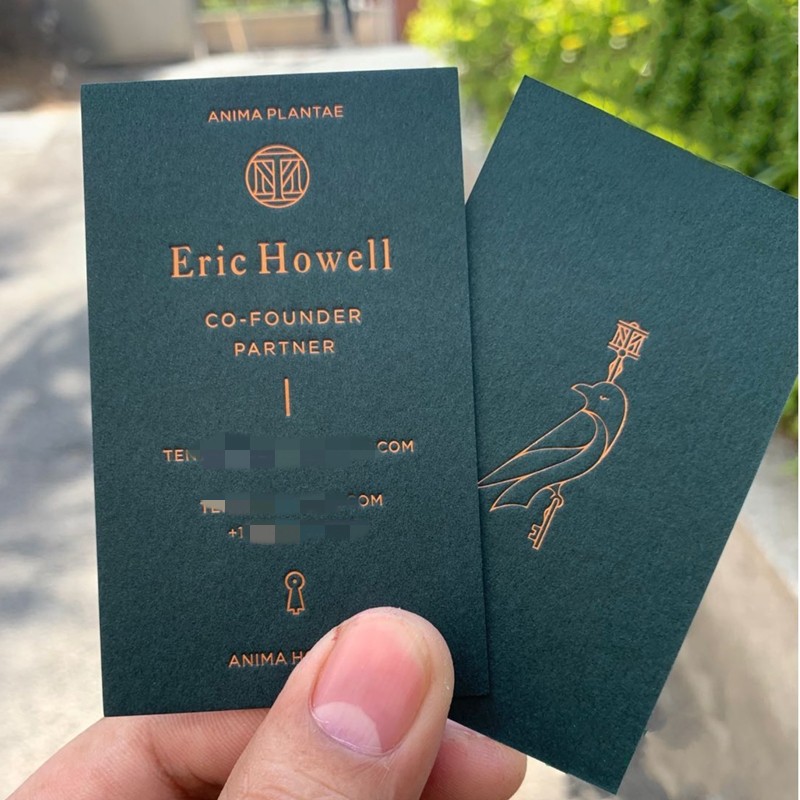
Luxury Custom Kraft Paper Business Card Digital Printing with Foil Edge Perfect Binding for Business Use
A kraft-paper card with foil edge that supports a natural, low-plastic brand story when used with recyclable box wraps.
View product →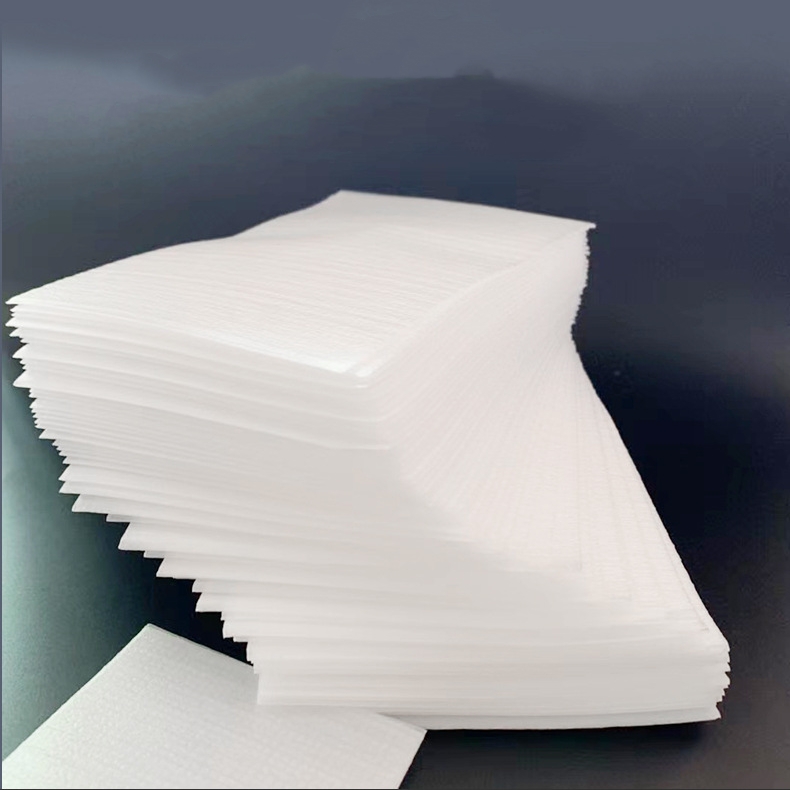
Custom White EPE Polyethylene Foam Pouch Bags Waterproof Shockproof EPS Edge Protector Protective Cushioning Material Packaging
A protective pouch for jewelry, electronics and fragile gifts; specify paper-based inserts where a plastic-free unboxing is required.
View product →Why Rigid Boxes Are a Strategic Packaging Decision
A rigid box is not simply a decorated carton. It is a structural product that protects the item, frames the unboxing moment and communicates whether a brand is premium, responsible and operationally reliable.
For beauty, jewelry, consumer electronics, spirits, apparel, subscription commerce and high-value gifting, the rigid box is often the first physical proof of product quality. Buyers now evaluate a China top rigid boxes manufacturer & factories on far more than a unit price. They examine structural engineering, colour consistency, sample discipline, material traceability, export packing and whether the factory can connect a rigid gift box with the paper bag, card, label and insert program into one coherent retail set.
Fuzhou Buba Printing Co., Ltd. works from this wider perspective. The company has 18 years of paper-printing experience, operates a 2,300 m² production floor in Fuzhou, Fujian, China, and has supported overseas buyers for more than a decade. Its factory has been verified onsite by TÜV Rheinland, is listed as a Custom Manufacturer, and provides design-based, sample-based and full customization with onsite material inspection. These facts matter because they answer the real qualifier behind a search for a rigid box manufacturer: can this supplier verify who they are, explain how the box is engineered, and prove that quality checks happen before shipment?
In practical terms, the strongest rigid box programs are rarely selected on board thickness alone. They are selected on fit, feel, colour control, packing efficiency and the ability to repeat the same result across multiple SKUs and reorders. That is why a factory-direct relationship with documented processes usually outperforms a low-cost trading layer, especially when artwork includes foil stamping, embossing, soft-touch lamination, magnetic closures or custom inserts.
What Makes a Top China Rigid Box Manufacturer?
A premium rigid box can look simple in a photograph and still be difficult to produce consistently. The difference between a solid box and one that arrives with crushed corners, loose wrap paper or misaligned magnets usually sits in engineering discipline and process control.
Structural Engineering & Dielines
A magnetic rigid box may begin with 1,200–2,000 gsm greyboard, be wrapped in art paper or specialty paper, and be finished with foil stamping, embossing, spot UV or a printed insert. Board grade, hinge allowance, magnet recess depth and grain direction should be confirmed before sampling.
Material & Finish Compatibility
Soft-touch lamination, gold foil, blind embossing, window patching and textured wraps behave differently on the same board. A reliable factory tests finish adhesion, crease strength and scuff resistance before committing to mass production.
Quality Gates & AQL Inspection
Incoming material inspection, first-article approval, inline colour checks and final AQL inspection reduce the risk of surprises. Photo and video reports before shipment are especially valuable for overseas buyers placing repeat orders.
Export Packing & Logistics
Rigid boxes can be bulky and vulnerable to corner damage. Flat-packing collapsible structures, export-grade cartons and the right mix of sea, air or express shipping protect the total landed cost as much as the quoted unit price.
A Factory Partner Built Around Verification, Craft and Repeatability
The factory advantage is not a slogan. It is the combination of documented capability, in-house finishing, realistic MOQs, design support and an export mindset that overseas brand teams can act on.
TÜV Rheinland Onsite Verification
Our premises, legal status and production capability have been verified onsite by TÜV Rheinland, an independent inspection body trusted by global buyers. This is a meaningful signal in a market where verification-first sourcing is becoming standard.
18 Years of Paper Printing Craft
Since its early years in paper printing, the team has handled structural design, prepress, offset and digital printing, foil stamping, embossing, lamination, die-cutting and hand assembly in a connected workflow.
Free 3D Mockup & Dieline Support
Our in-house design team provides dielines and a free 3D mockup so buyers can approve structure, artwork position and finishing before paying for a physical pre-production sample.
Low MOQ, Real Factory Pricing
Many custom mailer boxes, rigid gift boxes and paper bags start from 100 pieces. Some notebooks start from 50 pieces, while hang tags, flyers and labels usually start from 200–1,000 pieces depending on size and finishing.
Premium Finishing In-House
Hot foil, blind and 3D embossing, spot UV, soft-touch and holographic lamination, letterpress, window patching and hand assembly are managed under one roof to reduce coordination risk.
Recyclable & Paper-Based Options
We offer recyclable kraft and corrugated board, paper-based inserts instead of plastic, water-based inks on request and plastic-free tear-strip mailer boxes for brands aligning packaging with sustainability claims.
Rigid Box Product Recommendations and Specification Logic
For a premium launch, start with the collapsible magnetic rigid gift box and build the surrounding print and protective packaging around it. This approach keeps the unboxing language consistent while controlling freight and storage costs.
The collapsible magnetic gift box is often the strongest recommendation for e-commerce and retail because it combines a rigid feel with flat-pack shipping efficiency. A typical specification uses 1,200–2,000 gsm greyboard wrapped in art paper or specialty paper, with a magnetic closure lid, a printed inner insert and finishing such as matt lamination, gold foil or embossing. For heavier items, the structural engineer should review board thickness, magnet pull, hinge strength and insert support before artwork is finalised.
Where the product is delicate, pair the rigid box with a custom EPE foam pouch or a paper-based insert. Where the sale is completed in a boutique, coordinate the rigid box with a luxury paper gift bag, a gold-stamped business card and a printed thank-you card. For seasonal campaigns, a desktop calendar or wedding invitation brochure can be inserted into the same presentation system. The point is not to sell more items for the sake of volume; it is to create one coherent, repeatable brand experience across retail, e-commerce and gifting channels.
Buyers should also define the working tolerance for colour, board thickness and finished dimensions. A rigid box is a hand-assembled product with wrapped corners and glued joints; a tolerance that is realistic for a folding carton may not be realistic for a wrapped rigid box. Confirming tolerances in the sample approval stage prevents disputes later, especially when packaging is produced across multiple SKUs or reorders.
| Structure Direction | Core Material | Typical Wrap / Finish | Best Fit | Supplier Checkpoint |
|---|---|---|---|---|
| Magnetic rigid gift box | 1,200–2,000 gsm greyboard | Art paper wrap, matt lamination, foil stamping, embossing, magnet closure | Beauty sets, jewelry, electronics, premium gifting | Magnet recess, lid fit, hinge allowance and corner wrapping |
| Collapsible rigid box | Greyboard with folding scored joints | Printed wrap, ribbon pull, magnetic flap or tuck closure | DTC shipping, market testing, seasonal sets | Flat-pack assembly strength and repeat-folding durability |
| Rigid-look folding box | 300–400 gsm SBS / C1S ivory board | Soft-touch lamination, spot UV, window patch, double-door structure | Retail shelf display, cosmetics, confectionery | Crease quality, panel alignment and print registration |
| Luxury paper gift bag | 120–250 gsm kraft or art paper | Rope or ribbon handle, gold foil, embossed logo, zipper top | Boutique handover, apparel, jewelry, shoes | Handle pull strength, base reinforcement and surface scuff resistance |
| Printed card & insert set | 300–800 gsm cardstock or speciality paper | 3D embossing, letterpress, foil edge, die-cut shapes | Business cards, thank-you cards, care cards, invitations | Ink coverage, foil alignment, crease and edge quality |
| Protective pouch and insert | EPE foam, paperboard or moulded pulp options | Custom-cut cavities, printed paper wrap, water-based adhesive | Jewelry, electronics, fragile gifts, subscription kits | Product fit, drop protection and plastic-free alternative feasibility |
How Rigid Boxes Are Evolving
Rigid packaging is moving toward lighter structures, recyclable material choices, faster version changes and a more measurable role in the customer experience.
Recyclable Rigid-Look Structures
Brands are asking for paper-forward options that keep the premium feel but reduce mixed materials. Recyclable kraft and corrugated board, paper inserts and water-based inks are becoming practical alternatives for selected product tiers.
Hybrid Rigid-Folding Designs
Collapsible and folding rigid structures help online sellers reduce storage and freight costs without giving up the weight and presence of a rigid box. These designs are especially relevant for limited drops and market testing.
Tactile Finishes with Digital Speed
Spot UV, soft-touch lamination, foil stamping and embossing remain in demand, but buyers increasingly want shorter runs and faster version changes. Digital printing and disciplined colour management support that shift.
Data-Rich and Protective Inserts
Rigid boxes are increasingly designed around inserts that hold the product securely, present QR-linked content and create a repeatable unboxing sequence. Protection and communication are now part of the same engineering brief.
What Rigid Box Buyers Will Expect Next
The next round of packaging procurement will reward suppliers who can prove capability, handle smaller and more frequent runs, and connect design decisions to total landed cost.
Low-MOQ, High-Mix Sourcing
Brands want to test several SKUs, colours or market variants without committing to a full container of a single design. MOQs from 100 pieces on many rigid boxes and bags make that experimentation more practical.
Verification-First Supplier Selection
Onsite verification, documented quality management and evidence of material inspection are becoming baseline expectations. A supplier that can show the factory behind the quotation reduces risk before the first deposit.
Total Landed Cost, Not Just Unit Price
Freight volume, packaging weight, carton count, damage rate and reorder lead time all affect the real cost. Flat-packed rigid structures and export-ready cartons can outperform a cheaper quote that ships more air.
Colour Consistency & Multi-Channel Readiness
A box may appear in retail, e-commerce photography, influencer unboxing and gifting campaigns. Buyers need Pantone matching, version control and repeatable finishing so the brand looks consistent across every channel.
A Rigid Box RFP Checklist That Prevents Costly Revisions
A clear brief shortens sampling and protects the production schedule. Include these points in the first inquiry so the supplier can recommend the right structure, material and finishing route.
- Product dimensions, weight and centre of gravity
- Target market, retail channel and shipping method
- Box style: magnetic rigid, collapsible, drawer, lid-and-base or folding
- Board grade range and expected handling condition
- Wrap paper, printed artwork and exact colour references
- Finishing: foil, emboss, spot UV, lamination, window or ribbon
- Insert requirement: paper, EPE, moulded pulp or EVA
- Quantity per SKU and expected annual reorder volume
- Artwork format in AI, PDF or EPS with outlined fonts and bleed
- Sample deadline, delivery date and destination port or door
- Sustainability claim and any plastic-free requirement
- Approval contact for dieline, mockup and first article
From Dieline to Delivery: Six Controlled Steps
A transparent process gives the buyer a sign-off point at every stage, so there are fewer surprises when the finished cartons arrive.
Brief & Dieline
Share product size, weight, artwork and quantity; the team proposes structure, material and finishing options.
Free 3D Mockup
Approve a rendered mockup showing artwork placement, structural proportions and the intended unboxing sequence.
Pre-Production Sample
A physical sample confirms colour, board thickness, fit, magnet strength and finishing before mass production.
Mass Production
Printing, lamination, foil stamping, die-cutting and hand assembly proceed with inline quality checks.
Final Inspection
An AQL check with photos and video is shared before shipment so the buyer can review the result remotely.
Global Shipping
Export-grade cartons and sea, air or express delivery are arranged to match the delivery window and destination.
Evidence Behind the Quotation: Verification, Workshop and Quality Checks
For overseas buyers, trust grows when the supplier can show the factory, the production floor and the inspection process, not just a catalogue page.
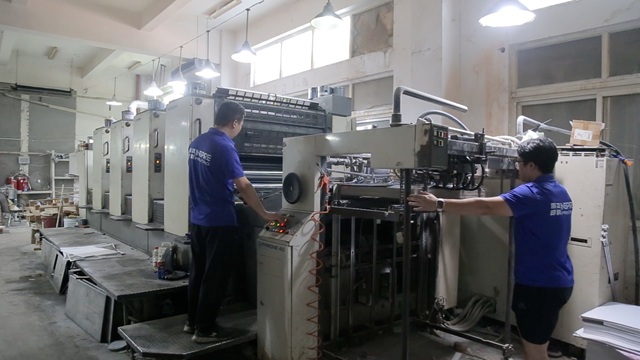
Factory Overview
A 2,300 m² production base in Fuzhou, Fujian, supporting packaging and commercial print projects.

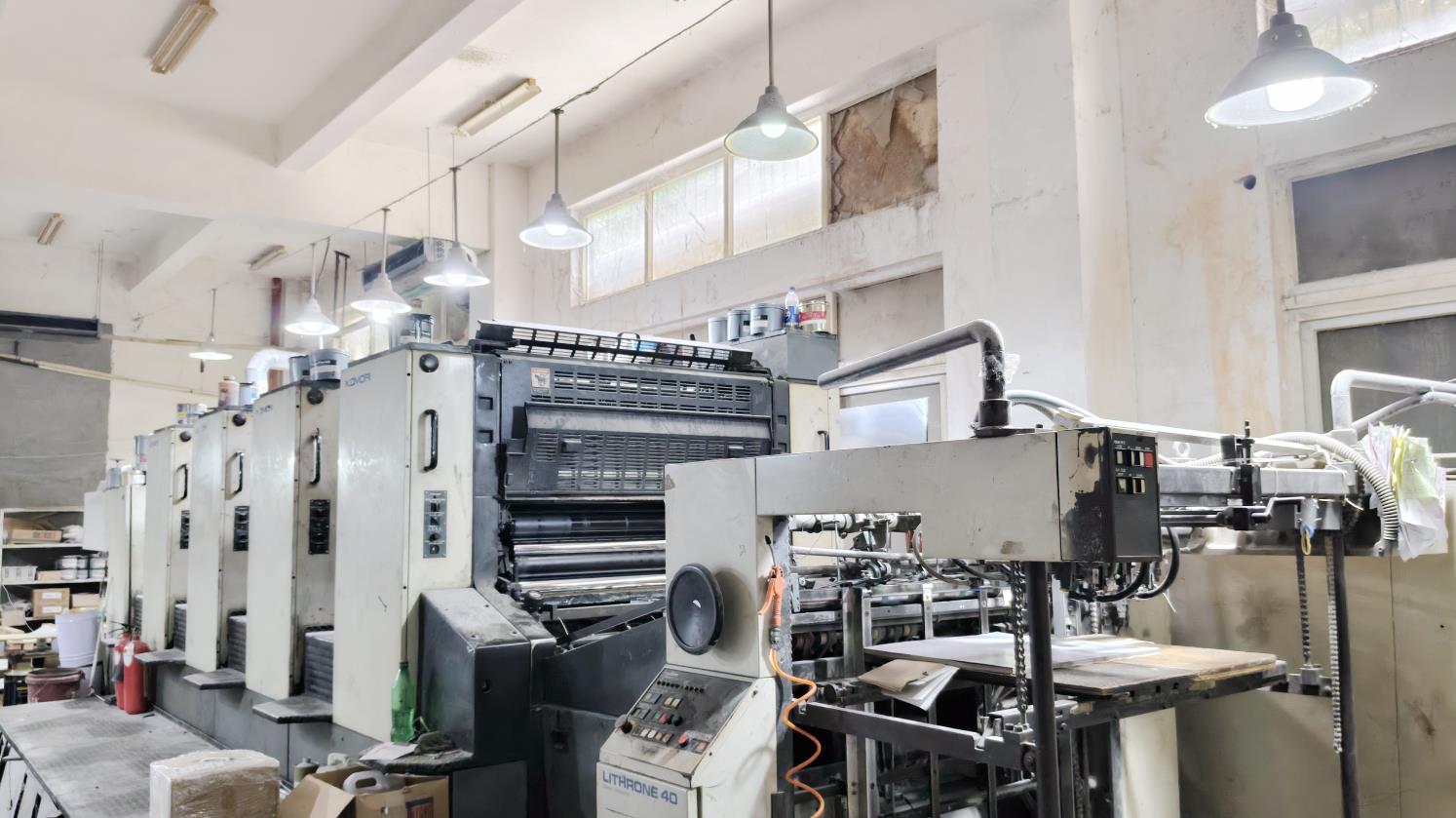
Printing Production Line
Prepress, offset and digital printing are connected to finishing and assembly under one accountable workflow.
Quality Inspection
Incoming materials, first articles, inline colour and final AQL checks are used to control the finished result.
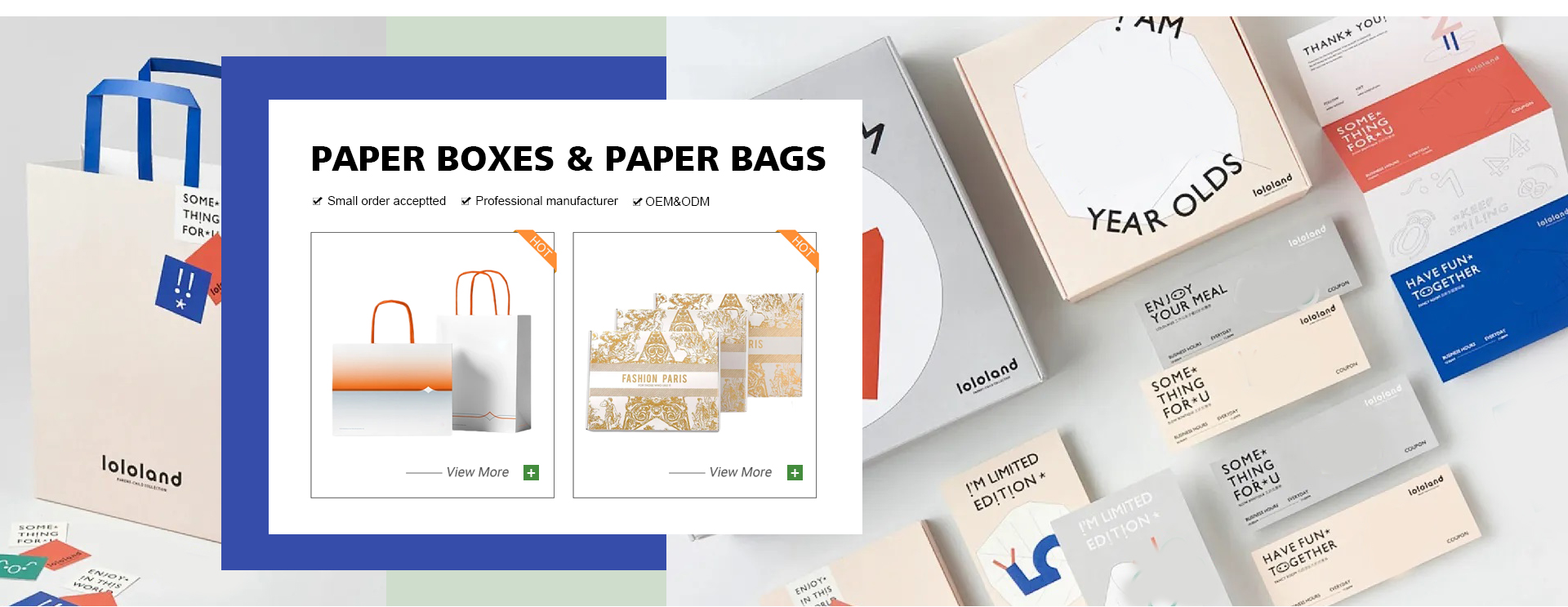
Project Showcase
Finished packaging projects demonstrate how rigid boxes, bags, cards and inserts can work as one branded system.

Independent evidence: TÜV Rheinland onsite verification, quality-management certification, OEM and ODM support, design-based and sample-based customization, and onsite material inspection support a lower-risk sourcing decision.
Rigid Box Sourcing FAQ for Overseas Buyers
These are the practical questions that decide whether a rigid box program moves from sample approval to repeat production.
What is the minimum order quantity for custom rigid boxes and packaging?
Most custom mailer boxes, rigid gift boxes and paper bags start from 100 pieces. Some notebooks start from 50 pieces, while hang tags, flyers and labels usually start from 200–1,000 pieces depending on size and finishing. For a first market test, ask for the lowest practical quantity at the chosen board grade and finishing level, and confirm whether a small trial can be produced without compromising the final bulk price.
Do you offer free design support and 3D mockups?
Yes. Our in-house design team provides dielines and a free 3D mockup so you can approve structure, artwork position and finishing before any sample is produced. This is especially useful for magnetic rigid boxes, collapsible boxes and multi-piece sets where the relationship between the outer box, insert and product must be seen as one design.
How long do samples and mass production take?
Typical lead time is 3–7 working days for pre-production samples and 10–20 working days for mass production after sample approval. Complex rigid boxes or large book runs may need longer; we confirm the schedule in writing with every order. The earlier the artwork, dieline and finishing approvals are completed, the more predictable the delivery date becomes.
Which artwork file formats do you accept?
We prefer vector AI, PDF or EPS files in CMYK with 3 mm bleed and outlined fonts. High-resolution PSD or TIFF files at 300 dpi are also accepted. Pantone colours can be matched on request. For repeat orders, keep the approved dieline, colour reference and finishing notes with the original artwork to avoid version drift.
Can you make eco-friendly or recyclable packaging?
Yes. We offer recyclable kraft and corrugated board, paper-based inserts instead of plastic, water-based inks on request and plastic-free tear-strip mailer boxes. Sustainability should be defined at the specification stage, because a paper-forward structure, a magnetic closure or a laminated wrap can change the recycling pathway. Tell us the claim you need to support and we will recommend a practical material combination.
Is your factory verified by a third party?
Yes. Our factory has been verified onsite by TÜV Rheinland and is listed as a Custom Manufacturer offering design-based, sample-based and full customization with onsite material inspection. This verification is valuable when a procurement team needs an independent checkpoint before approving a new supplier.
How do I choose between a rigid box and a folding carton?
Choose a rigid box when the product needs a premium hand-feel, a magnetic closure, a substantial lid, a protected presentation or a reusable keepsake format. Choose a folding carton when retail shelf space, low unit cost, flat shipping and high-volume efficiency are the primary drivers. Many brands use both: a folding carton for standard retail units and a rigid box for gift sets, limited editions and direct-to-consumer hero SKUs.
Why are collapsible magnetic boxes popular for e-commerce?
Collapsible magnetic boxes ship flat and assemble at the point of use, which reduces storage and freight volume while preserving a rigid-style unboxing experience. They are especially useful for subscription kits, seasonal gifting and brands testing multiple designs. The key checkpoints are the folding tolerance, lid fit, magnet strength and the durability of the assembly after repeated opening and closing.
Can you match a previous rigid box or Pantone reference?
Yes, as long as the reference is clear. Provide the Pantone code, a physical sample or colour target, the chosen material and finish, and the lighting condition under which the colour will be evaluated. Soft-touch lamination, foil and uncoated paper all alter perceived colour, so approval should be based on a physical sample rather than a screen rendering.
How do I request a quotation and free mockup?
Send the product dimensions, quantity, artwork status, preferred structure, destination country and required delivery date. Our team can reply with a structure proposal, material recommendation, indicative lead time and free 3D mockup route. Use the inquiry button below to start the conversation without leaving this page.
Ready to Brief Your Next Rigid Box Project?
Send your product size, target quantity, artwork status and finishing requirements. The team can come back with a structure proposal, a free 3D mockup route and a factory-direct quotation.