China Top Holographic Boxes Factories & Wholesalers
A factory-verified sourcing guide to custom holographic boxes, rainbow film packaging, hot-foil cartons, anti-counterfeit finishing, free 3D mockups, low-MOQ production, and export-ready quality control from China.
Eight Custom Packaging & Specialty Print Products for Holographic Finishing
These eight proven products show how holographic foil, laser film, registered transfer, soft-touch lamination, embossed logos, and anti-counterfeit print can be applied across boxes, cards, mailers, invitations, and collector items. Confirm stock, material, MOQ, dieline, and export packing before sample approval.
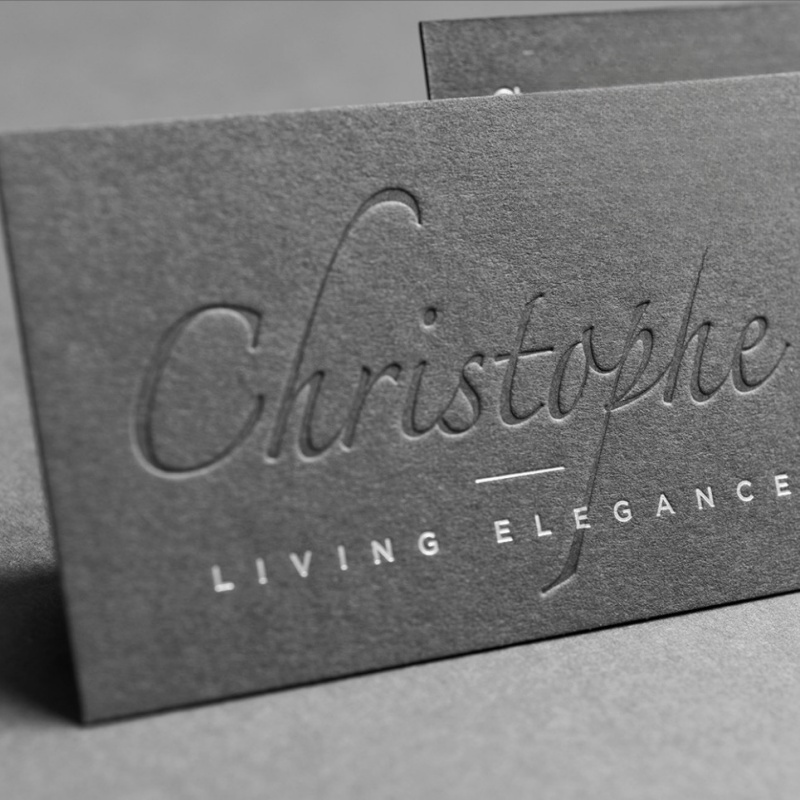
Custom Wholesale Custom Printing Service for Thick Business Cards Luxury Centurion Card Business Cards With Logo
Heavyweight premium cards for luxury brand touchpoints. Holographic foil, micro-embossing, edge painting, and registered rainbow accents can be quoted for high-impact identity kits.
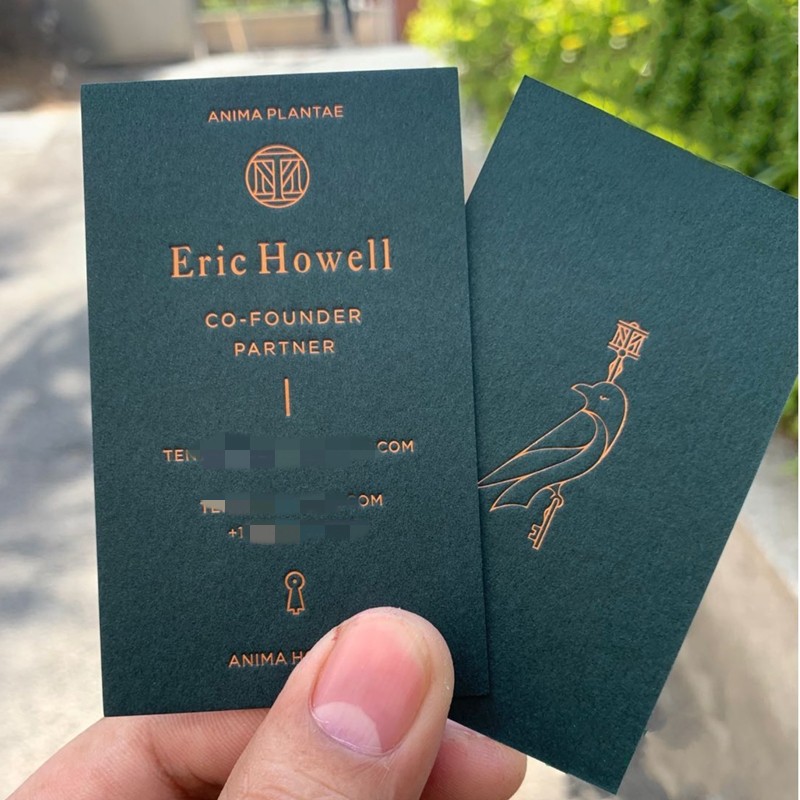
Luxury Custom Kraft Paper Business Card Digital Printing with Foil Edge Perfect Binding for Business Use
Natural kraft texture with a refined foil edge. A practical choice for boutique hospitality, organic beauty, and sustainable brand collateral with subtle metallic highlights.
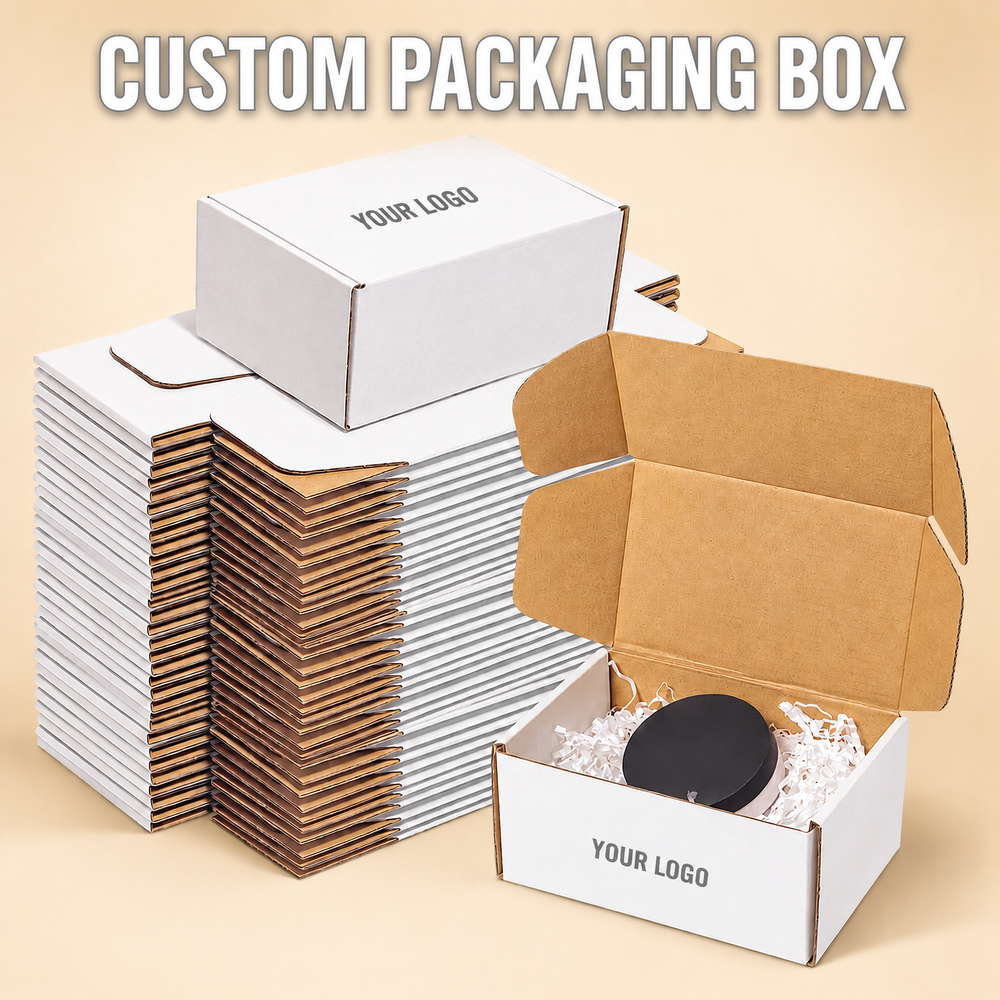
White Shipping Boxes 6x4x3 60 Pack Corrugated Cardboard Box Mailer
E-commerce mailer format for secure delivery. Pair the box with holographic security labels, QR authentication stickers, or printed insert cards for an unboxing upgrade.
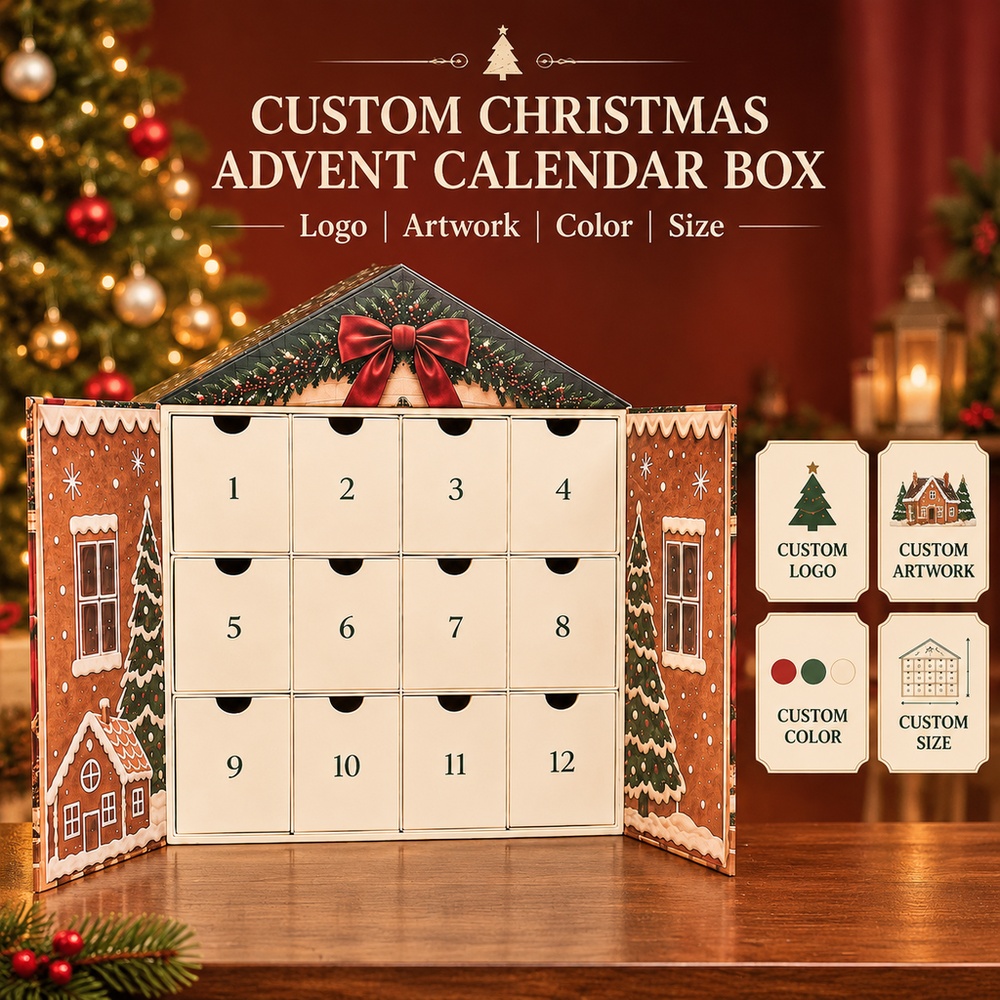
Custom Christmas Advent Calendar Paper Boxes House Shaped 12 Drawer Gift Packaging with Logo for Wholesale Mystery Box
Seasonal drawer-box structure for limited editions and branded advent calendars. Holographic windows, numbered foil labels, and drawer inserts create collectible appeal.
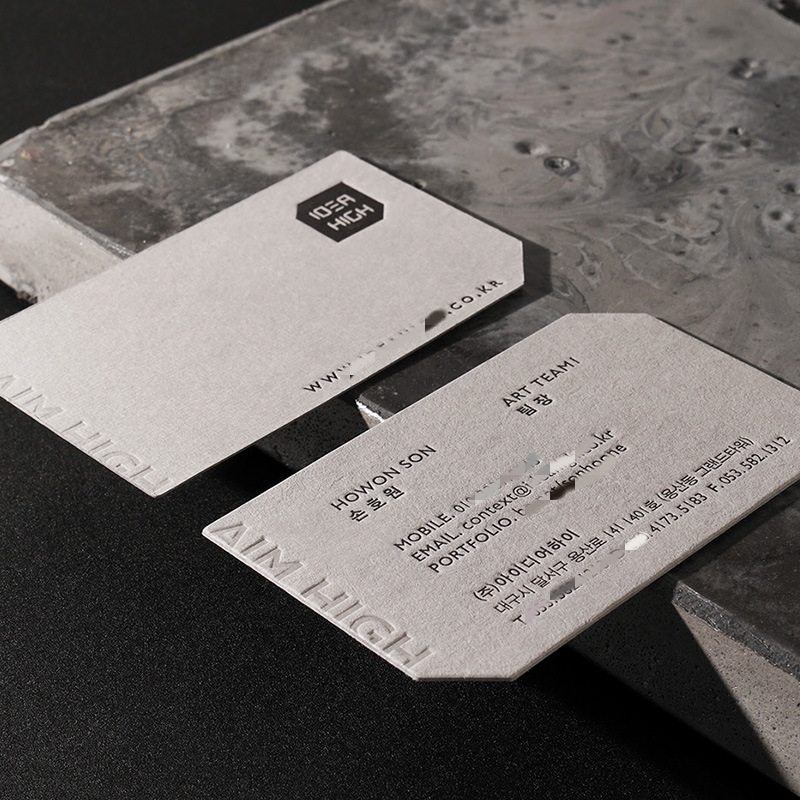
Wholesale New Materials 3d Embossed Business Cards Cotton Paper Three-Dimensional Embossed Custom Card
Deep 3D embossing on cotton paper gives a tactile luxury signal. Combine blind emboss with spot holographic transfer or fine foil lines for a dimensional brand mark.
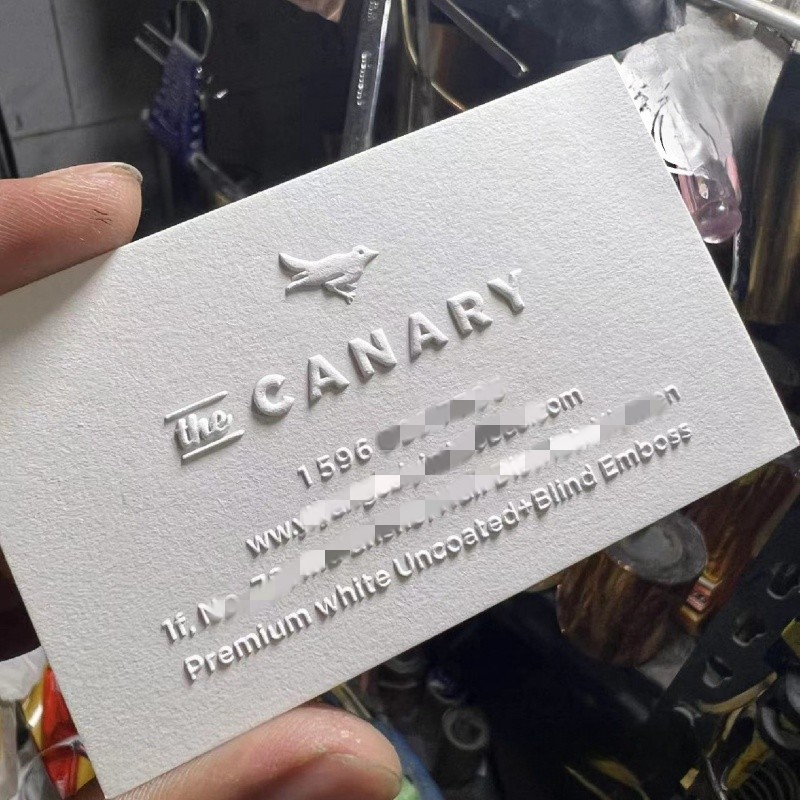
Customized Romantic Brochure Offset Paper Film Lamination Hot Stamping for Wedding Invitation
Romantic invitation and brochure printing with film lamination and hot stamping. Soft-touch matte lamination plus holographic foil can lift premium event and retail mailers.
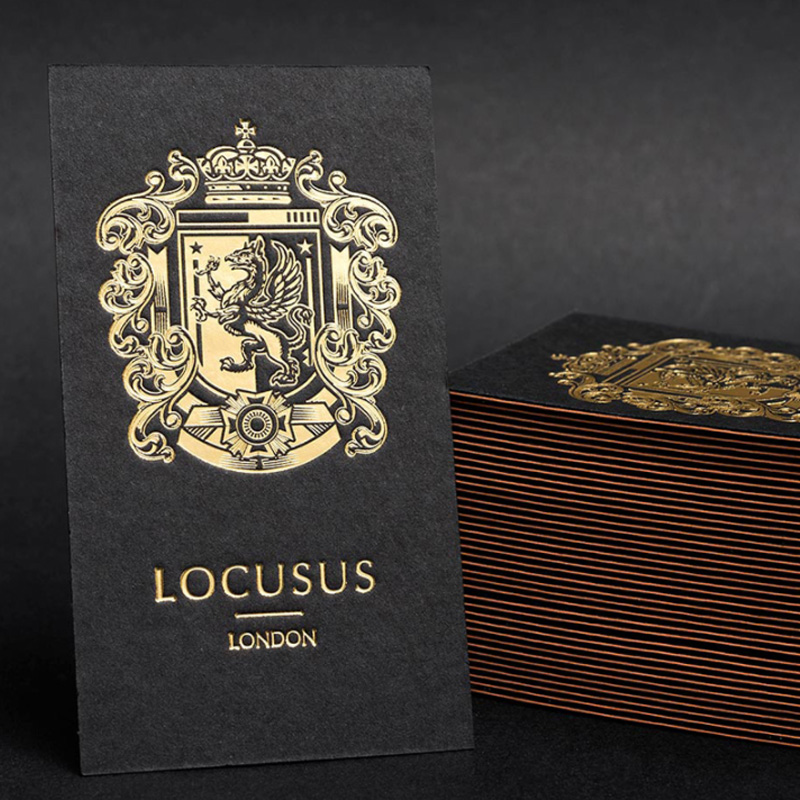
Luxury Hot Stamping Business Card Imported Black Card Thickened High-End Luxury Design Made High Quality Offset Paper Cardboard
High-contrast black cardstock with luxury hot stamping. Ideal for premium service brands, hospitality groups, and packaging inserts that need a striking metallic accent.
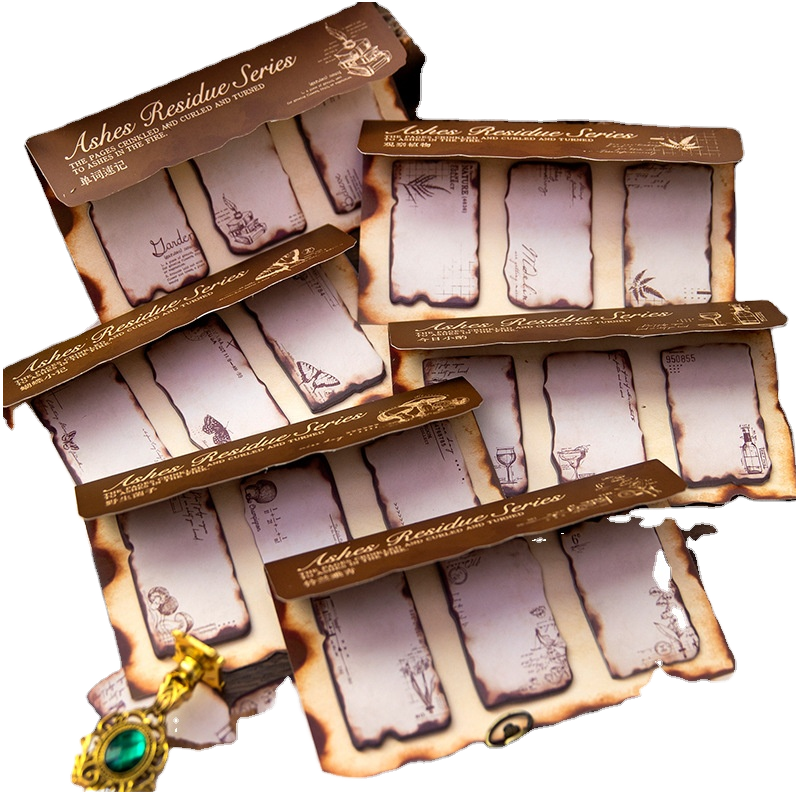
60pcs/pack Loose Leaf Ashes Aftermath Series Retro Burnt Handbook Decoration Stickers for Memo Pads
Collector-friendly decorative sticker packs for stationery and journaling. Holographic kiss-cut labels, rainbow foil numbers, and serialized packaging can boost retail appeal.
What Makes a China Holographic Box Factory “Top”?
There is no official league table for China’s top holographic boxes factories and wholesalers. “Top” becomes meaningful only when it maps to verifiable capability: structure engineering, film and foil sourcing, color control, hand assembly, export documentation, and transparent communication.
Holographic packaging has moved from trading-card novelty into a serious procurement category. Beauty brands use rainbow film to signal innovation; supplement companies use registered holographic transfer for anti-counterfeit trust; electronics and collectible brands use laser effects for limited editions; streetwear and spirits buyers use foil blocking for premium gifting. For procurement teams, the challenge is not finding a supplier that claims “holographic” capability. The challenge is separating a factory that can control the effect across a full production run from a wholesaler that simply forwards samples and subcontracts the difficult stages.
A direct manufacturer usually controls printing, lamination, foil stamping, die-cutting, gluing, and hand assembly under one roof. That matters because holographic effects magnify minor errors in dieline placement, foil tension, lamination adhesion, ink laydown, and scuff resistance. A trading wholesaler can be useful for stock designs, small mixed orders, and fast market tests, but the buyer should ask who owns production, who approves the golden sample, and who signs the final inspection report. For custom holographic boxes, process visibility is part of product quality.
Use an evidence ladder before comparing quotations
Start with the business licence and factory address, then verify production capability through onsite verification, video, or third-party audit evidence. Ask for production-intent samples made from the same board, film, ink, and foil you intend to approve. Check whether the supplier can provide TÜV Rheinland onsite verification, ISO-style quality management evidence, material declarations, and export packing photos. A credible factory will put board weight, foil code, color target, surface finish, dimensional tolerance, AQL level, and packing standard in writing. That written standard becomes the foundation of the purchase order, not an afterthought.
- Technical fit: Can the factory recommend rigid greyboard, folding carton, or corrugated mailer construction based on product weight and shipping method?
- Finishing control: Does it handle hot foil, cold foil, registered holographic transfer, laser film lamination, embossing, soft-touch lamination, and spot UV in-house?
- Quality evidence: Are incoming material checks, first-article approval, inline color checks, and final AQL inspection documented with photos or video?
- Export readiness: Are cartons flat-packed where possible, palletized correctly, and supplied with commercial documents for sea, air, or express delivery?
For buyers using semantic search to shortlist suppliers, the most useful query is not simply “holographic box supplier.” More precise intent phrases include custom holographic rigid gift box manufacturer, rainbow film folding carton factory China, low MOQ holographic packaging with free 3D mockup, and TÜV verified paper box supplier. These phrases surface suppliers with clearer capability signals and reduce the risk of comparing a factory quotation against a reseller quotation that excludes tooling, export packing, or the true finishing standard.
Factory, Wholesaler, or Trading Company: How to Compare China Holographic Box Suppliers
Each supplier model has a valid role. The mistake is assuming that a low unit price includes the same specification, quality ownership, and delivery risk.
Direct holographic box factory
Best for custom dielines, registered holographic logos, rigid gift boxes, corrugated mailers, and complex hand assembly. Advantages include process control, engineering feedback, and fewer specification gaps. Ask for the production line responsible for lamination and foil stamping, not only a sales office address.
Converter or specialty finisher
Useful for holographic film lamination, foil blocking, or premium finishing on supplied printed sheets. This model can be strong for niche effects, but the buyer must confirm who controls printing, material sourcing, and final quality if multiple vendors are involved.
Trading wholesaler
Helpful for stock boxes, mixed-product orders, and buyers who need one contact for many packaging categories. The wholesaler should disclose the manufacturing source, provide the golden sample, and take written responsibility for the quality standard and claim response.
What the Next Generation of Holographic Packaging Looks Like
Holographic effects are becoming more controlled, more secure, and more compatible with sustainability commitments. The strongest suppliers will offer options, not one stock film.
Registered holographic transfer
Instead of covering the whole box, brands use holographic color shift only on a logo, pattern, or authentication element. Registered transfer improves brand clarity and reduces excess film use while creating a premium focal point.
Hybrid tactile luxury
Soft-touch matte lamination, blind embossing, micro-texture, and small-area holographic foil are being combined in one pack. The contrast between matte paper and reflective foil creates a tactile premium signal that photographs well on social commerce.
Anti-counterfeit and serialization
Holographic labels, registered foil marks, QR codes, and variable serial numbers are becoming part of packaging design. Buyers should specify the verification method and data policy before print, because authentication features can affect artwork placement and finishing sequence.
Paper-based and recyclable effects
Not all holographic films are equal from a recyclability perspective. Buyers are asking for transfer metallized paper, paper-based laminates, mono-material construction, water-based inks, and plastic-free inserts. Always test recyclability claims against the destination market’s accepted standard.
Digital short runs and versioning
Digital print makes it easier to test multiple SKUs, limited editions, and regional artwork versions before committing to large offset runs. This supports influencer drops, subscription boxes, and seasonal campaigns with shorter inventory cycles.
Connected packaging
QR codes, NFC tags, and AR prompts are moving from novelty to retention tools. A holographic box can carry a serialized QR code for authentication, reorder prompts, loyalty content, or recycling instructions without sacrificing the luxury look.
Holographic Box Purchasing Trends for 2025–2030
Procurement teams are shifting from “lowest unit price” to “lowest total risk.” The winning suppliers will make verification, sampling, compliance, and delivery visibility easier.
Verified direct sourcing
Buyers are using third-party onsite verification, video factory tours, and production traceability to reduce supplier risk. A TÜV Rheinland onsite-verified custom manufacturer with in-house finishing can shorten the approval chain.
Low-MOQ market testing
Brands want to test a holographic design in 100–500 pcs before scaling. Factories that support low MOQs, free 3D mockups, and fast dieline feedback will win more first orders and reorder volume.
Total landed cost evaluation
Unit price is only one line. Freight efficiency, carton size, flat-packing, rejection rate, rework cost, and tariff handling all affect landed cost. Experienced exporters design packaging that ships efficiently without compromising presentation.
Compliance before purchase order
Food-contact, cosmetic, toy, and electronics packaging may require specific material declarations, ink systems, and recyclability documentation. Buyers are asking for evidence earlier, not after the shipment is on the water.
Faster sampling and digital approval
Free 3D mockups, dielines, and high-resolution photo approvals reduce the number of physical samples. A well-structured supplier can confirm structure, artwork position, and material choice before producing the pre-production sample.
Supply resilience planning
Brands are asking for alternative film options, backup material sources, and realistic lead times. A supplier that confirms schedules in writing and communicates material substitutions before production is safer than one promising unrealistic speed.
Why Buyers Shortlist Fuzhou Buba Printing Co., Ltd.
A verified custom manufacturer with in-house design, printing, premium finishing, quality control, and export experience — not a marketplace listing with an anonymous production chain.
 TÜV Rheinland onsite-verified
One accountable factory for holographic boxes and premium print
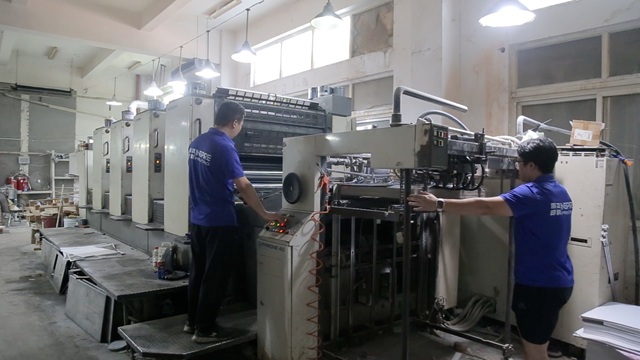
Fuzhou Buba Printing Co., Ltd. is a TÜV Rheinland onsite-verified custom manufacturer based in Fuzhou, Fujian, China. With 18 years of paper-printing experience and more than 10 years of export expertise, Buba produces mailer boxes, rigid gift boxes, folding cartons, paper bags, labels, cards, notebooks, catalogs, flyers, and books under one roof.
For holographic packaging projects, this means structural design, prepress, offset and digital printing, hot foil, embossing, lamination, die-cutting, gluing, and hand assembly can be coordinated as one production chain. Buyers receive a dieline and free 3D mockup before sampling, then a pre-production sample to confirm color, fit, and finishing before mass production.
- TÜV Rheinland onsite-verified manufacturer
- 18 years in paper printing and packaging
- 2,300 m² production floor in Fuzhou
- 10+ years of export experience
- MOQs from 100 pcs on many custom items
- Free dieline and 3D mockup support
- OEM and ODM customization
- Incoming material inspection and AQL checks
- Hot foil, embossing, soft-touch, holographic lamination
- Recyclable kraft, corrugated board, paper inserts
- Export-grade cartons and flat-packing options
- Written lead-time confirmation with every order
Free structure and 3D mockup
In-house designers build the dieline and a 3D render so buyers can approve fit, artwork position, and finishing before paying for physical samples.
Low MOQ, real factory pricing
Start with 50–100 pcs on many items to test a market, then scale to bulk production without changing suppliers or rebuilding the specification.
Premium finishing in-house
Hot foil, blind and 3D embossing, spot UV, soft-touch lamination, holographic lamination, letterpress, window patching, and hand assembly.
Verified quality control
Incoming material checks, first-article approval, inline color checks, and final AQL inspection with photo reports before shipment.
Eco-friendly material options
Recyclable kraft and corrugated board, paper-based inserts instead of plastic, water-based inks, and plastic-free tear-strip mailer options.
Export-ready logistics
Export-grade cartons, flat-packing to reduce freight, and coordination for sea, air, or express shipping to global buyers.
Practical Specs for Custom Holographic Boxes
Use this table as a briefing framework. Final material grade, foil code, color target, and lead time must be confirmed in writing and on an approved sample.
| Decision Area | Recommended Starting Point | Why It Matters |
|---|---|---|
| Box structure | Rigid greyboard 1,200–2,000 gsm for luxury gift sets; E-flute or B-flute corrugated for e-commerce; 300–400 gsm folding carton for retail shelves. | Structure controls product protection, unboxing experience, freight volume, and how crisp the holographic panel appears after folding. |
| Holographic finish | Registered transfer for logos; hot foil for small focal areas; cold foil for fine detail; laser film lamination for full coverage; embossed holographic logo for tactile security. | Each process has different tooling, registration tolerance, scuff resistance, and recyclability implications. Ask for the film or foil code before approval. |
| Artwork files | Vector AI, PDF, or EPS in CMYK with 3 mm bleed, outlined fonts, and 300 dpi images; Pantone references for brand colors; separate spot-white and foil layers. | Clean artwork reduces prepress delays and prevents registration errors on holographic logos, small text, and window areas. |
| Durability checks | Tape-adhesion test, dry rub, scuff test, 60°C/80% RH conditioning, dimensional check, and D65 lighting color review against the golden sample. | Holographic surfaces can show fingerprints, scuffs, or adhesion failure under shipping stress. Define acceptance before mass production. |
| MOQ and lead time | Common custom MOQ from 100–500 pcs; specialty holographic film or complex hand assembly may increase MOQ. Samples typically 3–7 working days; bulk 10–20 working days after approval, with complex rigid boxes requiring longer. | Stock material availability, foil tooling, and hand assembly capacity influence both price and schedule. Confirm the production slot in writing. |
| Quality plan | Golden sample signature, first-article approval, inline color checks, final AQL inspection, photo/video report, and export carton verification. | A documented quality plan reduces disputes and gives the buyer evidence before the balance payment or shipment release. |
Information gain tip: for holographic packaging, request a “reference pack” containing the board, film, foil, printed color patch, and finished sample. Keep this pack with the purchase order so future reorders can be matched against a physical standard, not memory or screen color.
Frequently Asked Questions About China Holographic Box Factories & Wholesalers
Practical answers for brand owners, importers, e-commerce teams, and distributors comparing Chinese packaging suppliers.
Are China’s top holographic box factories the same as wholesalers?
What is a realistic MOQ for custom holographic boxes?
Can holographic boxes be recyclable or eco-friendly?
How do I approve a holographic effect before mass production?
Which artwork files do you need for holographic packaging?
How long do samples and mass production take?
Do you provide free 3D mockups and structural design support?
How is quality controlled for custom holographic boxes?
Request Holographic Box Samples, Dielines, and a Free 3D Mockup
Send your box style, internal dimensions, product weight, artwork status, target quantity, destination country, and required holographic finish. The Buba team will reply with a structure proposal, material recommendation, and quotation path.
info@bubapack.com · Fuzhou Buba Printing Co., Ltd. · Fujian, China