China Top Book Style Boxes Suppliers & Wholesalers
A buyer-focused guide to book-shaped rigid gift boxes, magnetic closure packaging, eco mailer boxes, and one-stop custom print from an 18-year paper packaging factory.
8 Book Style and Custom Packaging Products for Wholesale Buyers
These eight products are not disconnected catalog items. They represent the structures, materials, printing, and finishing combinations overseas brands most often request when they compare China book style boxes suppliers and wholesalers. Every item can be customized by size, board grade, wrap paper, insert, logo, and export packing. Product URLs are preserved so buyers can move from research to specification without losing context.
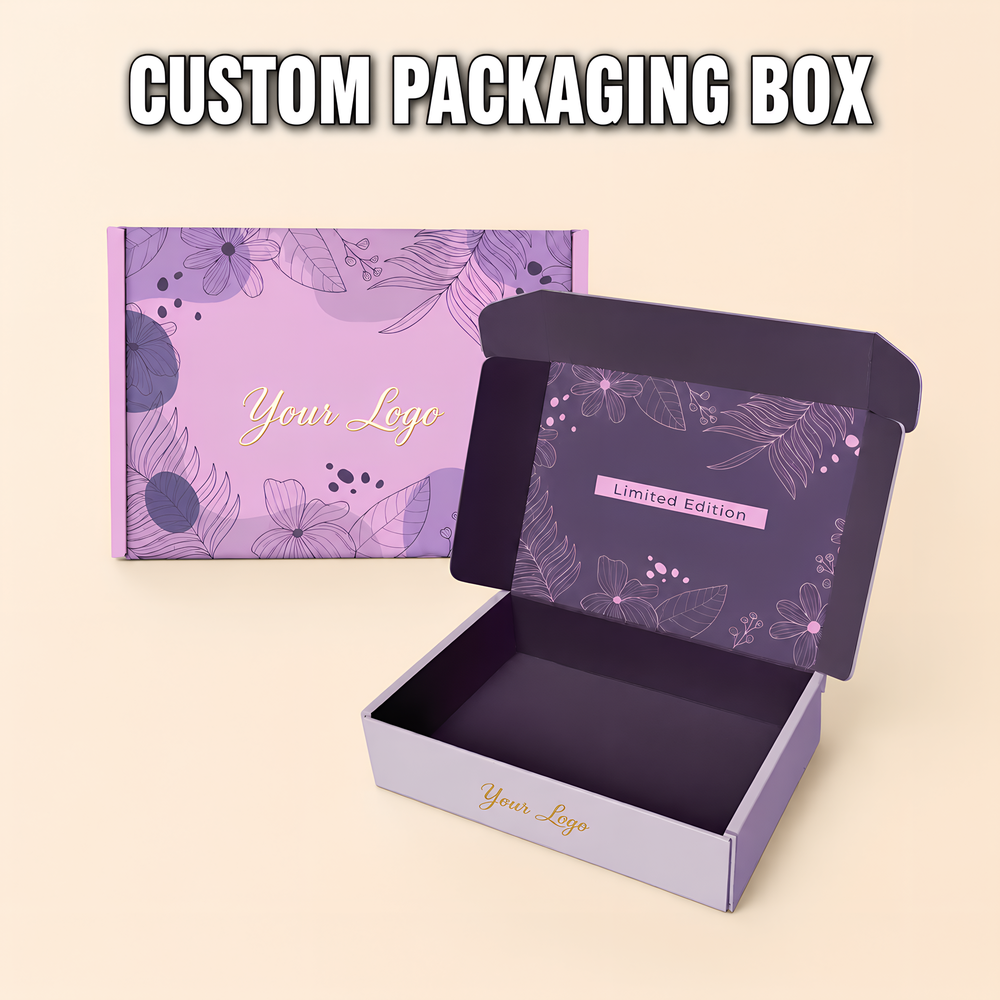
Wholesale Customizable Shipping Eco Friendly Custom Gift Packaging Paper Cardboard Boxes Subscription Logo Printed Mailer Box
A recyclable mailer format for subscription kits and e-commerce sets; print inside and out, add a tear strip or paper insert.
View product →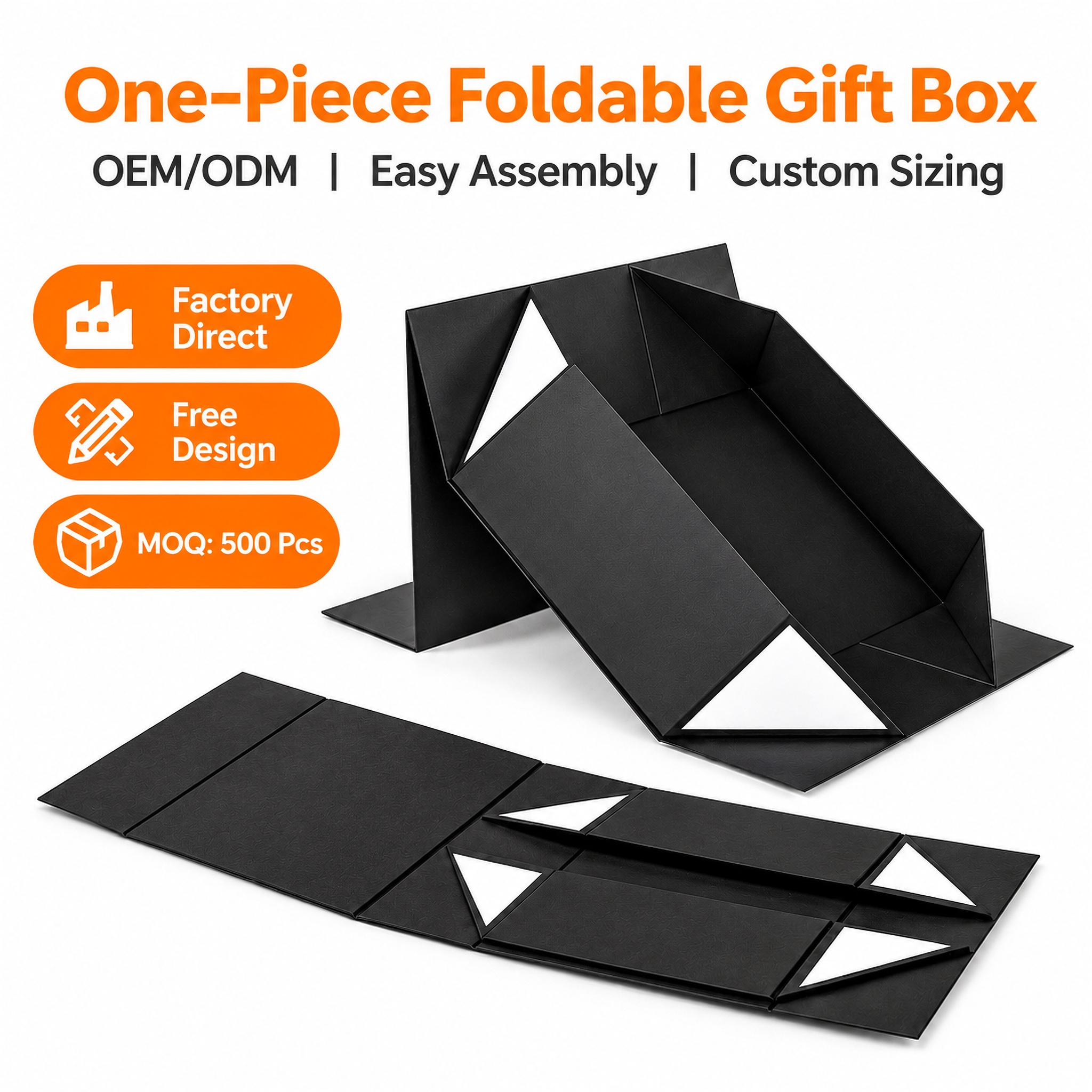
Custom Logo Size Large Small Luxury Folding Hard Rigid Paper Matt Black Collapsible Magnetic Gift Box with Magnetic Closure Lid
The core book-style reference: rigid greyboard, matt black wrap, collapsible magnetic closure, and a clean spine for logo placement.
View product →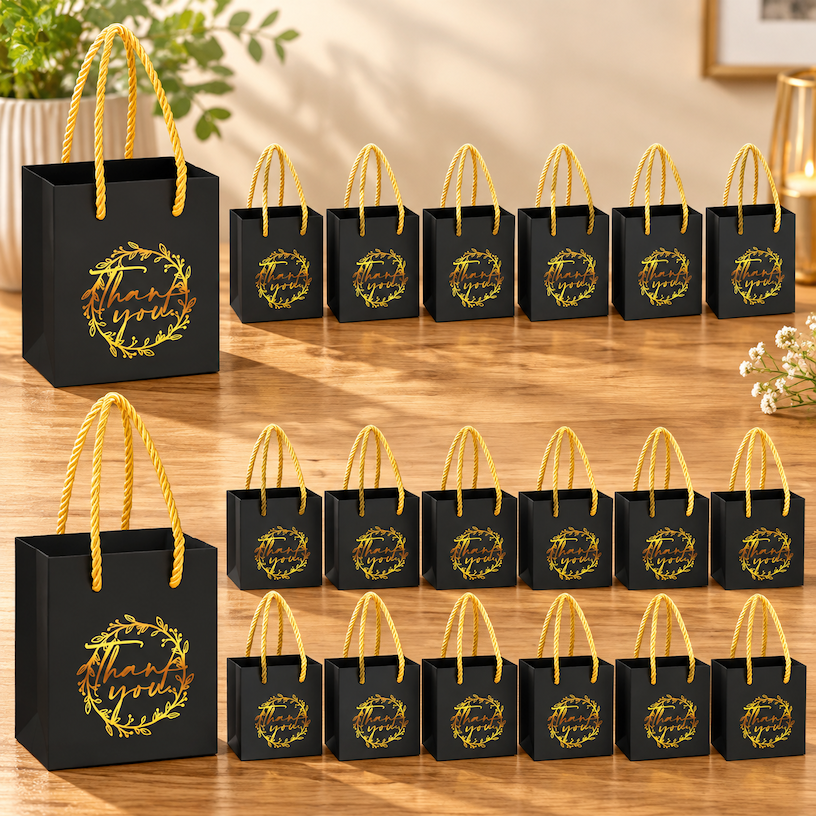
Custom Printed Black Kraft Paper Gift Bags for Clothing Perfume Thank You Gift
A kraft retail bag for apparel, perfume, and thank-you sets; pair it with a book box for a coordinated unboxing system.
View product →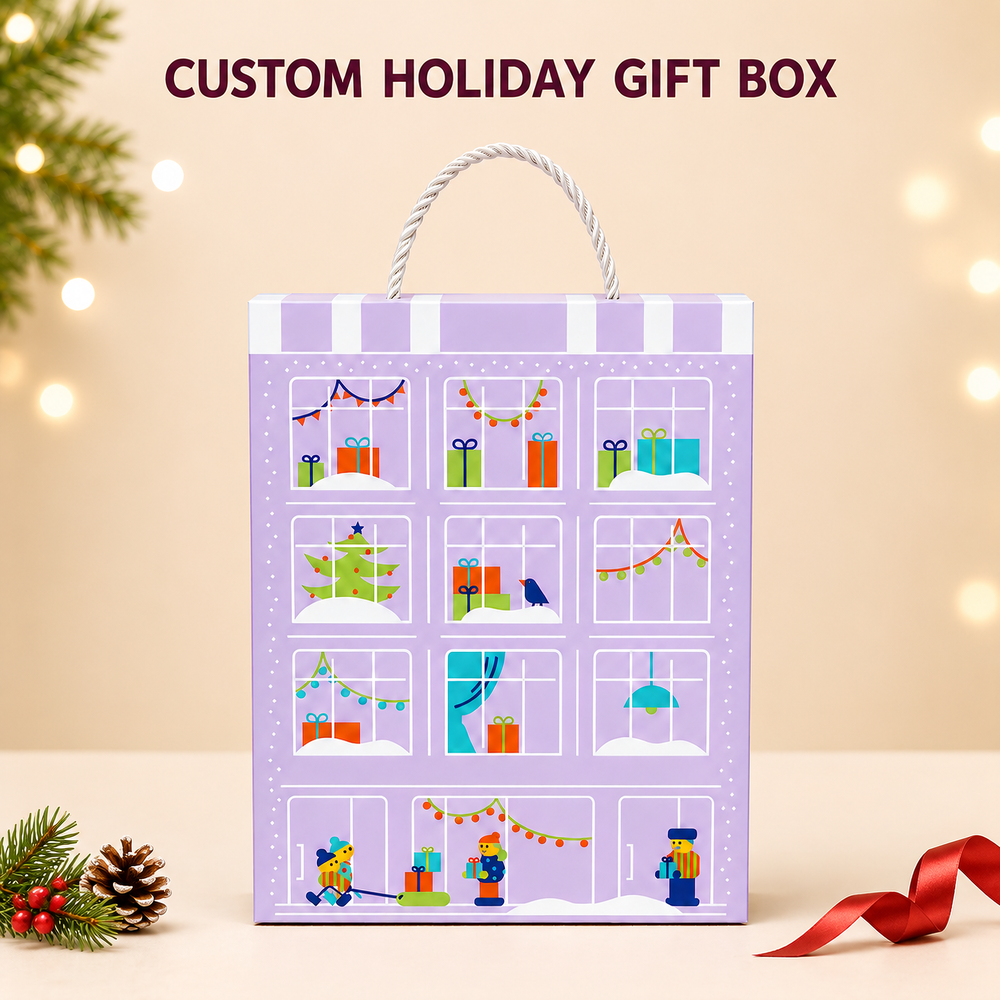
Custom Paper Boxes Rigid Gift Box with Drawers Rope Handle Custom Logo Packaging for Wholesale Bulk Orders Holiday Mystery Box
A rigid drawer box for holiday mystery boxes and premium sets; rope handle, custom logo, and bulk-order-friendly construction.
View product →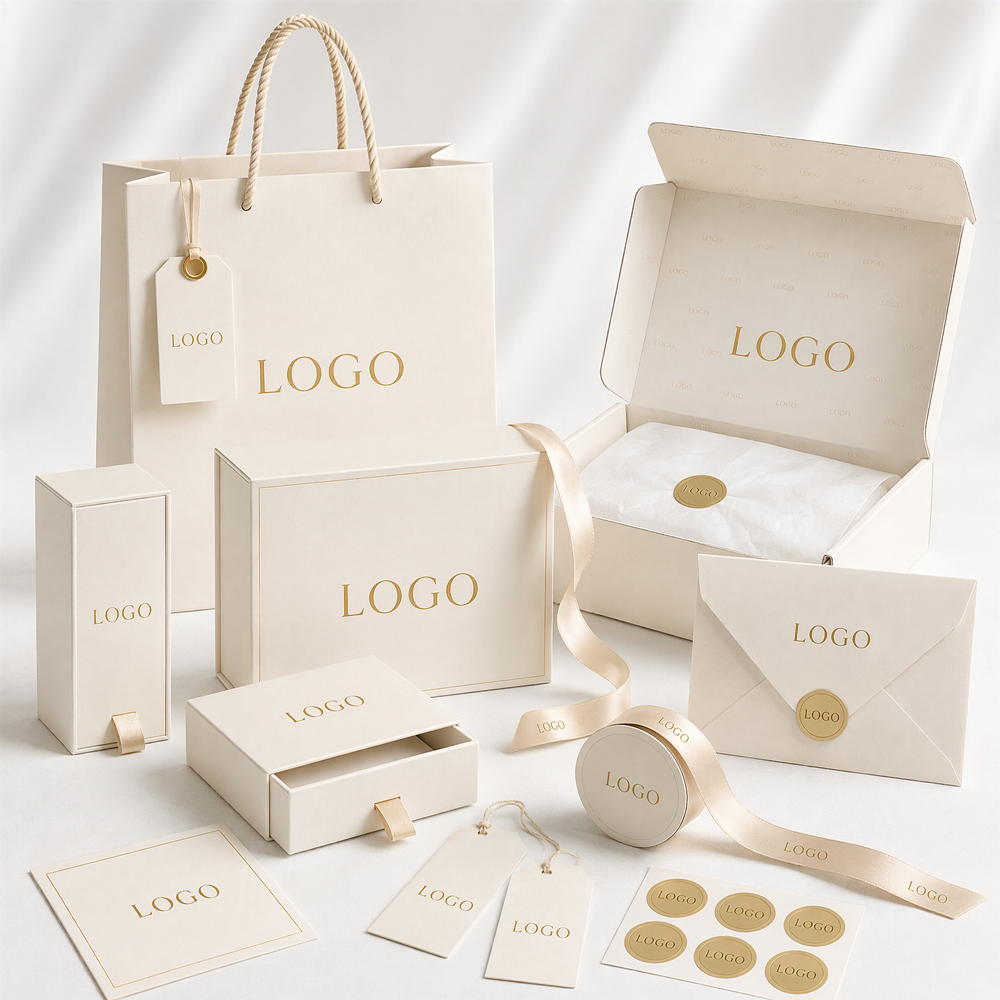
Paper Boxes Packaging Gift Set Packaging Bulk Sustainable Recyclable Luxury Packaging for Retail Stores Events and Holiday Gifts
A recyclable luxury gift-set pack for retail events and seasonal launches; use mono-material paper fitments to reduce plastic.
View product →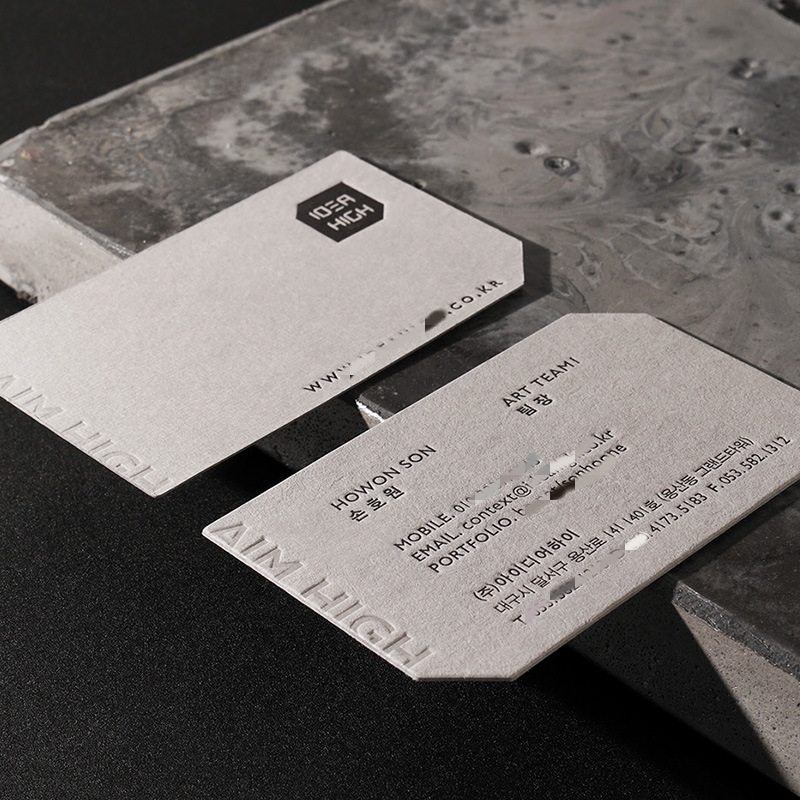
Wholesale New Materials 3d Embossed Business Cards Cotton Paper Three-Dimensional Embossed Custom Card
A 3D embossed cotton-paper card that turns a business card into a tactile brand object; ideal for fashion, hospitality, and luxury retail.
View product →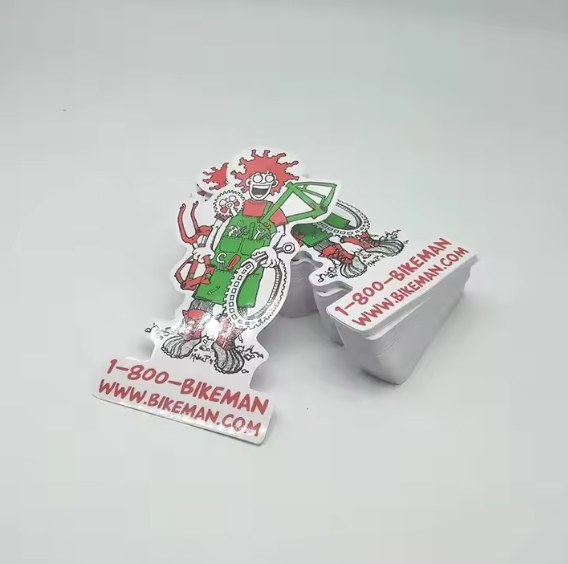
Custom 3D Colorful Self-Adhesive Planner Stickers Waterproof Art Paper and Cardboard Kiss Cut Label Stickers
Waterproof kiss-cut planner stickers with colorful 3D art; useful for subscription boxes, stationery brands, and retail add-ons.
View product →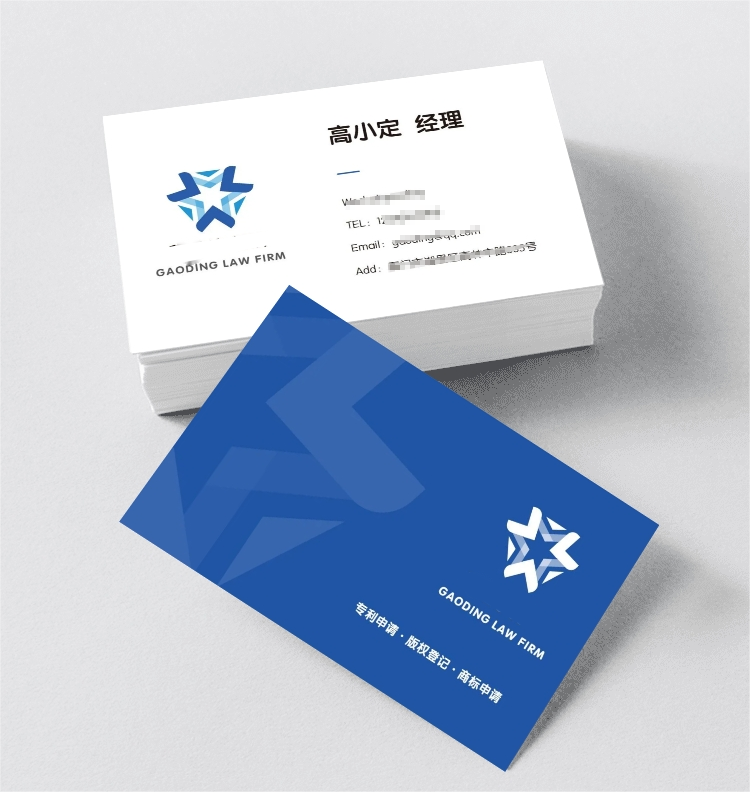
Wholesale Customizable Soft Cover Business Card with Perfect Logo Printing Service Cardboard Brochure Design Offset Paper
A soft-cover business card and brochure print option for lookbooks, care guides, and sales sheets inserted into book-style boxes.
View product →Need a dieline, board-weight recommendation, or a free 3D mockup before you shortlist suppliers? Use our catalog request to start a structured quotation.
Get CatalogWhat Are Book Style Boxes, and Why Are They a High-Value Packaging Category?
For wholesale buyers, the search for book style boxes suppliers is a commercial investigation, not a casual image search. The right supplier must prove structure, material, MOQ, export packing, and quality control before a deposit is paid.
In the language of packaging buyers, a book style box is a rigid paper box built to open like a hardcover book. The front cover, spine, and back cover are wrapped in printed or specialty paper; a controlled hinge allows the lid to swing open; and a hidden magnet or ribbon closure keeps the box closed during transit. Unlike a folding carton, which is die-cut from a single sheet and shipped flat as one piece, a book style box is usually built from greyboard and then wrapped, assembled, and fitted with an insert. That distinction matters because it changes tooling, sample lead time, MOQ, strength, and the unboxing experience.
Search intent behind queries such as China Top Book Style Boxes Suppliers & Wholesalers is commercial investigation. Buyers are not only looking for a pretty photo. They want to compare factories that can supply a repeatable structure, quote a realistic board grade, match brand colors, protect corners during export, and scale from a 100-piece test run to a bulk program without changing suppliers. That is why the most useful supplier page answers specification questions before it asks for an inquiry.
Book style boxes command a higher perceived value than standard folding cartons because the format behaves like a brand object. A magnetic book box can hold cosmetics, perfume, jewelry, spirits, tea, small electronics, corporate gifts, or a subscription kit; the cover can carry foil, embossing, soft-touch lamination, or a printed editorial layout. The box can be kept after purchase and reused for storage, which extends brand exposure and supports user-generated unboxing content. For wholesalers, this creates a premium tier that can sit above a mailer box or folding carton in the same catalog.
The engineering is less visible. Paper grain direction affects how the wrap folds around the spine; an incorrectly oriented wrap can lift at the hinge after a few openings. Magnet polarity must be consistent so covers close flat. A small, controlled spine gap keeps the cover from rubbing the base. Board flatness matters because book boxes are often stacked in retail displays and export cartons. Corners need compression testing and protective packing, especially when the finish is soft-touch or foil. Buyers should ask for a physical pre-production sample, not just a 3D render, for any program where the opening feel or shelf presence is part of the brand promise.
Fuzhou Buba Printing Co., Ltd. is a custom manufacturer in Fuzhou, Fujian, with 18 years in paper printing and more than 10 years of export experience. The company operates a 2,300 m² production floor and has been verified onsite by TÜV Rheinland. Its product range covers corrugated mailer boxes, rigid magnetic gift boxes, paper bags, label stickers, cards, notebooks, envelopes, flyers, catalogs, and books. For book style box programs, that range is useful because the box, insert, card, sticker, and bag can be planned as one packaging system rather than four unrelated purchases.
When you compare three or four suppliers, normalize the quote: same board grade, same wrap paper, same print coverage, same insert, same export carton strength, and same Incoterm. A lower unit price can disappear in freight if the supplier ships assembled boxes that consume container cube. Ask whether the book box can be shipped flat with the magnet already set, or whether assembly must happen before packing. Ask for the AQL level and whether final inspection photos are shared before balance payment. These details separate a wholesale supplier from a photo gallery.
Wholesale Buyer Snapshot
- Base board: 1200–2000 gsm greyboard, selected by product weight and box size.
- Wrap paper: 157–250 gsm art paper, specialty paper, kraft, or leatherette.
- Closure: hidden magnet, ribbon tie, elastic band, or collapsible magnetic flap.
- Insert: paperboard, EVA, foam, or custom tray depending on protection needs.
- MOQ: from 100 pcs on many custom boxes; confirm by specification.
- Sampling: free 3D mockup plus physical pre-production sample approval.
- Verification: TÜV Rheinland onsite-verified custom manufacturer.
- Export: flat-pack or assembled, with master carton and pallet options.
Six Procurement Shifts Defining Book Style Box Wholesale in 2026
The supplier landscape is moving toward lower-risk test runs, defensible sustainability claims, landed-cost thinking, and remote quality approval. These shifts change how buyers should brief and compare Chinese packaging factories.
Low-MOQ test runs become standard
Wholesale buyers increasingly want 100–300 pcs to validate a market before committing. Digital printing and modular tooling make small runs less painful. Buba starts many custom boxes from 100 pcs, which lets a brand test a book style box, a mailer, and a paper bag as a set.
Sustainability moves from slogan to RFQ line
Buyers ask for recyclable kraft, mono-material paper, paper inserts, water-based inks, and plastic-free closure. The practical request is a packaging specification that can be defended to retailers and customers, not a vague green claim.
Landed cost beats unit price
Flat-packed book boxes, optimized export cartons, and the right sea-air mix can save more than a small unit-price discount. Suppliers who understand cube optimization and retail-ready packing become more valuable than the cheapest quote.
Remote approval and digital QC
3D mockups, dieline PDFs, inline color checks, AQL reports, and shipment videos reduce the need for travel. Verification and transparency are now part of the buying experience, especially for first orders.
Seasonal drops demand versioning
The same book box structure may need four artworks per year. Stable dielines allow a brand to change wrap, foil, insert, and card without re-engineering the whole pack or paying for new structural tooling.
Premium touch is a conversion tool
Soft-touch, 3D emboss, foil, spot UV, and the sound of a magnetic closure create a tactile signature. Book boxes are used as premium media, especially in beauty, spirits, jewelry, and corporate gifting.
Product Development Trends: What the Next Generation of Book Style Boxes Will Do Better
The next premium box will not only look like a book. It will open more cleanly, ship with less cube, use fewer mixed materials, and carry a more useful brand layer.
Hidden magnetic spine with 180° opening
A cleaner interior and a flatter opening angle make the box easier to photograph, pack, and reuse. Magnet placement and spine clearance must be validated on a physical sample.
Hybrid rigid and corrugated structures
A rigid cover can be combined with a lighter corrugated body to reduce weight and freight while keeping retail durability. This is useful for large gift sets and e-commerce kits.
Paper-based fitments
Brands are replacing plastic trays with paperboard, folded paper, and honeycomb-style inserts. The goal is a mono-material pack that is easier to recycle and easier to explain to customers.
QR-ready brand layers
QR codes inside the lid or base can support authentication, care instructions, reorder links, and campaign content. Designers need a quiet zone and contrast check so the code remains scannable after foil or lamination.
Book Style Box Specification Matrix: A Practical RFQ Checklist
Use this table to compare suppliers on the same technical basis. Final specifications should always be confirmed on a pre-production sample and in a written order specification.
| Specification Area | Typical Options | What the Buyer Should Check |
|---|---|---|
| Rigid board | 1200–2000 gsm greyboard, selected by box size and product weight | Flatness, corner stiffness, thickness consistency, and moisture condition before wrapping |
| Wrap paper | 157–250 gsm art paper, specialty paper, kraft, textured paper, or leatherette | Grain direction, scuff resistance, color consistency, and adhesion around the spine |
| Closure | Hidden magnet, ribbon tie, elastic band, or collapsible magnetic flap | Magnet strength, polarity consistency, cover alignment, and opening feel |
| Spine and hinge | Controlled spine gap with reinforced hinge construction | Opening angle, hinge cracking, wrap lift, and repeated open-close function |
| Insert | Paperboard, EVA, foam, molded tray, or custom fitment | Product movement, finger access, protection during transit, and material recyclability |
| CMYK offset, digital short run, Pantone spot color, or screen print | Artwork file format, bleed, color target, proof approval, and text legibility on dark wraps | |
| Finishing | Matte or gloss lamination, soft-touch, spot UV, foil, emboss, deboss, or window patch | Adhesion, scuff resistance, foil edge quality, emboss depth, and fingerprint resistance |
| Transit testing | Drop test, compression check, AQL inspection, and export carton review | Test report, inspection photos, carton marks, pallet plan, and loading method |
These are typical production options, not universal standards. Buba confirms final board grade, wrap, closure, insert, and packing method in writing before mass production.
What Wholesale Buyers Prioritize When They Compare Book Box Suppliers
Price matters, but it is rarely the first risk buyers try to remove. Structural proof, export packing, material claims, and MOQ flexibility usually decide whether a sample request moves forward.
Directional patterns from Buba custom packaging inquiries, 2024–2025. These values are planning indicators for buyer conversations, not third-party market statistics.
Why Buba Is a Qualified China Book Style Box Supplier
E-E-A-T is not a badge on a page. It is the combination of verified premises, direct manufacturing experience, design support, quality records, and export discipline that a buyer can check before placing an order.
TÜV Rheinland onsite-verified
Our premises, legal status, and production capability have been verified onsite by TÜV Rheinland, giving overseas buyers an independent reference before the first sample.
18 years in paper printing
Fuzhou Buba Printing Co., Ltd. combines 18 years of paper-printing experience with more than 10 years of export expertise and a 2,300 m² production floor.
Free dieline and 3D mockup
Our in-house design team builds the dieline and a free 3D mockup so you can approve structure, artwork position, and finishing before paying for a physical sample.
Low MOQ and OEM/ODM support
Many custom mailer boxes, rigid gift boxes, and paper bags start from 100 pcs. Buyers can test a market and then scale to bulk production without changing suppliers.
Structured quality control
Incoming material checks, first-article approval, inline color checks, AQL inspection, function testing, and photo or video reports support each production run.
Eco materials and export logistics
Recyclable kraft and corrugated board, paper inserts instead of plastic, water-based inks on request, export-grade cartons, flat-packing, and sea, air, or express delivery.

Third-party verification: Buba is listed as a Custom Manufacturer offering design-based, sample-based, and full customization, with onsite material inspection and TÜV Rheinland onsite verification.
How Book Style Boxes Move from Dieline to Export Carton
A premium box is the result of many small checks, not one print pass. These workshop views show the production and inspection environment behind custom packaging orders.
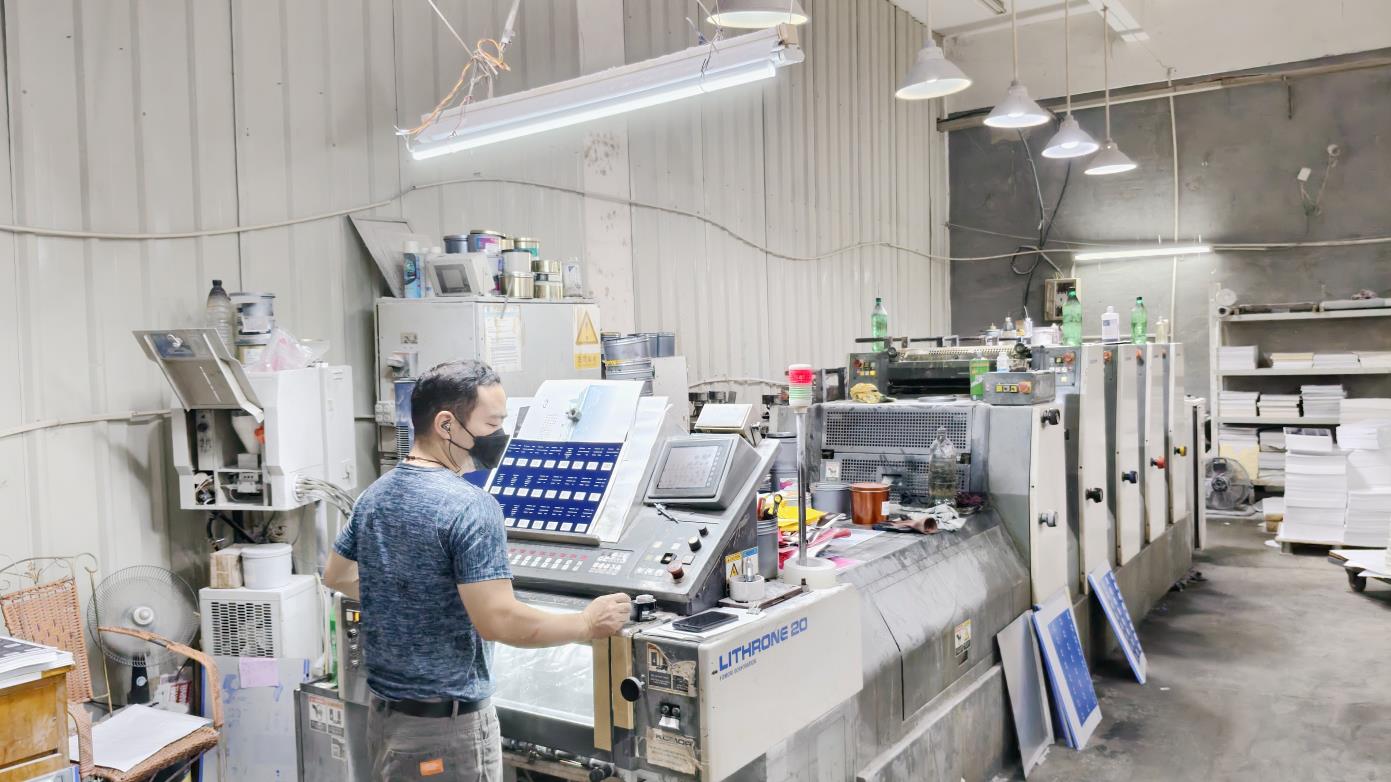
Printing workshop
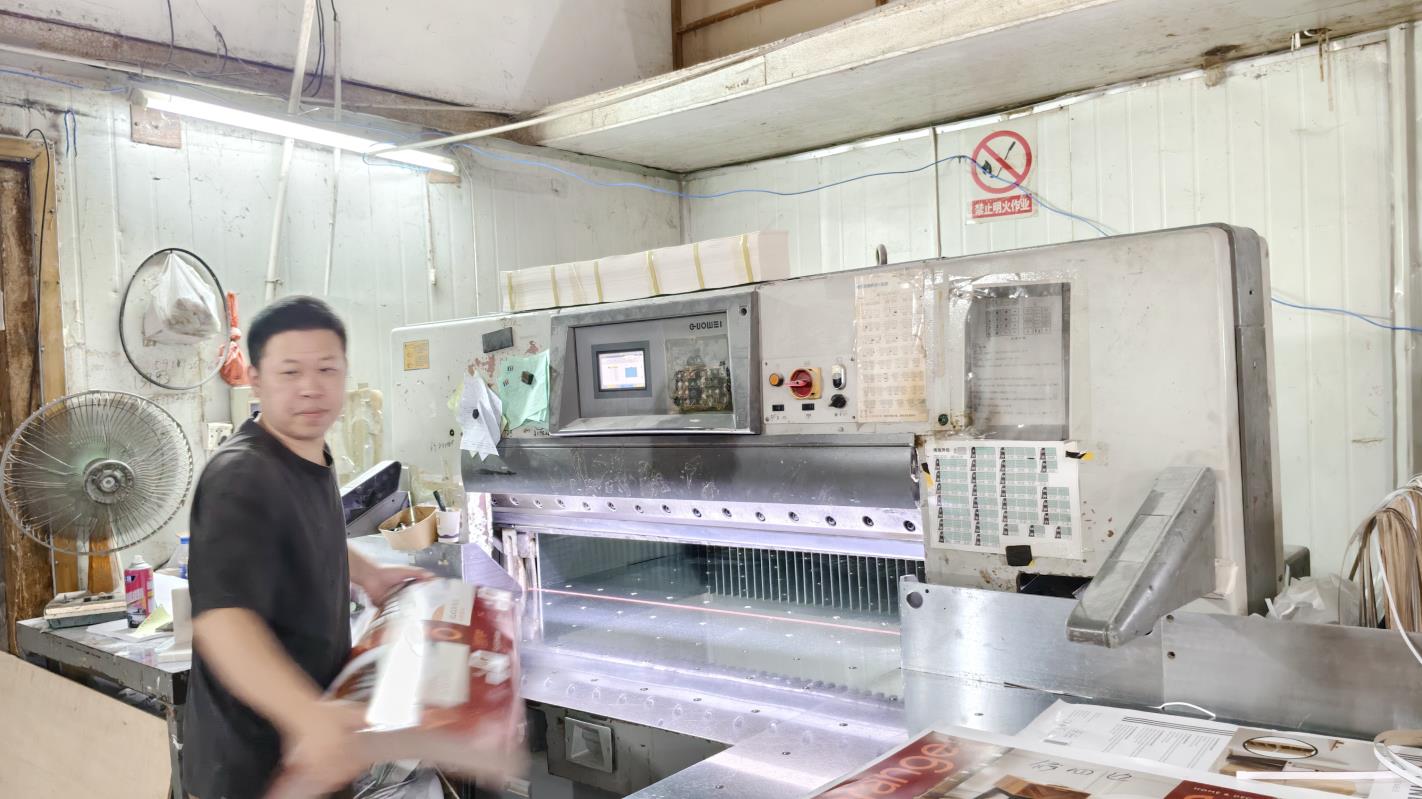
Production equipment
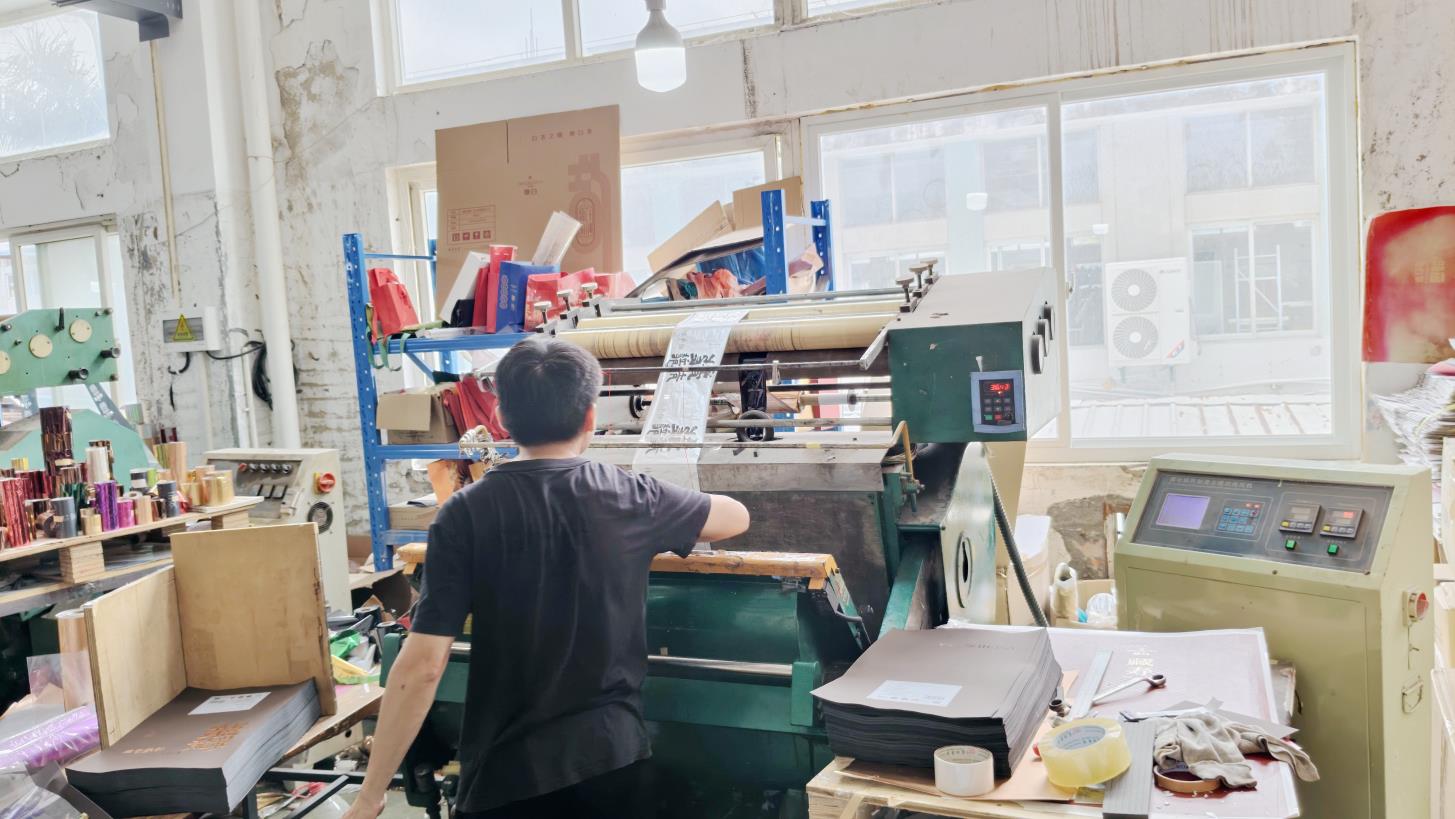
Finishing line
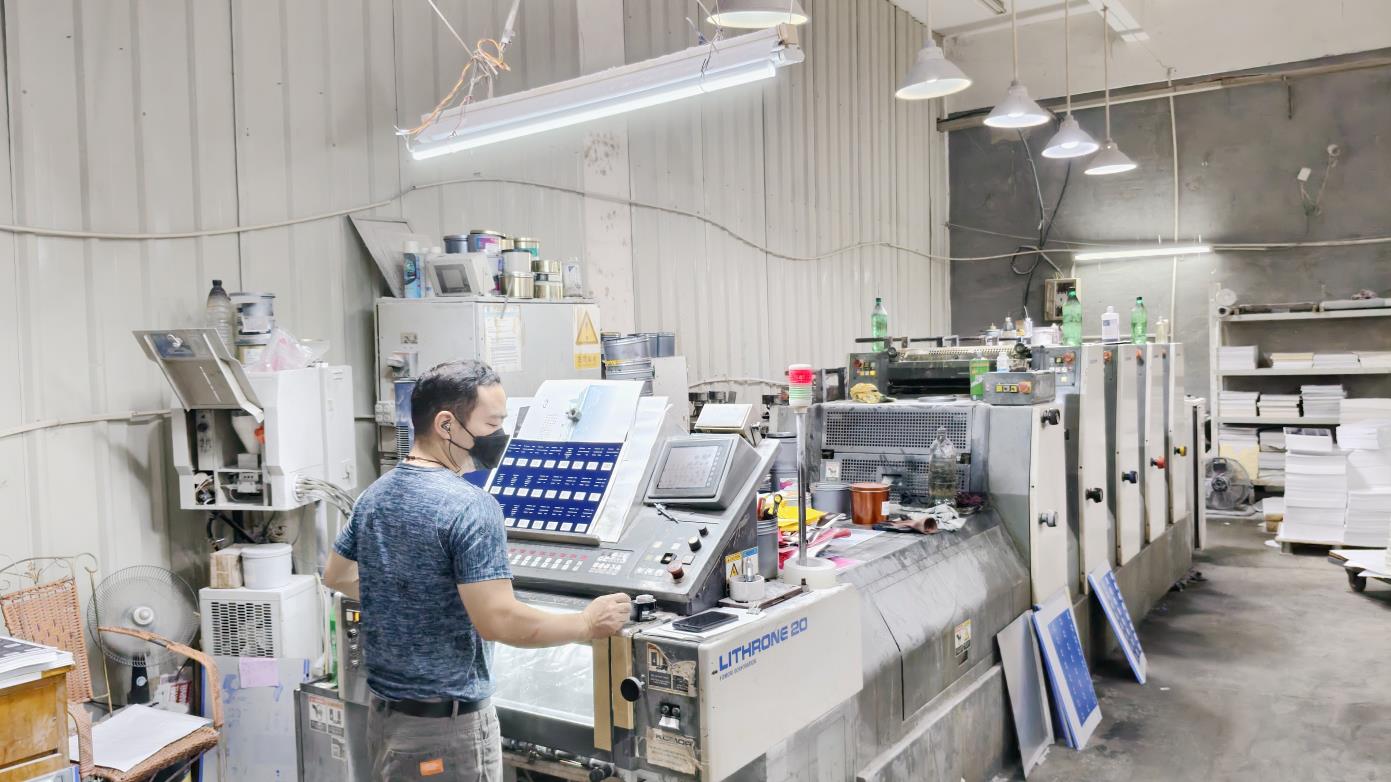
Assembly area
Book boxes are inspected at multiple points. Incoming greyboard and wrap paper are checked for thickness and visual defects. After printing and lamination, the wrap is checked for scuffing and color drift. During assembly, workers align the spine, set magnets, and verify opening and closing. Final inspection checks dimensions, magnet function, insert fit, logo position, and carton count. Photos and video can be shared before shipment.
Our 6-Step Custom Order Process for Wholesale Programs
A transparent workflow with a sign-off at each stage reduces surprises when book style boxes, inserts, cards, and bags arrive at your warehouse.
Brief and dieline
Share dimensions, product weight, quantity, artwork, destination, and target date. We propose board grade, wrap, closure, insert, and export packing.
Free 3D mockup
The design team builds a dieline and a 3D render for structure and artwork placement, so you can approve the concept before sampling.
Pre-production sample
A physical sample confirms color, hinge feel, magnet strength, insert fit, finishing, and overall shelf presence.
Mass production
Printing, lamination, foil, embossing, die-cutting, wrapping, and assembly run with inline checks and first-article approval.
Final inspection
AQL checks, function tests, photo or video reports, carton counts, and shipping marks are reviewed before shipment.
Global shipping
Export cartons, palletization, sea, air, or express options, and documentation support help move the order to your destination.
Frequently Asked Questions for Book Style Box Wholesale Buyers
Direct answers to the questions buyers ask most often before requesting a sample or issuing a purchase order.
What is the difference between a book style box and a folding carton?
What is the MOQ for wholesale book style boxes from China?
Can you produce book-shaped boxes with magnetic closure and custom inserts?
Which materials and finishes are best for luxury book boxes?
How do you prevent hinge cracking and corner damage during export?
How can I verify a China supplier before paying a deposit?
Request a Book Style Box Dieline, Material Recommendation, and Free 3D Mockup
Send your product dimensions, target quantity, artwork status, destination market, and preferred closure. Our team in Fuzhou will reply with a structure proposal, board and wrap recommendation, estimated lead time, and a free 3D mockup so you can evaluate the box before a sample is produced.
Get Catalog