What “Best” Means for Essential Oil Boxes—Beyond a Low Unit Price
Essential oil packaging is not a commodity carton. It must protect glass bottles and dropper closures, present botanical branding with premium print, support batch and regulatory information, and survive e-commerce and export transit. A “best” supplier is therefore not simply the lowest quote; it is the supplier that can engineer fit, control color, document compliance and scale from a 100-piece test run to repeat bulk orders.
Fuzhou Buba Printing Co., Ltd. (Buba Pack) is a custom manufacturer of paper packaging and commercial print based in Fuzhou, Fujian, China. The team has spent 18 years in paper printing, operates a 2,300 m² production floor, and has more than a decade of export experience serving brand owners, e-commerce sellers and distributors. Our work covers structural design, prepress, offset and digital printing, foil stamping, embossing, lamination, die-cutting and hand assembly under one roof. That integrated model matters for essential oil brands because packaging quality is rarely decided by printing alone: it is decided by the interaction between board grade, insert tolerance, bottle weight, closing pressure and shipping method.
This guide is written as a practical procurement white paper. It explains how to compare essential oil box suppliers, which packaging structures fit different bottle sets, how to control quality and documentation, and which purchasing and product trends are likely to shape 2026–2030 programs. Where we describe Buba Pack capabilities, we connect them to verifiable buyer needs: TÜV Rheinland onsite verification, low MOQs, free 3D mockups, in-house finishing, final AQL inspection and export-ready packing.
Bottle-Fit Engineering
Define bottle diameter, height, cap clearance, dropper neck, insert compression and unboxing sequence before artwork approval.
Oil-Aware Materials
Select coated board, corrugated grades, paper inserts and barriers that suit the product, destination and sustainability brief.
Print & Finish Control
Approve color targets, foil, emboss, soft-touch lamination, spot UV and label placement before mass production.
Export & Documentation
Plan export cartons, flat-packing, drop-test expectations and destination-specific declarations with one accountable team.
8 Custom Packaging & Print Products for Essential Oil Brands
The eight items below are drawn from the manufacturer’s existing product range and can form a complete brand kit around essential oil bottles and gift sets. Product URLs and images are preserved; every item can be customized by size, material, print and finishing.

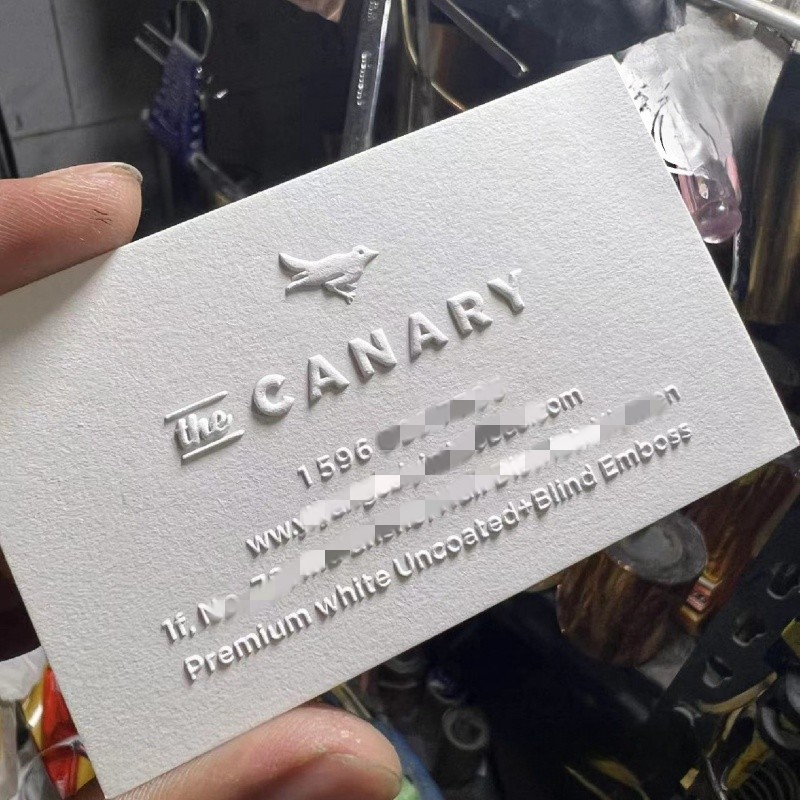
Luxury 3d Embossed Business Name Cardboard Printing Custom Logo Letterpress Debossed Black Cotton Paper Business Card
Use this thick cotton-paper card for wholesale line sheets, press kits and VIP buyer invitations that accompany a luxury essential oil collection.
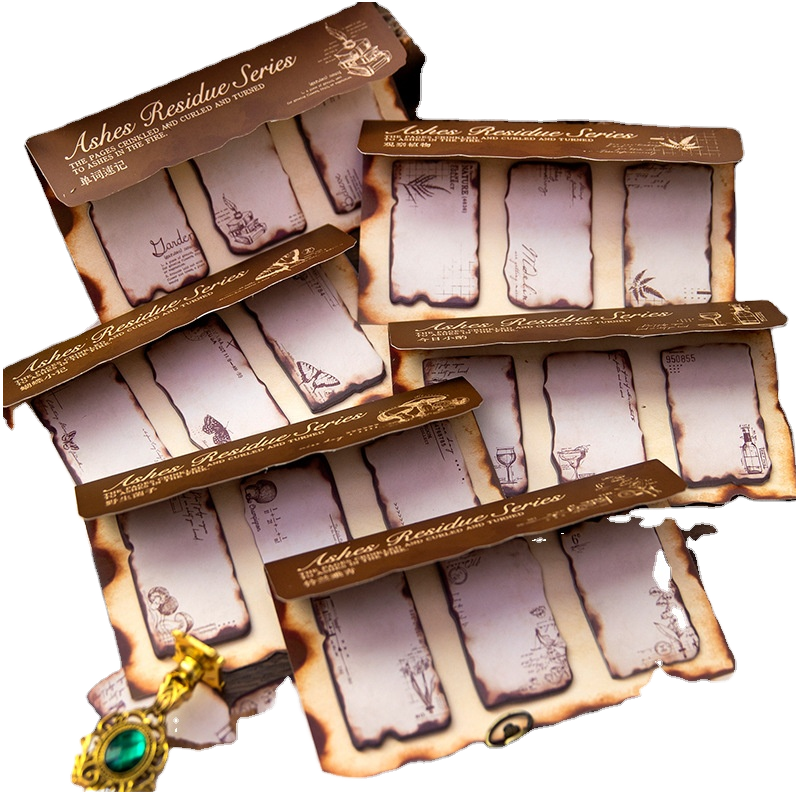
60pcs/pack Loose Leaf Ashes Aftermath Series Retro Burnt Handbook Decoration Stickers for Memo Pads
Decorative stickers support limited-edition oil sets, cap seals and journal inserts. Specify adhesive and surface so labels remain secure on glass, PET or coated cartons.
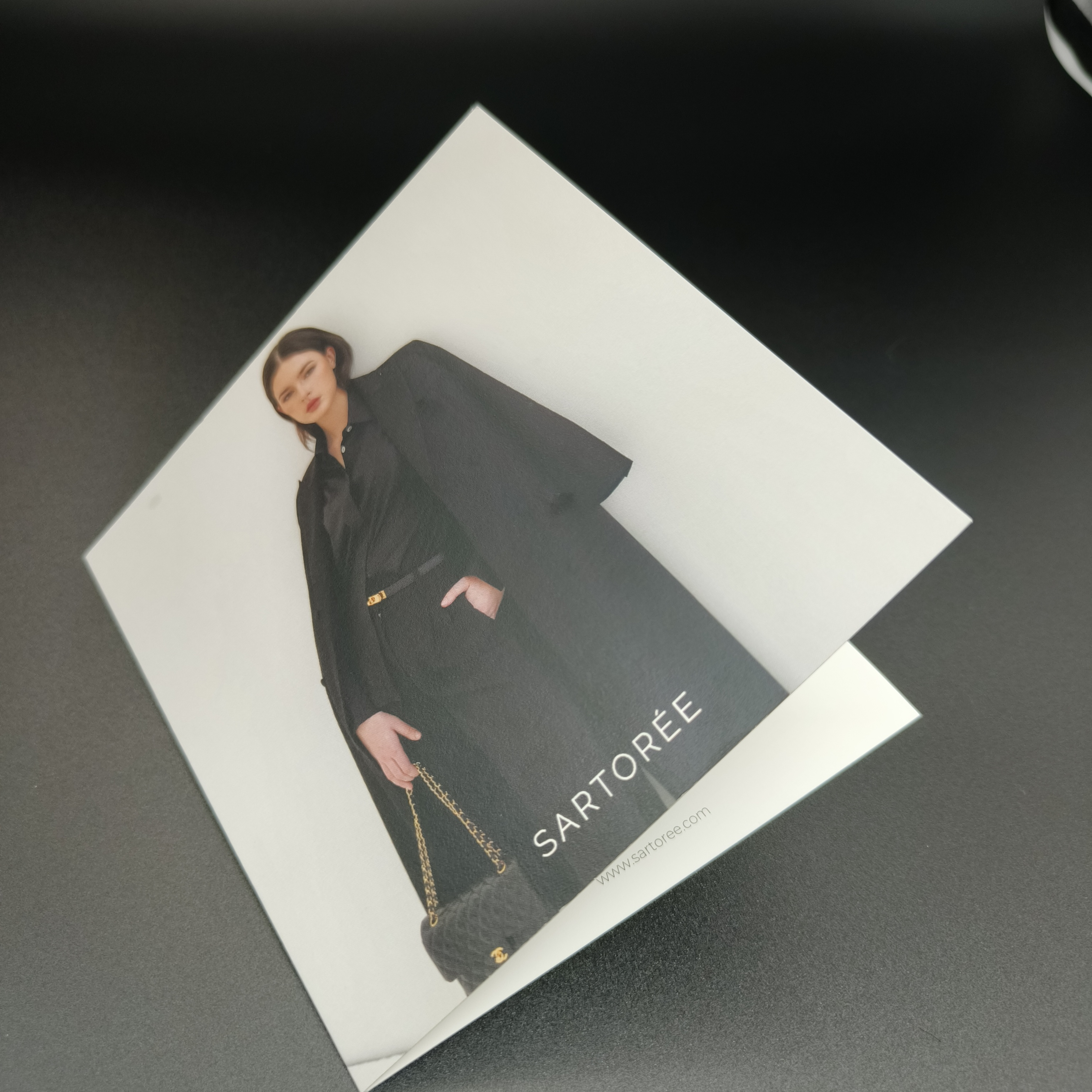
Customized Cards Greeting Cards Support Small Quantity Made Cardboard Paper Offset Thank You Card
Small-quantity thank-you cards are ideal for soft launches, ritual instructions, QR reorder prompts and handwritten-style brand messages inside oil boxes.
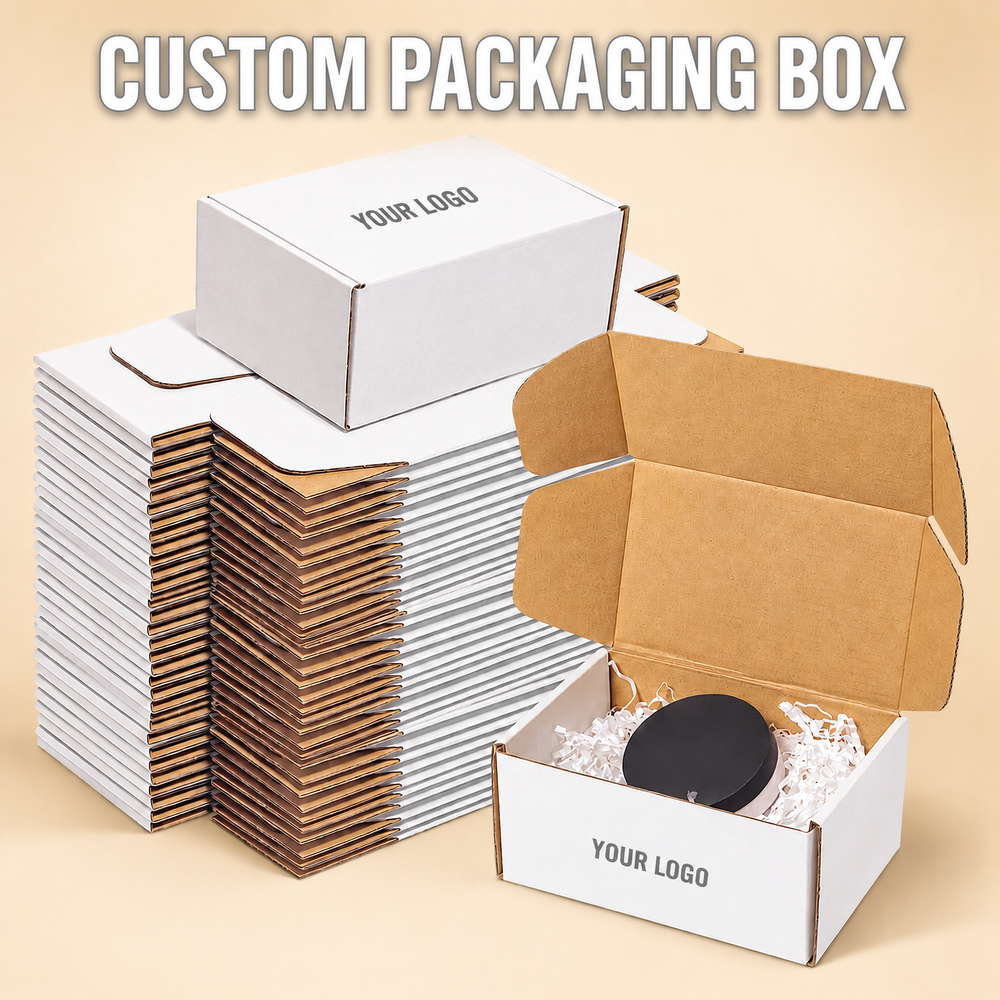
White Shipping Boxes 6x4x3 60 Pack Corrugated Cardboard Box Mailer
A practical mailer for sample kits and e-commerce orders. Pair it with a paper or EVA insert, then validate protection with the actual bottle and dropper packed inside.
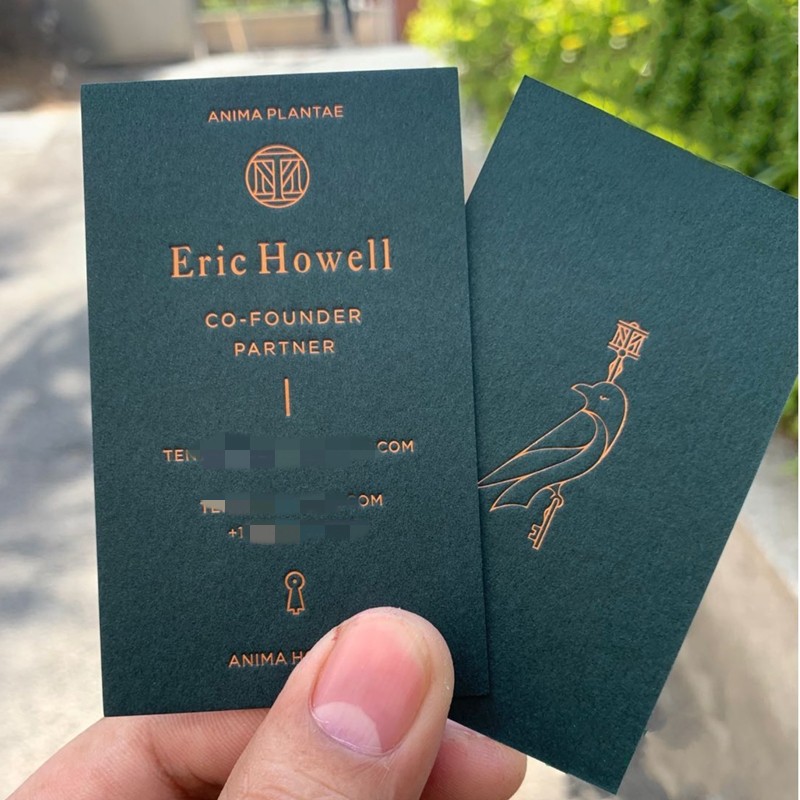
Luxury Custom Kraft Paper Business Card Digital Printing with Foil Edge Perfect Binding for Business Use
Kraft business cards with foil edges create a natural-wellness feel and can be inserted into mailers as authentication, distributor or reorder cards.
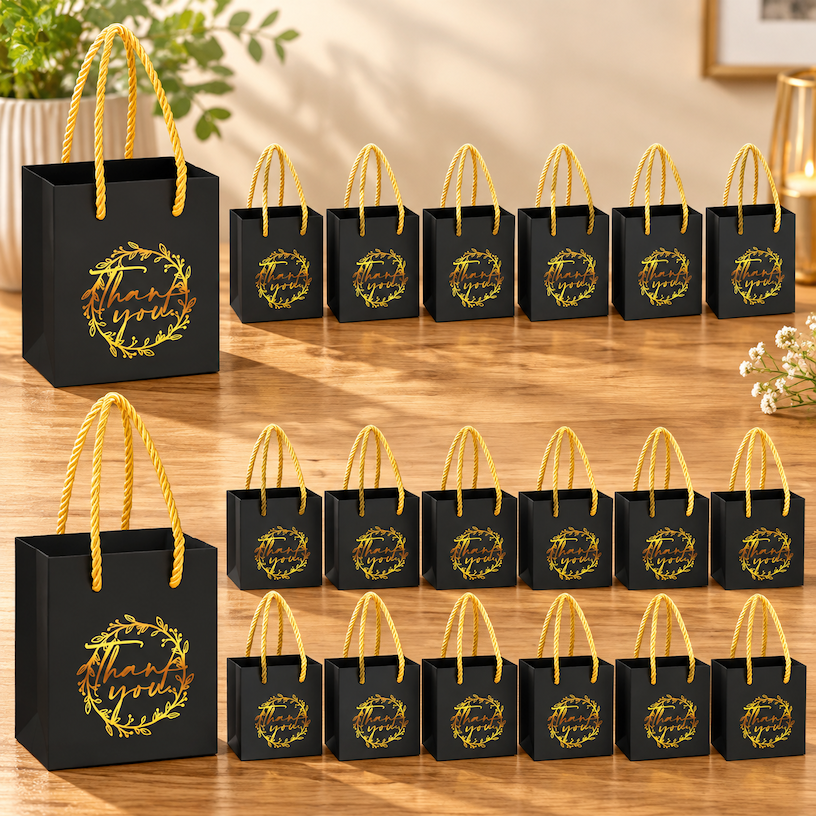
Custom Printed Black Kraft Paper Gift Bags for Clothing Perfume Thank You Gift
Black kraft gift bags turn a single bottle or oil set into a retail-ready gift. Confirm handle load, base reinforcement and color matching with the rigid box.
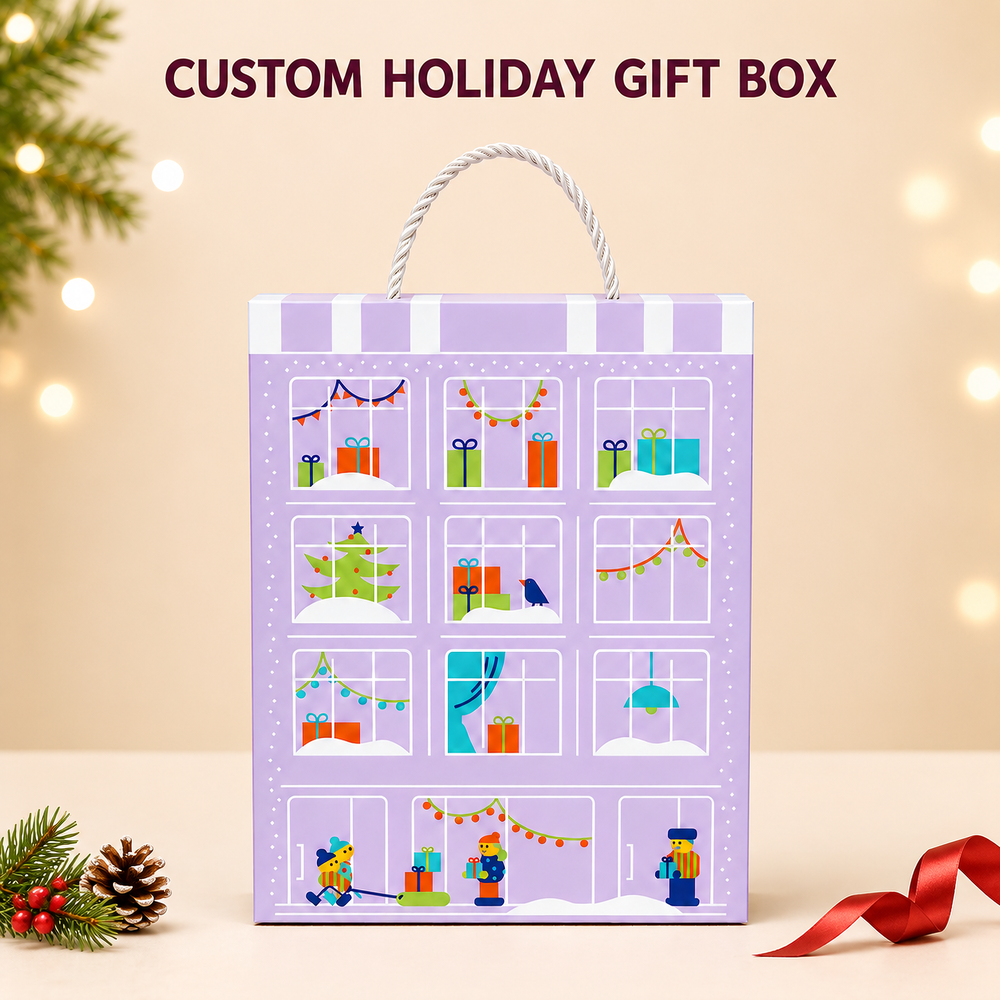
Custom Paper Boxes Rigid Gift Box with Drawers Rope Handle Custom Logo Packaging for Wholesale Bulk Orders Holiday Mystery Box
A rigid drawer box with rope handle is the hero structure for holiday sets, advent-style collections and high-value blends. Specify insert tolerances by bottle diameter and cap height.
Customized Romantic Brochure Offset Paper Film Lamination Hot Stamping for Wedding Invitation
Hot-stamped and laminated brochures can become ritual cards, certificates or gift-set closures. Use them to explain usage, botanical sourcing and batch details.
Essential Oil Box Engineering: Protection, Compliance and Shelf Impact
An essential oil box must fit tightly enough to prevent movement, but not so tightly that the bottle cannot be removed or the printing scuffs during insertion. Buyers should approve a physical pre-production sample with the real bottle, cap and any leaflet before mass production.
For single bottles, folding cartons and rigid magnetic boxes are common; for sets, rigid drawer boxes, book-style boxes and corrugated mailers are typically used. The insert is the critical component. Molded pulp, EVA foam and paperboard inserts can all work, but each has different tooling, MOQ and sustainability implications. If your brand is plastic-free, ask for a paper-based insert prototype rather than assuming a standard foam fit will pass drop testing.
Oil-resistant or barrier requirements should be discussed early. Essential oils can interact with some inks, adhesives and uncoated paper surfaces, and direct contact is normally avoided by using a sealed bottle, liner or protective pouch. For regulated destinations, artwork must include the required label information and warnings; packaging should not be assumed to be food-contact compliant without documentation. Request material declarations, FSC chain-of-custody evidence where relevant, and migration or safety documents applicable to your market and use case.
| Product Format | Recommended Structure | Material Direction | Popular Finishing / Insert | Critical Buyer Check |
|---|---|---|---|---|
| Single essential oil bottle | Folding carton or rigid magnetic box | 300–400 gsm SBS/ivory board; 1200–2000 gsm greyboard | Foil, emboss, soft-touch, paper insert | Bottle fit, closure clearance, label visibility |
| 3-bottle gift set | Rigid drawer box or book-style box | Greyboard wrapped in art paper; molded pulp or EVA insert | Magnetic flap, ribbon pull, spot UV | Insert compression and drop-test protection |
| E-commerce sample kit | Corrugated mailer | E-flute or B-flute corrugated, white or kraft liner | Tear strip, paper cushioning, printed inside | Edge crush, transit drop, easy returns |
| Roller bottle multipack | Folding carton with divider | 350–400 gsm board with paper divider | Window patch, paper lock tabs | Movement, cap protection, retail display |
| Premium dropper set | Book-style rigid box | 1500–2000 gsm greyboard with specialty wrap | EVA insert, ribbon, magnetic closure | Neck support, no leakage, premium unboxing |
| Retail gift bag | Kraft or art paper shopping bag | 150–250 gsm paper with reinforced base | Rope or ribbon handle, foil logo | Handle load, base strength, color matching |
A Weighted Checklist for Comparing Essential Oil Box Suppliers
This is not a market survey; it is a practical scoring model that packaging buyers can adapt to their own risk profile. The percentages show a typical weighting for a premium essential oil brand that values both shelf presentation and export reliability.
Future Procurement Trends for Essential Oil Packaging
Buyers are moving away from annual, single-quote purchasing toward smaller tests, richer technical briefs and documented risk control. The following trends are especially relevant for brands sourcing essential oil boxes from China.
Test Small, Scale Fast
MOQs from 50–100 pieces on many structures let brands validate a market before committing to bulk inventory.
Digital-First RFQs
Buyers now expect dielines, 3D mockups, artwork proofs and spec sheets before a sample is charged.
Sustainability Proof
FSC board, paper inserts, water-based inks and recyclable mono-material designs are becoming tender requirements.
Destination-Specific Compliance
EU, US, UK and Australia programs require different declarations. Suppliers must support document requests early.
Hybrid Inventory Planning
Factories and brands are combining small China-direct production runs with regional warehousing to reduce stock risk.
Version-Controlled Artwork
Batch codes, QR links, regulatory updates and limited-edition variants demand strict artwork version control.
Product Development Trends for Essential Oil Boxes
Premium essential oil packaging is moving toward modular inserts, paper-based protection and unboxing experiences that feel collectible without making recycling harder than necessary.
Rigid Drawer Boxes
Drawer and book-style rigid boxes remain strong for holiday sets, gift bundles and high-value botanical blends.
Modular Inserts
One box platform can hold a single bottle, a trio or a roller-bottle set by changing the paper insert tooling.
Paper-Based Protection
Molded pulp, honeycomb paper and folding board inserts are replacing foam in many eco-positioned oil collections.
Foil + Deep Emboss
Dark natural stocks with restrained gold foil, blind emboss and textured lamination signal premium quality.
QR & Batch Traceability
Packaging can link to batch records, sourcing stories, usage guides and reorder pages without adding a leaflet.
Limited-Edition Variants
Short runs with seasonal foils, stickers and cards allow brands to test offers without changing the core box structure.
Why Buba Pack Is a Practical China Supplier for Essential Oil Packaging
Buyers need evidence, not slogans. Buba Pack combines a 2,300 m² production floor, 18 years of paper-printing experience and 10+ years of export support with a design-to-delivery workflow that keeps structural engineering, printing, finishing and inspection under one roof.
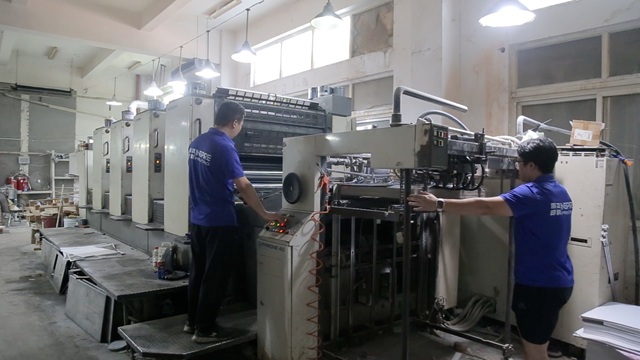

Fuzhou Buba Printing Co., Ltd. is located in Jianxin Town, Fuzhou, Fujian, China. The company operates as a custom manufacturer serving brand owners, e-commerce sellers and distributors. Its scope covers paper boxes, paper bags, label stickers, paper cards, notebooks, envelope printing, flyers, catalogs and book printing — a useful one-stop base for essential oil brands that need a matched box, bag, insert card and label system.
Our approach is to make decisions visible before production. Buyers receive a dieline and can review a free 3D mockup to confirm structure, artwork position and finishing. For repeat programs, we maintain specification consistency across print runs and provide inspection photos before shipment. The factory is TÜV Rheinland onsite-verified, quality-management certified, and listed as a Custom Manufacturer offering design-based, sample-based and full customization with onsite material inspection.
- TÜV Rheinland onsite-verified
- Quality-management certified
- OEM & ODM services
- Onsite material inspection
- Design and sample-based customization
- Recyclable paper options
Free Structure & 3D Mockup
In-house designers build the dieline and a 3D render so you approve fit and artwork before paying for samples.
Low MOQ, Factory Pricing
Start from 50–100 pcs on many items to test a market, then scale to bulk runs without changing suppliers.
Premium Finishing In-House
Hot foil, blind and 3D embossing, spot UV, soft-touch and holographic lamination, letterpress and window patching.
Verified Quality Control
Incoming material checks, first-article approval, inline color checks and final AQL inspection with photo reports.
Eco-Friendly Materials
Recyclable kraft and corrugated board, paper inserts instead of plastic, and water-based inks on request.
Export-Ready Logistics
10+ years of export experience: export-grade cartons, flat-packing to reduce freight, and sea, air or express shipping.

Third-party verification: the factory premises, legal status and production capability have been verified onsite by TÜV Rheinland. Buyers can use this as one input when auditing a new supplier; it does not replace order-specific material or compliance documentation.
Six Steps from Essential Oil Packaging Brief to Global Delivery
A transparent process reduces the risk of color drift, poor bottle fit and late shipment. Each stage should have a written approval point.
Brief & Dieline
Share bottle size, product weight, quantity, artwork and destination. We propose structure and material.
Free 3D Mockup
Approve a rendered mockup showing artwork placement, opening style and insert layout.
Pre-Production Sample
A physical sample confirms color, fit, finish and protection before mass production.
Mass Production
Printing, finishing and assembly proceed with inline color control and documented checkpoints.
Final Inspection
AQL checks, packing verification and photos or video are shared before shipment.
Global Shipping
Export cartons and sea, air or express delivery are arranged to your destination.
What to Send for an Accurate Essential Oil Box Quote
Complete briefs reduce sample rounds and prevent hidden cost gaps. Use this checklist for every new supplier comparison.
- Bottle diameter, height and cap or dropper dimensions
- Number of bottles per box and insert preference
- Order quantity, repeat forecast and target unit budget
- Box style: folding carton, rigid magnetic, drawer or mailer
- Board grade, paper weight and special surface requirements
- Artwork files in AI, PDF or EPS, CMYK, 3 mm bleed, outlined fonts
- Pantone colors, foil color, emboss depth and lamination choice
- Destination country and any labeling or compliance documents
- Drop-test expectations, e-commerce packing and barcode needs
- Target sample date, mass production date and shipping method
Ask suppliers to quote the same specification and to state what is excluded. For essential oil boxes, the insert tooling, hand assembly and finishing are often the largest cost drivers—not the printed sheet alone.
Essential Oil Boxes: Frequently Asked Questions
Clear answers on MOQ, samples, materials, lead times, compliance and quality control.
What is the minimum order quantity for custom essential oil boxes?
Many custom mailer boxes, rigid gift boxes and paper bags start from 100 pieces. Some notebook or card items can start from 50–100 pieces, while hang tags, flyers and labels often start from 200–1,000 pieces depending on size and finishing. For essential oil gift sets, the MOQ may be influenced by the insert tooling and hand-assembly steps. Ask for a written MOQ by structure rather than assuming one number applies to every box.
Do you offer free design support and 3D mockups?
Yes. The in-house design team can provide dielines and a free 3D mockup so you can approve structure, artwork position and finishing before a physical sample is produced. This is especially useful for essential oil sets because the 3D view helps reveal whether the bottle, dropper and leaflet fit naturally inside the chosen box.
How long do samples and mass production take?
Typical lead time is 3–7 working days for pre-production samples and 10–20 working days for mass production after sample approval. Complex rigid boxes, hand-assembled inserts, specialty foils or large book runs may need longer. The schedule should be confirmed in writing with every order, including a buffer for artwork approval and Chinese public holidays.
Which artwork file formats do you accept?
Vector AI, PDF or EPS files in CMYK with 3 mm bleed and outlined fonts are preferred. High-resolution PSD or TIFF files at 300 dpi are also accepted. Pantone colors can be matched on request. For essential oil packaging, keep regulatory text, batch codes and QR codes in vector format where possible so they remain sharp and easy to update.
Can you make eco-friendly or recyclable essential oil packaging?
Yes. Options include recyclable kraft and corrugated board, paper-based inserts instead of plastic, water-based inks and plastic-free tear-strip mailer boxes. Recyclability claims should be checked against the destination market and the full pack, including labels, foil, lamination and adhesive. Ask for material declarations and avoid vague “eco” claims without documentation.
Is the factory verified by a third party?
Yes. Fuzhou Buba Printing Co., Ltd. has been verified onsite by TÜV Rheinland and is listed as a Custom Manufacturer offering design-based, sample-based and full customization with onsite material inspection. Third-party verification supports supplier due diligence, but each order should still specify product testing, material declarations and inspection criteria.
Can you engineer inserts for dropper, roller and amber glass bottles?
Yes. Inserts can be developed in paperboard, molded pulp or EVA depending on protection needs and the brand’s sustainability position. Provide the exact bottle drawing, cap diameter, filled weight and packing orientation. A physical sample should be tested with the real bottle and closure, not a substitute, before mass production.
Can you supply a complete one-stop packaging kit for an oil brand?
Yes. The surrounding product range includes rigid gift boxes, corrugated mailers, paper bags, business cards, thank-you cards, stickers, hang tags, catalogs, envelopes and notebook printing. A matched kit helps keep color, paper texture and finishing consistent across the box, bag, card and label system.
How do you control color and quality across repeat orders?
Quality control can include incoming material checks, first-article approval, inline color checks, final AQL inspection and photo reports. For repeat programs, keep a signed golden sample, approved artwork file and written specification. Color can be measured with a spectrophotometer or compared visually under controlled lighting, depending on the project requirement.
How do I request an essential oil box quote?
Send the bottle dimensions, box style, quantity, destination, artwork status and any compliance or drop-test requirements. You will receive a structure proposal, material recommendation and quotation. If the specification is not final, start with a dieline and 3D mockup; this is the fastest way to compare suppliers on the same technical basis.
Build a Better Essential Oil Unboxing Experience
Send your bottle dimensions, box style, quantity and artwork status. Our team will reply with a structure recommendation, material direction and next-step quote. For buyers who need a faster decision, ask for a dieline and free 3D mockup before sampling.